Introduction: Unveiling Siena’s Contrada dell’Aquila and Its Museum
In the heart of Siena, Italy, the Museum of the Eagle District (Museo della Contrada dell’Aquila) is a gateway into the city’s living heritage. As one of Siena’s 17 historic contrade—distinct civic neighborhoods with roots in the Middle Ages—Contrada dell’Aquila stands out for its rich traditions, vibrant community life, and iconic role in the world-famous Palio di Siena horse race. The museum, housed in a historic palazzo, offers visitors a rare opportunity to explore centuries-old banners, costumes, religious art, and archival documents that celebrate the district’s proud identity.
This guide provides everything you need to plan your visit: from practical details about hours, tickets, and accessibility, to insights on nearby attractions and Siena’s unique contrada culture. Whether you are a first-time visitor or a returning enthusiast, the Museum of the Eagle District is an essential stop for anyone seeking to understand Siena’s enduring spirit and communal traditions (visitsienaofficial.it; discovertuscany.com; travelthru.com).
1. History and Cultural Significance of Contrada dell’Aquila
Origins and Historical Evolution
The Contrada dell’Aquila, or Eagle District, is among Siena’s most storied contrade. Established in the Middle Ages, contrade originally functioned as military and administrative units but soon evolved into social and cultural communities, shaping Sienese identity for centuries (visitsienaofficial.it). Aquila’s territory, within the affluent Terzo di Città, encompasses key city landmarks, and the district’s boundaries were formalized in 1729, establishing the present-day network of 17 contrade (terredisiena.it).
Emblem, Colors, and Heraldry
Contrada dell’Aquila’s symbol is the black double-headed eagle, each head crowned and clutching a scepter, sword, and imperial orb. The contrada’s colors—yellow-gold, azure, and black—are displayed on flags and buildings throughout the district, reflecting its historical ties to imperial authority and Siena’s notarial professions (aboutsiena.com).
Religious and Civic Traditions
Religious devotion plays a central role in contrada life. The Madonna is Aquila’s patron saint, celebrated each year on September 8th. The contrada’s oratory, granted to it in 1788, serves as both a spiritual and communal hub, housing sacred art and artifacts (visittuscany.com).
The Palio di Siena and the Hall of Victories
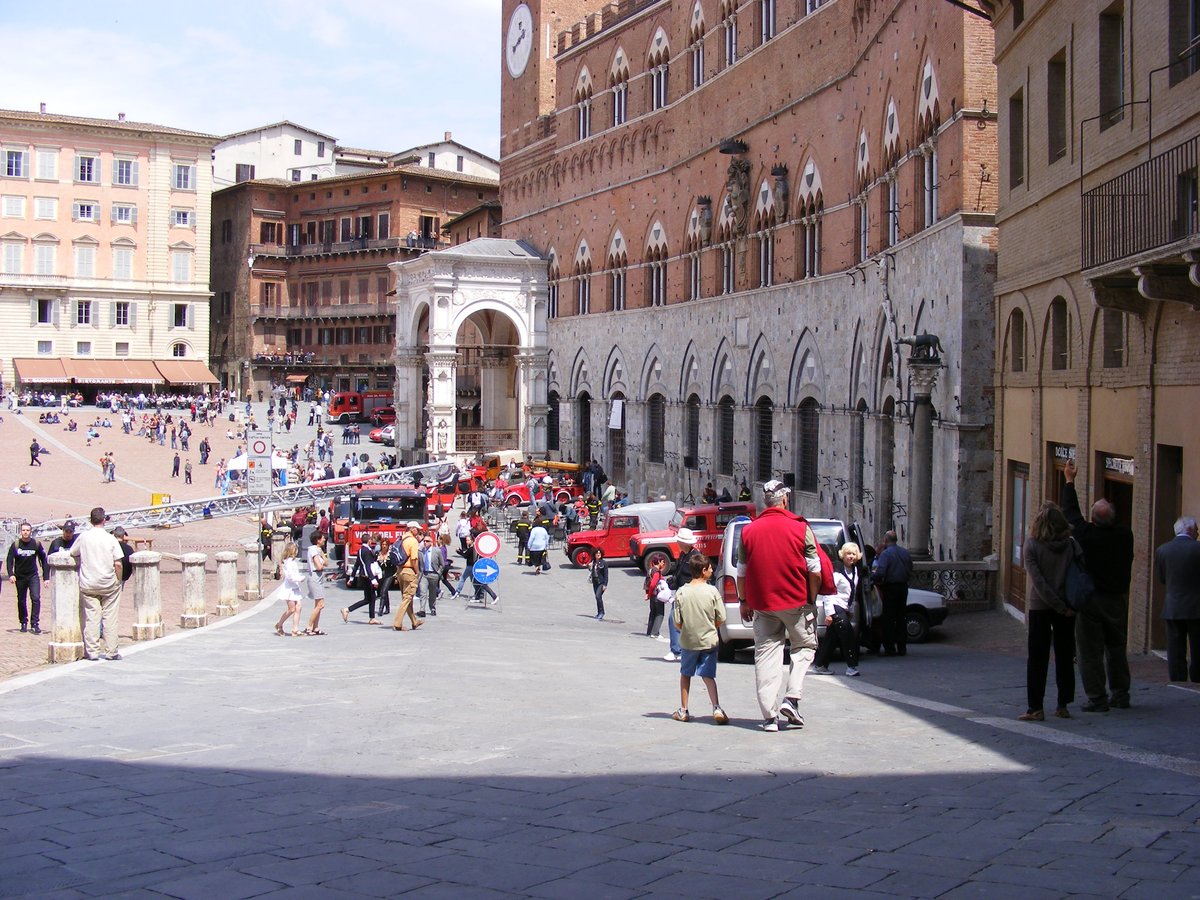
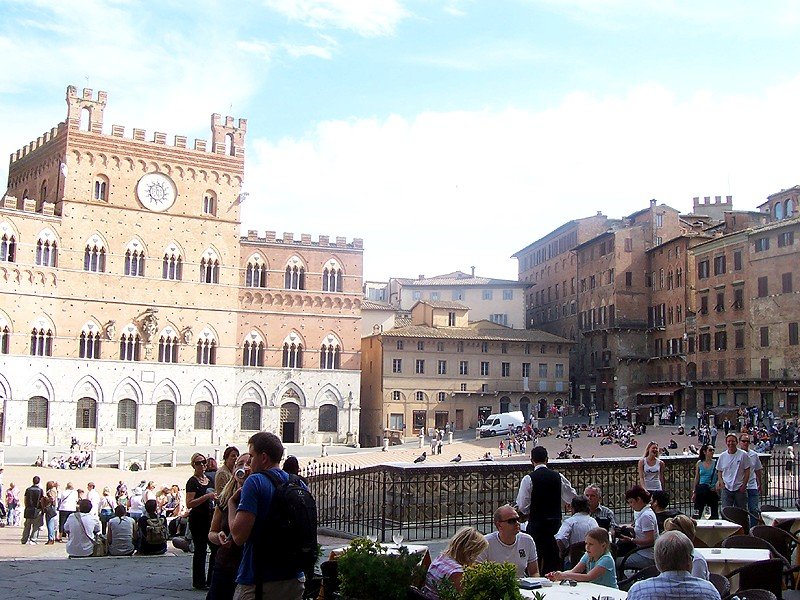
The Palio di Siena, a fiercely competitive horse race in Piazza del Campo, is the heart of contrada rivalry and local pride. As of 2025, Contrada dell’Aquila has secured 24 Palio victories; its museum preserves the oldest surviving Palio banner (drappellone) in Siena, dating to 1719 (visittuscany.com). The Hall of Victories displays banners, awards, and memorabilia documenting these triumphs (visitsienaofficial.it).
2. Visiting the Museum: Hours, Tickets, and Accessibility
Location and Access
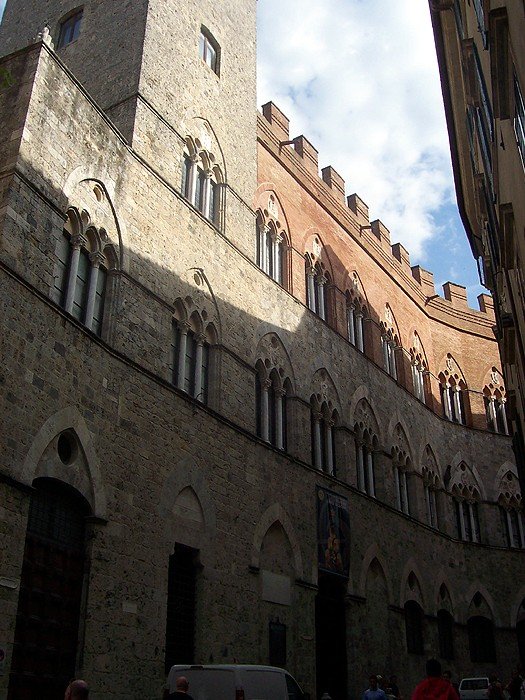
The museum is located in the 16th-century Palazzo Agazzari-Nastasi at Via Casato di Sotto and Costa Larga, just steps from Piazza del Campo. It's easily reached on foot from the city center and can be accessed via local buses or taxis (museionline.info). Parking is limited in the historic core; visitors should use public lots and walk.
Visiting Hours
- By Appointment Only: The museum is open to the public by prior arrangement. Bookings should be made in advance via the official Contrada dell’Aquila website or through Siena’s tourist office.
- Palio Season: Extended opening hours are available in the days leading up to the Palio di Siena (July 2 and August 16), when extra tours and events are scheduled (Italia.it).
Tickets and Admission
- Admission: Free or modestly priced (typically €3–€6 as of 2025), with discounts for children, students, and groups. Donations are welcome to support the contrada.
- Guided Tours: Led by contrada members, often available in English upon request. Advance booking is recommended for tours, especially outside the Palio season.
Accessibility
Due to the historic structure, accessibility for visitors with mobility needs may be limited. Contact the museum in advance to discuss accommodations and ensure a comfortable visit.
3. Museum Highlights and Visitor Experience
Collections
- Palio Memorabilia: Costumes, banners, and trophies from centuries of Palio competitions.
- Historic Artifacts: Religious objects, silverware, and documents tracing the contrada’s history.
- Artworks: Paintings, frescoes, and sculptures featuring the eagle emblem and scenes from contrada life.
- Chapel: A private oratory used for blessings and religious ceremonies before the Palio.
Atmosphere
Visitors can expect an authentic, community-driven experience. The museum’s intimate scale fosters close interaction with passionate contrada members, offering personal insights into Siena’s traditions.
Guided Experiences
Programs such as InContrada provide behind-the-scenes access to private contrada spaces, including the museum, oratory, and meeting halls, offering a deeper understanding of contrada rituals and social bonds (discovertuscany.com).
4. Contrada dell’Aquila in Siena’s Social Life
Community and Support
Contrade are more than neighborhoods—they function as extended families, supporting members through life’s milestones, organizing communal meals, festivals, and charitable activities, and fostering a profound sense of belonging (rockyruggiero.com).
Rivalries and Alliances
Aquila is traditionally allied with Civetta (Owl) and Drago (Dragon) and rivals Pantera (Panther). These relationships shape social interactions, especially during the Palio (aboutsiena.com).
Modern Relevance
The contrada system remains integral to Siena’s civic harmony, social order, and transmission of local heritage, ensuring the city’s low crime rate and strong communal spirit (siena-guide.com).
5. Practical Visitor Tips
- Plan Ahead: Book your museum visit well in advance, especially outside the Palio period.
- Combine Visits: Explore nearby attractions such as Piazza del Campo, Siena Cathedral, and other contrada museums.
- Engage Locals: Contradaioli are welcoming and eager to share their traditions.
- Respect Etiquette: Be mindful of local customs, especially during religious ceremonies or in the chapel.
- Photography: Check with staff before taking photos—restrictions may apply in certain areas.
- Language: Guided tours are primarily in Italian, but English options are often available on request.
6. Nearby Attractions
- Piazza del Campo: Siena’s iconic square and Palio venue.
- Duomo di Siena: Magnificent Gothic cathedral.
- Pinacoteca Nazionale: Renowned art museum.
- Local Eateries: Sample Tuscan cuisine at nearby cafes and restaurants.
7. Frequently Asked Questions (FAQ)
Q: How do I book a visit to the Museum of the Eagle District?
A: Visits are by appointment; contact the museum through the official Contrada dell’Aquila website or the Siena tourist office.
Q: Is there an entry fee?
A: Admission is generally free or modestly priced, with discounts for certain groups.
Q: Are guided tours available in English?
A: Yes, upon prior arrangement, especially during peak tourist seasons.
Q: Is the museum accessible?
A: Some areas may be challenging for visitors with mobility issues; contact the museum in advance for assistance.
Q: What other attractions are nearby?
A: Piazza del Campo, Siena Cathedral, and the Pinacoteca Nazionale are a short walk from the museum.
Discover More
The Museum of the Eagle District offers a window into Siena’s living traditions, from Palio triumphs to centuries of community ritual. Conveniently located and visitor-friendly—with free or affordable admission, guided tours, and proximity to major landmarks—it is a must-see for anyone interested in Siena’s rich cultural tapestry. Book your visit ahead, explore the historic surroundings, and immerse yourself in the enduring spirit of the contrada. For up-to-date information, download the Audiala app and consult official resources for the latest news and events (visitsienaofficial.it; sienavisitor.org; discovertuscany.com).
Listen to the full story in the app
Your Personal Curator, in Your Pocket.
Audio guides for 1,100+ cities across 96 countries. History, stories, and local insight — offline ready.
Audiala App
Available on iOS & Android
Join 50k+ Curators
Sources
- verified
- verified
- verified
- verified
- verified
Last reviewed: