Introduction
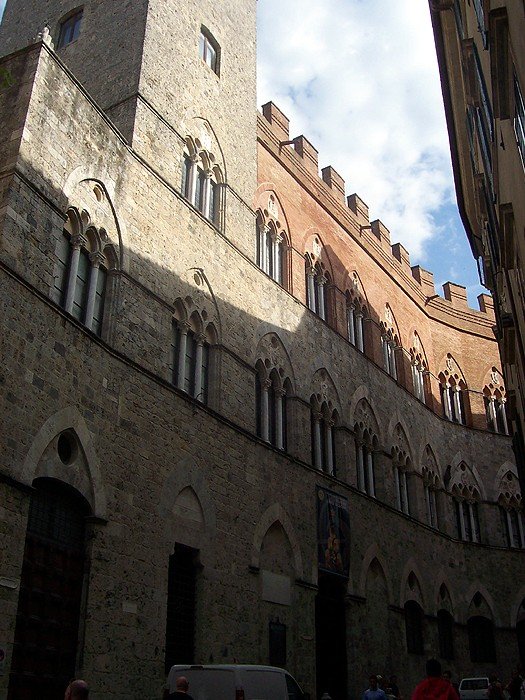
Nestled in the heart of Siena’s medieval cityscape, the Museo della Contrada della Torre is more than a traditional museum—it is the living cultural heart of one of Siena’s seventeen historic Contrade. Here, visitors encounter not only centuries-old artifacts but also the vibrant traditions, social rituals, and enduring spirit that define Siena’s unique identity. Whether you are a history enthusiast, art lover, or a traveler eager to experience authentic local culture, the Museo della Contrada della Torre offers an immersive journey into the soul of Siena.
Origins and Evolution of the Contrada della Torre
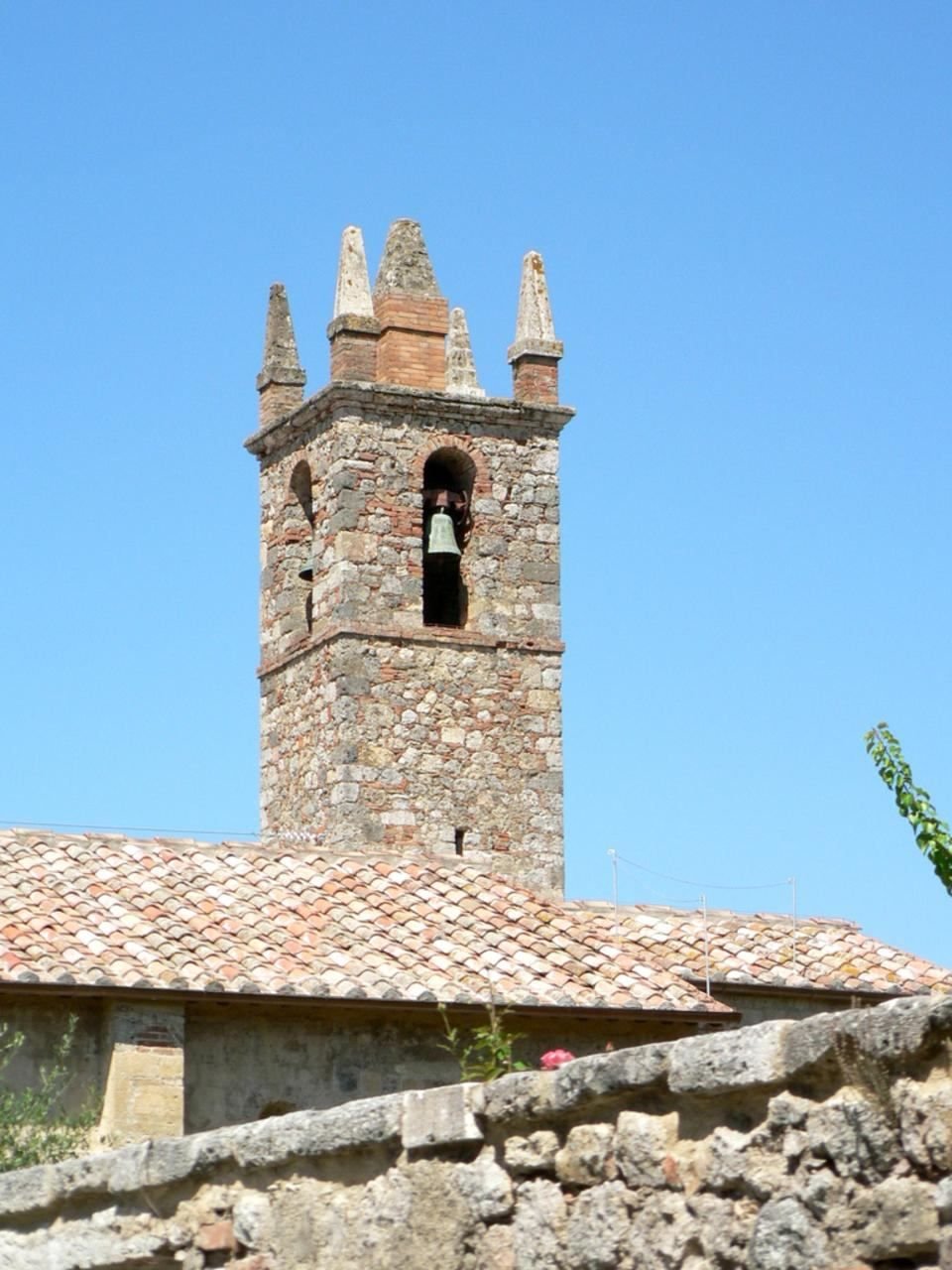
The Contrada della Torre, one of Siena’s historic districts, dates back to at least the 13th century and has played a significant role in Siena’s civic, social, and defensive organization. The Contrada system, unique to Siena, structured urban life, ensuring not only security but also social cohesion and intergenerational identity. The Torre’s territory is centered on Via di Salicotto, an area that still preserves traces of Siena’s medieval fortifications (ilpalio.siena.it; contradadellatorre.it).
The Oratory: Spiritual and Historical Center
The Oratory of San Giacomo Maggiore and San Cristoforo is the spiritual heart of the Contrada della Torre. Built in 1536 to commemorate the Contrada’s valor at the Battle of Camollia, it remains a site of devotion and ceremony to this day. Inside, visitors can admire sacred artworks from Renaissance and Baroque artists such as Il Sodoma and Rutilio Manetti, reflecting the Contrada’s longstanding artistic patronage (visittuscany.com).
Archaeological Treasures: Etruscan to Medieval
The museum is remarkable for its layers of history preserved in situ, including:
- Etruscan Hypogeum Tomb (2nd century BCE): Evidence of pre-Roman civilization in the area (terredisiena.it).
- Roman Cistern (1st century CE): A testament to ancient engineering and the importance of water management.
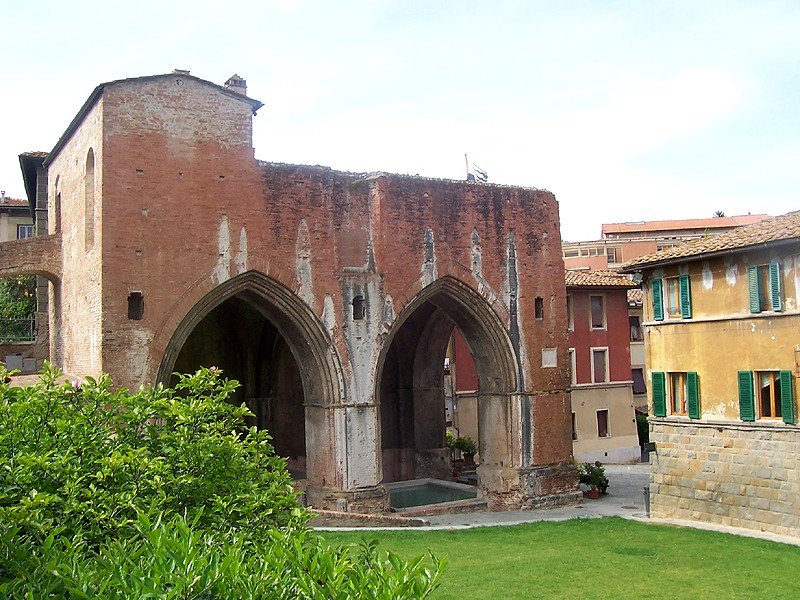
- 13th-century City Walls: A tangible link to Siena’s medieval defensive structures.
- Renaissance Grain Pit: Illustrates practical strategies for community resilience during food shortages (contradadellatorre.it).
Contrada Heraldry and Symbolism
The Contrada della Torre’s emblem—an elephant bearing a tower—evokes both classical antiquity and local legend. This powerful image, inspired by war elephants of Pyrrhus and Hannibal, is present in banners, costumes, and Palio regalia. The Contrada’s colors—crimson, white, and pale blue—alongside the sun motif, symbolize endurance and unity (ilpalio.siena.it).
The Palio di Siena: Rituals and Rivalries
Central to Contrada life is the Palio di Siena, the world-famous horse race held every July 2 and August 16. The Museo della Contrada della Torre preserves key artifacts from the Palio tradition:
- Drappelloni (Victory Banners): Artistic banners commemorating each Palio win (contradadellatorre.it).
- Ceremonial Costumes: Worn during the race and related processions.
- Masgalani: Prizes awarded for elegance in parade presentation (Musei Senesi).
Torre’s historic rivalry with Contrada dell’Oca is legendary, adding drama and color to every Palio.
Collections: Art, Artifacts, and Memorabilia
Notable Highlights
- Sacred Art: Works by Il Sodoma, Giovanni di Lorenzo, and Rutilio Manetti.
- Masgalani: Four of the six surviving ancient parade basins with intricate repoussé work.
- Battle Relics: A bell cast from a cannon captured at Camollia, symbolizing martial valor.
- Palio Memorabilia: Painted chronicles and the “nerbo del Gobbo Saragiolo” whip from the 1853 Palio.
- Community Archives: Registers, photographs, and ceremonial objects documenting centuries of Contrada life (contradadellatorre.it; corrieredisiena.it).
The museum also houses contemporary artworks, reinforcing its status as a living cultural center.
Visiting Information: Hours, Tickets, Accessibility
- Location: Via di Salicotto, Siena, Italy.
- Opening Hours: Primarily by appointment. The museum is open around major events such as the Palio (July 2, August 16). Contact the Contrada in advance to schedule your visit.
- Admission: Usually free or by donation; supports Contrada activities (museionline.info).
- Accessibility: The museum is housed in a historic building; accessibility for visitors with mobility impairments is limited. Contact ahead for arrangements.
- Guided Tours: Led by Contrada members, available in Italian and, with notice, in English. Advance booking is highly recommended.
Travel Tips and Nearby Attractions
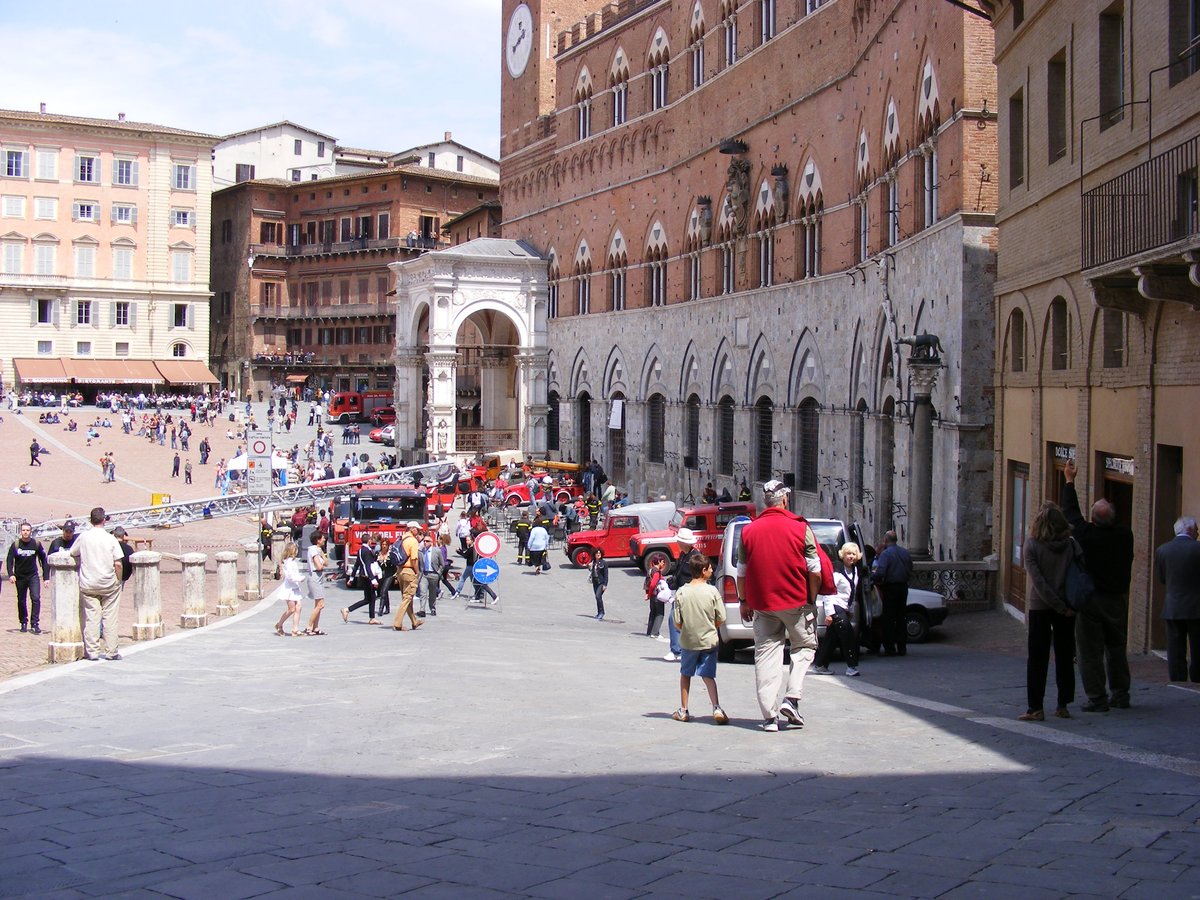
- Combine Your Visit: Explore nearby sites like Piazza del Campo, Siena Cathedral, Torre del Mangia, and other Contrada museums.
- Arriving: The museum is within Siena’s pedestrian zone. Use public transit or park outside the city walls.
- Cultural Etiquette: Dress modestly, especially during religious events. Respect the living community—this is an active cultural center, not just a museum.
- Best Times: Visiting during the Palio offers unmatched insight, but requires advance planning due to crowds and altered schedules.
Frequently Asked Questions (FAQ)
Q: How do I arrange a visit to the Museo della Contrada della Torre?
A: Contact the Contrada della Torre via their official website to book an appointment.
Q: Is the museum accessible for people with disabilities?
A: Accessibility is limited due to the medieval structure. Please inquire ahead for possible accommodations.
Q: Are there guided tours in English?
A: Yes, but advance notice is required.
Q: What makes this museum unique?
A: It is a living repository where artifacts remain integral to Contrada life, offering authentic, community-driven insight into Siena’s traditions.
Q: Can I visit other Contrada museums?
A: Yes, each Contrada has its own museum, each reflecting unique histories and traditions (Visit Tuscany).
Listen to the full story in the app
Your Personal Curator, in Your Pocket.
Audio guides for 1,100+ cities across 96 countries. History, stories, and local insight — offline ready.
Audiala App
Available on iOS & Android
Join 50k+ Curators
Sources
- verified
- verified
- verified
- verified
- verified
- verified
Last reviewed: