Plan and listen to Riva Trigoso with Audiala.
Audio guide in your pocket, itinerary in your browser. Built for the way you actually visit.
Introduction
Riva Trigoso, nestled on the Ligurian coast within the municipality of Sestri Levante, is a captivating destination that harmoniously blends a rich maritime heritage, medieval architecture, and vibrant cultural traditions. Its ancient origins—tracing back to Ligurian tribes and flourishing through Roman and Genoese eras—can still be glimpsed in historical sites like the Church of Santa Sabina and Villa Fieschi. Today, Riva Trigoso is renowned for its tranquil beaches, scenic promenades, and the enduring legacy of the Fincantieri shipyard, which continues to shape the town’s identity.
This detailed guide covers the area’s historical and cultural highlights, practical travel advice, and insider tips for visitors. Whether you’re interested in exploring historical sites, enjoying Ligurian cuisine, or relaxing by the sea, Riva Trigoso offers a quintessential coastal experience.
For official information and updates, refer to sources like the Sestri Levante Tourism website, Italia.it Liguria Guide, and Ecotopia2121.

Ancient and Roman Origins
Riva Trigoso’s history stretches back to the Ligurian Tigullii tribe, who established early settlements in the area. During the Roman era, the site—then known as Segesta Tigulliorum—served as a strategic minor port, facilitating trade across the Mediterranean and connecting northern and southern Italy.
Medieval and Genoese Influence
The Middle Ages saw the re-emergence of Riva Trigoso as a fortified settlement. The 12th-century Church of Santa Sabina, characterized by its pebble mosaic porch and wooden sculptures, stands as a relic of this period. The influential Fieschi family, particularly Ottobono Fieschi (later Pope Adrian V), played a significant role in the region’s development, with Villa Fieschi serving as an enduring symbol of their legacy.
Renaissance and Maritime Expansion
During the Renaissance, Riva Trigoso’s harbor thrived with merchant houses and clock towers. The economy diversified—fishing, shipbuilding, olive oil, and wine exports flourished. The region’s strategic location led to frequent conflict, notably the 1133 Fieschi attack, after which Genoa consolidated control for regional security.
Modern Shipbuilding Era
Industrialization arrived in 1897 with the founding of the Cantiere navale di Riva Trigoso shipyard. The 20th century saw the shipyard expand into naval construction, contributing significantly to Italy’s maritime sector and providing skilled employment for locals. Despite wartime bombings, the facility endures today as part of Fincantieri, a leader in both naval and commercial shipbuilding (Wikipedia; MarineLink).
Key Historical Sites and Visitor Information
Church of Santa Sabina
- Location: Trigoso (inland village)
- Visiting Hours: Daily, 9:00 AM–6:00 PM
- Tickets: Free entry
- Features: 12th-century architecture, pebble mosaic porch, notable wooden sculptures
- Accessibility: Wheelchair accessible with assistance
Villa Fieschi
- Location: Trigoso
- Visiting Info: Private residence; visible from public paths, visits by appointment only
- Highlights: Medieval villa, historic gardens
Riva Trigoso Shipyard (Fincantieri)
- Info: Active industrial site, not open for regular public tours. Special guided visits may be available during events or by arrangement (Ecotopia2121).
Beaches and Promenades
- Spiaggia di Riva Trigoso: Sandy and gravel beaches, open year-round. Offers both free and private beach clubs with amenities (Discover Genoa).
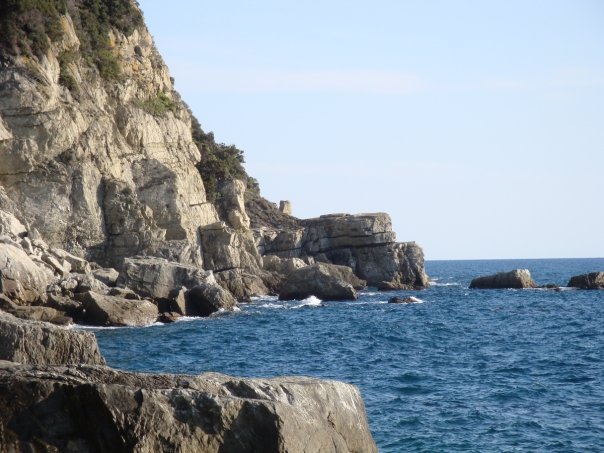
- Coastal Promenade: Pedestrian-friendly, ideal for evening strolls, cycling, and enjoying panoramic Ligurian Sea views.
How to Get to Riva Trigoso
- By Train: Riva Trigoso has its own station on the Genoa-La Spezia line, with frequent connections to Sestri Levante, Genoa, and La Spezia (Trenitalia).
- By Car: Accessible from the A12 motorway (Autostrada Azzurra); parking is limited, especially in peak season (italian-riviera.com).
- By Bus: Local buses connect Riva Trigoso to Sestri Levante and neighboring towns (sentieriincammino.it).
- By Air: Genoa Cristoforo Colombo Airport (GOA) is the nearest major airport, about 60 km away.
Events and Cultural Traditions
Sagra del Bagnun
This annual July festival celebrates the traditional anchovy soup, bagnun, with communal feasts and live music at Giardini di Borgo Ponente. The event emphasizes local ingredients and community spirit (Sestri Levante Tourism; Telenord).
Other Traditions
- Fishing Activities: Early morning fish markets and daily catches preserve Riva Trigoso's maritime roots.
- Evening Passeggiata: Locals and visitors enjoy evening walks along the promenade, a cherished Ligurian custom.
Nearby Attractions
- Sestri Levante: Medieval old town, Bay of Silence (Baia del Silenzio), and Baia delle Favole.
- Punta Manara Nature Reserve: Hiking trails with panoramic sea views (Along Dusty Roads).
- Cinque Terre National Park: UNESCO World Heritage site, easily reachable by train or boat.
- Portofino: Renowned for luxury seaside scenery.
Practical Tips
- Footwear: Wear comfortable shoes for exploring cobblestone streets and hiking trails.
- Beach Gear: Bring swimwear and sun protection; umbrellas and loungers are available for rent.
- Event Planning: Check local calendars for festivals and events.
- Transport: Public transport is recommended during peak seasons to avoid parking difficulties.
- Local Etiquette: Beachwear is for the beach only; casual attire is standard elsewhere. Observe midday riposo (shop closures from 1:00–4:00 PM).
Frequently Asked Questions (FAQ)
Q: What are the visiting hours for historical sites in Riva Trigoso?
A: The Church of Santa Sabina is open daily 9:00 AM–6:00 PM. Villa Fieschi is a private residence, visible from outside or by appointment.
Q: Are there entrance fees for monuments or museums?
A: Most churches are free (donations welcome). The Maritime Heritage Museum charges around €5.
Q: Is Riva Trigoso accessible for visitors with disabilities?
A: Beaches and promenades have ramps and level surfaces, but some historic streets and trails may be challenging.
Q: What is the best time to visit?
A: Late spring to early autumn (May–September) offers pleasant weather and events.
Q: Are guided tours available?
A: Yes, guided tours of historical and maritime heritage sites can be booked in advance.
Accommodation and Dining
Hotels
- Hotel 4 Venti Spa & Wellness: Boutique hotel with private beach, spa, and sea-view dining (beachhotels.guide).
- Hotel Miramare & Spa (Sestri Levante): 4-star hotel on the Bay of Silence (beachhotels.guide).
Vacation Rentals
- Casa Marina, Tra borgo e Spiaggia di Riva Trigoso: Self-catering apartment near the beach, pet-friendly (booking.com).
Dining
- Seafood and Ligurian Cuisine: Local restaurants serve fresh seafood (anchovies, calamari), focaccia, pesto, and traditional pastries (italian-riviera.com).
- Aperitivo: Enjoy sunset drinks and snacks at beachfront cafés.
Beaches and Outdoor Activities
- Spiaggia di Riva Trigoso: Spacious, family-friendly beach with sections for free use and private beach clubs (Discover Genoa).
- Water Sports: Kayaking, paddleboarding, and snorkeling equipment available for rent.
- Hiking: Trails to Punta Manara and Sestri Levante offer scenic views (sentieriincammino.it).
Listen to the full story in the app
The whole Riva Trigoso,
told well.
Listen to sourced travel stories with local history and practical context — ready offline.
Verified, and shown.
Researched and written by the Audiala editorial team from historical records, architectural archives, and local expertise.
Built from cited sources · see the method · How we make our guides →