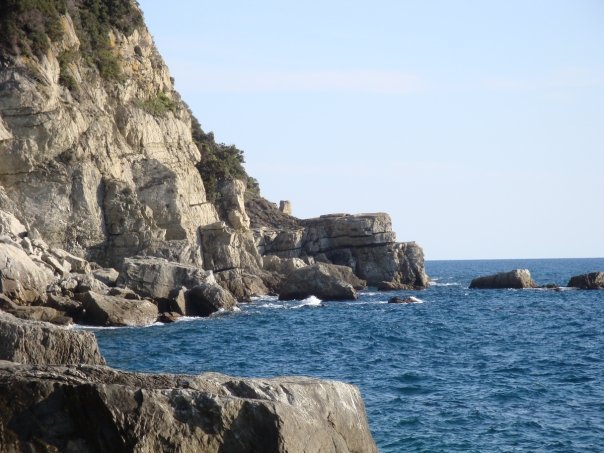
What Sestri Levante and Loto Are
On Italy’s Ligurian coast, Sestri Levante is known for its two bays, Baia del Silenzio (Bay of Silence) and Baia delle Favole (Bay of Fables). Its history and character reflect centuries of maritime trade, literary inspiration, and Ligurian tradition. The town’s old centre, historic buildings, and rural hamlets—including Loto—show different sides of the area (Sestri Levante Ligure; Italia.it).
Loto is a hillside hamlet among terraced olive groves and chestnut woods, a short distance from the coast. Its trails, local food, and rural traditions offer a quieter contrast with the seaside town (Mentelocale; Italia.it).
History
Sestri Levante
The area’s roots reach back to prehistoric settlements of Ligurian tribes, supported by its defensible position and natural harbours (Sestri Levante Ligure). In Roman times, Sestri Levante was known as Segesta Tigulliorum and became a port and trading hub.
The town endured invasions during the Middle Ages and later rebuilt as a prosperous settlement. Its medieval core of narrow lanes and colourful houses remains. Originally an island, Sestri Levante became connected to the mainland, forming an isthmus between Baia del Silenzio and Baia delle Favole (Italia.it).
Following Italian unification in the 19th century, infrastructure improvements and administrative reforms brought modernization. Tourism became increasingly important to the local economy, particularly after World War II, alongside efforts to preserve the town’s historic character (Sestri Levante Ligure).
Loto
Traditionally agricultural, Loto supported the town through farming and olive-oil production. It retains a rural character that reflects Ligurian countryside traditions, including olive and chestnut production (Mentelocale).
What to See and Do
Historic Centre and Buildings
Sestri Levante’s old town has narrow lanes known as caruggi, pastel façades, and trompe-l’œil frescoes (Along Dusty Roads).
- Ex Convento dell’Annunziata Built in 1496, it now hosts cultural events and the Museo del Mare. One listing gives daily opening hours of 10:00 AM–6:00 PM and tickets at about €5.
- Castello di San Giorgio A 12th-century castle with panoramic views. One listing gives opening hours of 9:00 AM–7:00 PM and entry at €4; accessibility is limited.
- Palazzo Negrotto Cambiaso A 16th-century palace, open during special events and tours.
- Museo Archeologico Etnografico Listed as open daily from 9:00 AM–6:00 PM, with tickets at €5 for adults and free entry for children under 12. It is wheelchair accessible.
- Villa Durazzo Listed as open from 8:00 AM–8:00 PM, with free entry. Guided tours are available via the tourist office.
Bays, Coast and Trails
Baia del Silenzio and Baia delle Favole are the town’s best-known bays. Their beaches have public and private sections.
The “Anello delle frazioni di Sestri Levante” trail connects Loto, San Bernardo, and the woods of Monte Costello. The routes offer views of the Gulf of Tigullio and Ligurian countryside (Mentelocale).
Literary, Maritime and Rural Culture
Hans Christian Andersen visited in the 19th century, inspiring the name Baia delle Favole. Ligurian poet Giovanni Descalzo gave Baia del Silenzio its name. The town marks its literary heritage with a poetry prize and the H.C. Andersen Literary Award; some traditions also link the local landscape to Dante’s “Divine Comedy” (Italia.it; Italiani.it; Sestri Levante Ligure).
Fishing traditions endure, particularly in Riva Trigoso, and are represented in museums such as the Museo del Mare (Italia.it; National Traveller). Inland, Loto’s traditions include agriculture and the production of olive oil and chestnuts (Mentelocale).
Community events include the H.C. Andersen Literary Award, the Barcarolata boat parade, food and wine festivals, agricultural-cycle celebrations in Loto, the Sagra delle Lumache at Villa Tassani, religious processions, music concerts, and open-air art exhibitions.
Practical Visiting Information
Opening Hours and Tickets
Listings give the Museo del Mare and Castello di San Giorgio opening hours ranging from 9:00 or 10:00 AM to early evening, with tickets ranging from €4–6. Specific listings give the Ex Convento dell’Annunziata hours as 10:00 AM–6:00 PM daily, with tickets at about €5, and the castle hours as 9:00 AM–7:00 PM, with €4 entry. Discounts are available for seniors and children. Check official websites for current hours and consider buying tickets in advance during peak season.
The Museo Archeologico Etnografico is listed as open daily from 9:00 AM–6:00 PM (€5 for adults; free for children under 12). Villa Durazzo is listed as open from 8:00 AM–8:00 PM with free entry.
Getting There and Around
- By air Genoa’s Cristoforo Colombo Airport is 64 km away and Pisa’s San Giusto Airport is 121 km away. Both connect by train, car, or taxi (Sestri Levante Tourism Office).
- By train Direct trains from Genoa, Milan, Florence, and beyond stop at Sestri Levante’s central station (Sestri Levante Tourism Office). The town is also accessible by train from Genoa and other Ligurian cities.
- By car The A12 Genoa–Livorno motorway serves the area. Parking is limited in the centre, especially in summer.
- Local transport Local buses connect the town with nearby towns, beaches, Loto, and neighbouring hamlets. Bus tickets are sold at newsstands or the Tourist Information Office.
- On foot or by bicycle Most attractions are within walking distance, and bicycles are available for rent. Marked hiking routes connect Sestri Levante with Loto and nearby hamlets.
- Taxis Taxis are available at the train station; fares within town are €12–15 (Sestri Levante Travel Tips).
Accessibility
Ramps and accessible restrooms are available at major sites, and many sites are accessible. The Museo Archeologico Etnografico is listed as wheelchair accessible. Some historic alleys have cobbled streets, while trails and the castle have rugged terrain that may be challenging for visitors with mobility limitations.
Accommodation
Accommodation ranges from boutique hotels in the old town to rural guesthouses near Loto. Budget hotels are listed at €120–180 per night, while premium beachfront accommodation is €250–400 per night in July (Sestri Levante Travel Tips). The tourist tax is €3 per person per night, for up to 7 nights; children under 12 are exempt. Reserve early, especially for summer.
Food and Activities
Local dishes and specialities include pesto Genovese, pesto alla Genovese, focaccia, farinata, pansoti, pandolce, seafood, risotto al nero di seppia, and aperitivo. Agriturismi and restaurants serve local dishes and wines. Waterfront restaurants are pricier, while side-street trattorias offer better value and authentic cuisine (Sestri Levante Ligure; sestrilevanteligure.com).
Recommended restaurants include Pesce Balla, Ristorante Portobello, Aragosta D’Oro, and Ca Du Luasso. Cooking classes and olive-oil tastings are available; classes at Artusi - La Scuola di Cucina should be booked in advance. Weekly markets sell fresh produce and artisanal goods (Along Dusty Roads).
Tourist Services and Emergencies
The Tourist Office is at Palazzo Fascie, Corso Colombo 50, and is open daily in summer (Tourist Information Office). The listed telephone number is +39 0185 478530. Emergency numbers are Police 112 and Medical 118.
Tips
Summer is lively with festivals and beach activities; spring and autumn bring mild weather and fewer crowds. July is listed as a good time for festivals, while the region retains its charm in winter (Italiani.it; Holidify Sestri Levante).
In July, daytime highs are around 30°C, the sea is around 24°C, and there is little rain (Sestri Levante Travel Tips). At the beaches, arrive early for public spots or rent a sunbed at a private club for €15–35 per day (Sestri Levante Travel Tips). Arriving early at beaches and attractions is recommended in July. Tap water is safe; bring sunscreen and hats.
Nearby Places and Excursions
Excursions include the historic centre and the two bays, as well as nearby Riva Trigoso, Portofino, and the Cinque Terre, accessible by train or boat. Outdoor activities include hiking, cycling, and boat excursions.
Frequently Asked Questions
What are the visiting hours for the main attractions?
The Museo del Mare and Castello di San Giorgio are listed as open from 9:00 or 10:00 AM to 6:00 or 7:00 PM. Other listings give the Ex Convento dell’Annunziata hours as 10:00 AM–6:00 PM daily and the castle hours as 9:00 AM–7:00 PM. Check official sites for seasonal changes.
How do I reach Loto from Sestri Levante?
Marked hiking trails and local buses connect the town centre to Loto.
Are guided tours available?
Yes. Local operators and the tourist office offer guided tours of historic sites and hiking routes. Villa Durazzo guided tours are also available via the tourist office.
When is the best time to visit?
Spring and autumn offer mild weather and fewer crowds; summer brings festivals and beach activities. July is listed as a good time for festivals.