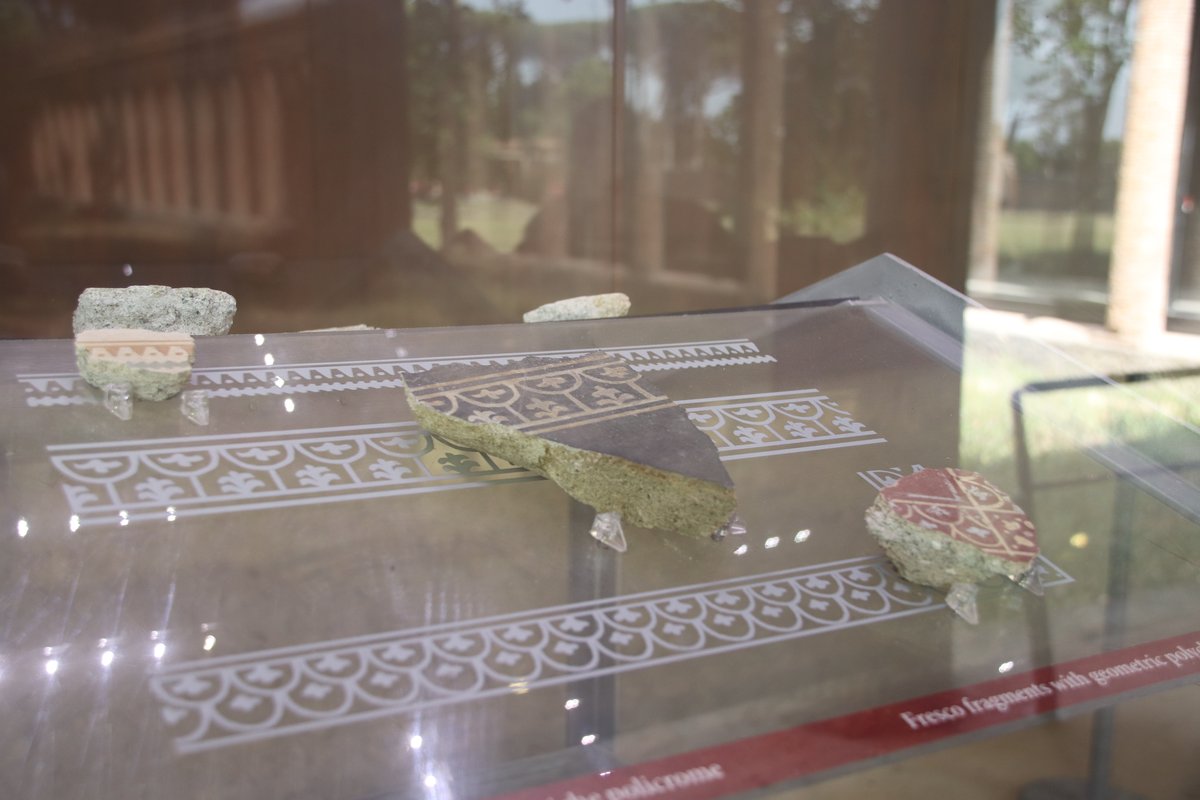
Life Before the Eruption - A Thriving Roman Town
Before the fateful eruption, Regio II was a vibrant part of the Roman Empire. Situated near the Bay of Naples, the town enjoyed a strategic location and fertile volcanic soil. This combination fostered a prosperous community engaged in various activities, as evidenced by the archaeological remains.
Regio II - A Glimpse into Roman Urban Planning
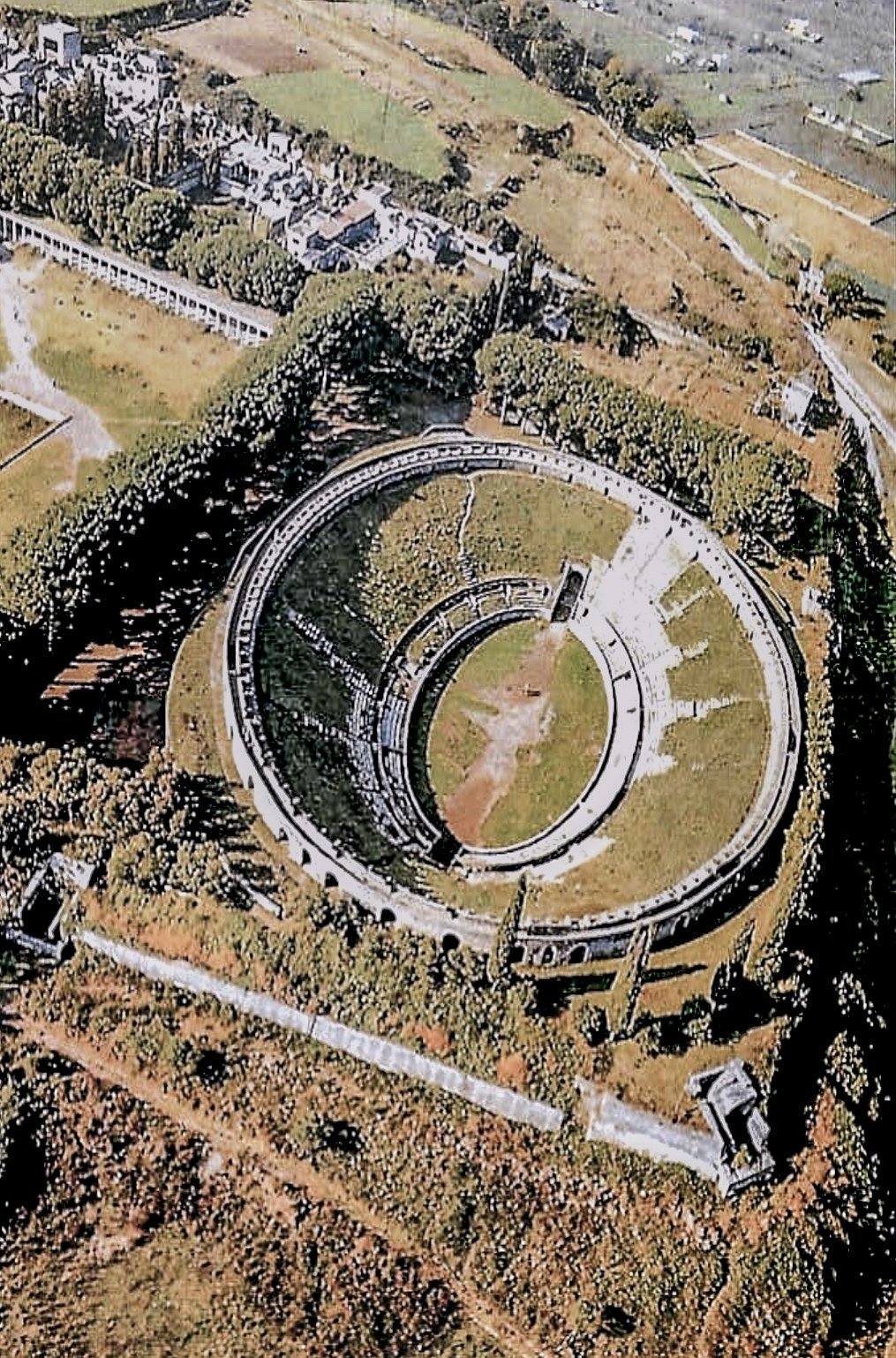
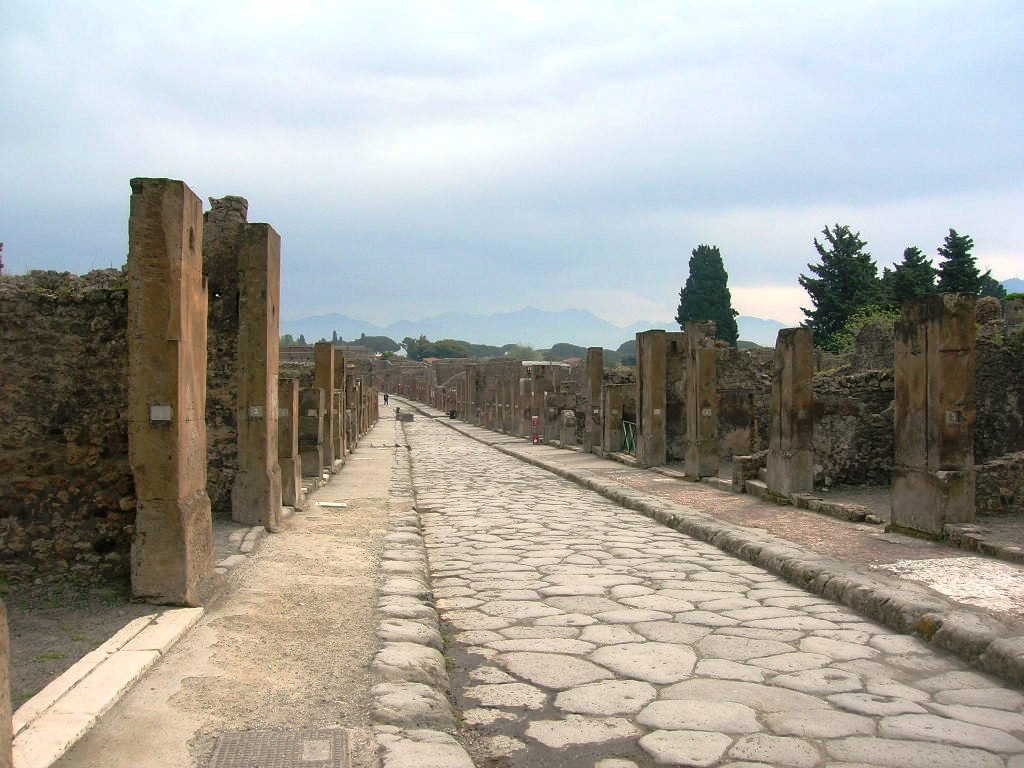
The name "Regio II" speaks to the organized urban planning of Roman times. It was the second of nine "regiones" or districts into which Pompeii was divided. The systematic layout, typical of Roman towns, is still discernible in the grid-like street plan and the arrangement of public and private spaces.
Economic and Social Fabric - Clues from the Ruins
Excavations at Regio II have unearthed a wealth of information about the daily lives of its inhabitants. The presence of shops, workshops, and marketplaces indicates a bustling economy. Key discoveries include:
- Bakery of Modestus - This large bakery, with its well-preserved mills and ovens, offers insights into Roman bread-making techniques and the importance of bread as a staple food.
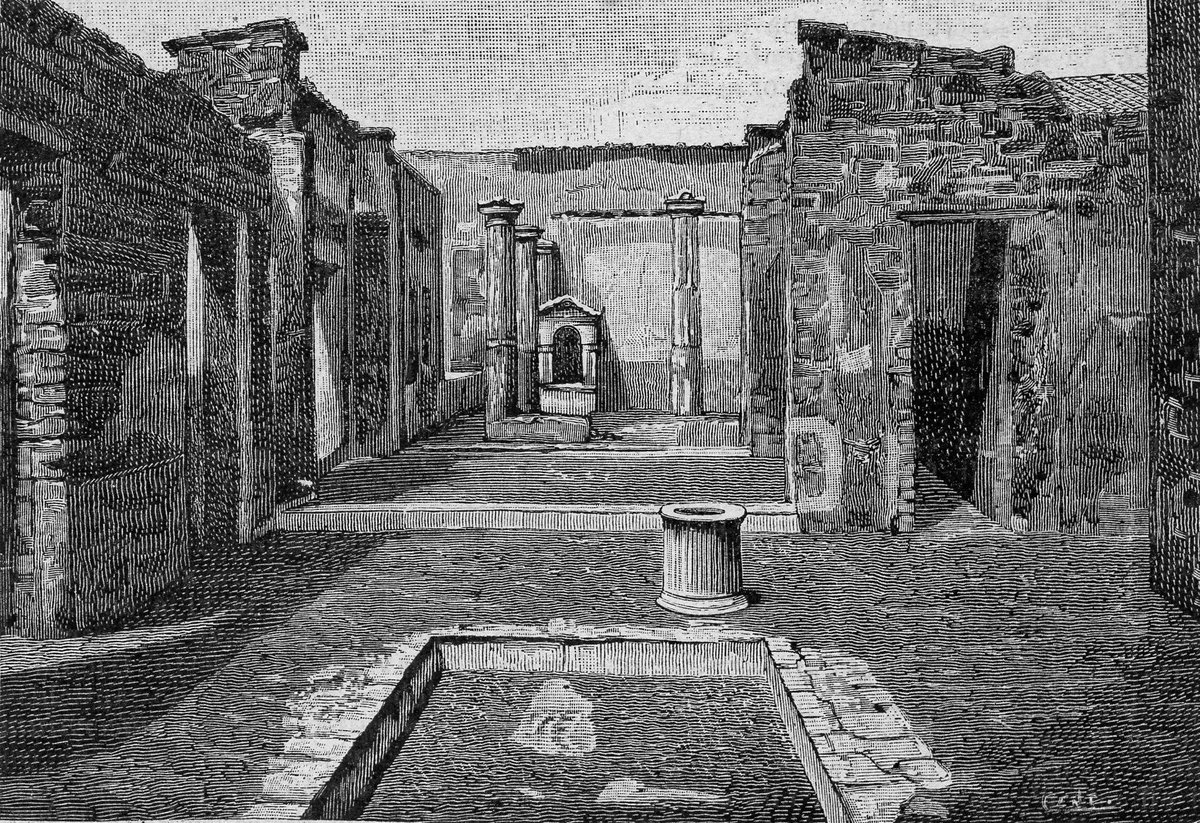
- House of the Ship Europa - This grand domus, named after a fresco depicting the mythical Europa, showcases the opulence enjoyed by some of Pompeii's wealthier residents.
- Thermopolium - These ancient fast-food counters, where hot food and drinks were served, provide a glimpse into the social dining habits of ordinary Romans.
The Catastrophe - 79 AD and the Preservation of Time
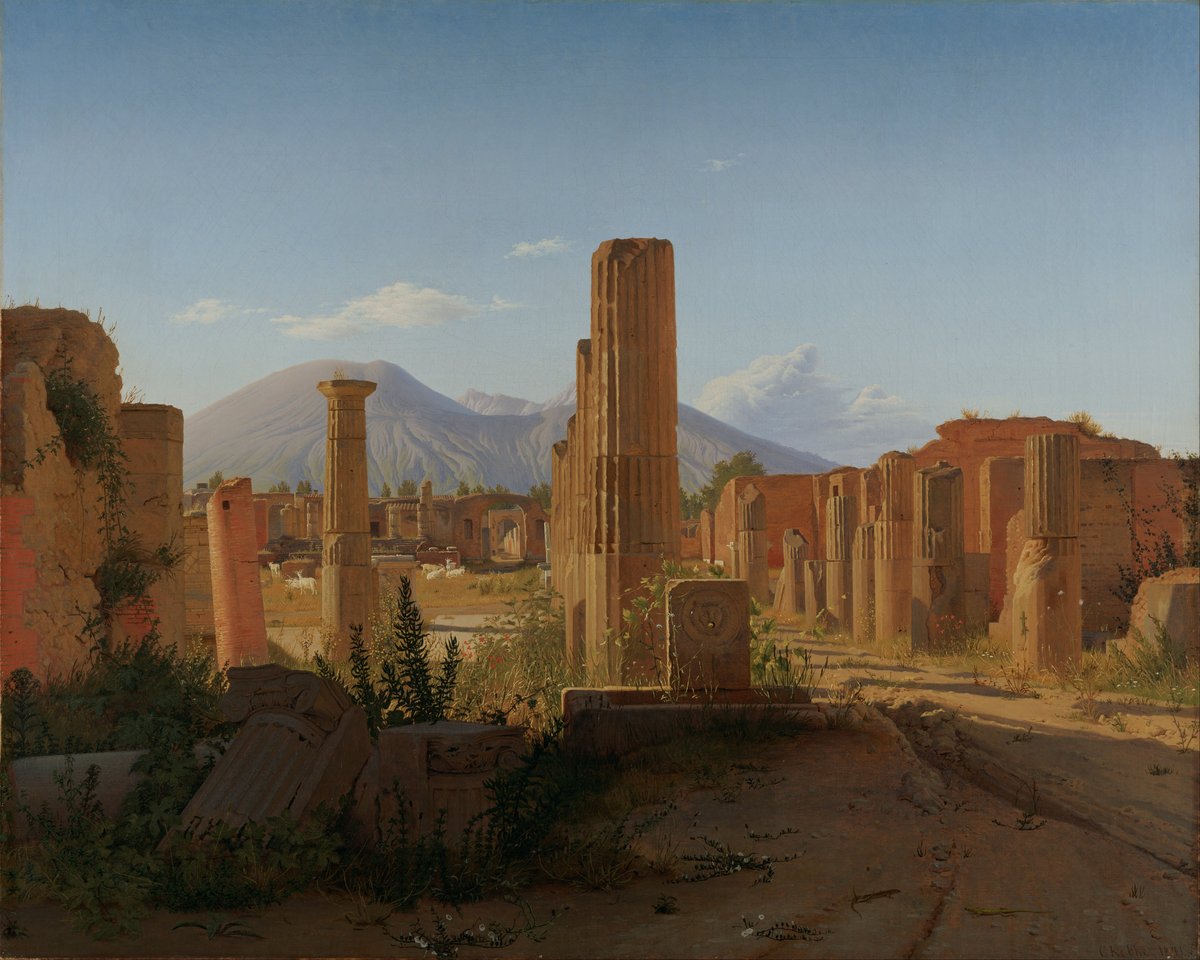
The eruption of Mount Vesuvius in 79 AD was a cataclysmic event that buried Pompeii, Herculaneum, and surrounding settlements, including Regio II, under a thick layer of ash and pumice. This tragedy, however, inadvertently preserved these Roman towns in a remarkable state, offering invaluable insights into the past.
Rediscovery and Excavation - Unraveling the Past
While Pompeii's rediscovery began in the 16th century, systematic excavations at Regio II commenced much later. The unearthed ruins, remarkably intact due to the volcanic ash, provide a vivid snapshot of Roman life frozen in time.
Visiting Regio II - Practical Information
Visiting Hours
The site is typically open to visitors from 9:00 AM to 7:00 PM, with last entry at 5:30 PM. However, it is advisable to check the official website for any changes in visiting hours.
Tickets
Tickets can be purchased online or at the entrance. Prices vary depending on the season and any ongoing exhibitions. Discounts are often available for students, seniors, and groups.
Accessibility
The site has made efforts to improve accessibility, but due to the ancient nature of the ruins, some areas may be challenging for visitors with mobility issues.
Nearby Attractions and Travel Tips
While in Trecase, consider visiting other nearby attractions such as Pompeii, Herculaneum, and the Naples National Archaeological Museum. For a more immersive experience, guided tours are available and highly recommended.
Special Events and Photography
Regio II occasionally hosts special events, reenactments, and educational programs. Photography is permitted, and there are numerous picturesque spots perfect for capturing the essence of ancient Rome.
Significance of Regio II - Beyond the Ruins
Unparalleled Insights into Roman Daily Life
The site provides a unique perspective on the social, economic, and cultural aspects of Roman society, from the layout of homes and public spaces to the tools and objects used in everyday life.
A Testament to Human Resilience
Despite the tragedy, the ruins of Regio II stand as a testament to the resilience of the human spirit and the enduring legacy of Roman civilization.
A Platform for Ongoing Research
Regio II continues to be an active archaeological site, with ongoing excavations and research yielding new discoveries and enriching our understanding of the Roman world.
FAQ
Q: What are the visiting hours for Regio II?
A: The site is typically open from 9:00 AM to 7:00 PM, with last entry at 5:30 PM. Check the official website for any updates.
Q: How much are tickets to visit Regio II?
A: Ticket prices vary depending on the season and exhibitions. Discounts are available for students, seniors, and groups.
Q: Is Regio II accessible for visitors with mobility issues?
A: While efforts are made to improve accessibility, some areas may still be challenging due to the ancient nature of the ruins.
Q: Are guided tours available at Regio II?
A: Yes, guided tours are available and recommended for a more immersive experience.
Discover More
Make the most of your visit to Regio II, Trecase by planning ahead and taking advantage of the resources available. Download the Audiala mobile app for an enhanced visitor experience, check out our other related posts, and follow us on social media for more updates and travel tips.