


Comprehensive Guide to Visiting Scavi Archeologici di Pompei and Herculaneum
What Pompeii and Herculaneum Are
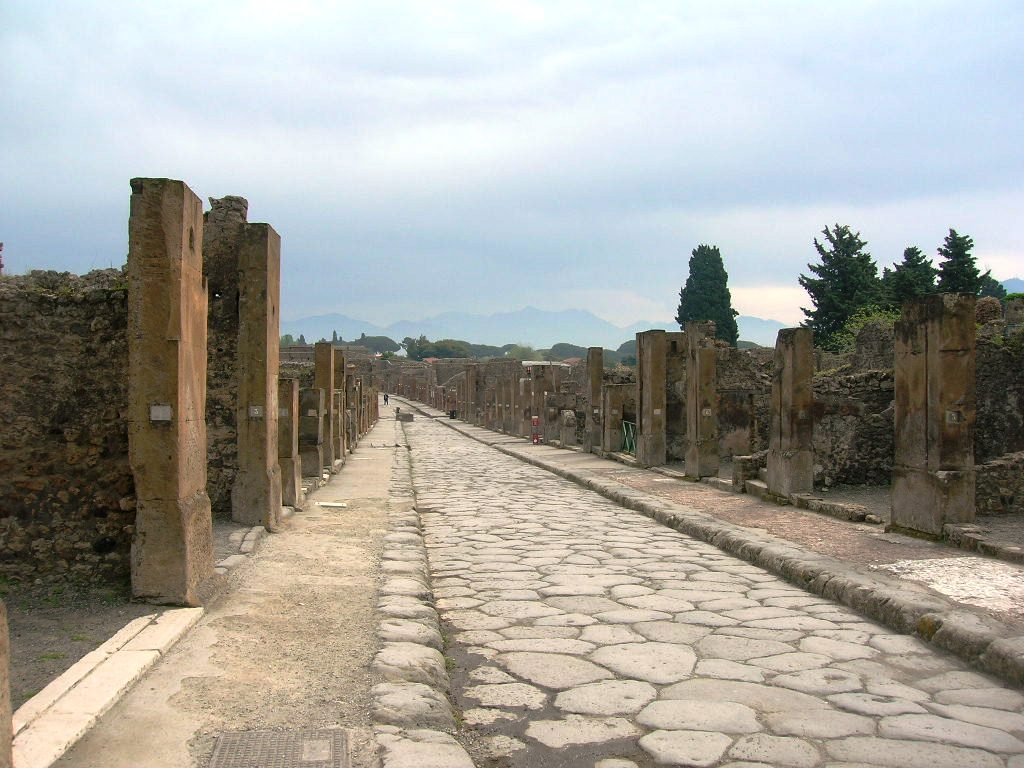
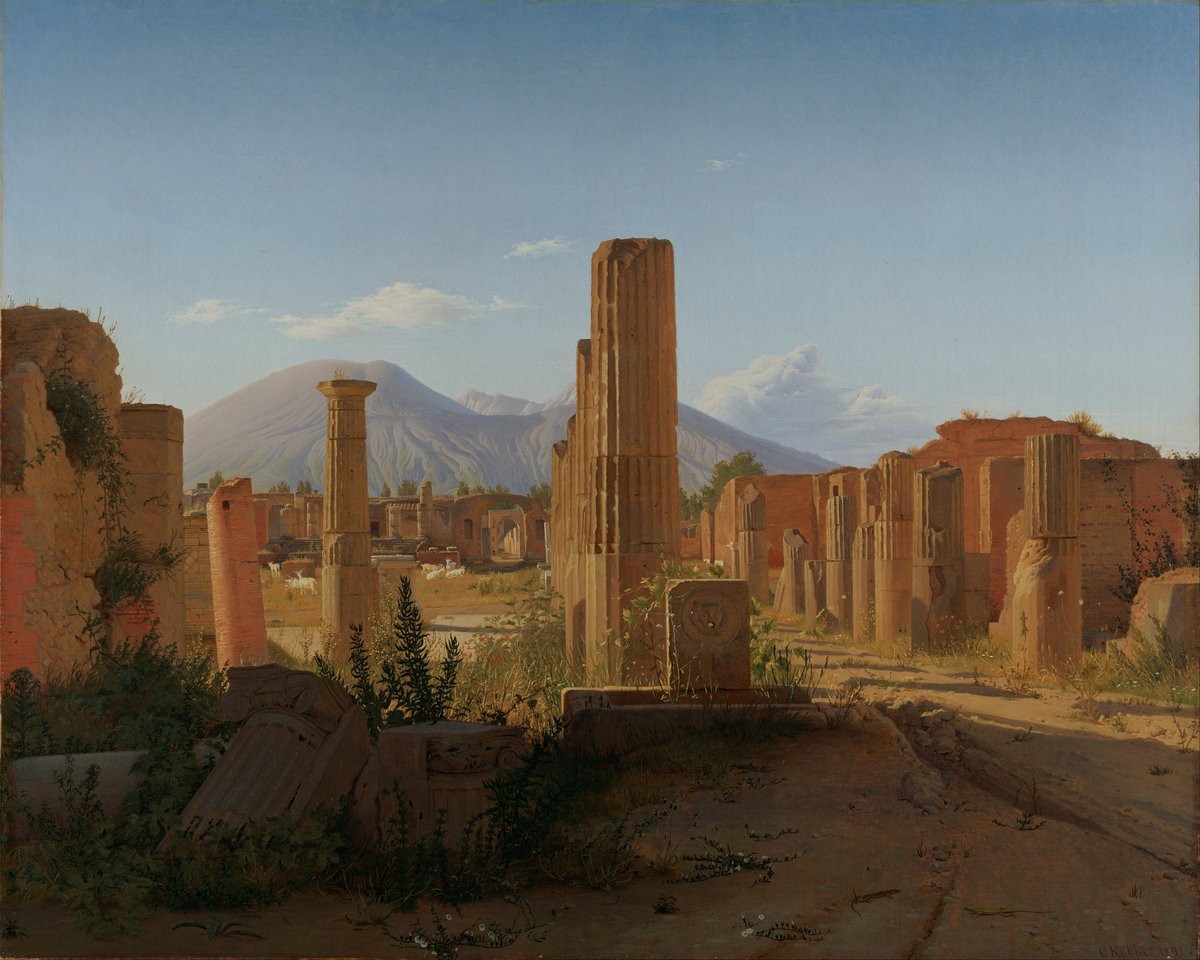
Pompeii and Herculaneum are ancient Roman cities in Italy’s Campania region. Both were buried by the eruption of Mount Vesuvius in 79 AD and rediscovered in the 18th century, offering a detailed glimpse into Roman life. Today, they are UNESCO World Heritage Sites that attract millions of visitors each year. Their remains are reminders of nature’s power and human vulnerability, as well as an opportunity to explore the Roman world.
For visiting information, see source and source.
History
Pompeii
Founded in the 7th or 6th century BC, Pompeii grew into a busy Roman town with a population of around 20,000. Its position on the Bay of Naples made it a centre for trade and commerce, attracting merchants and goods from across the Roman Empire.
A thick covering of ash and pumice protected Pompeii’s buildings, artifacts and the remains of its inhabitants.
Herculaneum
At the foot of Mount Vesuvius, Herculaneum was smaller and wealthier than Pompeii. It was a popular seaside retreat for Roman elites, with luxurious villas and a more refined atmosphere.
Rather than being buried by ash and pumice, Herculaneum was engulfed by a pyroclastic flow—a superheated surge of volcanic gas and debris. The intense heat carbonized organic materials, preserving them in extraordinary detail. The flow was instantly fatal, but its preserving effect left wooden structures, furniture, food and scrolls from a vast library remarkably intact.
What to See
Pompeii
The city’s public structures and residences include:
- The Forum The heart of Pompeii’s political, religious and economic life. (Source)
- The Amphitheatre A grand arena that hosted gladiatorial contests and other public spectacles. (Source)
- The Temple of Jupiter Dedicated to the king of the Roman gods, reflecting the city’s religious practices. (Source)
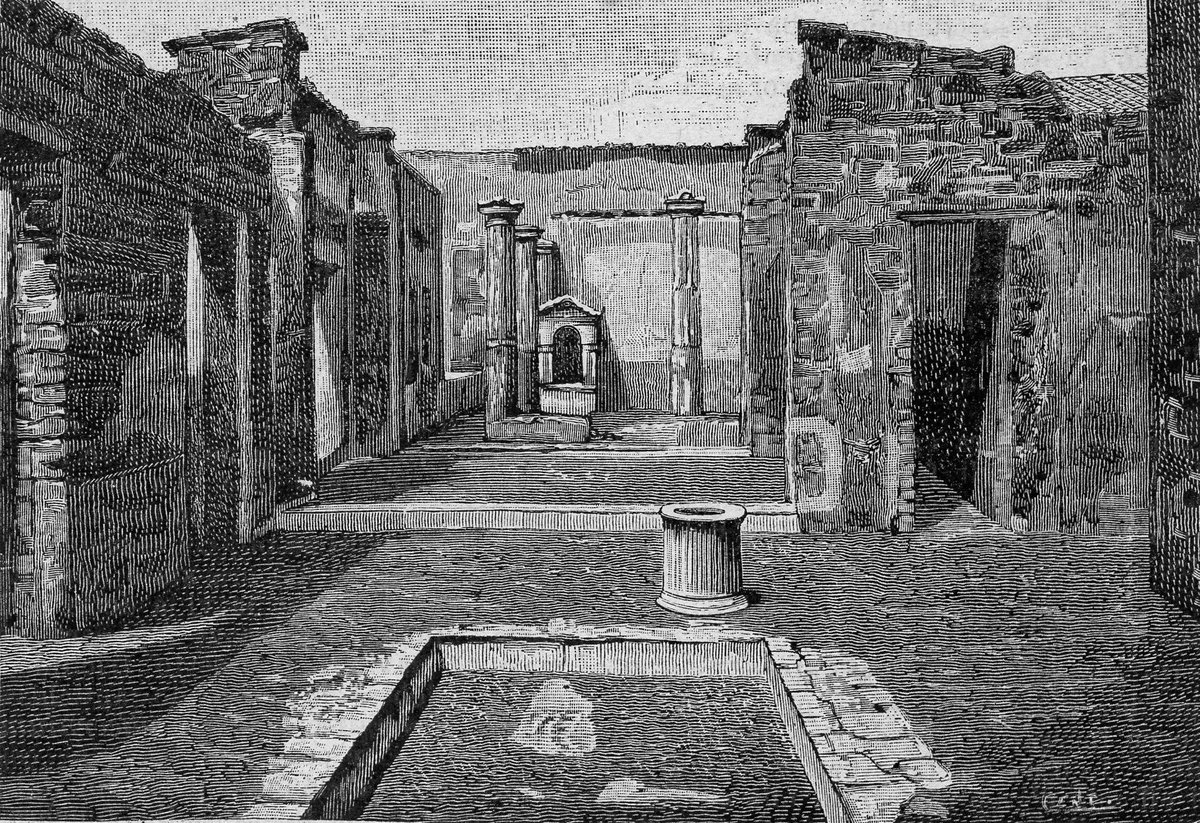
- The House of the Faun An opulent private residence showcasing the luxurious lifestyle of Pompeii’s elite. (Source)
Herculaneum
The town’s preserved wooden structures, furniture, food and library scrolls offer insights into Roman daily life.
Practical Visiting Information
Pompeii Visiting Hours and Tickets
Pompeii is open daily from 9:00 AM to 7:00 PM, with last entry at 5:30 PM. Tickets cost €18 for adults, with discounts available for EU citizens aged 18–24. Tickets can be purchased online or at the entrance. (Official Site)
Herculaneum Visiting Hours and Tickets
Herculaneum is open every day except Wednesdays from 8:30 AM to 5:00 PM, with last entry at 3:30 PM. Admission costs €13 for adults, with reduced rates for eligible visitors. Tickets can be bought online or at the site. (Official Site)
Accessibility
Both sites have made efforts to improve accessibility for visitors with disabilities. Pompeii offers accessible routes and facilities, while Herculaneum has ramps and pathways to accommodate visitors. Check the official websites for the latest accessibility information.
For more information, download the Audiala mobile app, check out related posts, or follow the publisher on social media for updates and travel tips.
Tips
Best Time to Visit
Spring (April to June) and fall (September to October) are recommended visiting periods, when the weather is mild and crowds are smaller.
Getting There
Both sites are accessible from Naples by train. The Circumvesuviana train line connects Naples to Pompeii and Herculaneum, with frequent departures throughout the day.
Guided Tours
A guided tour can provide deeper insights into the history and significance of the ancient cities. Many tours include skip-the-line tickets.
Nearby Places
Naples Historical Sites
Other historical sites in Naples include the Naples National Archaeological Museum, which houses many artifacts from Pompeii and Herculaneum.
Mount Vesuvius
Visitors can hike up Mount Vesuvius for panoramic views of the Bay of Naples and a firsthand look at the volcano that shaped the cities’ history.
Amalfi Coast
The Amalfi Coast is known for its coastline, villages and beaches.
FAQ
What are the visiting hours for Pompeii?
See “Pompeii Visiting Hours and Tickets” above.
How much do tickets to Herculaneum cost?
See “Herculaneum Visiting Hours and Tickets” above.
How can I get to Pompeii and Herculaneum from Naples?
See “Getting There” above.