Plan and listen to Villa Madama with Audiala.
Audio guide in your pocket, itinerary in your browser. Built for the way you actually visit.
Introduction
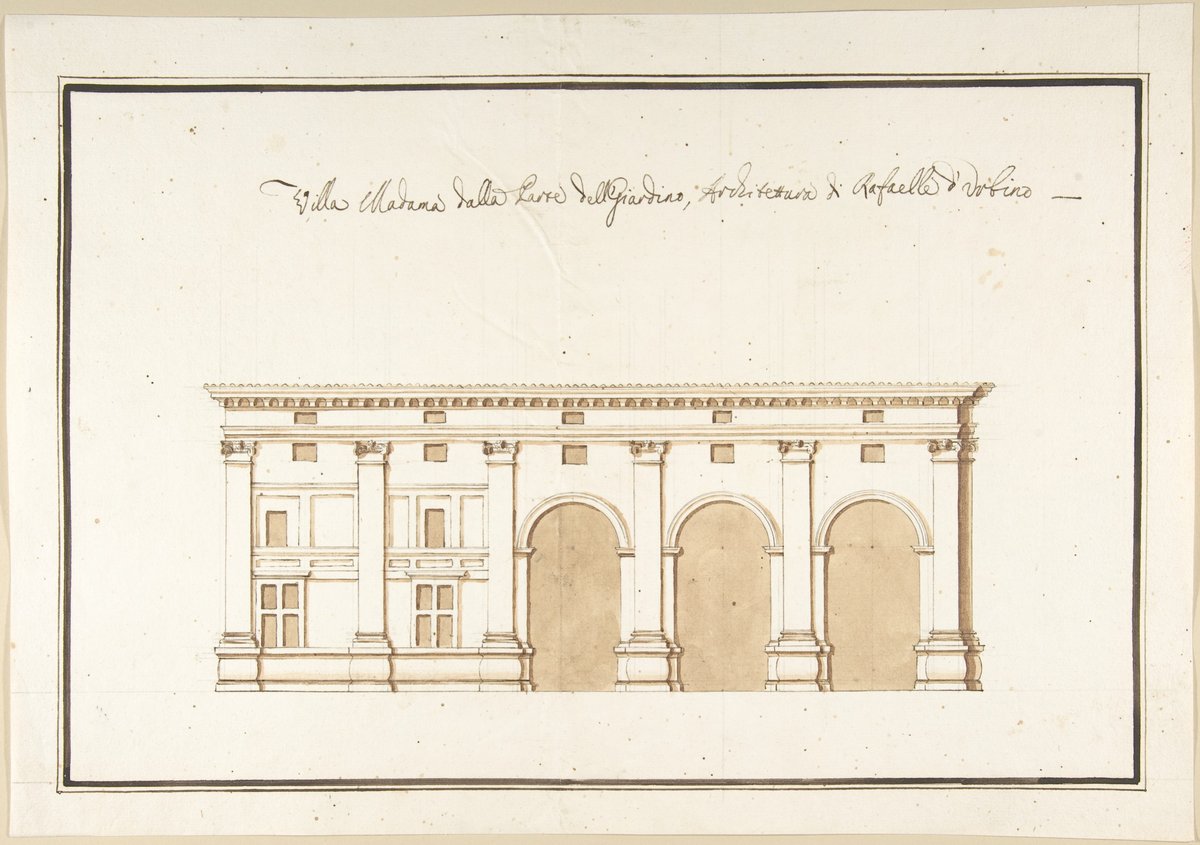
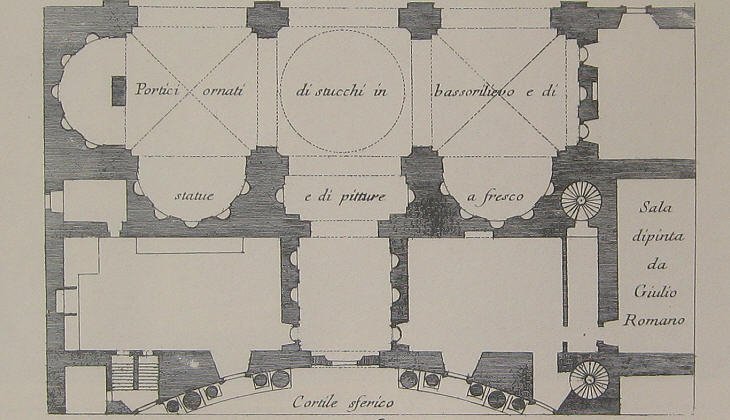
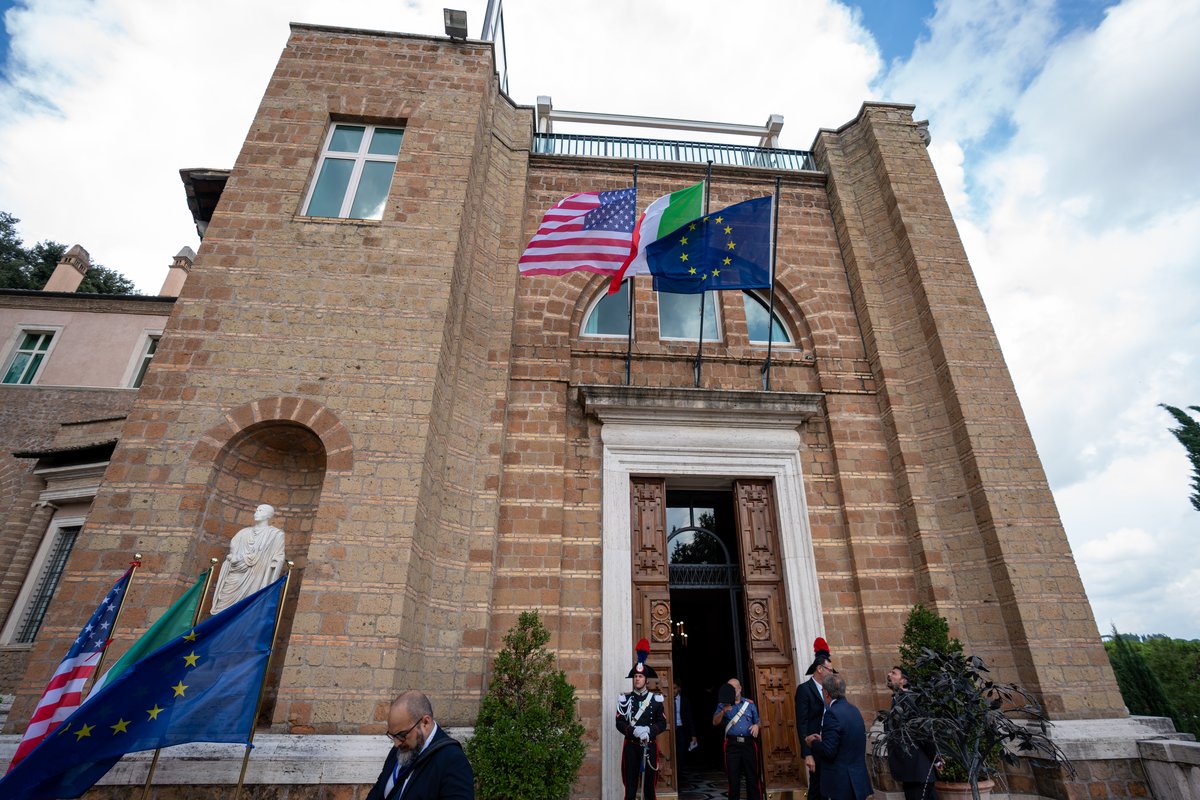
Villa Madama, perched atop the slopes of Monte Mario with sweeping views over Rome, stands as one of the city’s most refined Renaissance villas—a lasting testament to the Medici family’s cultural ambitions and the era’s artistic innovation. Commissioned in 1518 by Cardinal Giulio de’ Medici (later Pope Clement VII) and designed by the illustrious Raphael, the villa was conceived as a grand suburban retreat, seamlessly blending architecture, landscape, and the decorative arts. Drawing inspiration from classical sources such as Pliny the Younger and Hadrian’s Villa at Tivoli, Villa Madama exhibits the ideals of the High Renaissance through its harmonious gardens, ornate loggias, and panoramic vistas over the Tiber River (Wikipedia, Turismo Roma).
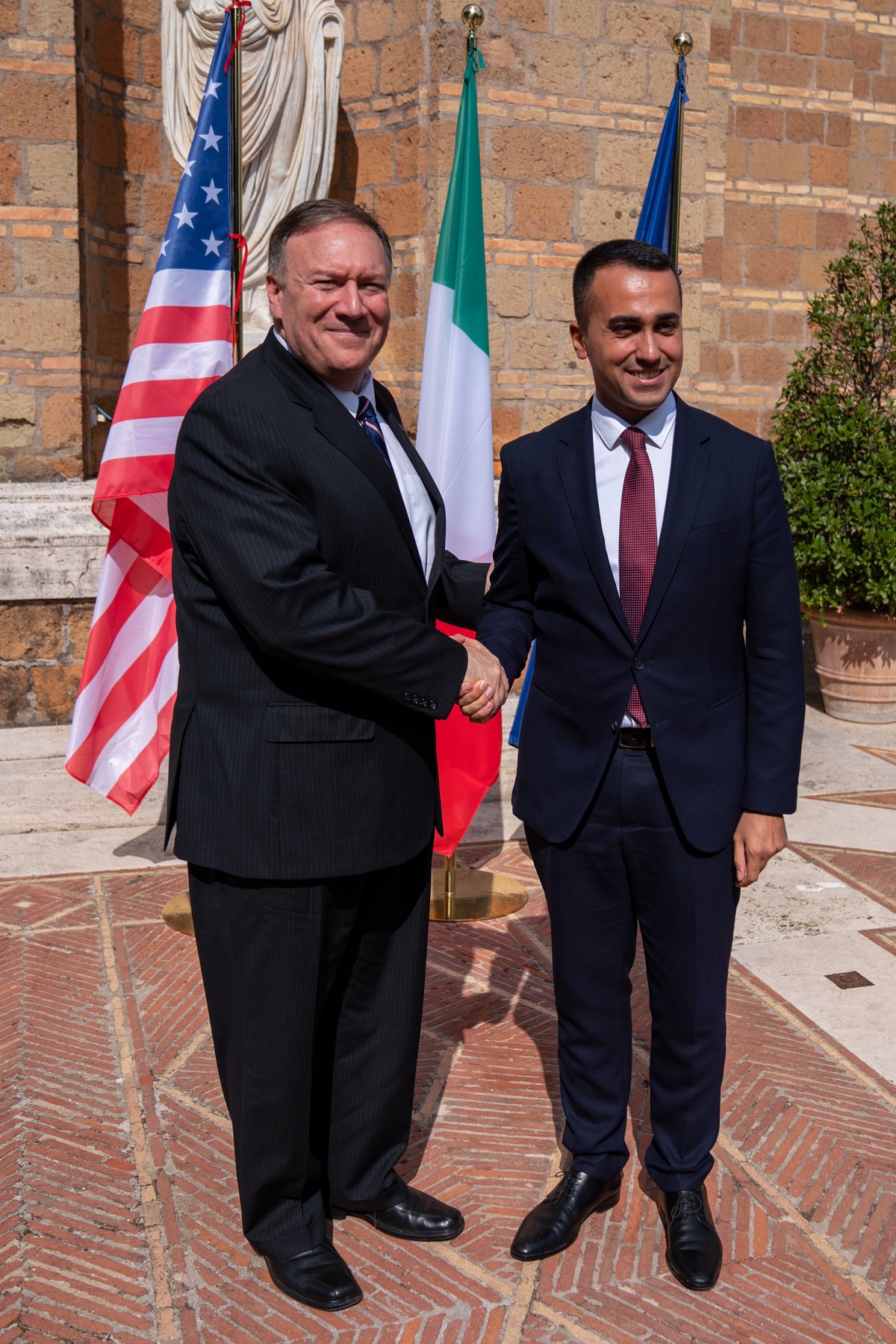
Despite its splendor and significance, Villa Madama remains largely inaccessible to the general public. Today, it serves primarily as an official residence and venue for high-level diplomatic gatherings under the auspices of the Italian Ministry of Foreign Affairs. Public access is strictly limited, generally requiring special appointments or participation in rare cultural events (Ministero degli Affari Esteri, Academia.edu). This guide provides a comprehensive overview of Villa Madama’s history, architectural achievements, and essential information for prospective visitors.








Conception and Patronage
Villa Madama was initiated by Cardinal Giulio de’ Medici as a luxurious retreat reflecting the grandeur of both ancient Rome and Renaissance ideals. Designed by Raphael and his workshop, the villa’s layout was inspired by ancient texts and recent archaeological discoveries, emphasizing the fusion of art, literature, and landscape (Wikipedia, Academia.edu).
Architectural Vision and Collaboration
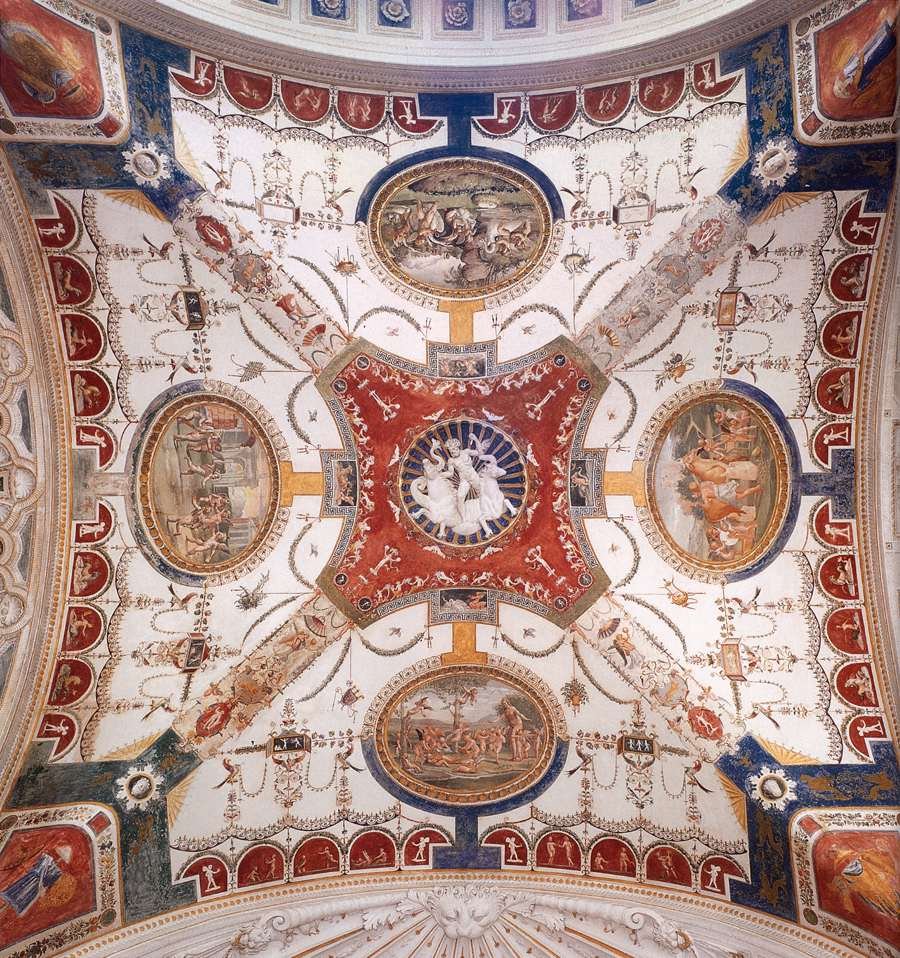
Raphael’s untimely death in 1520 left the completion of the villa to his collaborators, notably Giulio Romano, Giovanni da Udine, and Antonio da Sangallo the Younger. Their collective work resulted in a partially completed yet influential structure, renowned for its monumental loggia, grand salone, and innovative use of grotesque ornamentation (Ars Artis).
Later History and Restoration
The villa suffered damage during the 1527 Sack of Rome and underwent several changes in ownership, including passing to Margaret of Austria (“Madama”) and the Farnese family. After a period of decline, Villa Madama was restored in the 20th century, ultimately becoming the property of the Italian government and an official site for state events (Wikipedia).
Architectural and Artistic Significance
Renaissance Ideals and Design
Villa Madama embodies the Renaissance pursuit of harmony between architecture, nature, and the decorative arts. Its terraced gardens, open-air theater, and panoramic design reflect both classical models and the ambitions of its Medici patron (Wikipedia).
Key Features and Decorative Programs
- Loggia and Grotesques: The villa’s loggia is celebrated for its intricate stucco grotesques, crafted by Giovanni da Udine and inspired by the Domus Aurea. These decorations feature arabesques, mythological figures, and fantastical beasts, exemplifying the Renaissance fascination with antiquity (Ars Artis).
- Salone and Frescoes: The main hall features grand illusionistic frescoes by Giulio Romano, designed to impress and entertain guests.
- Gardens: The original landscape included a circular court, open-air theater, and water features like the Elephant Fountain. Although much was lost over time, restorations have revived the villa’s Renaissance spirit (Academia.edu).
Artistic Innovations and Symbolism
Villa Madama’s artistic program was a collaborative effort involving leading artists of the time. Its decorative schemes and architectural forms symbolize Medici power and the intellectual vibrancy of Renaissance Rome (Wikipedia).
Influence and Legacy
The villa’s innovative features—such as its circular courts, monumental staircases, and decorative motifs—influenced subsequent Renaissance and Baroque villas, including Villa Giulia and Villa Farnesina. Its restoration in the 20th century and continued use for state functions reinforce Villa Madama’s enduring legacy (Ars Artis).
Visiting Villa Madama
Visiting Hours and Ticket Information
Villa Madama is not open for daily tourism. Access is strictly controlled and reserved for official events or by special appointment, often in connection with cultural programs or rare open days (Ministero degli Affari Esteri, Tiqets). There are no standard ticket sales; participation in guided tours requires advance booking through official or authorized channels.
Booking Procedures
- Official Requests: Access typically requires a formal request to the Italian Ministry of Foreign Affairs.
- Guided Tours: Occasionally, guided tours are offered during special cultural initiatives. Monitor official announcements or consult specialized tour operators for such opportunities.
Accessibility and Tips
- Physical Accessibility: Due to its historic structure and hillside location, the villa may present challenges for those with limited mobility. Advance inquiry regarding accessibility is strongly advised (Sage Traveling).
- Security Protocols: As a government venue, Villa Madama enforces strict security measures. Visitors must provide identification and comply with all protocols.
- Dress and Conduct: Comfortable footwear is recommended due to uneven surfaces. Photography is often restricted—follow the guidance of tour leaders.
Transportation and Nearby Sites
The villa is located on Via di Villa Madama, west of Rome’s city center, near the Foro Olimpico. Public transport options are limited; most visitors arrive by taxi or official transport. Private parking is restricted (Turismo Roma).
Nearby attractions include:
- Vatican Museums and St. Peter’s Basilica
- Castel Sant’Angelo
- Villa Farnesina
- Villa Borghese and Villa Doria Pamphili (both offering accessible gardens and art collections)
Visitor Experience
Guided Tours and Special Events
When open to the public, Villa Madama offers guided tours that illuminate its unique architecture, artistic treasures, and diplomatic role. These experiences are rare and generally connected to special cultural projects.
Facilities, Amenities, and Gardens
As an official venue, the villa is equipped for diplomatic receptions rather than casual tourism. There are no public cafes or retail shops; amenities such as restrooms are reserved for event participants. The gardens, when accessible, provide a remarkable setting with panoramic views over Rome (Tiqets).
Frequently Asked Questions (FAQ)
Q: Can I visit Villa Madama as a tourist?
A: No, regular public access is not permitted. Visits are only possible by special appointment or invitation.
Q: How do I get tickets for Villa Madama?
A: Tickets are not available for public sale. Access requires an official invitation or participation in specific cultural initiatives.
Q: Is Villa Madama accessible for people with disabilities?
A: Accessibility is limited due to the villa’s historic structure. Contact organizers ahead of time to discuss accommodations.
Q: Are guided tours available?
A: Guided tours are rare and typically coincident with special events or open days.
Q: What other sites can I visit nearby?
A: Consider the Vatican Museums, Castel Sant’Angelo, Villa Farnesina, Villa Borghese, and Villa Doria Pamphili for accessible alternatives rich in art and history.
Planning Your Visit
To stay updated on rare public openings, guided tours, and special events at Villa Madama, regularly check the official Ministry of Foreign Affairs website and leading cultural platforms. For curated audio tours and up-to-date visitor tips on Rome’s historical sites, consider using the Audiala app.
Listen to the full story in the app
The whole Villa Madama,
told well.
Audio guides for 1,100+ cities across 96 countries. History, stories, and local insight — offline ready.
Verified, and shown.
Researched and written by the Audiala editorial team from historical records, architectural archives, and local expertise.
Villa Madama. Wikipedia
(2025). Sala Stampa
(2016). Raphael and the Roads to Rome: Designing for Diplomatic Encounters at Villa Madama
Villa Madama Tickets and Tours
Villa Madama
Villa Madama
Guided Audio Tours of Rome
Researched from Wikidata, Wikipedia & official sources · fact-checked · How we make our guides →