Plan and listen to Villa Gordiani with Audiala.
Audio guide in your pocket, itinerary in your browser. Built for the way you actually visit.
Introduction
Nestled along Rome’s ancient Via Prenestina, Villa Gordiani is an evocative archaeological park that fuses imperial opulence, medieval fortification, and contemporary green space. Once a luxurious suburban estate for the Gordian emperors of the 3rd century CE, the site today offers visitors a unique window into Rome’s layered history, with monumental ruins, lush gardens, and a tranquil atmosphere away from the city’s busiest tourist trails. This guide details Villa Gordiani’s history, key features, practical visiting information, nearby attractions, and essential travel tips—ensuring a rewarding experience for all visitors (Wikipedia; Turismo Roma; HelloMondo).

Roman Origins and Imperial Connections
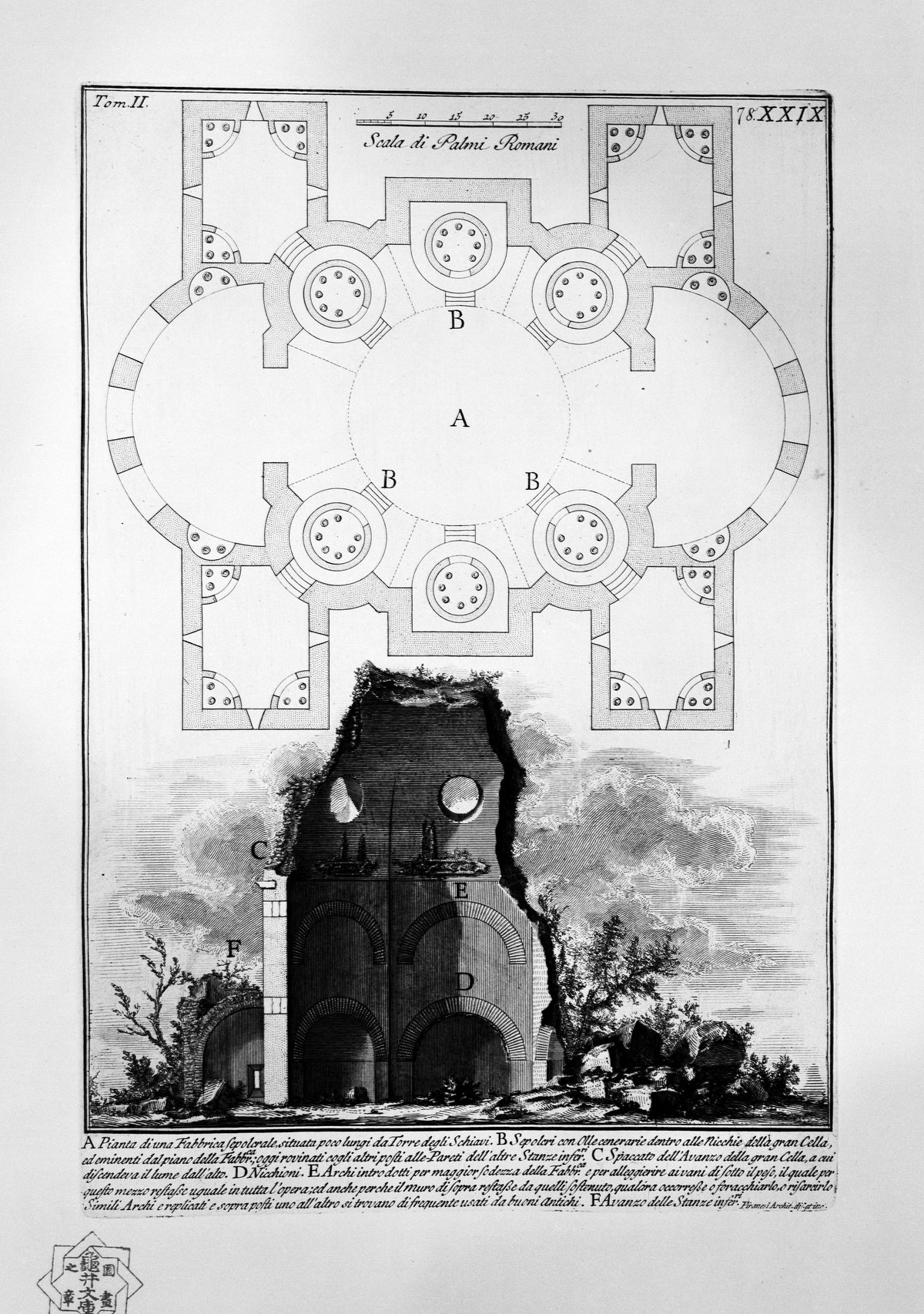
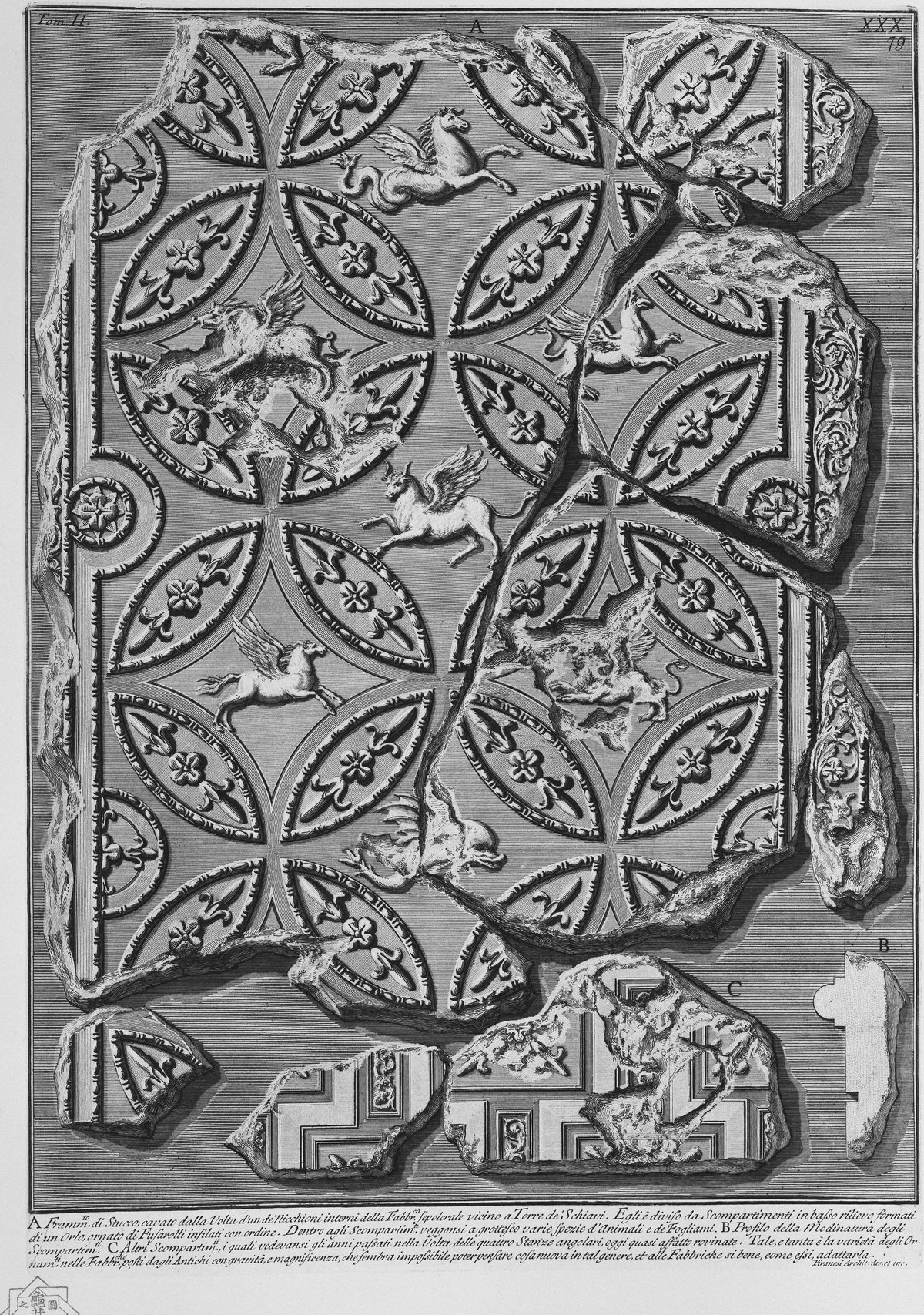
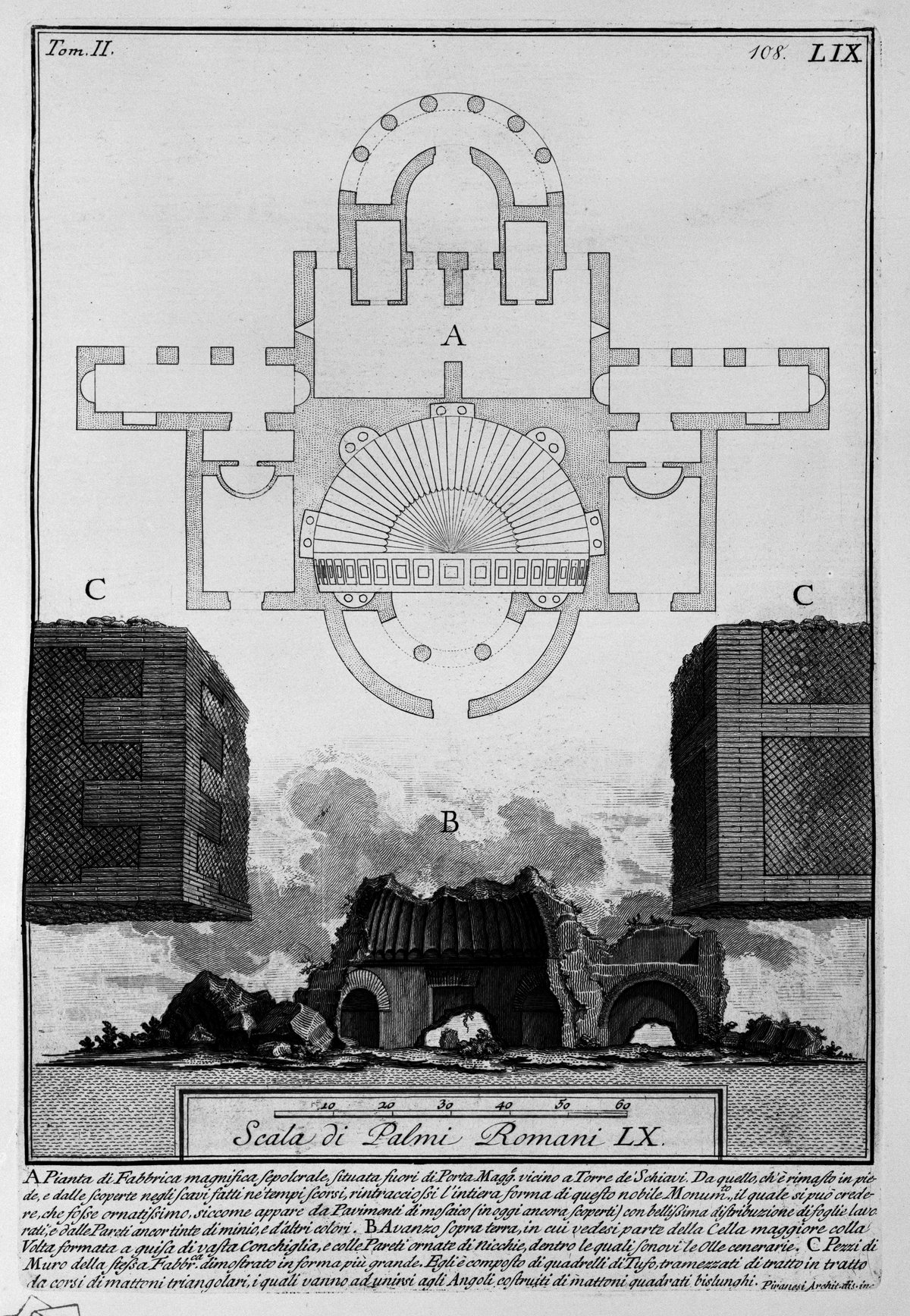
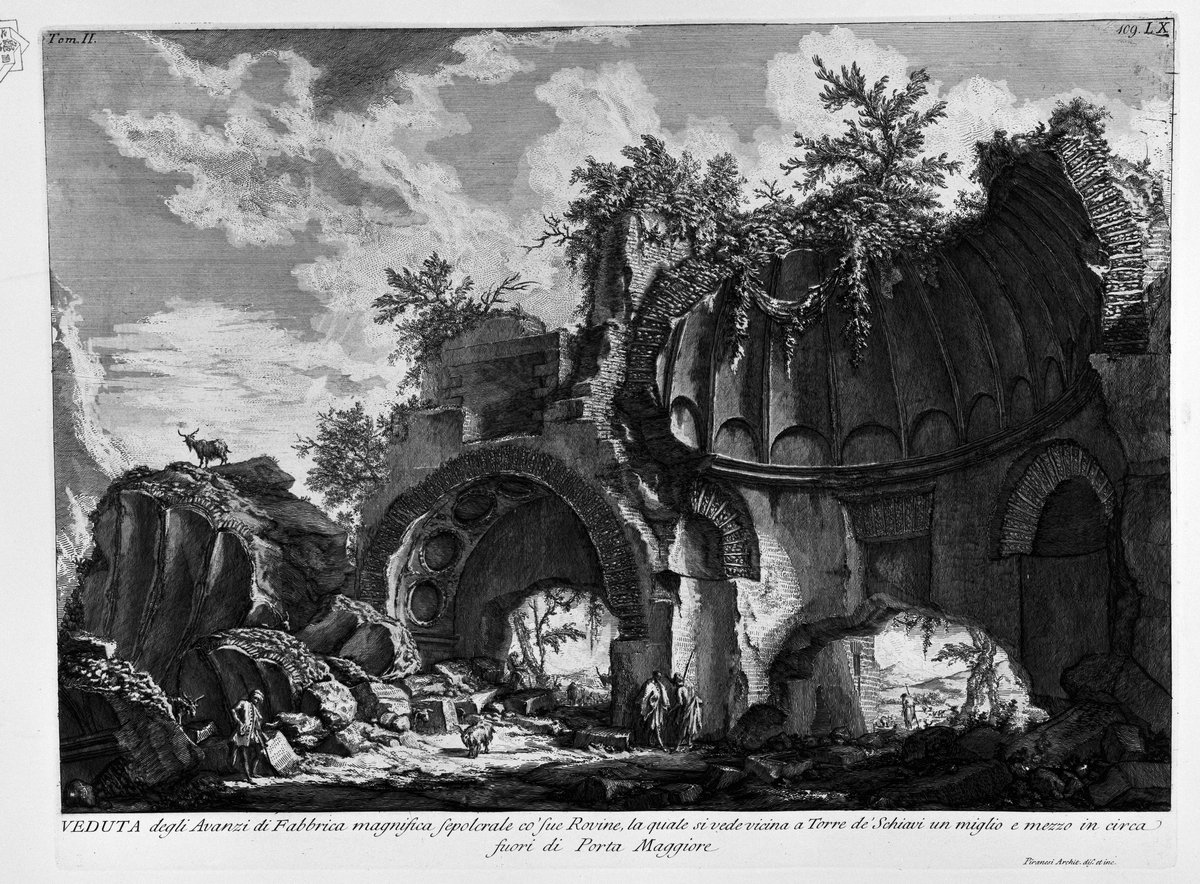
Villa Gordiani is intimately linked to the 3rd-century Gordian dynasty, which produced emperors Gordian I, Gordian II, and Gordian III. Ancient sources, notably the Historia Augusta, describe this villa as a lavish imperial retreat, constructed and expanded during a period of political turbulence (Wikipedia; Ancient Rome Live). The estate’s scale and grandeur are underscored by the remains of monumental entrances, extensive porticoes (once boasting 200 columns of various stones), bath complexes, basilicas, and mausolea.
Archaeological Features and Layout
Today, the archaeological park preserves notable remnants that evoke its imperial past:
- Octagonal Monumental Entrance: An imposing gateway symbolic of the villa’s status.
- Mausoleum and Early Christian Basilica: The mausoleum is traditionally attributed to the Gordian emperors, while the nearby basilica marks the site’s later religious significance (Turismo Roma).
- Baths and Basilicas: The layout includes remains of private and public bathhouses and religious structures.
- Portico Remnants: Archaeological investigations and surviving fragments highlight the villa’s architectural opulence (Academia.edu).
Medieval Transformations and Later History
After the Roman era, Villa Gordiani underwent several transformations. The Tor de’ Schiavi tower, erected in the 13th century atop the ancient ruins, bears witness to the site’s strategic importance in medieval times (Wikipedia). Named for the Dello Schiavo family (owners from the late 16th century), and later associated with the prominent Colonna family, the site’s layered history is reflected in its architecture and fortifications.
Modern Rediscovery and Preservation
The 20th-century development of the Quartiere Villa Gordiani residential complex, part of the INA-CASA initiative, brought urban growth while preserving the archaeological park as a vital green space (Censimento Architetture Contemporanee). Restoration efforts since the 1960s stabilized the ruins and established the park as both a historical monument and a community oasis, divided by Via Prenestina and surrounded by modern neighborhoods (Wikipedia).
Visiting Villa Gordiani: Practical Information
Visiting Hours
- Open daily from dawn to dusk (typically 7:00 AM–7:00 PM in summer; closing times adjust seasonally) (Turismo Roma).
Tickets and Admission
- Free entry: No tickets or reservations required. The park and its archaeological areas are open to all (Evendo).
Accessibility
- The park features mostly flat, paved, and gravel paths, suitable for visitors with limited mobility. Some uneven terrain near the ruins may present challenges; assistance dogs are welcome. Wheelchair access is available to major sections, but there are no dedicated accessible restrooms (HelloMondo).
Getting There
- Address: Via Prenestina, 325, Rome (Prenestino-Labicano district).
- By Metro: Line C, Villa Gordiani station (10-minute walk).
- By Tram: Lines 5 and 14 stop nearby.
- By Bus: Lines 409 and 545 serve the area.
- By Taxi: Around 15–20 minutes from central Rome, depending on traffic. On-street parking is available but limited (Evendo).
On-Site Facilities
- Public restrooms near the main entrance (hours may vary).
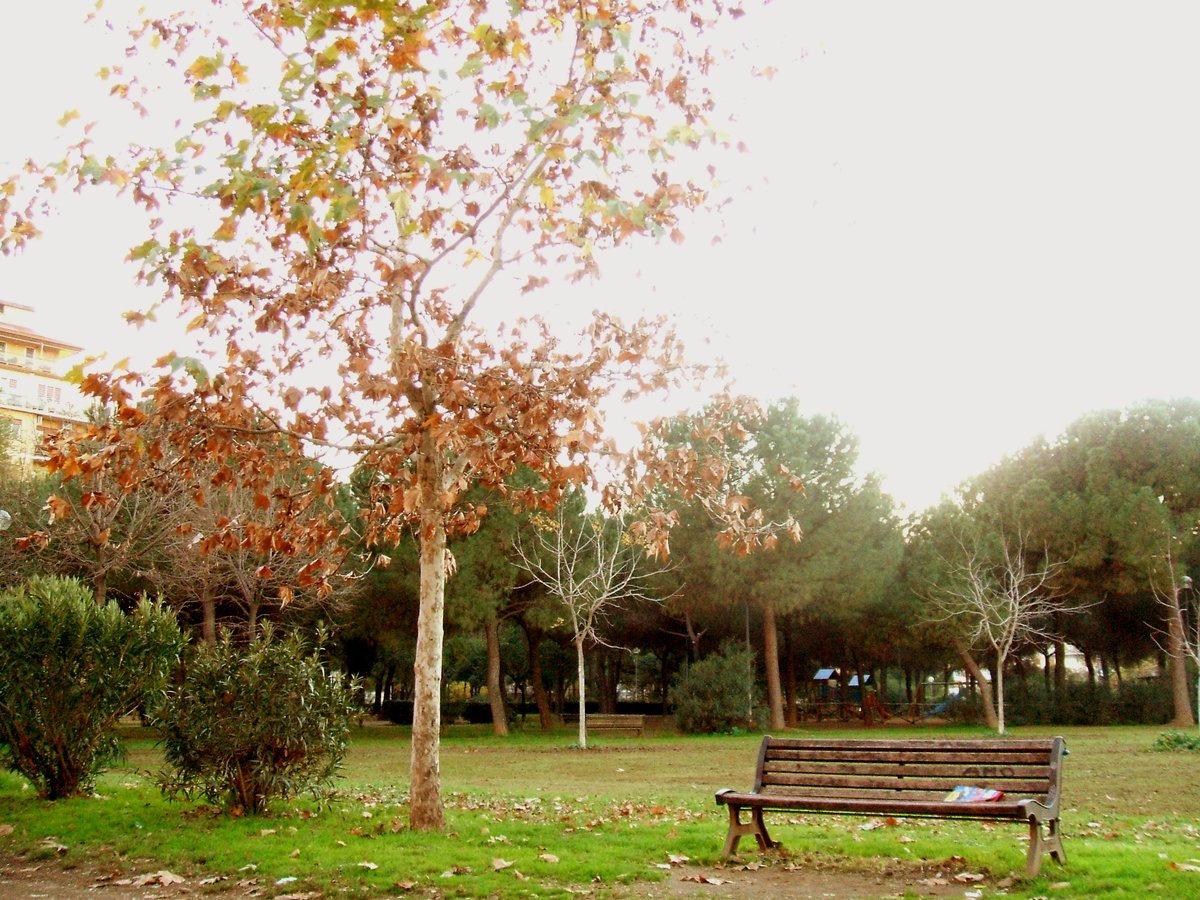
- Benches, picnic tables, playgrounds, and expansive lawns.
- No cafés or restaurants on-site, but plenty of options in the nearby Centocelle and Prenestino neighborhoods (Nando Roma; Romeing).
Guided Tours and Events
- Regular guided tours are not offered, but local cultural associations and the Rome tourism office occasionally organize special walks, workshops, and events. Check official tourism websites for current schedules (Turismo Roma).
Photographic Highlights and Nearby Attractions
Visual Highlights
- Capture the octagonal entrance, Tor de’ Schiavi, mausoleum, and the interplay of ancient ruins with the park’s mature trees.
- Early morning and late afternoon offer the most atmospheric light.
Nearby Attractions
- Catacombs of San Lorenzo and Basilica di San Lorenzo fuori le Mura: Significant religious and historical sites within a short distance.
- Centocelle neighborhood: Authentic Roman life, markets, bakeries, and a vibrant local scene (Romeing).
- GranRoma shopping center: For additional dining and shopping needs (Nando Roma).
Visitor Tips and FAQs
Tips for a Great Visit
- Best time to visit: Spring and autumn for pleasant weather; weekdays and early mornings for fewer crowds (Roma Pass; GoTravelYourself).
- Wear comfortable shoes; some paths are uneven.
- Bring water, snacks, and sun protection; shaded areas are limited.
- Use insect repellent during summer evenings.
- Respect preservation barriers; do not climb on ruins.
Frequently Asked Questions
Q: Do I need a ticket to visit Villa Gordiani?
A: No, entry is free.
Q: What are the opening hours?
A: Open daily from dawn to dusk; times vary with the season.
Q: Can I enter the ruins?
A: Monuments are fenced off for preservation but are viewable from park paths.
Q: Are guided tours available?
A: Not regularly; special tours may be scheduled by cultural organizations.
Q: Is the park suitable for families?
A: Yes, with playgrounds and open spaces for children.
Q: Is Villa Gordiani accessible for visitors with disabilities?
A: Most paths are accessible, but some areas near ruins are uneven.
Q: Are pets allowed?
A: Yes, pets are permitted on a leash.
Listen to the full story in the app
The whole Villa Gordiani,
told well.
Audio guides for 1,100+ cities across 96 countries. History, stories, and local insight — offline ready.
Verified, and shown.
Researched and written by the Audiala editorial team from historical records, architectural archives, and local expertise.
Researched from Wikidata, Wikipedia & official sources · fact-checked · How we make our guides →