Plan and listen to Tomb Of Caecilia Metella with Audiala.
Audio guide in your pocket, itinerary in your browser. Built for the way you actually visit.
Introduction
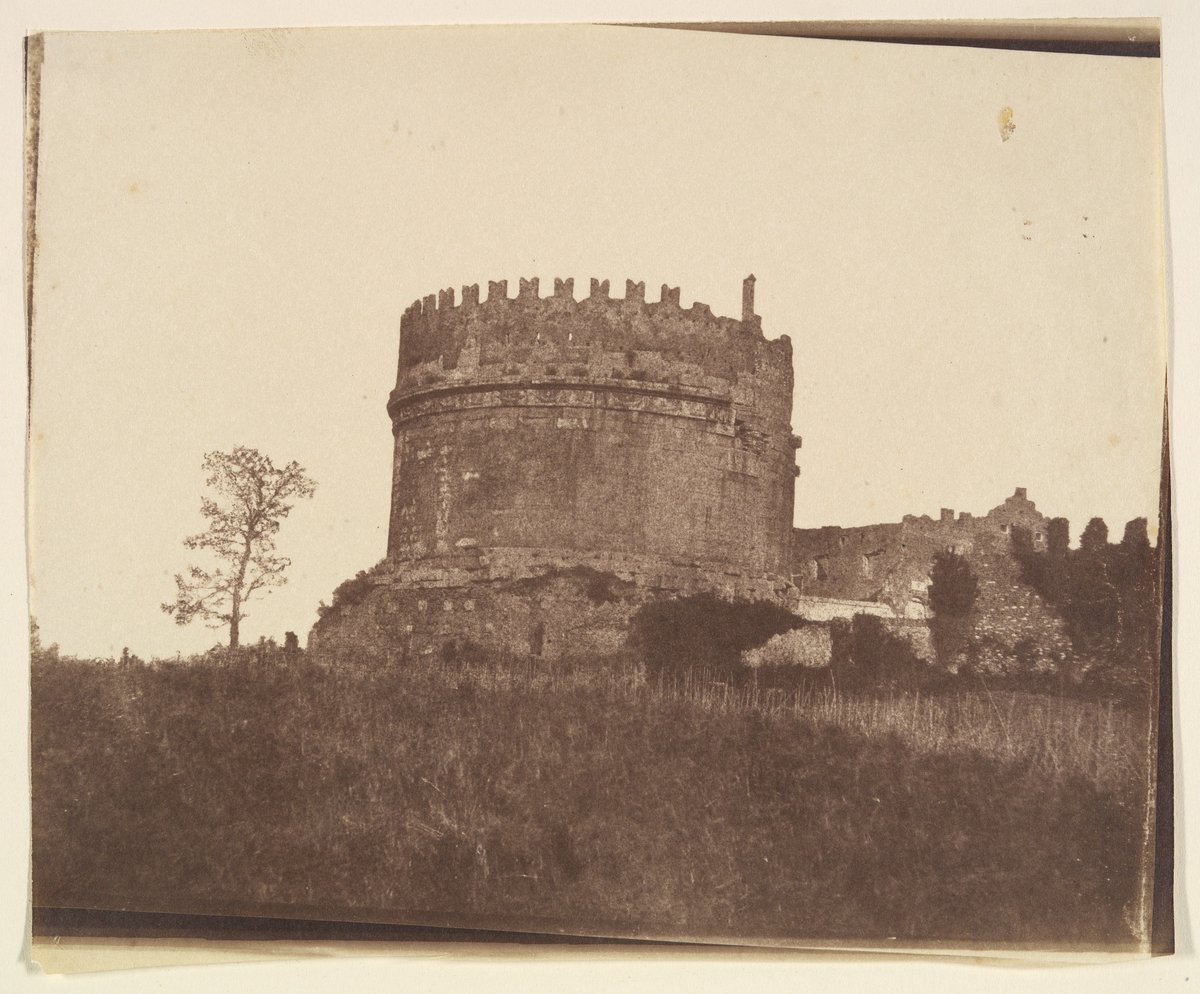
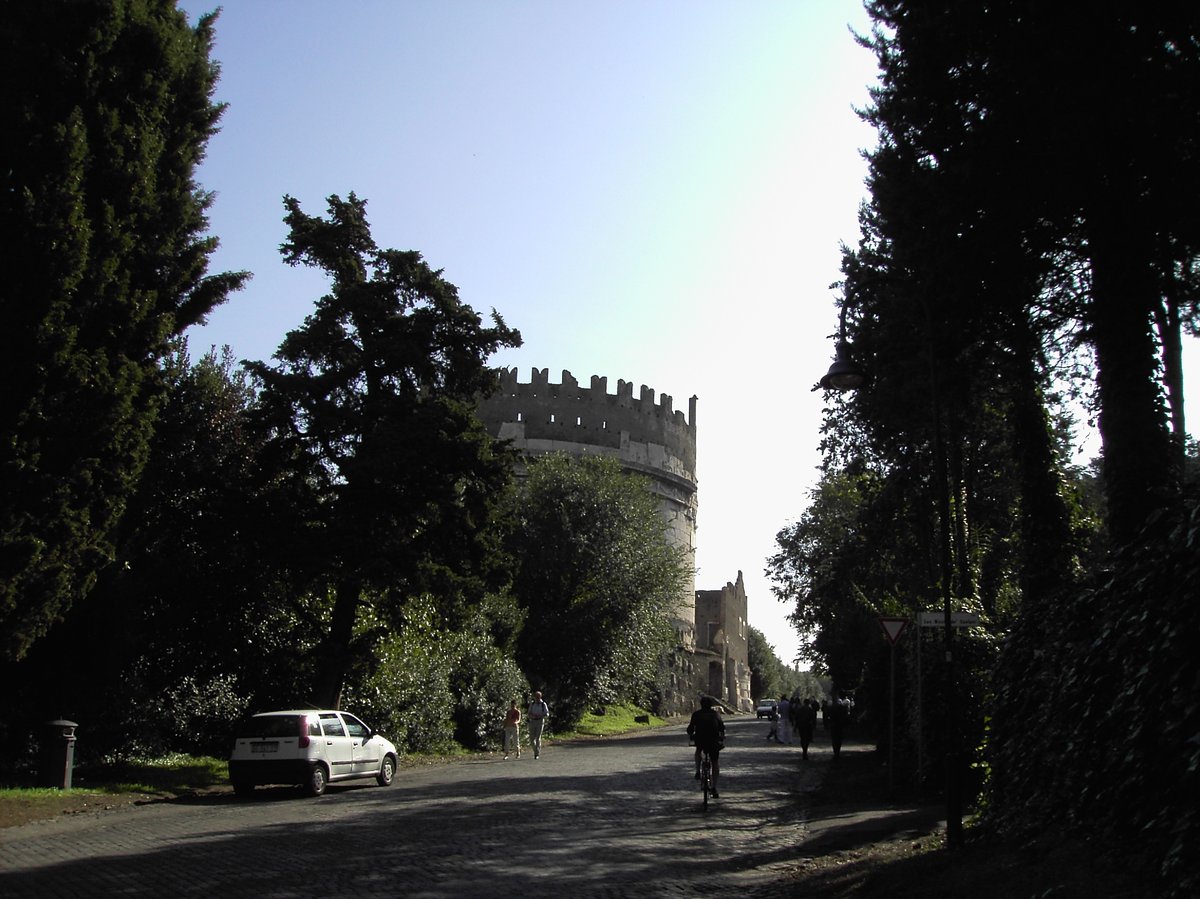
The Tomb of Caecilia Metella is one of Rome’s most iconic and best-preserved ancient monuments, standing as a powerful reminder of both Roman ingenuity and aristocratic pride. Prominently located along the historic Appian Way (Via Appia Antica), the tomb dates back to around 30 BCE and was commissioned as the final resting place for Caecilia Metella, a noblewoman with ties to two of Rome’s most influential families. Over the centuries, the monument has not only survived as a testament to late Republican and early Imperial architecture but has also been transformed—most notably in the Middle Ages—into a fortified castle complex. Today, it is a focal point of the Parco Archeologico dell’Appia Antica, attracting visitors eager to explore Rome’s layered history, impressive architecture, and scenic surroundings (Parco Archeologico dell’Appia Antica, Madain Project).
This guide provides everything you need to plan your visit, including opening hours, ticketing, accessibility, how to get there, and tips for making the most of your trip. You’ll also find historical and architectural insights, details on nearby attractions, and answers to common visitor questions.


Historical Background and Significance
Origins and Construction
Commissioned around 30 BCE, the Tomb of Caecilia Metella was built for Caecilia Metella, daughter of Quintus Caecilius Metellus Creticus (a consul) and wife of Marcus Licinius Crassus, son of the famed triumvir. Its construction marked the transition from the Roman Republic to the Empire and reflected the Metelli and Crassi families’ prominence in Roman society. Strategically positioned along the Appian Way, the tomb broadcast family prestige to travelers entering and leaving Rome (Parco Archeologico dell’Appia Antica, Rome Art Lover).
Architectural Features
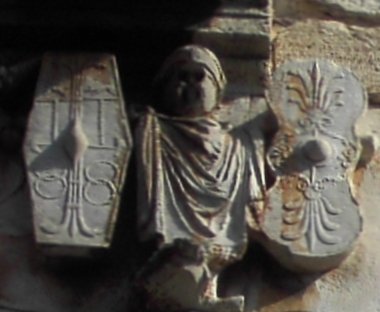
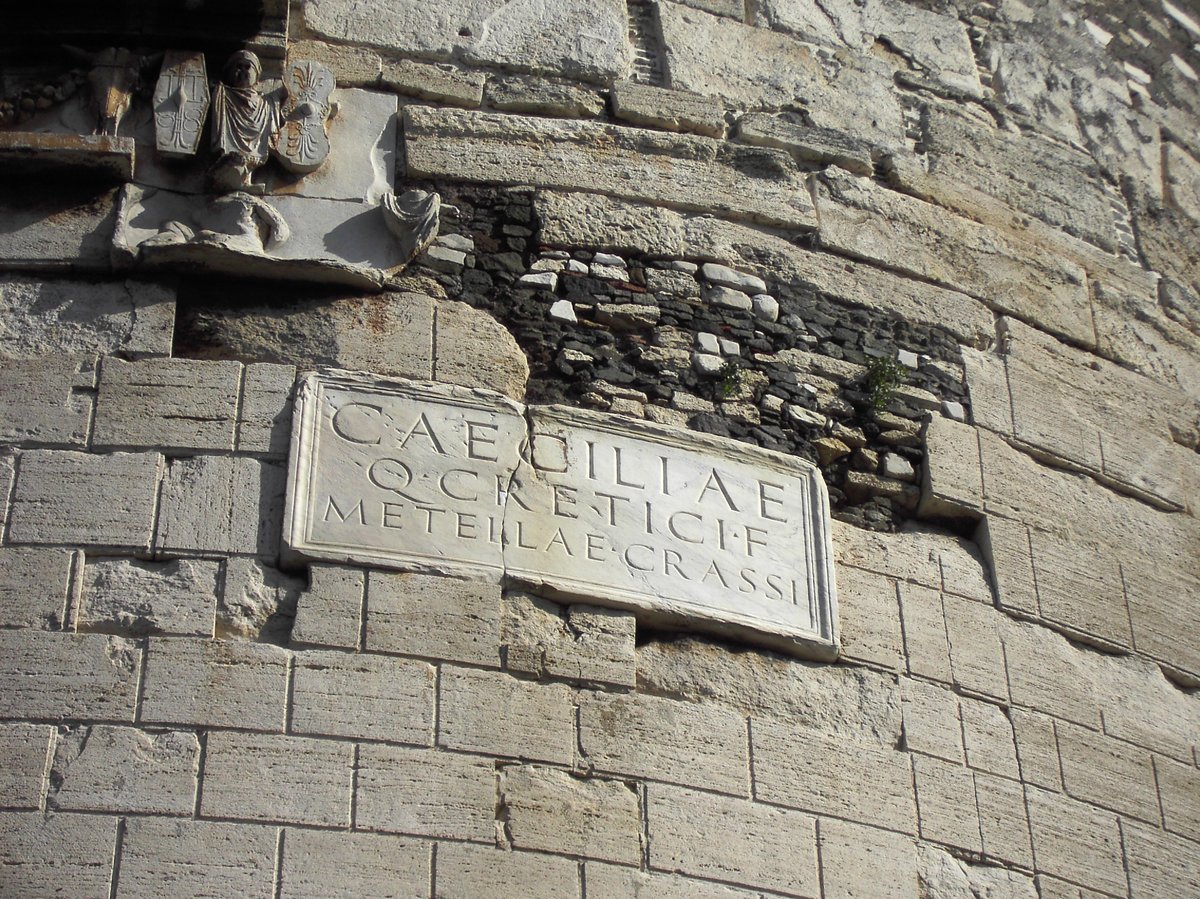
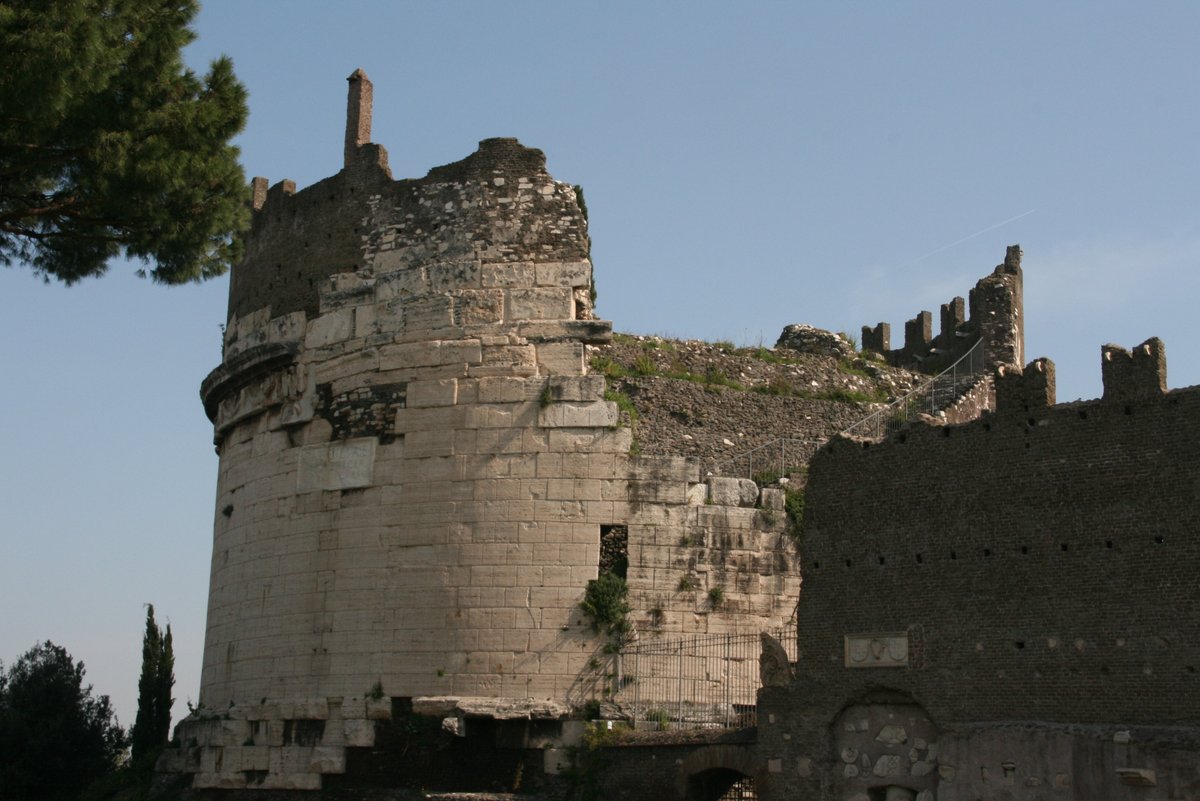
The mausoleum is distinguished by its cylindrical drum atop a square podium, measuring approximately 29.5 meters in diameter and rising to a height of about 21.7 meters. Constructed with Roman concrete (opus caementicium) and faced with travertine limestone, the tomb’s robust design has ensured its remarkable preservation. The exterior is adorned with a marble frieze featuring garlands and bucrania (ox skulls), symbols associated with sacrifice and funerary rituals. An inscription identifies Caecilia Metella and highlights her illustrious lineage (Madain Project, TheBrainChamber, British Museum).
Medieval Adaptation
In the 14th century, the tomb was incorporated into the fortified Castrum Caetani by the Caetani family, who added battlements and defensive features. This transformation underlined the structure’s strategic importance along the Appian Way and helped preserve the ancient mausoleum through centuries of conflict (HistoryHit).
Cultural Legacy
The tomb has influenced later Roman mausolea, including the Mausoleum of Hadrian, and inspired artists and writers for centuries. Its enduring presence serves as a symbol of the continuity and adaptation of Roman culture from antiquity through the Middle Ages and into modern times (Smarthistory, The Metropolitan Museum of Art).
Visiting the Tomb of Caecilia Metella
Opening Hours and Tickets
- Opening Hours: Daily, 9:00 AM – 7:00 PM (last admission at 6:30 PM). Hours may vary seasonally; always check the official website before your visit.
- Tickets: Standard entry is €8 for adults (as of 2025), valid for three days and includes access to the Tomb of Caecilia Metella, the Villa of the Quintilii, and Capo di Bove. Reduced rates are available for EU citizens aged 18–25, and children under 18 enter free. The Roma Pass is accepted. Entry is free on the first Sunday of each month (CoopCulture, Carpe Diem Tours, ReidsItaly).
Accessibility
The site features uneven terrain and stairs, so accessibility for visitors with mobility impairments is limited. Assistance can be arranged in advance by contacting the park (Parco Archeologico dell’Appia Antica).
Getting There: Transport & Travel Tips
Location
- Address: Via Appia Antica 161, about 5 km southeast of central Rome.
Public Transport
- By Bus: Bus 660 from Colli Albani (Metro Line A) or bus 118 from Piramide (Metro Line B) serve the area. The Trambusopen Archeobus (hop-on, hop-off) also stops at major sites along the Appian Way (ReidsItaly).
- By Metro: Take Metro Line A to Colli Albani, then transfer to bus 660.
- By Bike: Renting a bike or e-bike is highly recommended for exploring the Appian Way and its monuments. Providers like EcoBike operate nearby (Carpe Diem Tours).
- On Foot: Walking is possible, but due to distance, cycling or public transport is more practical.
Travel Tips
- Best Season: Spring or autumn for the most pleasant weather.
- Best Time of Day: Early mornings or late afternoons for fewer crowds and better lighting for photos.
- What to Bring: Comfortable shoes, water, snacks, sun protection, and a camera.
- Facilities: Restrooms and multilingual information panels are available on site.
Site Layout and Visitor Experience
Monument Structure
The tomb consists of a monumental cylindrical mausoleum atop a square base. The main sections include:
- The central burial chamber (cella), originally containing Caecilia Metella’s sarcophagus (now lost).
- Upper and lower corridors, and a west compartment.
- Medieval Caetani Castle attached to the rear, now used for exhibitions.
A typical visit lasts 20–30 minutes, but exploring the attached castle and exhibitions or the broader archaeological park can take longer (TheTravel).
Accessibility and Facilities
- Partial Accessibility: Some areas are accessible, but stairs and uneven ancient paving may limit access.
- Guided Tours: Available through park partners and local agencies.
- Family & Children: Suitable for children with supervision.
- Pets: Generally not allowed inside the monument; check current regulations.
Nearby Attractions
The Tomb of Caecilia Metella is ideally visited as part of a broader Appian Way itinerary, including:
- Catacombs of San Sebastiano: Early Christian burial sites.
- Circus of Maxentius: The best-preserved Roman chariot racing track.
- Villa of the Quintilii: A grand Roman villa included in the combined ticket.
- Capo di Bove: Archaeological site with well-preserved baths.
Frequently Asked Questions (FAQ)
What are the opening hours?
Daily 9:00 AM – 7:00 PM (last admission 6:30 PM). Always check the official website before visiting.
How much are tickets?
€8 for adults, free for children under 18, and discounts for EU citizens aged 18–25. Roma Pass accepted. Combined tickets cover other nearby sites.
Is the site accessible?
Partially. Contact ahead if you require assistance.
How do I get there from central Rome?
Take Metro Line A to Colli Albani and then bus 660, or bus 118 from Piramide. Biking is also a popular option.
Are guided tours available?
Yes, through official partners and local tour agencies.
Is photography allowed?
Yes, and the site offers excellent photo opportunities.
Visuals and Media


For virtual tours and more media, visit the official page.
Listen to the full story in the app
The whole Tomb Of Caecilia Metella,
told well.
Audio guides for 1,100+ cities across 96 countries. History, stories, and local insight — offline ready.
Verified, and shown.
Researched and written by the Audiala editorial team from historical records, architectural archives, and local expertise.
Researched from Wikidata, Wikipedia & official sources · fact-checked · How we make our guides →