Introduction
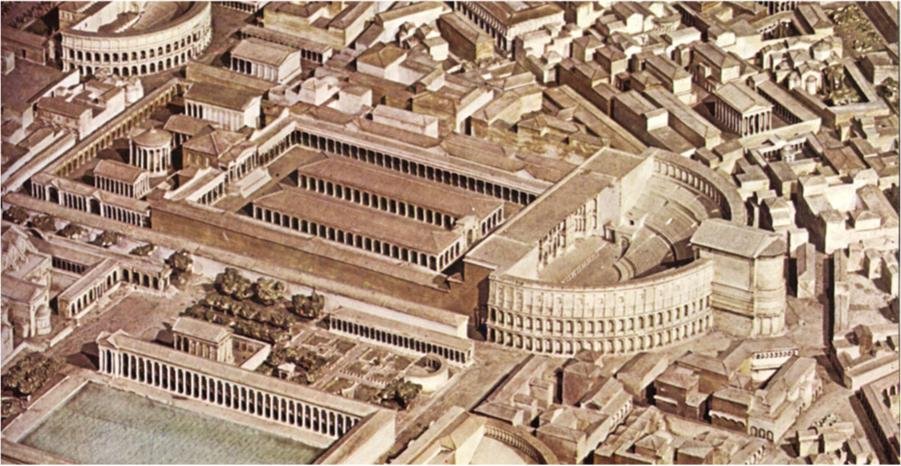
Nestled in the vibrant heart of Rome, the Theatre of Marcellus (Teatro di Marcello) stands as a living monument to the city’s ancient grandeur. Initiated by Julius Caesar and completed under Augustus, the theatre was dedicated to Augustus’s nephew, Marcus Claudius Marcellus. Its striking semi-circular design, adorned with Doric and Ionic columns, made it a premier venue for public performances and civic gatherings, and it remains one of Rome's best-preserved ancient theatres. Today, the Theatre of Marcellus offers a vivid window into the city’s layered past—evolving from a cultural hub to a medieval fortress and later a Renaissance palazzo. Positioned near the Jewish Ghetto, Capitoline Hill, and the Tiber River, the site is easily accessible and free to explore. This comprehensive guide provides details on the theatre’s history, architecture, visitor information, nearby attractions, and tips for an unforgettable visit. (World History Edu, Britannica, Mamalovesrome)
Photo Gallery
Explore Theatre of Marcellus in Pictures
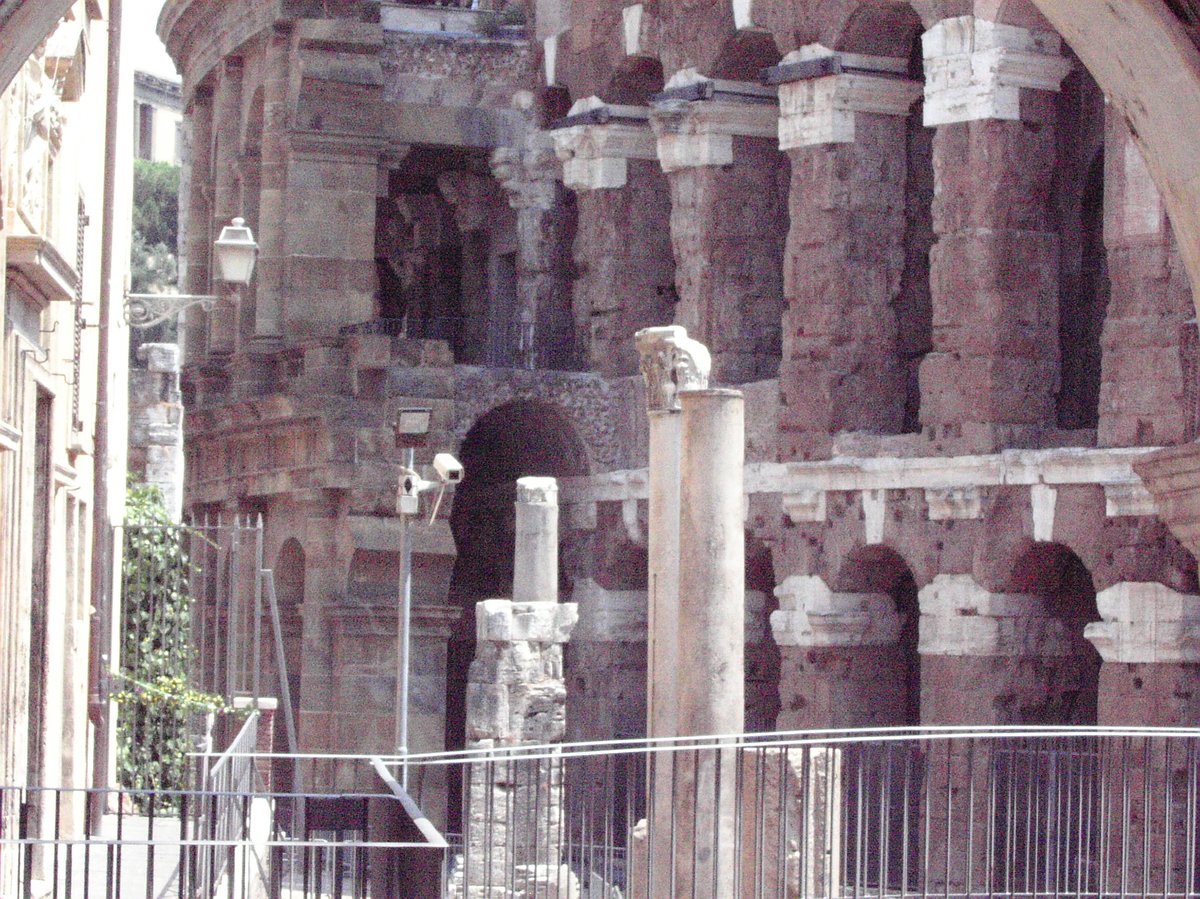
A vibrant street scene in Rome captured on July 14, 2006, featuring vintage cars, historic architecture, and pedestrians enjoying the city ambiance.
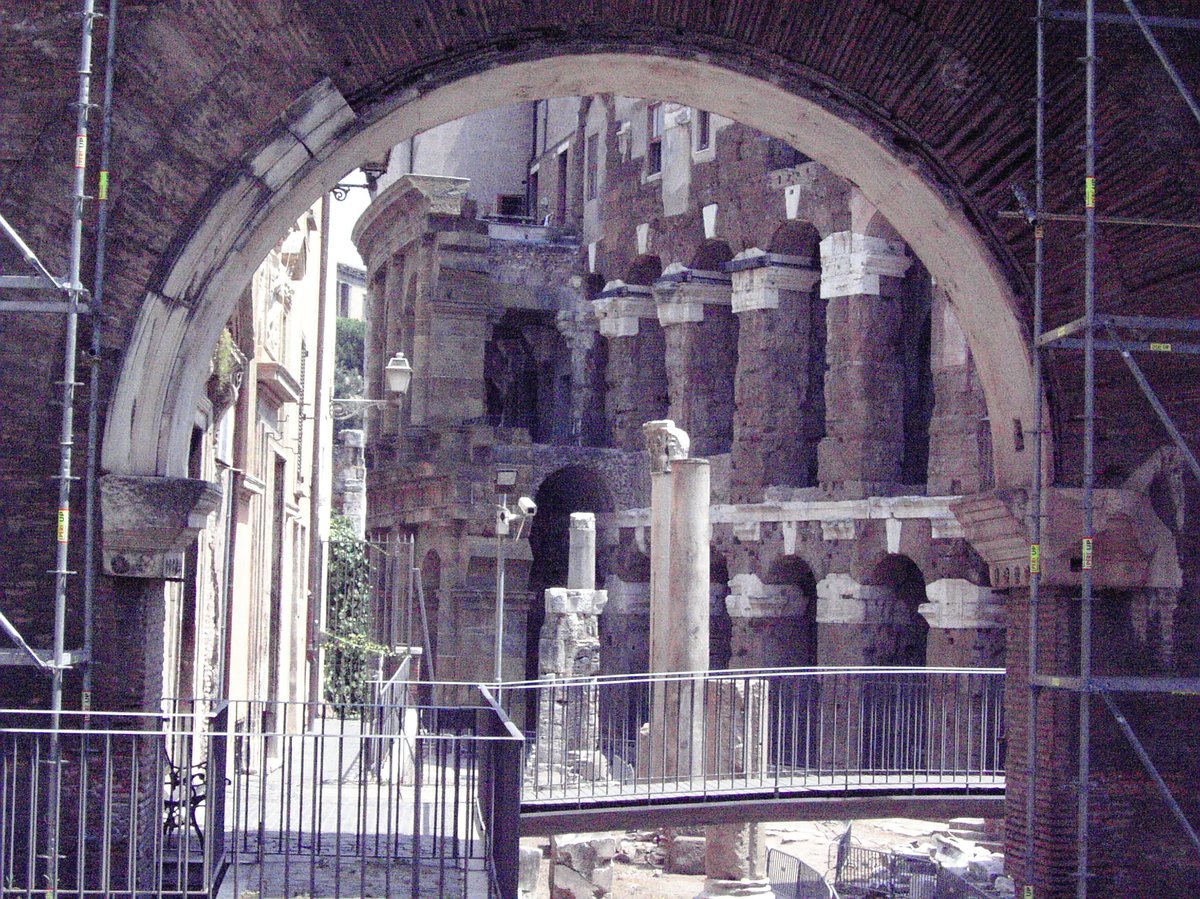
Photograph taken in Rome on July 14, 2006, featuring a scenic blend of ancient Roman ruins and modern cityscape under a clear sky.
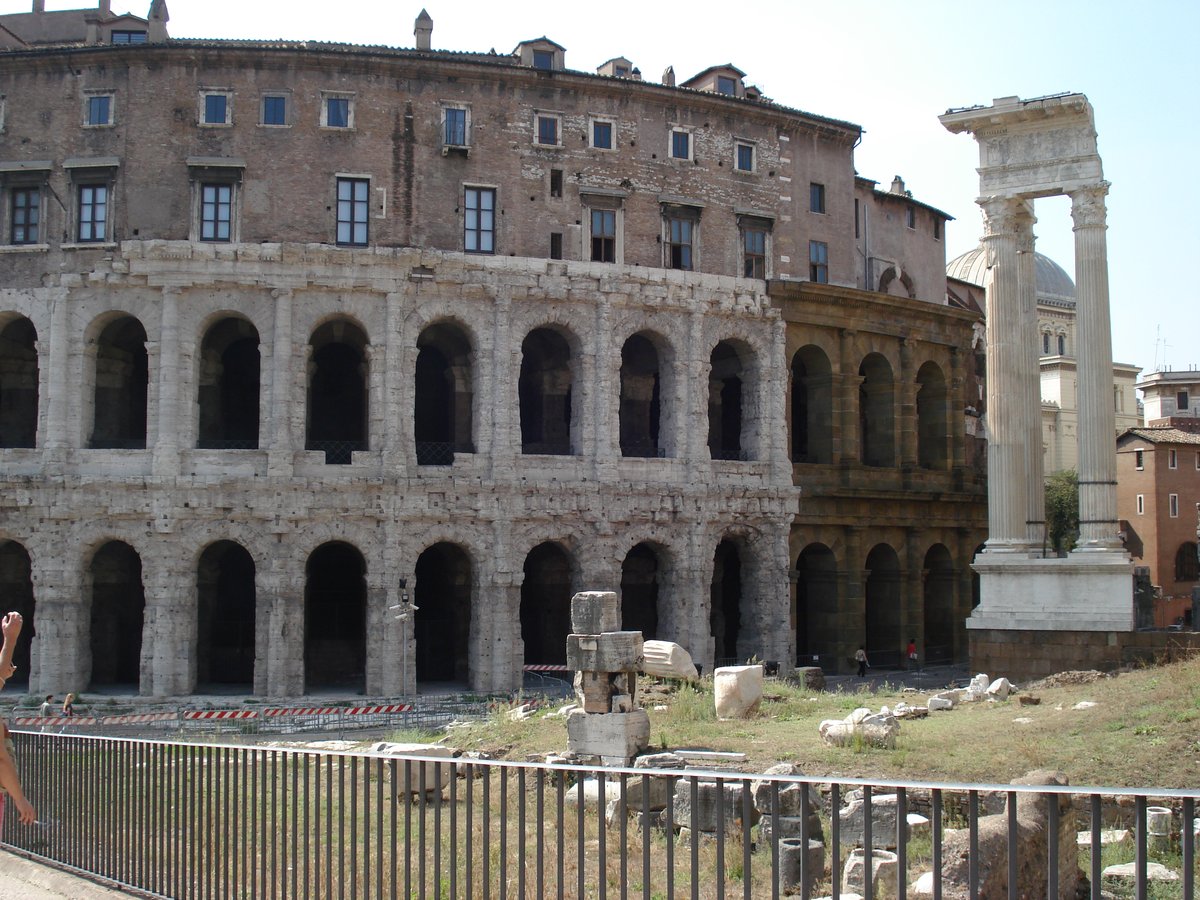
View of the Colosseum, the iconic ancient amphitheater located in Rome, Italy, seen on a sunny day with blue sky.
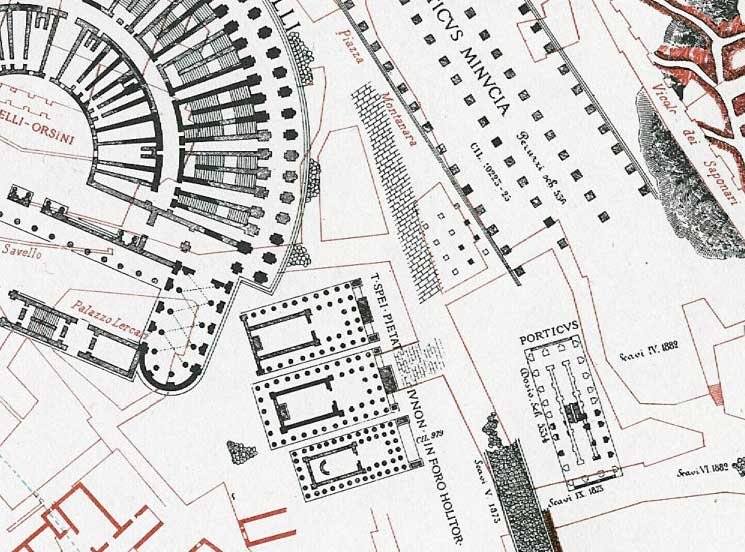
Historic Forum Holitorium site featuring ancient Roman columns and stone architectural remains as captured by Lancianu between 1893 and 1901
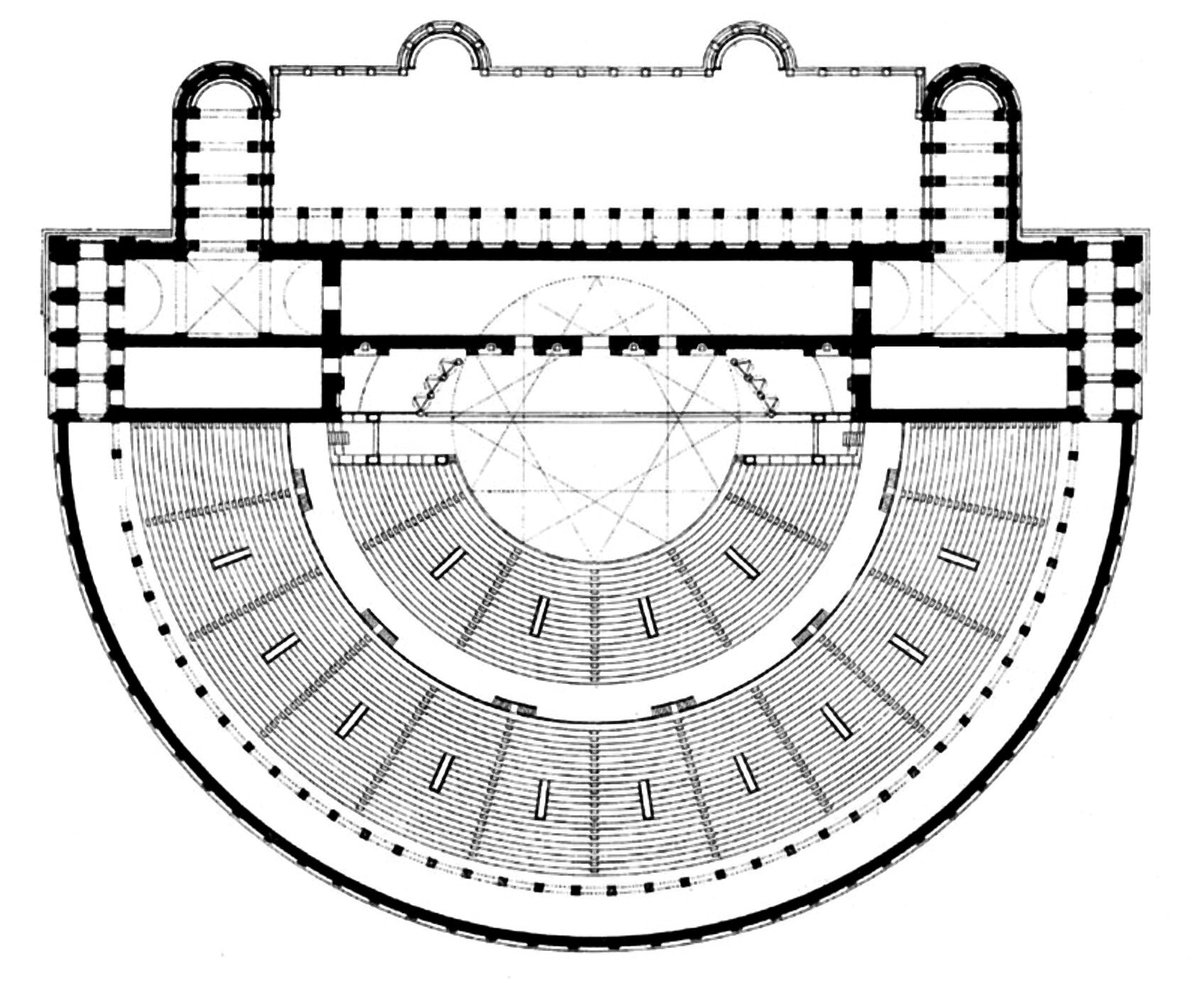
Detailed floor plan layout of the ancient Marcellus Theatre located in Rome, showcasing its architectural design and structure.
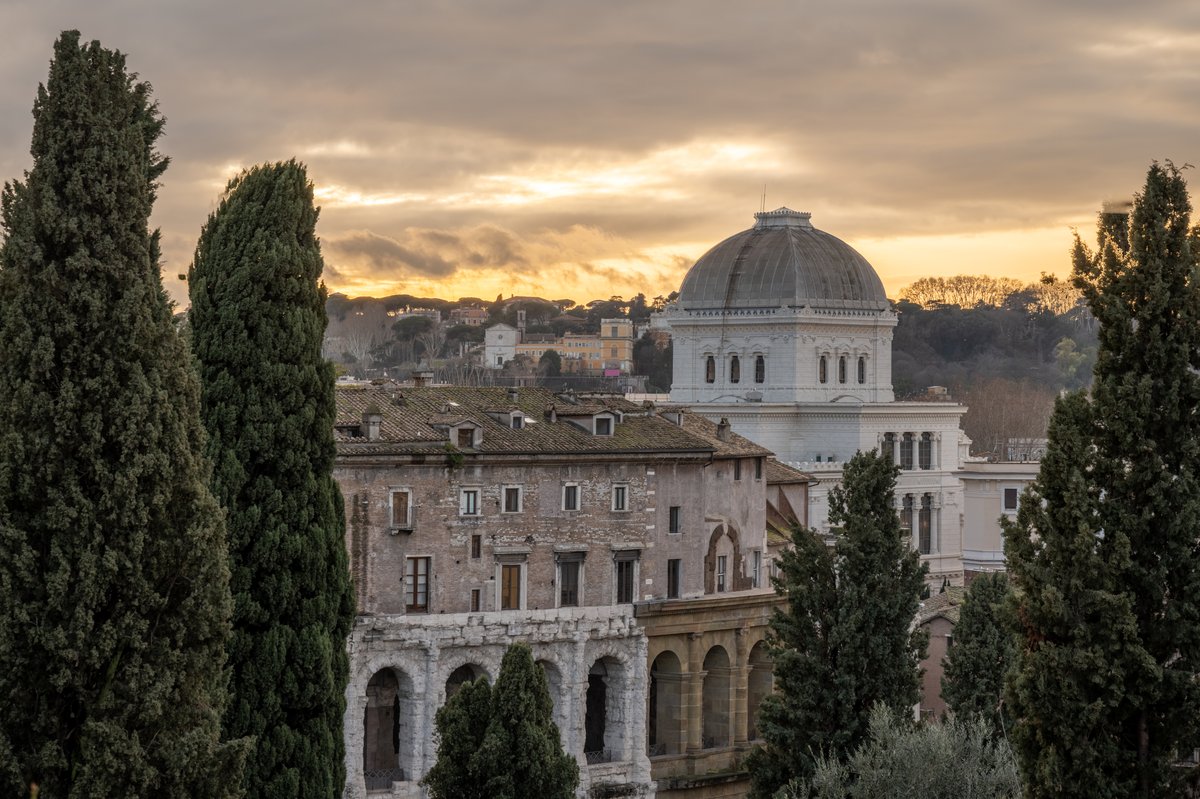
Photograph of ancient Roman architectural ruins showing stone structures and columns under a clear sky, representing historical heritage from the Roma Project.
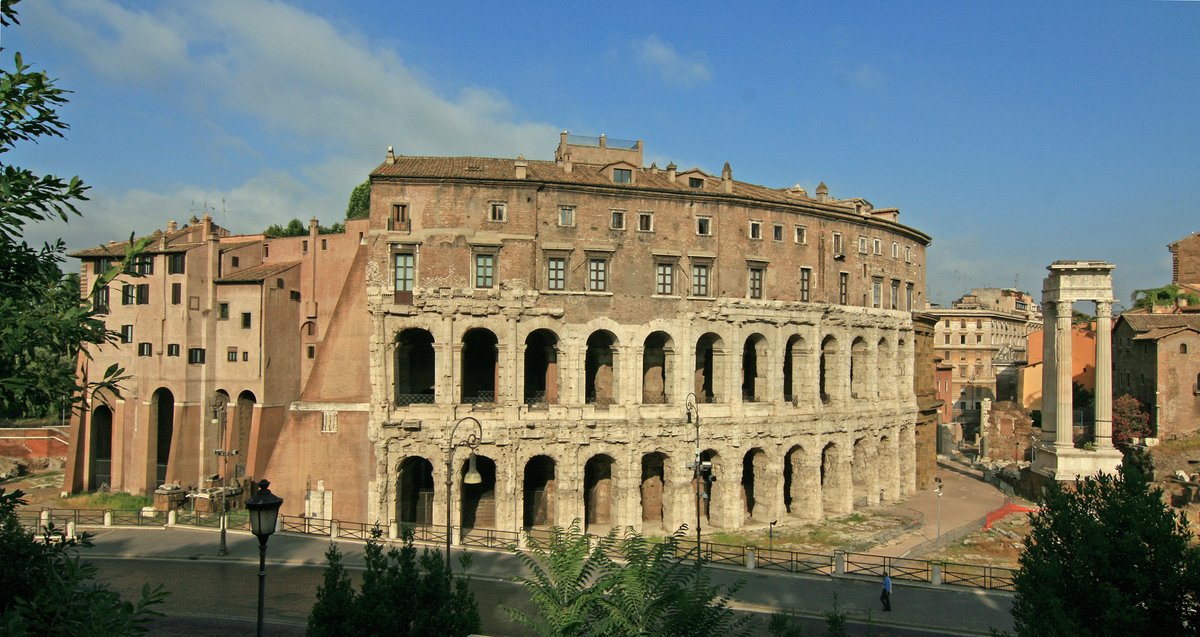
A panoramic view of the ancient Theater of Marcellus in Rome, showcasing its historic Roman architecture at sunset.
Origins and Construction
The Theatre of Marcellus was conceived in the waning years of the Roman Republic as a rival to the Theatre of Pompey, reflecting the ambitions of Julius Caesar. Caesar began acquiring land in the Campus Martius for the theatre, but after his assassination, Augustus oversaw its completion, dedicating it in 13 BCE to his nephew and heir, Marcellus, who died young. This dedication served both as a tribute and a statement of dynastic continuity. (World History Edu, Britannica, Rome.us, The Brain Chamber)
Architectural Features and Capacity
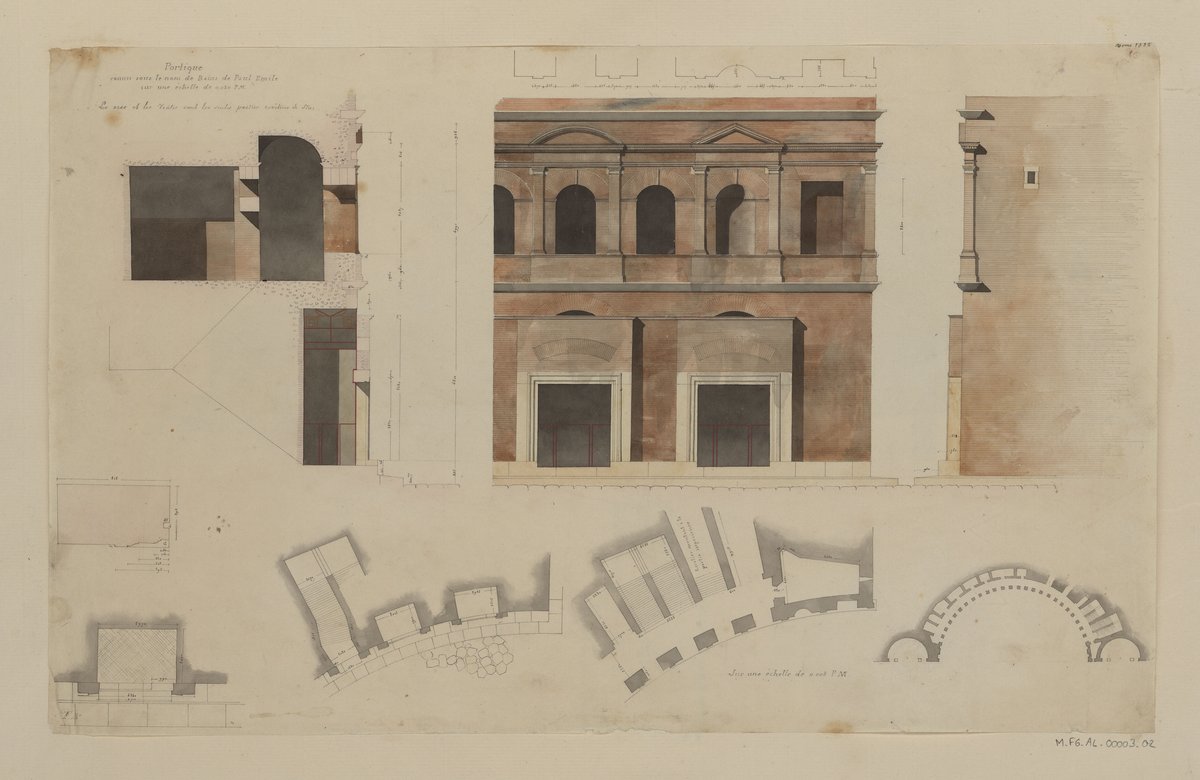
Constructed with tuff and Roman concrete and clad in white travertine, the Theatre of Marcellus was a marvel of ancient engineering. Its semi-circular cavea (seating area) measured approximately 111–130 meters in diameter and stood about 30–33 meters tall, accommodating an estimated 11,000–20,000 spectators. The façade featured two surviving tiers of arcades: Doric columns on the ground level and Ionic above, with a now-lost third level possibly adorned with Corinthian columns. The seating was arranged by social status, and the design included advanced acoustic features like strategically placed bronze vases. The theatre’s stage (scaena) was richly decorated with marble and statuary, and a velarium (marquee) once shaded the audience. (Britannica, Visit Colosseum Rome, italia.it, browsingrome.com)
Role in Roman Society
The Theatre of Marcellus quickly became a vital center for Roman civic life. It hosted dramatic performances, musical events, and public ceremonies, serving as a space where citizens from all walks of life could gather. Augustus used the venue to project imperial generosity and promote the arts, reinforcing a sense of civic unity and identity. On event days, the area bustled with vendors and festivities, embodying the dynamic spirit of ancient Rome. (History Skills, myadventuresacrosstheworld.com)
Transformation through the Ages
By the fourth century CE, the theatre fell into disuse as public spectacles waned. During the Middle Ages, it was converted into a fortress by the Savelli and Orsini families. In the Renaissance, the upper levels became the Palazzo Savelli, designed by Baldassare Peruzzi, and are still used as private apartments today. These adaptations preserved much of the ancient structure and embedded the theatre into Rome’s evolving urban landscape. (Rome.us, Mamalovesrome, myadventuresacrosstheworld.com)
Architectural Influence and Legacy
The Theatre of Marcellus set the standard for later Roman theatres, including the Colosseum. Its use of stacked classical orders and semi-circular cavea inspired both ancient and Renaissance architects. The theatre’s innovative integration of architecture and urban space can be seen in theatres across Europe and remains a reference point for modern performance venues. (World History Edu, browsingrome.com)
Archaeological Discoveries and Preservation
Ongoing archaeological work has unveiled earlier structures beneath the theatre, such as the theatrum et proscenium ad Apollinis and remnants of ancient temples. Modern restoration has focused on conserving the lower arcades and integrating the site with the city’s contemporary fabric. The juxtaposition of ancient, medieval, and Renaissance elements illustrates Rome’s layered history and commitment to heritage preservation. (The Brain Chamber, Turismo Roma, italia.it)
Location and Accessibility
Located at Via del Portico di Ottavia, 29, the Theatre of Marcellus is centrally positioned near the Jewish Ghetto, Capitoline Hill, and the Tiber River. It is easily accessible on foot from major landmarks and is well-served by public transport, including Tram 8 (Argentina/Arenula stop) and several bus routes. The nearest metro stations (Colosseo and Circo Massimo, Line B) are about 15–20 minutes' walk away. The archaeological area surrounding the theatre is mostly flat, but some uneven surfaces may be challenging for visitors with mobility impairments. (bonjourrome.fr, mapsofworld.com, Mamalovesrome)
Visiting Hours, Tickets, and Accessibility
- Visiting Hours: The archaeological area is generally open daily from 9:00 AM to 6:00 PM. The theatre itself can be admired from outside at any time.
- Tickets: No entry fee is required; the site is open-air and freely accessible. Guided tours, which include the theatre and nearby historical sites, may charge a fee.
- Accessibility: The exterior and archaeological area are accessible, though some surfaces may be uneven. There are no interior public areas, as the upper levels are private residences.
- Amenities: There are no visitor facilities on site, but the area is close to restaurants, cafes, and public restrooms in the Jewish Ghetto.
Nearby Attractions and Travel Tips
- Jewish Ghetto: Renowned for its history, architecture, and cuisine.
- Portico d’Ottavia: Ancient colonnaded structure adjacent to the theatre.
- Temple of Apollo Sosianus: Features three surviving columns.
- Tiber Island: Perfect for scenic walks and views.
- Piazza del Campidoglio: Michelangelo’s iconic square atop Capitoline Hill.
Tips:
Spring and autumn offer the best weather. Visit early morning or late afternoon for ideal lighting and fewer crowds. The theatre is particularly atmospheric at sunrise and sunset. During summer, check for open-air concerts and events.
Visuals and Media
Explore high-quality images and virtual tours on official tourism sites. Look for photos showing the “Theatre of Marcellus façade with Doric columns” and “Interior cavea seating of Theatre of Marcellus” for a deeper appreciation of its architectural details.
Frequently Asked Questions (FAQ)
Q: Is a ticket required to visit the Theatre of Marcellus?
A: No, the site is open-air and free to visit. Guided tours may require tickets.
Q: What are the opening hours?
A: The archaeological area is open daily from 9:00 AM to 6:00 PM. The theatre's exterior can be viewed at any time.
Q: Is the theatre accessible for visitors with mobility challenges?
A: The area is mostly flat, but some ancient surfaces are uneven.
Q: Are guided tours available?
A: Yes, local agencies offer walking tours that include the theatre and nearby sites.
Q: Can you visit the interior or upper levels?
A: No, the upper levels are private residences and not open to the public.
Final Tips
The Theatre of Marcellus encapsulates Rome’s enduring architectural brilliance and cultural dynamism. While the interior is not accessible, the exterior ruins and surrounding archaeological zone offer a unique view into ancient Roman life. Take advantage of guided tours and multimedia resources for a richer experience, and don’t miss the lively nearby neighborhoods. Plan your visit to connect with both the grandeur of the past and the city’s vibrant present.
For more travel inspiration, download the Audiala app and follow us on social media for updates on Rome’s historical sites and cultural events.
Listen to the full story in the app
Your Personal Curator, in Your Pocket.
Audio guides for 1,100+ cities across 96 countries. History, stories, and local insight — offline ready.
Audiala App
Available on iOS & Android
Join 50k+ Curators
Sources
- verified
- verified
- verified
- verified
- verified
- verified
- verified
- verified
- verified
- verified
- verified
- verified
Last reviewed: