Plan and listen to Temple Of Minerva Medica with Audiala.
Audio guide in your pocket, itinerary in your browser. Built for the way you actually visit.
Introduction
Tucked within Rome’s Esquilino district, just steps from the bustling Termini railway station, stands the enigmatic monument commonly known as the Temple of Minerva Medica. Long misidentified as a temple to Minerva Medica—Minerva the Healer—this site is, in fact, a late Roman nymphaeum: a monumental garden pavilion and sanctuary to water nymphs, dating from the late 3rd or early 4th century CE. Not only does the building showcase the engineering brilliance of Rome’s twilight years, but it also serves as a testament to the city’s layered history, architectural innovation, and the evolving narratives that shape our understanding of the past.
This comprehensive guide explores the Temple’s origins, architectural features, cultural context, visitor information, and nearby attractions, providing everything you need to appreciate this lesser-known gem among Rome’s historic sites. For additional research, see Turismo Roma, Atlas Obscura, and Ancient Rome Live.

Historical Background
Origins and Misidentification
The moniker “Temple of Minerva Medica” is a Renaissance-era misattribution. Early scholars believed a statue of Minerva found nearby indicated the ruins’ original purpose, but later research confirmed the statue—a famed copy now called the Athena Giustiniani—actually came from elsewhere (Atlas Obscura; Wikipedia). Ancient sources do mention a Temple of Minerva Medica on the Esquiline, but its actual location was different, and no remains survive.
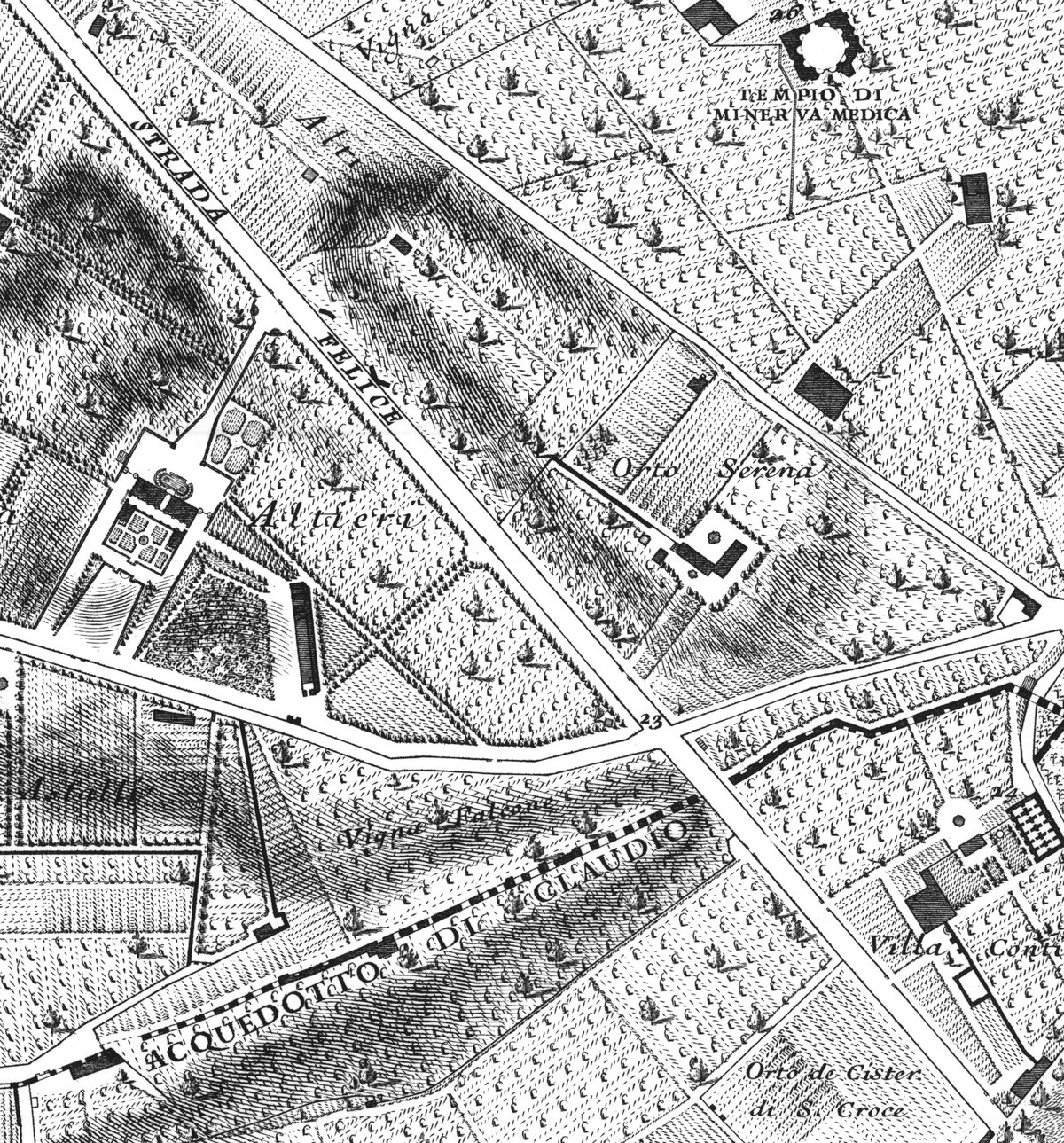
The structure that stands today was part of the Horti Liciniani, the grand imperial gardens associated with Emperor Licinius Gallienus. While often labeled a temple, it is now recognized as a monumental nymphaeum—a lavish pavilion or fountain house for elite leisure (Madain Project; Turismo Roma).
Architectural Features and Function
Plan and Engineering
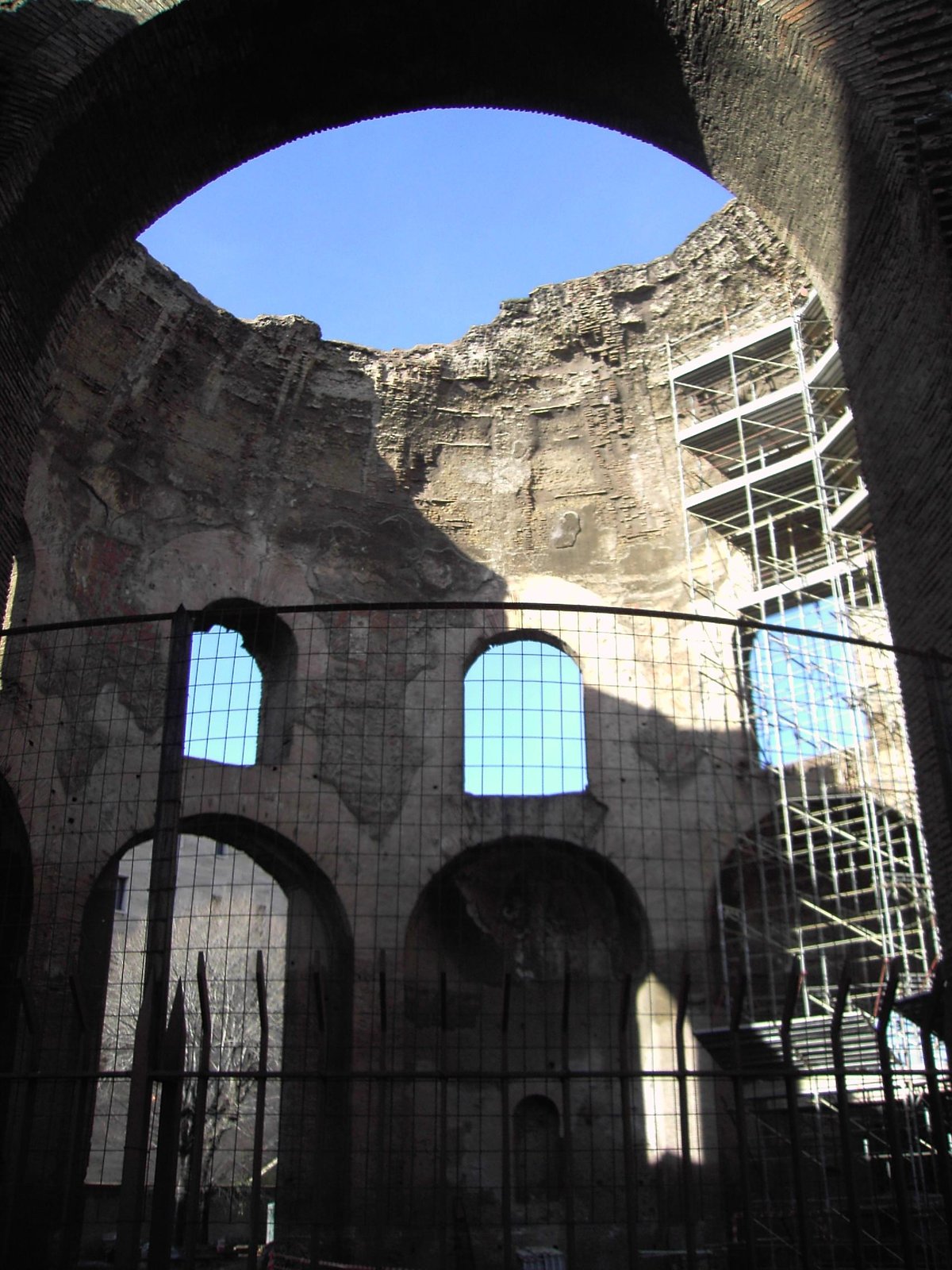
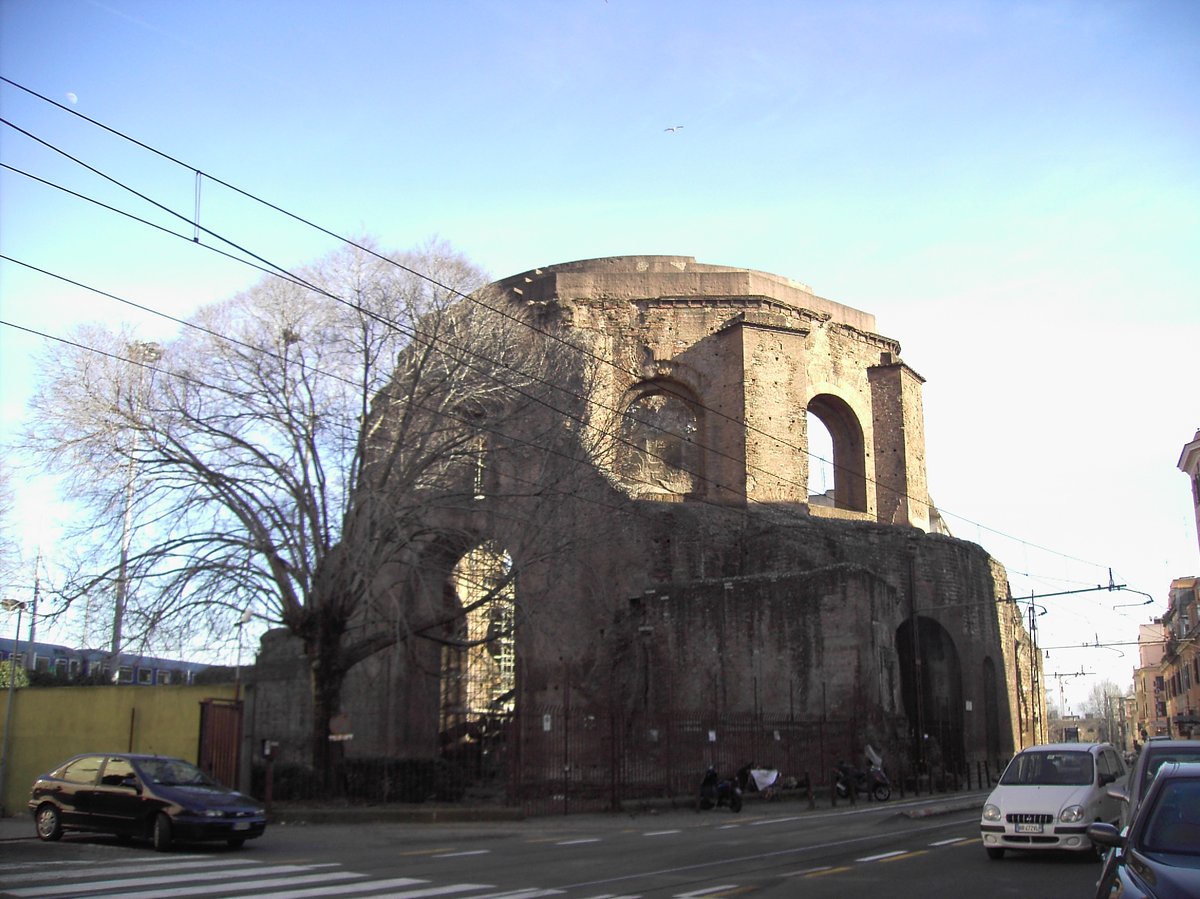
The nymphaeum’s most distinctive feature is its decagonal (ten-sided) plan, exceptionally rare in Roman architecture. The main hall spanned approximately 25 meters in diameter, making its dome one of the largest in ancient Rome—surpassed only by the Pantheon and Baths of Caracalla (Turismo Roma). Constructed in brick-faced concrete (opus latericium), the dome originally soared above a luminous hall, illuminated by ten arched windows and an oculus at its apex.
Alternating semicircular and rectangular niches articulated the interior walls, likely housing statues or fountains. This dynamic articulation reduced wall weight and provided buttressing for the dome, reflecting late Roman advances in engineering and aesthetics (Ancient Rome Live).
Purpose and Use
Scholars agree the building functioned as a nymphaeum or possibly a grand triclinium (banquet hall), featuring water displays and possibly a hypocaust heating system (Rome the Second Time). Its design and placement within the Horti Liciniani gardens suggest it was a locus for relaxation, social gatherings, and the display of imperial wealth.
Historical Significance
Built during a period of political and economic transformation, the Temple of Minerva Medica epitomizes the opulent lifestyle of Rome’s late imperial elite. Its architectural innovations—such as the integration of light, water, and monumental domes—left a lasting legacy, influencing Byzantine and Renaissance architecture (Turismo Roma).
Archaeological Discoveries and Preservation
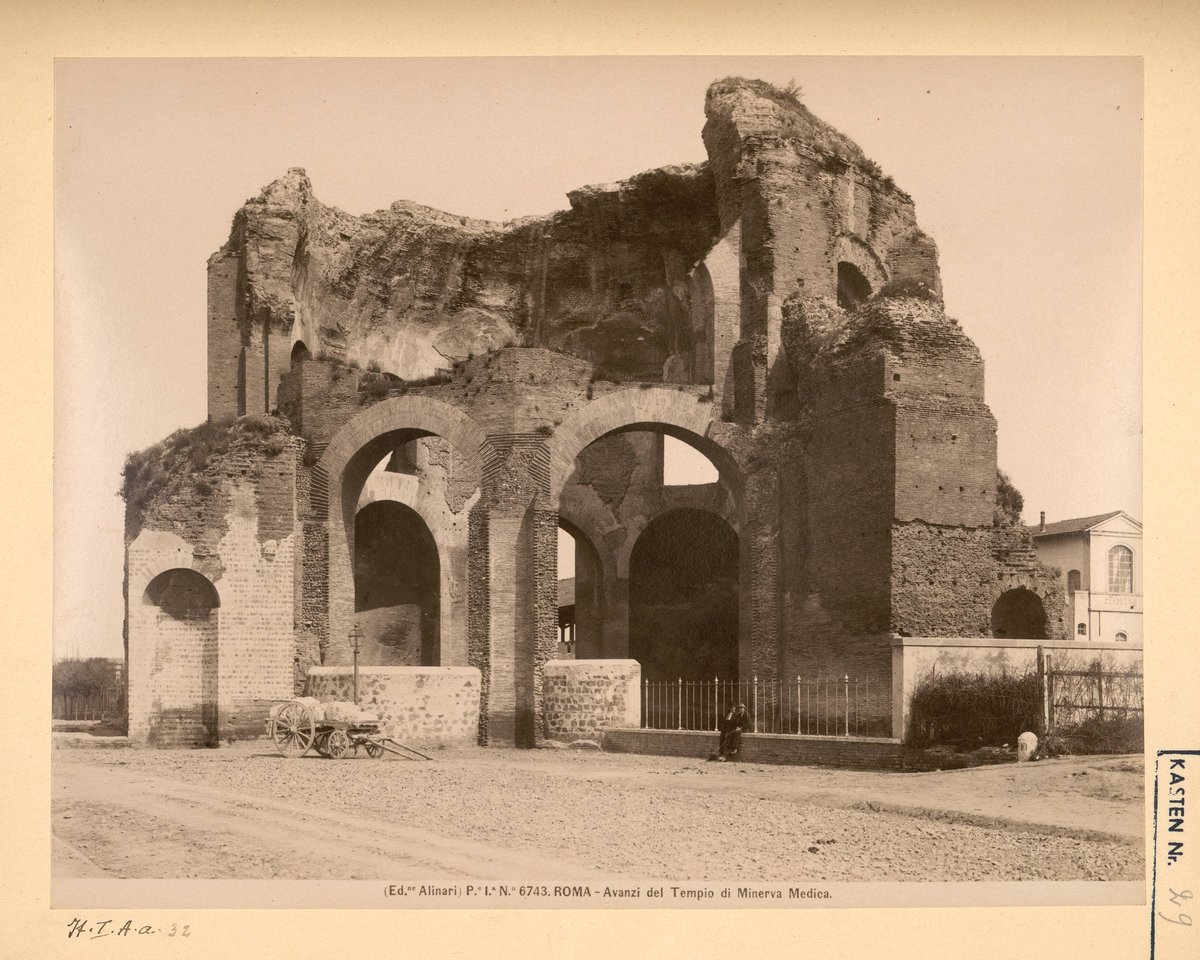
Excavations have revealed late Imperial brickwork, a hypocaust system, water channels, and decorative fragments. While the dome partially collapsed in the 19th century, the lower structure and niches remain, offering insight into Roman engineering and garden culture (Rome the Second Time). The ongoing challenge remains preserving the monument amid urban encroachment and environmental threats.
Visitor Information
Location and Accessibility
- Address: Via Giovanni Giolitti, 401, Esquilino district, Rome
- Transport: A short walk from Termini Station; accessible by Metro (Line A: Vittorio Emanuele), bus, or tram (Google Maps).
Visiting Hours and Tickets
- Exterior Access: The ruins are viewable from public streets 24/7.
- Interior Access: Generally closed to the public for safety and preservation.
- Tickets: No ticket is required to view the exterior. Guided tours (when available) may require advance booking and a fee (Soprintendenza Speciale Roma).
- Special Events: Occasionally, heritage authorities offer guided tours or open days; consult the official Soprintendenza or tourism sites for updates.
Travel Tips
- Best Time to Visit: Early morning or late afternoon for optimal lighting and fewer crowds.
- Accessibility: The area around the monument is paved and flat, suitable for most visitors, though interior access is restricted.
- Photography: The decagonal exterior and dramatic arches are especially photogenic during golden hour.
Nearby Attractions
- Porta Maggiore: An impressive ancient gate near the monument.
- Basilica di Santa Maria Maggiore: One of Rome’s major basilicas, renowned for its mosaics.
- Aurelian Walls: The ancient city fortifications offer a glimpse into Rome’s defensive architecture.
- Mercato di Piazza Vittorio: A vibrant market reflecting the diverse character of modern Esquilino.
Conservation and Modern Context
Despite centuries of neglect, partial collapse, and urban pressure, the Temple of Minerva Medica endures as a symbol of Rome’s resilience and layered history. Conservation programs focus on stabilization, improved signage, and digital reconstructions to enhance public appreciation and protect the ruins (Soprintendenza Speciale Roma; Roma Capitale). Visitors are urged to respect barriers and avoid damaging the fragile remains.
Frequently Asked Questions (FAQ)
Q: Can I enter the Temple of Minerva Medica?
A: Interior access is generally closed for safety and conservation. The exterior can be viewed freely from public areas.
Q: Are tickets required?
A: No ticket is needed to view the exterior. Guided tours, when offered, may require booking.
Q: What are the visiting hours?
A: The exterior is visible at any time; special events may have set hours.
Q: Is the site accessible for people with disabilities?
A: The area is mostly flat and paved but check for current accessibility updates.
Q: Are guided tours available?
A: Occasionally, yes. Several local operators include the site in their walking tours. Check Walks of Italy or official tourism resources.
Summary and Visit Tips
The Temple of Minerva Medica is a unique blend of myth, innovation, and imperial grandeur. Though originally misattributed, it now stands as a monumental nymphaeum, embodying the grandeur and technological achievements of late Roman architecture. Its decagonal design, vast dome, and integration with elite gardens illustrate the sophistication of Rome’s late antique period. While interior access is limited, the site remains a compelling stop for anyone interested in Rome’s less-traveled historical paths.
Combine your visit with other Esquilino landmarks such as the Aurelian Walls or Basilica di Santa Maria Maggiore. For the most up-to-date information, guided tour options, and virtual resources, use the Audiala app and consult official tourism platforms.
Listen to the full story in the app
The whole Temple Of Minerva Medica,
told well.
Audio guides for 1,100+ cities across 96 countries. History, stories, and local insight — offline ready.
Verified, and shown.
Researched and written by the Audiala editorial team from historical records, architectural archives, and local expertise.
Researched from Wikidata, Wikipedia & official sources · fact-checked · How we make our guides →