Plan and listen to Temple Of Bellona with Audiala.
Audio guide in your pocket, itinerary in your browser. Built for the way you actually visit.
Introduction
The Temple of Bellona in Rome, dedicated to the formidable Roman goddess of war, is a captivating testament to the city’s ancient military, religious, and political traditions. Erected in 296 BCE by Appius Claudius Caecus, the temple stood just outside Rome’s sacred pomerium in the Campus Martius, serving as a vital venue for both military rituals and diplomatic engagements. While little of the structure survives, its historical significance endures, woven into the fabric of Rome and neighboring landmarks such as the Theatre of Marcellus and the Temple of Apollo Sosianus. This guide offers an in-depth look at the temple’s history, architecture, visiting information, and practical advice, as well as recommended nearby attractions to enhance your exploration of Rome’s ancient heart. For further historical context and archaeological insights, consult resources such as Fatelines, the official Turismo Roma site, and other scholarly references.

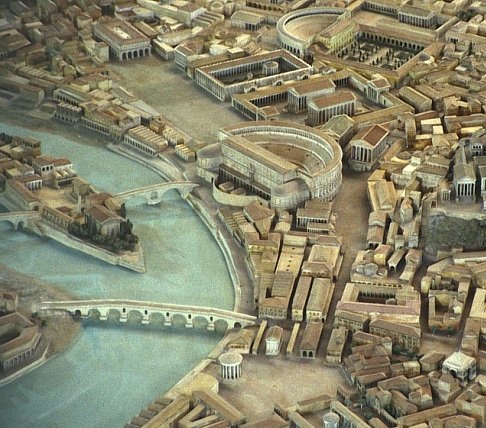
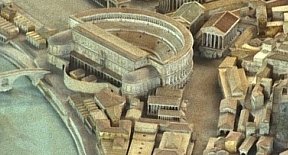
The Temple of Bellona: History & Significance
Origins and Importance
The Temple of Bellona was commissioned in 296 BCE by Appius Claudius Caecus, following a vow made during the Samnite Wars (Fatelines). Its dedication was both a religious and political act: Bellona, closely associated with Mars, embodied Rome’s martial values and the complex dynamics of war and peace (oldworldgods.com). The temple’s location outside the pomerium was intentional, making it a neutral meeting ground for the Senate, generals, and foreign envoys.
Rituals and Political Functions
The temple was the site of key ceremonies, such as the ritual declaration of war. Roman priests—the fetiales—would hurl a spear over the “columna bellica” outside the temple, symbolically commencing hostilities (wikipedia). The Senate often met here to deliberate military matters, especially with commanders who could not enter the city proper while under arms (vindolanda.com).
Location and Urban Context
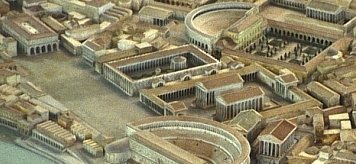
Strategically positioned in the southern Campus Martius, near the Circus Flaminius and Theatre of Marcellus, the temple was integral to Rome’s civic and military life (Turismo Roma). The surrounding district, steeped in ancient history, includes notable religious sites and public spaces, making it ideal for visitors keen to explore Rome’s layered heritage.
Architectural Features and Archaeology
Foundation and Construction
Built in the Italic style, the temple featured a high podium, deep pronaos (porch), and cella (inner chamber). While only fragments remain, ancient sources and archaeological surveys suggest it followed the period’s canonical design, with later enhancements reflecting evolving Roman tastes (Fatelines).
Materials and Decoration
Though the exact materials are unconfirmed, typical Roman construction would have used local tufa and travertine for the structure, with terracotta or marble for decorative features. Martial motifs likely adorned the temple, reflecting Bellona’s warlike attributes.
The Columna Bellica
A distinctive feature, the columna bellica (column of war), marked the boundary where official war declarations were made. This stone monument underscored the temple’s dual role as both a religious sanctuary and a civic stage for statecraft (Fatelines).
Archaeological Remains
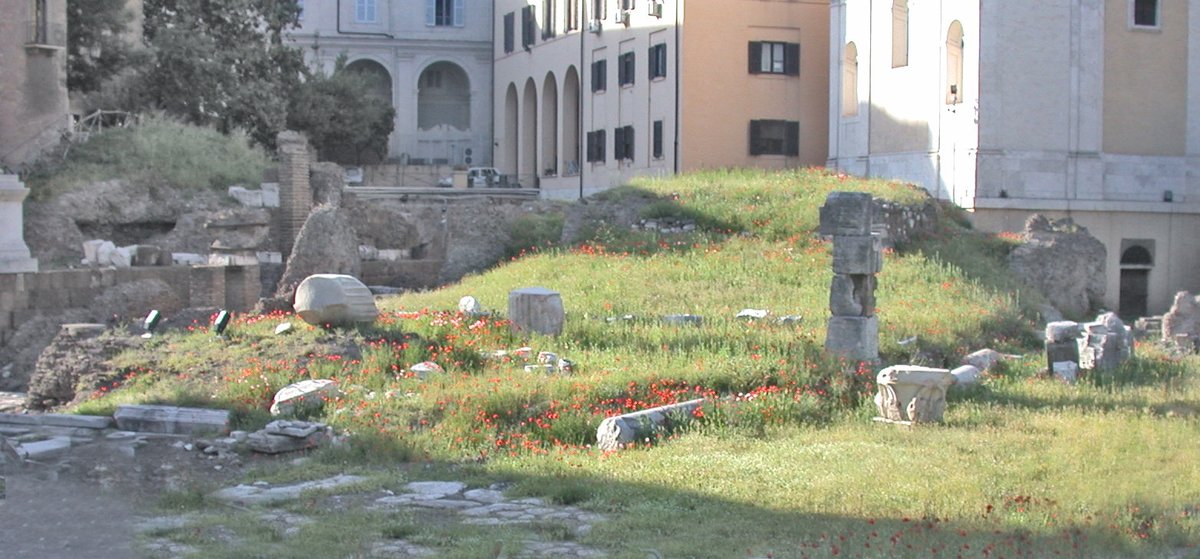
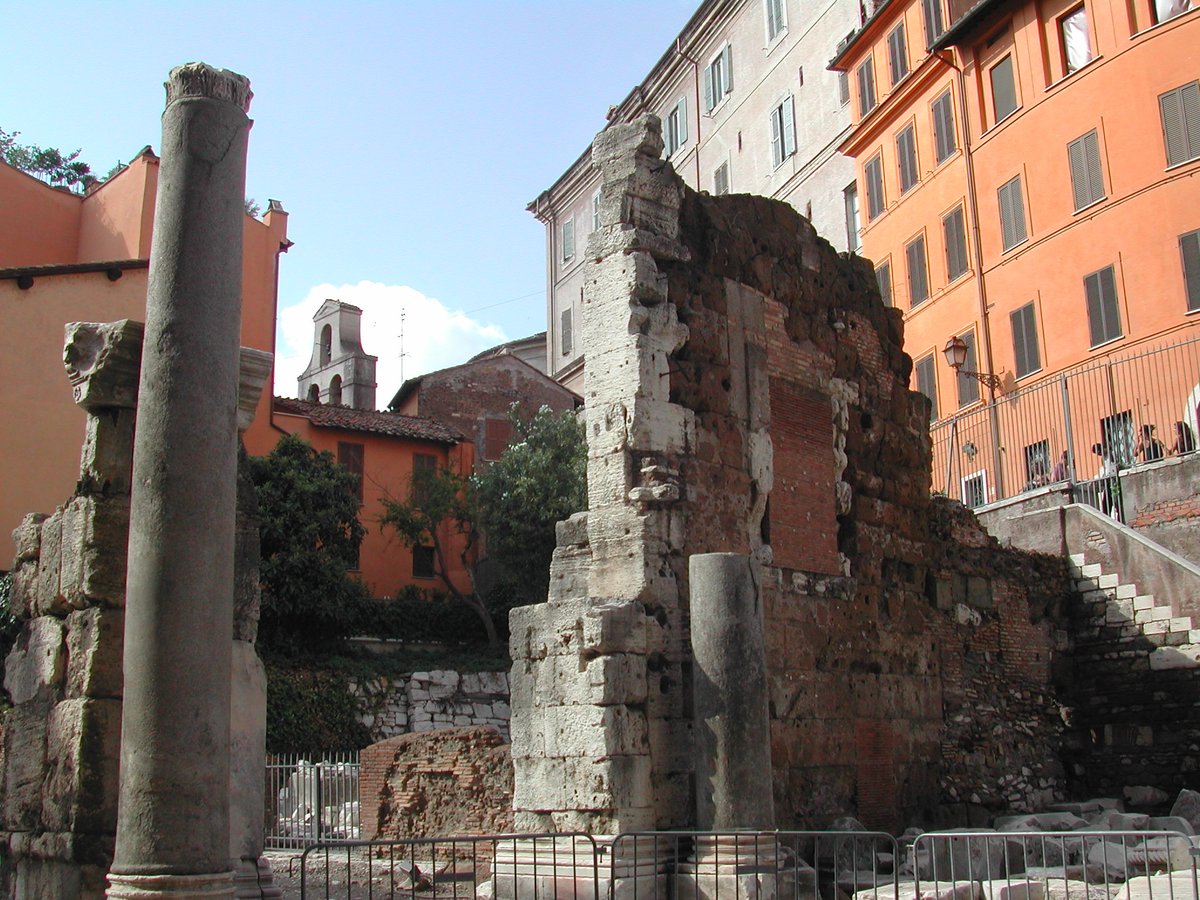
Today, only traces of the podium and occasional column bases are visible, adjacent to the Temple of Apollo Sosianus and the Theatre of Marcellus (Turismo Roma). The temple’s remains are modest but offer insight into early Republican religious architecture.
Ritual and Civic Functions
The Temple of Bellona was a vital setting for religious festivals, war declarations, and political gatherings. Annual ceremonies, such as the Feriae Bellonae, reinforced communal bonds and the city’s martial identity (knightstemplar.co). The Bellonarii, a special order of priests, performed dramatic rites, highlighting the temple’s spiritual gravity.
Artistic and Cultural Legacy
Although no original statues or reliefs survive, later artistic depictions of Bellona consistently present her as an armored warrior, symbolizing both destruction and protection. The temple’s architectural style influenced later Roman temples, both in form and civic function (Fatelines).
Visiting Information
Location and Access
- Address: Via del Teatro di Marcello, 00186 Roma RM, Italy
- Nearest Landmarks: Theatre of Marcellus, Portico of Octavia, Jewish Ghetto
- How to Get There:
- Metro: Colosseo (Line B), 20-minute walk
- Bus: Lines 44, 51, 60, 63, 80, 83, 85, 87, 160, 170, 628, and others to Via del Teatro di Marcello or Piazza Venezia
Visiting Hours and Tickets
- Hours: The Temple of Bellona’s ruins are in an open-air area and can be viewed at any time.
- Tickets: No ticket or entrance fee is required. The site is freely accessible from street level.
What to Expect
- Viewing: The remains are visible from the perimeter; walking among the ruins is not permitted.
- Signage: Interpretive signs are limited—bring a guidebook or use a reputable audio guide app for context.
- Crowds: The area is generally less crowded than major Roman attractions, making for a peaceful visit.
Practical Tips for Visitors
- Best Time to Visit: Early morning or late afternoon for cooler temperatures and ideal photography lighting (Voyage Tips), especially in June (Rome Actually).
- Accessibility: The area is mostly paved and accessible, though some uneven surfaces exist.
- Amenities: Cafés, restaurants, and restrooms are available nearby in the Jewish Ghetto and Piazza Venezia.
- Preservation: Do not climb on the ruins or litter. Respect the site and its surroundings.
- Sustainability: Use refillable water bottles and support local businesses to preserve Rome’s heritage.
Nearby Attractions
- Theatre of Marcellus: Ancient open-air theatre, still partially in use.
- Portico of Octavia: Remains of a monumental portico built by Augustus.
- Jewish Ghetto: Historic district with synagogues and renowned Roman-Jewish cuisine.
- Capitoline Hill: Home to the Capitoline Museums and panoramic city views.
Frequently Asked Questions (FAQ)
Q: Is the Temple of Bellona open to the public?
A: Yes, the ruins are freely accessible outdoors at all times.
Q: Are tickets required to visit?
A: No, visiting the temple remains is free.
Q: What are the visiting hours?
A: The site is open 24 hours as it is an open-air archaeological area.
Q: Is the site accessible for visitors with limited mobility?
A: The area is generally accessible, though some uneven pavement exists.
Q: Are guided tours available?
A: While there are no dedicated tours for the Temple of Bellona alone, many walking tours of the Jewish Ghetto or Ancient Rome include this stop.
Discover More
Although the Temple of Bellona no longer stands in its former glory, its legacy persists as a symbol of Rome’s martial spirit, religious devotion, and diplomatic tradition. By visiting its site and the surrounding archaeological landscape, you can connect with the city’s ancient past and discover the stories that shaped Roman civilization. For a richer experience, consider using the Audiala app for immersive audio guides, consult reputable resources, and explore nearby historic sites in the Campus Martius.
Plan your visit today, and let the enduring spirit of Bellona guide your journey through Rome’s remarkable history. For more updates and in-depth guides, follow us on social media and download the Audiala app.
Listen to the full story in the app
The whole Temple Of Bellona,
told well.
Audio guides for 1,100+ cities across 96 countries. History, stories, and local insight — offline ready.
Verified, and shown.
Researched and written by the Audiala editorial team from historical records, architectural archives, and local expertise.
Researched from Wikidata, Wikipedia & official sources · fact-checked · How we make our guides →