Plan and listen to Stadio Flaminio with Audiala.
Audio guide in your pocket, itinerary in your browser. Built for the way you actually visit.
Introduction
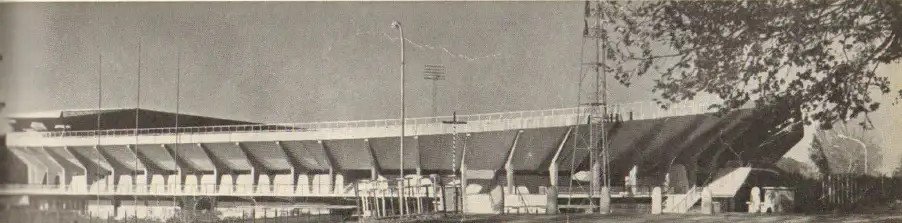
Set in Rome’s Flaminio district, just northwest of the city center, Stadio Flaminio stands as a landmark of Italian modernist architecture and a testament to Rome’s sporting and cultural evolution. Designed by Pier Luigi Nervi and his son Antonio Nervi, the stadium was constructed from 1957 to 1959 to host events for the 1960 Summer Olympics—a pivotal moment for Rome’s urban and cultural landscape (wantedinrome.com; pierluiginervi.org).
Celebrated for its innovative use of reinforced concrete, the stadium features an iconic cantilevered grandstand canopy and an elliptical bowl that harmoniously blend engineering with visual elegance (architectuul.com; stadioflaminio.org). Over its history, Stadio Flaminio has hosted Olympic football, Serie A matches, Italy’s national rugby games, and concerts by global music legends, enriching Rome’s cultural tapestry (thelaziali.com; mirror.co.uk).
Currently under restoration, Stadio Flaminio is recognized as a protected site—its future poised between conservation and innovation. While public access is limited during redevelopment, occasional guided tours and special events are announced as work progresses. The Flaminio district also offers attractions such as the MAXXI Museum and Villa Borghese Gardens, making it a worthwhile destination for visitors seeking both history and culture (attractionsinrome.com).
This guide provides a comprehensive overview of Stadio Flaminio’s history, architectural and cultural significance, up-to-date visitor information, nearby attractions, and future redevelopment plans.




Historical Background
The site of Stadio Flaminio has played a role in Roman sports since the early 20th century, originally as the Campo Rondinella (1914), then as the location for the Stadio Nazionale, which hosted major football events until the early 1950s (thelaziali.com). The push for new Olympic facilities led to the demolition of Stadio Nazionale and the construction of the modern Stadio Flaminio, designed with a vision that would shape sports architecture for decades.
Architectural Significance
Stadio Flaminio is internationally regarded as a modernist masterpiece. Pier Luigi Nervi’s pioneering use of reinforced concrete—through cantilevered roofs, precast terraces, and slender structural forms—demonstrates a seamless integration of form and function (pierluiginervi.org; architectuul.com). The elliptical plan ensures optimal sightlines, and the stadium’s urban integration respects both ancient and modern Rome (stadioflaminio.org).
The stadium’s innovative engineering has influenced sports venues worldwide and is a key case study in modernist preservation (e-architect.com).
Sporting and Cultural Legacy
1960 Summer Olympics and Football Heritage
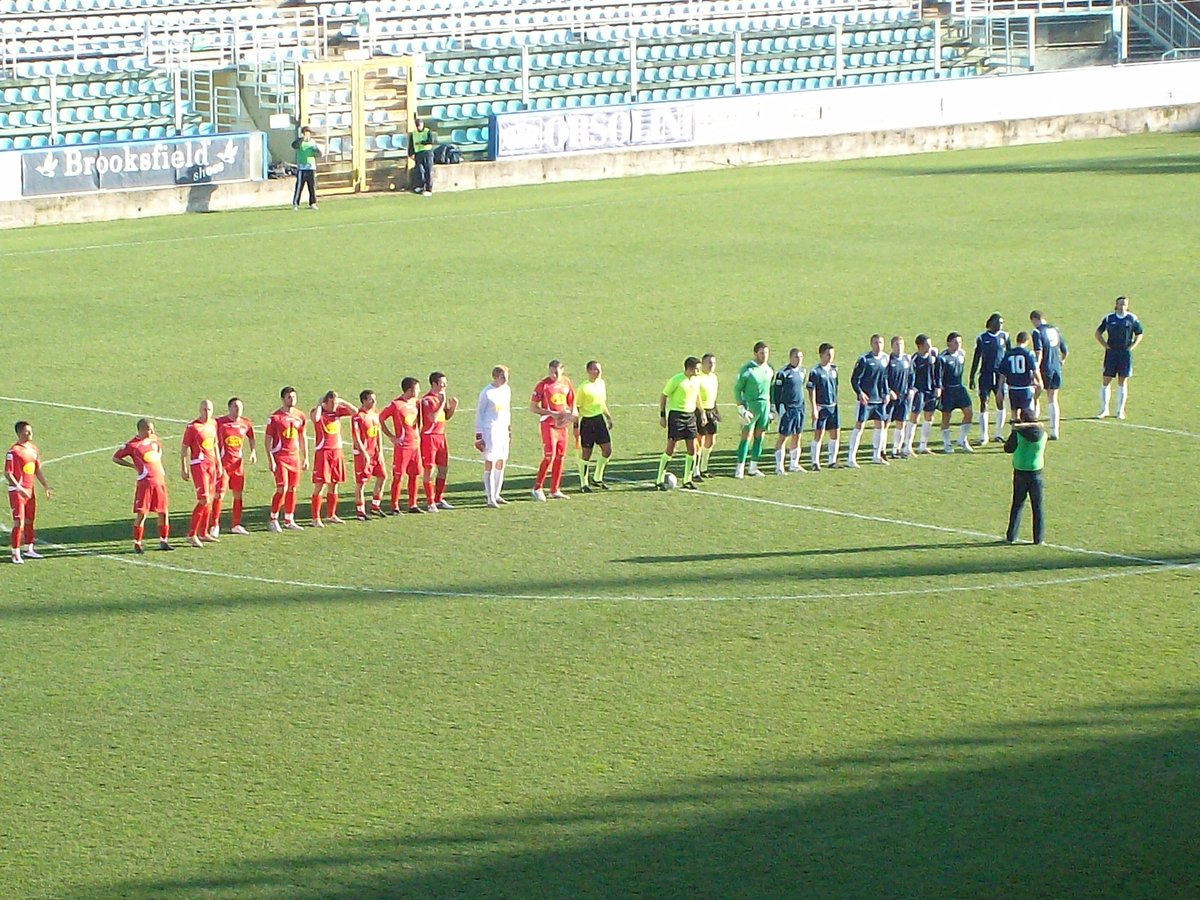
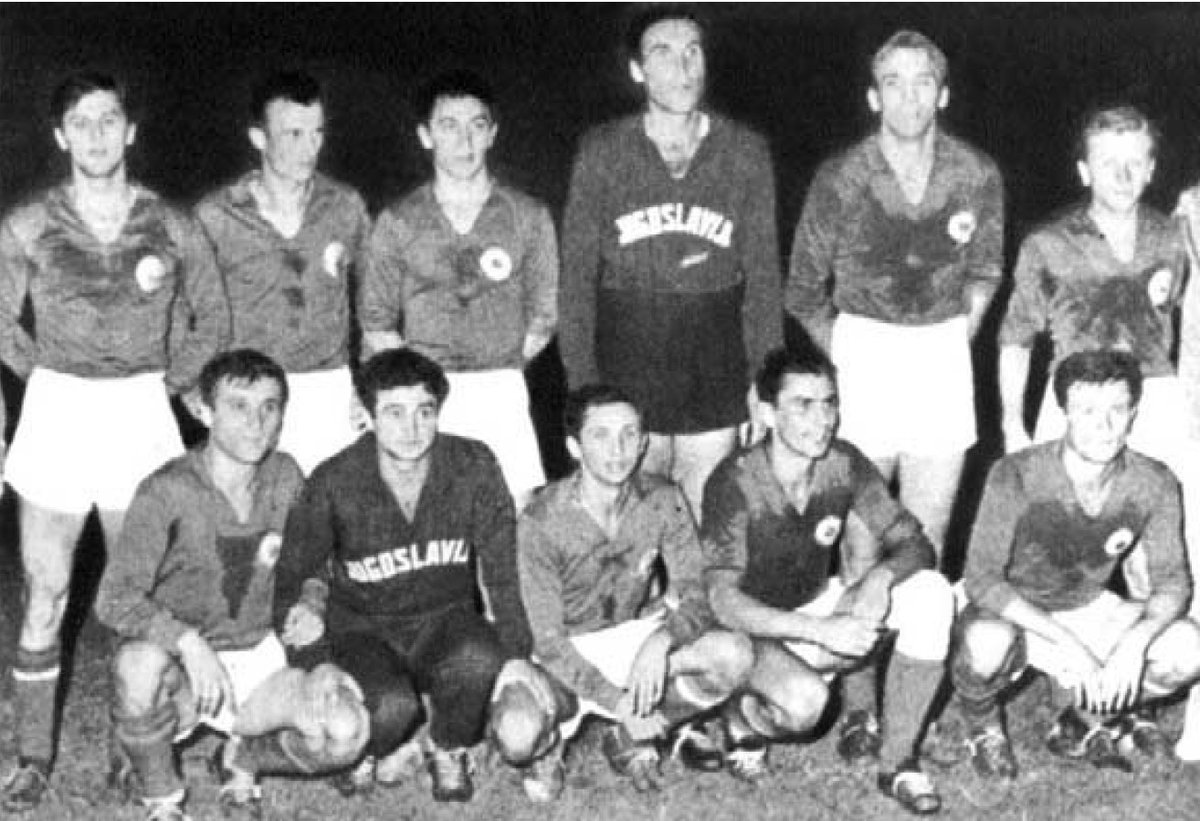
Stadio Flaminio debuted as a host for Olympic football in 1960, quickly becoming a central venue for Rome’s Serie A clubs during Stadio Olimpico renovations (wantedinrome.com; mirror.co.uk).
Rugby and Other Sports
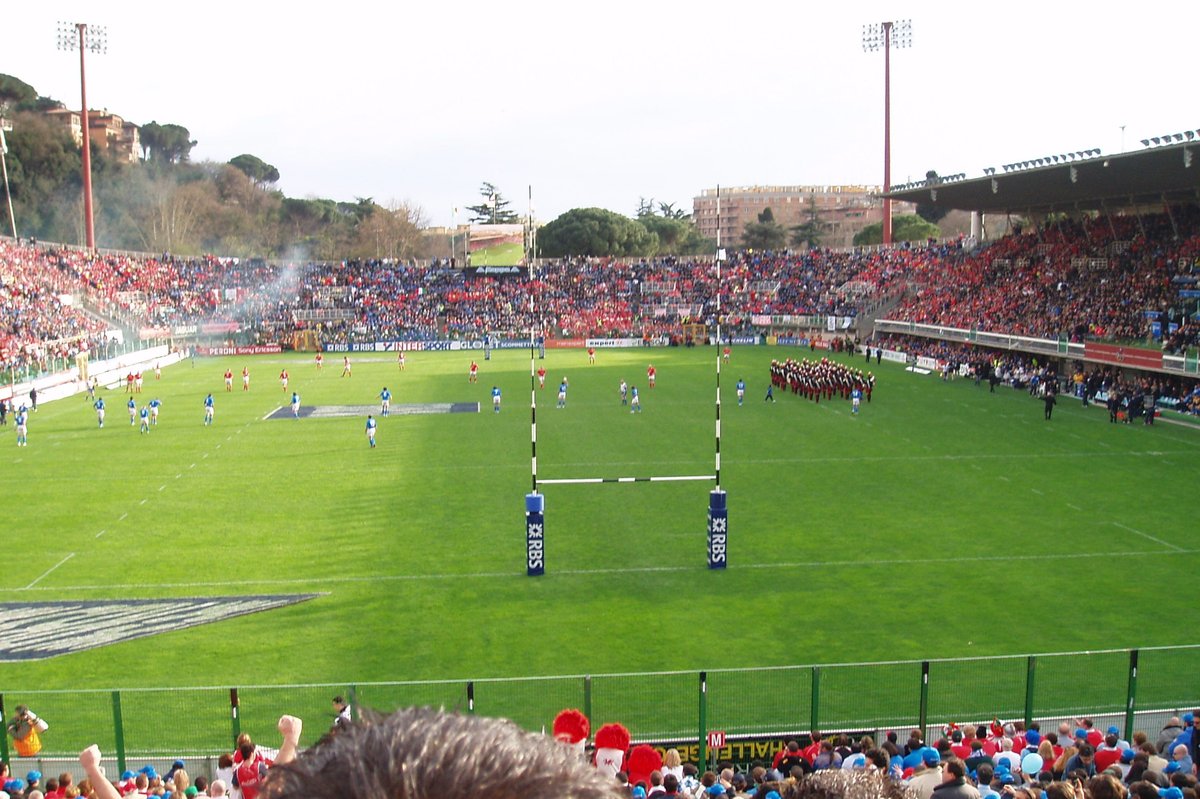
From 2000 to 2011, the stadium was home to Italy’s national rugby team in the Six Nations Championship, renowned for its intimate atmosphere. Other notable events include the 2003 Railway Cup Final in hurling (mirror.co.uk).
Cultural and Musical Events
Flaminio has welcomed major artists such as U2, Michael Jackson, Genesis, and Bruce Springsteen, serving as a hub for concerts and cultural gatherings—although noise restrictions eventually curtailed such events (thelaziali.com).
Practical Visitor Information
Visiting Hours & Tickets
Current Status: As of June 2025, Stadio Flaminio is not open for daily visits due to restoration. Occasional special events and guided tours may be offered; check with official tourism sources or the Pier Luigi Nervi Foundation for updates (wantedinrome.com; e-architect.com).
Tickets: Only available for special openings, with prices typically ranging from €8 to €15 depending on the event or tour.
Getting There
- Metro: Flaminio–Piazza del Popolo station (Line A), 15 minutes’ walk
- Tram: Line 2, stops on Via Flaminia
- Bus: Several routes serve the Flaminio area
- Parking: Limited; public transport is recommended
Accessibility & Facilities
Restoration plans include improved accessibility, but currently, facilities for visitors with disabilities are limited. Confirm arrangements before attending any event.
Photography & Tours
While interior access is restricted, the stadium’s exterior offers excellent photo opportunities. When available, guided tours provide in-depth insights into the architecture and history.
Redevelopment and Future Prospects
Rome’s administration, alongside CONI, Sapienza University, and the Getty Foundation, is spearheading an ambitious restoration and adaptive reuse of Stadio Flaminio (wantedinrome.com). In December 2024, S.S. Lazio presented a redevelopment proposal including a new 50,000-seat stadium with a retractable roof, urban renewal of the Flaminio district, and advanced sustainability measures (thelaziali.com).
Pending approvals, the opening is targeted for 2028. The project aims to balance heritage conservation with modernization, ensuring Stadio Flaminio remains a cultural and sporting beacon.
Visitor Tips & Nearby Attractions
- MAXXI Museum: Contemporary art and architecture
- Parco di Villa Glori: Urban park for relaxation
- Auditorium Parco della Musica: Concert venue
- Ponte Milvio: Historic bridge with vibrant nightlife
- Villa Borghese Gardens: Expansive city park
Combine your visit with these sites for a fuller Flaminio experience (attractionsinrome.com).
Frequently Asked Questions (FAQs)
Is Stadio Flaminio open for visits?
Not for daily visits; access may be possible during special events or tours.
How do I get tickets?
Tickets are only available for specific occasions. Monitor official sources for announcements.
Is the stadium wheelchair accessible?
Limited accessibility at present; check ahead if attending a special event.
Can I take photographs?
Yes, exterior photography is encouraged. Interior access is possible only during special events.
What is the future of Stadio Flaminio?
A major redevelopment is underway, aiming for reopening by 2028 as a modern sports and cultural venue.
Listen to the full story in the app
The whole Stadio Flaminio,
told well.
Audio guides for 1,100+ cities across 96 countries. History, stories, and local insight — offline ready.
Verified, and shown.
Researched and written by the Audiala editorial team from historical records, architectural archives, and local expertise.
Researched from Wikidata, Wikipedia & official sources · fact-checked · How we make our guides →