Plan and listen to Scuderie Del Quirinale with Audiala.
Audio guide in your pocket, itinerary in your browser. Built for the way you actually visit.
Introduction to Scuderie del Quirinale
Discover the Scuderie del Quirinale, an essential cultural destination nestled in the heart of Rome. This historic site has undergone remarkable transformations, evolving from papal stables into a celebrated exhibition center that attracts art and history enthusiasts worldwide. Built in 1587 under the commission of Pope Sixtus V and designed by the acclaimed architect Domenico Fontana, the Scuderie del Quirinale initially served as stables for the Vatican, reflecting the grandeur and significance of the papal court (Scuderie del Quirinale). Over the centuries, it has witnessed Italy's unification and the rise of the republic, adapting to the changing political landscape by housing royal guards and later transitioning into a venue for prominent exhibitions (Rome.net). Today, it stands as a beacon of cultural activity, hosting diverse exhibitions that delve into various artistic and historical themes, from ancient civilizations to contemporary art, making it a must-visit attraction in Rome.

Visiting the Scuderie del Quirinale - History, Tickets, and Tips
History and Significance of the Scuderie del Quirinale
The Scuderie del Quirinale, meaning "Stables of the Quirinal," boasts a rich history interwoven with the evolution of Rome itself. Understanding its past deepens the appreciation for this architectural gem and its present role as a world-class exhibition center.
Papal Stables and Royal Residence
The Scuderie del Quirinale's story begins in the late 16th century. Pope Sixtus V, known for his ambitious urban planning, commissioned the building in 1587. His vision was a grand palace complex on the Quirinal Hill, then considered a healthier alternative to the Vatican. Designed by the renowned architect Domenico Fontana, the Scuderie were initially intended to house the papal stables, hence their name.
Beyond accommodating horses and carriages, the building also served as a residence for papal guards and staff. Its location, adjacent to the Quirinal Palace, underscored its importance within the papal court. The Scuderie witnessed centuries of papal power, playing a role in the daily life and ceremonies of the Vatican.
From Unification to Republic - A Changing Italy
The unification of Italy in 1870 marked a turning point for the Scuderie. With the Roman Question resolved and Rome established as the capital, the Quirinal Palace became the residence of the Italian monarchs. The Scuderie, no longer needed as papal stables, underwent renovations to adapt to their new role serving the royal household.
During this period, the building housed the royal guard and their horses. It also served as a venue for courtly events and ceremonies, reflecting the grandeur of the newly established Italian monarchy. The Scuderie, therefore, transitioned from a symbol of papal authority to one representing the unified Italian state.
A New Purpose - Birth of an Exhibition Center
The fall of the monarchy in 1946 and the birth of the Italian Republic ushered in another transformation for the Scuderie. No longer required for royal functions, the building stood vacant for a period. However, its architectural significance and prime location in the heart of Rome sparked a vision for its future.
In the 1990s, a major restoration project, spearheaded by renowned architect Gae Aulenti, breathed new life into the Scuderie. The project aimed to preserve the building's historical character while adapting it to a modern function—a prestigious exhibition center. Aulenti's design skillfully integrated contemporary elements within the historical framework, creating a unique space where past and present harmoniously coexist.
The Scuderie Today - A Cultural Beacon
Today, the Scuderie del Quirinale stands as a testament to Rome's layered history and its ability to adapt and reinvent itself. No longer stables or royal quarters, the building has found new life as a vibrant cultural hub. It hosts a diverse range of exhibitions, attracting visitors from around the globe.
The Scuderie's significance extends beyond its architectural beauty. It represents the successful transformation of a historical space into a dynamic center for art and culture. Its exhibitions, often focusing on major artistic movements, historical periods, or influential figures, offer visitors a deeper understanding of Italian and international art and history.
Visitor Information
- Ticket Prices: Tickets for the Scuderie del Quirinale can be purchased online or at the venue. Prices may vary depending on the exhibition, with discounts available for students, seniors, and children. Free entry is often available on the first Sunday of each month.
- Opening Hours: The Scuderie del Quirinale is generally open from 10:00 AM to 8:00 PM daily, with extended hours on weekends and holidays. It is advisable to check the official website for any changes in the schedule.
- Guided Tours: Guided tours are available and can be booked in advance. These tours offer deeper insights into the exhibitions and the history of the building.
Travel Tips
- Best Times to Visit: To avoid crowds, consider visiting the Scuderie del Quirinale early in the morning or late in the afternoon. Weekdays are generally less busy than weekends.
- Nearby Dining Options: There are numerous dining options nearby, ranging from casual cafes to fine dining restaurants. Some popular choices include Caffè Ciampini and Ristorante Crispi 19.
Nearby Attractions
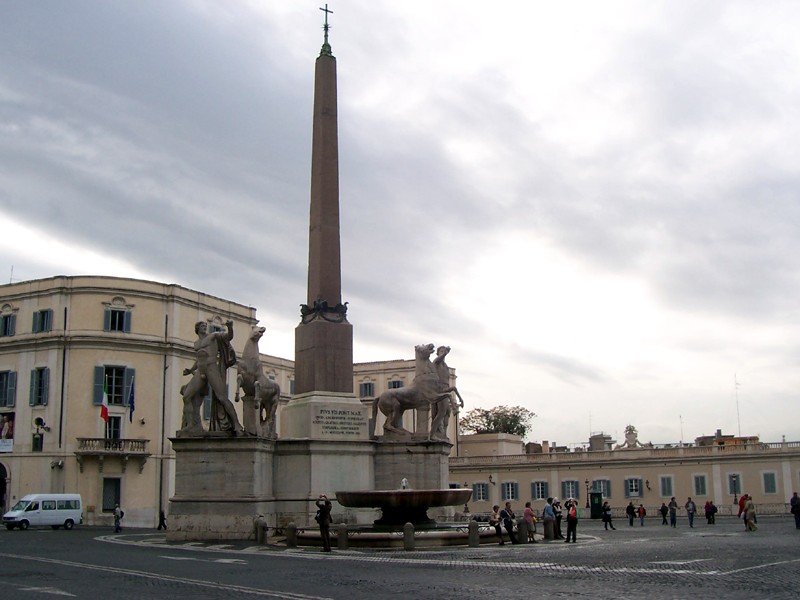
- Quirinal Palace: Just a stone's throw away, this historic palace is the official residence of the President of the Italian Republic.
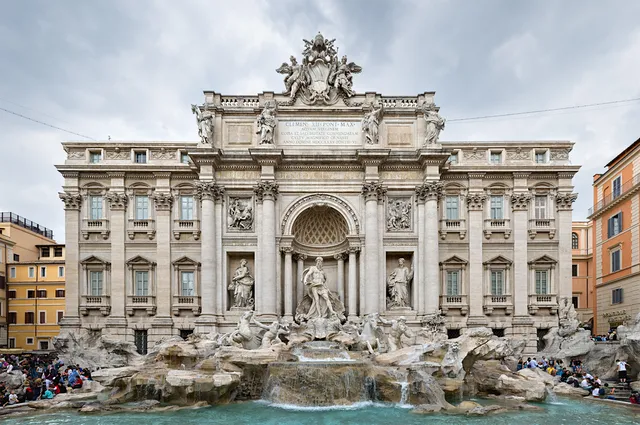
- Trevi Fountain: A short walk from the Scuderie, this iconic fountain is a must-see for any visitor to Rome.
- Roman Forum: Explore the ruins of ancient Rome, located within walking distance from the Scuderie del Quirinale.
Accessibility
- Wheelchair Access: The Scuderie del Quirinale is wheelchair accessible, with ramps and elevators available for visitors with mobility impairments.
- Facilities: Accessible restrooms and seating areas are also provided.
FAQ
- What are the Scuderie del Quirinale visiting hours? The Scuderie del Quirinale is generally open from 10:00 AM to 8:00 PM daily, with extended hours on weekends and holidays.
- How much do tickets to the Scuderie del Quirinale cost? Ticket prices vary depending on the exhibition, with discounts available for students, seniors, and children. Free entry is often available on the first Sunday of each month.
- Are guided tours available at the Scuderie del Quirinale? Yes, guided tours are available and can be booked in advance.
- Is the Scuderie del Quirinale wheelchair accessible? Yes, the building is wheelchair accessible, with ramps, elevators, and accessible restrooms available.
Listen to the full story in the app
The whole Scuderie Del Quirinale,
told well.
Audio guides for 1,100+ cities across 96 countries. History, stories, and local insight — offline ready.
Verified, and shown.
Researched and written by the Audiala editorial team from historical records, architectural archives, and local expertise.
Researched from Wikidata, Wikipedia & official sources · fact-checked · How we make our guides →