Plan and listen to Scala Sancta with Audiala.
Audio guide in your pocket, itinerary in your browser. Built for the way you actually visit.
Introduction
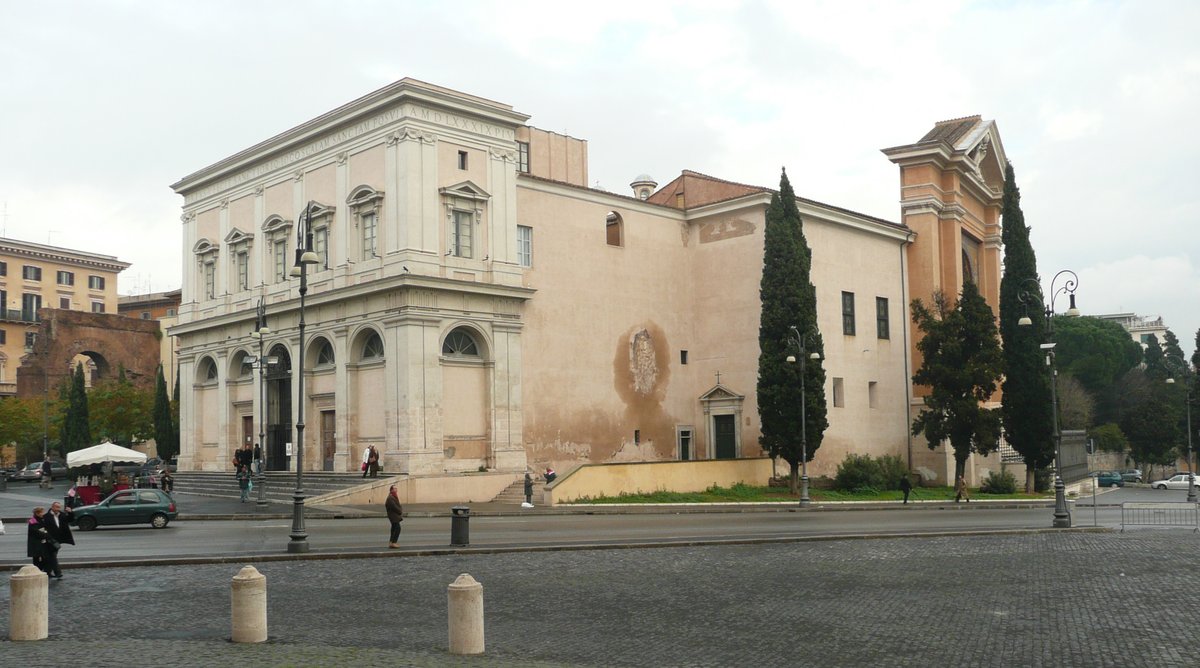
Nestled beside the imposing Archbasilica of Saint John Lateran, the Scala Sancta—also known as the Holy Stairs—stands as one of Rome’s most sacred and historically rich Christian monuments. Traditionally believed to be the very stairs Jesus ascended during His Passion in Jerusalem, the Scala Sancta draws millions of pilgrims and visitors each year seeking spiritual reflection, penance, and a tangible connection to early Christian history. This comprehensive guide provides essential information on visiting hours, ticketing, accessibility, rituals, and nearby attractions to help you plan a meaningful and respectful visit (Catholic Encyclopedia; Italy Heaven).

Scala Sancta: History and Origins
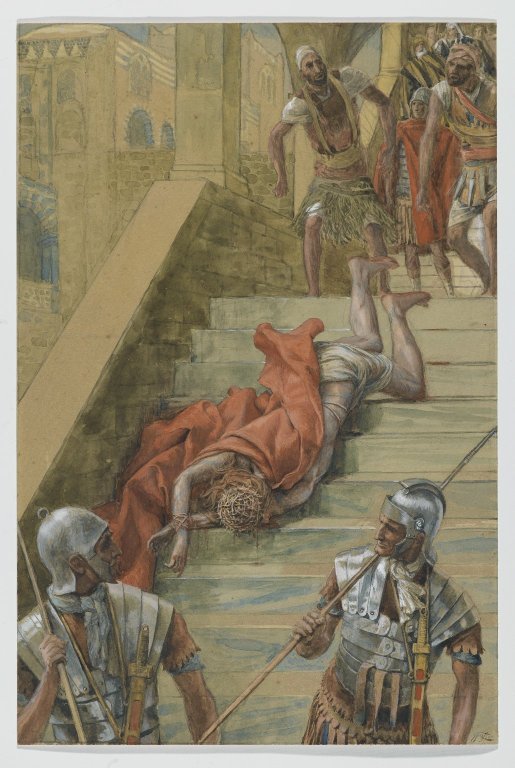
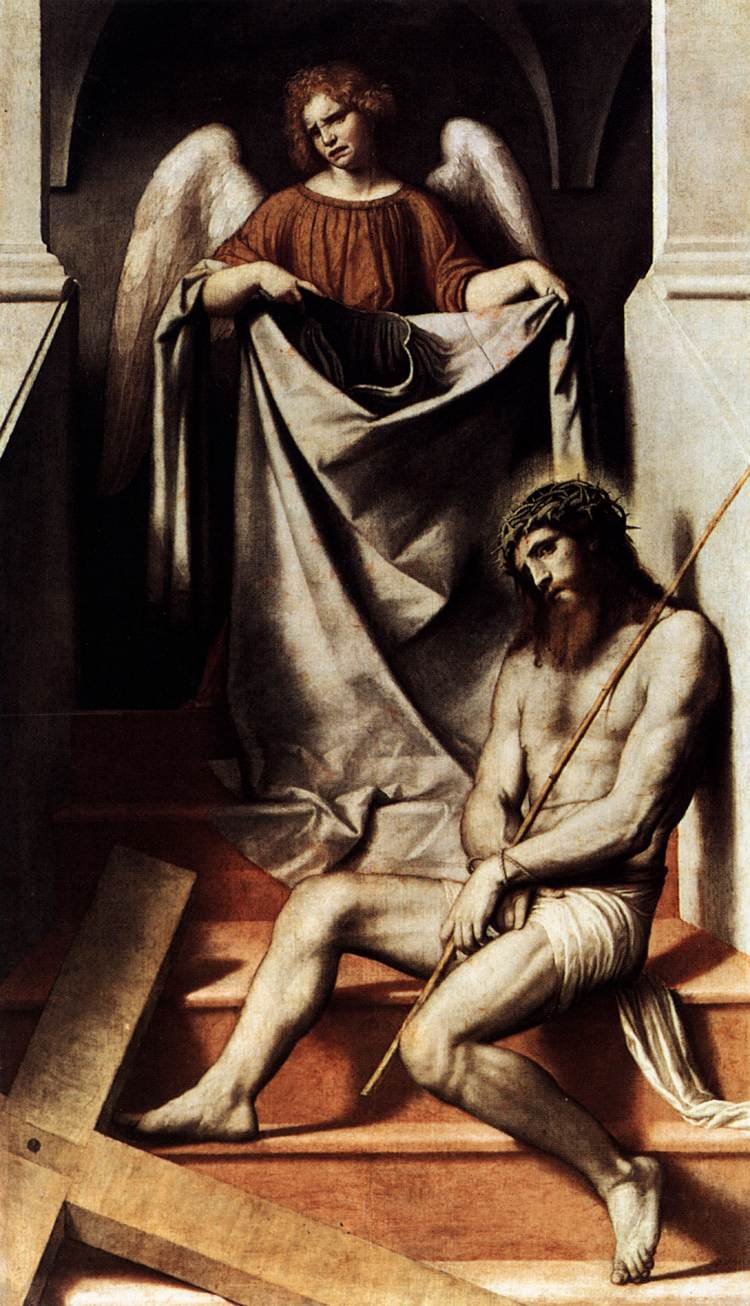
The Scala Sancta consists of 28 white marble steps that, according to Christian tradition, were transported from Jerusalem to Rome by St. Helena, the mother of Emperor Constantine, in the early 4th century. These steps are believed to be the very ones Jesus Christ ascended to appear before Pontius Pilate prior to His crucifixion (Catholic Encyclopedia; Italy Heaven).
Initially housed in the ancient Lateran Palace—the original seat of the papacy—the Scala Sancta was later relocated to its current site during the 16th century by Pope Sixtus V. Over the centuries, the stairs have remained a focal point for Christian devotion and penitential pilgrimage, especially during Holy Years such as the upcoming Jubilee of 2025 (Rome Tourism).
Religious Significance and Pilgrimage
The Scala Sancta is imbued with profound spiritual meaning. Ascending the stairs on one’s knees is a centuries-old act of penance and humility, symbolizing a close identification with Christ’s suffering. The Catholic Church teaches that performing this act with prayerful devotion—especially after confession and communion—may grant indulgences, which are particularly sought during Jubilee years (Rome Tourism; Visit Vatican).
During major religious seasons and Jubilee years, the Scala Sancta attracts vast numbers of pilgrims, making it a central stop along Rome’s historic Pilgrims’ Trail (RomeCabs). For those who cannot visit Rome, replicas of the Holy Stairs exist worldwide, extending the devotional tradition to believers everywhere (Wikipedia).
Artistic and Architectural Features
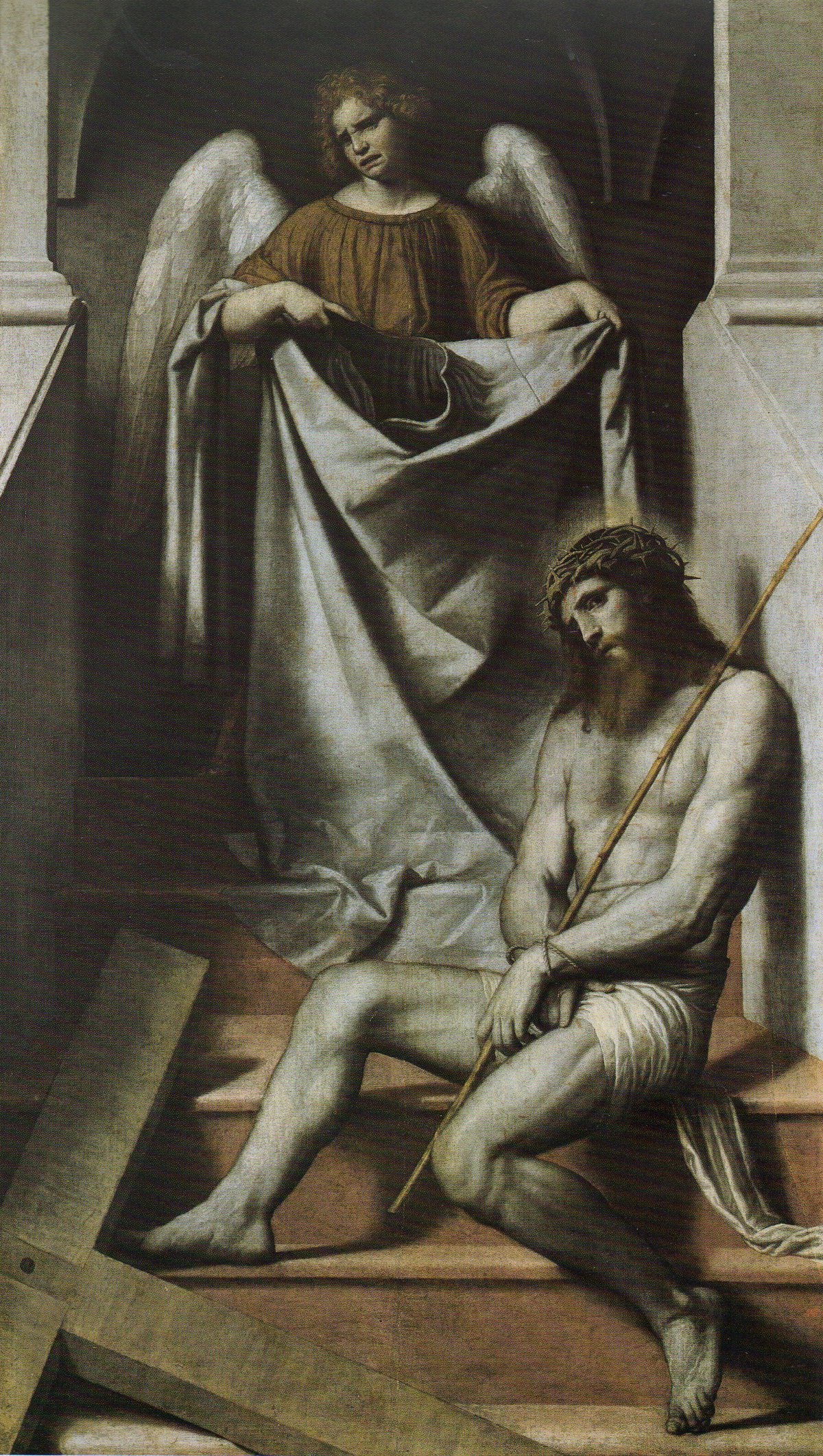
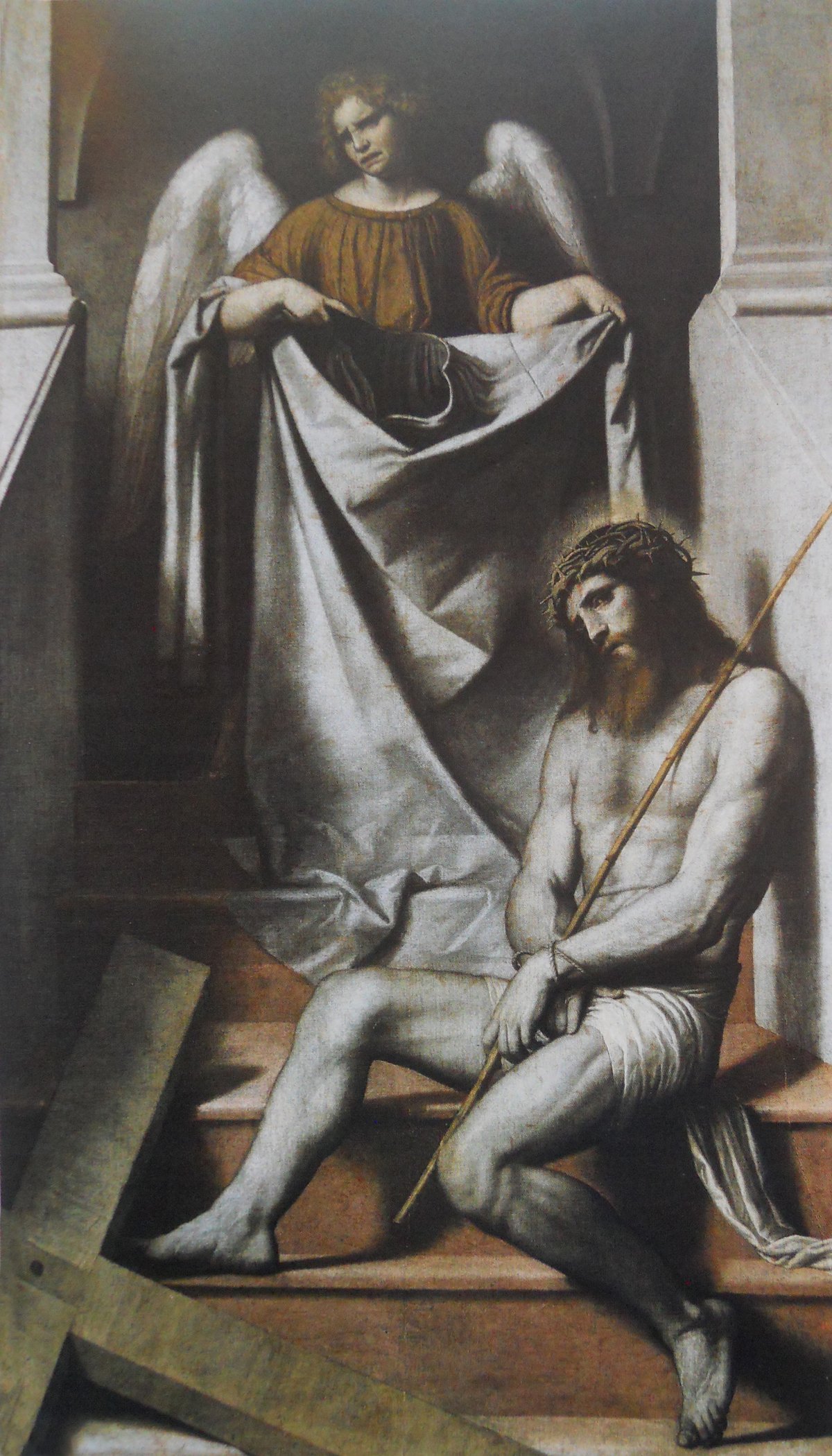
The building housing the Scala Sancta is an architectural jewel of the late Renaissance, designed by Domenico Fontana under Pope Sixtus V between 1588 and 1590 (Wanted in Rome). The stairwell and sanctuary are richly adorned with frescoes by Cesare Nebbia, Giovanni Guerra, and Baldassare Croce, depicting pivotal moments from Christ’s Passion and the history of the Lateran Palace (Rome.us).
Key highlights include:
- Glass and Gold Casings: Sections of the stairs protected by glass and gold mark spots believed to be stained by Christ’s blood (Visit Vatican).
- Frescoes: Restored Renaissance frescoes envelop the stairway and the path to the Sancta Sanctorum.
- Marble Statues: Near the base stand statues such as “The Kiss of Judas” and “Pilate’s Court,” adding artistic gravitas to the devotional experience (Rome.us).
Visitor Information and Practical Details
Location and Access
Scala Sancta is located at Piazza di San Giovanni in Laterano, 14, directly opposite the Archbasilica of Saint John Lateran (Turismo Roma). Public transportation options include:
- Metro: San Giovanni (Line A), a 5-minute walk.
- Bus: Multiple lines serve the Lateran area.
- On Foot: The sanctuary is centrally located and easily accessible from many of Rome’s major attractions.
Tickets, Entry, and Accessibility
- Scala Sancta Entry: Free; donations are encouraged to support preservation (Visit Vatican).
- Sancta Sanctorum Chapel: Requires a ticket (€3.50 per person; discounts available for children, students, seniors; under 6 free). Groups of 8+ must book in advance (Turismo Roma).
- Combination Tickets: Available for the Lateran complex, including the Baptistery, Cloister, and Treasure Museum (thebettervacation.com).
Accessibility
The devotional climb up the Holy Stairs is physically demanding and not wheelchair accessible. However, two parallel staircases allow access to the Sancta Sanctorum for visitors unable to ascend the central stairs on their knees. The complex is otherwise accessible, with ramps and elevators in adjacent areas (thebettervacation.com).
Dress Code and Visitor Conduct
As with all sacred sites in Rome, modest attire is required:
- Shoulders and knees must be covered for both men and women.
- Avoid shorts, sleeveless tops, and clothing with offensive symbols.
- Large bags and backpacks are not permitted inside (Stefano Rome Tours).
Silence and a reverent attitude are expected, especially during prayer and when ascending the stairs. Photography is permitted in most areas without flash, but restrictions apply in some sacred spaces—always observe signage or staff guidelines (Guidester).
The Devotional Climb: Ritual and Practice
Climbing the Scala Sancta on one’s knees is a ritual act of penance. Pilgrims pause on each step for prayer—often reciting the Lord’s Prayer or Hail Mary—reflecting on Christ’s Passion and their own spiritual journey (Italy Heaven). Prayer booklets are available for a nominal fee at the entrance (Rick Steves Forum).
The ascent typically takes 10–20 minutes. For those unable to climb on their knees, side staircases offer access to the upper chapel.
Sancta Sanctorum: The Papal Chapel
At the top of the Holy Stairs lies the Sancta Sanctorum, once the private oratory of the popes and among Rome’s most venerated chapels (Turismo Roma). Notable features include:
- Acheropita Icon: An ancient image of Christ believed to be “not made by human hands.”
- Relics: The chapel houses relics of numerous saints.
- Cosmatesque Mosaic Floors and intricate medieval and Renaissance decorations.
Entry is by ticket only, with audio guides available for a deeper understanding of the chapel’s significance.
Mass Times and Religious Services
Mass is celebrated at Scala Sancta:
- Weekdays: 6:30, 7:30, 8:30 AM; 5:30 PM
- Sundays and Feast Days: 7:30, 9:30, 11:30 AM; 5:30 PM
Masses can be crowded, especially during Jubilee years and major feasts (Turismo Roma).
Nearby Historical and Religious Sites
Extend your visit by exploring these nearby sites:
- Archbasilica of Saint John Lateran: The cathedral of Rome and official seat of the Pope (Turismo Roma).
- Basilica of Santa Croce in Gerusalemme: Renowned for its relics of the Passion.
- Sancta Sanctorum Chapel: At the top of the Holy Stairs (ticket required).
- San Callisto Catacombs: For insights into early Christian history (Rome.us).
Guided tours often combine these highlights for a comprehensive experience (Visit Vatican).
Practical Tips for Your Visit
- Arrive Early: To enjoy a quieter, more contemplative experience.
- Dress Appropriately: Modest clothing is mandatory.
- Prepare for Physical Effort: The knee ascent is demanding; bring knee pads if needed.
- Use Side Stairs: If unable to ascend the Holy Stairs on your knees.
- Check Hours: Visiting hours may change during holidays and special events.
- Buy Tickets Online: For combination visits and to avoid queues during peak times (thebettervacation.com).
- Consider a Guided Tour: For deeper historical and spiritual context.
- Respect Other Pilgrims: Maintain silence and prayerful behavior.
Frequently Asked Questions (FAQ)
What are the Scala Sancta visiting hours?
Generally, weekdays: 6:00 AM–1:30 PM and 3:00 PM–6:30 PM; holidays: from 7:00 AM. The Sancta Sanctorum: 9:00 AM–1:30 PM and 3:00 PM–5:00 PM. Always verify hours on the official website.
Is there an entry fee?
Entry to the Holy Stairs is free; tickets are required for the Sancta Sanctorum chapel.
Is the site accessible for those with mobility issues?
The central stairs are not accessible, but parallel staircases allow access to the chapel.
Are guided tours available?
Yes, check with local operators or official sites for details.
Can I take photos inside?
Photography is permitted in most areas without flash; restrictions apply in the Sancta Sanctorum.
What should I wear?
Cover shoulders and knees; avoid shorts and sleeveless tops.
Are there special events or times to avoid?
Expect crowds during Holy Week, Jubilee Years, and major feasts. Arrive early or visit on weekdays for a quieter experience.
Listen to the full story in the app
The whole Scala Sancta,
told well.
Audio guides for 1,100+ cities across 96 countries. History, stories, and local insight — offline ready.
Verified, and shown.
Researched and written by the Audiala editorial team from historical records, architectural archives, and local expertise.
Researched from Wikidata, Wikipedia & official sources · fact-checked · How we make our guides →