Plan and listen to Santa Teresa with Audiala.
Audio guide in your pocket, itinerary in your browser. Built for the way you actually visit.
Introduction
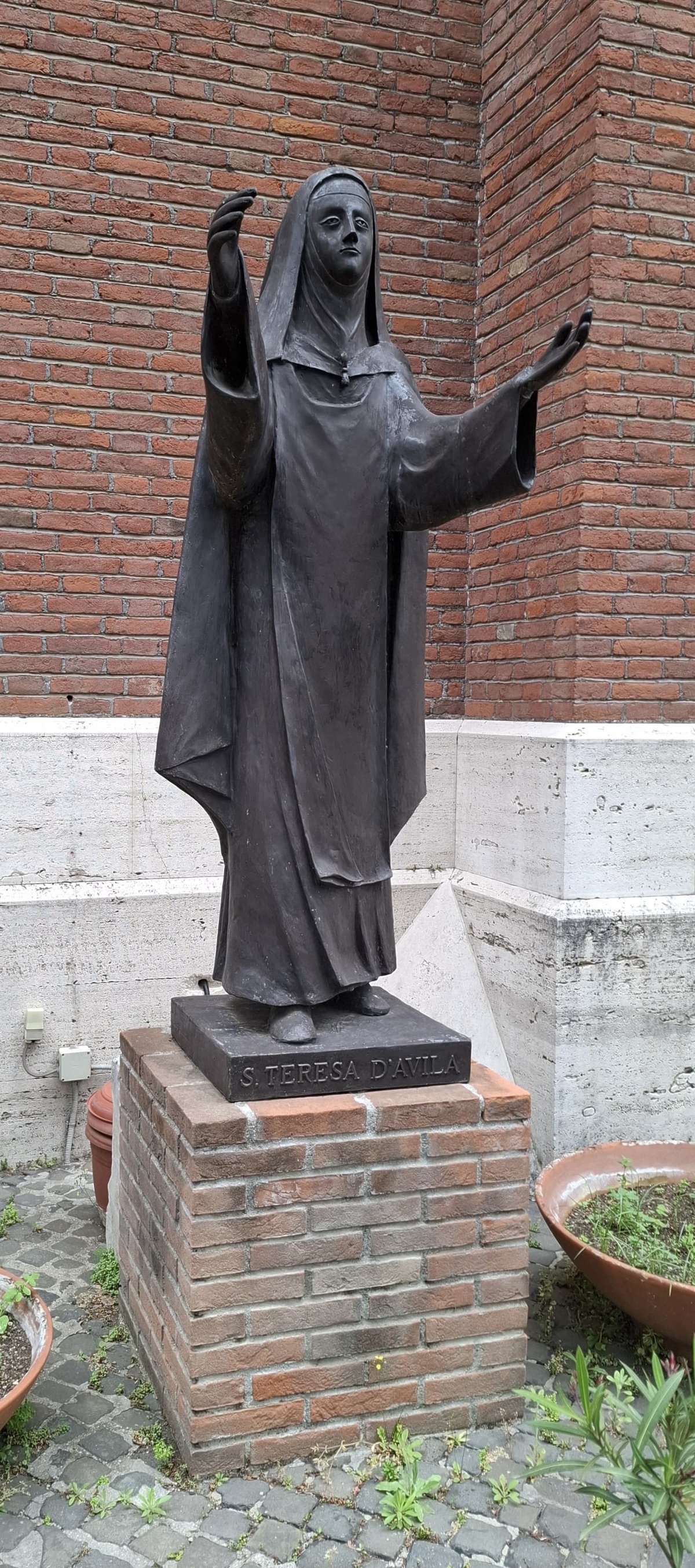
Santa Teresa’s legacy in Rome is a fascinating tapestry of spiritual depth, historical evolution, and artistic splendor. This comprehensive guide explores the intertwined destinies of Santa Teresa dello Scalone, the enduring influence of the Discalced Carmelites, and the living spiritual center at Santa Teresa d’Avila on Corso d’Italia. Rooted in the reformative vision of St. Teresa of Ávila—a 16th-century mystic and Doctor of the Church—the Carmelite presence in Rome reflects centuries of contemplative prayer, humility, and artistic patronage (Beauty of Carmel; Encyclopedia.com).
A visit to Santa Maria della Vittoria, home to Gian Lorenzo Bernini’s iconic Baroque sculpture, the "Ecstasy of Saint Teresa," provides an extraordinary encounter with 17th-century religious artistry. The Cornaro Chapel encapsulates the emotional intensity and theatrical grandeur of the Counter-Reformation, while the church’s richly decorated interior offers a sensory and reflective experience (artincontext.org; historyvisit.one).
Whether you are a pilgrim drawn by Carmelite spirituality, an art lover intrigued by Bernini, or a traveler immersing yourself in Rome’s religious tapestry, this guide offers essential details on visiting hours, ticketing, accessibility, nearby attractions, and practical tips. It also emphasizes the cultural and community roles of these sites, particularly as Rome welcomes pilgrims for the 2025 Jubilee Year (RomeCabs; Italia Like a Local).


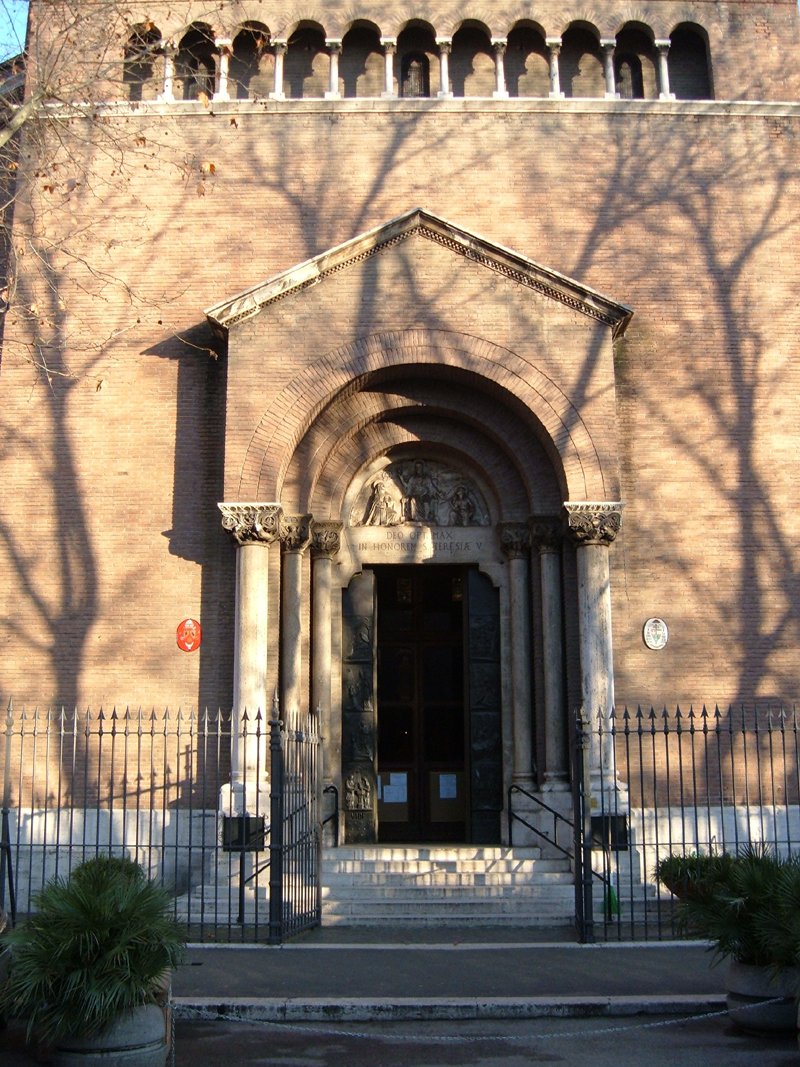
Historical Evolution of Santa Teresa in Rome
Origins and Reform of the Carmelite Order
The Carmelite Order began in the 12th century on Mount Carmel, where Christian hermits sought a contemplative life. After the Saracen conquest in 1238, the order migrated to Europe and adapted as a mendicant order (Beauty of Carmel). By the 16th century, the order needed renewal. St. Teresa of Ávila (1515–1582) led a reform with St. John of the Cross, founding the Discalced Carmelites in 1562, emphasizing poverty, humility, and deep spiritual discipline (Encyclopedia.com).
Santa Teresa dello Scalone: Foundation and Fate
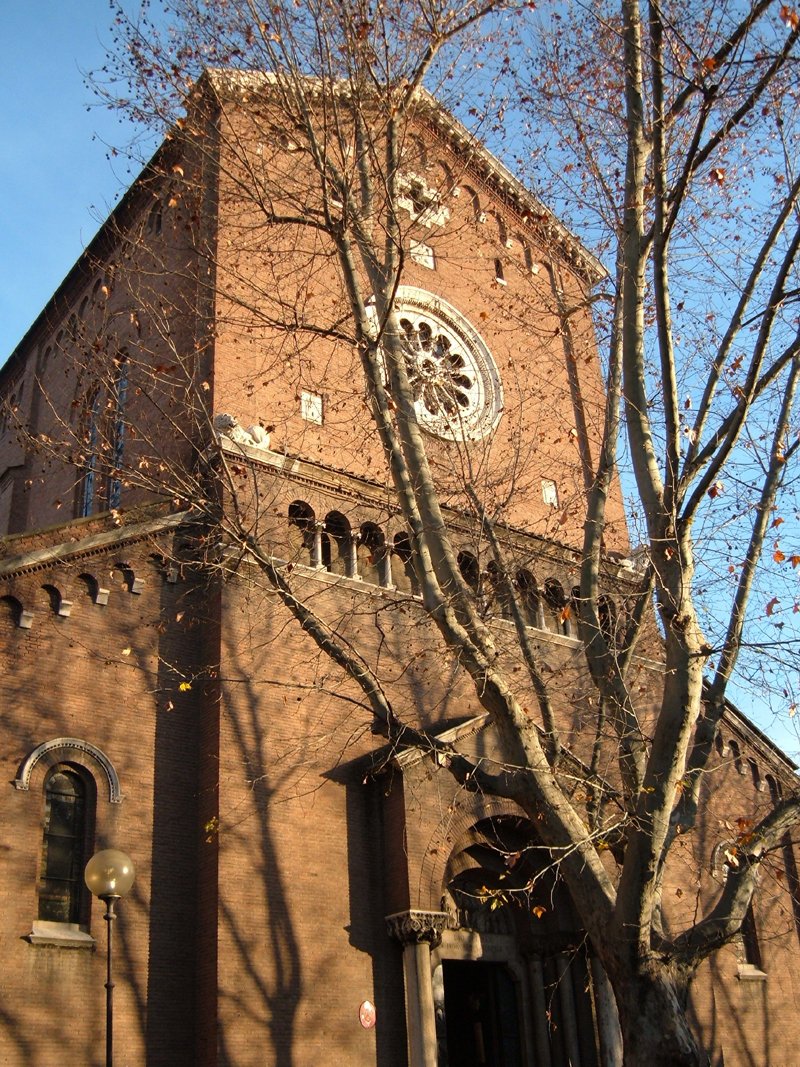
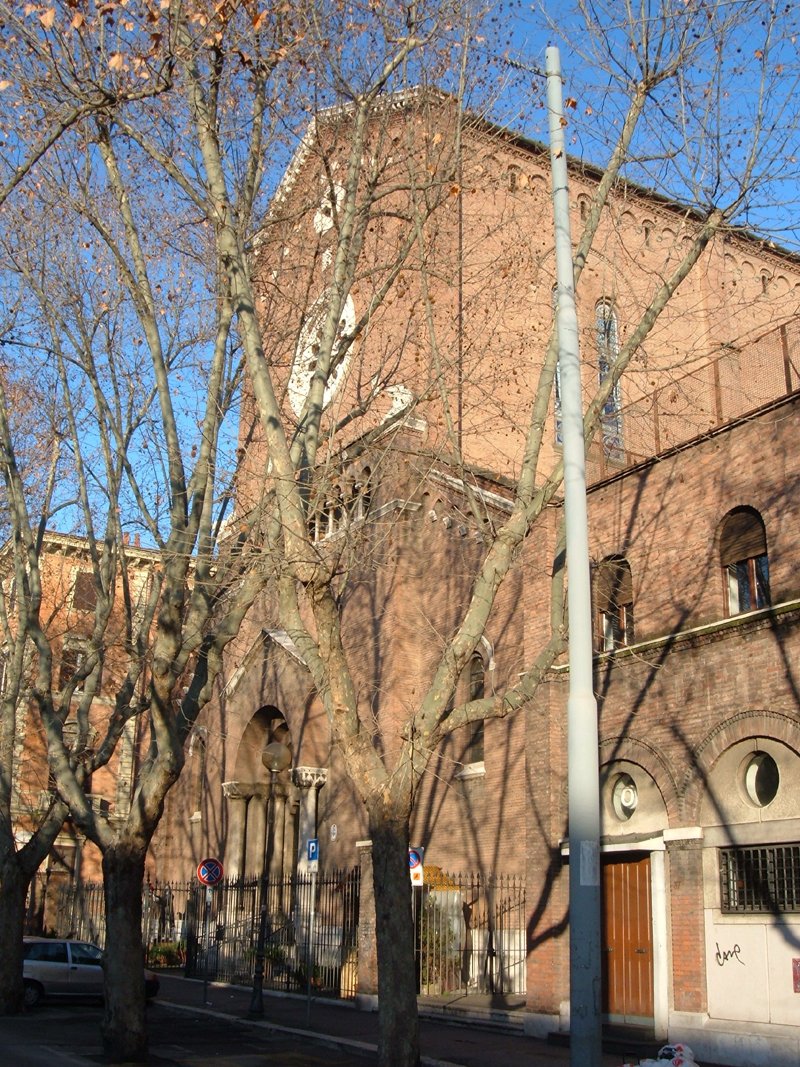
In 1860, the Discalced Carmelites established their Roman headquarters at Vicolo dello Scalone 12, dedicating the chapel to St. Teresa of Jesus (Roman Churches Fandom). The site served as a spiritual hub with altars to Our Lady of Mount Carmel, St. Teresa, and St. John of the Cross. After the 1870 Italian government’s sequestration of conventual properties, the Carmelites briefly lost and then regained the site, before relocating to Santa Teresa d’Avila on Corso d’Italia by 1902. The original chapel was later demolished (Tripomatic).
The Discalced Carmelites’ Spiritual Legacy
St. Teresa’s reform rejuvenated Carmelite spirituality, focusing on contemplative prayer, simplicity, and community. Her writings, such as "The Way of Perfection" and "The Interior Castle," remain foundational to Christian mysticism (OCarm). The order expanded globally, impacting missionary work, education, and spiritual formation (Encyclopedia.com).
The Significance of St. Teresa of Ávila
Canonized in 1622 and declared a Doctor of the Church in 1970, St. Teresa’s teachings on prayer and community continue to inspire. The Carmelite Teresian legacy is grounded in friendship, prayer, wisdom, service, hospitality, liturgy, and community (Carmelite UK).
Visiting Santa Teresa d’Avila: Practical Information
Location, Hours, and Accessibility
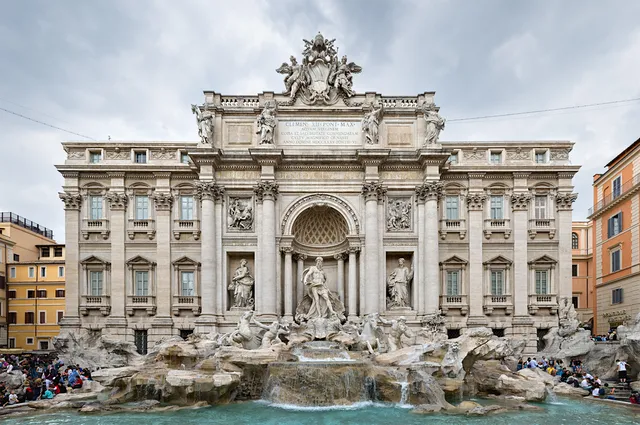
Santa Teresa d’Avila, now the headquarters of the Discalced Carmelites, is located on Corso d’Italia. Easily accessible by bus and near the Barberini metro station, it is close to landmarks such as the Trevi Fountain and Piazza Barberini (Official Website).
Visiting Hours:
- Monday to Saturday: 7:00 AM – 12:30 PM and 4:00 PM – 7:30 PM
- Sundays and Holy Days: 8:00 AM – 1:00 PM and 4:30 PM – 7:00 PM
Tickets:
Entry is free; donations are welcome. Guided tours may be booked through the basilica office or authorized operators. Always check for special schedules or restrictions before visiting (official tourism portal).
Accessibility:
The basilica is fully wheelchair accessible, with ramps and assistance available.
Guided Tours and Spiritual Programs
The basilica hosts guided tours focusing on Carmelite history, spirituality, and its art. Visitors are encouraged to attend Mass or prayer services to experience Carmelite spirituality firsthand. The church also offers retreats, confession, and spiritual counseling (Christian Directory).
Visitor Etiquette and Nearby Attractions
- Dress Code: Modest attire; shoulders and knees must be covered (RomeCabs).
- Silence: Maintain a respectful and quiet demeanor inside.
- Photography: Permitted outside of liturgical services, without flash.
Combine your visit with a walk to Santa Maria della Vittoria, Villa Borghese, or the National Gallery of Modern Art. The basilica’s gardens and meditation paths offer peaceful spaces for reflection (RomeCabs).
Santa Maria della Vittoria and the Cornaro Chapel
Santa Maria della Vittoria, completed in 1626, is a Baroque gem designed by Carlo Maderno with a façade by Giovanni Battista Soria. Its interior dazzles with colored marble, gilded stucco, and frescoes, culminating in the Cornaro Chapel (artincontext.org).
The Ecstasy of Saint Teresa: Art and Symbolism
Bernini’s "Ecstasy of Saint Teresa" (1647–1652) is housed in the Cornaro Chapel, a masterpiece integrating sculpture, architecture, and light. The life-sized group depicts Saint Teresa in a moment of spiritual rapture, illuminated by both natural and golden rays (artandhum.wordpress.com; historyvisit.one). Sculpted Cornaro family members appear as spectators, inviting visitors into the dramatic scene.
Symbolically, the work reflects the Counter-Reformation’s aim to move the faithful through emotional and sensory engagement, with the golden rays and angel’s spear signifying divine intervention.
Visitor Information: Hours, Tickets, and Tips
Location: Via XX Settembre, 17, Rome. Near Termini station and the Repubblica metro (Romeing).
Opening Hours:
- Monday–Saturday: 7:00 AM–12:00 PM, 3:30 PM–7:00 PM
- Sundays/holidays: 3:30 PM–7:00 PM
Admission: Free. To illuminate Bernini’s sculpture, insert a €1–2 coin in the lighting box (European Traveler).
Accessibility: Generally accessible; minor step at entrance.
Dress Code: Shoulders and knees covered.
Photography: Allowed without flash or tripods.
Best Times: Early mornings or late afternoons on weekdays for a quieter visit. During the 2025 Jubilee, visit early due to increased crowds (Planned to Where).
Nearby Attractions: Baths of Diocletian, Piazza della Repubblica, National Roman Museum, and the Fontana dell’Acqua Felice (European Traveler).
Frequently Asked Questions (FAQ)
Q: What are the visiting hours for Santa Teresa d’Avila and Santa Maria della Vittoria?
A: Santa Teresa d’Avila: Mon–Sat 7:00 AM–12:30 PM & 4:00 PM–7:30 PM; Sun/Holy Days 8:00 AM–1:00 PM & 4:30 PM–7:00 PM.
Santa Maria della Vittoria: Mon–Sat 7:00 AM–12:00 PM & 3:30 PM–7:00 PM; Sundays/holidays 3:30 PM–7:00 PM.
Q: Is there an entrance fee?
A: Entry is free at both sites. Donations are appreciated. At Santa Maria della Vittoria, a coin is recommended to illuminate the sculpture.
Q: Are guided tours available?
A: Yes, at Santa Teresa d’Avila by request. Santa Maria della Vittoria occasionally offers guided tours—book ahead during peak periods.
Q: Is photography allowed?
A: Yes, without flash or tripods and outside of Mass times.
Q: Are the churches accessible for visitors with disabilities?
A: Both are generally accessible, with ramps and assistance at Santa Teresa d’Avila.
Q: What is the dress code?
A: Shoulders and knees must be covered in both churches.
Summary and Final Tips for Visiting Santa Teresa Rome
Santa Teresa’s legacy in Rome represents a remarkable convergence of spiritual, historical, and artistic significance. The Discalced Carmelites’ reform, led by St. Teresa of Ávila, established a contemplative tradition that thrives today at Santa Teresa d’Avila basilica (Roman Churches Fandom; Christian Directory). Complementing this spiritual journey, Santa Maria della Vittoria’s Cornaro Chapel and Bernini’s "Ecstasy of Saint Teresa" offer a masterful synthesis of art, architecture, and light (artincontext.org; historyvisit.one).
Practical details—such as visiting hours, free entry, accessibility, and etiquette—ensure all travelers can experience these sites with ease and reverence. Their central location near other major Roman landmarks further enriches your itinerary (Romeing; Untold Italy).
As Rome prepares for the 2025 Jubilee, these sacred sites stand as essential destinations for spiritual renewal and cultural discovery. Consult official resources, consider using audio guides and interactive maps, and embrace the opportunity to connect with Rome’s sacred and artistic heritage (Official Website; Audiala App).
Listen to the full story in the app
The whole Santa Teresa,
told well.
Audio guides for 1,100+ cities across 96 countries. History, stories, and local insight — offline ready.
Verified, and shown.
Researched and written by the Audiala editorial team from historical records, architectural archives, and local expertise.
Researched from Wikidata, Wikipedia & official sources · fact-checked · How we make our guides →