Plan and listen to Santa Pudenziana with Audiala.
Audio guide in your pocket, itinerary in your browser. Built for the way you actually visit.
Introduction
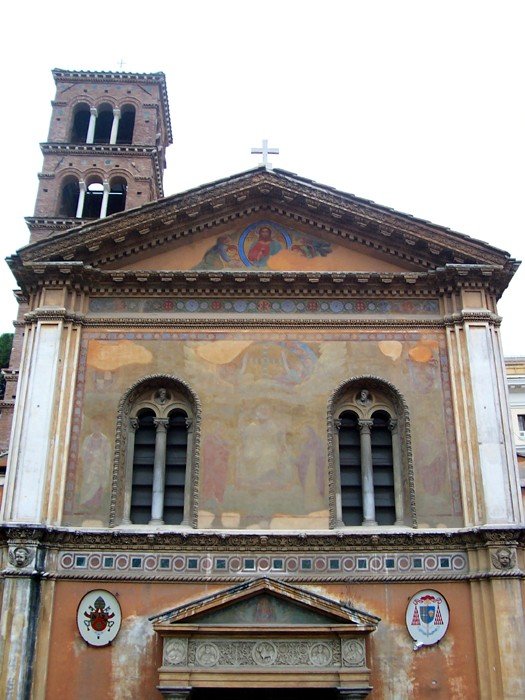
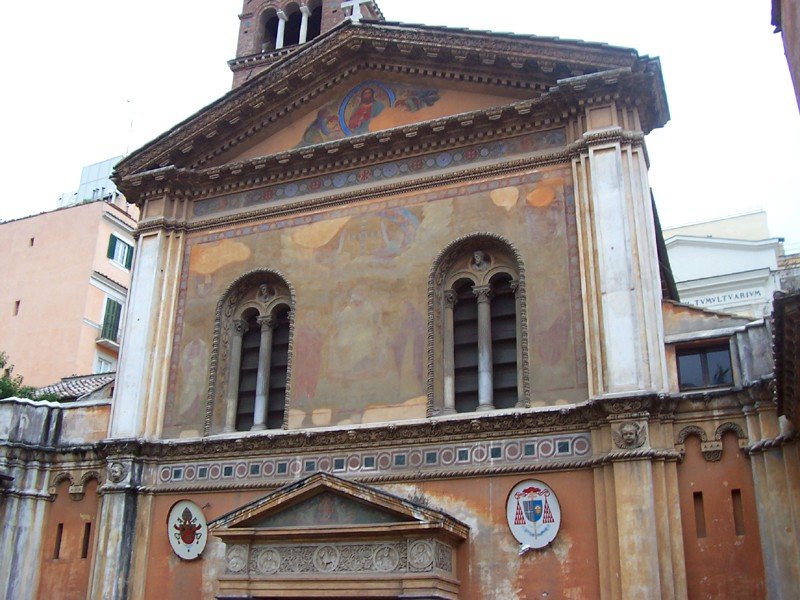
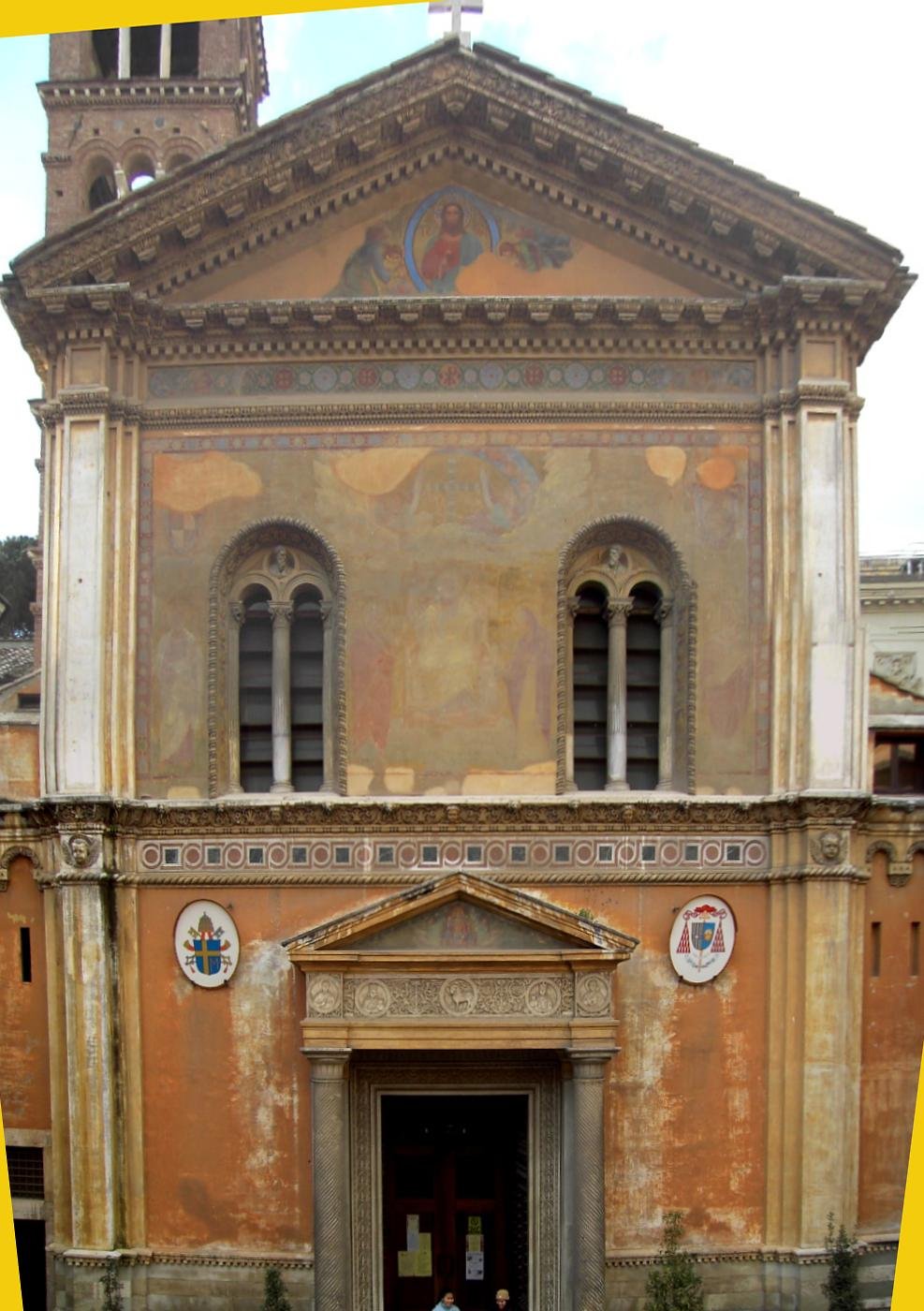
Nestled in the historic Monti district of Rome, the Basilica of Santa Pudenziana stands as one of the city’s oldest and most significant Christian sites. Revered for its rich history, stunning late antique mosaics, and layered architectural evolution, Santa Pudenziana provides visitors with an extraordinary opportunity to explore Rome’s early Christian heritage. Linked to figures such as Senator Pudens and his daughters—early Christian martyrs—the basilica traces its roots to the 2nd century and offers a window into the origins of Christian worship, art, and community in Rome (Wikipedia; Catholic Shrine Basilica).
This comprehensive guide details Santa Pudenziana’s historical context, artistic treasures, visitor information (including up-to-date visiting hours, ticketing, and accessibility), and practical travel tips. Whether you are a historian, art lover, pilgrim, or casual traveler, Santa Pudenziana offers an authentic and intimate encounter with the spiritual and artistic legacy of the Eternal City.

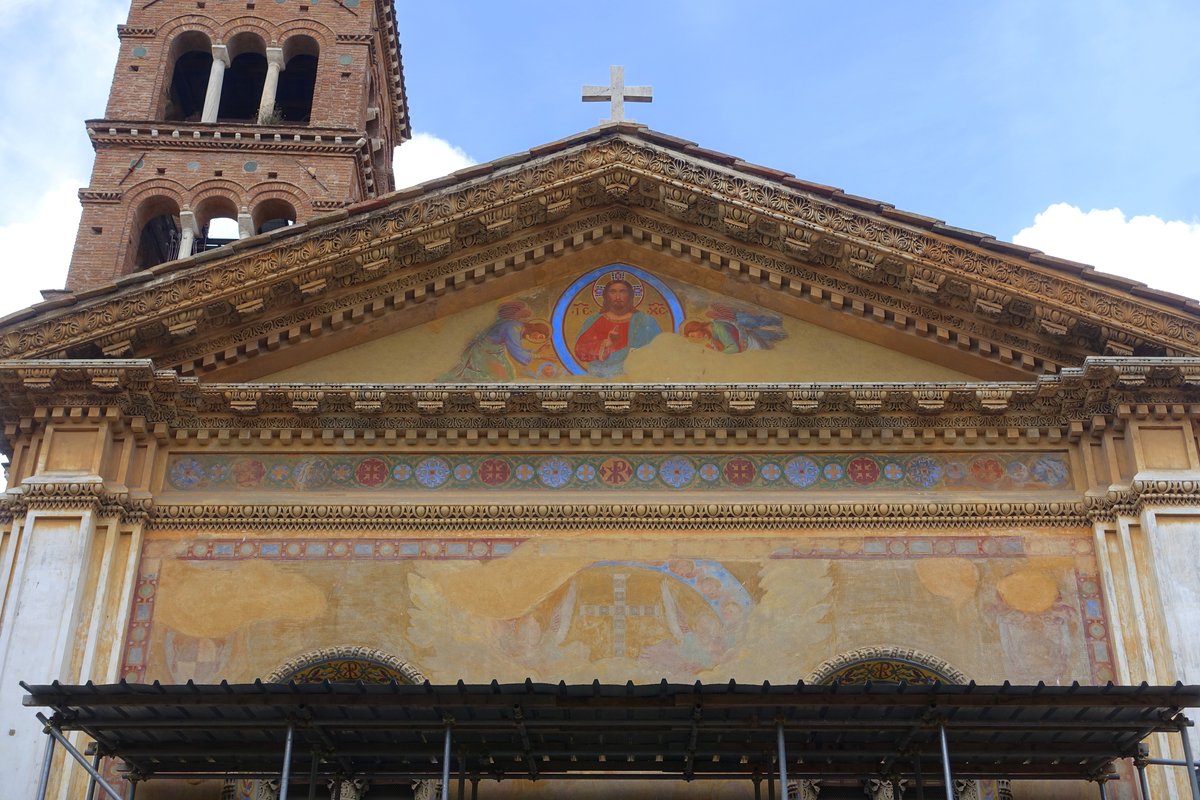
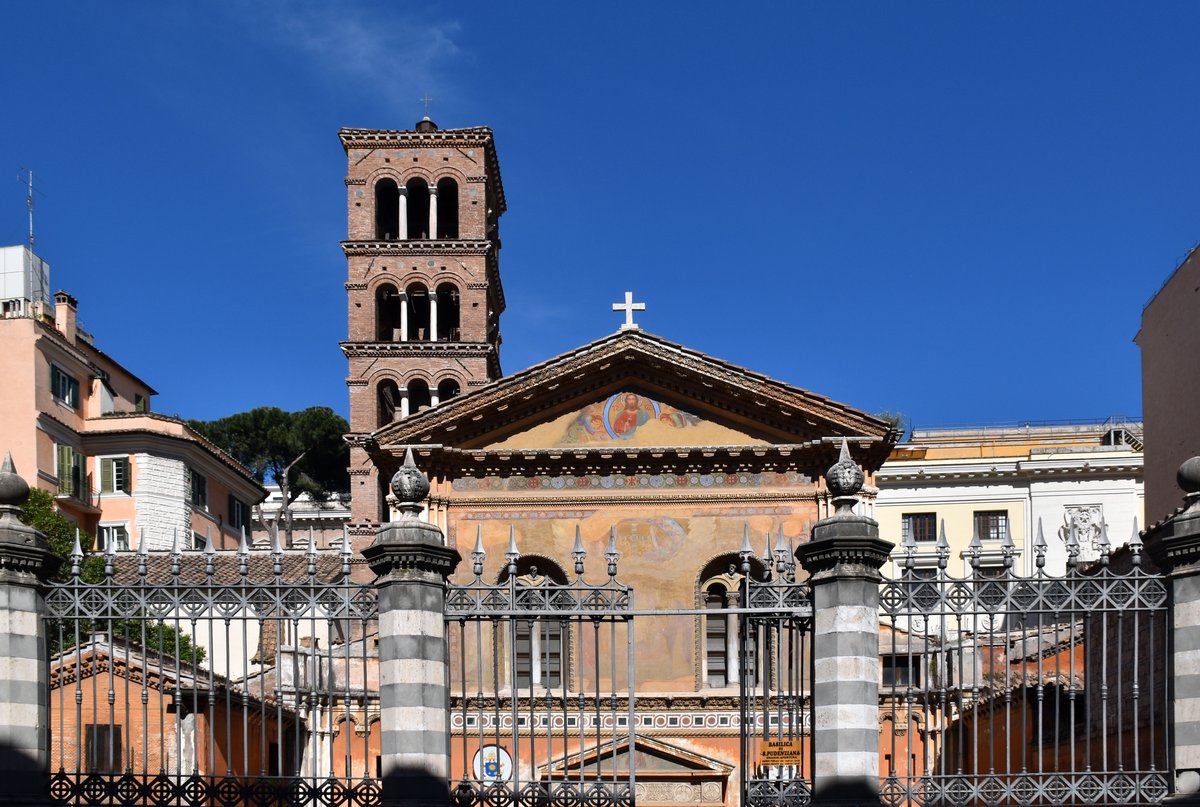
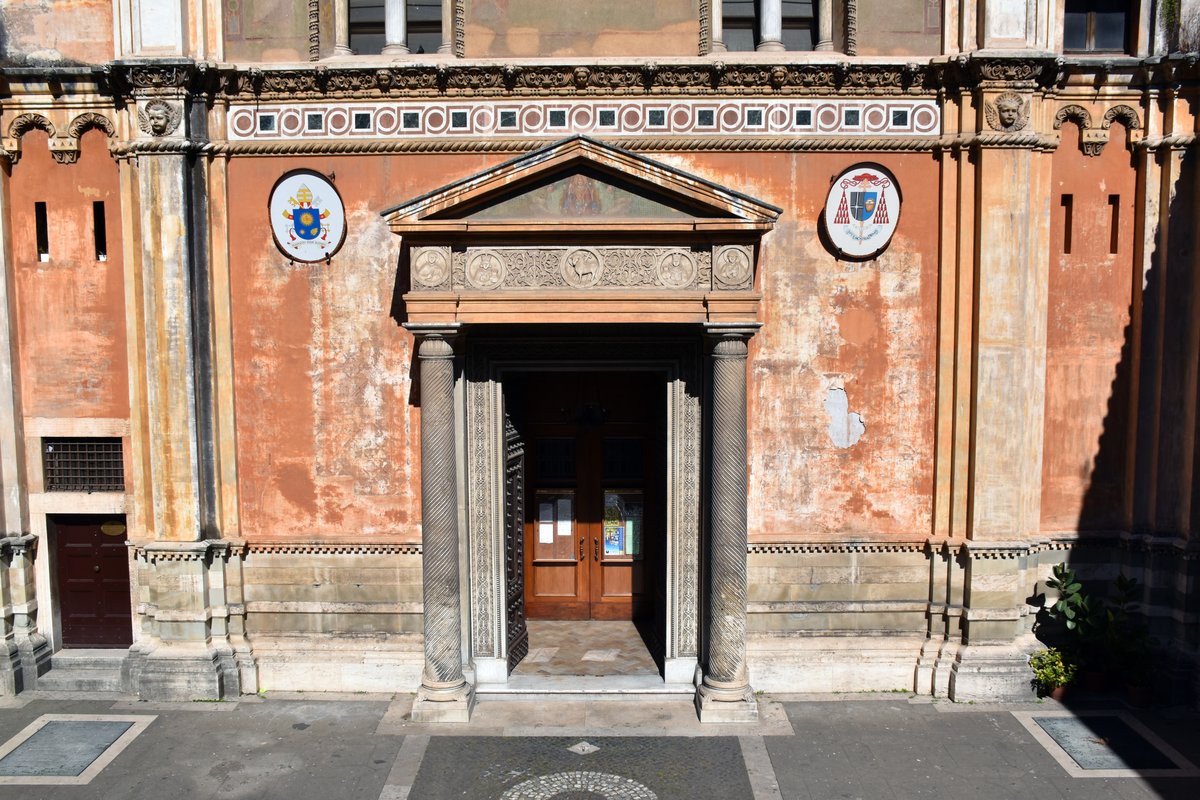
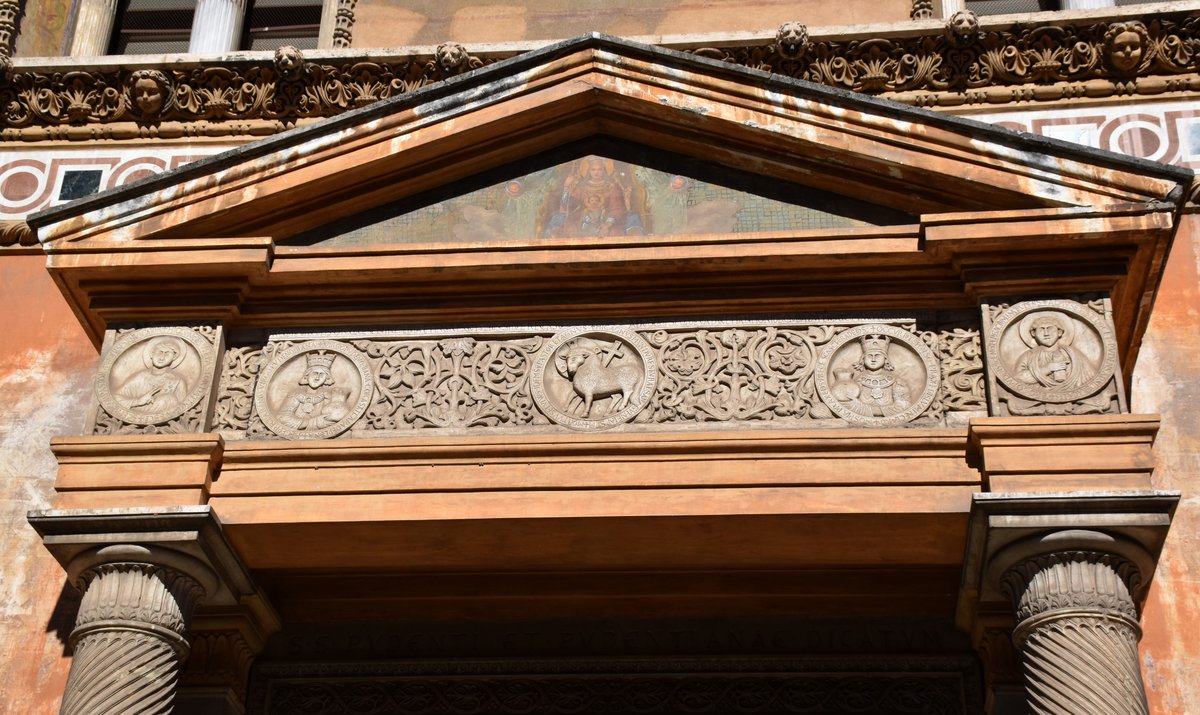
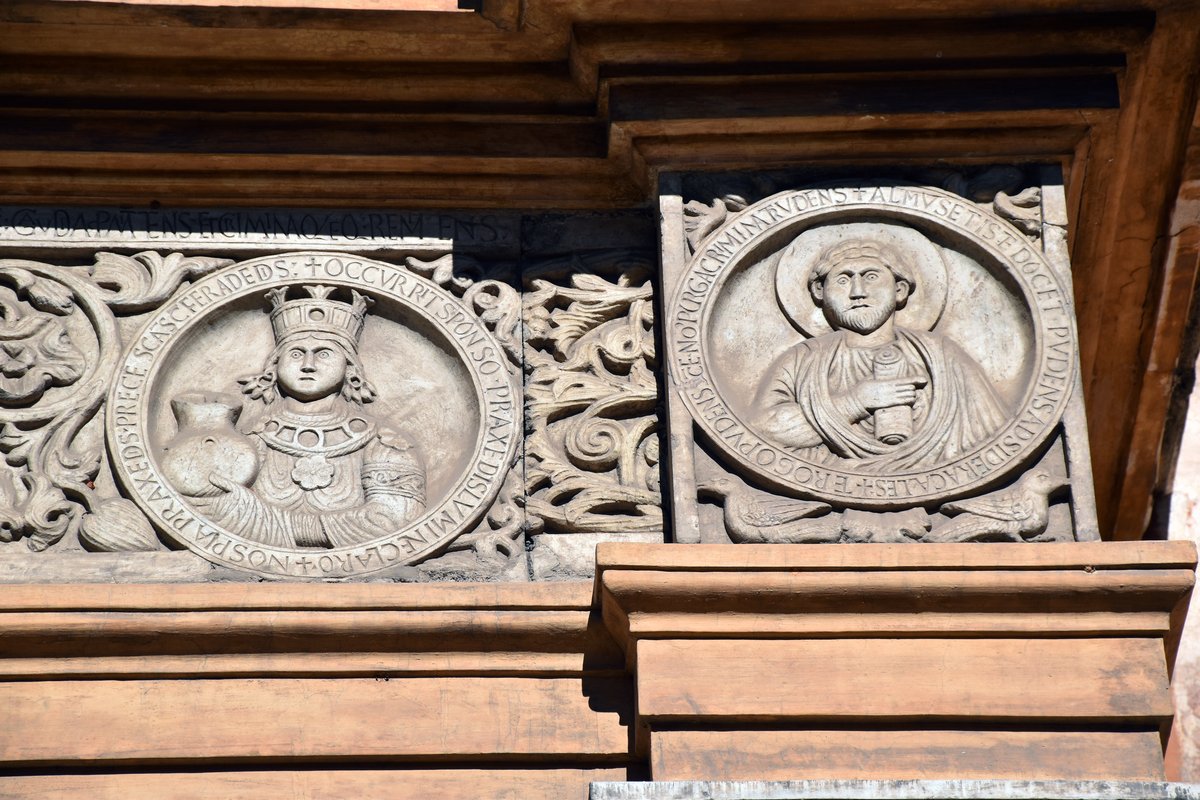
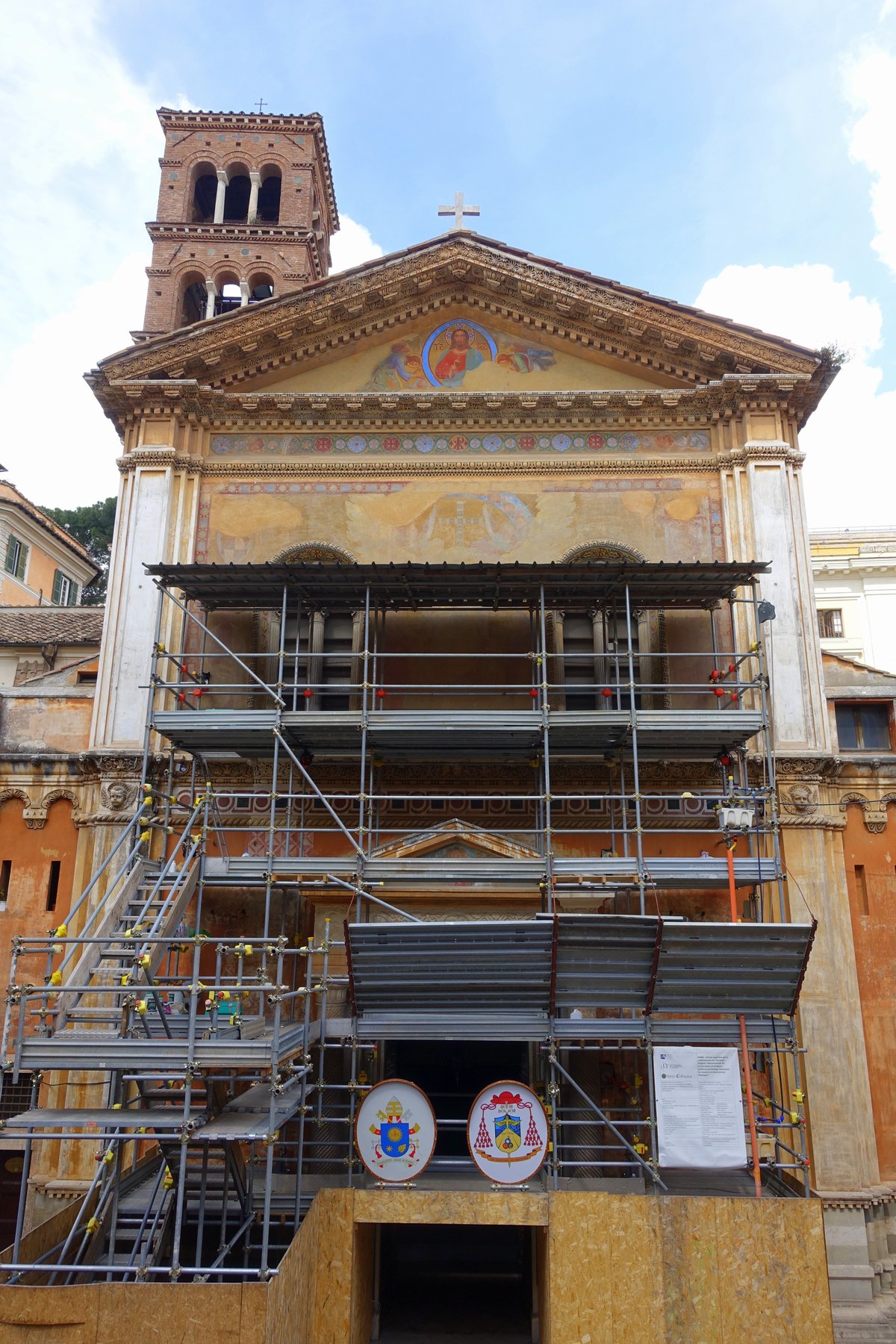
Origins and Early Christian Foundations
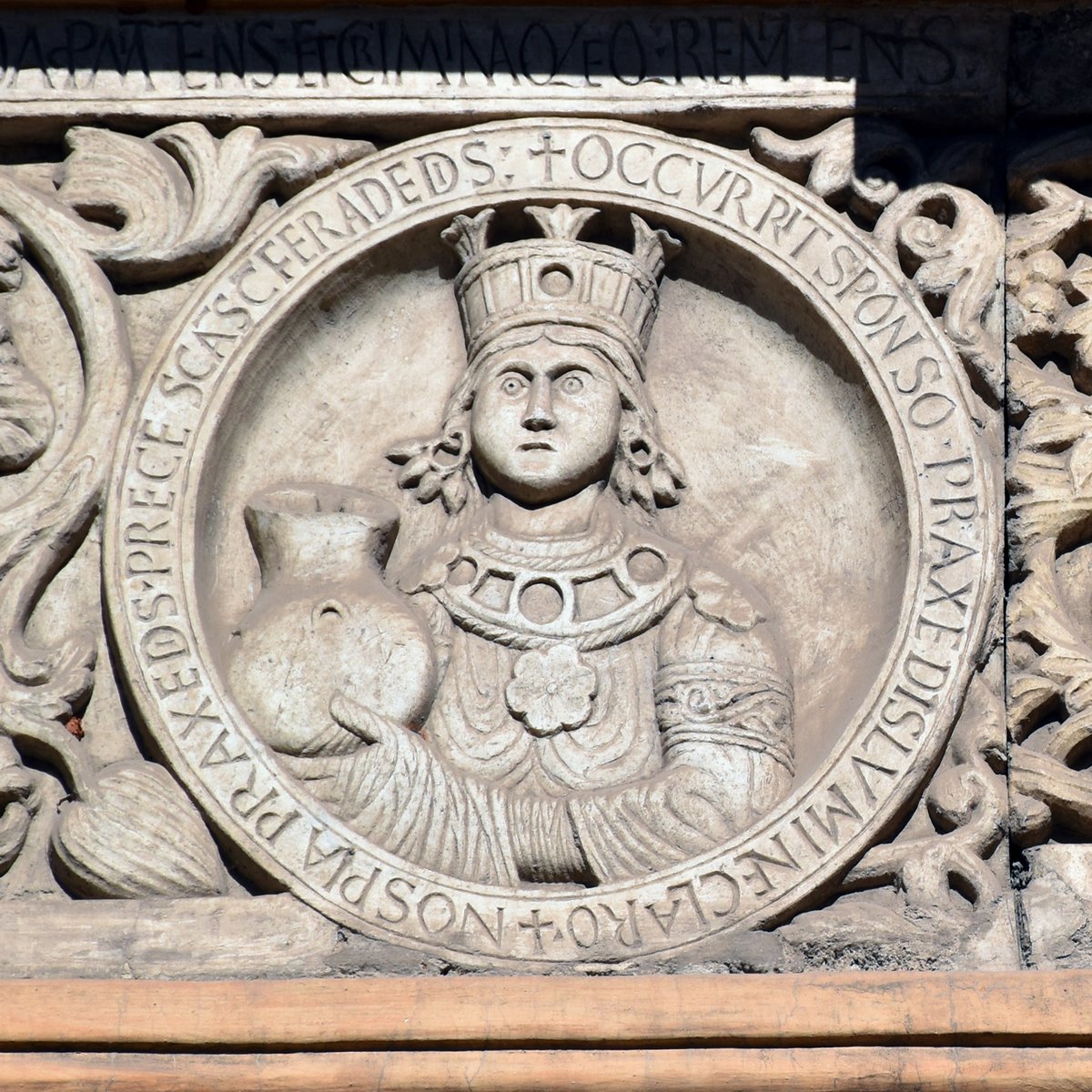
Santa Pudenziana stands on the site of a 2nd-century Roman house, traditionally attributed to Senator Pudens, a figure mentioned in early Christian texts as a supporter of Saint Paul (Wikipedia). Archaeological and historical evidence indicates that this domus was adapted for Christian worship by the mid-2nd century, making it one of Rome’s first domus ecclesiae (house churches). The Oratorio di San Pastore, an early oratory linked to Pudens’ daughters, Saints Pudentiana and Praxedes, exemplifies the clandestine worship practices during periods of persecution (Catholic Shrine Basilica; Churches of Rome PDF).
Transformation into a Basilica
With the legalization of Christianity under Constantine in the early 4th century, Santa Pudenziana was transformed from a house church into a formal basilica. The structure incorporated remains of ancient Roman baths and insulae (apartment buildings), some of which are visible today in the apse and beneath the nave. By the late 4th or early 5th century, the basilica was officially recognized as the Titulus Pudentiana, as confirmed by contemporary inscriptions and synodal records (Omnia Vatican Rome; Corvinus).
Medieval and Renaissance Developments
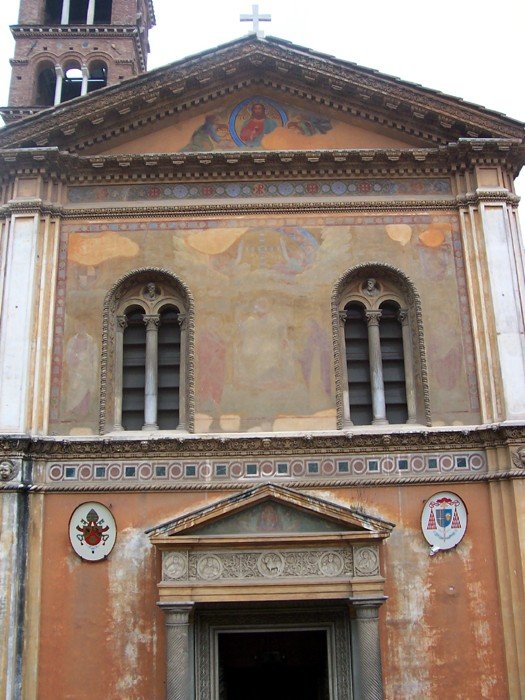
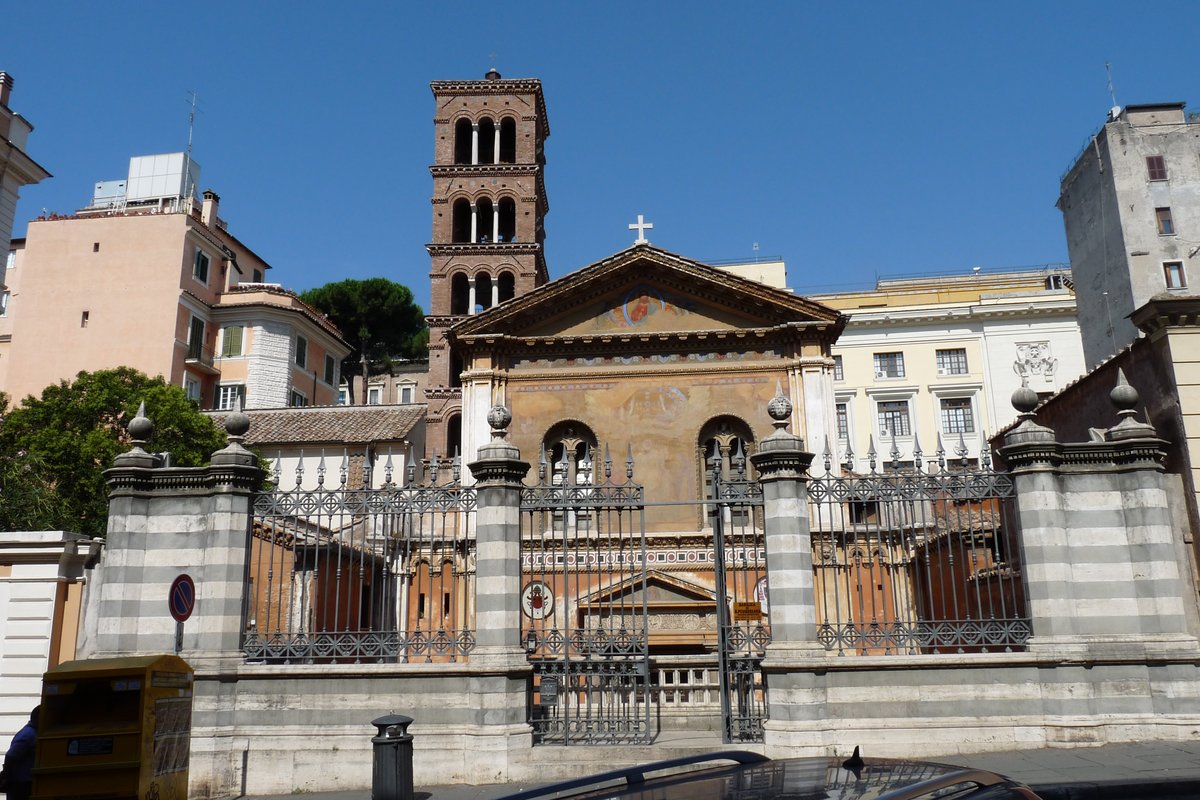
During the Middle Ages, Santa Pudenziana maintained its religious importance, serving as a papal residence until the Lateran Palace became the seat of the bishops of Rome. The 13th century saw the addition of the distinctive Romanesque bell tower, while the late 16th century brought Baroque renovations by Cardinal Enrico Caetani and architect Francesco da Volterra. These updates included a vaulted roof, elliptical dome, and transformation of the aisles into chapels (Churches of Rome PDF; Omnia Vatican Rome).
Artistic and Architectural Highlights
The Apse Mosaic
Santa Pudenziana is famed for its late 4th-century apse mosaic—considered the oldest surviving Christian apse mosaic in Rome (Web Gallery of Art). The mosaic depicts Christ enthroned as Pantocrator, surrounded by the apostles and the four Evangelists’ symbols, set against the cityscape of Jerusalem. This image marked a turning point in Christian iconography, blending Roman imperial symbolism with emerging Christian theology.
Additional Artistic Features
- 19th-century Paintings: Behind the high altar, works by Bernardino Nocchi depict St. Timotheus, the Glory of St. Pudentiana, and St. Novatus.
- Oratory Frescoes: The Marian Oratory contains 11th–12th-century frescoes, including the baptism of Pudens’ family by St. Peter.
- Cosmatesque Floor: The nave features intricate medieval marble inlay characteristic of the Cosmati family.
- Romanesque Bell Tower: The five-story campanile is a hallmark of medieval ecclesiastical architecture in Rome.
Archaeological Discoveries and Subterranean Remains
Beneath Santa Pudenziana, excavations have revealed the remains of a large Roman insula and the original domus of Pudens, about nine meters below current street level. These layers showcase commercial and residential spaces from ancient Rome, providing valuable insights into the evolution of the site from a private residence to a sacred Christian space (Omnia Vatican Rome). Guided tours of these areas are available by arrangement.
Visitor Information: Hours, Tickets, and Accessibility
- Address: Via Urbana, 160, Monti district, Rome
- Visiting Hours:
- Monday to Saturday: 9:00 AM – 12:30 PM; 3:00 PM – 6:00 PM
- Sunday and religious holidays: 9:00 AM – 1:00 PM
(Hours may vary due to services or special events; always check official sources before visiting.)
- Tickets: Entry is free. Donations are encouraged for maintenance. Guided tours and access to the subterranean remains may require a reservation or small fee (Tiqets).
- Accessibility: Main entrance is at street level and accessible for wheelchairs, though the historic interior has some uneven flooring. Subterranean archaeological areas are not fully accessible.
- Getting There:
- Metro: Cavour (Line B), about a 5-minute walk
- By foot: 10 minutes from Termini Station
- Bus: Several lines serve the Monti district
- Nearby Amenities: Monti district offers cafes, restaurants, and artisan shops. Public restrooms are limited in the area.
Tips for Visiting
- Best Time: Early morning or late afternoon for a quieter experience and optimal light for viewing the apse mosaic.
- Dress Code: Modest attire required (shoulders and knees covered).
- Photography: Allowed without flash; be discreet and respectful, especially during services.
- During Jubilee Year 2025: Expect larger crowds across Rome. Santa Pudenziana remains a quieter alternative to the major basilicas, but plan ahead and avoid peak pilgrimage periods (Untold Italy).
- Combine Visits: Pair your trip with Santa Maria Maggiore and Santa Prassede to explore Rome’s early Christian core.
Nearby Attractions
- Basilica di Santa Maria Maggiore: One of Rome’s four major papal basilicas, a short walk away.
- Basilica di Santa Prassede: Known for its exquisite mosaics, closely linked to Santa Pudenziana.
- Roman Forum and Colosseum: Easily accessible for those wishing to further explore ancient Rome.
- Monti District: A lively neighborhood with eateries, boutiques, and artisan shops.
Frequently Asked Questions (FAQ)
Q: Is there an entrance fee to visit Santa Pudenziana?
A: No, admission is free. Donations are appreciated.
Q: What are the visiting hours?
A: Monday–Saturday: 9:00 AM–12:30 PM and 3:00 PM–6:00 PM; Sunday: 9:00 AM–1:00 PM. Always check ahead for any schedule changes.
Q: Is the basilica wheelchair accessible?
A: The main entrance is accessible, but some interior areas and the archaeological remains may be challenging.
Q: Are guided tours available?
A: Yes, through local tour operators; advance booking is recommended for underground visits.
Q: Can I take photos inside?
A: Yes, but without flash and always respectfully.
Q: When is the best time to visit to avoid crowds?
A: Early mornings, late afternoons, and outside peak Jubilee pilgrimage periods.
Tickets & tours.
These are guided options from our partners — same price as booking direct.
Prices are indicative — final pricing and availability are confirmed at checkout. Audiala may earn a commission from bookings made through these links.
Listen to the full story in the app
The whole Santa Pudenziana,
told well.
Audio guides for 1,100+ cities across 96 countries. History, stories, and local insight — offline ready.
Verified, and shown.
Researched and written by the Audiala editorial team from historical records, architectural archives, and local expertise.
Pudentiana Rome Italy, Catholic Shrine Basilica
Researched from Wikidata, Wikipedia & official sources · fact-checked · How we make our guides →