Plan and listen to Santa Francesca Romana with Audiala.
Audio guide in your pocket, itinerary in your browser. Built for the way you actually visit.
Introduction
Santa Francesca Romana, also known historically as Santa Maria Nova, is a distinguished basilica at the eastern edge of the Roman Forum. Embodying centuries of Rome’s spiritual, artistic, and architectural evolution, the church is dedicated to St. Francesca Romana—a beloved 14th-century Roman noblewoman renowned for her charity and mysticism. This comprehensive guide provides detailed insights into Santa Francesca Romana’s history, architectural features, relics, visiting hours, ticketing policies, accessibility, and tips for combining your visit with nearby historic attractions. Whether you are a history enthusiast, art lover, pilgrim, or casual tourist, this basilica offers a rich, multifaceted experience at the heart of the Eternal City. For official and updated information, refer to resources such as Turismo Roma and Wikipedia.

Origins and Early Development
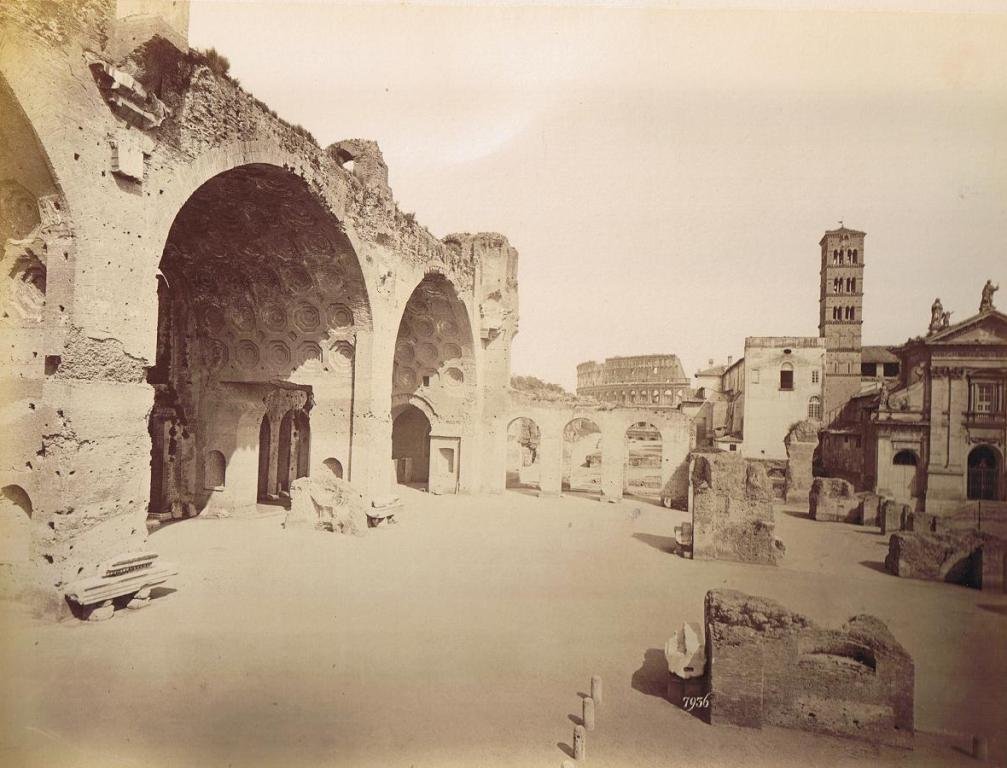
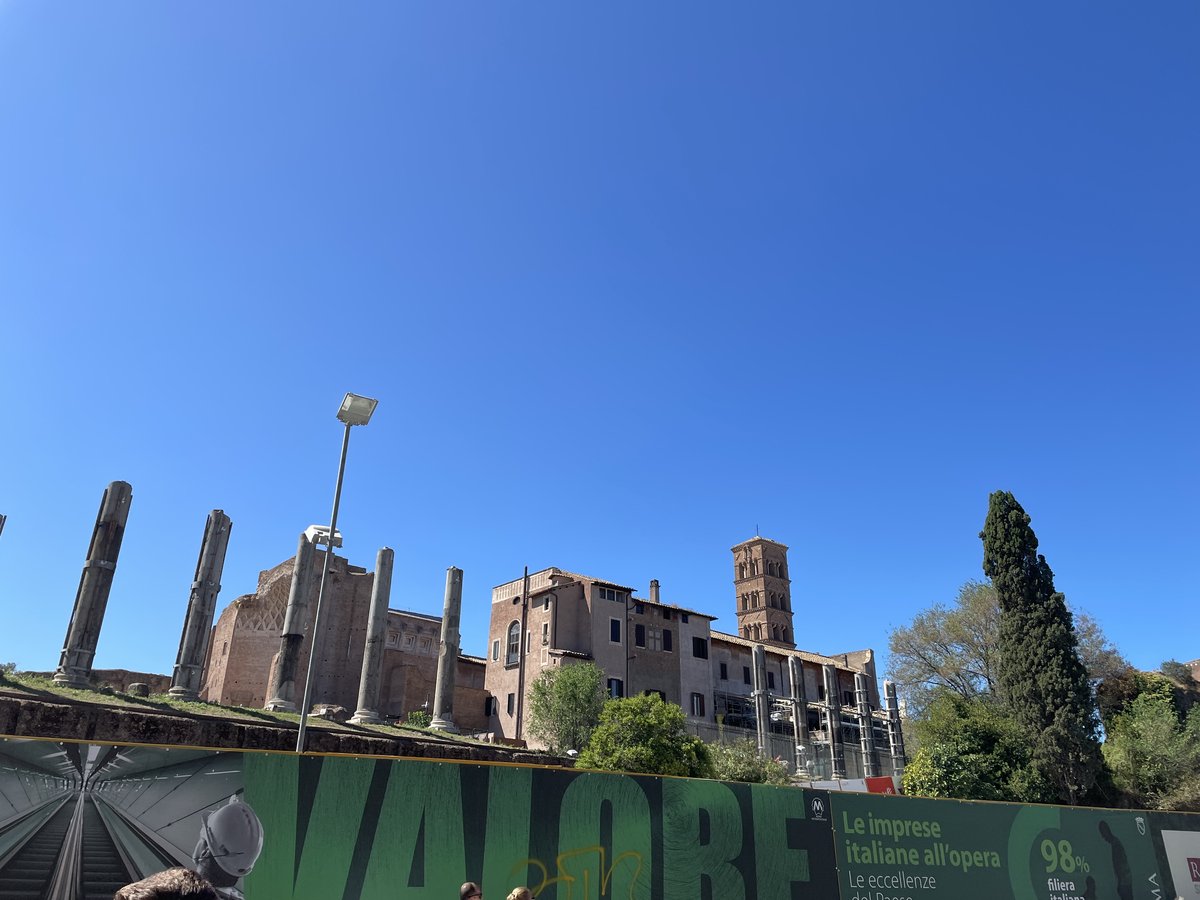
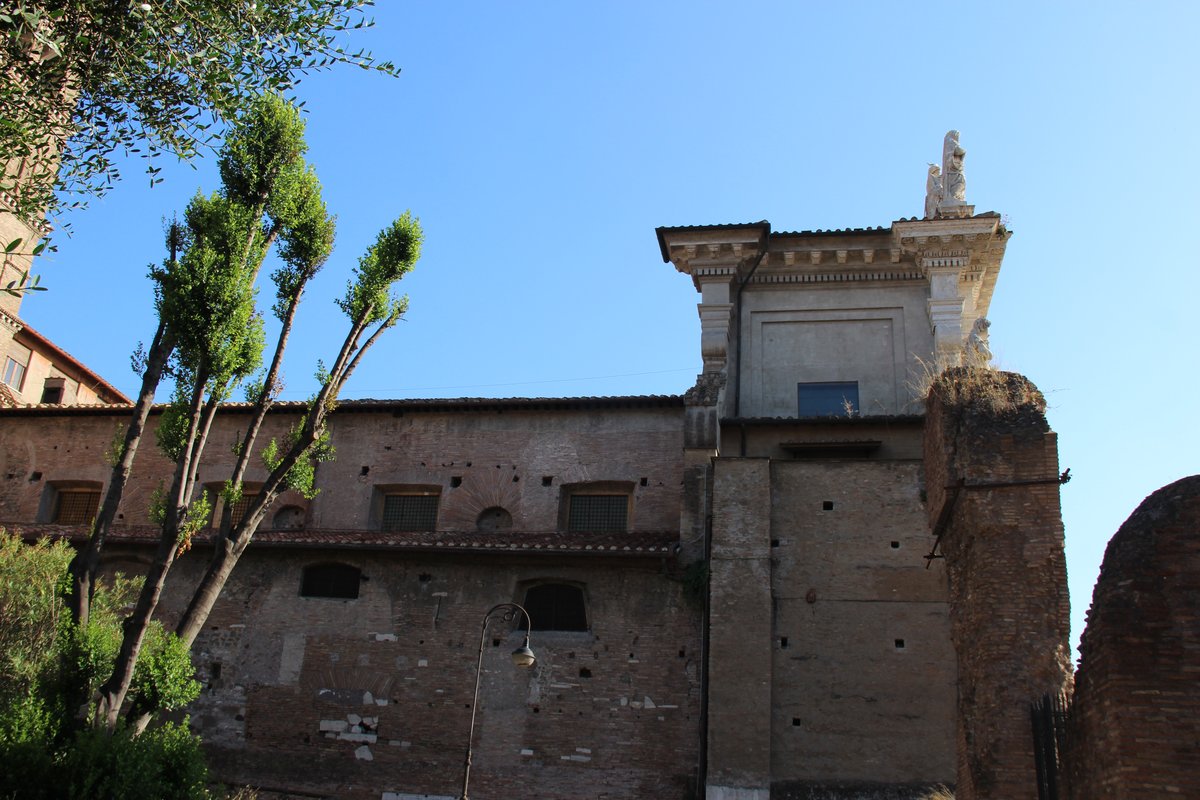
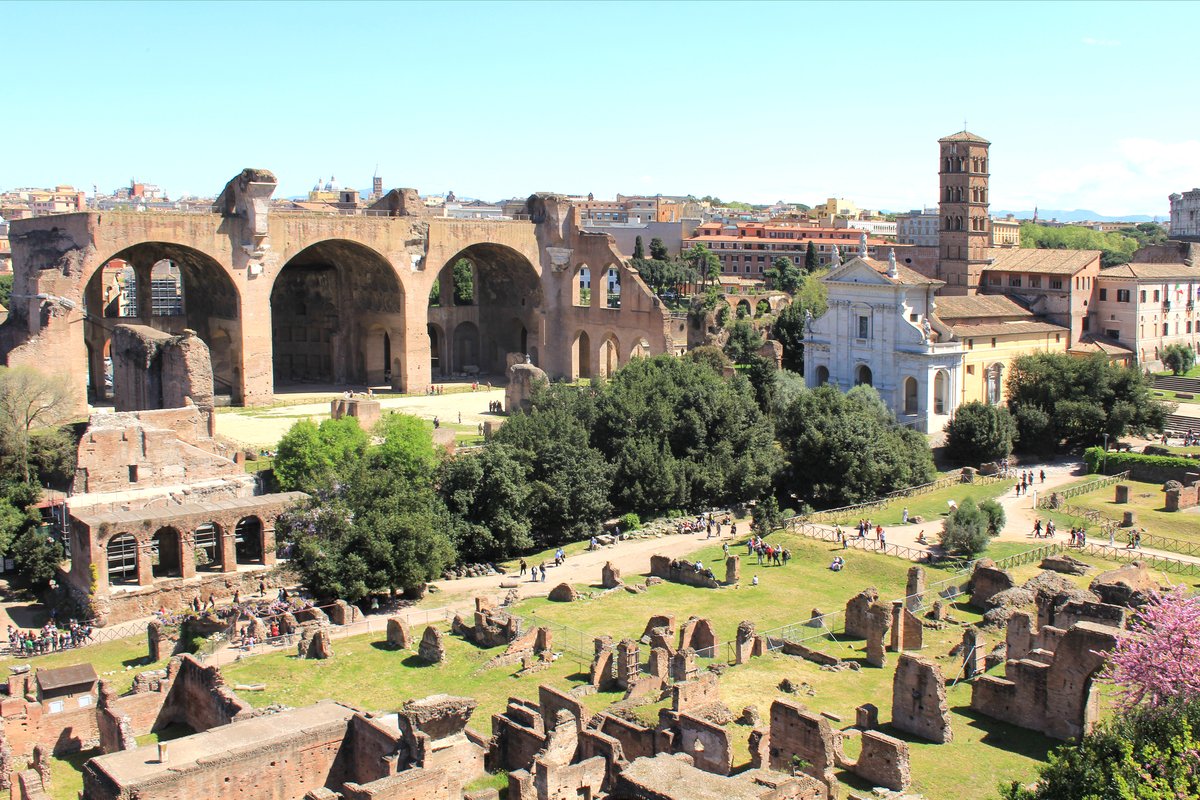
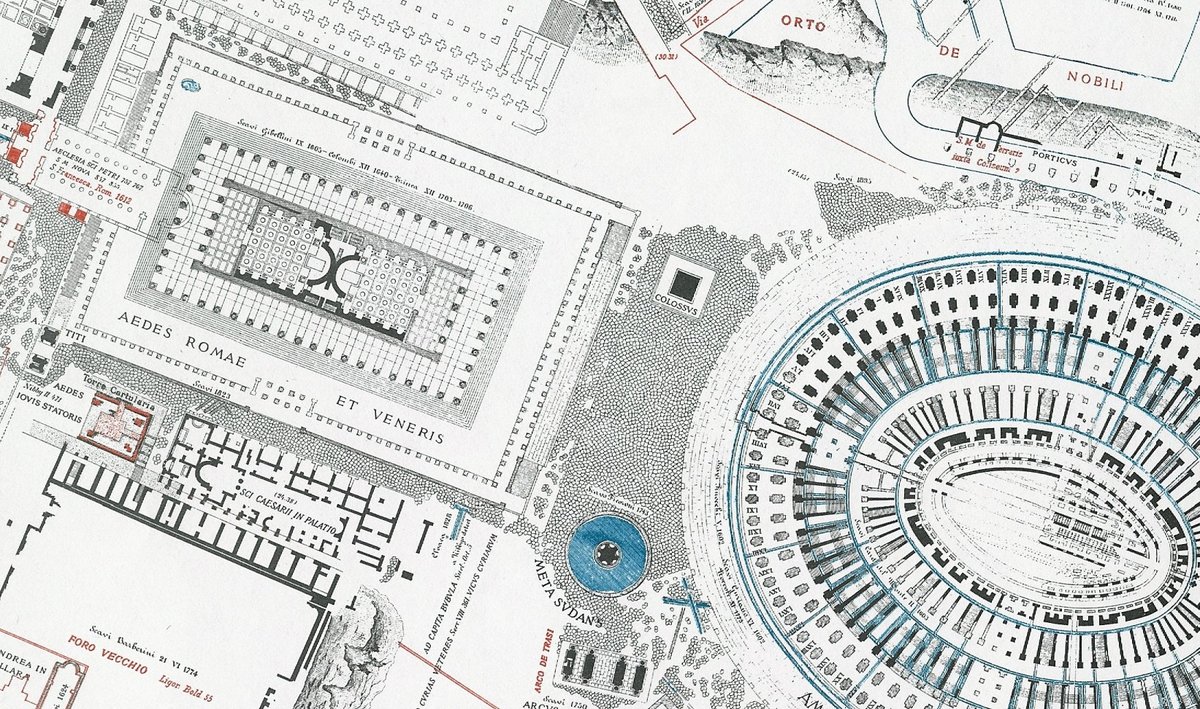
Santa Francesca Romana’s origins trace back to an 8th-century Christian oratory established within the portico of the ancient Temple of Venus and Roma, the largest pagan temple in Roman history (Wikipedia; Catholic Shrine Basilica). This transformation reflects the Christianization of Rome following the decline of the Empire. Tradition associates the site with the legendary confrontation between Saint Peter and Simon Magus: basalt stones embedded in the south transept wall are said to bear the knee imprints of St. Peter from this episode (Catholic Shrine Basilica).
By the 10th century, a church named Santa Maria Nova (“New St Mary”) replaced the older Santa Maria Antiqua. Relics from the ruined church were transferred here, further enriching its religious significance (Wikipedia).
Medieval and Renaissance Transformations
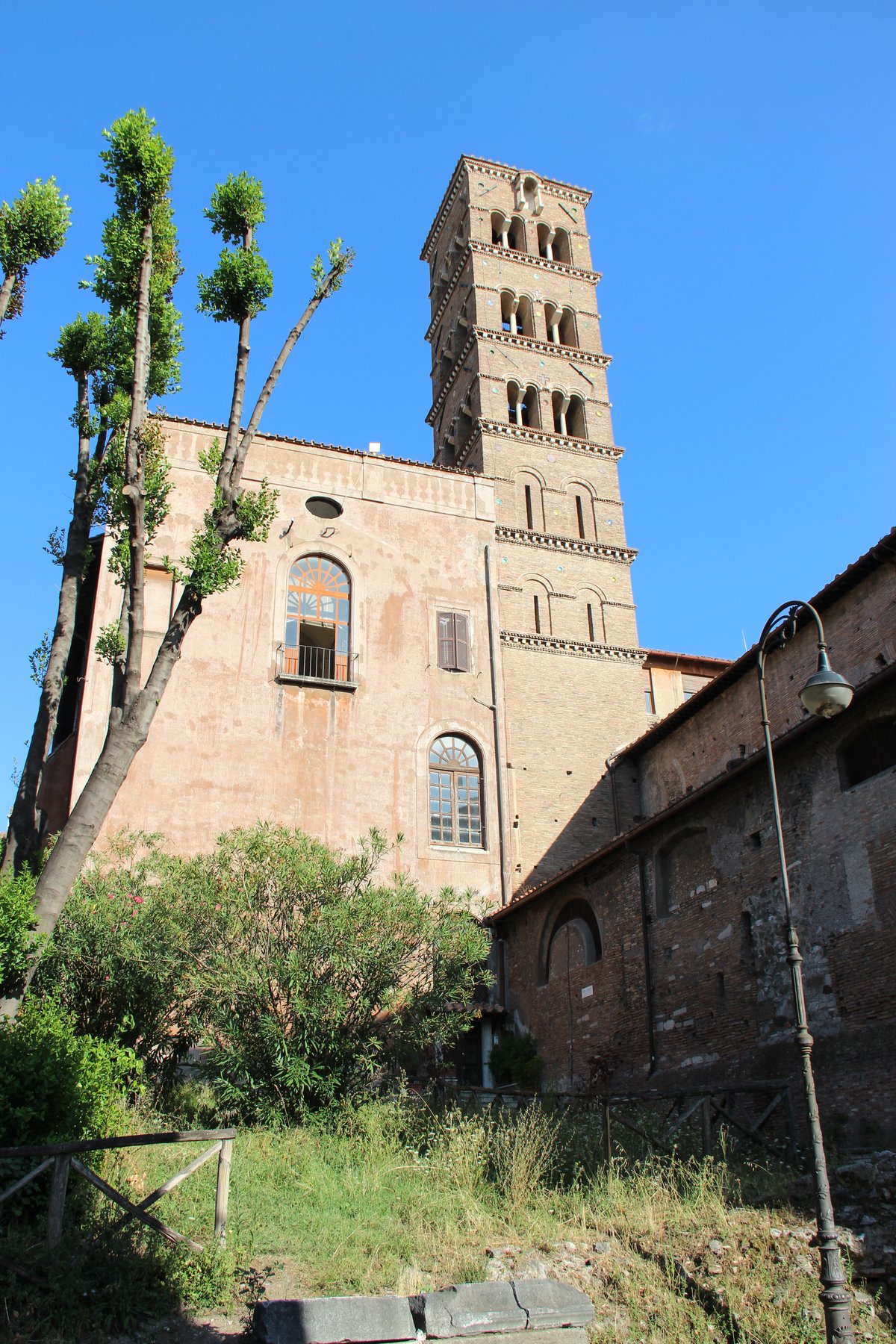
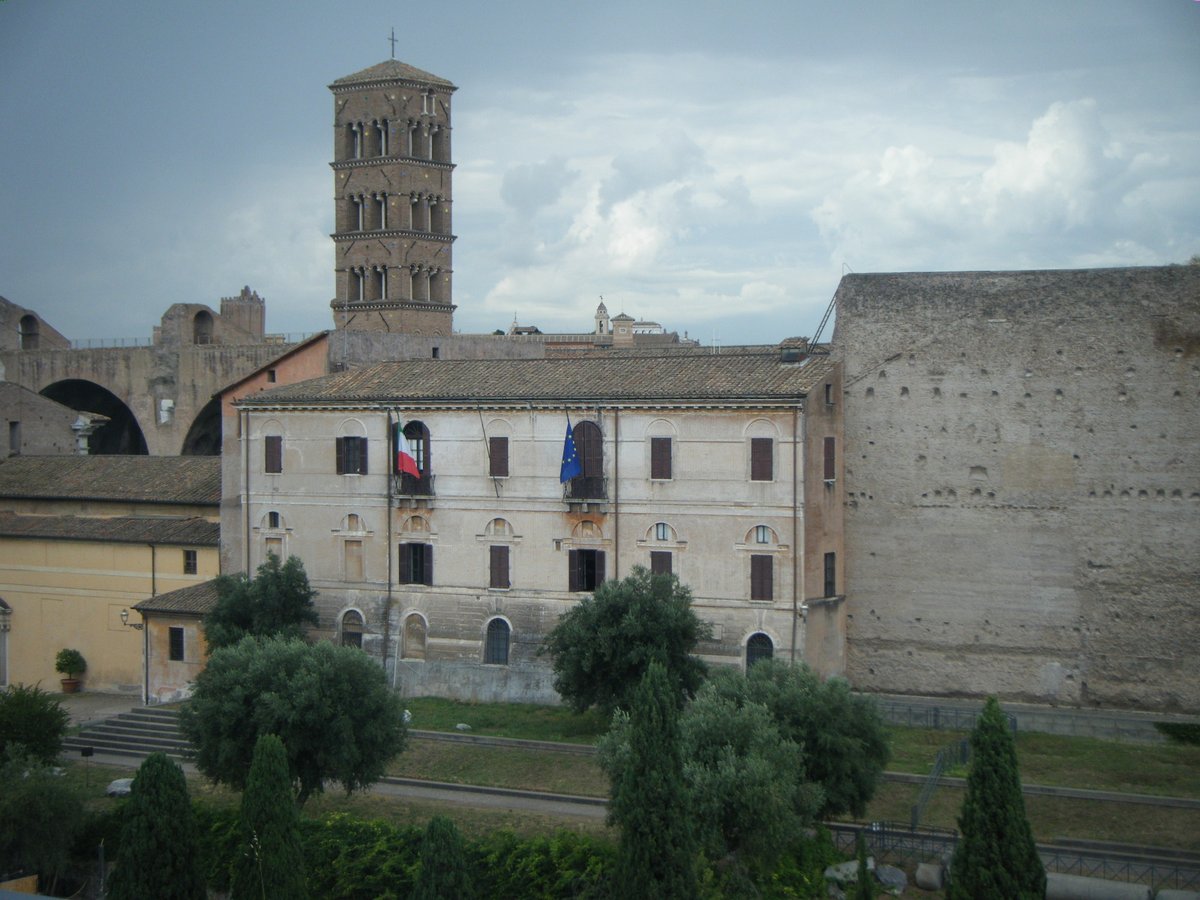
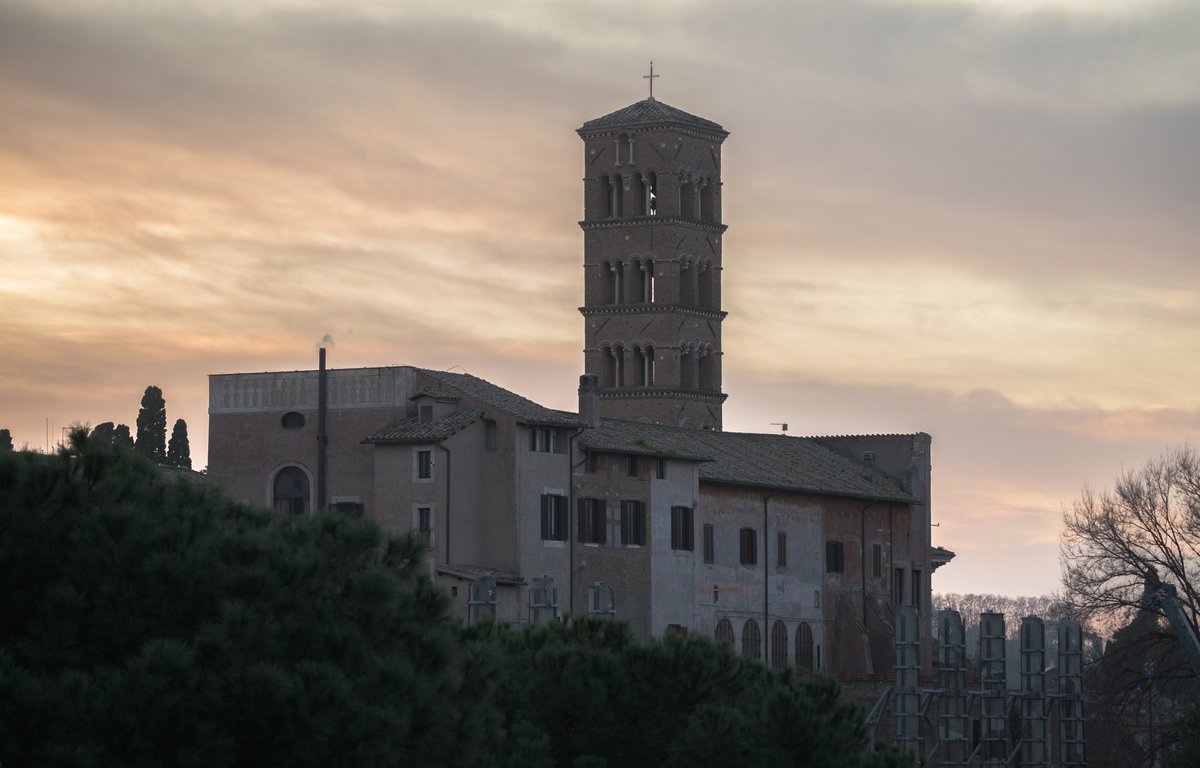
Significant expansions occurred in the late 10th and 13th centuries, including the addition of a campanile and apse under Pope Honorius III. The 12th-century Maestà mosaic, depicting the Madonna enthroned with saints, remains a highlight of the apse (Wikipedia). The site’s layered architecture, incorporating elements from Roman antiquity through the Middle Ages, is considered among the most complete in the Roman Forum (PagePlace PDF).
In the 14th century, the Olivetan Benedictine monks assumed care of the church, ushering in further development. The Renaissance era saw the rededication of the church to Francesca Buzzi de’ Leoni (St. Francesca Romana), who was canonized in 1608. Her relics were placed in the church’s crypt, transforming it into a major pilgrimage site.
Baroque and Modern Additions
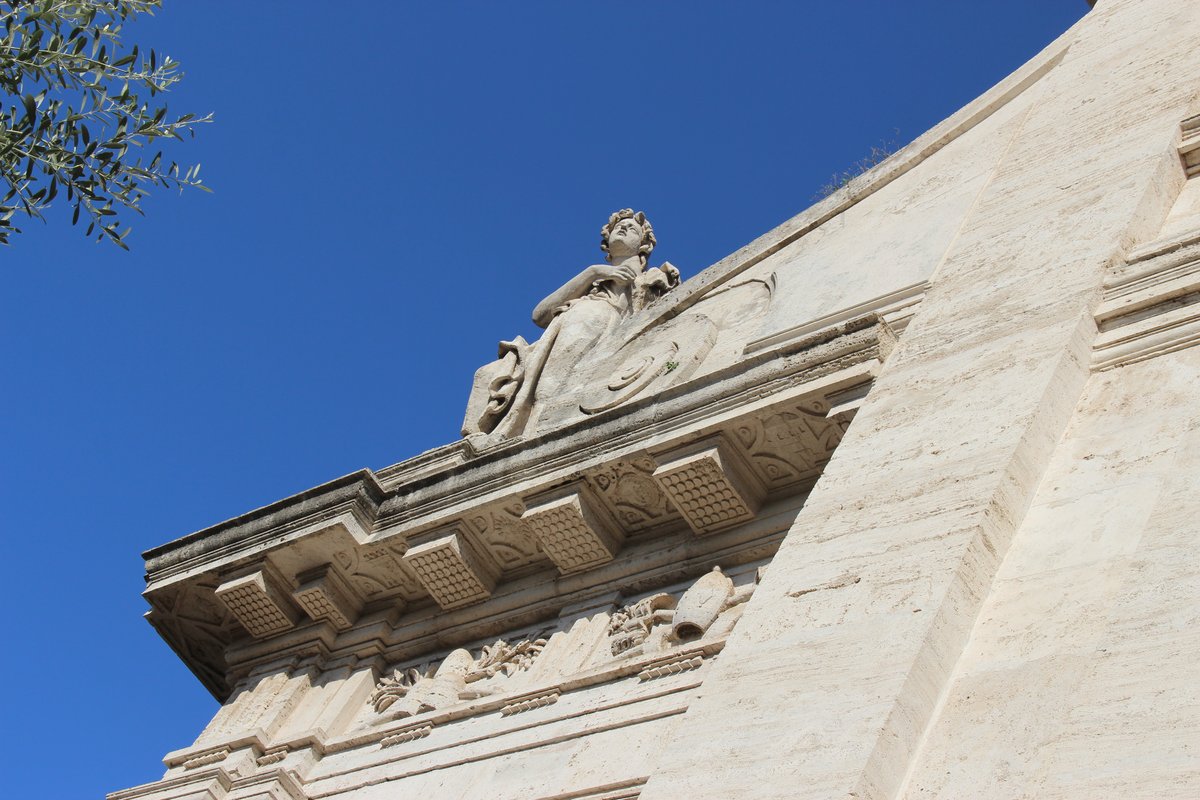
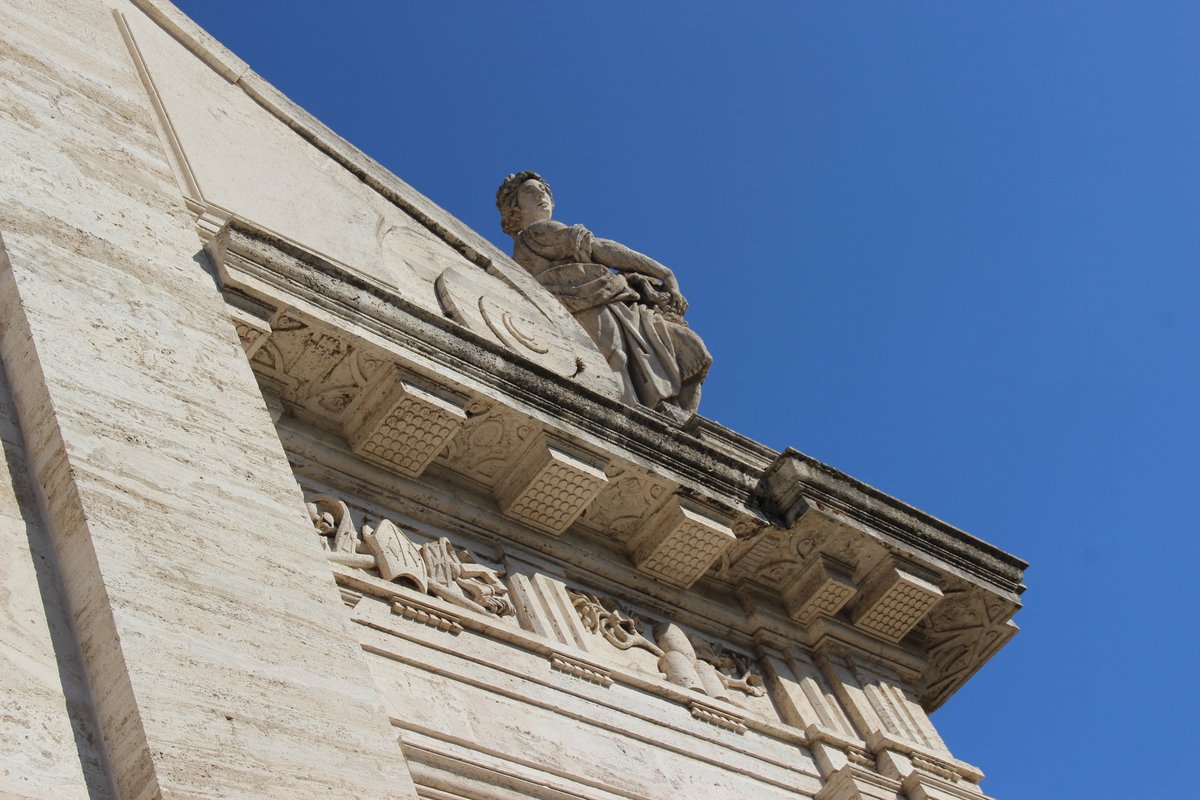
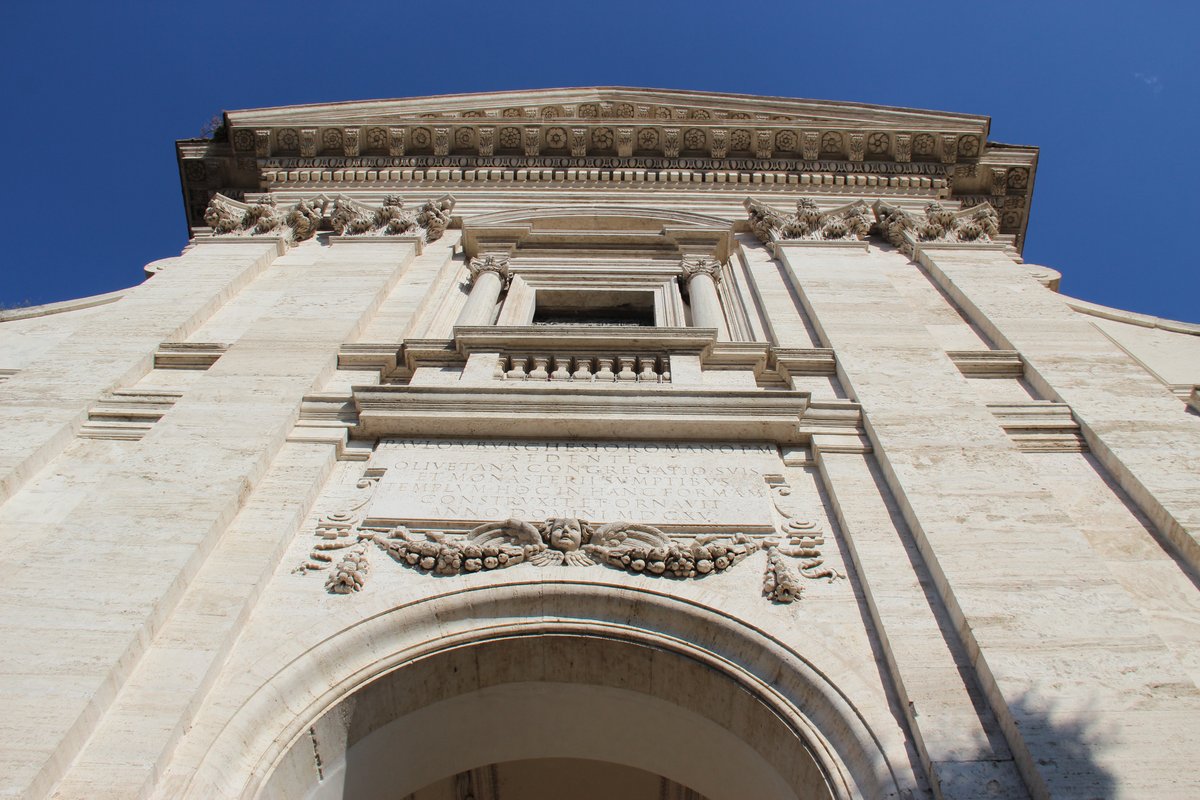
From 1595, extensive refurbishments modernized the nave and added side chapels. The current travertine porch and façade, completed in 1615 by Carlo Lambardi, reflect the grandeur of early Baroque architecture (Wikipedia). The schola cantorum, a rectangular enclosure for singers, features medieval Cosmatesque mosaics. The Baroque confessio, designed by Gian Lorenzo Bernini between 1638 and 1649, originally housed his sculptural group of St. Francesca and the angel, replaced in the 19th century after the original was lost (Wikipedia).
The church was restored again in the 19th and 20th centuries, preserving its Romanesque bell tower, Baroque façade, and medieval cloister (L’Erma di Bretschneider).
Religious Significance and Traditions
St. Francesca Romana (1384–1440) is celebrated for her acts of charity during times of famine, plague, and war. She founded the Oblates of Mary, a lay religious community for women, in 1433 (Wikipedia). Her feast day, March 9, is marked by the unique tradition of blessing vehicles, as she is regarded as the patron saint of drivers—a custom rooted in the legend that her guardian angel lit her way at night (Wanted in Rome). The church also houses the tomb of Pope Gregory XI, who returned the papacy to Rome from Avignon in the 14th century.
Visiting Santa Francesca Romana
Hours and Ticketing
-
Standard Hours:
Monday to Saturday: 9:00 AM – 12:30 PM and 3:00 PM – 6:00 PM
Sunday and Public Holidays: 9:00 AM – 1:00 PM
(Hours may vary, especially during religious services or special events; confirm before visiting on the official site.) -
Tickets:
Entry is free. Donations are welcome and support ongoing maintenance and conservation. -
Guided Tours:
Guided tours are available through local operators and often included in broader Roman Forum packages. Advance booking is recommended, especially during peak seasons. -
Dress Code:
Modest attire is required. Shoulders and knees must be covered. -
Photography:
Permitted without flash. Tripods and commercial photography require prior authorization.
Accessibility
The basilica offers wheelchair ramps and adapted facilities. The surrounding terrain of the Roman Forum can be uneven; assistance may be needed for visitors with limited mobility. For specific information, consult the Rome accessible section.
Travel Tips
- Arrive early for a quieter experience.
- Combine your visit with the Roman Forum, Palatine Hill, and Colosseum.
- Wear comfortable footwear due to uneven stone paving.
- Check for temporary closures or restoration work on the Turismo Roma website.
Architectural and Artistic Highlights
-
Façade and Bell Tower:
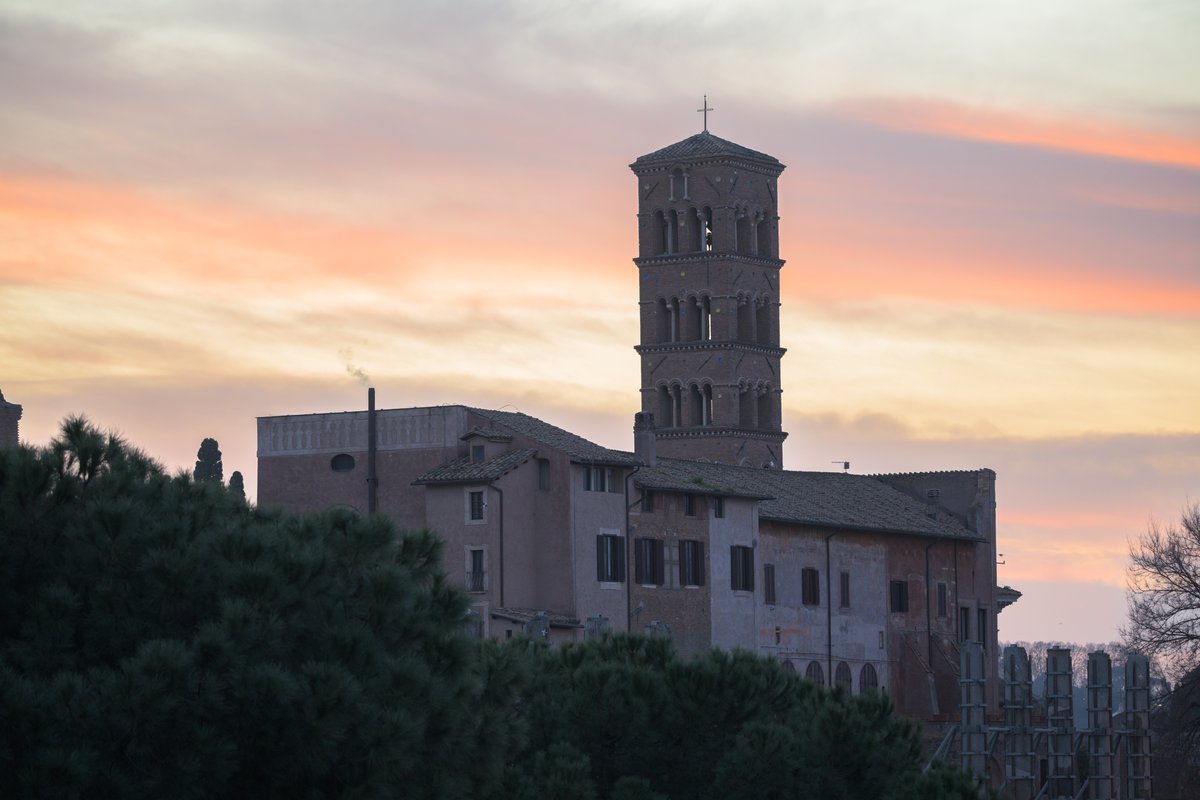
The 17th-century travertine façade by Carlo Lambardi is paired with a rare 12th-century Romanesque bell tower featuring arched windows and robust brickwork (L’Erma di Bretschneider). -
Nave and Apse:
The single nave is flanked by side chapels. The apse boasts a 12th-century mosaic of the Madonna and Child with saints, a masterpiece of medieval Roman art. -
Baroque Chapels:
Side chapels are adorned with polychrome marble and Counter-Reformation paintings depicting St. Francesca’s miracles. -
Cosmatesque Flooring:
Intricate medieval geometric inlays of colored marble and glass tesserae. -
The Crypt:
Contains the relics of St. Francesca Romana, making it a site of pilgrimage (Walks in Rome). -
Sacristy Icon:
The Madonna Glykophilousa, a 5th-century Marian icon, restored and displayed in the sacristy (Turismo Roma). -
Bernini’s Confession:
Baroque confessio beneath the altar, originally containing a lost Bernini sculpture. -
Cloister:
A tranquil 14th-century monastic space, restored in 1900 and accessible via guided tours (L’Erma di Bretschneider). -
Legendary Relics:
Stone slab with imprints attributed to Sts. Peter and Paul’s knees, embedded in the south transept wall.
Nearby Attractions and Events
Proximity to Major Sites:
- Roman Forum: Directly adjacent.
- Colosseum: A short walk from the church.
- Palatine Hill and Capitoline Museums: Easily accessible nearby.
Annual Events:
- Feast Day (March 9): Special Masses and the blessing of vehicles.
- Special Liturgical Events: During the 2025 Jubilee and other holy years, expect additional celebrations (Turismo Roma).
Practical Information
-
Address: Via dei Fori Imperiali, 1, 00186 Roma RM, Italy
-
Getting There:
- Metro: Colosseo (Line B), 5-minute walk
- Bus: Several lines along Via dei Fori Imperiali
- Walking: Short distance from Roman Forum and Colosseum
-
Amenities:
- No restrooms inside; public facilities nearby
- Cafés and shops along Via dei Fori Imperiali
-
Language:
- Most signage is in Italian; some English translations
- Staff may have limited English proficiency; a translation app is helpful
Frequently Asked Questions (FAQ)
Q: Is there an entrance fee?
A: No, admission is free. Donations are appreciated.
Q: What are the visiting hours?
A: Monday–Saturday: 9:00 AM–12:30 PM, 3:00 PM–6:00 PM; Sunday/Public Holidays: 9:00 AM–1:00 PM. Always verify before visiting.
Q: Are guided tours available?
A: Yes, via local operators and as part of Roman Forum tours. Advance booking is advised.
Q: Is the church wheelchair accessible?
A: Yes, with ramps and adapted facilities, though some uneven terrain in the surrounding Forum area.
Q: Is photography allowed?
A: Yes, without flash. No tripods unless authorized.
Q: What is the best time to visit?
A: Weekday mornings or late afternoons for fewer crowds. March 9 (feast day) is especially busy.
Listen to the full story in the app
The whole Santa Francesca Romana,
told well.
Audio guides for 1,100+ cities across 96 countries. History, stories, and local insight — offline ready.
Verified, and shown.
Researched and written by the Audiala editorial team from historical records, architectural archives, and local expertise.
Francesca Romana Church in Rome: History, Hours & Tips (2025)
Researched from Wikidata, Wikipedia & official sources · fact-checked · How we make our guides →