Plan and listen to San Saba, Rome with Audiala.
Audio guide in your pocket, itinerary in your browser. Built for the way you actually visit.
Introduction
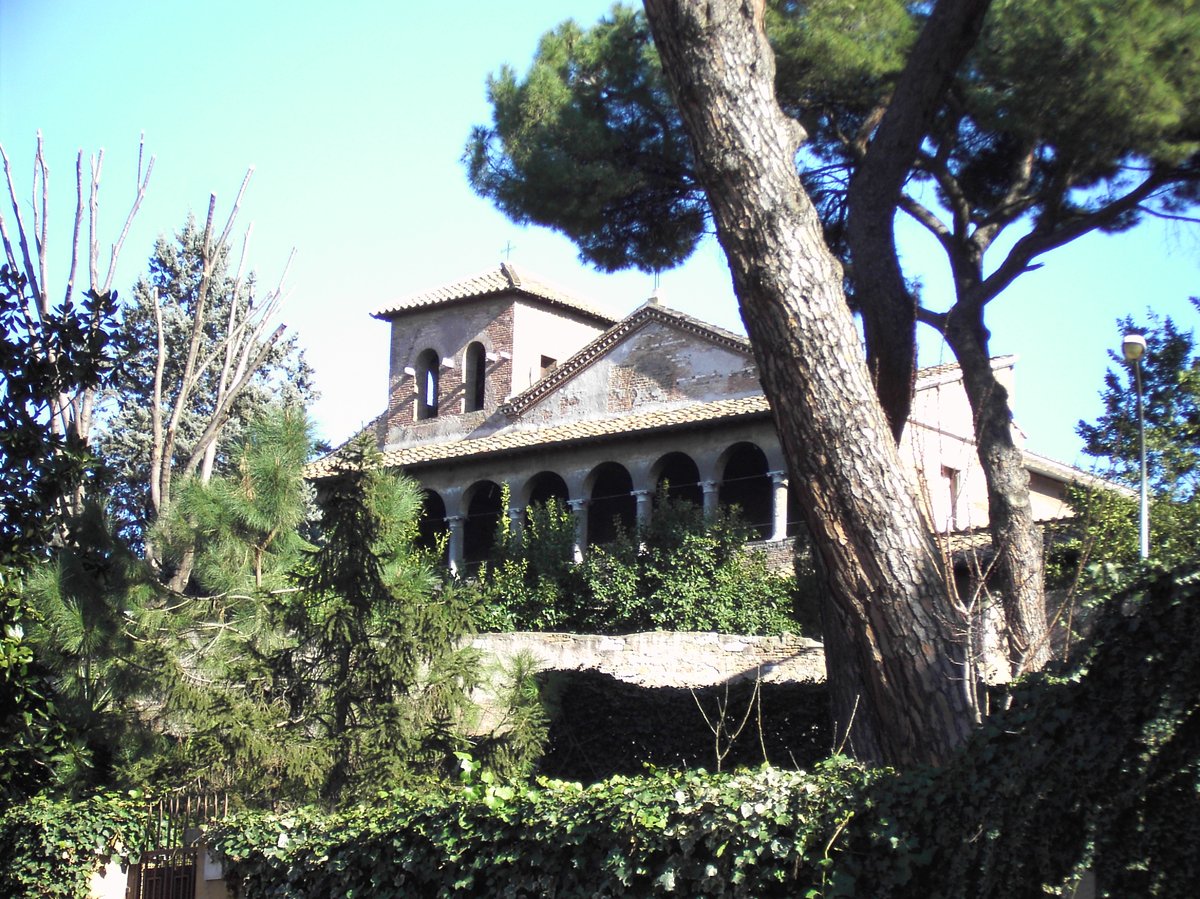
San Saba, perched on Rome’s historic Aventine Hill, is a remarkable enclave that harmoniously blends ancient Roman roots, medieval monastic tradition, and authentic Roman neighborhood life. Often described as a hidden gem, San Saba invites visitors to explore its peaceful streets, centuries-old basilica, and vibrant local culture—all away from the city’s main tourist trails. This comprehensive guide covers San Saba’s visiting hours, ticketing details, accessibility, historical background, practical travel tips, and cultural highlights to help you experience one of Rome’s most storied yet tranquil districts (sabahome.it; aleteia.org; romesdetails.com; Wanted in Rome).

Origins and Early Foundations
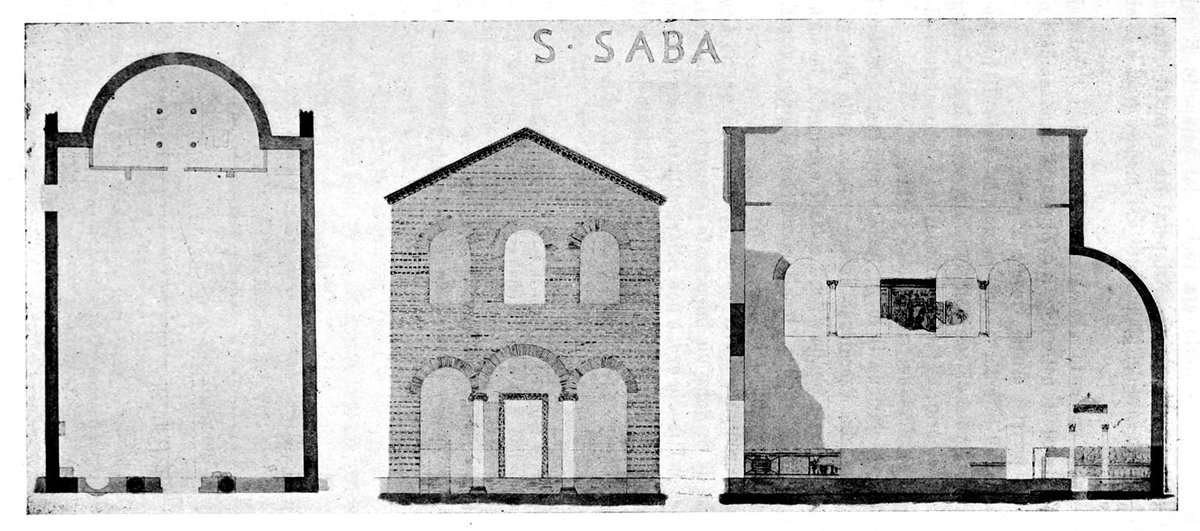
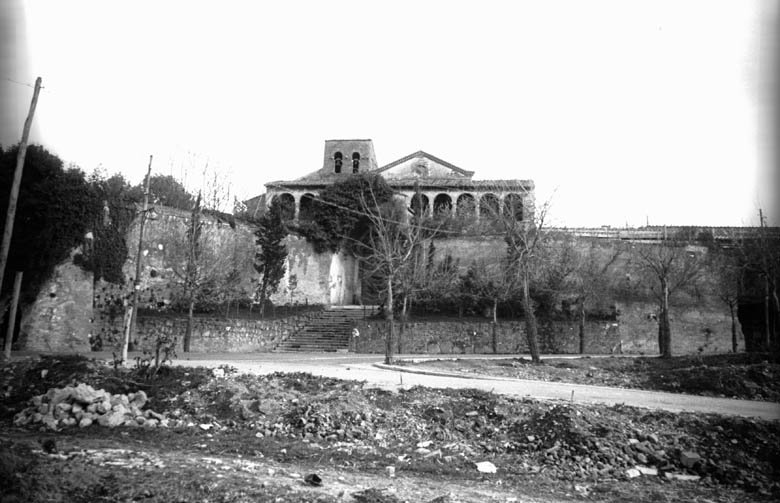
San Saba’s history begins in the 7th century CE, when Eastern monks, fleeing Middle Eastern invasions, established a monastic community atop the Aventine Hill. They settled at a pre-existing church dedicated to St. Silvia, mother of Pope Gregory the Great. Over time, this community evolved into a prominent medieval monastery, shaping the spiritual and cultural landscape of the area (sabahome.it; aleteia.org; saturdaysinrome.com).
Architectural Evolution
Medieval and Cosmatesque Features
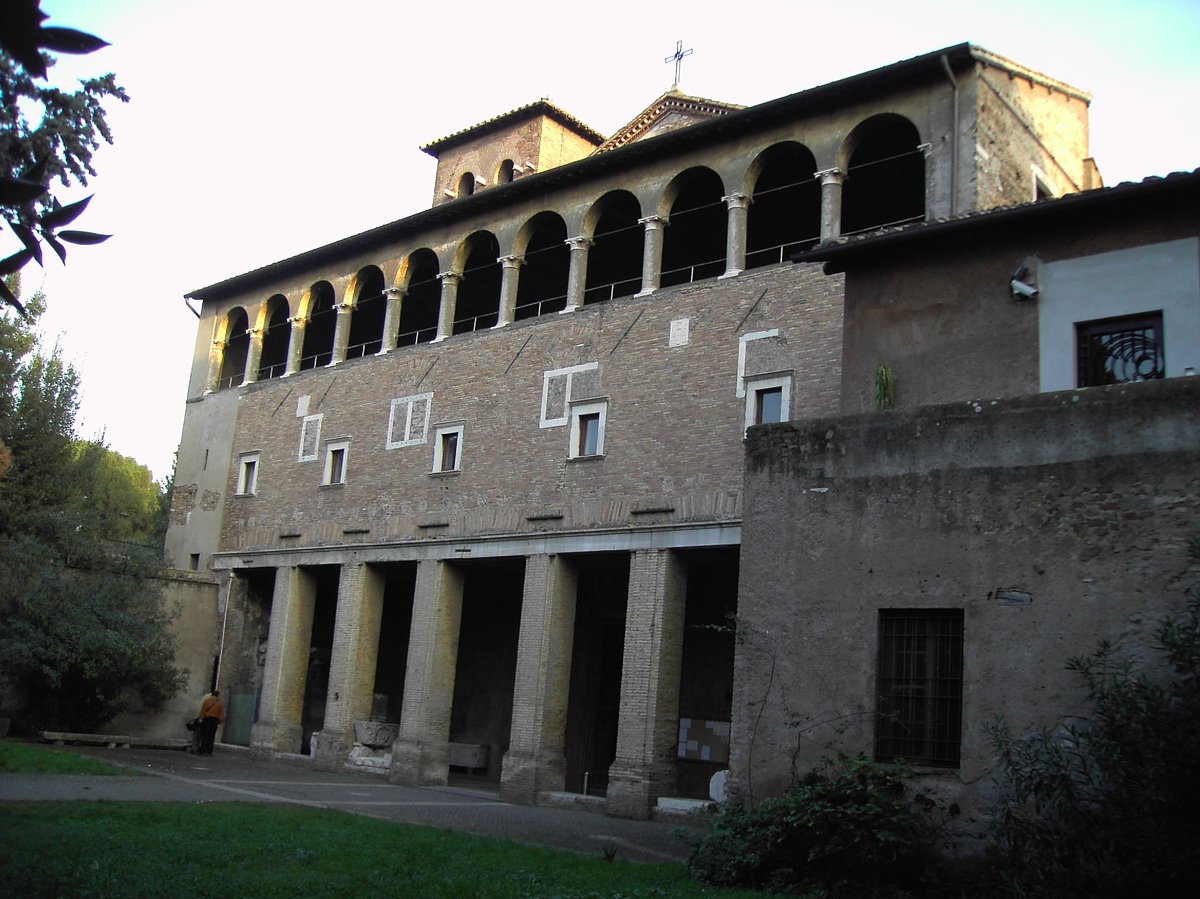
By the 11th century, the basilica took on its Romanesque form, incorporating ancient Roman architectural fragments (spolia) and introducing Cosmatesque marble inlays—an intricate decorative style by the Cosmati and Vassalletto families. These elements, along with medieval frescoes, lend San Saba its distinctive artistic identity (romesdetails.com).
Modern Restorations
Significant restorations in the 20th century preserved the basilica’s medieval character while safeguarding its structural integrity. The crypt, believed to house the oratory of St. Silvia, and the sacristy’s rare 8th-century fresco fragments, contribute further to the site’s layered history (aroundrome.it; wikipedia).
Visiting San Saba: Practical Information
Visiting Hours & Tickets
- Basilica di San Saba
- Monday–Saturday: 9:00 AM – 12:30 PM & 4:00 PM – 6:00 PM
- Sundays & Holidays: 9:00 AM – 12:30 PM
- Check ahead for changes during religious events or holidays.
- Admission: Free (donations welcomed).
Accessibility
- The main areas of the basilica are accessible to visitors with reduced mobility; however, some ancient sections (notably the crypt) may have limited accessibility due to steps and uneven ground.
- Assistance is available upon request.
Guided Tours & Special Events
- Guided tours are offered by local operators and often include San Saba in medieval Rome itineraries. These provide historical context and sometimes access to restricted areas.
- Special events—such as concerts, educational programs, and liturgical celebrations—are occasionally held, especially during Jubilee years (italia.it).
Highlights and Photo Spots
- Cosmatesque Marble Floors: Stunning geometric mosaics by the Cosmati and Vassalletto families.
- Medieval Frescoes: Surviving fragments in the apse and sacristy, some among the oldest Western paintings using lapis lazuli blue.
- The Crypt: Preserves relics of St. Sabas and the oratory of St. Silvia.
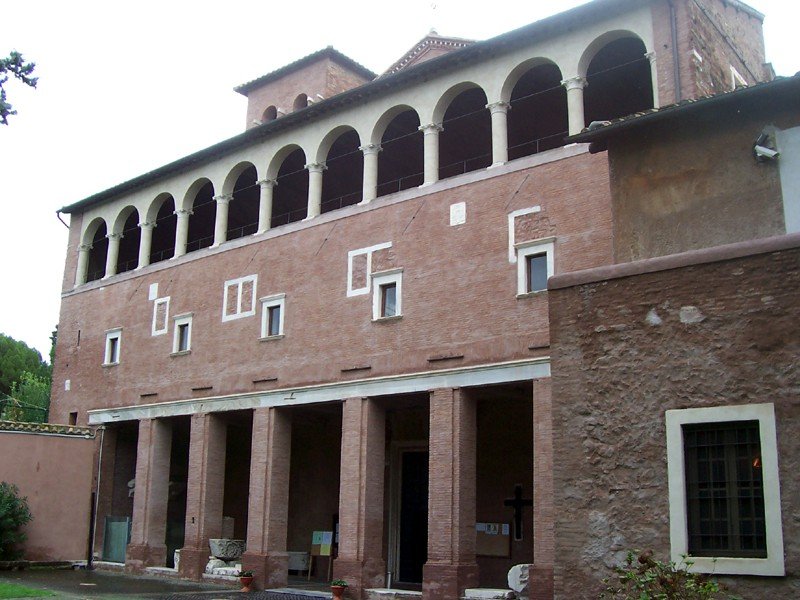
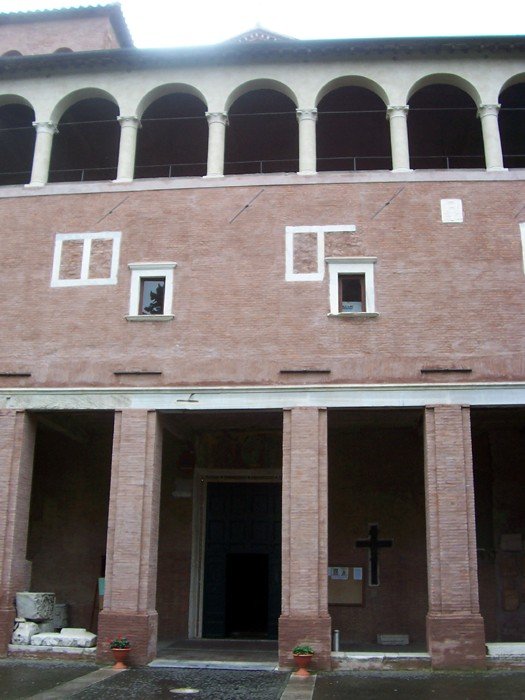
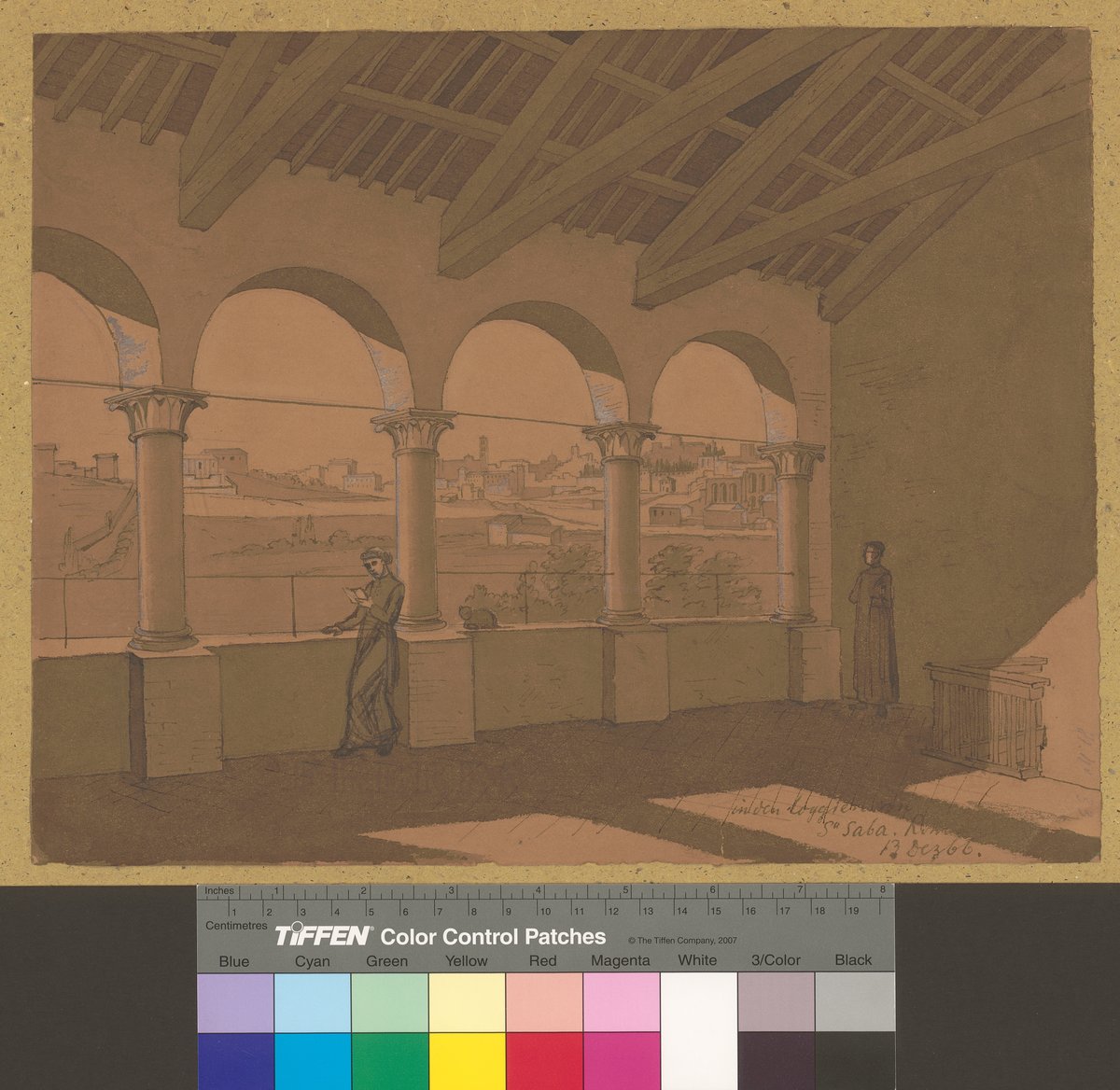
- Facade and Portico: Blend of Romanesque and later architectural elements.
- Neighborhood Views: The 20th-century “garden city” streetscape and leafy piazzas.
These features provide ample opportunities for photography and quiet contemplation.
Nearby Attractions
- Baths of Caracalla: Majestic Roman baths, a short walk away, open daily (ticketed entry).
- Circus Maximus: Ancient chariot-racing stadium, south of the Aventine.
- Giardino degli Aranci (Orange Garden): Scenic public park with panoramic city views (Visit Italy).
- Santa Sabina and Santa Prisca: Early Christian basilicas nearby.
Religious and Cultural Significance
San Saba’s monastic complex was a center of Christian learning, diplomacy, and pilgrimage throughout the Middle Ages. Its strategic position facilitated ecclesiastical relations between Rome, Constantinople, and beyond, while its relics and liturgical traditions attracted pilgrims from across Christendom (aroundrome.it). Today, the basilica is entrusted to the Society of Jesus and remains an active parish with a vibrant community role.
Transformation of the District
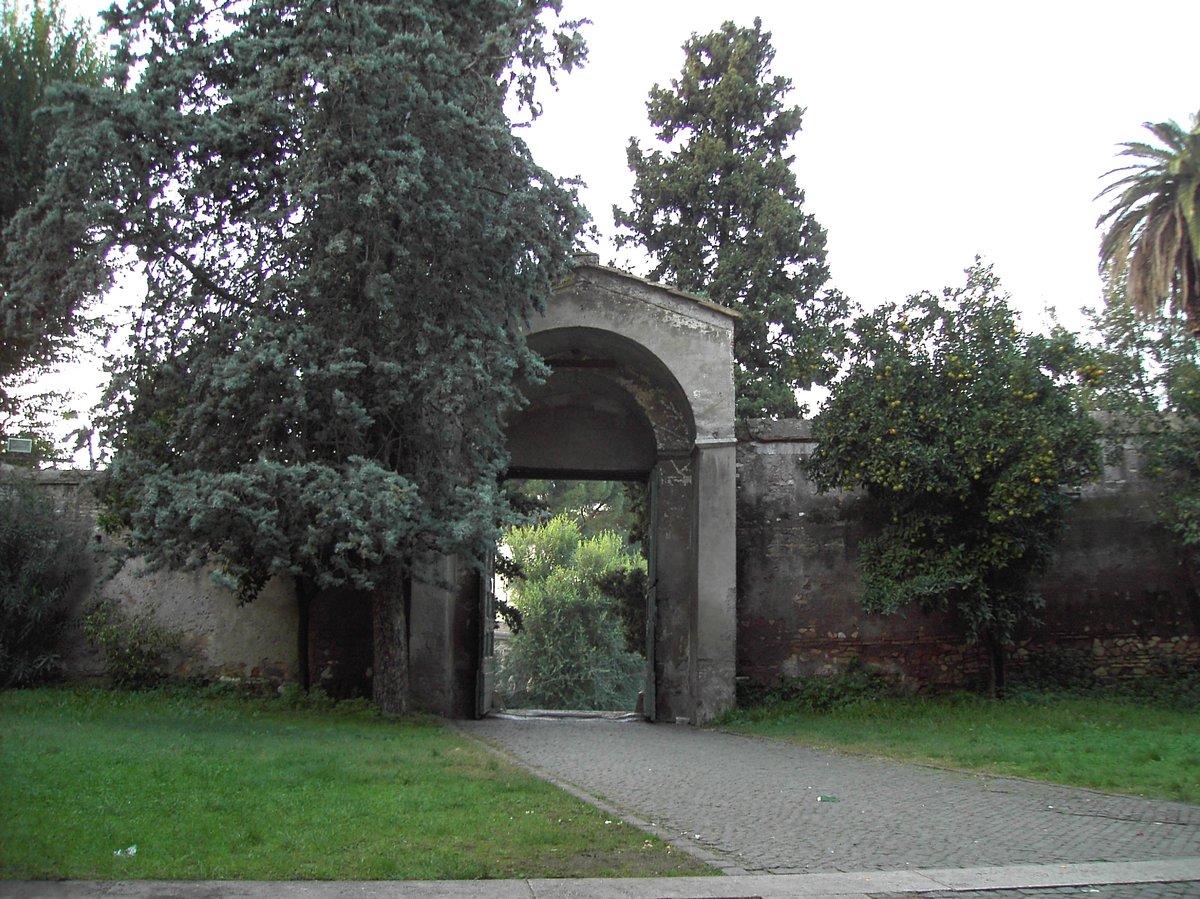
Originally a semi-rural enclave within the Aurelian Walls, the San Saba district developed into a distinct neighborhood in the early 20th century, known as Rione San Saba. The area is characterized by its tranquil, “village-like” atmosphere, low-rise garden city architecture, and proximity to major Roman monuments (civilisable.com).
Local Life, Dining, and Experiences
Dining and Aperitivo
- Il Pane di San Saba: Popular for bakery goods and aperitivo in a cozy courtyard (Il Pane di San Saba).
- Piatto Romano (Testaccio): Celebrated for classic Roman cuisine (Piatto Romano).
Aperitivo is a local tradition, with evening drinks and snacks enjoyed al fresco.
Markets and Community
- Testaccio Market: Nearby, offering fresh produce and authentic Roman street food (Visit Italy).
- Local Festivals: The feast day of Saint Sabbas (December 5) features processions and community events.
Practical Tips
- Dress modestly for church visits.
- Respect local customs and the afternoon “riposo” (rest time).
- Use public transport (Metro Line B to Piramide or Circo Massimo stations; local buses) or walk to explore the area (Full Suitcase).
Frequently Asked Questions (FAQs)
Q: What are the visiting hours for San Saba Basilica?
A: Monday–Saturday: 9:00 AM–12:30 PM & 4:00 PM–6:00 PM; Sunday and holidays: 9:00 AM–12:30 PM. Hours may vary on religious holidays.
Q: Is there an entry fee?
A: No, admission is free; donations are appreciated.
Q: Are guided tours available?
A: Yes, through local operators and occasionally by arrangement with the parish.
Q: How accessible is San Saba for visitors with mobility issues?
A: Main areas are accessible, but some ancient parts may present challenges.
Q: What else should I see nearby?
A: Baths of Caracalla, Giardino degli Aranci, Santa Sabina, and Testaccio Market.
Discover More
San Saba offers a serene, authentic experience of Rome, where centuries-old history meets vibrant local life. Whether you’re drawn by its medieval art, monastic heritage, or peaceful streets, San Saba is an ideal destination for travelers seeking to discover the city’s hidden gems.
For up-to-date visiting hours, events, and guided tour bookings, download the Audiala app and follow us on social media. Embrace responsible tourism practices to help preserve San Saba’s unique legacy for future generations.
Listen to the full story in the app
The whole San Saba, Rome,
told well.
Audio guides for 1,100+ cities across 96 countries. History, stories, and local insight — offline ready.
Verified, and shown.
Researched and written by the Audiala editorial team from historical records, architectural archives, and local expertise.
Researched from Wikidata, Wikipedia & official sources · fact-checked · How we make our guides →