Plan and listen to San Giacomo In Augusta with Audiala.
Audio guide in your pocket, itinerary in your browser. Built for the way you actually visit.
Introduction
San Giacomo in Augusta—also known as San Giacomo degli Incurabili—is a distinguished church in Rome, renowned for its striking blend of religious, charitable, and artistic traditions. Located near the Mausoleum of Augustus on Via del Corso, this site is both an architectural gem and a living testament to centuries of faith and community care. With origins as a medieval hospital chapel and a transformation into a Baroque masterpiece, San Giacomo in Augusta invites visitors to experience Rome’s multifaceted heritage. This in-depth guide covers the church’s history, architectural highlights, visiting hours, ticket information, accessibility, and nearby attractions, ensuring a memorable and informed visit. For the latest details, consult the Parish Website and the Rome Tourism Portal.
- Historical Overview
- Architectural and Artistic Highlights
- Visiting Information
- Nearby Attractions
- Frequently Asked Questions (FAQ)
- Visual and Media Recommendations
- Conclusion
- References


Origins and Early Development
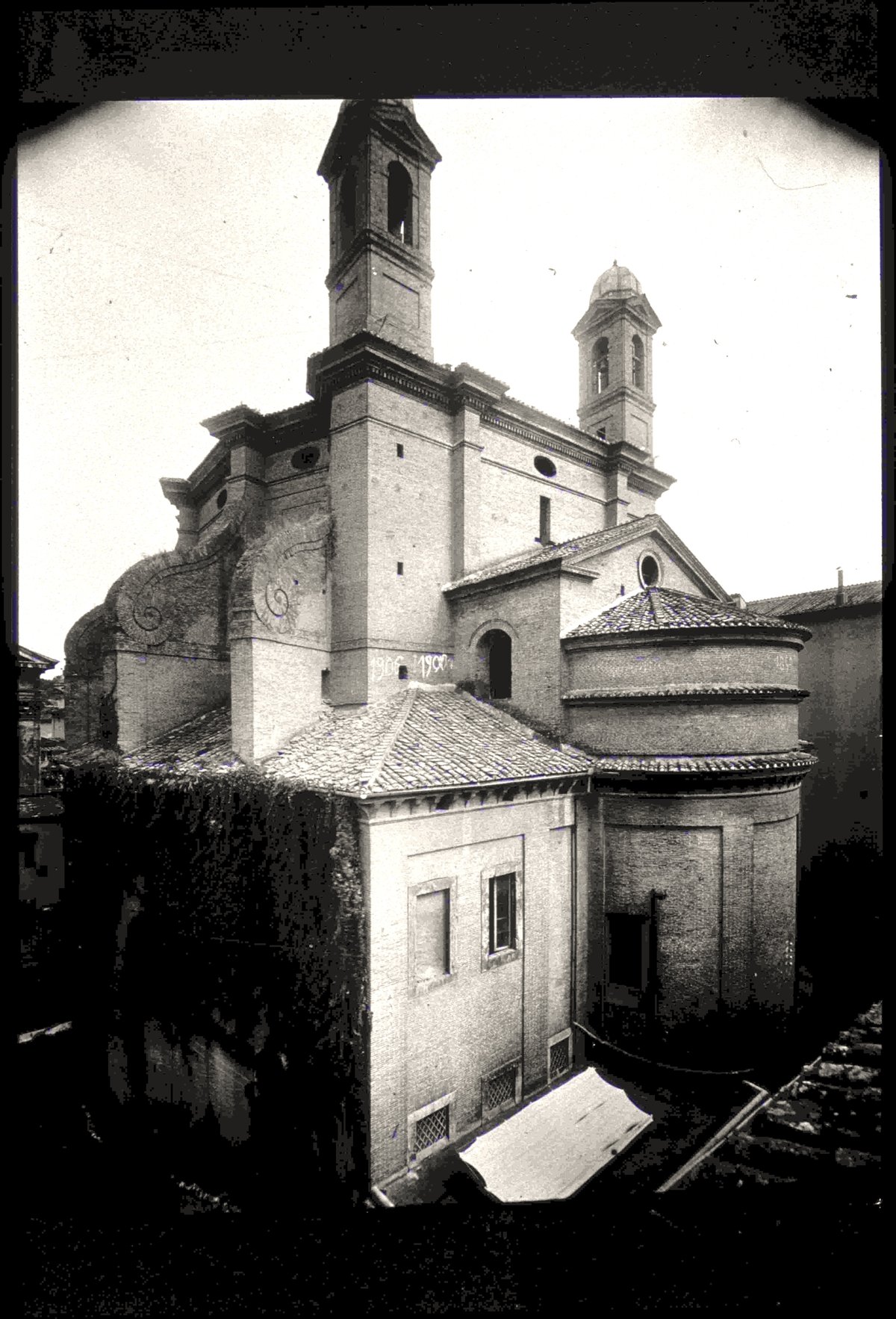
San Giacomo in Augusta’s foundation dates back to 1339, when Cardinal Pietro Colonna established a modest chapel and hospital dedicated to caring for poor and sick pilgrims in medieval Rome (Rome Art Lover). The hospital, later called Ospedale di San Giacomo degli Incurabili, gained a reputation for treating those suffering from incurable diseases, especially at a time when other hospitals often turned such patients away. Its position near the Mausoleum of Augustus gave rise to the “in Augusta” designation.
Renaissance and Baroque Transformation
In the late 16th century, under Cardinal Antonio Maria Salviati’s patronage, the church underwent a comprehensive rebuilding. Architects Francesco Capriani da Volterra and, later, Carlo Maderno, introduced a pioneering elliptical plan and distinctive Baroque style. Construction began in 1592 and concluded around 1600–1602, resulting in a church that exemplifies the transition from Renaissance harmony to Baroque dynamism (Sacred Destinations).
Social and Religious Role
San Giacomo in Augusta was integrally linked to the adjacent hospital, reflecting the Catholic Church’s mission of charity, especially during the Counter-Reformation era. The church also holds a special place in the history of the Camillians, as St. Camillus de Lellis served as hospital director here. Its dedication to Saint James the Greater (San Giacomo Maggiore), patron of pilgrims, cemented its status as a spiritual and charitable landmark (Turismo Roma).
Architectural and Artistic Highlights
Exterior and Façade
The church’s façade, attributed to Francesco da Volterra and completed by Carlo Maderno, masterfully blends late Renaissance rigor with Baroque movement. The lower level features a grand portal flanked by Corinthian columns, while the upper section boasts a balcony, shell-shaped niche, and broken pediment. Two bell towers emphasize the church’s verticality, anchoring it visually along Via del Corso (rome-roma.net).
Elliptical Plan and Dome
San Giacomo in Augusta’s elliptical floor plan was innovative for its time, creating an intimate yet expansive interior inspired by Rome’s Pantheon. The central dome, adorned with Silverio Capparoni’s “Glory of Saint James,” bathes the space in light, enhancing both the spiritual and architectural experience.
Interior Decoration and Artworks
Inside, the church’s single nave and side chapels showcase a wealth of Baroque artistry. Notable features include:
- The main altar by Carlo Maderno, incorporating marble from the Mausoleum of Augustus.
- The altarpiece by Francesco Grandi, depicting the Holy Trinity.
- Frescoes by artists such as Giovanni Lanfranco, Domenichino, and Pierre Le Gros the Younger, celebrating themes of mercy, healing, and pilgrimage (Art and Theology; Web Gallery of Art).
- Six chapels, each featuring artworks from the 15th to 18th centuries.
Relationship with the Urban Context
San Giacomo in Augusta’s proximity to the Mausoleum of Augustus and location on Via del Corso connect it to Rome’s ancient, medieval, and modern narratives. The church’s façade invites passersby, while its role in processions and religious festivals, such as the annual Feste Musicali Jacopee (July 24–25), reinforces its importance in the community (Turismo Roma).
Restoration and Preservation
Throughout its history, restoration efforts have maintained the church’s structural and artistic integrity, particularly after damage during the 1849 Roman Republic and the closure of the hospital in 2008. Recent campaigns have focused on façade cleaning, fresco and stucco conservation, and modern climate control (Turismo Roma).
Visiting Information
Location and How to Get There
- Address: Via del Corso 499, 00186 Rome, Italy
- Metro: Spagna (Line A), Flaminio (Line A)
- Bus: Lines 60, 64, 492, and others serve Via del Corso
Due to ZTL (limited traffic zone) restrictions, public transport or walking is recommended (rome-roma.net).
Opening Hours
- Monday–Saturday: 9:00 AM – 6:00 PM
- Sunday: 9:00 AM – 1:00 PM
Note: Hours may change during religious celebrations or special events. Always check the Parish Website or Rome Tourism Portal for updates.
Tickets and Admission
- Admission: Free (donations encouraged)
- Guided Tours: Available through local operators or by arrangement with the parish. Tour fees may apply.
Accessibility
- Wheelchair Access: Ramps at the main entrance; some chapels may have limited access due to historic features.
- Facilities: No dedicated visitor restrooms or gift shops; plan accordingly.
Visitor Tips
- Dress modestly and remain quiet, especially during services.
- Non-flash photography is allowed; tripods are not permitted.
- Consider visiting during early mornings or late afternoons for a peaceful experience.
- Check for special concerts or events, such as the Feste Musicali Jacopee.
Nearby Attractions
- Piazza del Popolo: Iconic square just north of the church.
- Mausoleum of Augustus: Ancient Roman monument nearby.
- Ara Pacis: Celebrated altar of peace within walking distance.
- Spanish Steps: A short stroll away.
- Via del Corso: Rome’s central shopping and cultural avenue.
These sites can be combined into a rewarding walking itinerary through Rome’s historic center.
Frequently Asked Questions (FAQ)
Q: Is there an entry fee?
A: No, entrance is free. Donations are welcome.
Q: What are the official visiting hours?
A: Monday–Saturday: 9:00 AM–6:00 PM; Sunday: 9:00 AM–1:00 PM. Confirm online before your visit.
Q: Are guided tours available?
A: Yes, through local operators or by arrangement with the parish.
Q: Is the church accessible for people with disabilities?
A: Yes, the main entrance is accessible; check in advance for specific needs.
Q: Can I attend Mass or special events?
A: Yes, regular Masses and special concerts are held. Check the parish calendar.
Visual and Media Recommendations
- Official Parish Website: For images, virtual tours, and event updates (Parish Website)
- Rome Tourism Portal: Interactive maps and media galleries (Turismo Roma)
- Virtual Tours: Explore via Virtual Tour of Rome Historical Churches
Listen to the full story in the app
The whole San Giacomo In Augusta,
told well.
Audio guides for 1,100+ cities across 96 countries. History, stories, and local insight — offline ready.
Verified, and shown.
Researched and written by the Audiala editorial team from historical records, architectural archives, and local expertise.
James the Greater, Art and Theology, 2019
Researched from Wikidata, Wikipedia & official sources · fact-checked · How we make our guides →