Plan and listen to Regia with Audiala.
Audio guide in your pocket, itinerary in your browser. Built for the way you actually visit.
Introduction
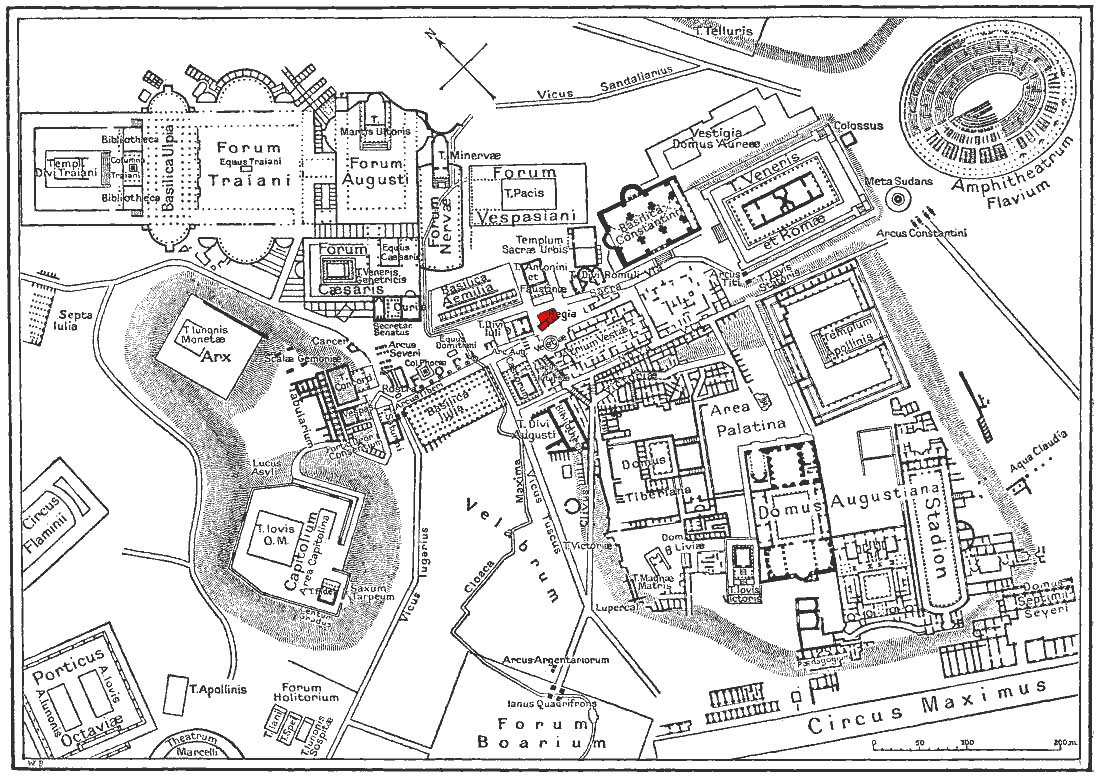
Nestled in the heart of the Roman Forum, the Regia stands as a remarkable testament to Rome’s layered political and religious history. Originally established in the 7th century BCE and attributed to King Numa Pompilius, the Regia transitioned from a royal residence to the headquarters of the Pontifex Maximus, the chief priest of ancient Rome (Wikipedia; Ancient Rome Live). Today, visitors can explore the evocative remains of this site, gaining insight into the traditions, rituals, and power structures that shaped ancient Roman civilization.
This comprehensive guide covers the Regia’s history, its cultural and religious significance, practical visitor information (including opening hours, ticketing, and accessibility), as well as travel tips, nearby attractions, and answers to frequently asked questions. Whether you are a history enthusiast, a lover of ancient architecture, or simply curious about Rome’s past, the Regia offers a unique window into one of history’s greatest civilizations.

Historical Background
Origins and Early Development
The Regia, meaning "Royal House," is one of the oldest and most symbolically significant structures in the Roman Forum. Tradition holds that it was built by Numa Pompilius, Rome’s second king, in the 7th century BCE as the monarch’s residence and administrative center (Wikipedia; Ancient Rome Live). The structure’s original form was modest, constructed with wood and mudbrick in a trapezoidal layout with a central courtyard—reflective of early Italic and Etruscan influences (Luxury Travel Diva). Its location, adjacent to the Temple of Vesta and the House of the Vestal Virgins, placed it at the epicenter of Rome’s sacred landscape (Sights.seindal.dk).
Transition to Religious Center
With the transition from monarchy to republic in the late 6th century BCE, the Regia ceased to be a royal residence and became the official headquarters of the Pontifex Maximus, the chief priest of Rome's state religion (Britannica). This transformation made the Regia a focal point for the administration of religious law, preservation of sacred records, and supervision of rituals. It housed important shrines—including those to Mars and Ops—and contained sacred objects such as the ancilia (shields of Mars) and other ritual implements (World History Encyclopedia).
Architectural Evolution and Restorations
Throughout its history, the Regia underwent several reconstructions, often following destructive fires:
- 148 BCE: The Regia was severely damaged by fire and subsequently restored (Ancient Rome Live).
- 36 BCE: Gnaeus Domitius Calvinus rebuilt the Regia in marble, giving it a more monumental appearance and reaffirming its ceremonial importance.
- Imperial Period: The structure received further embellishments, including marble facing under Augustus, and survived the fire of Nero in 64 CE, though possibly damaged again under Commodus.
The final layout consisted of an irregular courtyard paved in tuff, a wooden portico, and three main rooms for official business and religious functions (Wikipedia).
Late Republic and Imperial Period
During the late Republic, the Regia’s influence grew as the seat of the Pontifex Maximus. Julius Caesar held the office and performed his religious duties at the Regia. With the advent of the Empire, the role of Pontifex Maximus was assumed by the emperors, and while the Regia’s administrative importance declined, its symbolic significance endured (History Hit).
Decline and Rediscovery
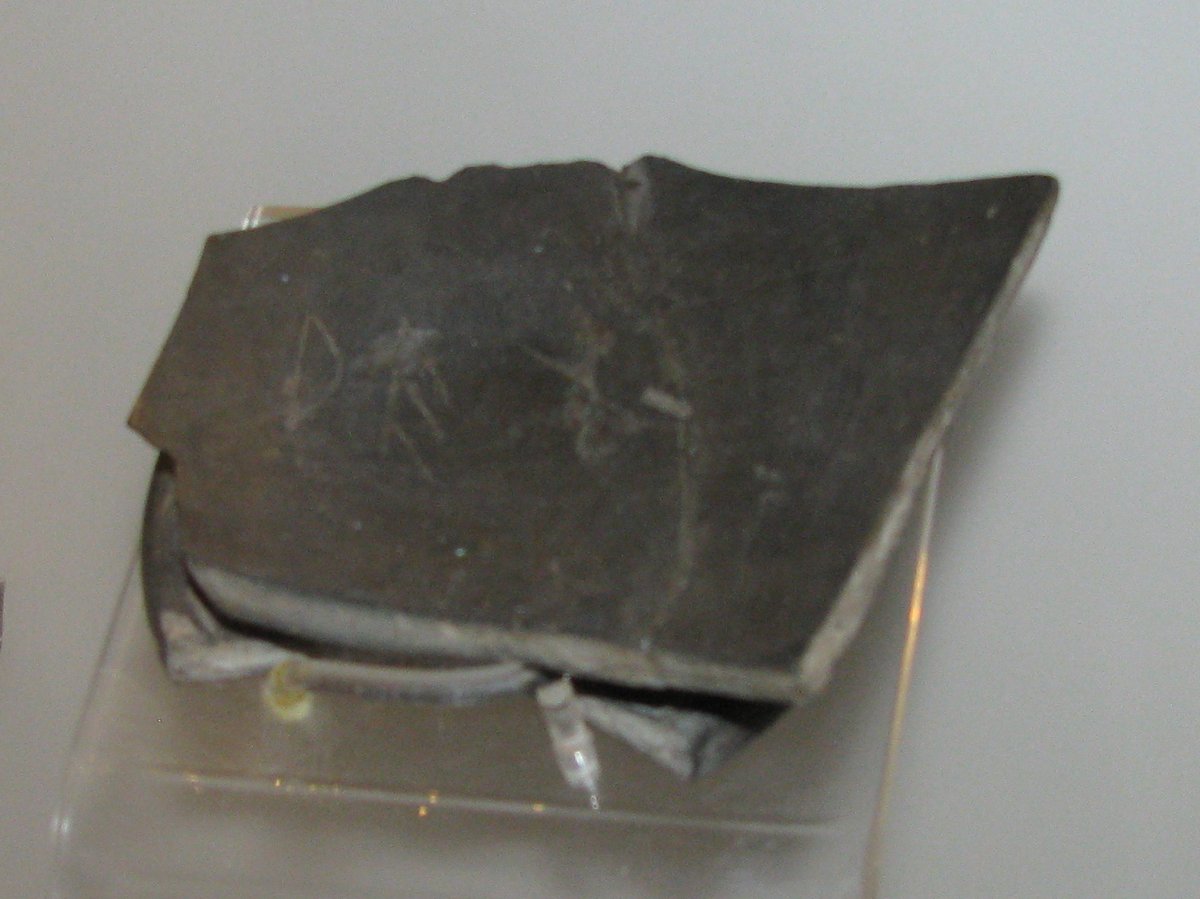
Following the collapse of the Roman Empire, the Regia fell into ruin and was gradually buried. Rediscovered during Renaissance excavations and systematically studied in the late 19th and 20th centuries, archaeologists uncovered its foundations, marble fragments, and votive offerings, providing valuable insight into Rome’s religious and civic life (Luxury Travel Diva).
Archaeological and Cultural Significance
Though only its foundations and partial walls remain today, the Regia is a powerful reminder of the central role that religion and politics played in the formation of Roman identity. Its location and preserved features allow visitors to imagine the rituals, ceremonies, and administrative functions that once took place here (Ancient Rome Live).
Visitor Information
Visiting Hours
The Regia is located within the Roman Forum, which is open daily. Typical hours:
- Opening: 8:30 AM
- Closing: One hour before sunset (varies by season; in summer, closing is as late as 7:15 PM, and in winter, as early as 4:30 PM)
- Last Entry: Usually one hour before closing
Always check the official Parco Archeologico del Colosseo website for the most current information.
Tickets and Entry
- Tickets: Entry to the Regia is included with the standard Roman Forum and Palatine Hill ticket, which is typically bundled with Colosseum access.
- Price (2025): €12 for adults, €7.50 for EU citizens aged 18–25, and free for visitors under 18 or with disabilities (plus one assistant) (help-tourists-in-rome.com).
- Validity: Tickets are valid for two consecutive days.
- Where to Buy: Online in advance is strongly recommended, especially during the 2025 Jubilee (Untold Italy).
- Entrances:
- Via Sacra (opposite the Colosseum): closest to the Regia, but busiest.
- Via di San Gregorio (Palatine Hill): less crowded.
- Campidoglio Entrance: offers panoramic views (nomadepicureans.com).
The Regia itself is not open for interior visits due to preservation efforts, but its remains can be viewed from designated paths.
Accessibility
The Roman Forum, including the Regia, features uneven terrain and steps. Some areas are challenging for wheelchair users, but marked accessible routes and staff assistance are available. Entry is free for visitors with disabilities and one companion (help-tourists-in-rome.com).
Best Times to Visit
- Early morning or late afternoon for cooler temperatures and fewer crowds.
- Spring (April–June) and autumn (September–October) offer the most comfortable climate.
- Avoid peak midday heat in summer and major religious holidays during Jubilee Year 2025 (Untold Italy).
Nearby Attractions
- Temple of Vesta
- House of the Vestal Virgins
- Arch of Titus
- Palatine Hill
- Colosseum (accessible with the same ticket)
- Basilica San Clemente and Circo Massimo Experience are within walking distance (rome.info).
Visitor Tips
- Footwear: Wear sturdy, comfortable shoes for uneven surfaces.
- Hydration: Bring a refillable water bottle; public fountains are available outside the Forum.
- Sun Protection: Hat, sunglasses, and sunscreen are essential in summer.
- No food or cafes inside: Eat beforehand; snacks are permitted but picnicking near monuments is not.
- Backpacks: Large bags may be subject to security checks or restricted.
- Photography: Allowed, but drones are prohibited.
- Guidebooks or apps: Use the free Parco Colosseo app for self-guided tours and site information (mamalovesrome.com).
Special Considerations: Jubilee Year 2025
The Jubilee Year is expected to draw millions of additional visitors to Rome. Plan ahead:
- Book tickets and accommodations early.
- Allow for longer security checks and wait times.
- Consult the official Jubilee calendar for events and possible site closures (rome-tourism.org).
Etiquette and Preservation
- Respect barriers and signage.
- Do not touch or climb on ruins.
- Refrain from removing stones or artifacts.
- Keep noise to a minimum as the Forum is an archaeological and historical site.
Frequently Asked Questions (FAQ)
Q: What are the Regia's visiting hours?
A: The Roman Forum, including the Regia, is open daily from 8:30 AM until one hour before sunset. Hours change seasonally; check official sources before visiting.
Q: Is the Regia included with the Roman Forum/Colosseum ticket?
A: Yes, access to the Regia is included in the standard combined ticket.
Q: Can I enter inside the Regia ruins?
A: No, only the exterior remains and foundations are accessible for viewing.
Q: Is the Regia wheelchair accessible?
A: Some accessible routes exist, but terrain is uneven; assistance is available at entrances.
Q: Are guided tours available?
A: Yes, many guided tours of the Roman Forum include the Regia.
Q: When is the best time to visit to avoid crowds?
A: Early mornings or late afternoons on weekdays, outside peak tourist seasons.
Summary and Recommendations
The Regia encapsulates the enduring legacy of Rome’s political and religious power structures—from its origins as a royal residence to its pivotal role as the headquarters of the Pontifex Maximus (History Hit; Ancienthistorylists.com). Although only foundations remain, the site’s historical resonance is profound, offering visitors a glimpse into the rituals, ceremonies, and governance that shaped Roman society.
To maximize your visit:
- Book tickets in advance, especially during Jubilee Year 2025 (Untold Italy).
- Utilize audio guides or join a guided tour for deeper context.
- Combine your Regia visit with nearby attractions within the Forum and Palatine Hill.
For up-to-date information, immersive audio guides, and curated tours, download the Parco Colosseo App and follow official Rome tourism channels (Parco Archeologico del Colosseo).
Listen to the full story in the app
The whole Regia,
told well.
Audio guides for 1,100+ cities across 96 countries. History, stories, and local insight — offline ready.
Verified, and shown.
Researched and written by the Audiala editorial team from historical records, architectural archives, and local expertise.
Researched from Wikidata, Wikipedia & official sources · fact-checked · How we make our guides →