Plan and listen to Portonaccio with Audiala.
Audio guide in your pocket, itinerary in your browser. Built for the way you actually visit.
Introduction to Portonaccio: A Gem of Ancient Etruria and Rome
Portonaccio, situated near Rome, Italy, is an extraordinary archaeological destination, providing profound insights into the ancient Etruscan and Roman civilizations. The area is best known for the Portonaccio Sanctuary—one of the oldest and most important Etruscan religious sites—dating back to the 7th century BCE, notable for its monumental Temple of Apollo and exceptional terracotta sculptures, including the famed Apollo of Veii. The site reveals the religious, artistic, and architectural achievements of the Etruscans and illustrates how their culture influenced Roman society (Museo Etrusco).
Equally renowned is the Portonaccio Sarcophagus, a Roman funerary masterpiece from around 180 CE, now displayed at the National Roman Museum at Palazzo Massimo alle Terme. This sarcophagus depicts the Marcomannic Wars in vivid high-relief, offering a window into the art and ideology of the Roman Empire during the Antonine era (Wikipedia; More Rome).
Together, the sanctuary and sarcophagus offer a unique perspective on the evolution of religious and political expression from Etruscan through Roman times. This guide presents the essential history, cultural significance, practical visitor information, and travel tips to help you make the most of your visit to Portonaccio and its associated museums (World History Encyclopedia; Rome Travel Tips).

1. Discovering Portonaccio Sanctuary—A Window into Etruscan History
Origins and Early Development
The Portonaccio Sanctuary's origins reach back to the 7th century BCE, making it one of the earliest monumental religious centers in the region (Museo Etrusco). Located near the Mola di Isola Farnese within Veio Regional Park, the sanctuary was deeply connected to both the natural setting and the thriving urban center of ancient Veii. Early sanctuaries featured sacred altars for deities like Menerva (Minerva) and Apollo, reflecting spiritual traditions that eventually merged into Roman religious practices.
Architectural Features and Layout
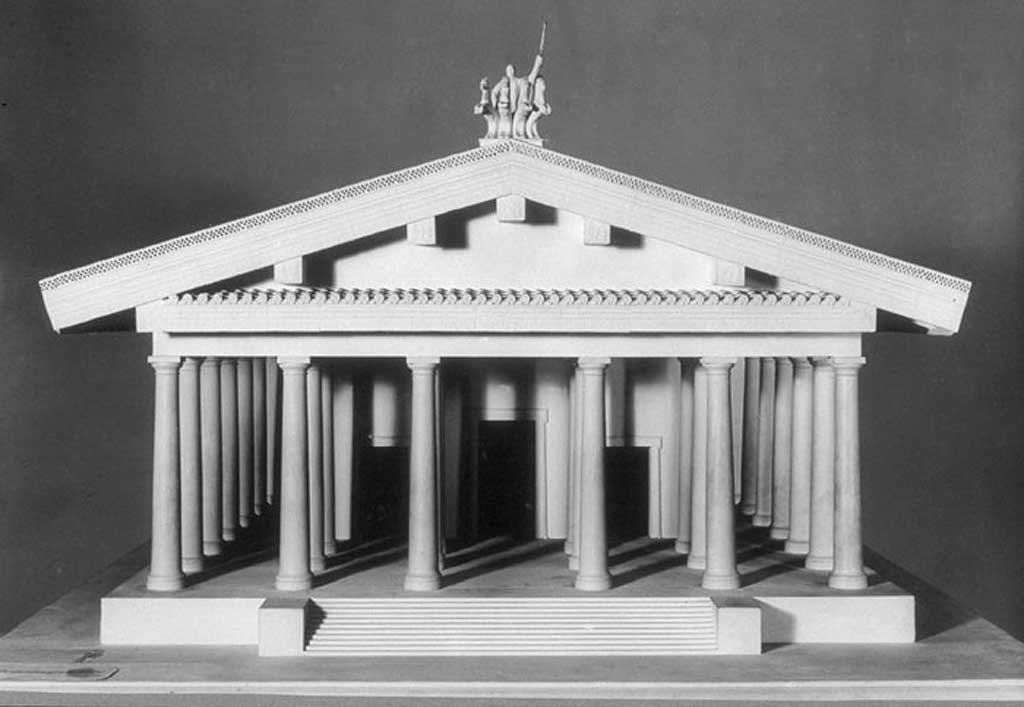
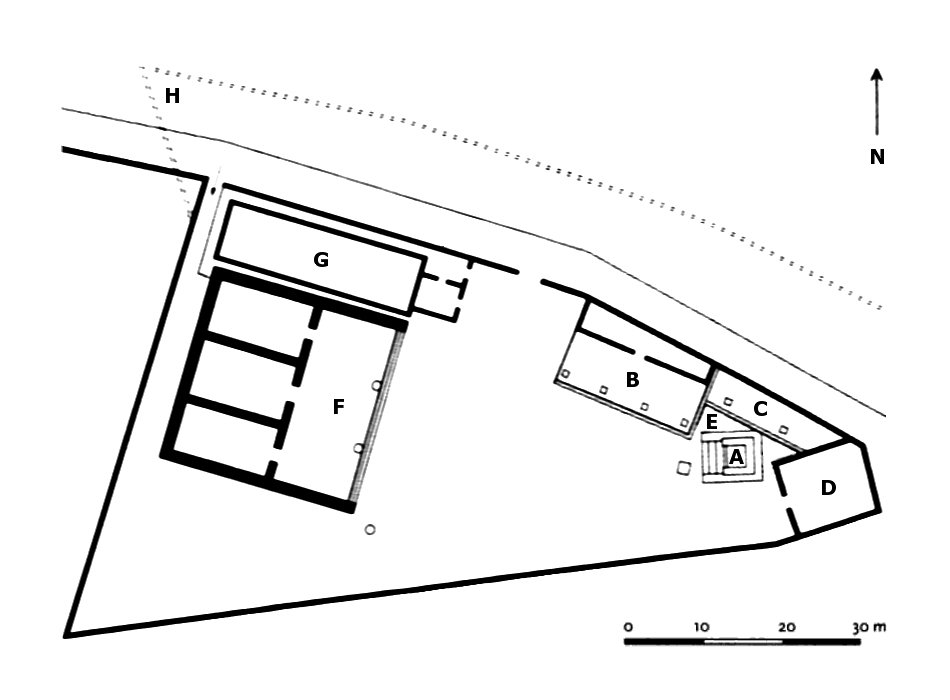
The sanctuary consists of two main sectors: an eastern area dedicated to Menerva and a western section dominated by the Temple of Apollo. This temple, dating to the late 6th century BCE, is famed for its three-celled (tripartite) design and vibrant terracotta ornamentation, a hallmark of Etruscan architectural innovation distinct from Greek temples (Smarthistory).
Terracotta Sculptures and Artistic Highlights
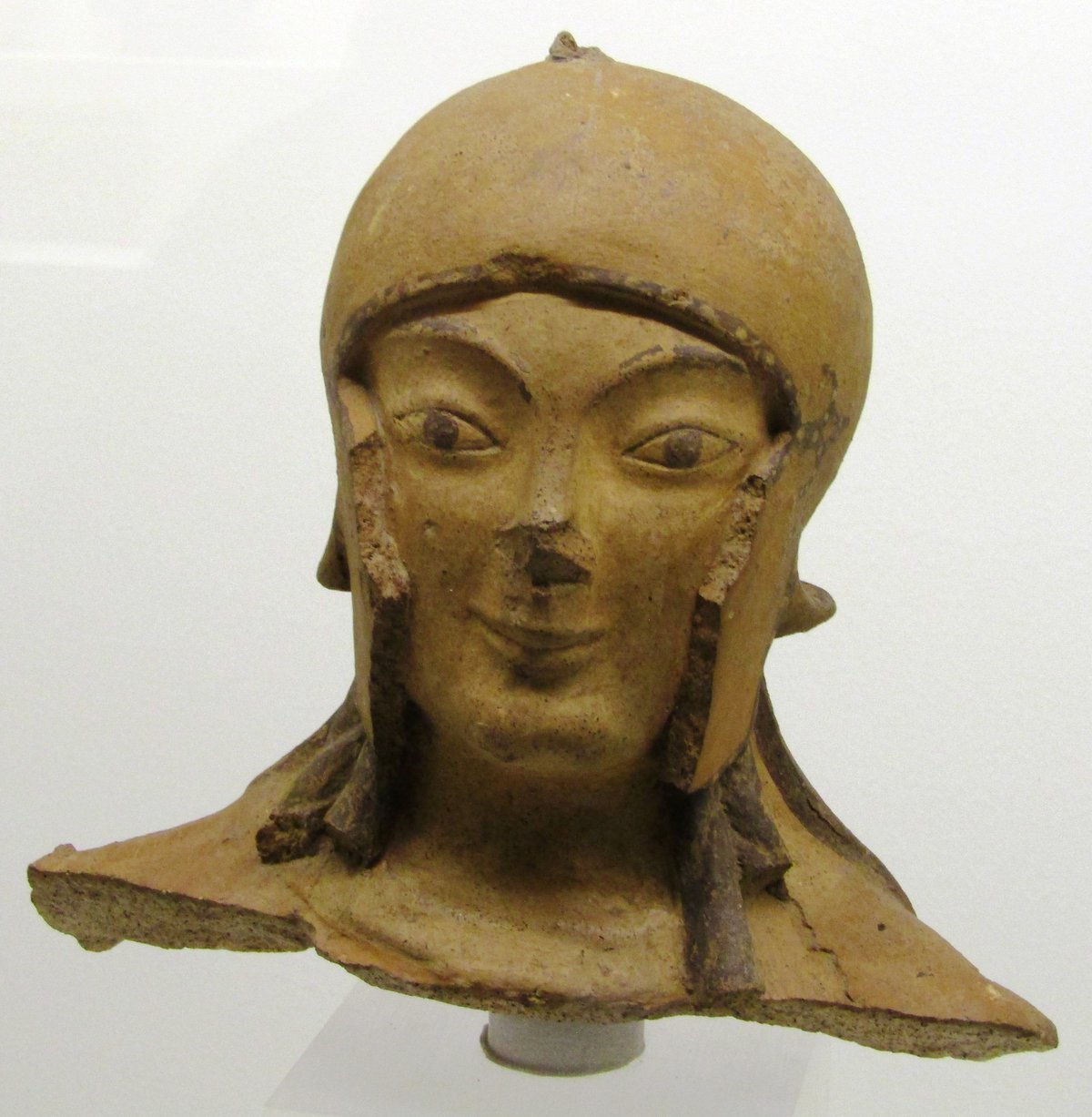
The sanctuary’s roof once displayed a remarkable array of painted terracotta sculptures—mythological figures such as Apollo, Hermes, and Heracles. The Apollo of Veii, a life-sized terracotta statue from circa 510–500 BCE, stands as a masterpiece of Etruscan art, blending Greek and Italic influences with characteristic Etruscan vitality (Smarthistory).
Religious and Cultural Importance
Portonaccio was a major pilgrimage destination, intimately linked to the city of Veii—one of Etruria’s most powerful centers. The sanctuary’s dedication to Apollo, a god adopted from Greek tradition, illustrates cultural syncretism. Its continued use after Rome’s conquest of Veii in 396 BCE demonstrates the resilience and adaptability of Etruscan traditions (Museo Etrusco).
Archaeological Discoveries and Research
Systematic excavations since 1916 have unearthed architectural fragments, inscriptions, and votive offerings. In the early 1990s, architect Ceschi reconstructed parts of the sanctuary, enhancing visitor appreciation of its scale and artistry (Museo Etrusco). The most significant finds, including the Apollo of Veii, are preserved at the National Etruscan Museum of Villa Giulia (Smarthistory).
2. The Portonaccio Sarcophagus—A Roman Masterpiece
Historical Context and Discovery
Discovered in 1931 near the Via Tiburtina in Rome’s Portonaccio district, the Portonaccio Sarcophagus dates to around 180 CE and epitomizes the grandeur of Roman funerary art from the Antonine period (Wikipedia; Corvinus.nl). Thought to have been commissioned for a high-ranking Roman military officer, possibly Aulus Julius Pompilius, it is now on display at the National Roman Museum, Palazzo Massimo alle Terme (More Rome).
Artistic Features and Iconography
The sarcophagus is celebrated for its elaborate high-relief carvings, which dramatize the chaos of battle between Roman cavalry and Germanic or Sarmatian warriors—referencing the Marcomannic Wars. The central figure, a faceless Roman general on horseback, dominates the scene, while the lower registers depict the defeated enemies, symbolizing Rome’s military power (Wikipedia; Rick and Marg's Italy).
The lid features a frieze narrating the deceased’s life: birth, education, marriage, and acts of clemency. Notably, the faces of the main figures remain unfinished, a poignant detail indicating the sarcophagus was never used for its intended owner.
Political and Cultural Messaging
Beyond its funerary function, the Portonaccio Sarcophagus asserts Roman imperial ideology—portraying military triumph as inevitable and divinely endorsed. The style is reminiscent of the Column of Marcus Aurelius, celebrating the same wars (Athens Journals).
Significance in Roman Art and Society
This sarcophagus exemplifies the dynamic, multi-planar compositions that defined “battle sarcophagi” produced in Rome between 170 and 210 CE, blending Hellenistic influences with uniquely Roman themes. Such monuments, reserved for military elites, expressed personal achievement and loyalty to the emperor (Wikipedia).
3. Visiting Information: Hours, Tickets, and Accessibility
Portonaccio Sanctuary (Veio)
- Opening Hours: Tuesday–Sunday, 9:00 AM–7:00 PM; closed Mondays and public holidays.
- Tickets: Adults €8; EU citizens (18–25) €4; children under 18 free. Purchase on-site or via the Museo Etrusco website.
- Accessibility: Designated wheelchair-accessible paths, though uneven terrain is present.
- Guided Tours: Available by request; brochures and audio guides offered.
- Getting There: Best reached by car or regional bus from Rome.
Portonaccio Sarcophagus (Palazzo Massimo alle Terme)
- Opening Hours: Tuesday–Sunday, 9:00 AM–7:45 PM; last entry 7:00 PM. Closed Mondays and select holidays (National Roman Museum).
- Tickets: Included with standard museum admission; Roma Pass accepted (Roma Pass).
- Accessibility: Full wheelchair access, elevators, accessible restrooms.
- Location: Via di Villa Peretti, 1, 00185 Rome (near Termini Station).
4. Practical Visitor Tips
Transportation
- To Portonaccio Sanctuary: Car or regional bus from Rome. For those visiting the urban Portonaccio district, metro (Tiburtina station), buses, taxis, and rideshares provide easy access (Rome Transport Guide).
- To Palazzo Massimo: Walking distance from Termini Station; accessible by metro, bus, or taxi.
Safety, Dress Code, and Etiquette
- Safety: Be vigilant for pickpockets in crowded areas.
- Dress Code: Modest clothing at religious and archaeological sites; carry a scarf for covering shoulders.
- Etiquette: Respect signage, avoid touching ruins/artifacts, and keep noise levels low.
Food, Drink, and Local Culture
- Enjoy Roman cuisine at local trattorias near both sites. Carry a reusable bottle for water from public fountains (Mama Loves Rome).
Accommodation and Budgeting
- Portonaccio Sanctuary area: Fewer hotels; consider staying near Tiburtina for more options.
- Budget Tips: Museum entries €5–10; meals €10–15; use Roma Pass for savings.
5. Events, Seasonal Highlights, and Best Visiting Times
- Best Times: Spring (April–June) and autumn (September–October) offer pleasant weather and fewer crowds. June features special events; early morning or late afternoon visits are more comfortable (Voyage Tips).
- Seasonal Events: Check for open-air concerts and museum exhibitions (Romeing Events).
6. Frequently Asked Questions (FAQ)
Q: What are Portonaccio’s visiting hours?
A: Sanctuary: Tuesday–Sunday, 9:00 AM–7:00 PM; closed Mondays/holidays. Palazzo Massimo: Tuesday–Sunday, 9:00 AM–7:45 PM.
Q: How much do tickets cost?
A: Sanctuary: Adults €8, reduced €4, children free. Palazzo Massimo: standard museum rates, Roma Pass accepted.
Q: Are guided tours available?
A: Yes, at both the sanctuary and the museum; booking in advance is recommended.
Q: How do I reach Portonaccio Sanctuary from Rome?
A: By car or regional bus; check official park websites for current routes.
Q: Is the site accessible?
A: Partially accessible; some uneven terrain. The museum is fully accessible.
Q: Where can I see the Apollo of Veii?
A: At the National Etruscan Museum, Villa Giulia (Museo Nazionale Etrusco di Villa Giulia).
Discover More
- Check Parco Archeologico di Veio and Museo Etrusco for current hours and events.
- Download the Audiala app for guided tours, updates, and insider content.
- Follow official sites and social media for the latest news and travel tips.
Listen to the full story in the app
The whole Portonaccio,
told well.
Audio guides for 1,100+ cities across 96 countries. History, stories, and local insight — offline ready.
Verified, and shown.
Researched and written by the Audiala editorial team from historical records, architectural archives, and local expertise.
Researched from Wikidata, Wikipedia & official sources · fact-checked · How we make our guides →