Plan and listen to Porta San Sebastiano with Audiala.
Audio guide in your pocket, itinerary in your browser. Built for the way you actually visit.
Introduction: Porta San Sebastiano’s Enduring Legacy
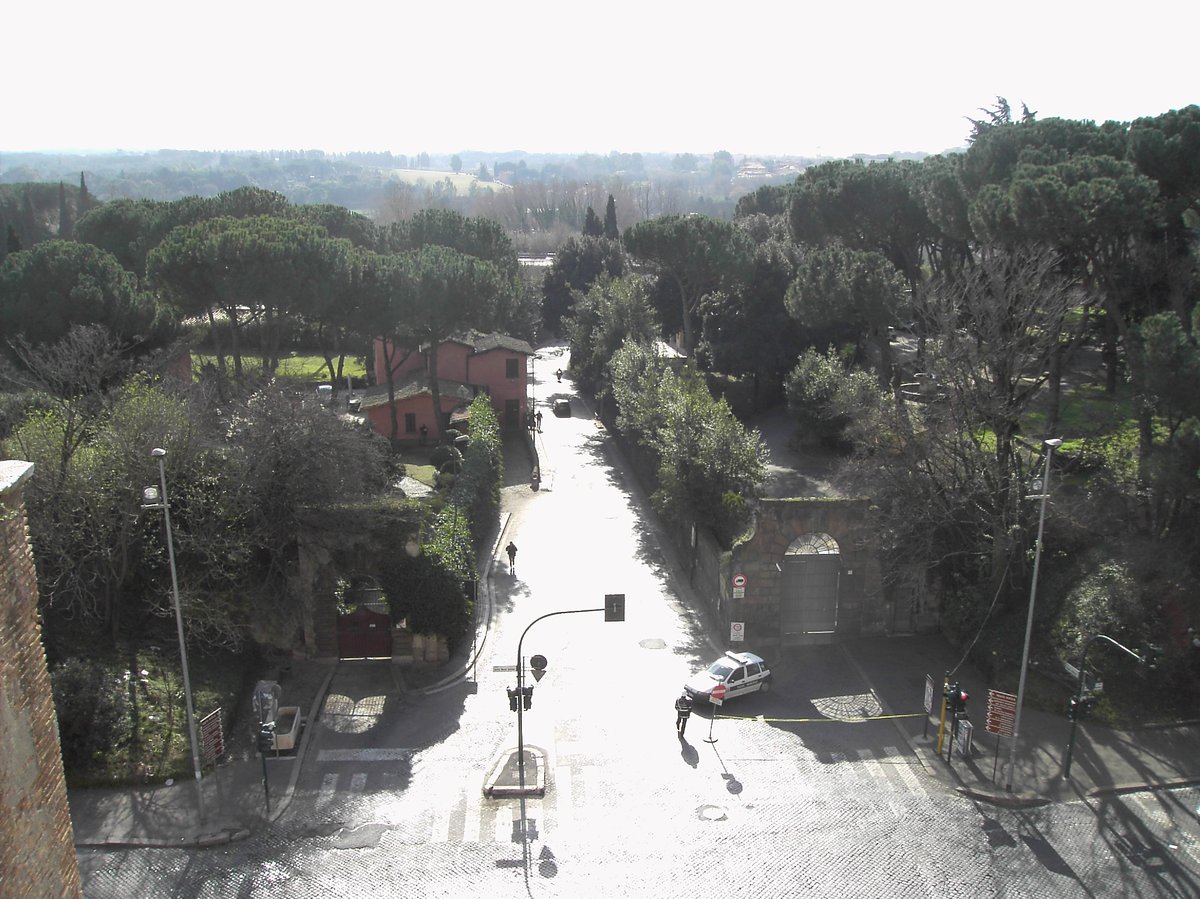
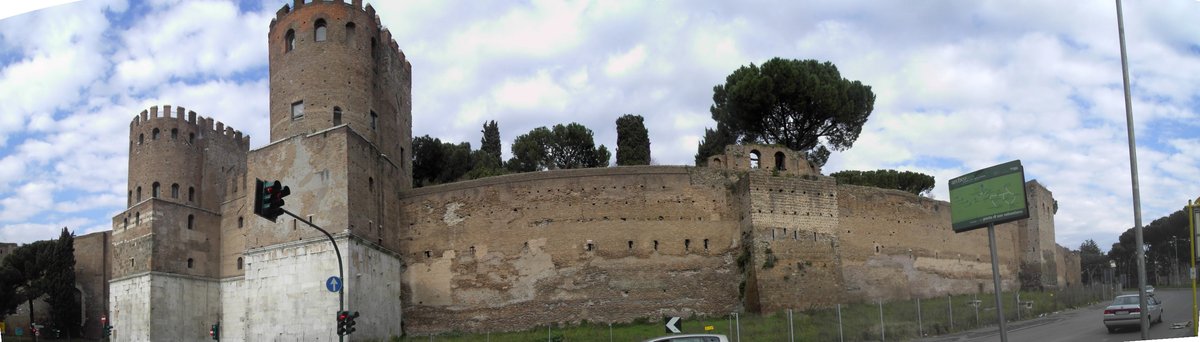
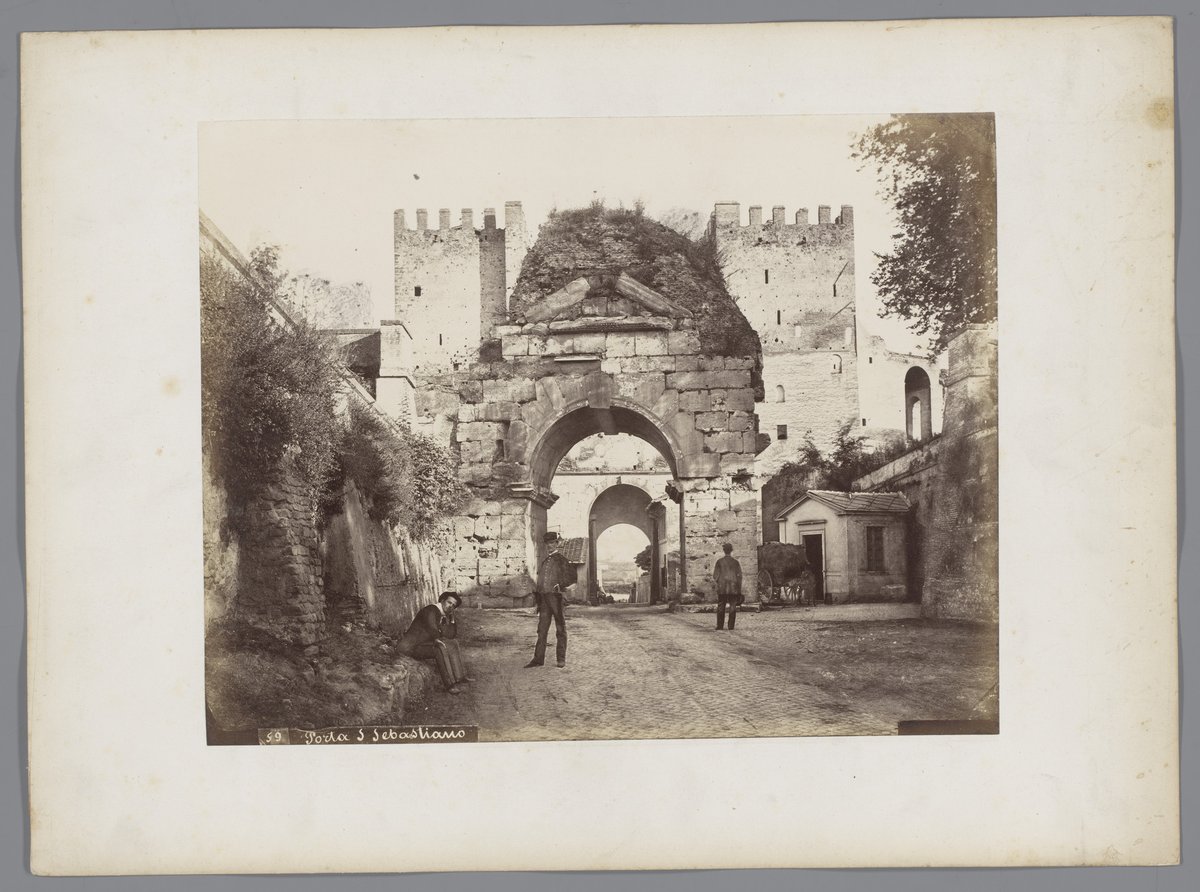
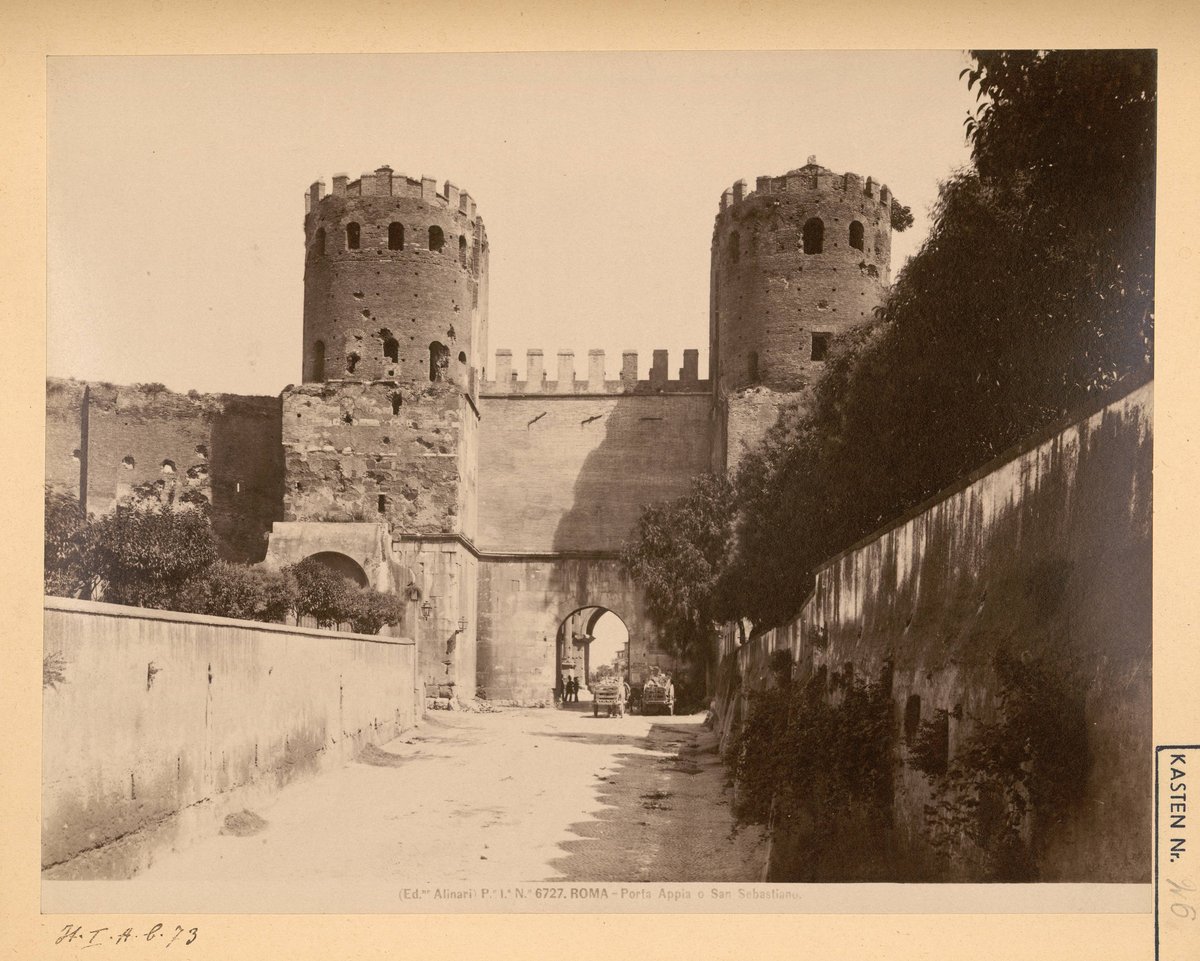
Porta San Sebastiano stands among Rome's most remarkable ancient gates, an enduring testimony to the city's layered history, military ingenuity, and evolving spiritual significance. Erected between 271 and 275 CE under Emperors Aurelian and Probus, the gate was an essential component of the Aurelian Walls, Rome’s primary defensive fortification against external threats. Strategically located along the Via Appia Antica—the legendary “queen of roads”—Porta San Sebastiano managed vital military and commercial traffic and later became a key site for Christian pilgrims due to its proximity to the Basilica and Catacombs of San Sebastiano.
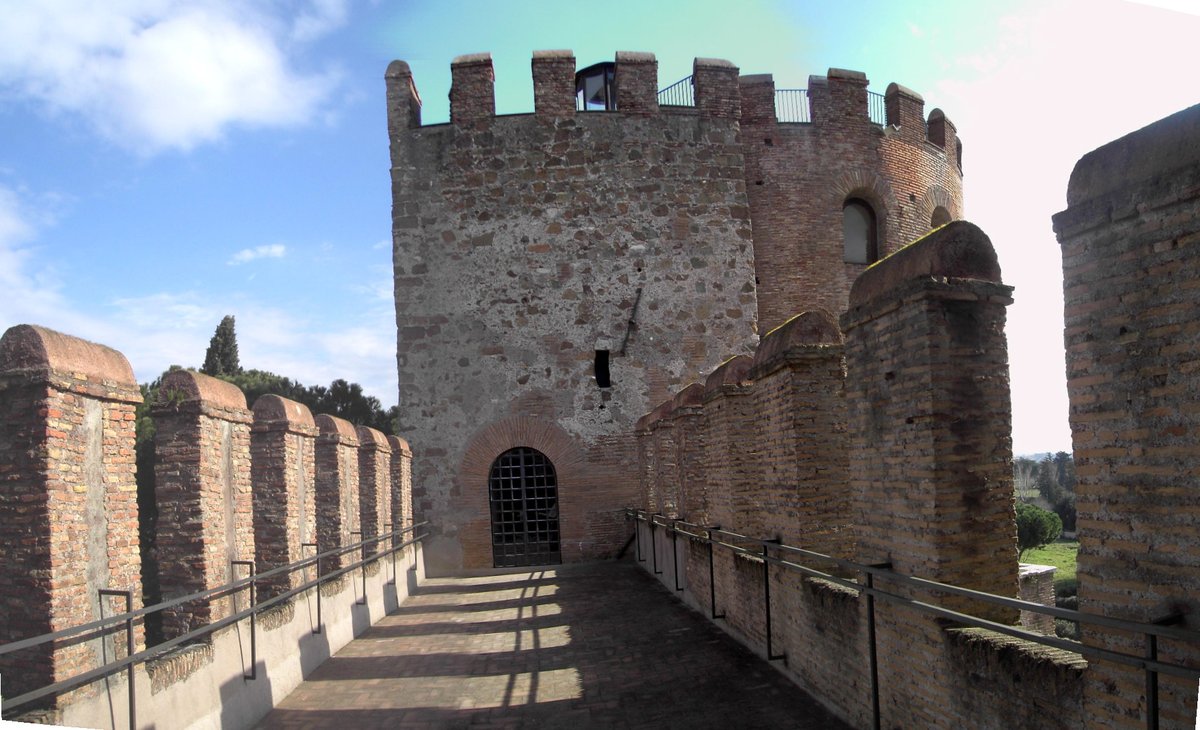
Today, the gate houses the Museo delle Mura (Museum of the Walls), where visitors can explore the history of Rome’s fortifications, view engaging exhibits, and walk along ancient ramparts. Its location near significant sites such as the Catacombs of San Callisto, the Church of Domine Quo Vadis, and the Mausoleum of Cecilia Metella makes Porta San Sebastiano an essential stop for those seeking a deeper understanding of Rome’s ancient and Christian heritage (trek.zone; Museo delle Mura; carpediemtours.com).


Origins and Construction
Porta San Sebastiano was originally known as Porta Appia. As the largest gate in the Aurelian Walls, it was constructed to defend a city facing increasing threats during the late Roman Empire (trek.zone). Its position on the Via Appia Antica made it a critical checkpoint for both military and trade purposes, regulating the movement of people and goods. The original structure featured robust travertine blocks, brick-faced concrete, and stood approximately 12 meters high and 8 meters wide, reflecting its prominence as a major city entrance.
Evolution of Names and Historical Significance
The gate’s name evolved over the centuries. It was initially called Porta Appia but later acquired names such as Accia, Dazza, or Datia in the Middle Ages, possibly referencing the nearby Almone River. From the 15th century onward, it became widely known as Porta San Sebastiano, due to its proximity to the Basilica and Catacombs of San Sebastiano—significant Christian pilgrimage destinations. The alternative name Porta Domine Quo Vadis refers to the nearby church commemorating the legendary meeting between Saint Peter and Christ (walksinsiderome.com).
Architectural Features and Modifications
Porta San Sebastiano’s architecture reflects its military function and later adaptations:
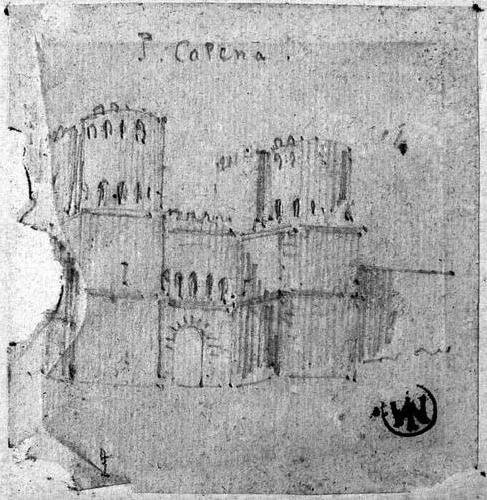
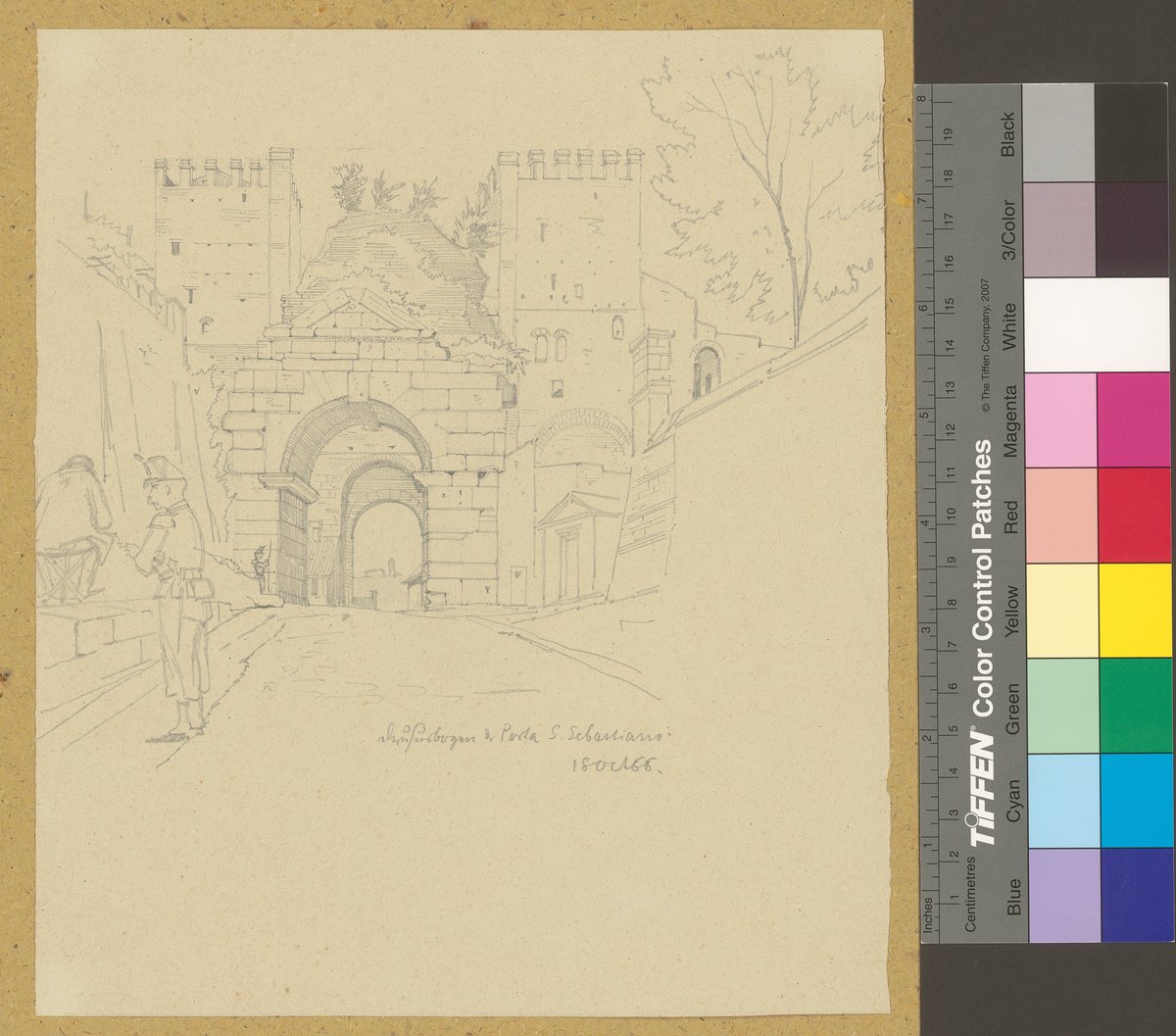
- Original Roman Design: Two twin arched entrances flanked by semicircular towers, with a travertine façade (Turismo Roma).
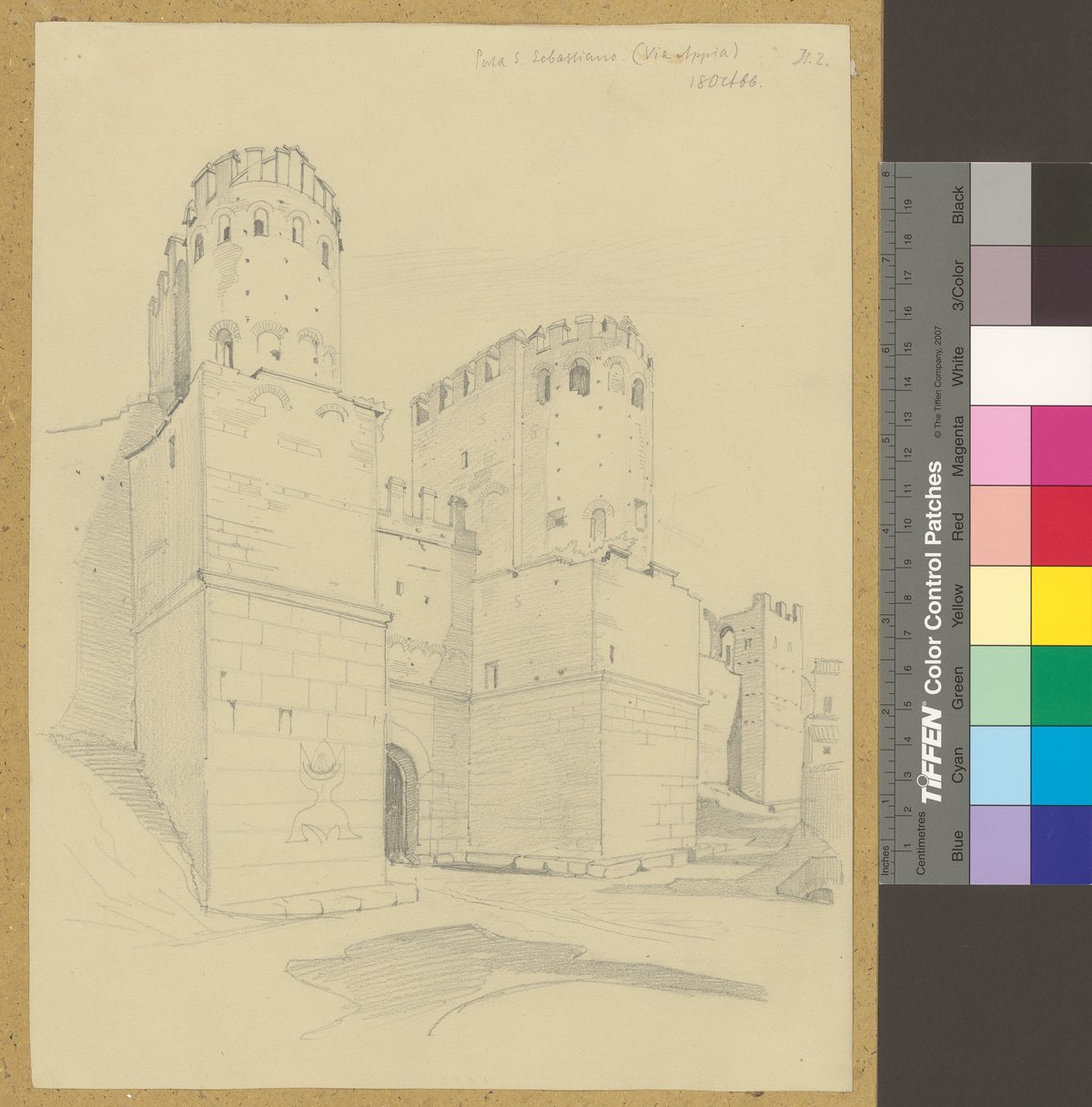
- Late Antiquity: Under Emperor Honorius (395–423 AD), the original twin arches were merged into a single arch, and the towers were encased in taller brick structures. An inner security courtyard was added for enhanced defense (Museo delle Mura).
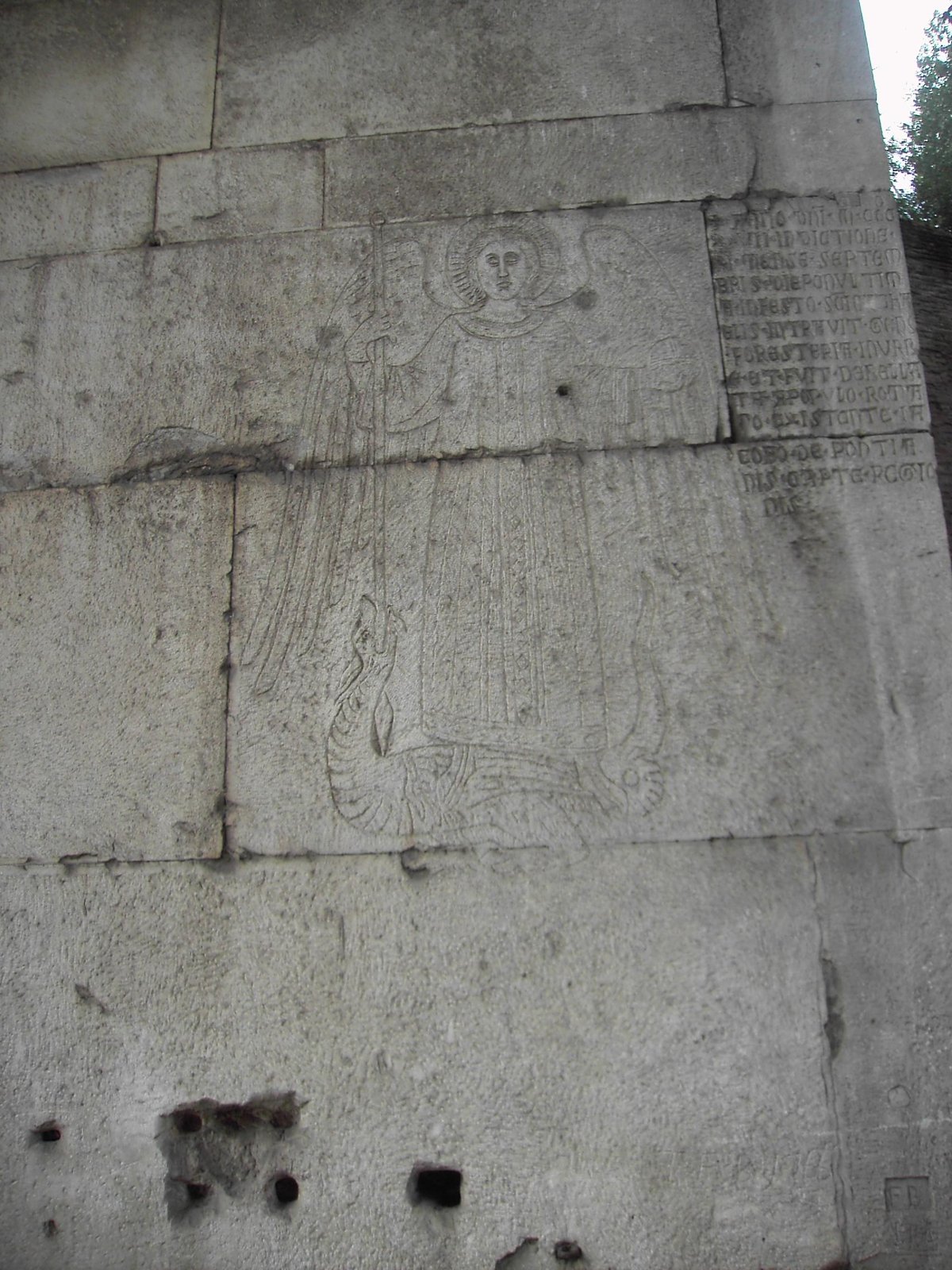
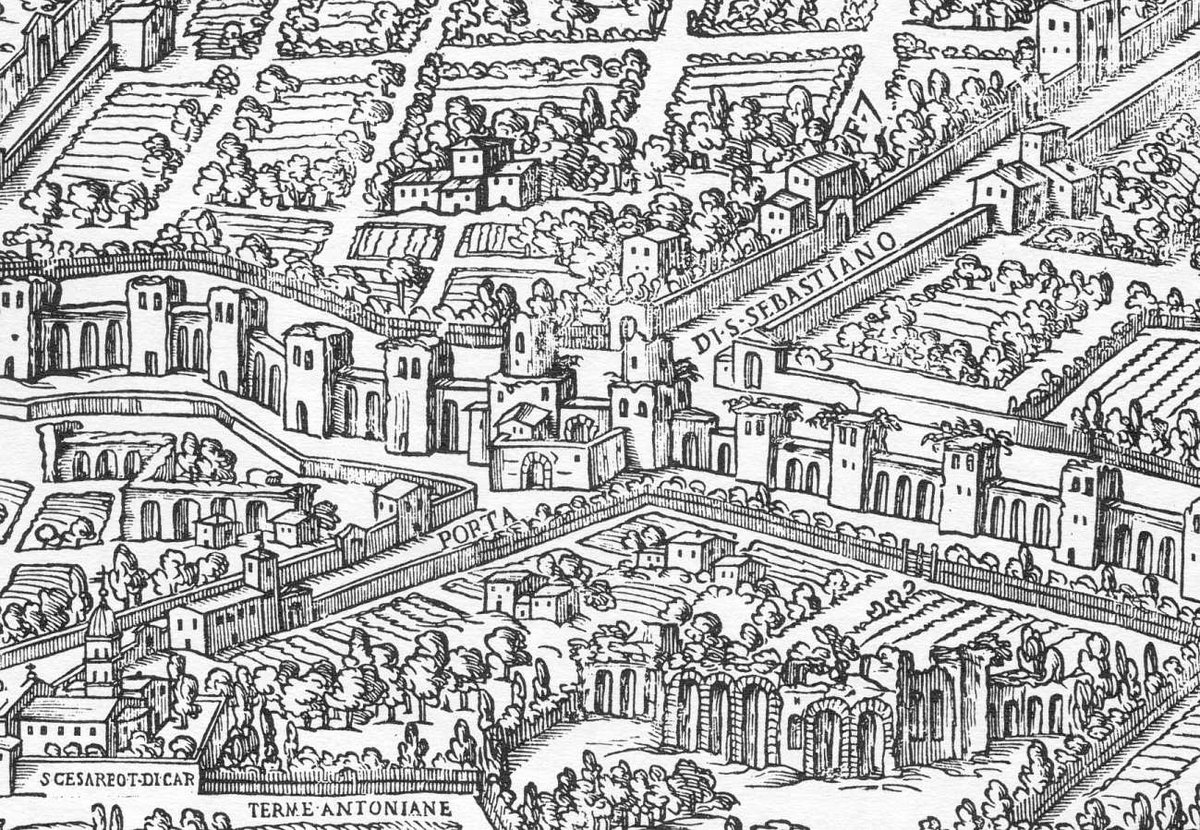
- Medieval and Renaissance: The gate served both defensive and ceremonial roles. Graffiti depicting the Archangel Michael and Latin inscriptions commemorate battles. The Renaissance era saw decorative enhancements for events such as Charles V’s triumphant entry in 1536.
- Modern Adaptations: Restoration under Pope Benedict XIV in the 18th century, and further work in the 19th and 20th centuries, including its use as the residence of Fascist Party secretary Ettore Muti during WWII, added new interiors and mosaic decorations (Wikipedia).
Visiting Porta San Sebastiano: Hours, Tickets, and Accessibility
Visiting Hours
- Standard Opening: Tuesday to Sunday, 9:00 AM – 7:00 PM (last entry 6:30 PM)
- Closed: Mondays and public holidays (January 1, May 1, December 25)
- Note: Hours may vary seasonally or for special events. Always check the official website before visiting.
Tickets
- Standard Ticket: €5
- Reduced Ticket: €3 (EU citizens aged 18–25)
- Free Admission: Children under 18, residents of Rome, and on the first Sunday of each month
- Purchase: Onsite or online via the Museum of the Walls official website
- Guided Tours: Available for an additional fee; booking in advance is recommended.
Accessibility
- Wheelchair Access: Main exhibition areas are accessible, but upper floors and ramparts require stair use.
- Facilities: Restrooms and a small museum shop are available onsite.
Getting There
- Public Transport: Bus lines 118 and 218 serve the area. The nearest metro is Circo Massimo (Line B), about a 20-minute walk.
- Cycling/Walking: The Via Appia Antica is ideal for scenic walks or bike rides.
- Car: Limited parking; public transport or bike rental is recommended.
- Address: Via di Porta San Sebastiano, 18, Rome
For more details, see rome.us.
Strategic and Symbolic Importance
Historically, Porta San Sebastiano controlled Rome’s southern access, playing a critical role in military defense and commerce. Its transformation into a pilgrimage gateway—linked to the Basilica and Catacombs of San Sebastiano, San Callisto, and the Church of Domine Quo Vadis—embodies the city's shift from imperial power to Christian center (walksofitaly.com).
Nearby Sites and Attractions
Porta San Sebastiano is close to several notable ancient and religious sites:
- Basilica and Catacombs of San Sebastiano
- Catacombs of San Callisto
- Church of Domine Quo Vadis
- Mausoleum of Cecilia Metella
- Villa of Maxentius and Circus of Maxentius
These sites can be explored independently or as part of a guided tour (carpediemtours.com).
Visitor Experience and Practical Tips
Best Times to Visit
- Early morning or late afternoon: Enjoy cooler temperatures and softer light for photography.
- Weekdays: Typically less crowded.
- On Sundays: The Via Appia Antica is closed to traffic, making it ideal for walking or cycling.
What to Bring
- Comfortable shoes for cobblestones and uneven surfaces
- Water and sun protection
- Camera for architectural and panoramic shots
Facilities
- Restrooms and a small gift shop at the museum
- Cafés and refreshment options within a short walk
Accessibility
- Ground floor accessible for limited mobility; upper floors require stairs
- Low crowd levels allow for relaxed exploration
Guided Tours
- Private and group tours available, focusing on Christian Rome, the Appian Way, and the catacombs (travelersuniverse.com).
FAQs
Q: What are the Porta San Sebastiano visiting hours?
A: Tuesday to Sunday, 9:00 AM to 7:00 PM (last entry at 6:30 PM); closed Mondays and some holidays.
Q: How much are tickets and where can I buy them?
A: Standard admission is €5; reduced and free options apply. Buy onsite or online (Museo delle Mura).
Q: Are guided tours available?
A: Yes, both museum and external operators offer guided tours.
Q: Is the site accessible for people with disabilities?
A: The main exhibition areas are accessible; upper floors and ramparts have stairs.
Q: Can I take photos inside?
A: Personal photography is allowed, but flash and tripods may be restricted.
Listen to the full story in the app
The whole Porta San Sebastiano,
told well.
Audio guides for 1,100+ cities across 96 countries. History, stories, and local insight — offline ready.
Verified, and shown.
Researched and written by the Audiala editorial team from historical records, architectural archives, and local expertise.
Researched from Wikidata, Wikipedia & official sources · fact-checked · How we make our guides →