Plan and listen to Porta San Paolo Railway Museum with Audiala.
Audio guide in your pocket, itinerary in your browser. Built for the way you actually visit.
Introduction
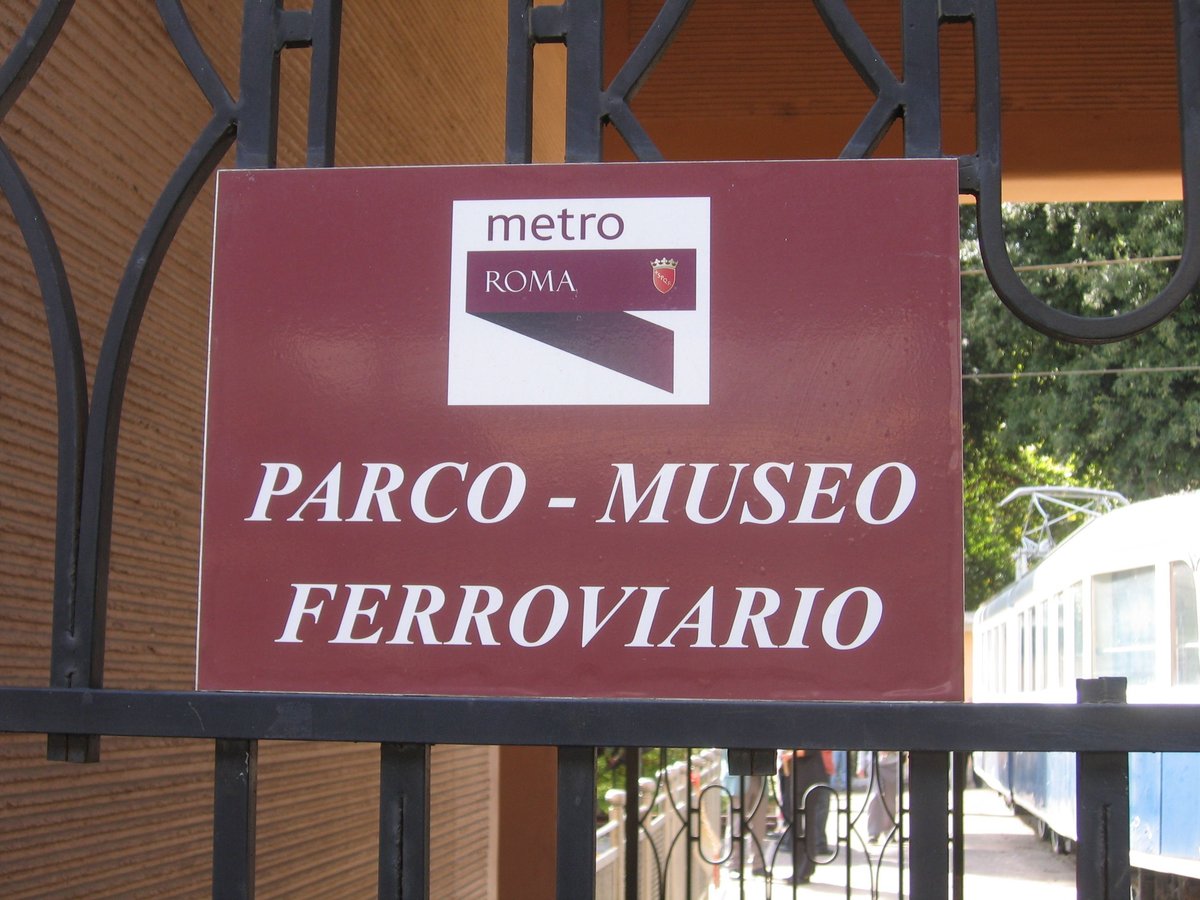
Nestled in Rome’s lively Ostiense district, the Porta San Paolo Railway Museum (Parco Museo Ferroviario Met.Ro or Polo Museale dei Trasporti) offers a unique journey through the city’s rich transportation history. Located next to the historic Roma Porta San Paolo railway station and the ancient Porta San Paolo gate—part of the Aurelian Walls—the museum provides a fascinating narrative of Rome’s evolution from the 19th century to the present day. Its extensive collection of restored locomotives, vintage carriages, signaling devices, and interactive exhibits makes it a must-visit for railway enthusiasts, history lovers, and cultural travelers. The museum’s proximity to landmarks such as the Pyramid of Caius Cestius and the Basilica of St. Paul Outside the Walls adds further depth, allowing visitors to immerse themselves in Rome’s multi-layered heritage. For up-to-date information, visitors can consult the official museum website and trusted tourism resources (Museo Ferroviario di Porta San Paolo, Turismo Roma, Rome Actually).

Visiting Hours and Tickets
Opening Hours:
- Tuesday to Sunday: 9:00 AM – 5:00 PM (some sources indicate 9:30 AM – 5:30 PM; check the official website for current times)
- Closed on Mondays and public holidays
Ticket Prices:
- Adults: €6
- Reduced (students, seniors): €3–4
- Children under 6: Free
- Group rates and guided tour packages available upon request
How to Buy Tickets:
- Tickets are available at the museum entrance or online via the official website.
- Guided tours can be booked in advance.
Accessibility:
- The museum is wheelchair accessible, with ramps, wide corridors, and accessible restrooms. Assistance is available upon request.
History and Significance
Origins and Context
The museum preserves Rome’s transportation heritage at a historic juncture where the ancient city meets the modern metropolis. Adjacent to the Aurelian Walls and the old Via Ostiense—a key route connecting Rome to Ostia—the site has long been a hub for movement and commerce.
Rome’s Railway Evolution
Beginning in the mid-19th century, Rome’s railway system expanded from connecting major cities to serving suburban and coastal destinations. The Roma Porta San Paolo station, opened in 1924 as the terminus of the Roma–Lido line, became a crucial link between the city center and Ostia Lido.
Museum’s Role
The museum safeguards and presents a diverse collection of rolling stock, signaling equipment, and artifacts from historic railway companies like Stefer, Sefi, and Roma Nord. Both indoor and outdoor exhibitions highlight the transformation of public transit and its impact on urban development and society.
Cultural Importance
Beyond its technology, the museum tells the story of Rome’s modernization, the growth of its neighborhoods, and the social mobility enabled by rail and tram networks. Its location amid ancient monuments and modern infrastructure embodies Rome’s enduring spirit of innovation.
Visitor Experience & Features
- Guided Tours: Offered in Italian and English; ideal for individuals, families, and groups.
- Photo Opportunities: Outdoor exhibits and vintage rolling stock provide great backdrops.
- Educational Programs: Workshops and interactive displays cater to students and families.
- Special Events: The museum organizes thematic exhibitions and cultural events throughout the year.
Museum Layout & Collections
Location and Setting
Situated at the southern edge of Rome’s historic center, the museum is easily reached via Piramide Metro (Line B) and the Roma-Lido railway. The entrance is near the Pyramid of Caius Cestius and the Porta San Paolo gate (Mapcarta).
Building and Flow
Housed in part of the original 1920s railway station, the museum’s rationalist architecture offers a fitting backdrop for exhibitions. The self-guided route leads visitors chronologically through the evolution of Italian railways.
Main Exhibition Areas
- Entrance Hall: Introduction to the Roma-Lido line and station history.
- Rolling Stock Gallery: Restored locomotives, carriages, and maintenance vehicles.
- Thematic Rooms: Signaling, communications, and social impact displays.
- Model Railway Room: Scale models and dioramas with interactive controls.
- Temporary Exhibition Space: Rotating displays on special topics.
Key Collections
- Historic Rolling Stock: Steam, diesel, and electric locomotives; period carriages; maintenance vehicles.
- Railway Technology: Signaling devices, communication equipment, vintage tickets, and schedules.
- Model Railways: Detailed dioramas depicting Italian railway scenes.
- Photographic Archives: Historic images, technical drawings, and memorabilia.
- Notable Artifacts: Original station clock (1924), commemorative plaques, and staff uniforms.
Visitor Information
- Guided Tours: Available on weekends and by appointment.
- Facilities: Gift shop, restrooms, seating areas, and workshop space.
- Travel Tips: Use public transport for convenient access; early mornings or late afternoons are quieter.
- Accessibility: Wheelchair accessible; contact in advance for special needs.
Nearby Attractions
- Pyramid of Caius Cestius: A well-preserved ancient pyramid just steps away.
- Porta San Paolo: Historic city gate and gateway to the museum itself.
- Centrale Montemartini: Museum of classical sculptures in a converted power plant.
- Basilica of Saint Paul Outside the Walls: Major basilica with impressive mosaics.
- Ostiense & Testaccio Districts: Known for vibrant street art, nightlife, and authentic Roman cuisine.
Facilities & Services
- Restrooms: Available within the station complex.
- Dining: Numerous cafés and restaurants in the Ostiense area.
- Parking: Limited; public transport is recommended.
Visuals & Media
- The museum’s official website and social channels feature images, virtual tours, and event updates.
- On-site, look for QR codes linking to multimedia content and virtual walkthroughs.
Frequently Asked Questions (FAQ)
Q: What are the opening hours?
A: Tuesday–Sunday, 9:00/9:30 AM to 5:00/5:30 PM. Closed Mondays and holidays. Confirm times on the official website.
Q: Are guided tours available?
A: Yes, in Italian and English, on weekends and by appointment.
Q: Is the museum accessible for wheelchairs?
A: Yes, with ramps and accessible restrooms.
Q: How do I get tickets?
A: At the entrance or online.
Q: Is photography allowed?
A: Personal photos are generally allowed; no flash or tripods.
Q: How to get there by public transport?
A: Take Metro Line B to Piramide or the Roma-Lido line to Roma Porta San Paolo station.
Listen to the full story in the app
The whole Porta San Paolo Railway Museum,
told well.
Audio guides for 1,100+ cities across 96 countries. History, stories, and local insight — offline ready.
Verified, and shown.
Researched and written by the Audiala editorial team from historical records, architectural archives, and local expertise.
Researched from Wikidata, Wikipedia & official sources · fact-checked · How we make our guides →