Plan and listen to Ponte Milvio with Audiala.
Audio guide in your pocket, itinerary in your browser. Built for the way you actually visit.
Introduction
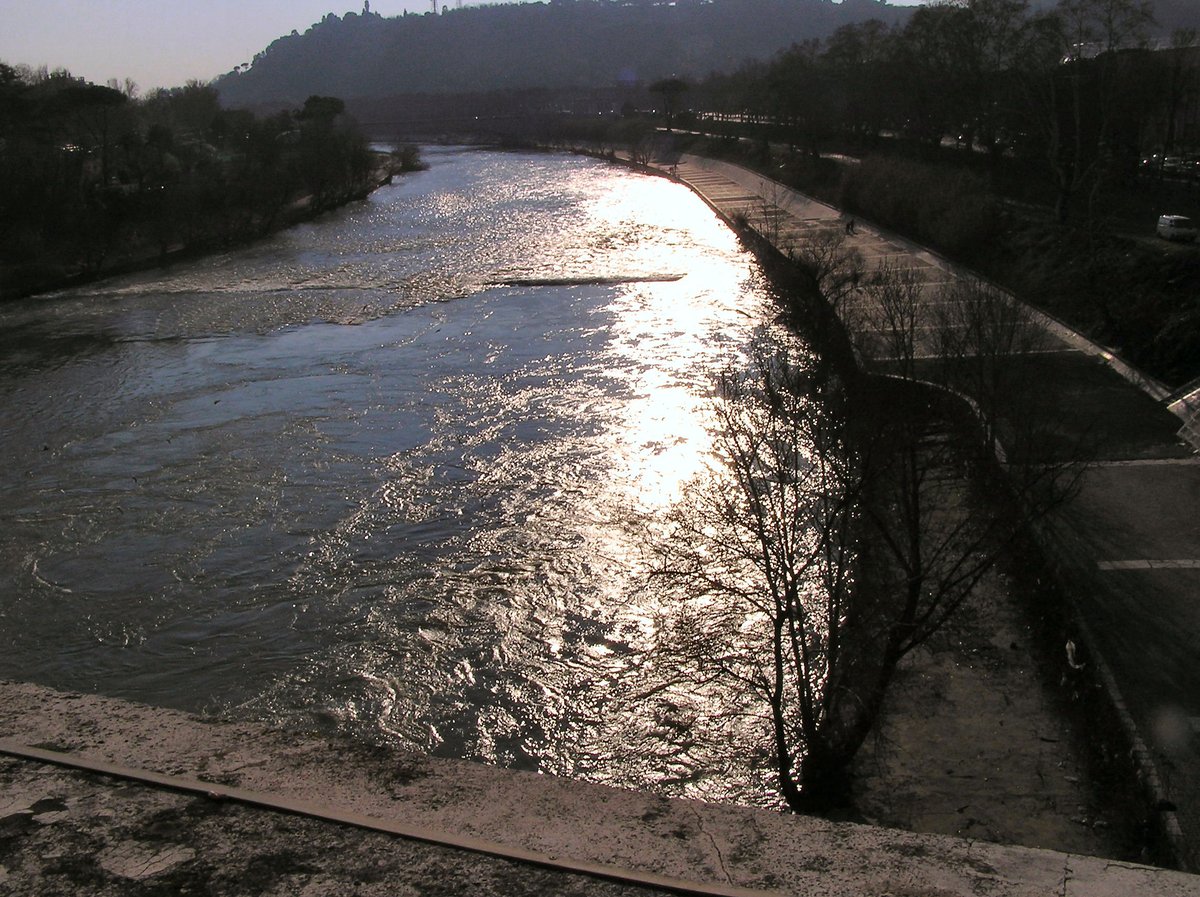
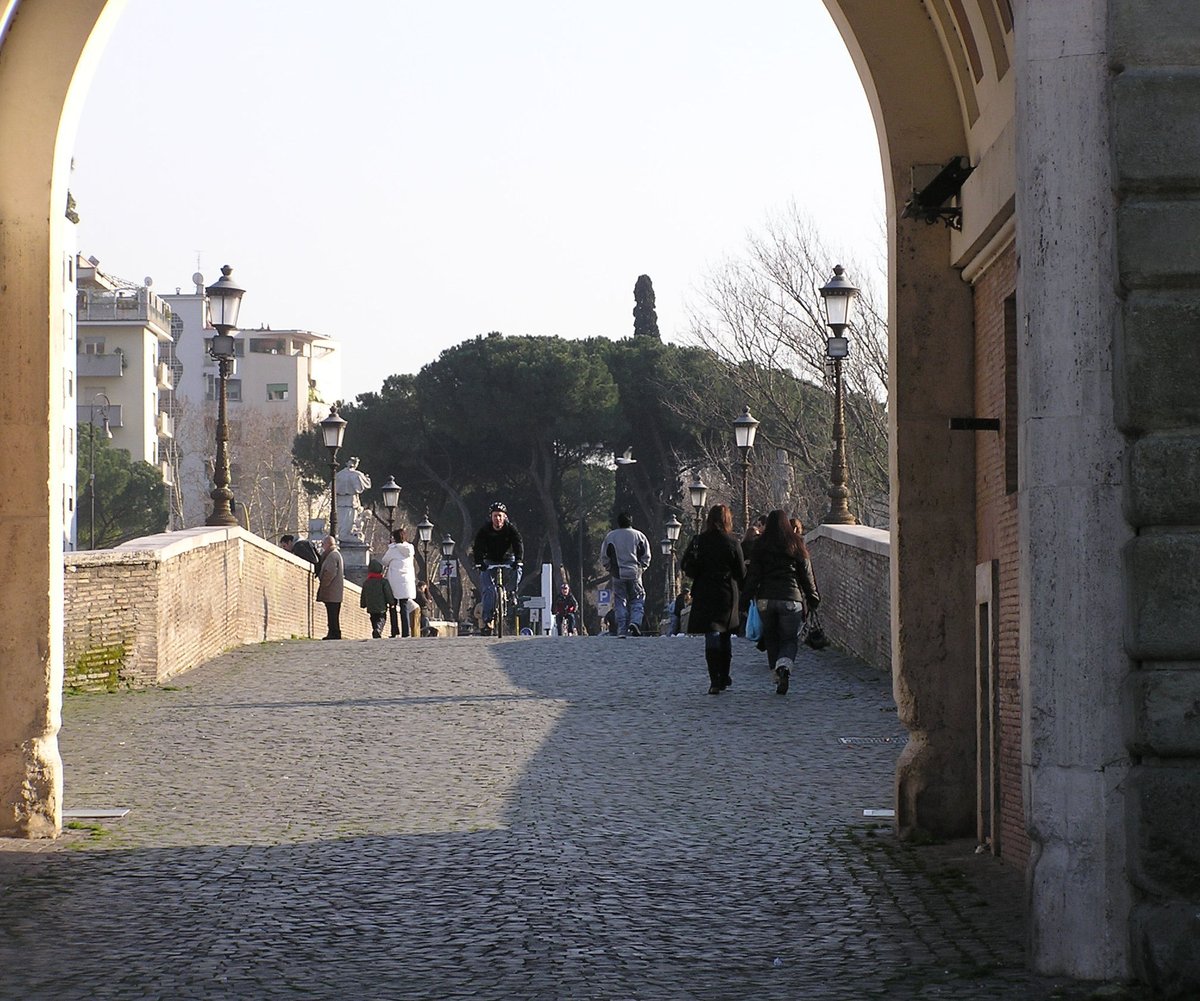
Ponte Milvio, also known as the Milvian Bridge, is a remarkable historical landmark that stands over the Tiber River in Rome, Italy. Its origins can be traced back to the Roman Republic, around 206 BC, when it was initially constructed by Gaius Cornelius Scipio Africanus. This bridge has played a crucial role in connecting the city of Rome to the Via Flaminia, a major road leading to the Adriatic Sea, thereby facilitating trade, communication, and military movements. Over the centuries, Ponte Milvio has witnessed significant historical events, most notably the Battle of the Milvian Bridge in 312 AD, which marked a pivotal moment in Roman history and the rise of Christianity. Today, Ponte Milvio is not only a symbol of Rome's rich past but also a beloved spot for locals and tourists alike, blending ancient history with modern charm. Whether you're a history enthusiast, a romantic at heart, or simply looking to explore Rome's historical sites, Ponte Milvio offers a unique and unforgettable experience. (source)

History and Significance of Ponte Milvio
Early Beginnings and the Roman Republic
Ponte Milvio's origins date back to the Roman Republic, with the first wooden structure built around 206 BC by Gaius Cornelius Scipio Africanus. This early bridge connected Rome to Via Flaminia, a major road leading north to the Adriatic Sea, facilitating trade, communication, and military movement.
The Battle of the Milvian Bridge - A Turning Point in History
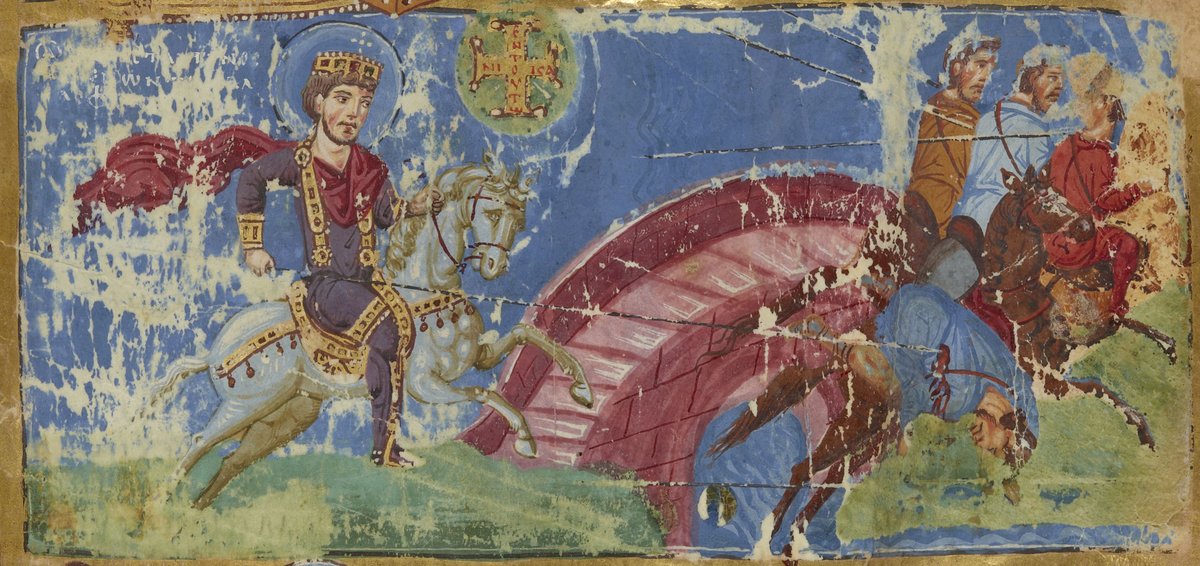
One of the most significant events associated with Ponte Milvio is the Battle of the Milvian Bridge in 312 AD. This clash between Roman emperors Constantine I and Maxentius led to Constantine's victory, following a divine vision. This battle not only transformed Rome but also established Christianity as the dominant religion of the Roman Empire.
From Roman Empire to Medieval Times
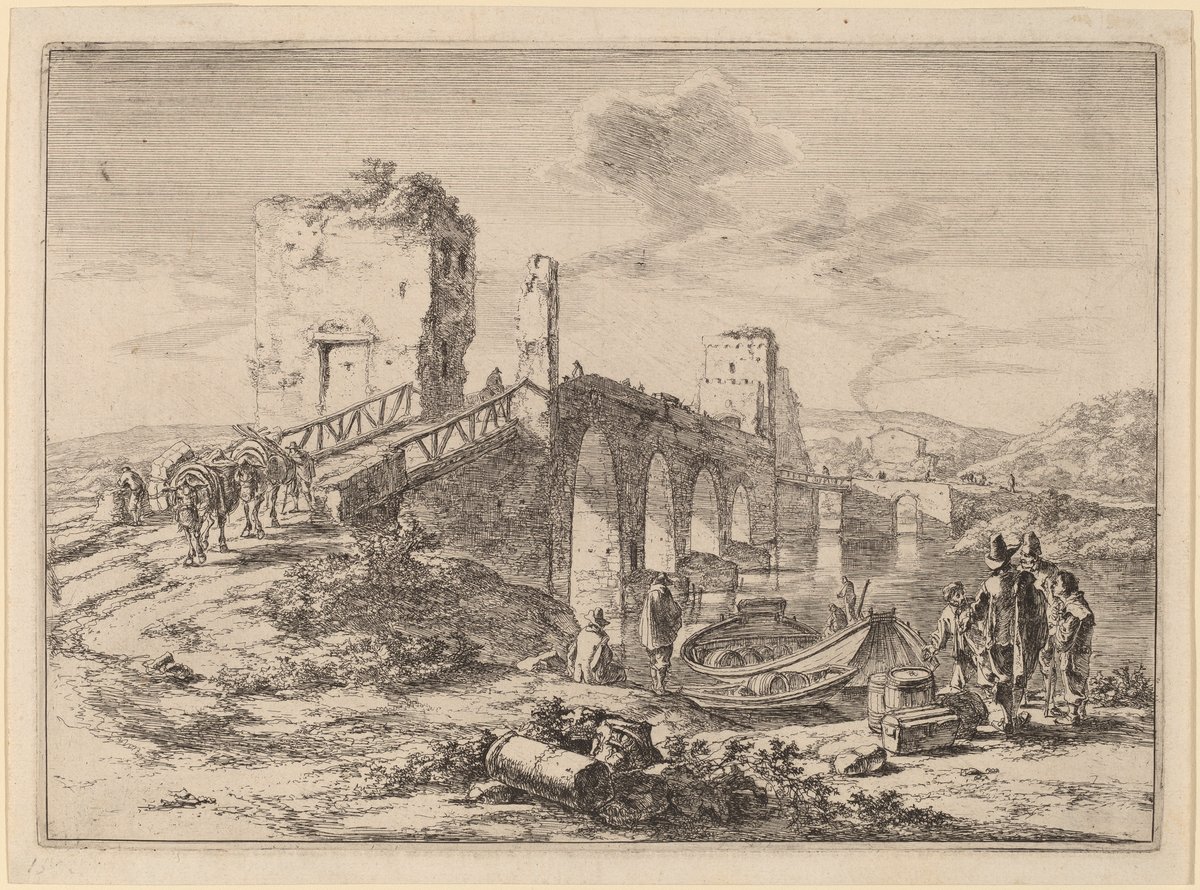
After the fall of the Roman Empire, Ponte Milvio remained a crucial crossing point. It suffered damage and was reconstructed several times. In the Middle Ages, it served as a toll gate, maintaining its economic significance.
Renaissance and Modern Era
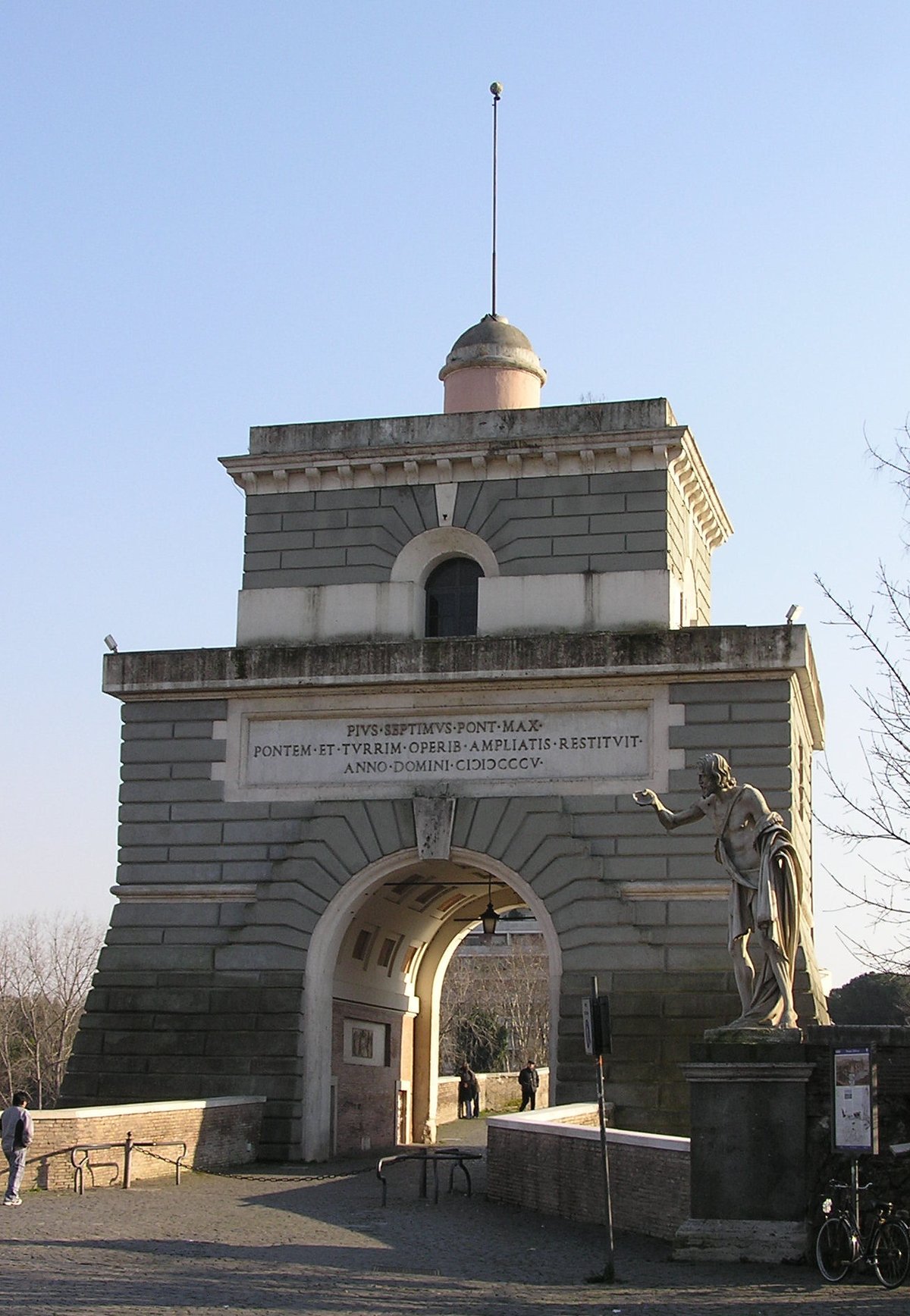
During the Renaissance, significant renovations were made under Pope Sixtus IV, including the addition of the iconic Torre della Vittoria in the 15th century. In the 19th century, the bridge was widened to accommodate increasing traffic, reflecting its enduring role in connecting Rome to the north.
Ponte Milvio Today - A Blend of History and Romance
Today, Ponte Milvio blends ancient history with modern life. The bridge's historical significance attracts visitors eager to walk in the footsteps of emperors and witness the site of the legendary Battle of the Milvian Bridge. Additionally, it has become a symbol of love, with couples attaching 'love locks' to its railings.
Visitor Information
Visiting Hours and Tickets
Ponte Milvio is open to the public 24/7, and there is no admission fee to visit. However, guided tours might offer more insights into its rich history and significance.
Travel Tips
- Best Time to Visit: Early morning or late afternoon to avoid crowds and enjoy the scenic views.
- How to Get There: Easily accessible by public transport, including buses and trams. Nearby parking is available for those driving.
- What to Bring: Comfortable walking shoes, a camera, and a guidebook or app for historical context.
Nearby Attractions
- Vatican City: A short distance away, offering a wealth of historical and religious sites.
- Villa Borghese: A large public park perfect for a leisurely stroll after visiting the bridge.
- Piazza del Popolo: A famous square in Rome, known for its historical and cultural significance.
Accessibility
The bridge is accessible to pedestrians and cyclists. While the surface may be uneven in places, it is generally navigable for those with mobility aids.
Special Features
Special Events
Throughout the year, Ponte Milvio hosts various cultural and historical events, enhancing its appeal as a tourist destination.
Guided Tours
Several tour operators offer guided tours of Ponte Milvio, providing deeper insights into its history and significance.
Photographic Spots
The bridge and its surroundings offer stunning photographic opportunities, especially during sunrise and sunset.
FAQ
Q: Is there an admission fee to visit Ponte Milvio?
A: No, Ponte Milvio is free to visit.
Q: What are the visiting hours?
A: Ponte Milvio is open 24/7.
Q: Are there guided tours available?
A: Yes, several tour operators offer guided tours.
Listen to the full story in the app
The whole Ponte Milvio,
told well.
Audio guides for 1,100+ cities across 96 countries. History, stories, and local insight — offline ready.
Verified, and shown.
Researched and written by the Audiala editorial team from historical records, architectural archives, and local expertise.
Researched from Wikidata, Wikipedia & official sources · fact-checked · How we make our guides →