Plan and listen to Pincian Hill with Audiala.
Audio guide in your pocket, itinerary in your browser. Built for the way you actually visit.
Introduction
The Passeggiata del Pincio, nestled atop the Pincian Hill in Rome, Italy, is not just a scenic promenade but also a cultural landmark rich in historical and architectural splendor. A brainchild of the famed Italian architect Giuseppe Valadier, this promenade was designed in the early 19th century to provide a tranquil retreat from the bustling city below. The Pincian Hill, a site of significance since ancient times, was home to luxurious villas and gardens during the Roman Empire and later transformed into a public park (Rome Art Lover).
The promenade's architectural elements, including statues and busts of prominent Italian figures, and the iconic Pincio Terrace offering panoramic views of Rome, enhance its aesthetic appeal while serving as a testament to Rome's rich cultural heritage (Rome.net). Over the centuries, Passeggiata del Pincio has evolved into a beloved destination for locals and tourists alike, hosting numerous cultural events and activities, and continuing to inspire artists and writers. Its accessibility and the absence of an entrance fee make it an ideal spot for leisurely walks, picnics, and outdoor gatherings, thereby fostering a sense of community and cultural exchange (Wanted in Rome).

History and Significance of Passeggiata del Pincio
Origins and Development
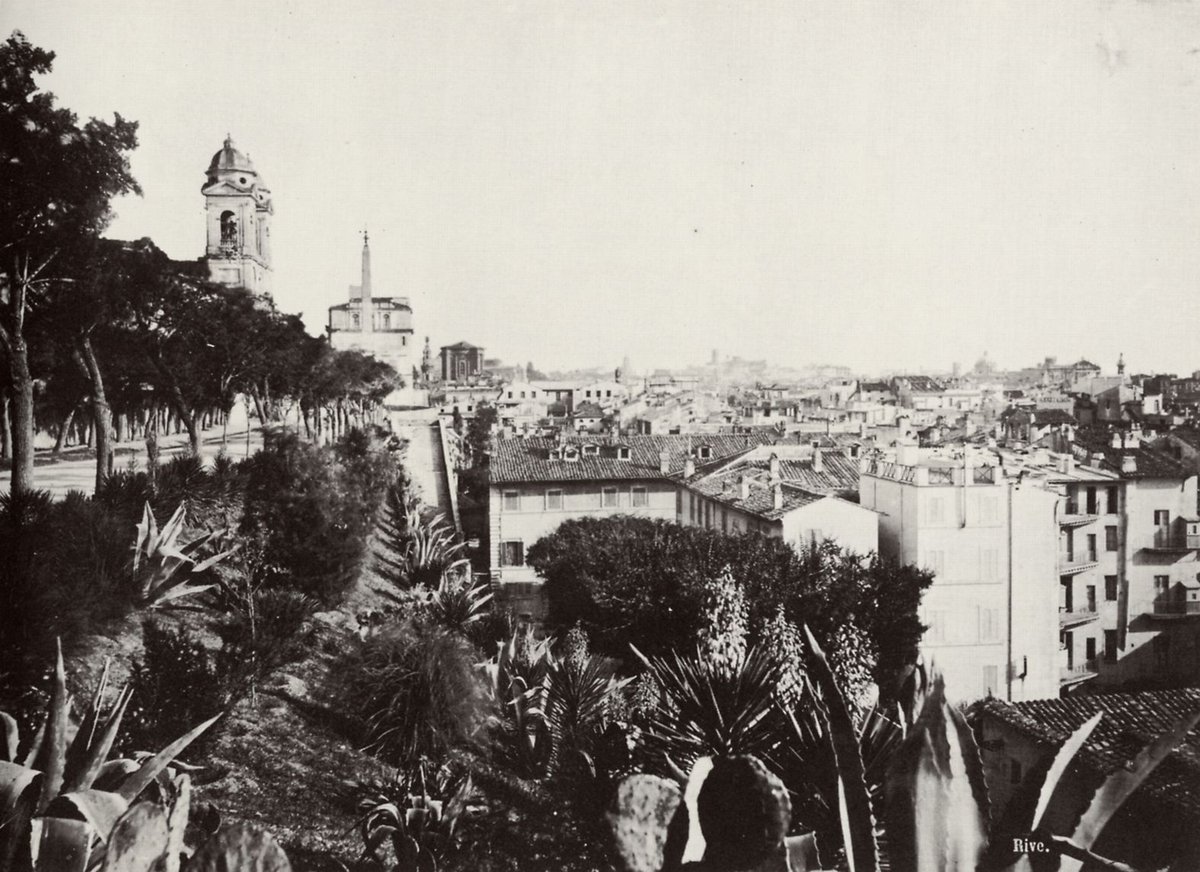
The Passeggiata del Pincio, located in Rome, Italy, is a historic promenade that dates back to the early 19th century. The area, known as the Pincian Hill, was originally part of the ancient Roman gardens and villas. The name "Pincio" is derived from the Pincii family, who owned land on the hill during the Roman Republic era. The transformation of the Pincian Hill into a public park began under the direction of Giuseppe Valadier in 1816. Valadier's vision was to create a scenic promenade that would offer panoramic views of Rome, blending natural beauty with architectural elegance.
Architectural and Artistic Elements
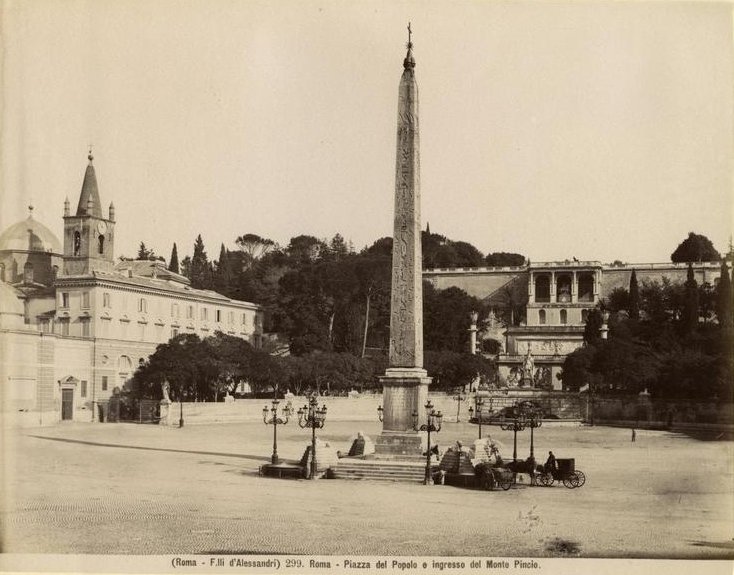
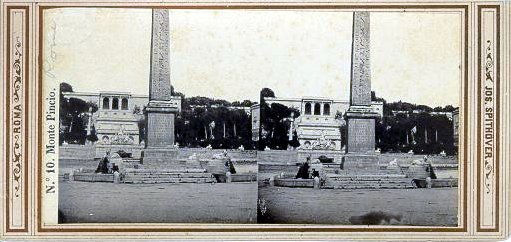
Valadier's design incorporated a series of terraces, winding paths, and ornamental features that enhanced the natural landscape. One of the most notable elements is the large obelisk at the center of the promenade, which was originally erected in the 2nd century AD and brought to Rome from Egypt. The obelisk serves as a focal point and a symbol of Rome's historical grandeur. Additionally, the Passeggiata del Pincio is adorned with numerous statues and busts of prominent Italian figures, including poets, artists, and statesmen, which were added in the late 19th and early 20th centuries. These artistic elements contribute to the cultural and historical significance of the promenade.
Historical Events and Cultural Impact
Throughout its history, the Passeggiata del Pincio has been a site of numerous historical events and cultural activities. During the 19th century, it became a popular gathering place for the Roman elite and intellectuals, who would stroll along the promenade and engage in discussions. The area also played a role in the Risorgimento, the movement for Italian unification, as it was a venue for patriotic demonstrations and celebrations. In the 20th century, the Passeggiata del Pincio continued to be a cultural hub, hosting concerts, art exhibitions, and public events. Its significance as a cultural landmark is further underscored by its inclusion in various literary and artistic works, which have immortalized its beauty and historical importance.
Modern-Day Significance
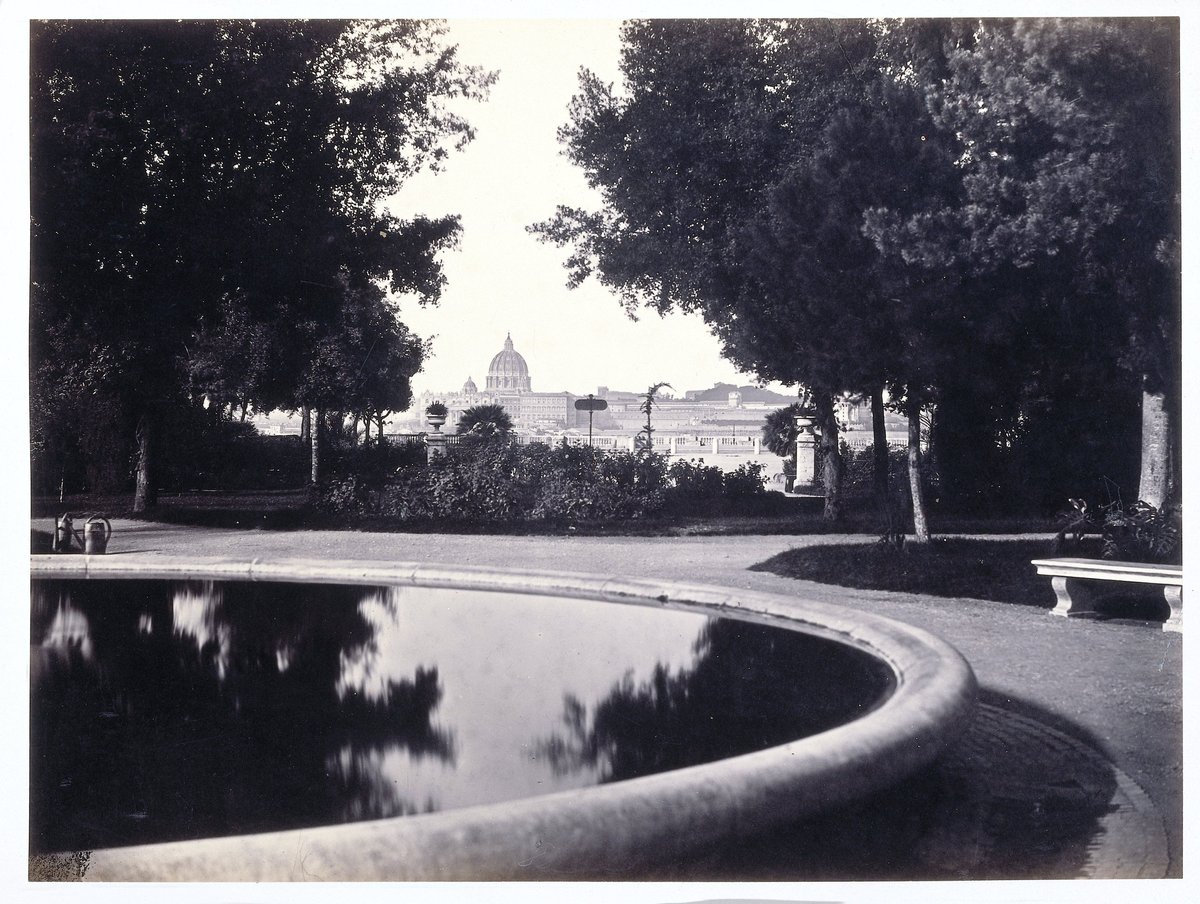
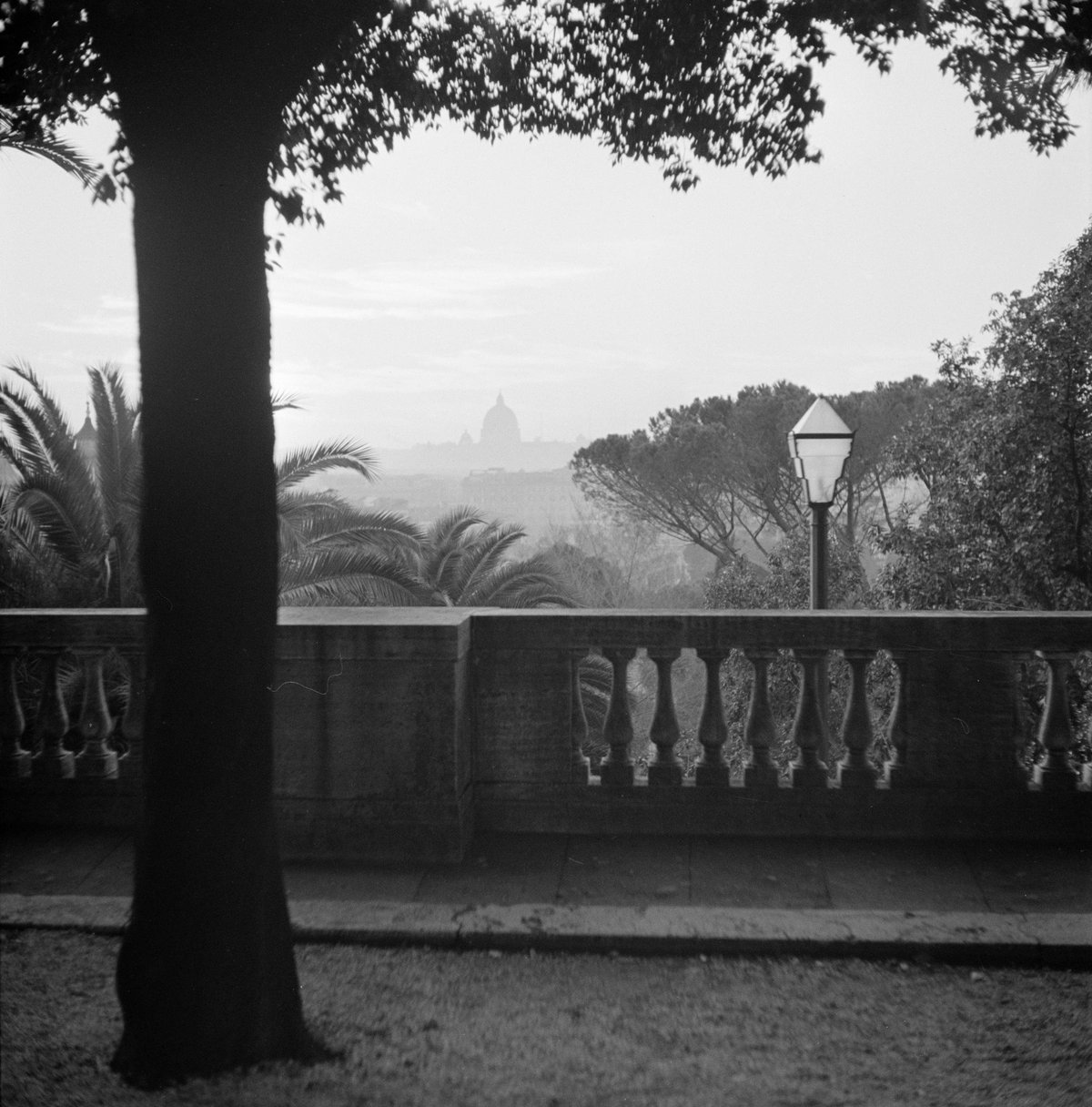
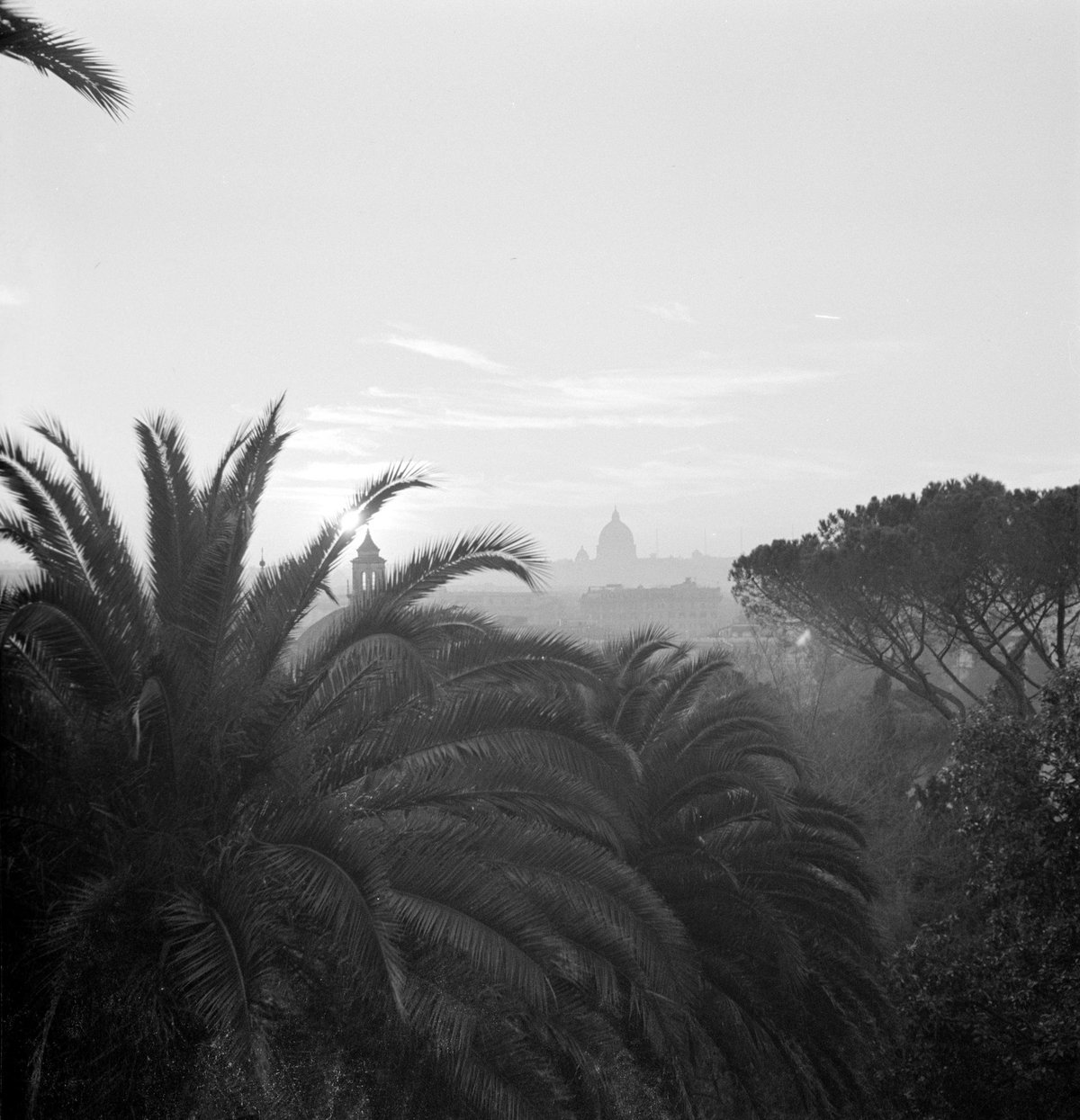
Today, the Passeggiata del Pincio remains a beloved destination for both locals and tourists. It offers a tranquil escape from the bustling city below, with its lush greenery, scenic views, and serene atmosphere. The promenade is part of the larger Villa Borghese gardens, one of Rome's most extensive and well-maintained public parks. Visitors can enjoy leisurely walks, picnics, and outdoor activities while taking in the breathtaking vistas of Rome's skyline, including iconic landmarks such as St. Peter's Basilica and the Vittoriano. The Passeggiata del Pincio also serves as a venue for cultural events and festivals, continuing its tradition as a vibrant cultural space.
Visiting Hours, Tickets, and Travel Tips
Best Time to Visit
The Passeggiata del Pincio is open daily, with visiting hours typically from 7:00 AM to 8:00 PM, though these times may vary seasonally. There is no entrance fee, making it an accessible attraction for all visitors. For those looking to explore more of the Villa Borghese gardens, tickets may be required for specific attractions within the park, such as the Borghese Gallery.
Getting There
Passeggiata del Pincio is located in the heart of Rome, near the Piazza del Popolo. The most convenient way to reach the Pincio is by public transportation. The Flaminio metro station (Line A) is just a short walk from the entrance. Alternatively, several bus lines, including 61, 89, and 160, stop near Piazza del Popolo. For those preferring a more scenic route, walking from the Spanish Steps or Villa Borghese is also an option.
Entry and Accessibility
Passeggiata del Pincio is free to enter and open to the public. The pathways are well-maintained and suitable for strollers and wheelchairs, making it accessible for visitors of all ages and abilities. However, some areas may have slight inclines, so comfortable walking shoes are recommended.
What to Bring
- Comfortable Footwear: The Pincio is best explored on foot, so wear comfortable shoes to navigate the pathways and gardens.
- Water Bottle: Especially during the warmer months, staying hydrated is crucial. There are several fountains where you can refill your bottle.
- Camera: The panoramic views of Rome from the Pincio Terrace are breathtaking, so don't forget your camera or smartphone to capture the moments.
- Picnic Supplies: The gardens are an ideal spot for a picnic. Bring a blanket and some snacks to enjoy a leisurely meal with a view.
Key Attractions
Pincio Terrace
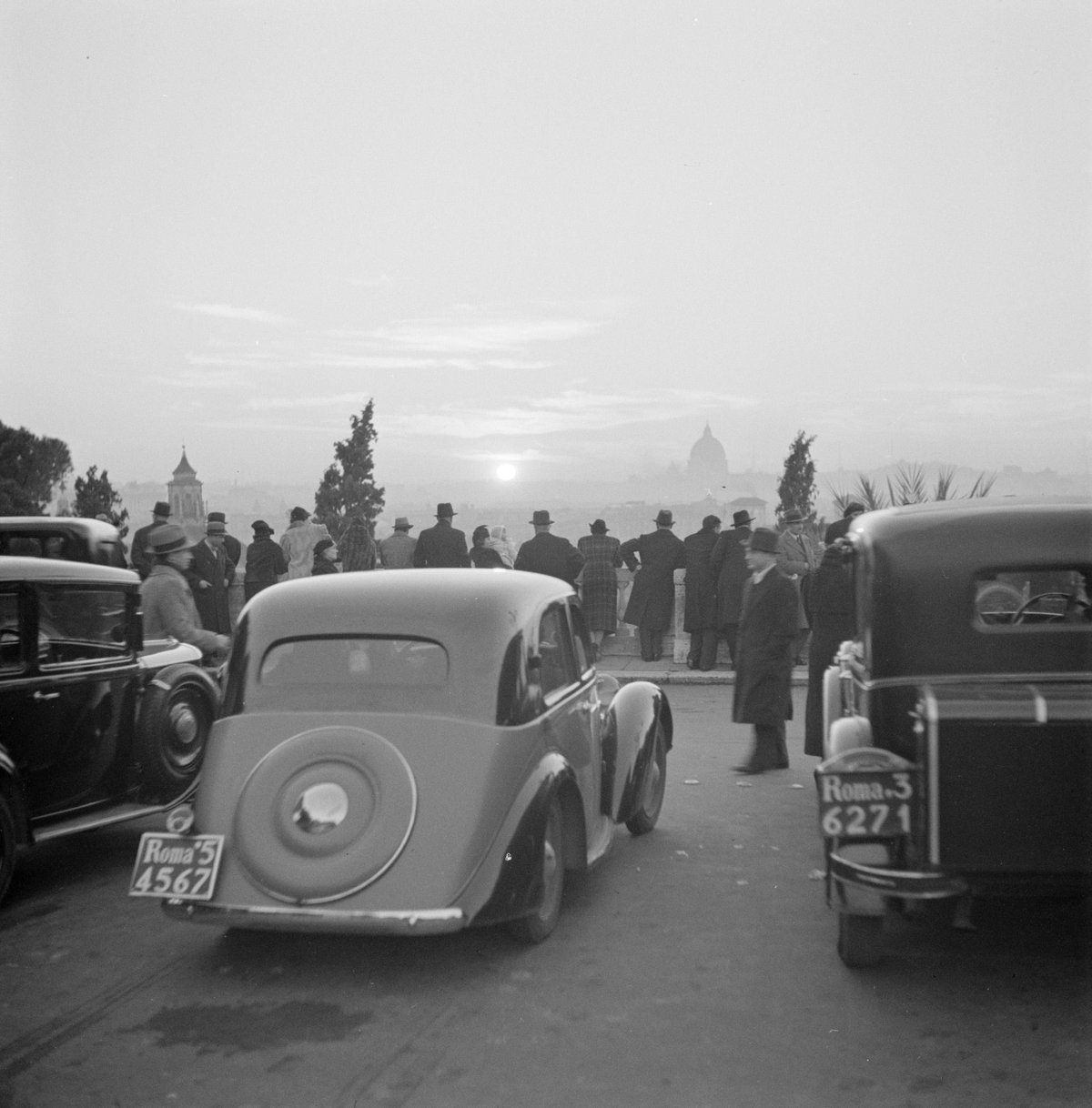
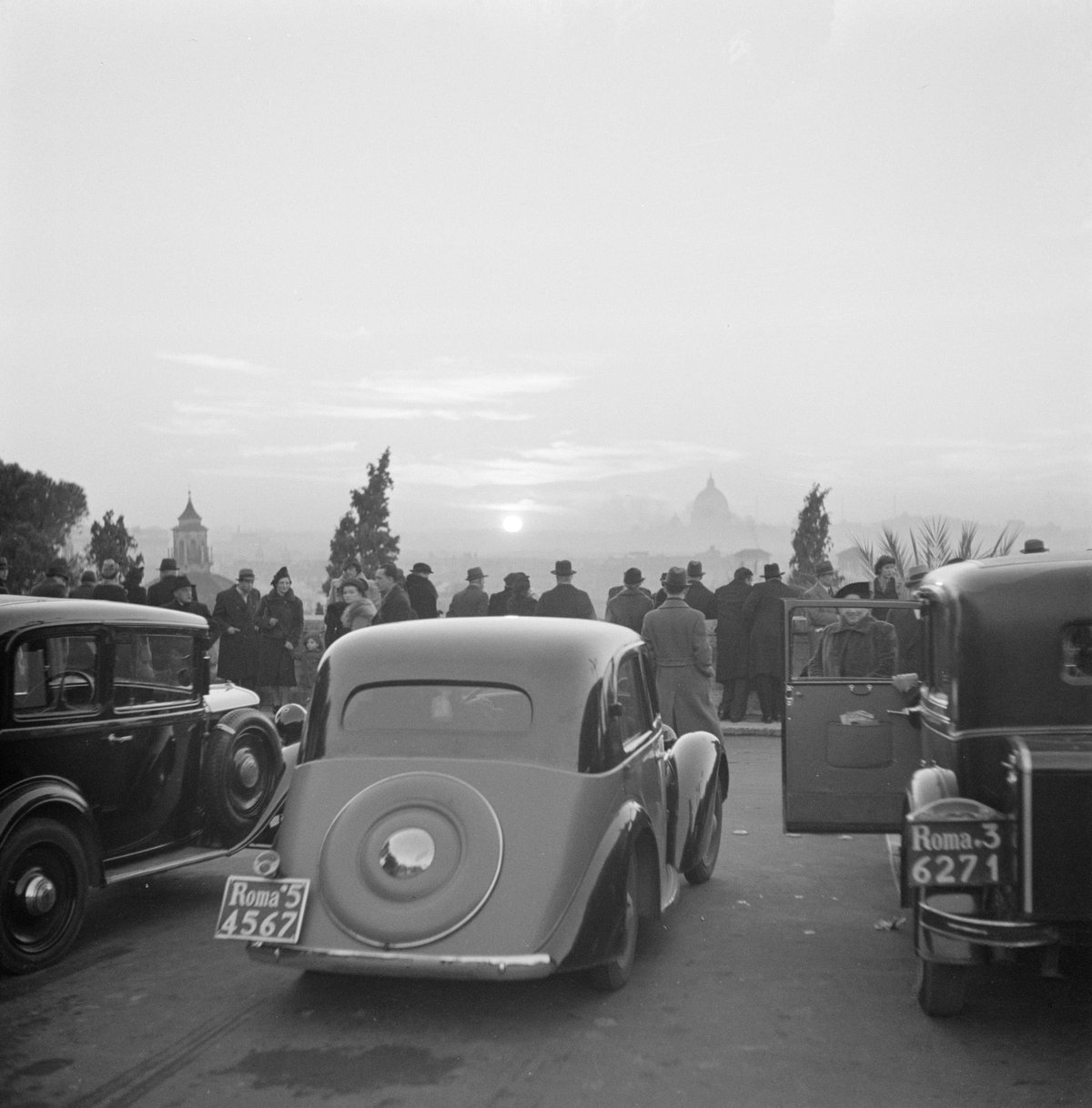
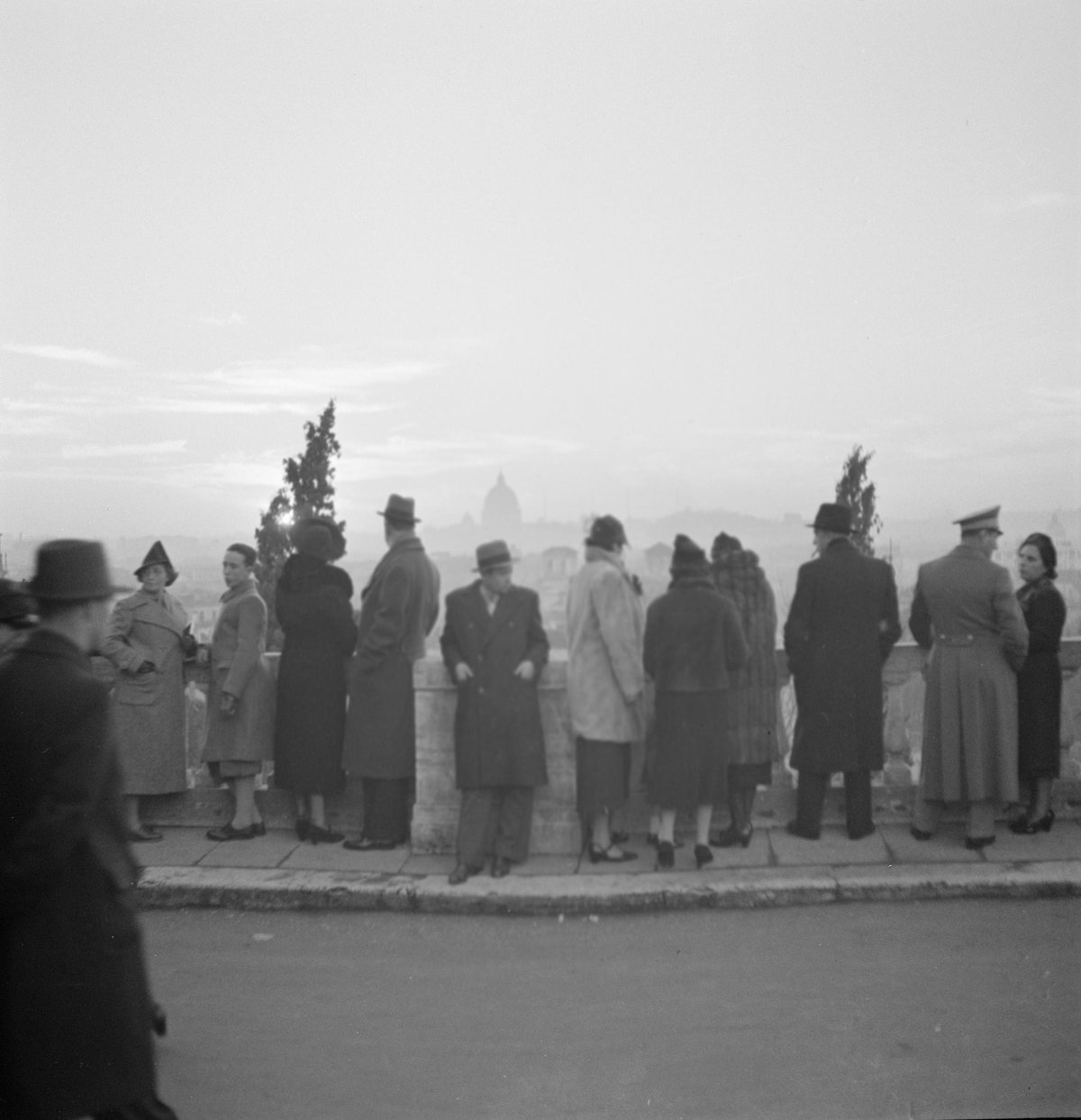
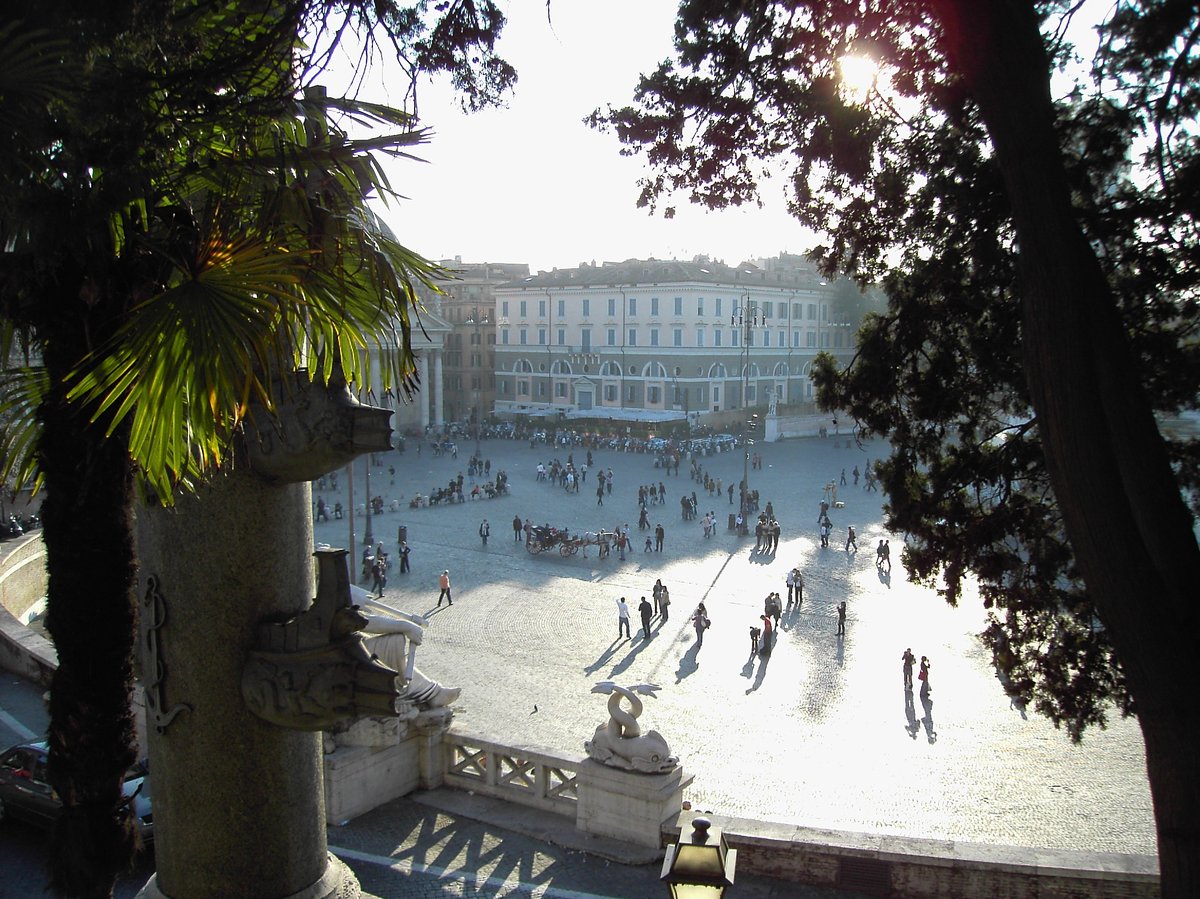
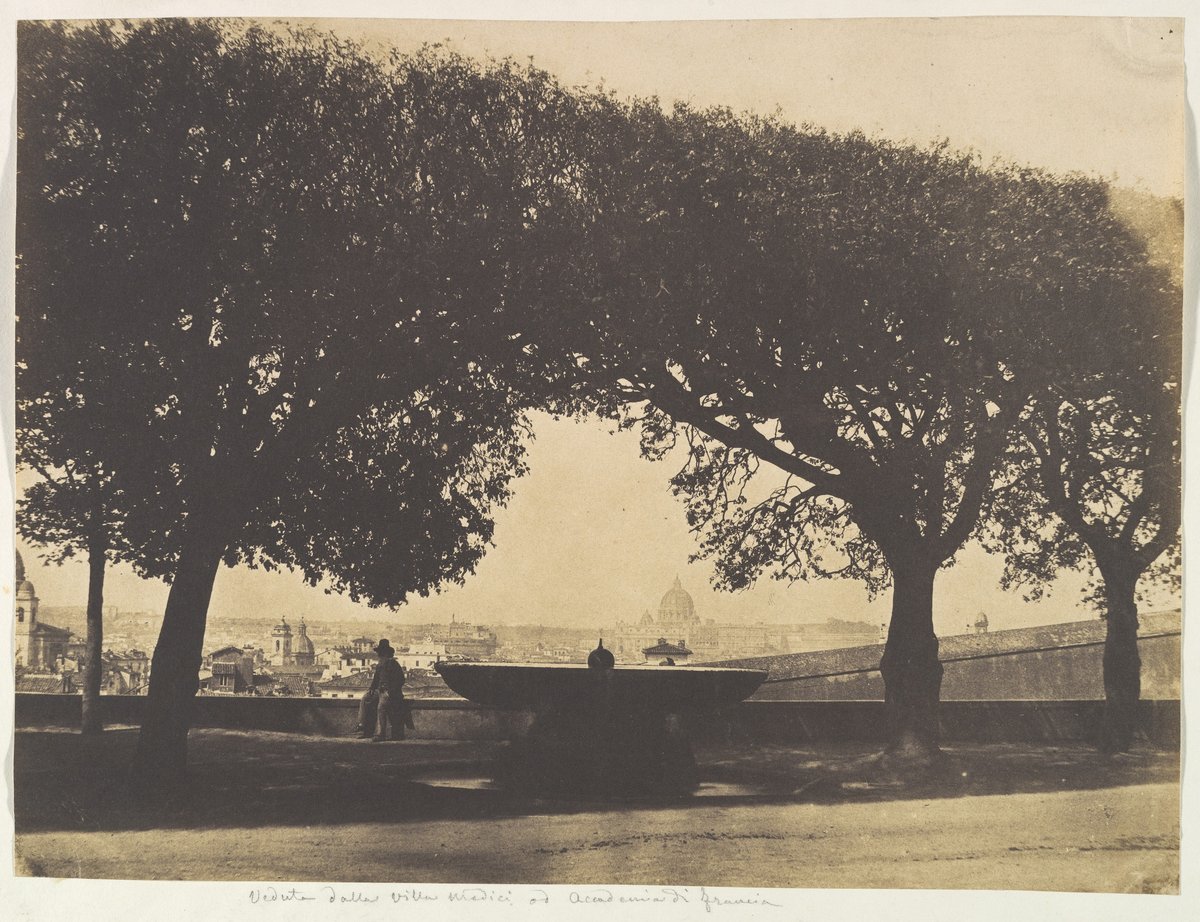
The highlight of the Passeggiata del Pincio is the terrace, offering stunning views over Piazza del Popolo and the city of Rome. It's a popular spot for both tourists and locals, especially at sunset.
Water Clock
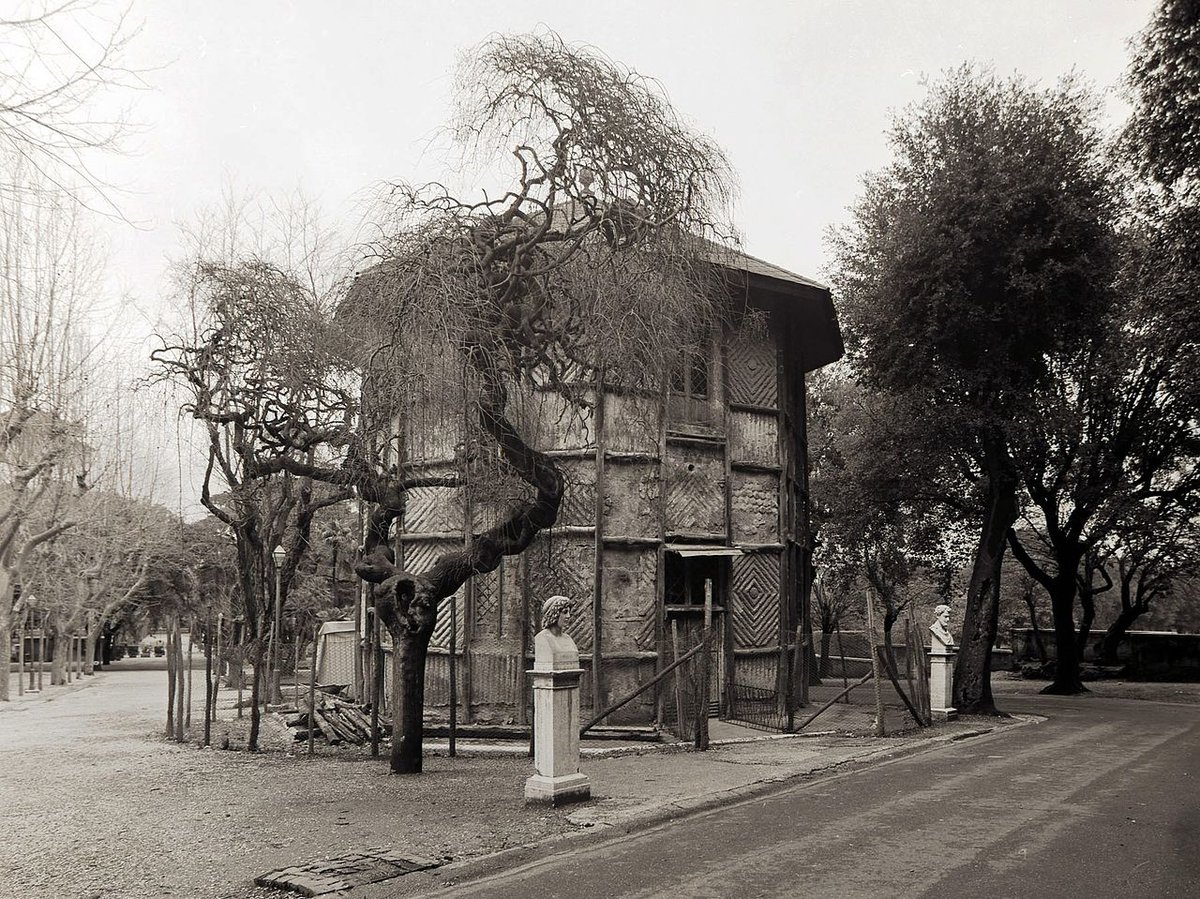
Located near the Pincio Terrace, the water clock is an intriguing piece of 19th-century engineering. It was designed by Giovanni Battista Embriaco and is powered by water from a nearby fountain.
Busts of Famous Italians
Scattered throughout the gardens are busts of notable Italian figures, including poets, scientists, and politicians. These statues provide a cultural and historical context to your visit.
Villa Medici
Adjacent to the Pincio, Villa Medici is home to the French Academy in Rome. While the villa itself requires a separate ticket for entry, its gardens are often open to the public and worth exploring.
Cultural Activities and Events
Passeggiata del Pincio is a hub of cultural activities and events that attract both locals and tourists. The promenade is a popular spot for leisurely walks, picnics, and outdoor gatherings. Throughout the year, the area hosts various cultural events, including art exhibitions, musical performances, and festivals. These events provide visitors with an opportunity to experience Rome's vibrant cultural scene and engage with the local community.
Literary and Artistic Connections
The Pincian Hill has been a source of inspiration for many writers and artists over the centuries. The serene environment and breathtaking views have been depicted in numerous literary works and paintings. Notable figures such as Johann Wolfgang von Goethe and Henry James have written about their experiences at the Pincio, highlighting its significance as a place of reflection and creativity. The promenade's connection to the arts continues to this day, with contemporary artists often drawing inspiration from its picturesque landscapes.
Social and Cultural Dynamics
Passeggiata del Pincio plays a crucial role in the social and cultural dynamics of Rome. It serves as a meeting point for people from diverse backgrounds, fostering a sense of community and cultural exchange. The promenade's inclusive atmosphere makes it a popular destination for families, couples, and solo travelers alike. The presence of street performers, vendors, and local artisans adds to the vibrant cultural tapestry of the area, making it a lively and engaging space for all visitors.
Influence on Modern Urban Planning
The design and layout of Passeggiata del Pincio have influenced modern urban planning in Rome and beyond. Valadier's approach to creating a harmonious blend of natural and architectural elements has been emulated in the development of other public spaces. The promenade's emphasis on accessibility and inclusivity has set a precedent for the creation of urban areas that cater to the needs of diverse populations. This influence is evident in the design of contemporary parks and promenades that prioritize aesthetic appeal, functionality, and cultural significance.
Preservation and Conservation Efforts
Efforts to preserve and conserve Passeggiata del Pincio are ongoing, ensuring that its historical and cultural value is maintained for future generations. The Italian government, along with various cultural organizations, has implemented measures to protect the area's architectural integrity and natural beauty. These initiatives include regular maintenance, restoration projects, and the promotion of sustainable tourism practices. The involvement of local communities in these efforts highlights the importance of collective responsibility in preserving cultural heritage.
Visitor Experience and Cultural Etiquette
Visitors to Passeggiata del Pincio are encouraged to immerse themselves in the cultural ambiance of the area while respecting its historical significance. It is important to adhere to local customs and etiquette, such as maintaining cleanliness, being mindful of noise levels, and showing respect for the sculptures and monuments. Engaging with local vendors and artisans can enhance the visitor experience, providing insights into Rome's rich cultural traditions. Additionally, participating in guided tours and cultural events can offer a deeper understanding of the promenade's historical and cultural context.
Travel Tips and Nearby Attractions
Travel Tips
- Best Time to Visit: Early morning or late afternoon for soft light and stunning views.
- Footwear: Comfortable walking shoes are recommended due to the extensive walking involved.
- Camera: Bring a camera to capture the picturesque scenery and historic monuments.
- Cultural Events: Check the schedule of cultural events and exhibitions to enrich your visit.
Nearby Attractions
The Passeggiata del Pincio is conveniently located near several other notable Rome historical sites. Visitors can easily explore nearby attractions such as the Spanish Steps, Piazza del Popolo, and the Borghese Gallery. These sites offer additional historical and cultural experiences, making for a comprehensive tour of Rome's rich heritage.
FAQ
Q: What are the visiting hours for Passeggiata del Pincio?
A: The promenade is generally open from 7:00 AM to 8:00 PM, but hours may vary seasonally.
Q: Is there an entrance fee for Passeggiata del Pincio?
A: No, there is no entrance fee to visit Passeggiata del Pincio.
Q: Are there guided tours available?
A: Yes, guided tours are available and can provide deeper insights into the history and significance of the area.
Q: What nearby attractions can be visited?
A: Nearby attractions include the Spanish Steps, Piazza del Popolo, and the Borghese Gallery.
Q: How can I stay updated on events at Passeggiata del Pincio?
A: Follow official websites and social media pages for updates on events and exhibitions.
Discover More
For more information on visiting Passeggiata del Pincio, download our mobile app, Audiala, and stay updated with the latest posts and events by following us on social media.
Tickets & tours.
These are guided options from our partners — same price as booking direct.
Prices are indicative — final pricing and availability are confirmed at checkout. Audiala may earn a commission from bookings made through these links.
Listen to the full story in the app
The whole Pincian Hill,
told well.
Audio guides for 1,100+ cities across 96 countries. History, stories, and local insight — offline ready.
Verified, and shown.
Researched and written by the Audiala editorial team from historical records, architectural archives, and local expertise.
Researched from Wikidata, Wikipedia & official sources · fact-checked · How we make our guides →