Plan and listen to Piazza Della Rotonda with Audiala.
Audio guide in your pocket, itinerary in your browser. Built for the way you actually visit.
Introduction: Piazza della Rotonda’s History and Cultural Significance
Nestled in the vibrant heart of Rome, Piazza della Rotonda is a captivating public square celebrated for its proximity to the majestic Pantheon. This piazza stands as a living testament to Rome’s layered history, seamlessly blending ancient Roman engineering with the city’s pulsating urban life. The Pantheon, originally constructed by Marcus Vipsanius Agrippa (27–25 BCE) and later rebuilt under Emperor Hadrian (118–125 CE), remains one of antiquity’s best-preserved monuments, famed for its massive unreinforced concrete dome and iconic oculus, which symbolize the connection between earth and the heavens (Wandering Italy; ArchDaily).
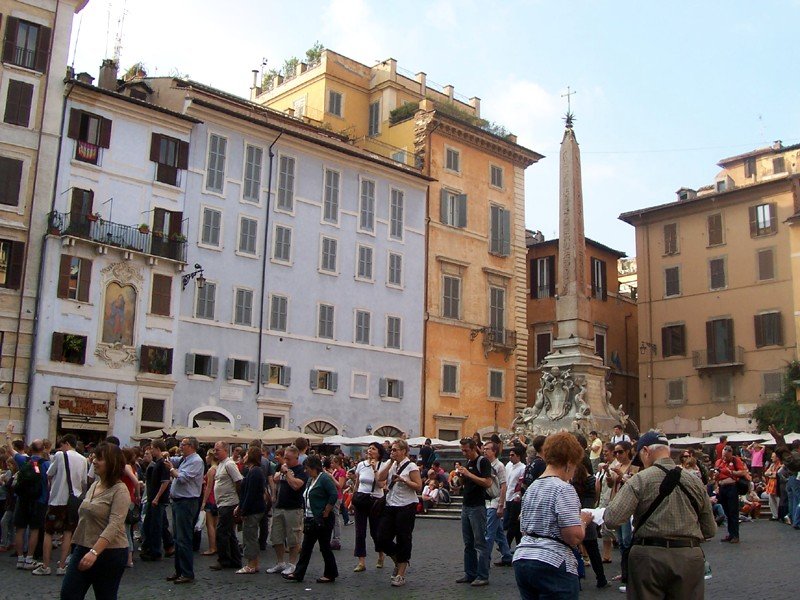
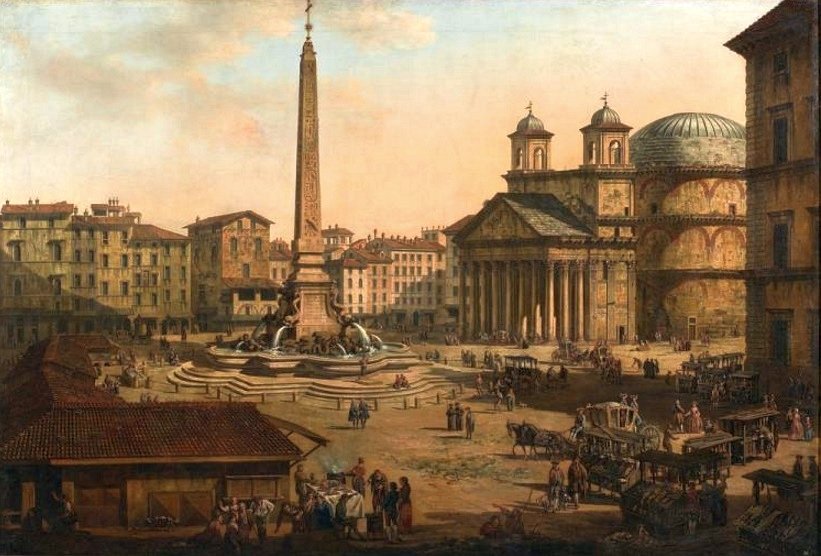
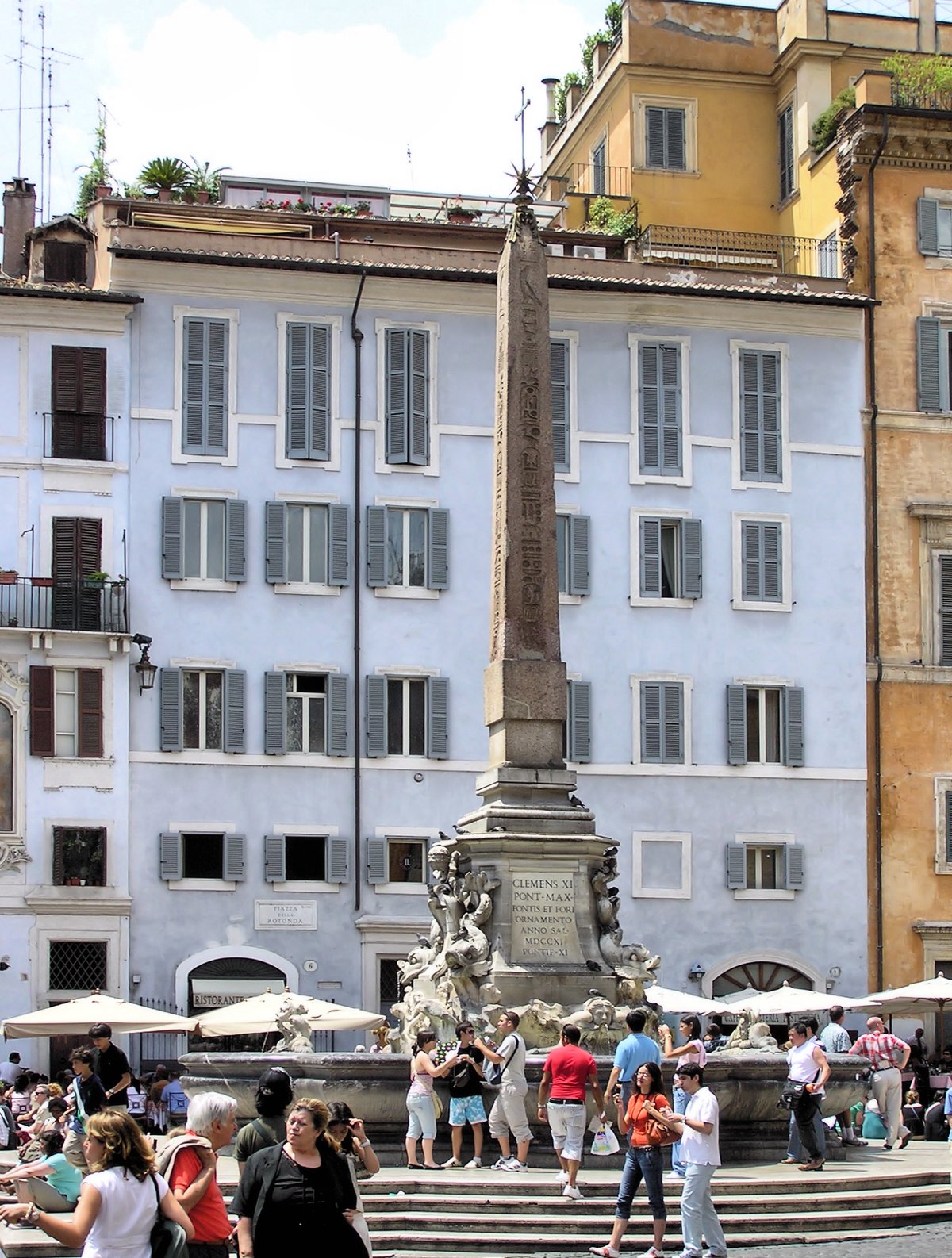
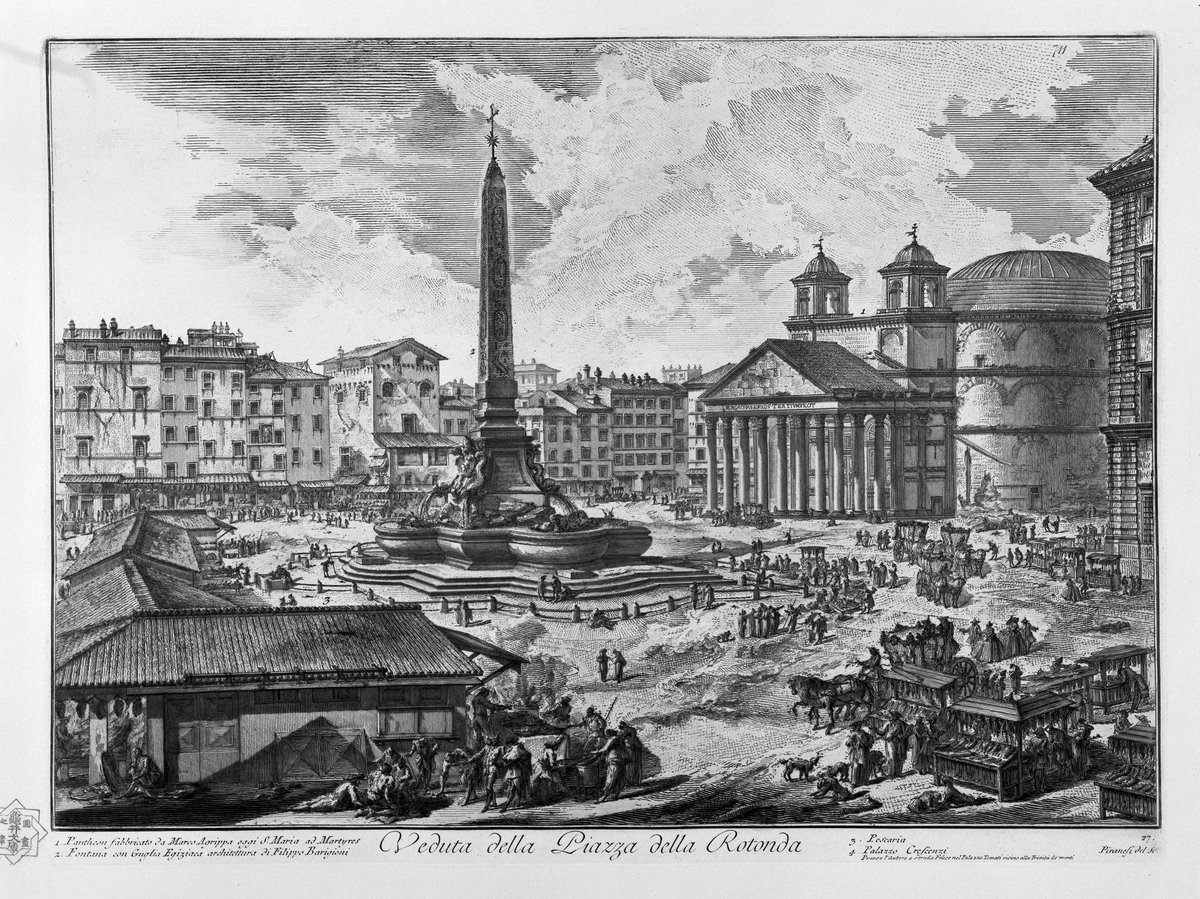
Over centuries, the piazza has evolved from a bustling market lined by medieval buildings to a refined Renaissance square, adorned with the Fontana del Pantheon and an ancient Egyptian obelisk—both of which enhance its architectural splendor (Wikipedia; Rome.us). Today, Piazza della Rotonda is a lively hub, framed by cafes, artisan boutiques, and historic establishments such as the Antico Albergo del Sole al Pantheon, which dates back to 1467 (PlanetWare).
This guide provides a comprehensive overview of Piazza della Rotonda and the Pantheon, including historical context, architectural highlights, visiting logistics, nearby attractions, and expert tips for an enriching Roman adventure.

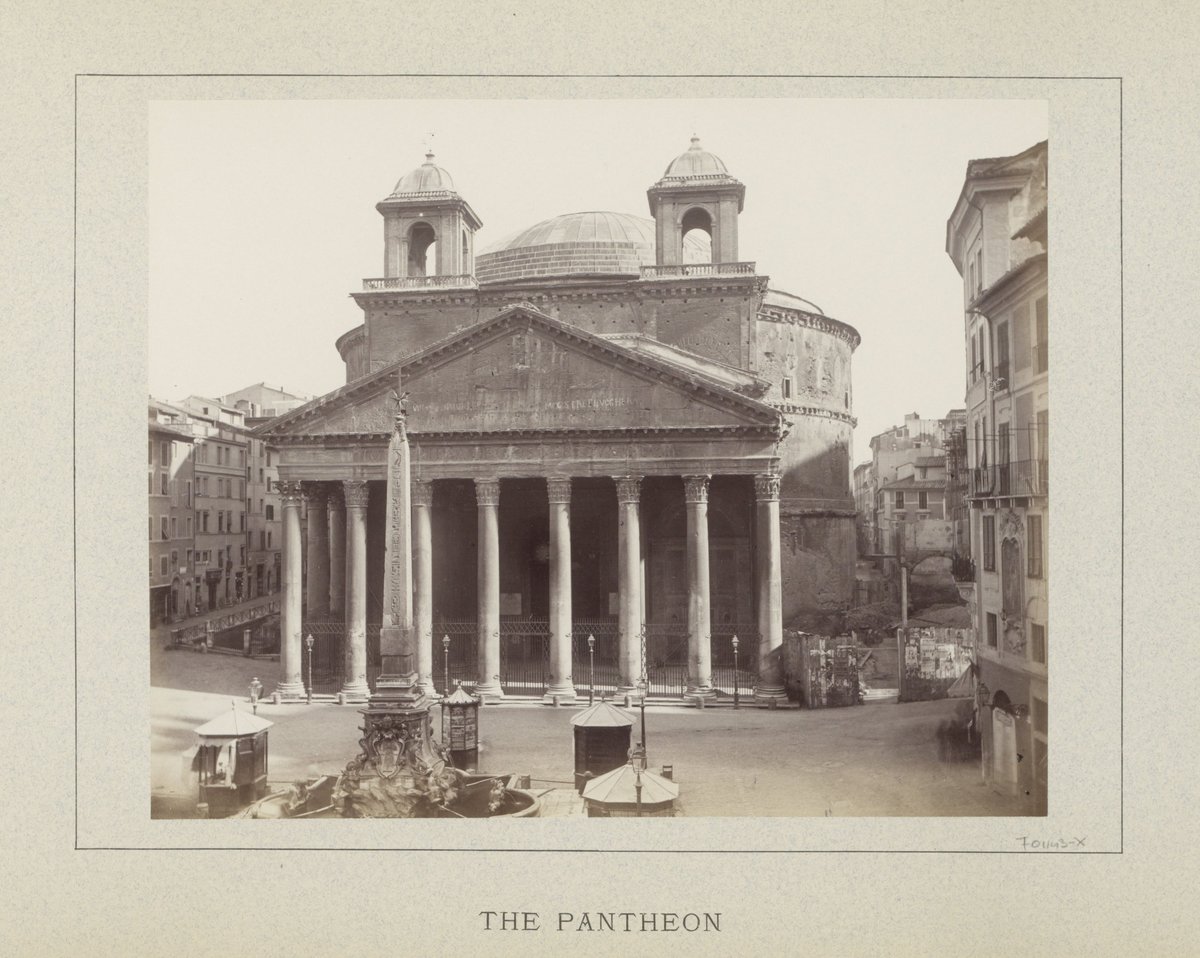
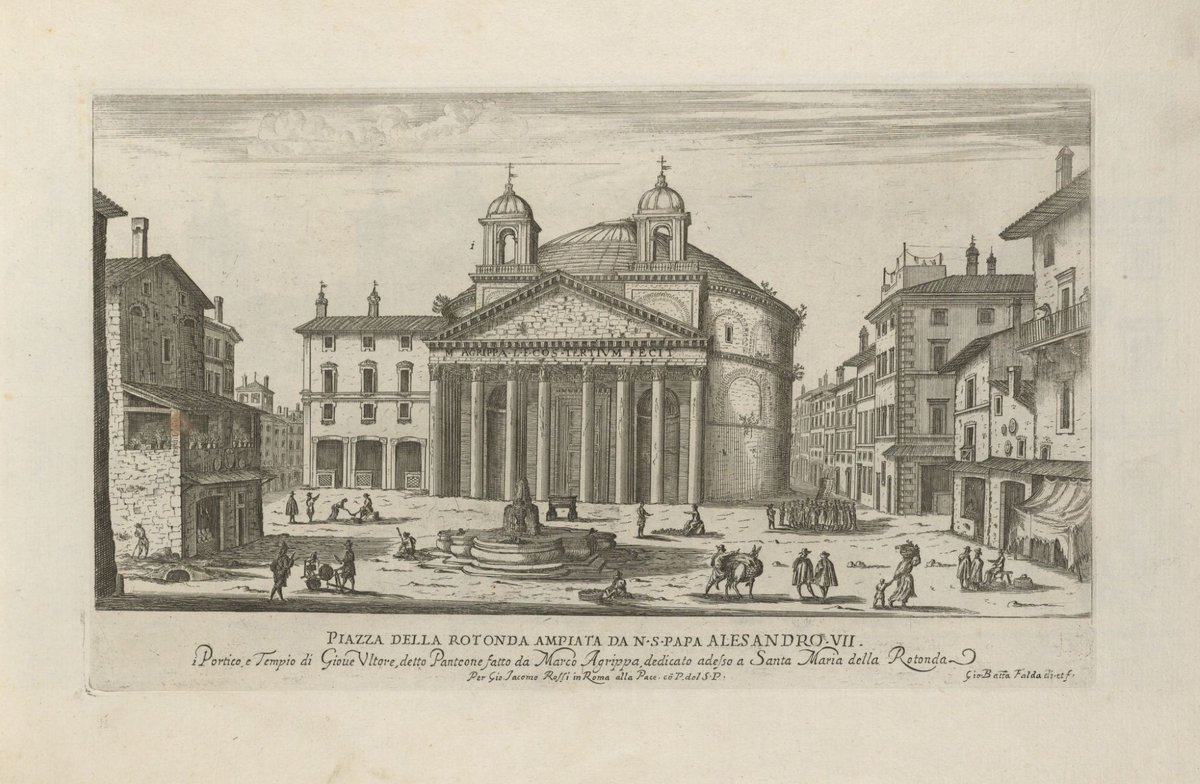
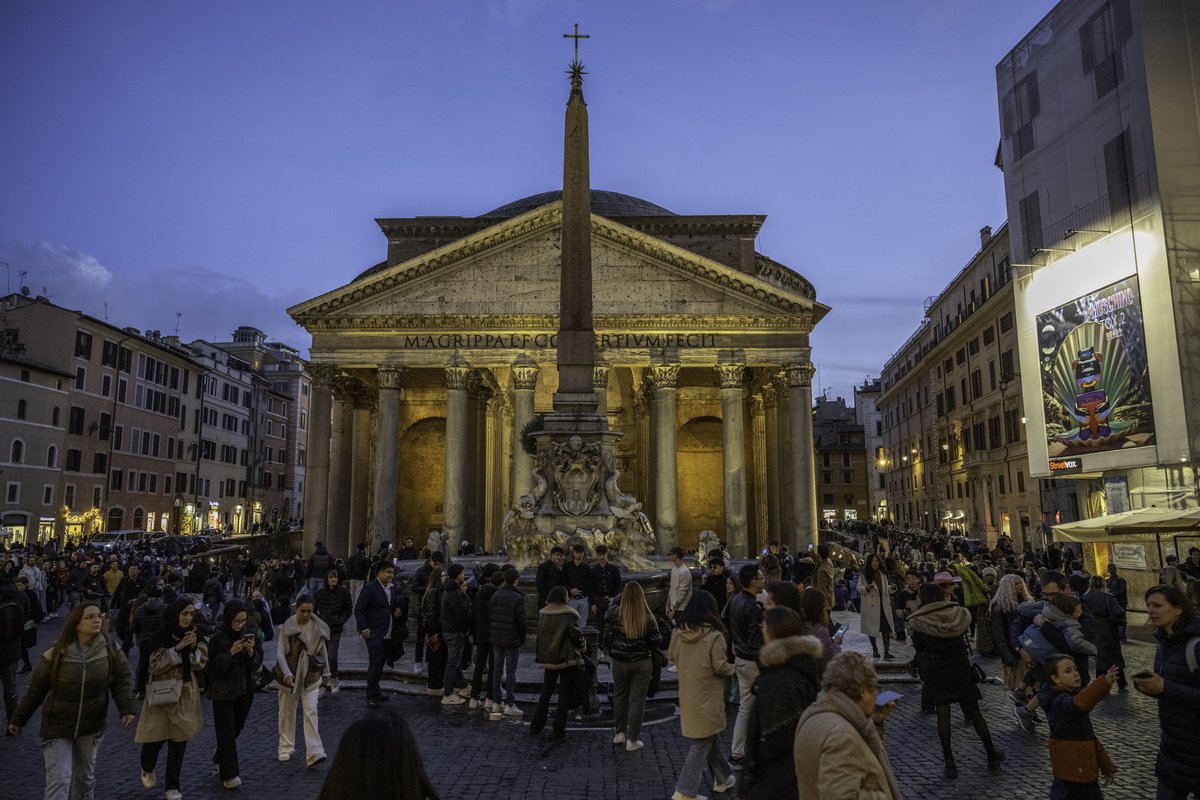
Ancient Origins and Roman Development
The roots of Piazza della Rotonda lie in the shadow of the Pantheon, initially constructed as a temple dedicated to all Roman gods by Agrippa. After suffering fire damage, it was rebuilt by Hadrian, who introduced the awe-inspiring rotunda and dome. The Pantheon’s portico features massive granite columns from Agrippa’s era, while the dome and rotunda are engineering marvels from Hadrian’s time (Wandering Italy; ArchDaily).
The square itself developed organically, initially serving as an informal market space encircled by stalls and medieval buildings (Wikipedia).
Medieval Transformations and Christianization
In 609 CE, Byzantine Emperor Phocas gifted the Pantheon to Pope Boniface IV, who consecrated it as the Church of Santa Maria ad Martyres, ensuring its preservation through the Middle Ages (Wandering Italy). The piazza became crowded with medieval shops and market activity, reflecting Rome’s unplanned urban growth (Wikipedia).
Renaissance and Baroque Urban Renewal
The Renaissance revived interest in classical Rome. In the 15th century, Pope Eugenius IV cleared medieval clutter and formally laid out Piazza della Rotonda, creating a dignified space before the Pantheon (Wikipedia). The Fontana del Pantheon, designed by Giacomo della Porta (1575), and the ancient Egyptian obelisk added in 1711 by Pope Clement XI, enriched the square’s visual and historical appeal (Rome.us).
Papal Modifications and National Symbolism
The 17th century saw further changes: Pope Urban VIII removed bronze from the Pantheon’s portico to cast cannons and added bell towers, later removed for aesthetic reasons (Wanted in Rome). After Italy’s unification in 1870, the Pantheon became a national shrine, and the piazza gained prominence as a symbol of civic pride. The area once hosted lively markets and festive celebrations (Wikipedia).
Modern Era: Preservation and Tourism
Partial demolitions in the late 19th century expanded the piazza, creating the open space seen today. Piazza della Rotonda now thrives as a social and cultural hub, surrounded by cafes, restaurants, and artisan shops. The area’s hospitality legacy is embodied by the historic Antico Albergo del Sole al Pantheon (PlanetWare). The Pantheon continues to function as an active church and a major tourist attraction, drawing millions annually.
Visitor Information: Hours, Tickets, Accessibility
- Pantheon Visiting Hours: Open daily from 9:00 AM to 7:00 PM. Last admission at 6:45 PM. Hours may vary for religious events; always check the official website.
- Tickets: Since July 2023, a €5 ticket is required for most visitors. Entry is free for Rome residents, EU citizens under 18, and other eligible groups (Mamalovesrome).
- Ticket Purchase: Buy tickets online in advance to avoid long queues, especially during peak seasons.
- Accessibility: The piazza and Pantheon are wheelchair accessible, with ramps at the Pantheon entrance.
- Getting There: Centrally located, Piazza della Rotonda is accessible on foot from major attractions or by public transport (bus lines 30, 40, 62, 64, 81, 87, 492; nearest metro station: Barberini).
Guided Tours and Special Events
Official audio guides (available in nine languages) and expert-led guided tours are offered at the Pantheon’s Welcome Desk. Annual events, like the Pentecost rose petal ceremony, create unique opportunities for visitors (Wanted in Rome). Guided tours enhance the experience with deeper historical and architectural insights.
Dining, Shopping, and Photographic Spots
- Dining & Cafés: Enjoy espresso or traditional Roman meals at cafes and trattorias surrounding the piazza. For gelato, visit Venchi Cioccolato e Gelato nearby.
- Shopping: Browse artisan boutiques like Cartoleria Pantheon dal 1910 for stationery and Del Giudice Roma for handmade leather goods (PlanetWare).
- Photography: The piazza offers excellent views of the Pantheon’s façade, fountain, and obelisk—early morning and evening are ideal times for photos.
Nearby Attractions
All within a 10-minute walk:
- Piazza Navona (600 meters)
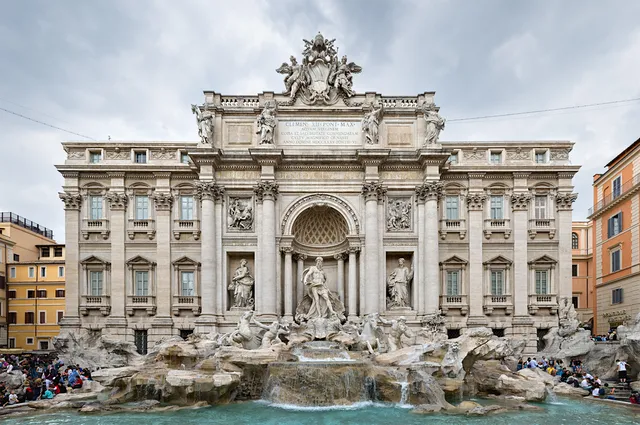
- Trevi Fountain (700 meters)
- Campo de’ Fiori (800 meters)
- Via del Corso shopping street (500 meters)
Practical Tips and FAQs
Practical Visitor Tips
- Best Times to Visit: Early morning or late afternoon to avoid crowds.
- Dress Code: Shoulders and knees must be covered to enter the Pantheon.
- Safety: Watch out for pickpockets; respect local etiquette.
- Facilities: Restrooms for ticket holders are inside the Pantheon; public fountains (“nasoni”) provide drinking water.
Frequently Asked Questions
Q: What are Pantheon opening hours?
A: Daily 9:00 AM–7:00 PM; last entry 6:45 PM; closed January 1, August 15, December 25 (Pantheon official website).
Q: How do I purchase tickets?
A: Online via the official website or at the entrance; advance booking is recommended.
Q: Is the Pantheon wheelchair accessible?
A: Yes, with ramps and accessible restrooms.
Q: Are guided tours available?
A: Yes, audio guides and expert tours are available at the Welcome Desk.
Q: Can I take photos inside?
A: Yes, but no flash or tripods; be respectful during services.
Discover More
Piazza della Rotonda and the Pantheon exemplify Rome’s union of ancient grandeur and vibrant urban life. Whether you’re drawn by architectural marvels, dynamic social energy, or the allure of nearby landmarks, this destination promises a multidimensional experience. Plan ahead—book your tickets, consider guided tours, and explore the piazza’s lively atmosphere beyond the monument. For seamless travel, the Audiala app provides up-to-date information and expert insights.
Experience the timeless heart of Rome, where history, culture, and daily life converge.
Tickets & tours.
These are guided options from our partners — same price as booking direct.
Prices are indicative — final pricing and availability are confirmed at checkout. Audiala may earn a commission from bookings made through these links.
Listen to the full story in the app
The whole Piazza Della Rotonda,
told well.
Audio guides for 1,100+ cities across 96 countries. History, stories, and local insight — offline ready.
Verified, and shown.
Researched and written by the Audiala editorial team from historical records, architectural archives, and local expertise.
Researched from Wikidata, Wikipedia & official sources · fact-checked · How we make our guides →