Plan and listen to Piazza Colonna with Audiala.
Audio guide in your pocket, itinerary in your browser. Built for the way you actually visit.
Introduction
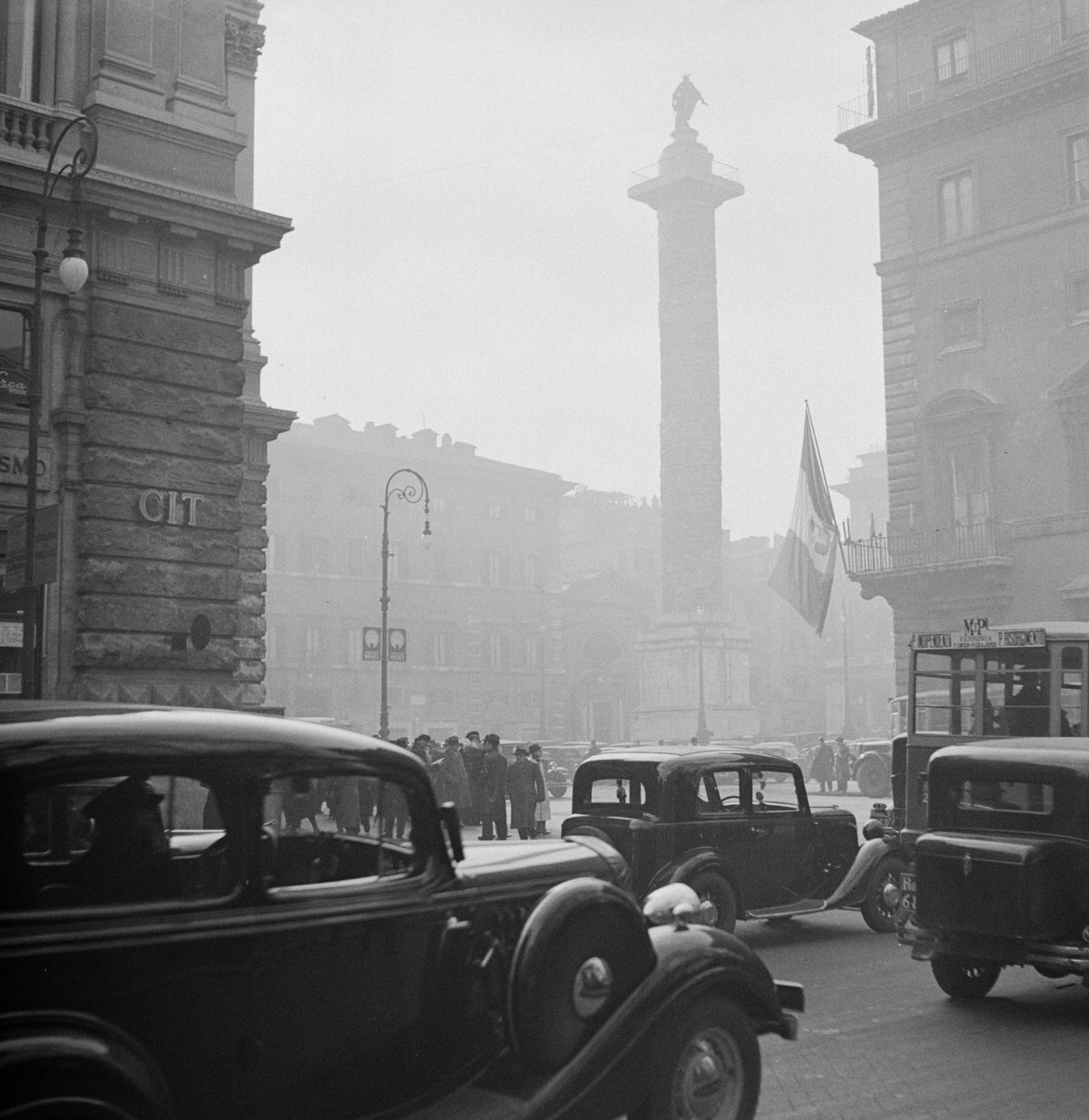
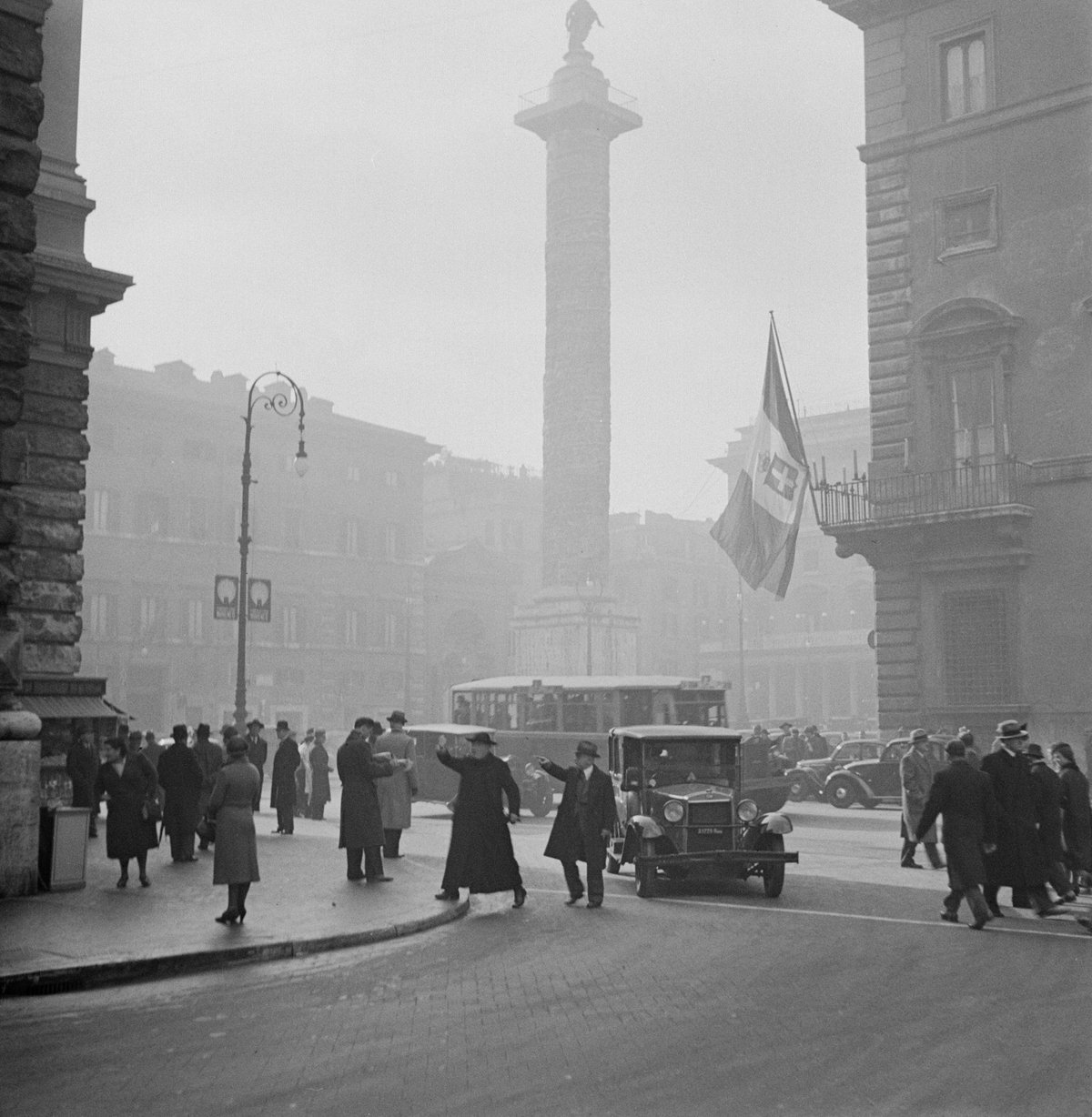
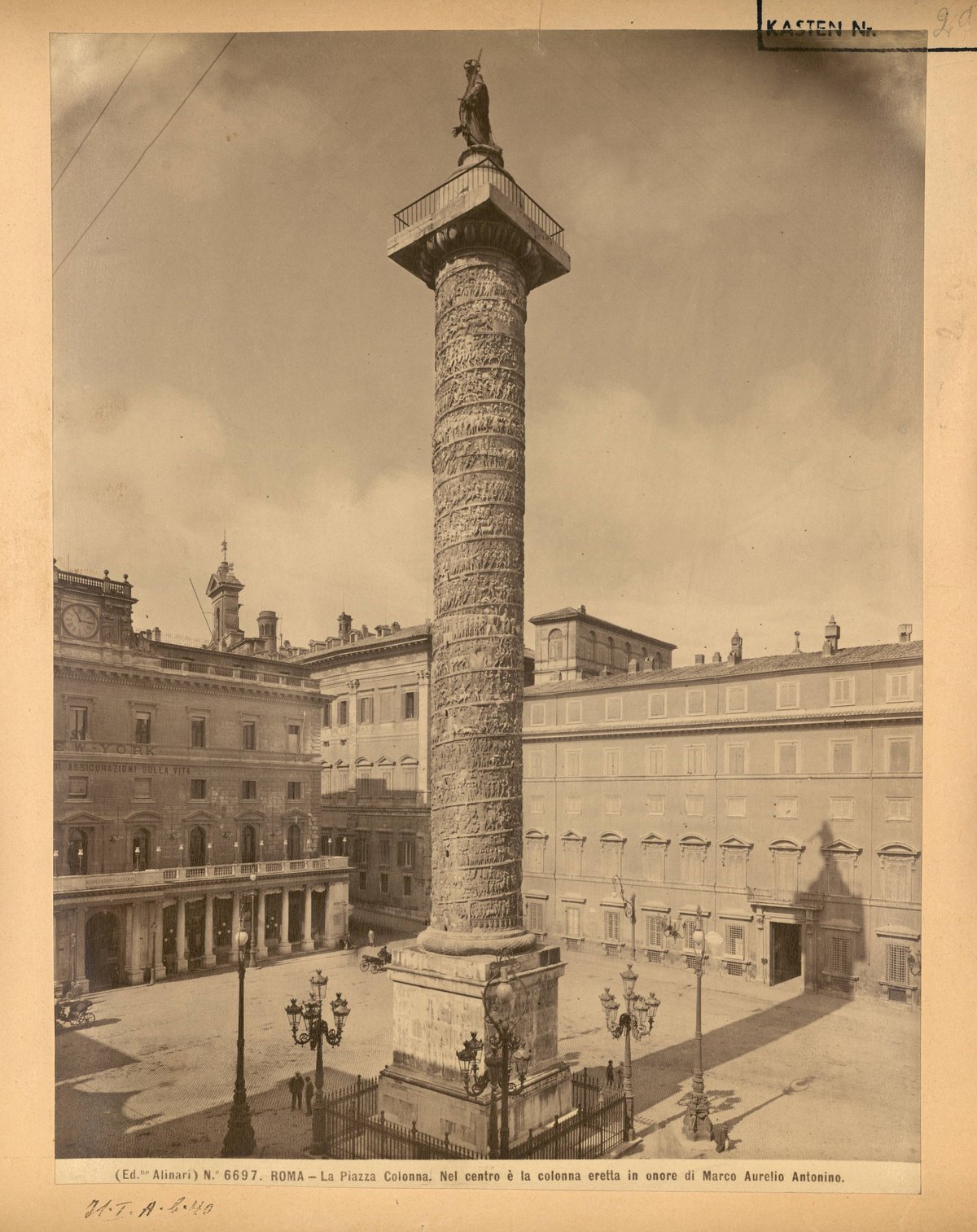
Piazza Colonna, set at the heart of Rome on the bustling Via del Corso, is a vibrant square that serves as a bridge between the city’s imperial past and its dynamic present. Dominated by the ancient Column of Marcus Aurelius, the piazza is surrounded by stately palaces, political institutions, and elegant shopping arcades. It is not only a testament to Roman history and artistry but also a lively hub of civic engagement and daily life. This guide provides essential information for visitors, including opening hours, ticketing, accessibility, nearby attractions, and historical context, ensuring a seamless and enriching experience in one of Rome’s most iconic public spaces (Turismo Roma; FullSuitcase).
Ancient Origins and Roman Foundations
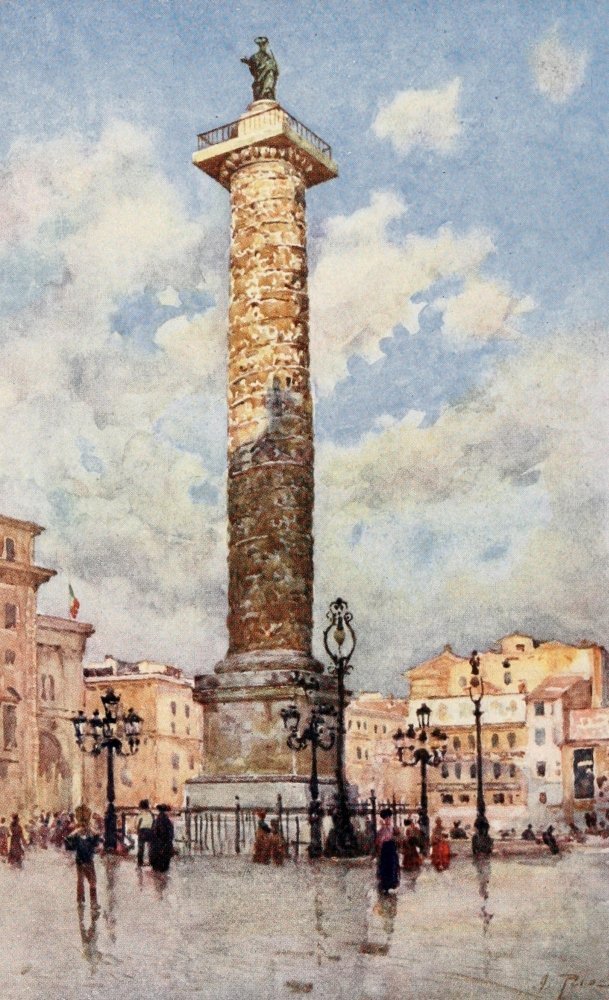
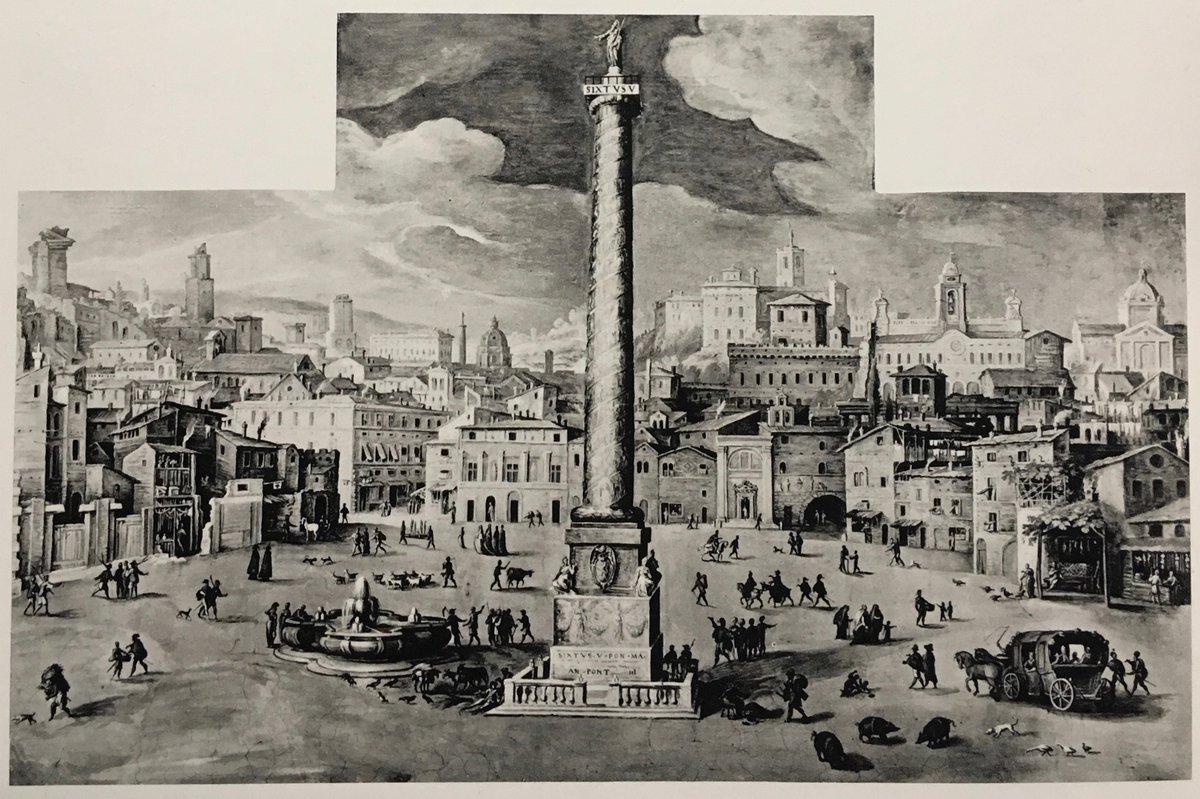
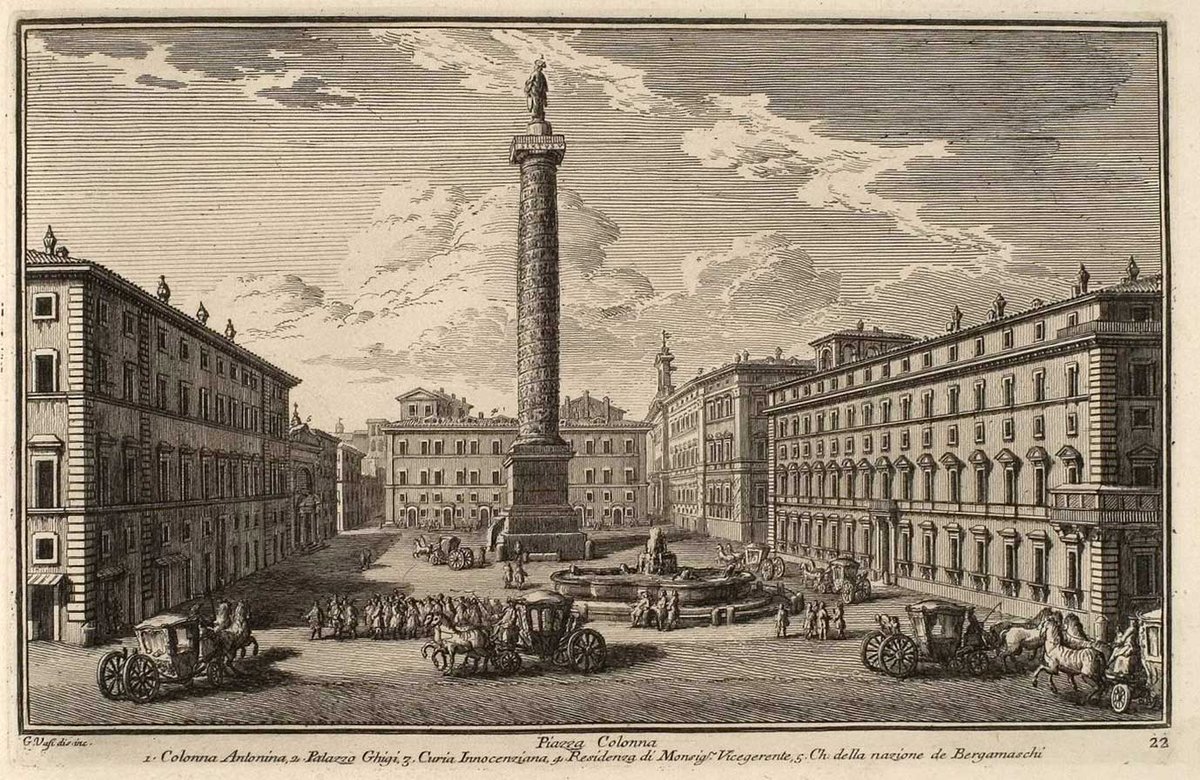
Piazza Colonna derives its name and centrality from the Column of Marcus Aurelius, erected between 176 and 193 CE to commemorate the emperor’s military victories. The column, standing about 30 meters high (with an additional base), features a spiral relief depicting imperial campaigns along the Danube. It is a remarkable record of Roman military history, with over 2,000 figures intricately carved in 21 spirals. Originally, a statue of Marcus Aurelius stood atop; today, it is replaced by a bronze statue of St. Paul, added during the papal restoration in the late 16th century (World History Encyclopedia; Roman Empire History).
Medieval and Renaissance Transformations
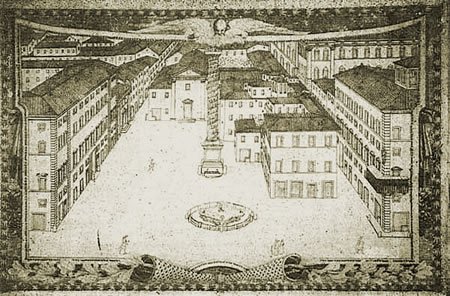
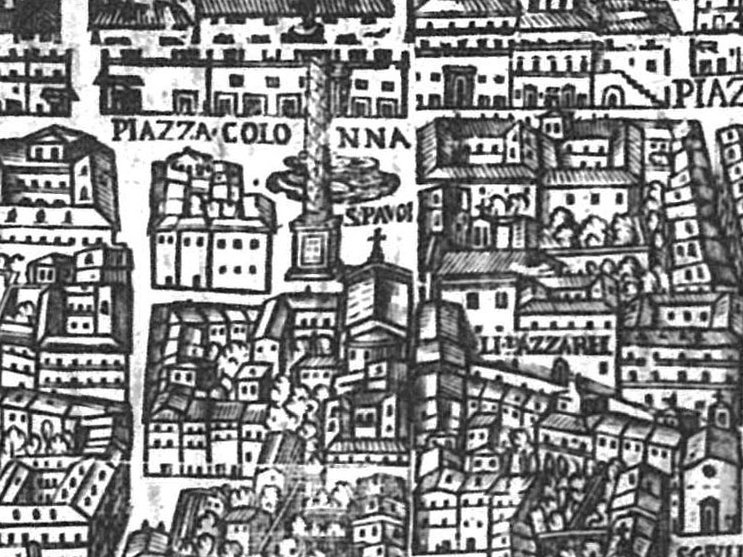
In the Middle Ages, the piazza became densely built up, but the column remained a prominent landmark. The Renaissance saw significant restoration under Pope Sixtus V, who replaced the original statue and reinforced the monument’s base. The surrounding area saw the emergence of noble palaces and churches, solidifying the square’s importance in Rome’s urban fabric (World History Encyclopedia).
Baroque Urban Renewal and the Fountain
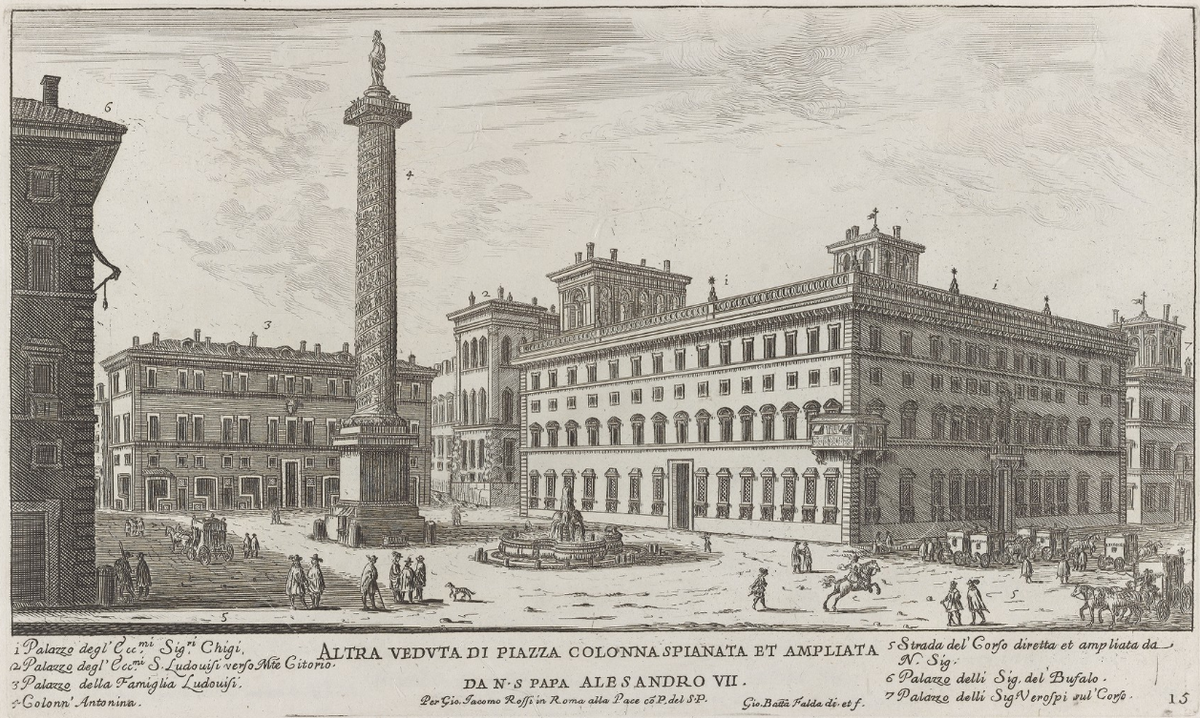
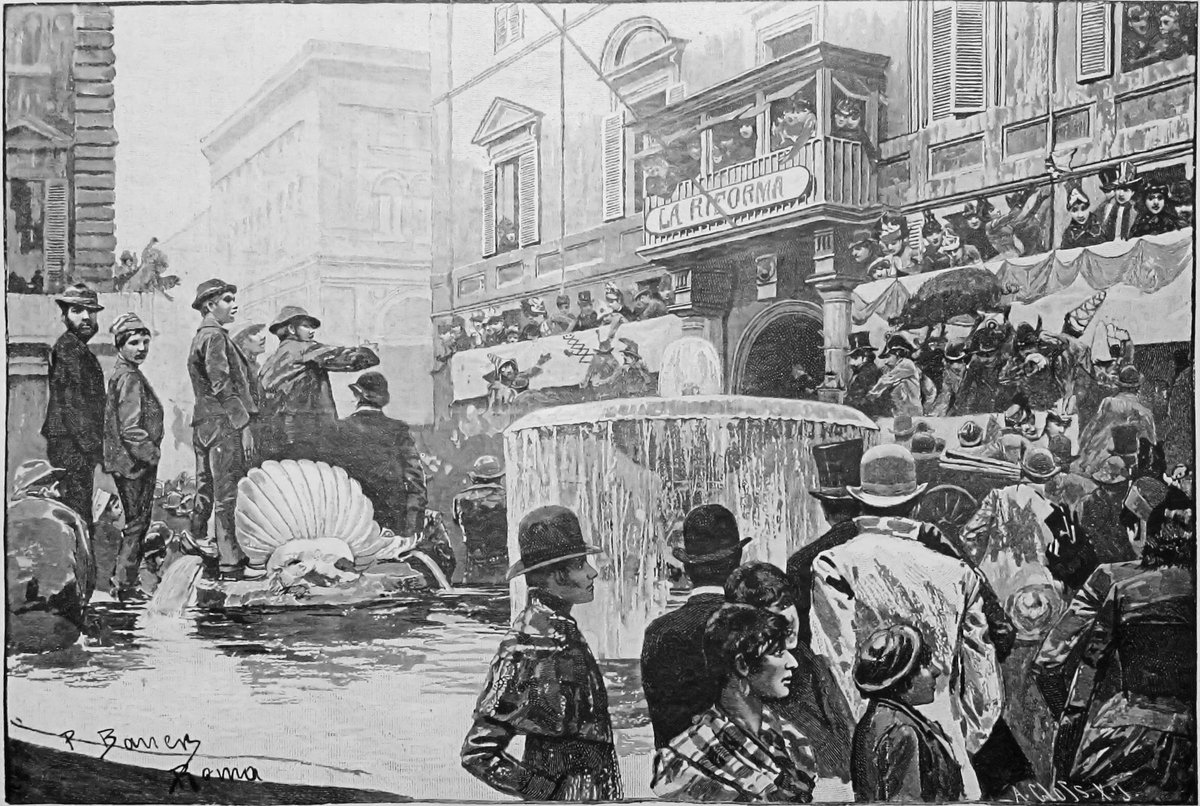
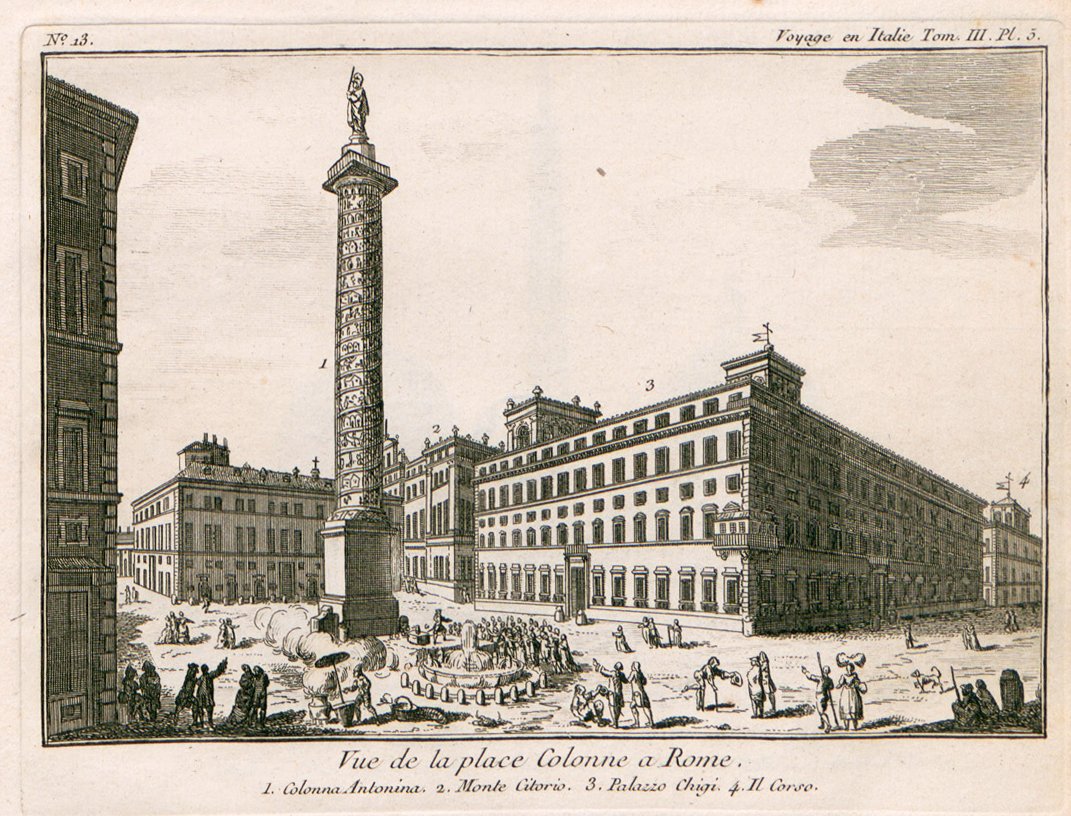
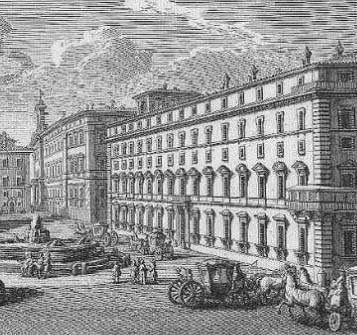
The 16th and 17th centuries brought further transformation. Pope Gregory XIII commissioned the piazza’s central fountain, designed by Giacomo della Porta and completed by Leonardo Sormani (1575–1577). The Baroque era saw the construction of grand palaces, including Palazzo Chigi and Palazzo Wedekind, giving the square its harmonious, monumental character (Baroque Rome).
Modern Developments and Political Significance
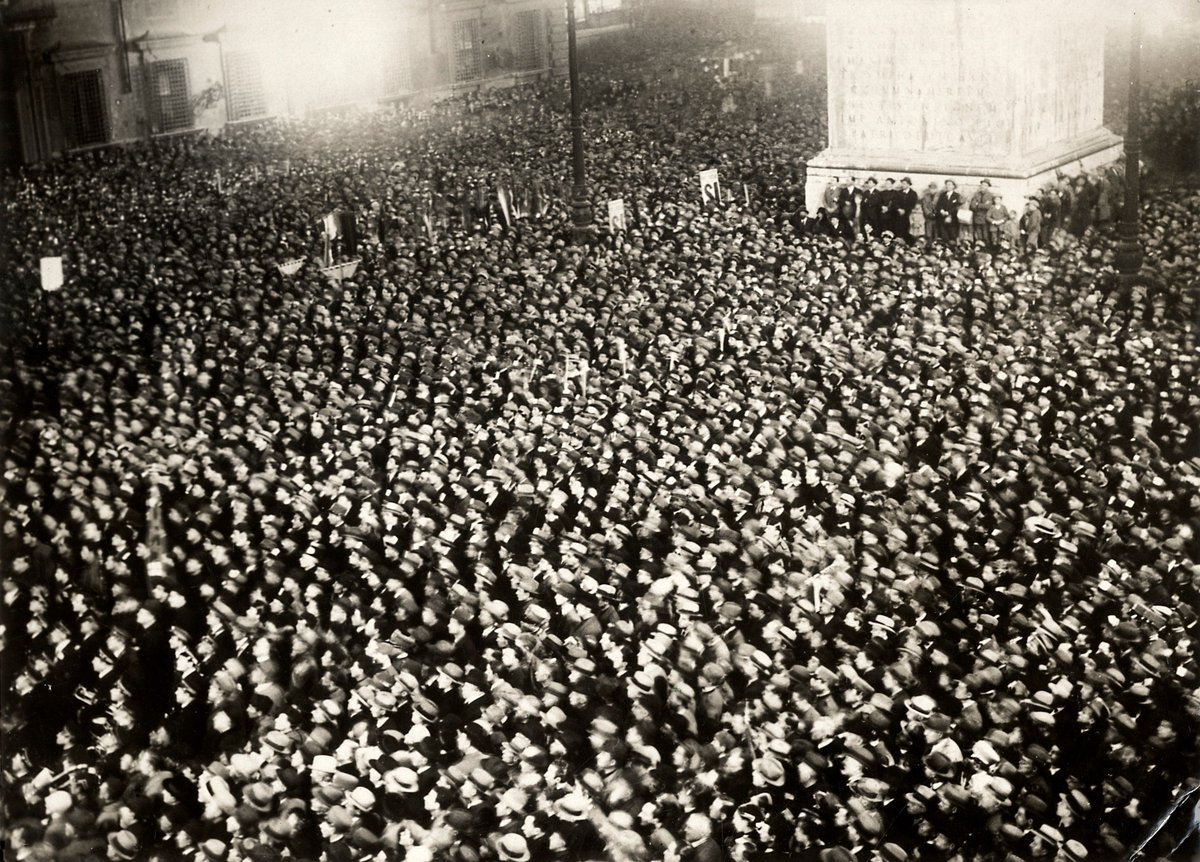
With the unification of Italy, Piazza Colonna grew in political prominence. Palazzo Chigi became the seat of the Italian Prime Minister, and the square remains a backdrop for political events, demonstrations, and national celebrations. In June 2023, following a decade of heightened security, the piazza was fully reopened to the public (Wanted in Rome).
Visiting Piazza Colonna: Hours, Tickets, Accessibility
- Opening Hours: The piazza is open 24 hours a day, year-round.
- Entry Fee: Free access; no tickets are required to enter the square or view its monuments.
- Column Access: The interior of the Column of Marcus Aurelius is not open to visitors.
- Special Events: Temporary restrictions may apply during official government events or heightened security periods (Rome.net).
- Best Time to Visit: Early morning or late evening offers optimal lighting and fewer crowds, especially during peak tourist season and Jubilee Year events (FullSuitcase).
Key Monuments and Buildings
The Column of Marcus Aurelius
The column is the centerpiece of the piazza, celebrated for its spiral reliefs chronicling the emperor’s campaigns. Designed to be legible from the ground, the carvings capture dramatic scenes of battle, diplomacy, and the emperor’s leadership. The original internal staircase is closed to the public, but the monument remains a focal point for art historians and visitors alike (Turismo Roma).
Palazzo Chigi
Located on the north side, Palazzo Chigi is the official residence of the Italian Prime Minister. This 16th-century palace has a stately Renaissance-Baroque façade and is integral to Italy’s political life (Wikipedia).
Palazzo Wedekind
Built in 1838 on the west side, this Neoclassical palace features a striking colonnade with ancient Roman columns sourced from Veii, reflecting Rome’s tradition of integrating antiquity into modern structures.
Galleria Alberto Sordi
Formerly known as Galleria Colonna, this early 20th-century Art Nouveau shopping arcade is located at the piazza’s southern edge. It features vaulted ceilings, stained glass skylights, and mosaic floors, hosting boutiques, cafés, and cultural venues (Turismo Roma).
Visitor Information
Accessibility
- Wheelchair Access: The piazza is paved and flat, with curb cuts at most crossings. Galleria Alberto Sordi is fully accessible with ramps and elevators. Some adjacent streets have uneven cobblestones.
- Public Transport: The square is easily reached by metro (Line A – Barberini or Spagna) and by several bus lines (62, 63, 80, 85, 492, 628, 119, 116) (RomeActually; Rome.net).
Facilities and Amenities
- Restrooms: Available in Galleria Alberto Sordi (10:00 AM–8:00 PM) and nearby cafés/restaurants.
- Food and Drink: Numerous trattorias, gelaterias, and coffee bars line the square and nearby streets, many with outdoor seating.
- Shopping: Galleria Alberto Sordi and Via del Corso feature a range of Italian and international boutiques.
Safety and Security
The area is well-patrolled due to its proximity to government buildings. Be vigilant against pickpockets, particularly during busy times and large events (Italy Tourist Information).
Nearby Attractions
Piazza Colonna is an ideal starting point for exploring Rome’s historic center, with several major sites within walking distance:
- Pantheon: 5-minute walk; one of ancient Rome’s best-preserved monuments.
- Trevi Fountain: 10-minute walk; renowned Baroque masterpiece.
- Spanish Steps and Piazza di Spagna: Shopping and social hotspot.
- Piazza Navona: Famous for Baroque fountains and lively atmosphere (Italy Tourist Information).
Guided Tours and Events
Numerous guided walking tours include Piazza Colonna as part of their itinerary. These tours often provide historical context and access to nearby museums or churches. The Jubilee Year 2025 will bring additional events, heightened security, and larger crowds—plan and book ahead (FullSuitcase).
Practical Tips
- Visit Early or Late: For the best experience and photos, avoid midday crowds.
- Stay Hydrated: Bring a refillable water bottle; Rome’s public fountains (nasoni) are nearby.
- Dress Appropriately: Modest attire is recommended, especially if visiting churches or government buildings.
- Secure Valuables: Use anti-theft bags and be aware of pickpockets.
- Use Public Transport: Parking is limited and traffic is heavy in the city center.
Frequently Asked Questions (FAQ)
Q: What are the visiting hours for Piazza Colonna?
A: The piazza is open 24/7 as a public space.
Q: Is there an entrance fee to Piazza Colonna or the Column of Marcus Aurelius?
A: No, both are free to visit.
Q: Are guided tours available?
A: Yes, many walking tours include Piazza Colonna. Some tours to nearby museums or palaces require tickets.
Q: Is the piazza accessible for wheelchair users?
A: Yes, the square and Galleria Alberto Sordi are accessible; some surrounding streets may have cobblestones.
Q: What is the best time to visit?
A: Early morning or late evening for fewer crowds and optimal lighting.
Tickets & tours.
These are guided options from our partners — same price as booking direct.
Prices are indicative — final pricing and availability are confirmed at checkout. Audiala may earn a commission from bookings made through these links.
Listen to the full story in the app
The whole Piazza Colonna,
told well.
Audio guides for 1,100+ cities across 96 countries. History, stories, and local insight — offline ready.

Verified, and shown.
Researched and written by the Audiala editorial team from historical records, architectural archives, and local expertise.
Researched from Wikidata, Wikipedia & official sources · fact-checked · How we make our guides →