Plan and listen to Palazzo Montecitorio with Audiala.
Audio guide in your pocket, itinerary in your browser. Built for the way you actually visit.
Introduction
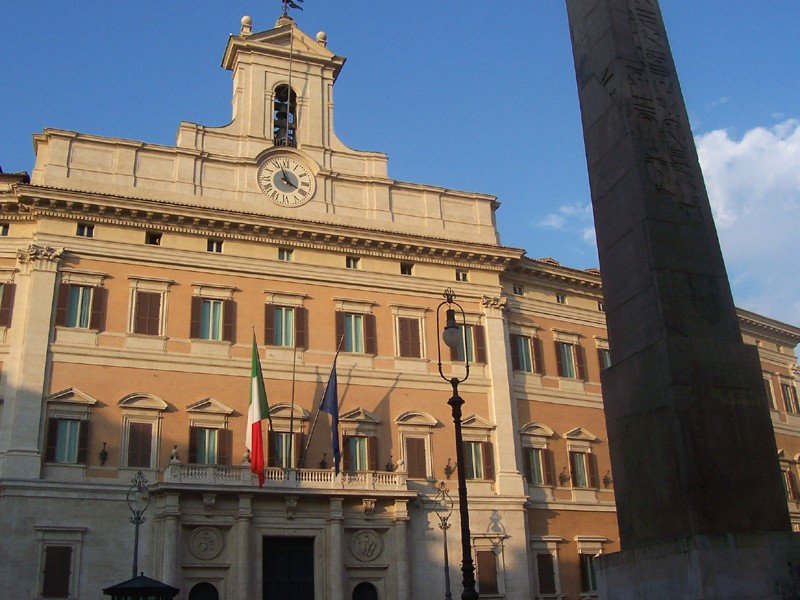
Palazzo Montecitorio stands prominently in the heart of Rome, serving as both a masterpiece of Baroque and Art Nouveau architecture and the symbolic seat of Italy’s Chamber of Deputies. Originally conceived in the 17th century, this historic palace has borne witness to centuries of political transformation, from papal courts to the vibrant center of Italian democracy (Everything Explained Today). Its evocative façade and richly decorated interiors make it an essential destination for those exploring Rome's historical and political legacy.
This comprehensive guide provides essential details for visitors, including updated visiting hours, ticketing procedures, accessibility information, and highlights of the palace’s cultural and architectural significance. Whether you are a history enthusiast, architecture lover, or simply a curious traveler, this article will help you plan an unforgettable visit to one of Rome’s most iconic landmarks. For the latest information on tours and tickets, always refer to the official Italian Chamber of Deputies website.

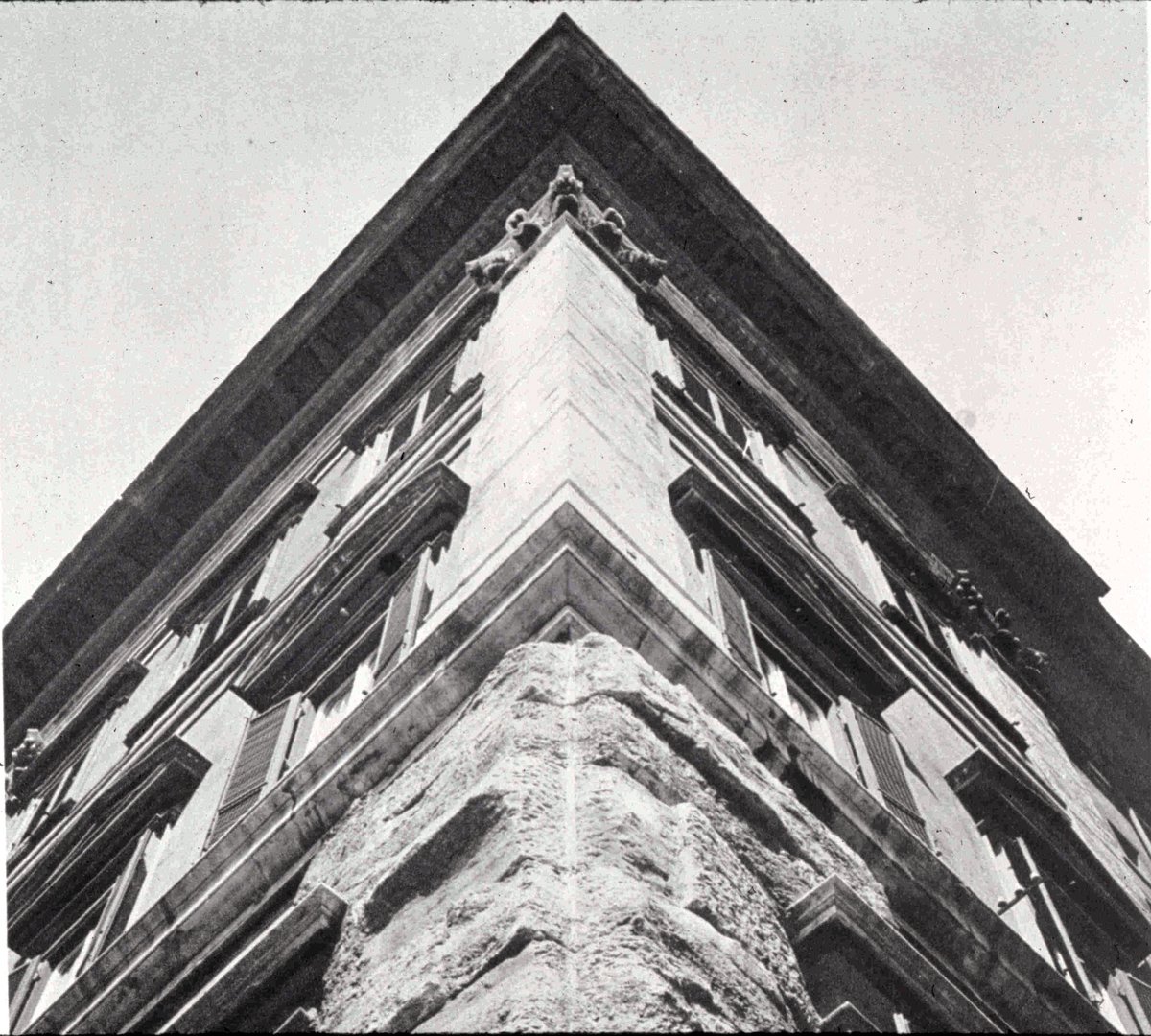
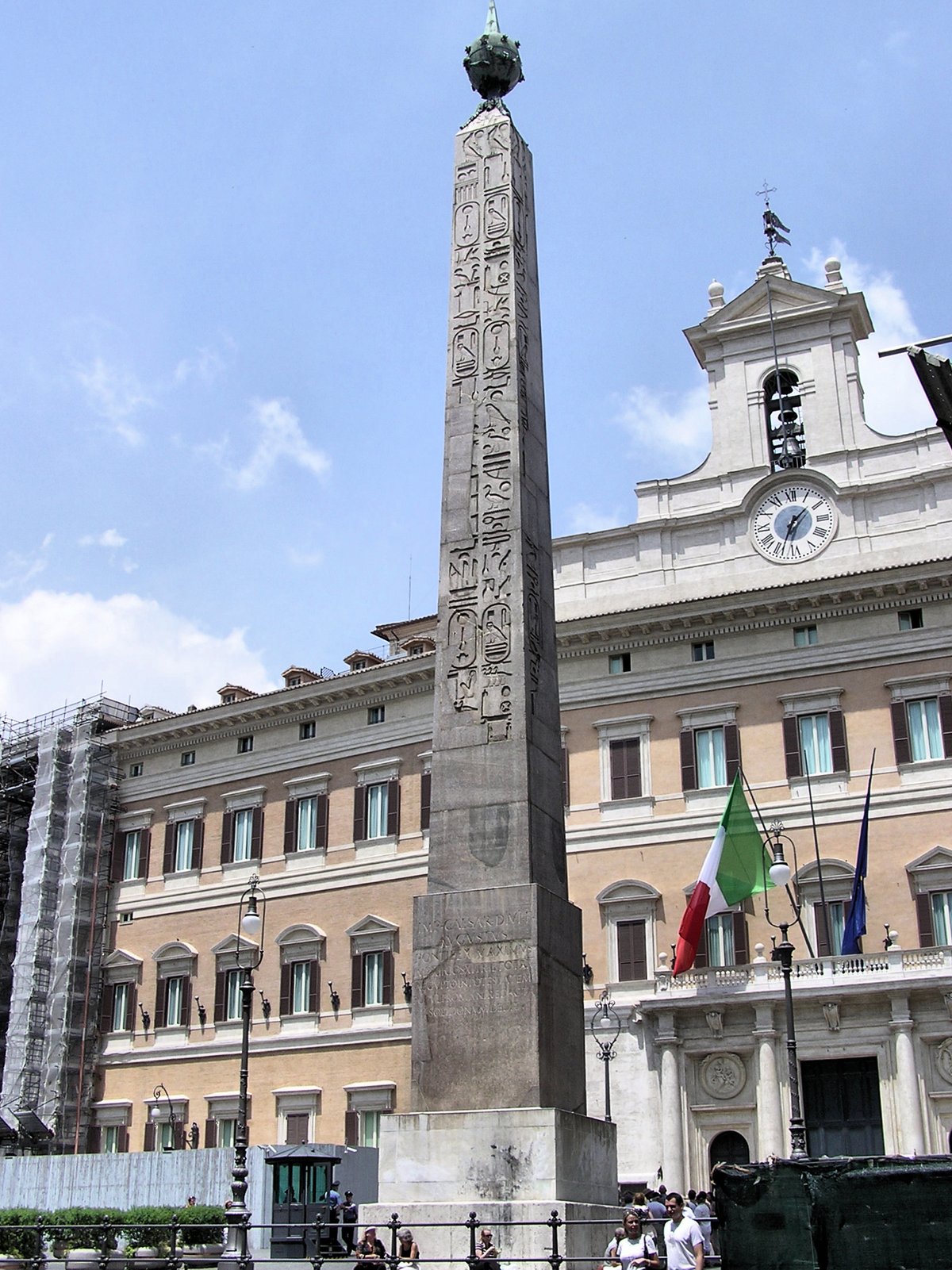
Origins and Early Construction
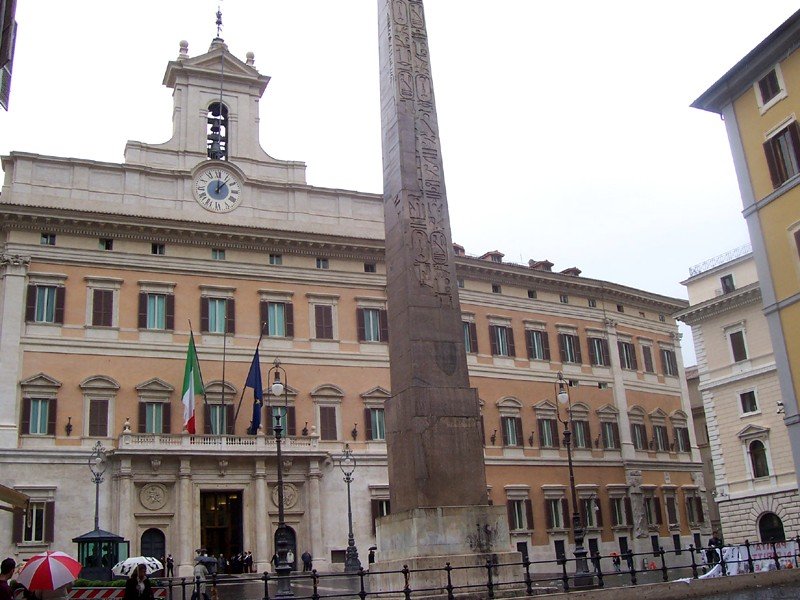
Palazzo Montecitorio was commissioned in the mid-17th century by Cardinal Ludovico Ludovisi, nephew of Pope Gregory XV. Its location on the modest Mons Citatorius hill, formed during the clearing of the ancient Campus Martius, reflects Rome’s layered topography (Everything Explained Today). Designed by Gian Lorenzo Bernini, the palace began construction in 1650 but was interrupted after the pope’s death. Later, under Pope Innocent XII, architect Carlo Fontana modified Bernini’s plans, adding the prominent bell gable above the entrance—a feature still present today.
Innocent XII’s reforms ensured the palace would serve public functions rather than private interests, setting the stage for its enduring civic significance.
Papal and Civic Functions
By 1696, Palazzo Montecitorio had become the seat of the Curia Apostolica, housing the papal law courts. Its importance grew as it later accommodated the Governatorato di Roma and the police headquarters. In 1789, Pope Pius VI installed the ancient Obelisk of Montecitorio in the square outside, further cementing the site’s prominence (Everything Explained Today).
Transition to National Parliament
The unification of Italy in the 19th century and the subsequent designation of Rome as the capital in 1870 marked a turning point for the palace. It was repurposed as the seat of the Chamber of Deputies, symbolizing the birth and consolidation of Italian democracy. Architect Paolo Comotto oversaw the conversion of the courtyard into a semi-circular assembly hall, inaugurated in 1871 (Everything Explained Today).
Architectural Evolution and Renovations
Palazzo Montecitorio’s architectural journey mirrors Italy’s complex history. Early issues with the assembly hall’s acoustics and climate led to the building being condemned in 1900. A major renovation, led by Art Nouveau architect Ernesto Basile, was completed in 1918. Basile’s intervention preserved the original façade, introduced new red-brick and travertine towers, and created the iconic Transatlantico salon—a central gathering place for politicians (Everything Explained Today).
Inside, the semi-circular assembly hall is illuminated by a vibrant glass canopy crafted by Giovanni Beltrami, while the interiors blend Baroque and Art Nouveau styles, showcasing Italy’s artistic evolution.
Artistic Highlights and Symbolic Spaces
The palace’s interiors are adorned with significant artworks and decorative elements. Notably, Giulio Aristide Sartorio’s frieze, "The Italian People," spans the debating chamber, depicting allegories of Italy’s history and unity. The Hall of the She-Wolf houses the famous bronze Capitoline She-Wolf, a symbol of Rome’s origin myth and Italian identity.
Other notable spaces include the Queen’s Hall, once reserved for the monarchy and now a venue for cultural initiatives, and the Corridor of the Busts, featuring sculptures of key figures from the Risorgimento and the Italian Republic (Camera dei Deputati).
Visiting Palazzo Montecitorio: Hours, Tickets, and Accessibility
Visiting Hours
Palazzo Montecitorio is not generally open to the public on a daily basis. Access is available primarily through guided tours, which are offered on select weekends or during parliamentary recesses. During special events, such as Italy’s Republic Day or Open House Roma, additional visiting opportunities may be available. For the most current schedule, always check the official Chamber of Deputies website.
Tickets and Reservations
- Admission: Free of charge; tours must be booked in advance.
- Booking: Reserve online via the official Chamber of Deputies website or through authorized operators.
- Entry Requirements: Valid identification is required; all visitors must pass security screening.
During major events or periods of heightened security (e.g., Jubilee 2025), allow extra time for checks and expect possible restrictions (visititaly.eu, traveldudes.com).
Accessibility
Palazzo Montecitorio is equipped with ramps and elevators, ensuring full accessibility for visitors with mobility challenges. Notify the booking office in advance to arrange any specific accommodations.
Special Events and Guided Tours
Guided tours, typically lasting 60–90 minutes, are conducted by parliamentary staff or accredited historians and include:
- The main atrium and an introduction to the building’s history.
- The Hemicycle Chamber, a highlight of Italian political life.
- Key historic rooms, such as the Hall of the She-Wolf and the Queen’s Hall.
- Artistic features, including frescoes, sculptures, and the monumental glass canopy.
Tours are mainly in Italian, but English options or audio guides may be available upon request, especially during international events.
On select occasions, such as Republic Day or the Open House Roma festival, the palace opens additional areas and hosts thematic exhibitions or public lectures.
Visitors can also attend parliamentary sessions from the public gallery, subject to availability and prior registration.
Nearby Attractions and Travel Tips
Palazzo Montecitorio’s central location makes it an excellent addition to a Rome itinerary. Nearby attractions include:
- Pantheon: A short walk away, this ancient temple is one of Rome’s architectural marvels.
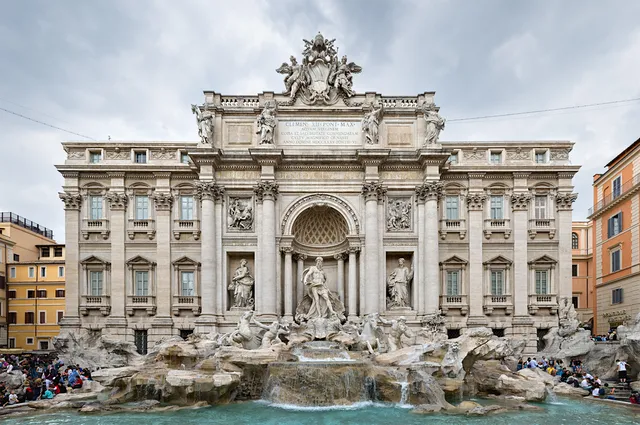
- Trevi Fountain: Visit this iconic Baroque fountain, famed for its wish-fulfilling tradition.
- Piazza Navona: Renowned for its fountains, art, and vibrant atmosphere.
Travel Tips
- Book Early: Tours are popular, especially during peak periods and major events.
- Arrive Prepared: Bring valid ID, dress modestly, and allow time for security.
- Combine Visits: Explore nearby landmarks to make the most of your day.
- Stay Updated: Check the official website for last-minute changes or special events.
Public transport access is excellent, with several bus lines and metro stations nearby. Parking is limited; consider using public transit or walking.
Frequently Asked Questions (FAQ)
Q: What are the visiting hours for Palazzo Montecitorio?
A: Tours are offered on select weekends or during parliamentary recesses; check the official website for current schedules.
Q: Is there an entrance fee?
A: Admission and guided tours are free but require advance booking.
Q: How do I book a tour?
A: Reserve online via the Chamber of Deputies website or through authorized operators.
Q: Is the palace wheelchair accessible?
A: Yes, the building is fully accessible.
Q: Can I attend a parliamentary session?
A: Yes, public sessions are open to visitors with advance registration.
Q: Are photography and video allowed?
A: Photography is generally permitted in designated areas; flash, tripods, and video may have restrictions.
Q: Where is Palazzo Montecitorio?
A: Piazza di Monte Citorio, central Rome, close to major attractions.
Key Dates in Palazzo Montecitorio’s History
- 1650: Construction begins under Bernini.
- 1696: Becomes seat of the Curia Apostolica.
- 1789: Installation of the Obelisk of Montecitorio.
- 1871: Inaugurated as the seat of the Chamber of Deputies.
- 1900: Building condemned due to structural issues.
- 1918: Reopens after Art Nouveau renovation by Ernesto Basile.
Listen to the full story in the app
The whole Palazzo Montecitorio,
told well.
Audio guides for 1,100+ cities across 96 countries. History, stories, and local insight — offline ready.
Verified, and shown.
Researched and written by the Audiala editorial team from historical records, architectural archives, and local expertise.
Researched from Wikidata, Wikipedia & official sources · fact-checked · How we make our guides →