Plan and listen to Palazzo Dei Conservatori with Audiala.
Audio guide in your pocket, itinerary in your browser. Built for the way you actually visit.
Introduction: The Significance of Palazzo dei Conservatori in Rome
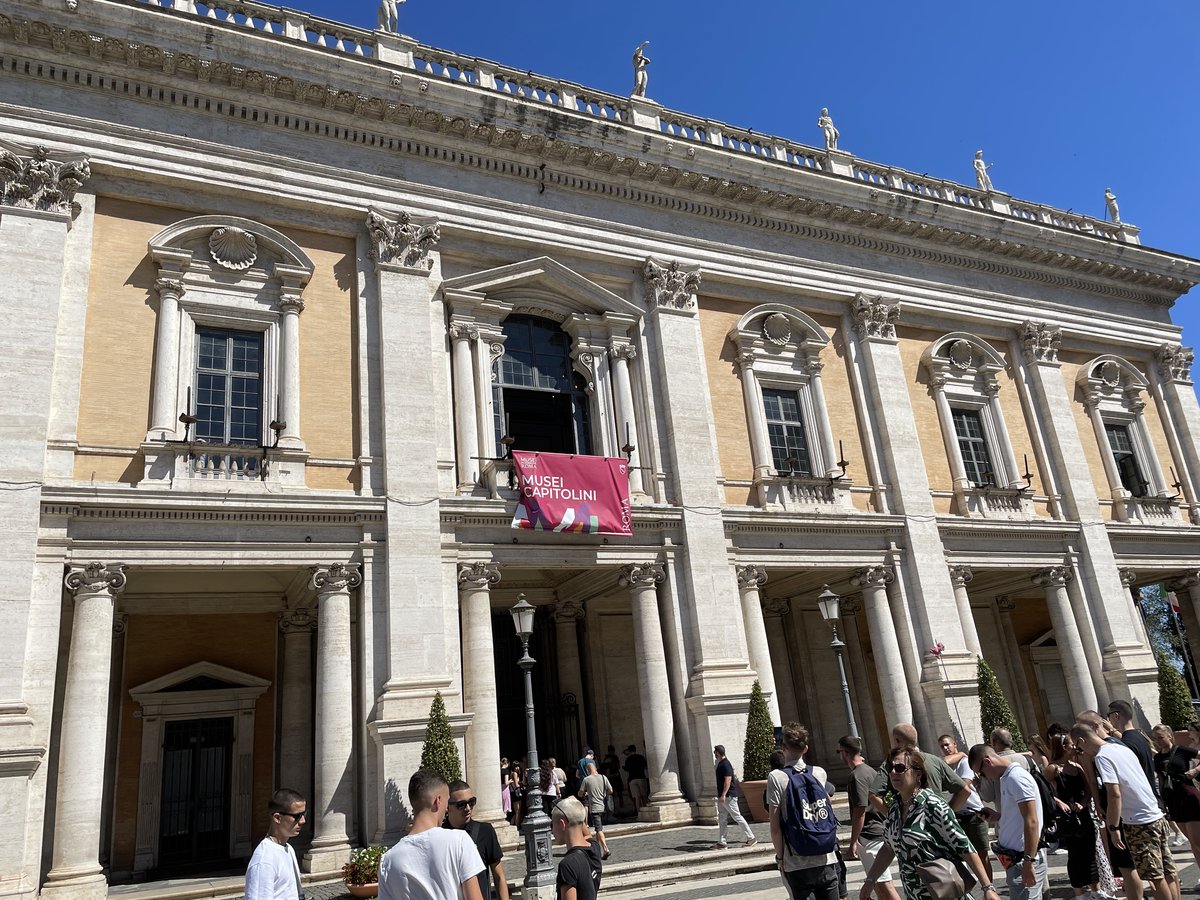
Perched atop the storied Capitoline Hill, the Palazzo dei Conservatori serves as both a beacon of Renaissance architecture and a testament to Rome’s enduring legacy. Originally constructed in the Middle Ages as the seat for the city’s magistrates, the Conservatori, the palace underwent a transformative Renaissance redesign by Michelangelo in the 16th century. Today, as a cornerstone of the Capitoline Museums complex, Palazzo dei Conservatori invites visitors to journey through Rome’s evolution—from its mythic beginnings to its modern grandeur—via its unparalleled collections of art, artifacts, and architecture.
Within its grand halls, visitors encounter masterpieces like the Capitoline Wolf, the Equestrian Statue of Marcus Aurelius, and frescoed ceremonial rooms with panoramic views over the Roman Forum. The Palazzo is also renowned for its pivotal role in civic life and its integration of ancient and Renaissance elements—a living symbol of Rome’s layered history.
With its central location, just steps from the Roman Forum, Colosseum, and Piazza Venezia, Palazzo dei Conservatori is an essential destination for anyone seeking to uncover the heart of the Eternal City. This comprehensive guide covers everything you need: opening hours, ticketing, accessibility, highlights, and expert travel tips for an unforgettable visit.
For the latest updates on exhibitions, hours, and visitor protocols, consult the official Musei Capitolini website and trusted travel resources (The Geographical Cure).


Visiting Hours and Tickets
Opening Hours:
- Tuesday – Sunday: 9:30 AM to 7:30 PM (last entry at 6:30 PM)
- Closed: Mondays, January 1st, December 25th, and select holidays
- Hours may vary during special exhibitions—always check the Musei Capitolini website for current information.
Ticket Prices:
- Standard Admission: €15–€16
- Reduced (EU citizens 18–25): €13–€8
- Free: Children under 18, Rome residents, teachers, EU seniors over 65, and during designated cultural events
- Roma Pass holders: Free or discounted entry
- Audio Guide: €6 (passport or driver’s license required for rental security)
- Bag Check: €1 for items larger than a small purse
Purchase Options:
- Online via the official ticket portal or The Geographical Cure
- On-site at the ticket office (expect lines during peak times)
- Free entry the first Sunday of each month (higher crowds expected)
Location and Access
Address:
Piazza del Campidoglio, Rome
How to Get There:
- By Metro: Line B (Colosseo station, short walk uphill)
- By Bus: Multiple lines stop at Piazza Venezia
- On Foot: Centrally located; within 10-15 minutes’ walk from the Roman Forum, Pantheon, Colosseum, and Piazza Navona
The palace stands to the right atop the Cordonata staircase, designed by Michelangelo for both pedestrians and horses (Lonely Planet).
Highlights and Must-See Exhibits
Sculpture Masterpieces
- Capitoline Wolf (Lupa Capitolina):
A 5th-century BCE bronze sculpture representing the she-wolf suckling Rome’s founders, Romulus and Remus—a potent symbol of the city’s mythic origins (Turismo Roma). - Equestrian Statue of Marcus Aurelius:
The only surviving bronze equestrian statue of a Roman emperor, dating to the 2nd century AD. Once mistaken for Constantine, its mistaken identity preserved it through the ages (Treasures of Rome). - Spinario (Boy with Thorn):
Renowned for its naturalism, this Hellenistic bronze depicts a boy extracting a thorn from his foot (History Hit). - Fragments of the Colossus of Constantine:
Massive marble remains of the emperor’s statue, displayed in the courtyard, evoke the scale of ancient imperial Rome (The Geographical Cure). - The Dying Gaul:
A moving Hellenistic sculpture of a wounded Gallic warrior, noted for its expressive realism.
Painting Gallery and Decorative Arts
- Pinacoteca Capitolina:
A rich collection of paintings from the 14th–18th centuries, including works by Caravaggio (St. John the Baptist), Titian (Baptism of Christ), Rubens, Pietro da Cortona, and Guido Reni (Treasures of Rome). - Frescoed Apartments:
Lavishly decorated rooms with cycles by Pietro da Cortona depicting pivotal moments in Roman history (Turismo Roma).
Architectural and Historical Features
- Michelangelo’s Renaissance Redesign:
The façade, with its colossal Corinthian pilasters and balustraded cornice, exemplifies Renaissance ideals and urban planning (Musei Capitolini). - Room of the Orazi and Curiazi:
A ceremonial space with frescoes of early Roman history, also the site of the 1957 Treaty of Rome signing (Rome.info). - Foundations of the Temple of Jupiter:
The basement preserves remnants of ancient tufa walls, linking the site to Rome’s earliest sacred history (Rome.info).
Museum Layout and Visitor Experience
-
Complex Overview:
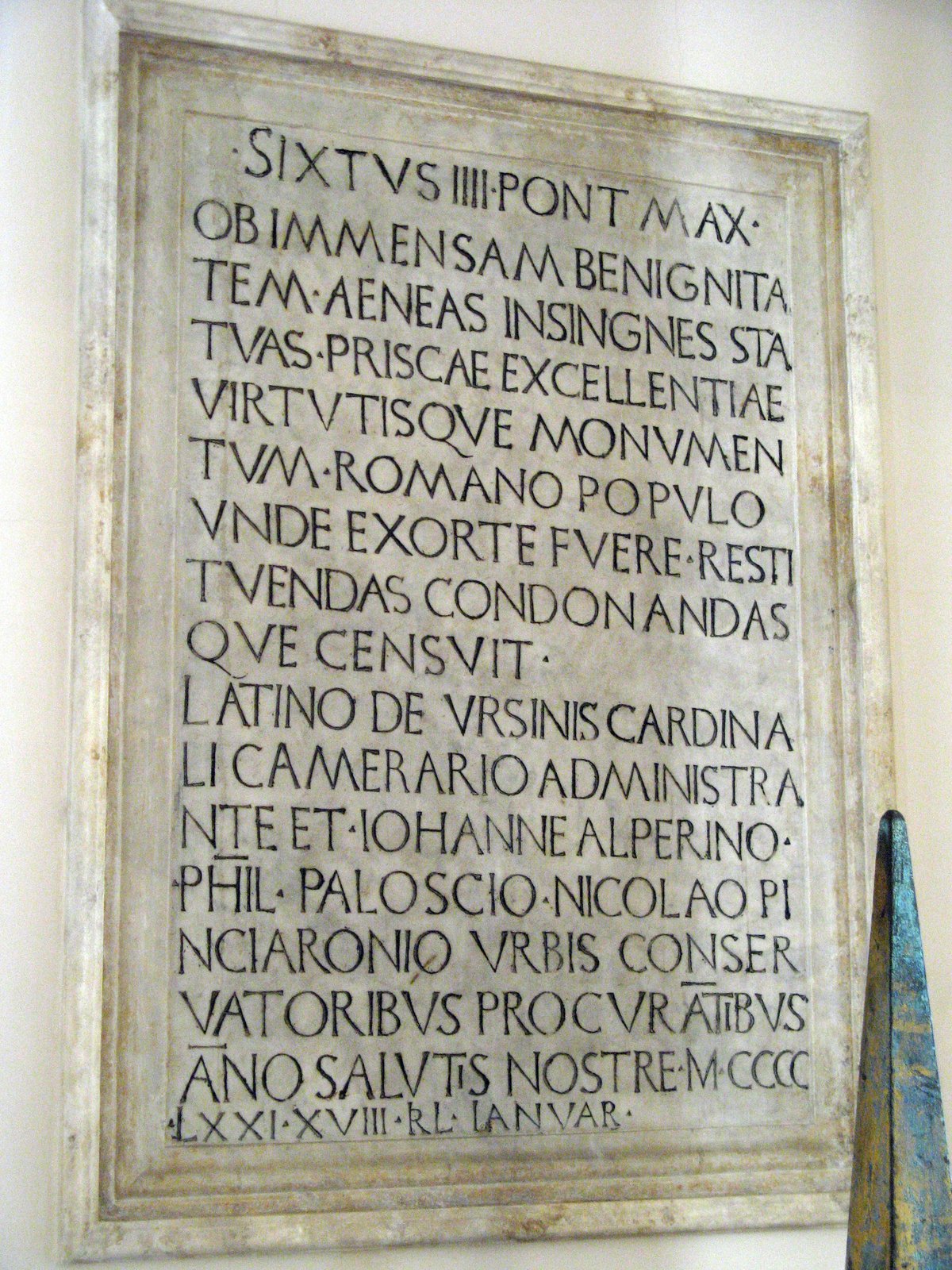
The Palazzo dei Conservatori forms part of the Capitoline Museums with the nearby Palazzo Nuovo, connected by the Galleria Lapidaria—a tunnel lined with ancient inscriptions and offering views over the Roman Forum (The Geographical Cure). -
Visitor Flow:
Pick up a map at the entrance to navigate the two main floors of permanent collections, temporary exhibition spaces, and panoramic terraces. -
Photographic Spots:
Don’t miss city views from the Caffarelli Terrace and photo opportunities in the grand halls and staircases.
Accessibility and Facilities
- Wheelchair Accessibility:
Elevators, ramps, and stairlifts are available; advance wheelchair reservations recommended (Rome.info). - Visually Impaired Services:
Braille signage and tactile displays enhance accessibility. - Restrooms, Cloakroom, and Café:
Amenities include accessible restrooms, a cloakroom (€1 fee for large bags), and a panoramic café/restaurant. - Museum Shop:
Books, souvenirs, and replicas are available near the exit. - Photography:
Permitted for personal use without flash; tripods require special permission.
Guided Tours and Audio Guides
- Guided Tours:
Available in multiple languages; book online in advance for the best selection (The Geographical Cure). - Audio Guides:
Highly recommended for independent visitors; cover key artworks and architectural highlights.
Practical Tips for Visiting
- Book in Advance:
Online tickets save you from long lines, especially in peak season. - Travel Light:
Only small bags are allowed inside; larger bags must be checked. - Allow Ample Time:
Plan for at least 2–3 hours to fully enjoy the collections. - Quiet Hours:
Visit early mornings or late afternoons on weekdays for fewer crowds. - Dress Comfortably:
Comfortable footwear is essential due to extensive walking and standing. - Combine with Nearby Sites:
The central location makes it easy to pair your visit with the Roman Forum, Pantheon, or Colosseum (Lonely Planet).
Special Events and Temporary Exhibitions
The museum regularly hosts temporary exhibits, workshops, and cultural events. For the latest schedule, visit the official site or Turismo Roma.
Nearby Attractions and Amenities
- Dining:
The museum café and nearby trattorias offer refreshments and traditional Roman cuisine. - Shops & Services:
Gift shops and tourist services are readily available in the surrounding area. - Adjacent Sites:
Explore the Roman Forum, Palatine Hill, Piazza Venezia, and Via dei Fori Imperiali after your museum visit.
Frequently Asked Questions (FAQs)
What are the current visiting hours?
Tuesday–Sunday, 9:30 AM–7:30 PM (last entry 6:30 PM); closed Mondays.
How do I buy tickets?
Purchase online via the official museum website or in person at the entrance.
Is the museum accessible for visitors with disabilities?
Yes, with elevators, ramps, and detailed services listed on Turismo Roma.
Are guided tours available?
Yes, both group and private tours are available, along with audio guides.
Can I take photos?
Personal, non-flash photography is allowed; check for restrictions in specific galleries.
Summary and Travel Recommendations
The Palazzo dei Conservatori is a unifying symbol of Rome’s artistic, political, and architectural legacy. From its medieval origins and Michelangelo’s Renaissance vision to its world-class collections and panoramic terraces, the museum offers an essential journey into Rome’s past and present. With clear visiting hours, accessible amenities, and a strategic location, it’s an ideal gateway to the city’s historical core.
Travel Essentials:
- Book tickets online in advance
- Arrive early or late to avoid crowds
- Allocate 2–3 hours for your visit
- Download the Audiala app for audio guides and updates
- Explore nearby sites for a full Roman experience
For further details and up-to-date information, consult the official Palazzo dei Conservatori page and Capitoline Museums guide.
Listen to the full story in the app
The whole Palazzo Dei Conservatori,
told well.
Audio guides for 1,100+ cities across 96 countries. History, stories, and local insight — offline ready.
Verified, and shown.
Researched and written by the Audiala editorial team from historical records, architectural archives, and local expertise.
Researched from Wikidata, Wikipedia & official sources · fact-checked · How we make our guides →