Plan and listen to Palazzo Corsini with Audiala.
Audio guide in your pocket, itinerary in your browser. Built for the way you actually visit.
Introduction
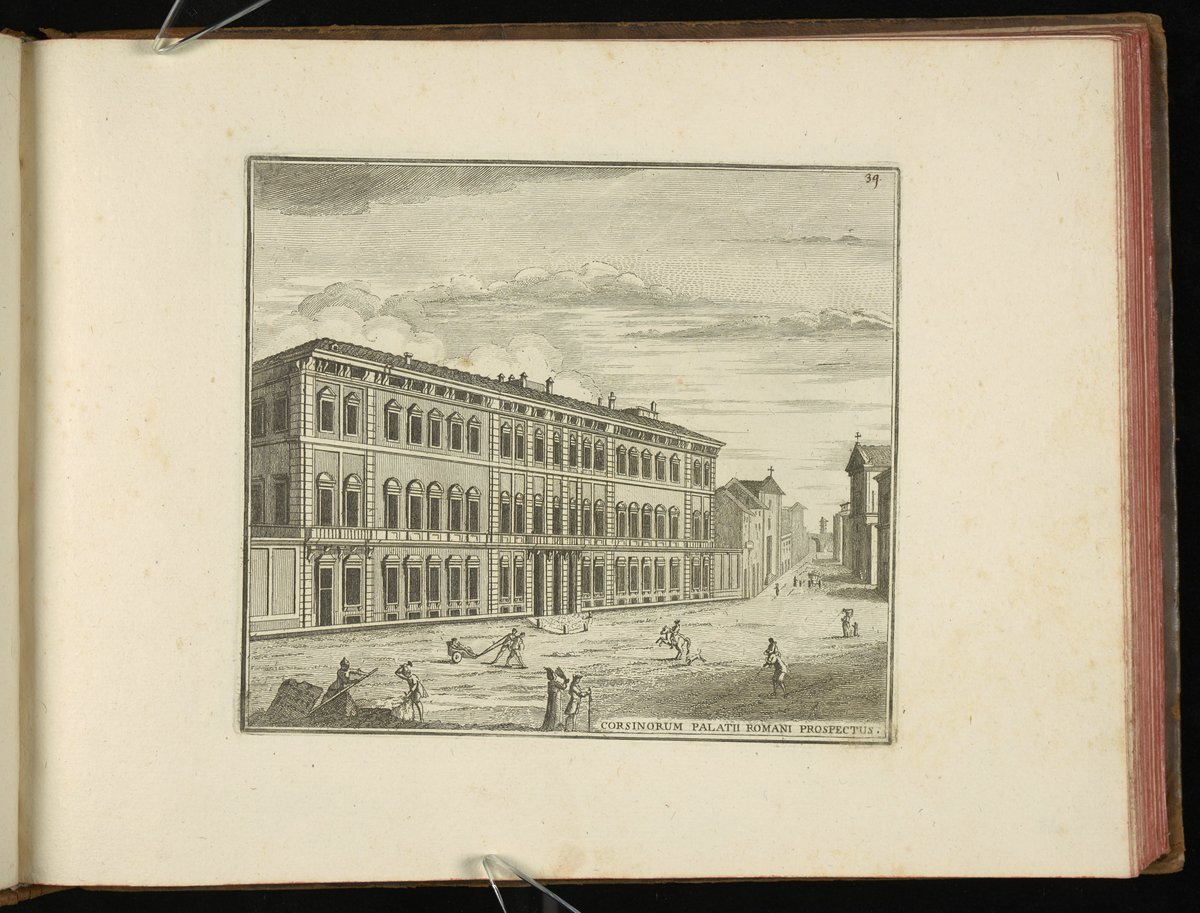
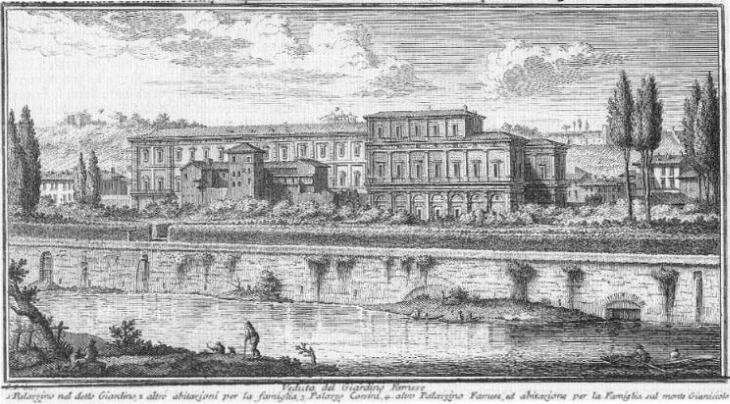
Palazzo Corsini, set in Rome’s picturesque Trastevere district, embodies centuries of history, art, and culture. Originally commissioned in the 15th century, the palace seamlessly blends Renaissance elegance with Baroque grandeur. Its transformation under the Corsini family and the artistic legacy fostered by notable residents like Queen Christina of Sweden have made it a central site for Rome’s cultural and intellectual life. Today, Palazzo Corsini houses the Galleria Corsini, home to masterpieces by Caravaggio, Rubens, Beato Angelico, and other luminaries. This guide provides everything you need to know—history, visiting hours, tickets, accessibility, and nearby attractions—ensuring a rich and informed visit (turismoroma.it; barberinicorsini.org; rome.us).

Palazzo Corsini: Origins and Historical Evolution
Early Foundations
Built in the late 15th century as Palazzo Riario for Cardinal Raffaele Riario, the palace was designed as a Renaissance villa reflecting the tastes and power of the papal elite. Its early years saw visits from leading artists and scholars, including Bramante, Michelangelo, and Erasmus of Rotterdam, establishing its reputation as a hub for creative and intellectual exchange (turismoroma.it).
Queen Christina of Sweden and the Age of Enlightenment
The palace’s role as a center for the arts was elevated between 1659 and 1689, when Queen Christina of Sweden resided here. After abdicating her throne, Christina transformed the palace into a vibrant court for artists, philosophers, and scientists. Her patronage established the palace as the seat of the Accademia dell’Arcadia and left a lasting imprint on Rome’s intellectual scene (italymagazine.com; wikipedia.org).
The Baroque Transformation and Corsini Patronage
Acquisition by the Corsini Family
In the 18th century, following the election of Lorenzo Corsini as Pope Clement XII, Cardinal Neri Maria Corsini acquired the palace. To reflect the family’s elevated status and papal connections, he commissioned architect Ferdinando Fuga to transform the property between 1732 and 1740 (lincei.it).
Architectural Highlights
Fuga’s redesign introduced a new wing, a monumental staircase, and a symmetrical Baroque façade. The palace’s rear opens onto sprawling gardens that climb Janiculum Hill, blending architecture with nature—a Baroque ideal (barberinicorsini.org). The triple-arched entrance, crowned by the Corsini family crest, became a defining feature.
Cultural and Institutional Significance
A Hub for Science and the Arts
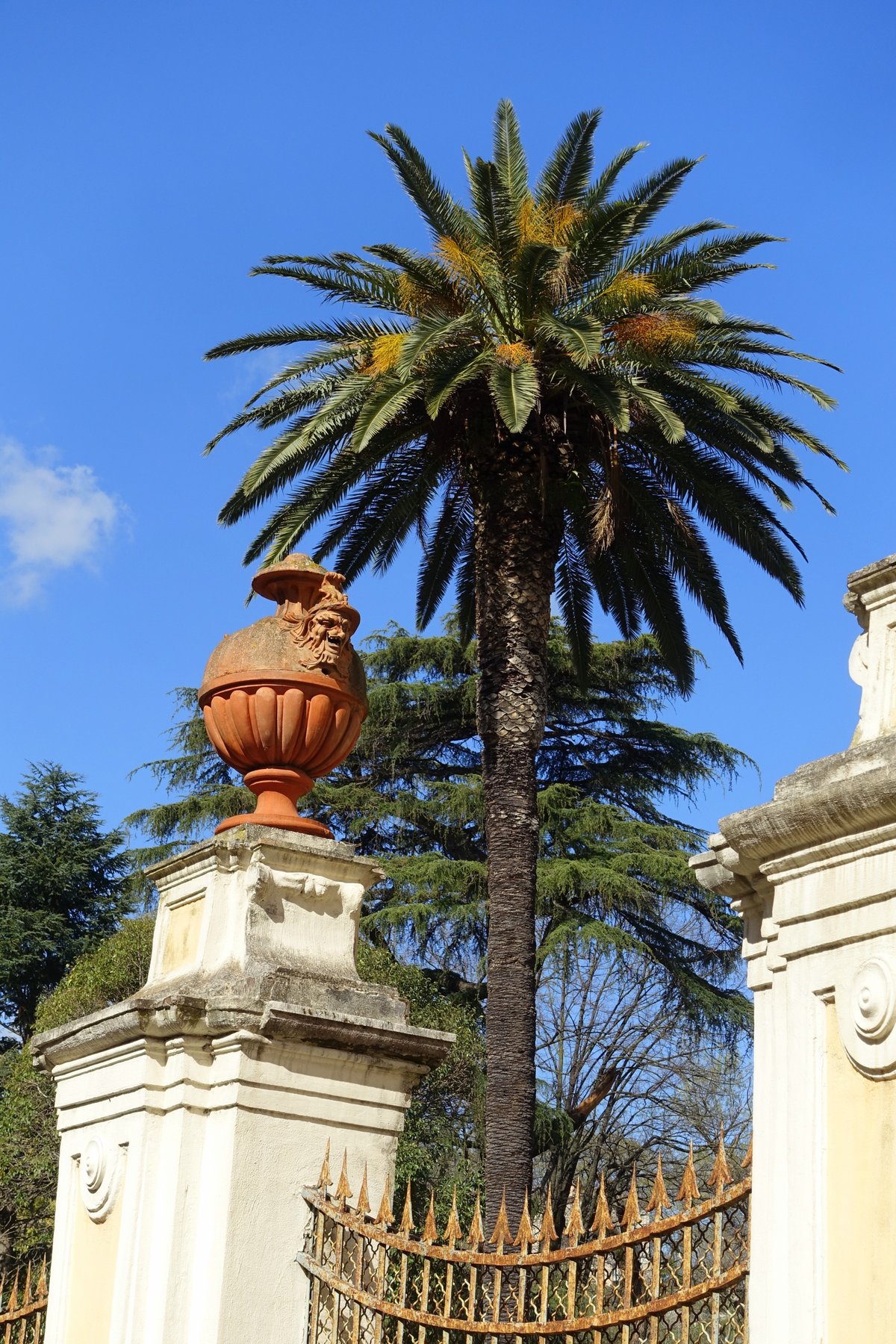
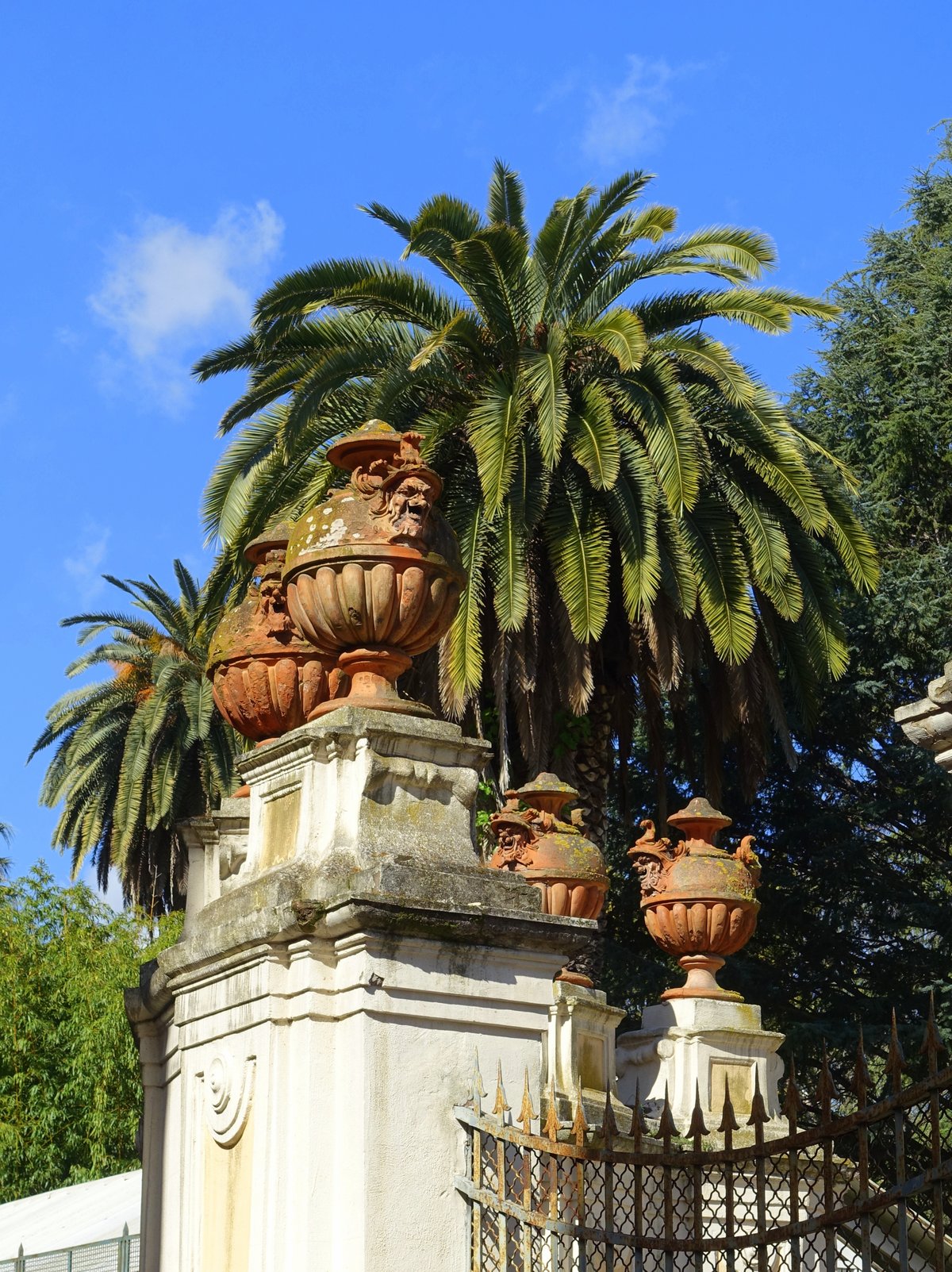
Since 1883, Palazzo Corsini has been the seat of the Accademia Nazionale dei Lincei, Italy’s oldest scientific academy. It also houses the Corsiniana Library and the early nucleus of the National Institute of Graphics (lincei.it). The palace’s gardens are now integrated into Rome’s Botanical Garden, enhancing its cultural and scientific resonance (wikipedia.org).
Galleria Corsini: Art Collections and Key Highlights
The Galleria Corsini, located on the piano nobile, preserves one of Italy’s most important Old Master collections, made public when Prince Tommaso Corsini sold the palace and its contents to the Italian state in 1883 (turismoroma.it).
Masterpieces
- Caravaggio: “Saint John the Baptist”—an exemplar of dramatic chiaroscuro.
- Rubens: “Saint Sebastian Healed by Angels”—vivid color and movement.
- Beato Angelico: Early Renaissance religious works.
- Guido Reni: “Salome with the Head of John the Baptist”—emotionally intense Baroque painting.
- Annibale Carracci, Guercino, Van Dyck: Representing the breadth of Italian and Flemish schools (barberinicorsini.org; museos.com).
The gallery’s salon-style hangings, original frescoes, and period furnishings immerse visitors in the ambiance of aristocratic collecting.
Visiting Information: Hours, Tickets, and Accessibility
Opening Hours
- Galleria Corsini: Tuesday to Sunday, 10:00 AM – 6:00 PM (last entry 5:30 PM). Closed Mondays, January 1, May 1, and December 25 (barberinicorsini.org).
- Note: Botanical Garden hours may differ.
Ticket Prices
- Standard: €12–€15 (may include combined entry with Palazzo Barberini).
- Reduced: For EU citizens 18–25, students, and seniors.
- Free: Under 18, disabled visitors and companions, select days such as the first Sunday of each month (rome.info).
- Where to Buy: Official website or onsite. Online booking is advised during busy periods.
Facilities and Accessibility
- Restrooms and cloakroom available.
- Gift shop with books and souvenirs.
- Partial accessibility: Ramps and elevators; some historic areas may have limited access. Wheelchairs available on request (palazzo-barberini.com).
- Assistance: Contact staff in advance for special needs.
Getting There and Travel Tips
Location
Via della Lungara, 10, 00165 Roma—opposite Villa Farnesina and near Rome’s Botanical Garden (Italy Tourist Information).
Transport
- Bus: 23, 280, and 870.
- Tram: Line 8, Trastevere/Mastai (10-minute walk).
- Metro: Ottaviano (Line A), then transfer.
- Taxi: Direct to main entrance.
- Walking: 20–30 minutes from Piazza Navona or Campo de’ Fiori via Ponte Sisto.
Travel Tips
- Best time: Mornings and weekdays, especially spring and autumn.
- Dress code: Modest attire recommended.
- Photography: Allowed without flash; no tripods/selfie sticks.
- Security: Bag checks at entry.
Nearby Attractions
- Villa Farnesina: Raphael frescoes, directly opposite.
- Orto Botanico di Roma: Botanical gardens accessible from palace grounds.
- Trastevere: Historic district with lively restaurants and nightlife.
- Janiculum Hill: Panoramic city views and gardens.
Frequently Asked Questions (FAQ)
Q: What are the Palazzo Corsini visiting hours?
A: Tuesday to Sunday, 10:00 AM – 6:00 PM (last entry 5:30 PM). Closed Mondays and select holidays.
Q: How can I buy tickets?
A: Online via the official website or onsite.
Q: Is the palace accessible?
A: Partially accessible; ramps and elevators are available, but some old sections may be challenging.
Q: Are guided tours offered?
A: Yes, in multiple languages. Audio guides can also be rented or accessed via apps.
Q: Can I visit the Botanical Garden?
A: Yes, but entry and hours are separate—check in advance.
Q: Is photography allowed?
A: Yes, non-flash photography is permitted for personal use.
Summary and Recommendations
Palazzo Corsini is a must-see destination for anyone interested in Rome’s history, art, and cultural life. Explore the palace’s Renaissance and Baroque architecture, marvel at Old Master paintings, and stroll through serene gardens. With accessible facilities, guided tours, and proximity to other major sites, it suits both first-time visitors and seasoned travelers. Plan ahead, book tickets online, and consider combining your visit with nearby Villa Farnesina and Trastevere’s vibrant scene (barberinicorsini.org; turismoroma.it; rome.info).
Listen to the full story in the app
The whole Palazzo Corsini,
told well.
Audio guides for 1,100+ cities across 96 countries. History, stories, and local insight — offline ready.
Verified, and shown.
Researched and written by the Audiala editorial team from historical records, architectural archives, and local expertise.
Researched from Wikidata, Wikipedia & official sources · fact-checked · How we make our guides →