Plan and listen to Palazzo Colonna with Audiala.
Audio guide in your pocket, itinerary in your browser. Built for the way you actually visit.
Introduction
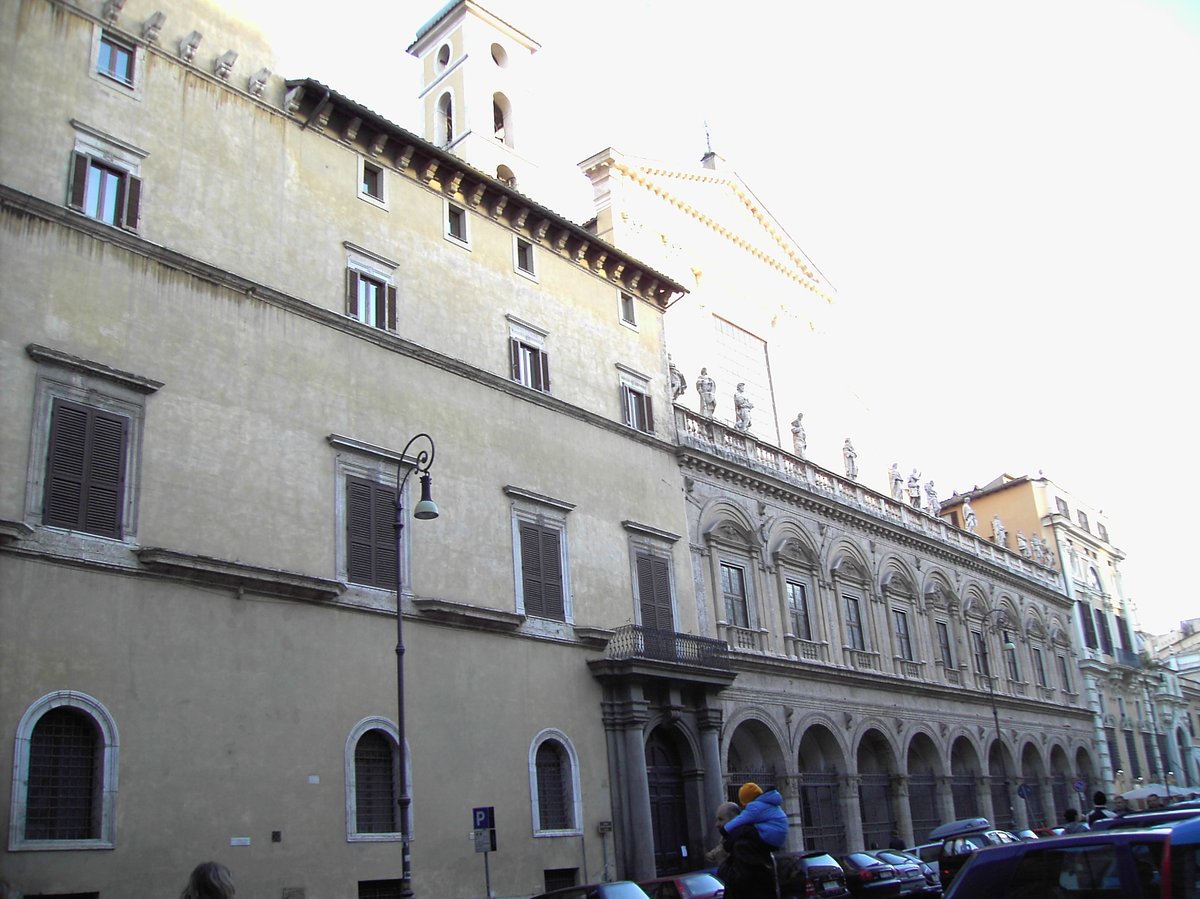
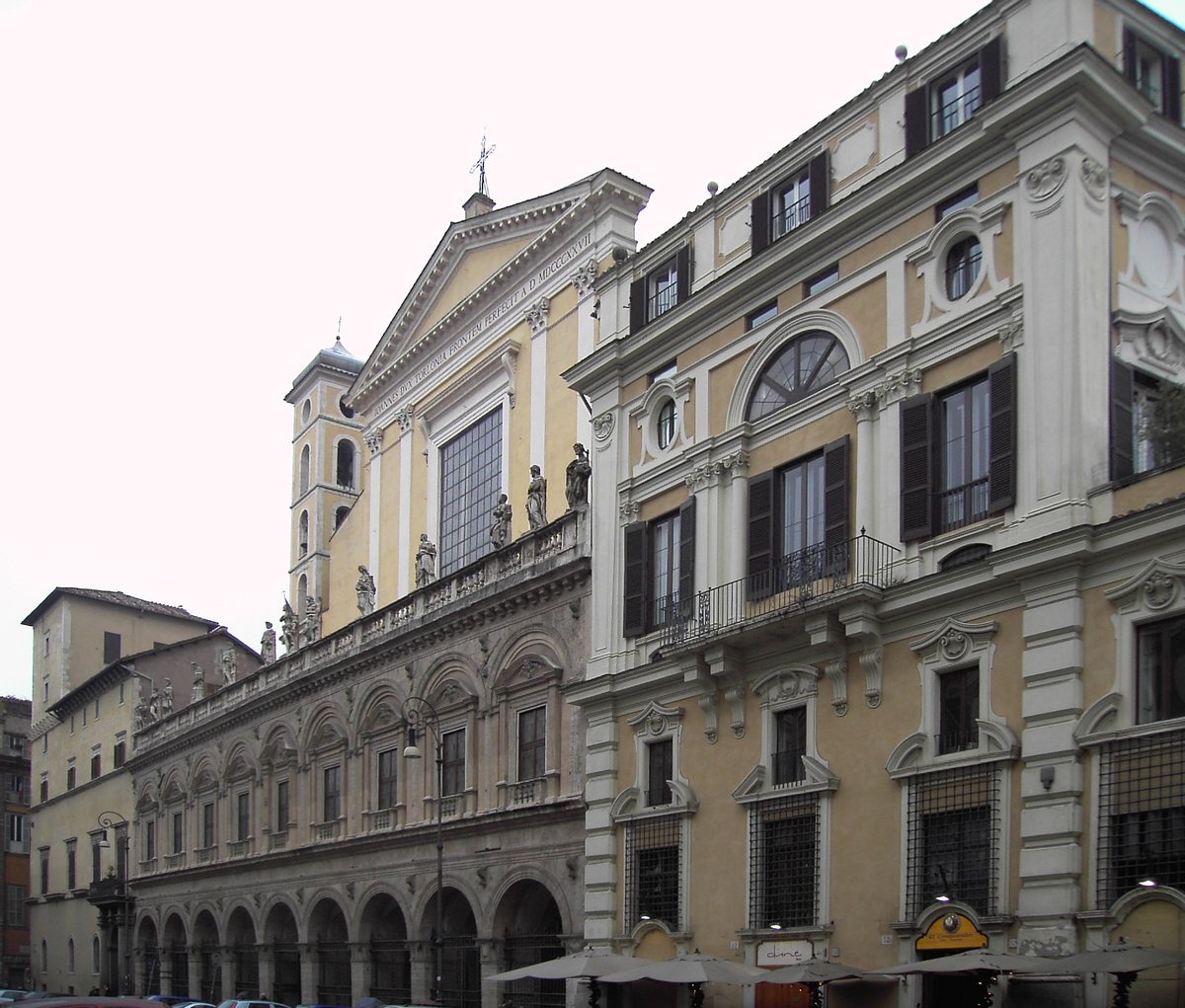
Palazzo Colonna stands as a monumental testament to Rome’s aristocratic heritage, offering an unparalleled journey through more than nine centuries of art, history, and architectural splendor. Located near Piazza Venezia in the heart of Rome, this remarkable palace has been the residence of the illustrious Colonna family—one of Italy’s oldest noble dynasties—since the 12th century. Renowned for its Baroque architecture, world-class art collection, and lush gardens atop ancient Roman ruins, Palazzo Colonna is both a living residence and a museum, providing visitors with an authentic insight into the city’s noble past. This guide presents an in-depth look at the palace’s history, architectural evolution, notable highlights, visiting hours, ticketing options, accessibility, and nearby attractions, ensuring you make the most of your visit to this hidden Roman treasure (Home in Italy; Turismo Roma; Galleria Colonna Official).

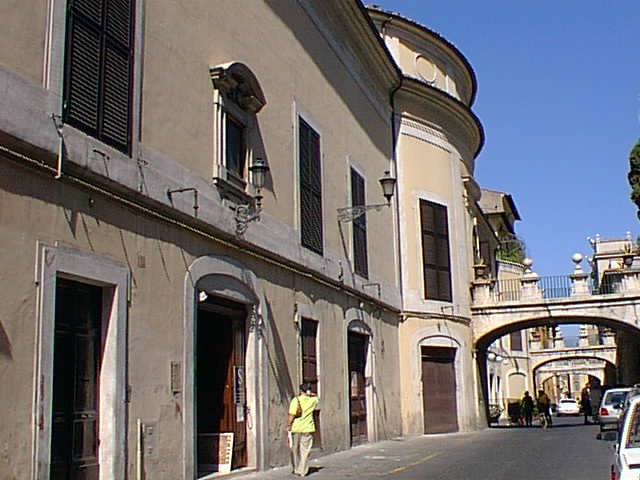
History and Cultural Significance
Palazzo Colonna’s origins stretch back over nine centuries, making it one of the longest-inhabited private palaces in Europe. The Colonna family established their residence on the Quirinal Hill in the 12th century, initially constructing a fortified stronghold during a period of political turbulence. Over the centuries, the palace expanded alongside the family’s fortunes, surviving feuds, papal conflicts, and the infamous Sack of Rome in 1527, when it sheltered thousands of Romans (Home in Italy; Turismo Roma).
The Colonna dynasty produced influential popes, cardinals, generals, and diplomats, and played a pivotal role in shaping Rome’s political and artistic landscape. The palace’s interiors and collections reflect their patronage and taste, with each generation adding new layers of art, architecture, and decoration (italofile.com; dimorestoricheitaliane.it).
Architectural Highlights
Medieval and Renaissance Foundations
The earliest sections of Palazzo Colonna were designed as a medieval fortress, with defensive towers and thick walls. As the political climate stabilized, the palace was gradually embellished with Renaissance courtyards, classical proportions, and decorative elements, illustrating the family’s rising prestige (Wikipedia; roma-pass.com).
Baroque Splendor
The most significant transformation took place in the 17th and 18th centuries, when Baroque architects including Gian Lorenzo Bernini, Carlo Fontana, Antonio del Grande, and Paolo Schor were commissioned by the Colonna family to modernize the palace. Their work resulted in grand staircases, gilded halls, and opulent apartments, culminating in the creation of the renowned Galleria Colonna (secretroma.com).
The Galleria Colonna
The Galleria Colonna is the architectural and artistic centerpiece of the palace, stretching 76 meters along Via IV Novembre. Adorned with gilded stuccoes, marble columns, frescoed ceilings, and a dazzling array of paintings and sculptures, it was designed to celebrate the family’s victories and social standing. The gallery’s vaults feature mythological and historical scenes and are illuminated by natural light reflected in gilded mirrors (roma-pass.com; thegeographicalcure.com).
Princess Isabelle Apartments
These 15th-century rooms remain largely intact, offering a glimpse into aristocratic life. Richly decorated with period furnishings, silk wall coverings, and frescoes by Pinturicchio, the apartments also feature landscapes by Vanvitelli and Flemish painters (dimorestoricheitaliane.it).
Gardens and Courtyards
The palace’s serene gardens are built on ancient Roman ruins and feature manicured hedges, mature trees, and ancient columns. The central courtyard, anchored by a symbolic column, provides a tranquil escape from the city and a setting for open-air art displays (turismoroma.it).
The Art Collection
Palazzo Colonna houses a world-class collection of Renaissance and Baroque masterpieces:
- Annibale Carracci: The iconic Mangiafagioli (The Bean Eater), noted for its realism.
- Pinturicchio: Vibrant frescoes gracing ceilings and apartments.
- Guido Reni, Tintoretto, Bronzino, Guercino, Veronese, Salvator Rosa, Cosmè Tura, Vanvitelli: Paintings and sculptures spanning four centuries.
- Flemish Masters: Jan Brueghel the Elder and Peter Paul Rubens add international flair.
- Vanvitelli: Nearly 40 small-scale landscapes documenting Rome’s changing topography.
Many works are protected by a legal trust (fideicommissum), ensuring their preservation within the palace (rome.us; italofile.com).
Visitor Information
Location and Getting There
- Address: Via della Pilotta, 17 (Saturday entrance); Piazza SS. Apostoli, 66 (Friday accessible entrance)
- Metro: Barberini (Line A), approx. 10-minute walk
- Bus: Several lines serve the Colonna district for easy access (Galleria Colonna - Visits)
Visiting Hours
- Friday: Guided tours only by appointment (Italian: 9:30, 10:00, 10:30; English: 9:30, 10:00; French: 10:30)
- Saturday: Open to individuals from 9:15 AM to 1:15 PM (last entry); group bookings required for 10+ visitors
- Private Visits: Available by appointment on other days for groups or private tours (Galleria Colonna - Visits)
Tickets and Booking
- Short Itinerary (Gallery, Pio Apartment, Gardens): €15
- Complete Itinerary (adds Princess Isabelle Apartments): €25 (€20 for FAI card holders)
- Friday Complete Guided Tour: €35 (FAI €30), approx. 2 hours
- Saturday Morning Guided Assistance: €150 per group (plus tickets), reservation required
- Audioguide: €5, available in 9 languages via QR code (bring headphones)
- Booking: Online via Ticketone or at ticket office on Saturdays; advance booking is strongly recommended, especially for guided tours and groups
Guided Tours and Audioguides
- Languages: Italian, English, French, Spanish, German, Russian, Portuguese, Chinese, Japanese
- Private tours: Available by appointment with customized itineraries
Accessibility
- Accessible Entry: Provided via Piazza SS. Apostoli, 66
- Mobility: Some areas may not be fully accessible due to historic architecture; contact in advance for arrangements
Visitor Tips
- Dress Code: Respectful attire required; comfortable shoes recommended
- Photography: Allowed in most areas, but flash and tripods may be restricted
- Facilities: Restrooms on site; no café inside, but many dining options nearby
- Duration: Typical visit lasts 1.5–2 hours
- Contact: +39 06/6784350, [email protected]
Nearby Attractions
After your visit, explore the surrounding Colonna district:
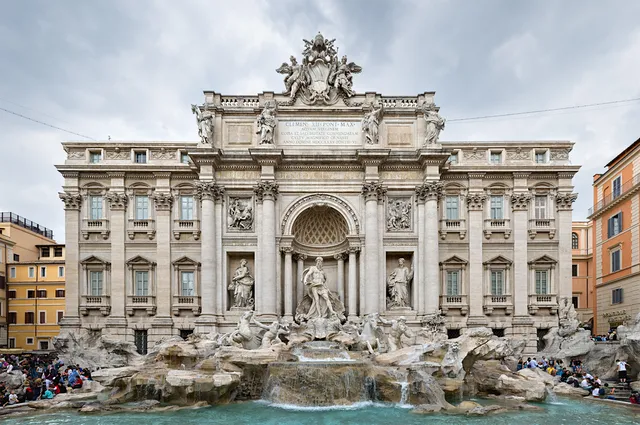
- Trevi Fountain: Easily reachable by foot
- Pantheon & Piazza Venezia: Short walk from the palace
- Galleria Alberto Sordi: Historic shopping arcade (Rome.us - Colonna District)
- Dining: Enjoy local favorites such as Gelateria Giolitti and La Casa del Caffè Tazza d’Oro
Frequently Asked Questions (FAQ)
Q: Are there discounts for children or seniors?
A: Discounts may apply; check the official website or contact the ticket office for current information.
Q: Is photography allowed inside?
A: Photography is generally permitted, but flash and tripods may be restricted in some areas.
Q: Can I visit without a guide?
A: Yes, on Saturdays individuals can explore independently; guided tours are available on Fridays or by appointment.
Q: Is the palace accessible for visitors with disabilities?
A: Partial accessibility is provided via Piazza SS. Apostoli, 66. Some historic rooms may have limited access.
Q: Are the gardens open to visitors?
A: Yes, garden access is included with all itineraries.
Discover More
Palazzo Colonna offers an unrivaled opportunity to experience Rome’s noble past, from its medieval origins and Baroque splendor to its world-class art collection and beautifully preserved gardens. Whether you’re an art lover, history enthusiast, or curious traveler, this palace provides a truly immersive journey through centuries of Italian heritage. Plan your visit today—book tickets in advance, consider a guided tour for deeper insight, and explore nearby Roman landmarks to enrich your trip. For the latest updates and exclusive content, download the Audiala app, follow us on social media, and explore related articles on Rome’s historic sites.


Tickets & tours.
These are guided options from our partners — same price as booking direct.
Prices are indicative — final pricing and availability are confirmed at checkout. Audiala may earn a commission from bookings made through these links.
Listen to the full story in the app
The whole Palazzo Colonna,
told well.
Audio guides for 1,100+ cities across 96 countries. History, stories, and local insight — offline ready.
Verified, and shown.
Researched and written by the Audiala editorial team from historical records, architectural archives, and local expertise.
Researched from Wikidata, Wikipedia & official sources · fact-checked · How we make our guides →