Plan and listen to Palazzetto Dello Sport with Audiala.
Audio guide in your pocket, itinerary in your browser. Built for the way you actually visit.
Introduction
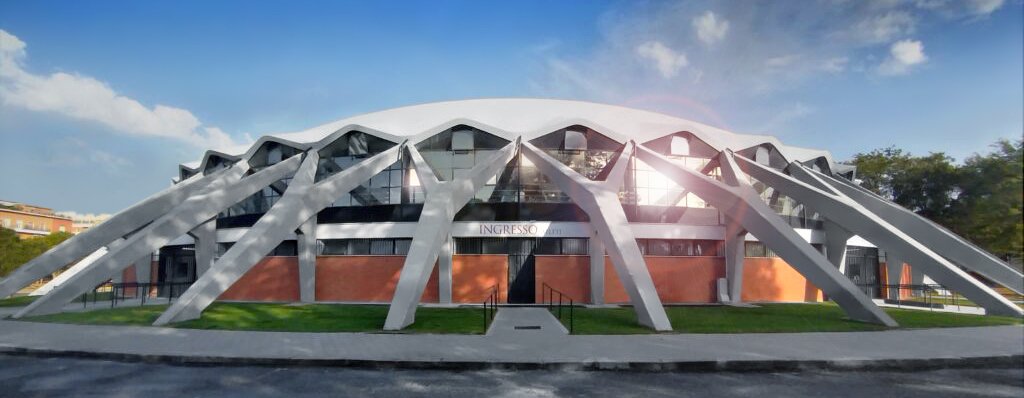
The Palazzetto dello Sport in Rome is a landmark of modern Italian architecture and a vibrant hub for sports and culture. Situated in the Flaminio district, this iconic arena, designed by Annibale Vitellozzi and Pier Luigi Nervi, was built for the 1960 Summer Olympics. Today, it continues to host sporting events, concerts, and exhibitions, offering visitors a blend of historic innovation and contemporary vitality (corojewels.com; wikipedia).
This guide provides essential information on visiting hours, ticketing, accessibility, transportation, and nearby attractions, while exploring the Palazzetto’s architectural and cultural significance. Whether you are an architecture enthusiast, a sports fan, or a traveler eager to experience Rome’s Olympic legacy, the Palazzetto dello Sport is a must-visit destination (palazzettodellosport.it; turismoroma.it).

Architectural Genesis and Vision
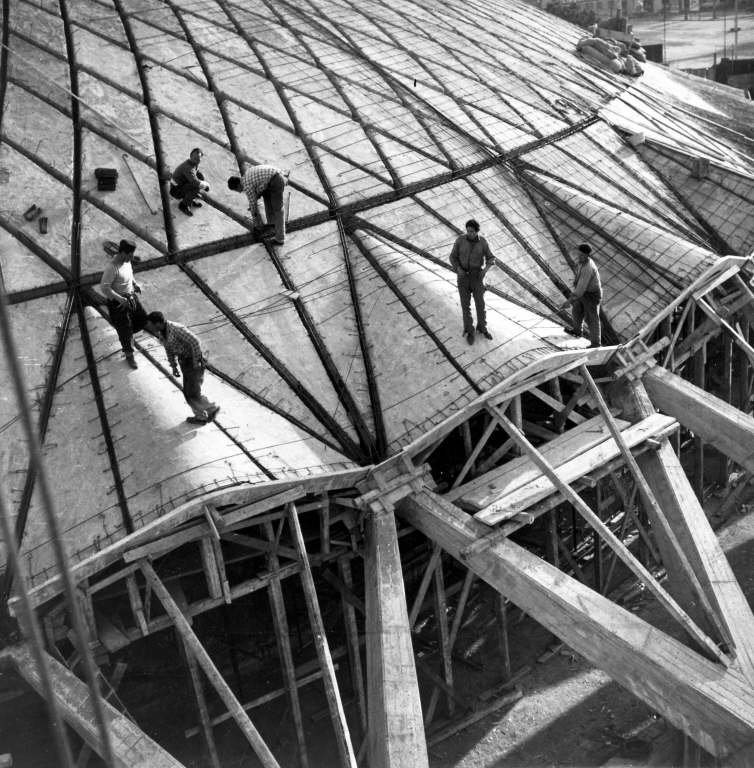
The Palazzetto dello Sport stands as a testament to Italy’s post-war creativity. Conceived for the 1960 Summer Olympics and constructed between 1956 and 1957, it is the collaborative work of architect Annibale Vitellozzi and engineer Pier Luigi Nervi—famed for his mastery of reinforced concrete (corojewels.com).
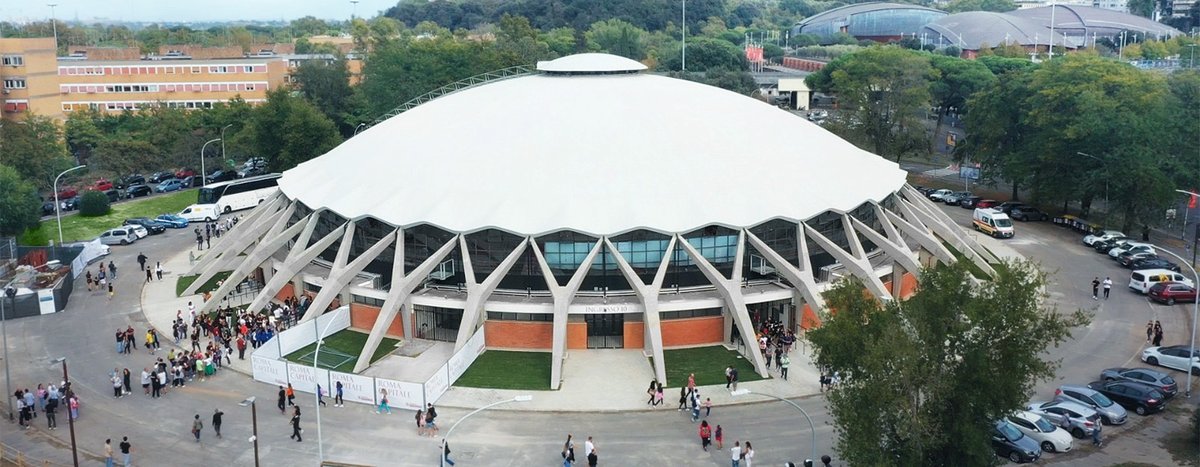
Nervi’s innovative “Nervi System” utilized 1,620 prefabricated iron-cement lozenge-shaped elements, creating a 61-meter wide dome supported by 36 Y-shaped pillars. The result is a structure filled with natural light, described as an “enormous jellyfish” by critics for its undulating, organic shell (corojewels.com). This design eliminated internal columns, offering unobstructed views and a sense of spatial openness.
Olympic Heritage and Cultural Impact
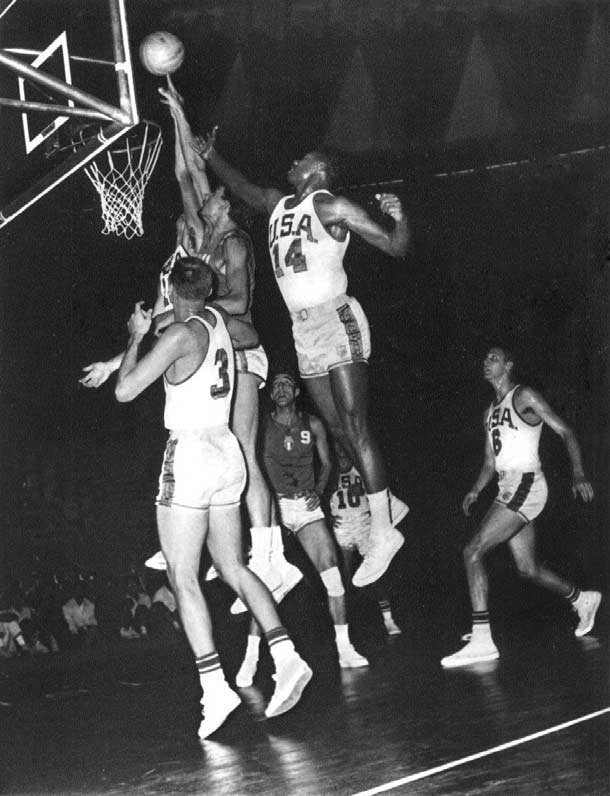
Purpose-built for the XVII Olympiad, the Palazzetto hosted basketball and boxing, with its architectural significance featured in the Oscar-nominated film “La Grande Olimpiade” (wikipedia; wantedinrome.com). The building’s prefabricated techniques influenced sports architecture globally, while its role in the Olympics cemented its place in Rome’s cultural memory.
After the Games, the arena became a model for future sports venues and a symbol of Flaminio’s urban renewal. Its unique design and technical solutions have inspired generations of architects and engineers (corojewels.com).
Restoration and Modern Use
Decades of use led to closure in 2018 for much-needed restoration. Supported by a €5 million investment, the 2023 renovation preserved the dome’s integrity, modernized seating for a capacity of 3,500, and upgraded lighting, accessibility, and facilities (wantedinrome.com; wikipedia). The arena now serves as home to the Roma Volley Club and AS Luiss basketball teams and regularly hosts concerts and cultural events (sporteimpianti.it).
Visiting Information
Hours
- General Visits: Open Tuesday–Sunday, 10:00 AM–6:00 PM. Closed Mondays and public holidays.
- Events: Entry times vary; the box office typically opens two hours before events.
- Guided Tours: Available by appointment via the official website.
Tickets
- Standard Admission: €8 adults; discounts for students, seniors, and groups.
- Event Tickets: Prices vary (€15–€60 depending on event and seat category).
- Purchase: Online through the official website or at the box office. Advance booking is recommended, especially for popular events.
Accessibility
- Wheelchair Access: Ramps and elevators connect all public areas; accessible restrooms are provided.
- Assistance: Staff support and service animals are welcome. Contact the venue in advance for tailored assistance.
- Note: Some external areas may have uneven pavement (RomeWise).
Directions & Transportation
- Address: Piazza Apollodoro, 10, 00196 Roma RM, Italy (wantedinrome.com)
- Metro: Flaminio (Line A), about a 10-minute walk.
- Tram: Line 2 stops at Flaminio.
- Bus: Multiple lines serve the area.
- Parking: Limited; public transit is recommended.
Facilities & Visitor Experience
- Seating: Arena-style, with nearly all seats offering clear sightlines.
- Amenities: Restrooms, cloakrooms, accessible seating, concession stands, and merchandise kiosks.
- Food & Drink: Snacks and light meals are available; additional dining options are found in the Flaminio district.
- Photography: Permitted for personal use; restrictions may apply during events.
Nearby Attractions
- MAXXI – National Museum of 21st Century Arts: Zaha Hadid’s contemporary art museum with rotating exhibits (turismoroma.it).
- Auditorium Parco della Musica: Renzo Piano’s music complex with gardens and festivals.
- Villa Borghese: Expansive historic park with museums and the Bioparco Zoo (romewise.com).
- Piazza del Popolo: Lively square with historic churches and the ancient obelisk.
- Flaminio District: Known for its fusion of modern and historic architecture, cafes, galleries, and boutiques.
Public transport from the Palazzetto connects easily to the Spanish Steps, Trevi Fountain, and Vatican City (turismoroma.it).
Frequently Asked Questions (FAQ)
What are the visiting hours?
Tuesday–Sunday, 10:00 AM–6:00 PM. Closed Mondays and public holidays. For event days, check the schedule.
How do I buy tickets?
Purchase tickets online or at the box office. Early booking is advisable for popular events.
Is the venue wheelchair accessible?
Yes; there are ramps, elevators, and adapted restrooms. Some surrounding streets may be uneven.
Are guided tours available?
Yes, by appointment via the official website.
What are the best nearby attractions?
MAXXI, Auditorium Parco della Musica, Villa Borghese, Piazza del Popolo, and the Flaminio district.
Listen to the full story in the app
The whole Palazzetto Dello Sport,
told well.
Audio guides for 1,100+ cities across 96 countries. History, stories, and local insight — offline ready.
Verified, and shown.
Researched and written by the Audiala editorial team from historical records, architectural archives, and local expertise.
Researched from Wikidata, Wikipedia & official sources · fact-checked · How we make our guides →