Plan and listen to Palatine Stadium with Audiala.
Audio guide in your pocket, itinerary in your browser. Built for the way you actually visit.
Introduction
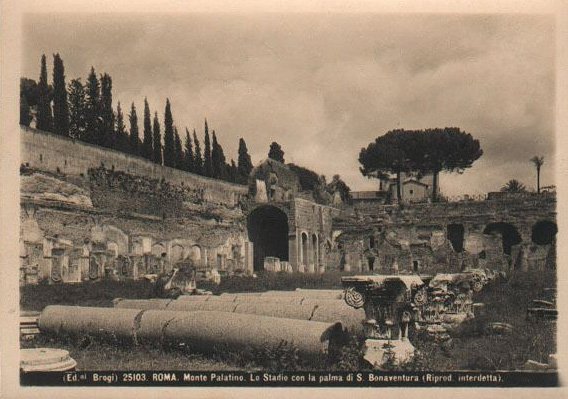
Nestled on the legendary Palatine Hill, the Palatine Stadium (Stadio Palatino or Stadium of Domitian) is a striking testament to the grandeur and innovation of ancient Rome. Commissioned by Emperor Domitian in the late 1st century CE, this exclusive venue was integral to the imperial palace complex, serving not as a public arena but as a private space for the emperor’s leisure, ceremonies, and displays of power (Madain Project, Turismo Roma). Today, the stadium forms part of the expansive Palatine Hill archaeological park, offering visitors a rich historical journey alongside practical guidance on visiting hours, ticketing, accessibility, and cultural highlights.
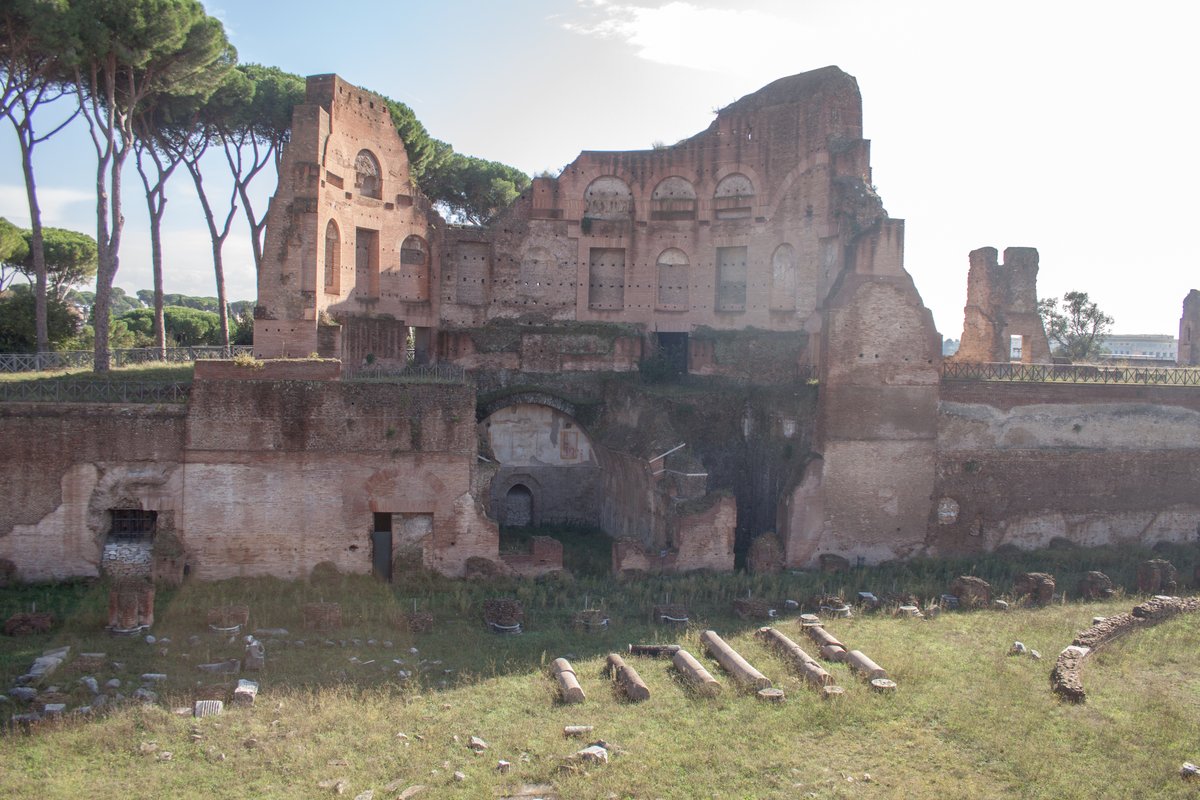
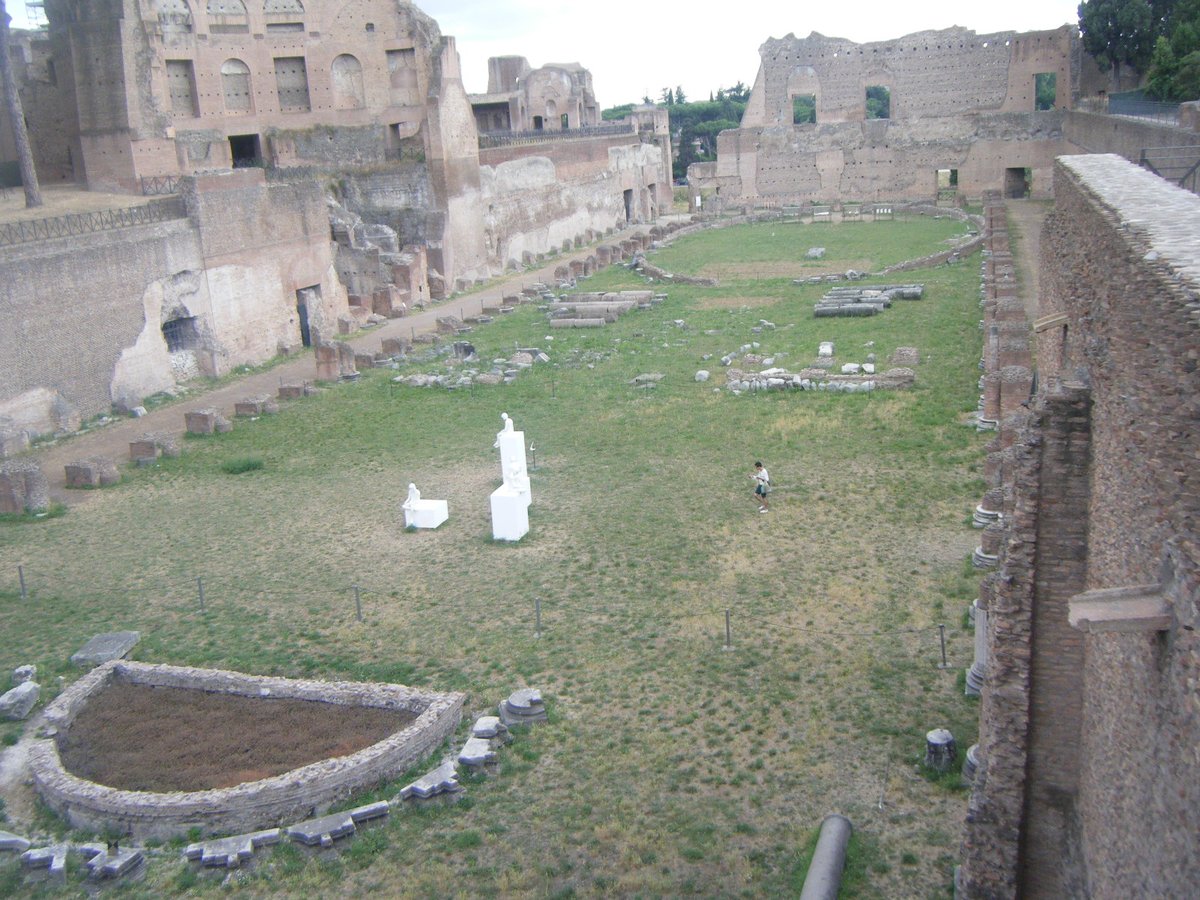
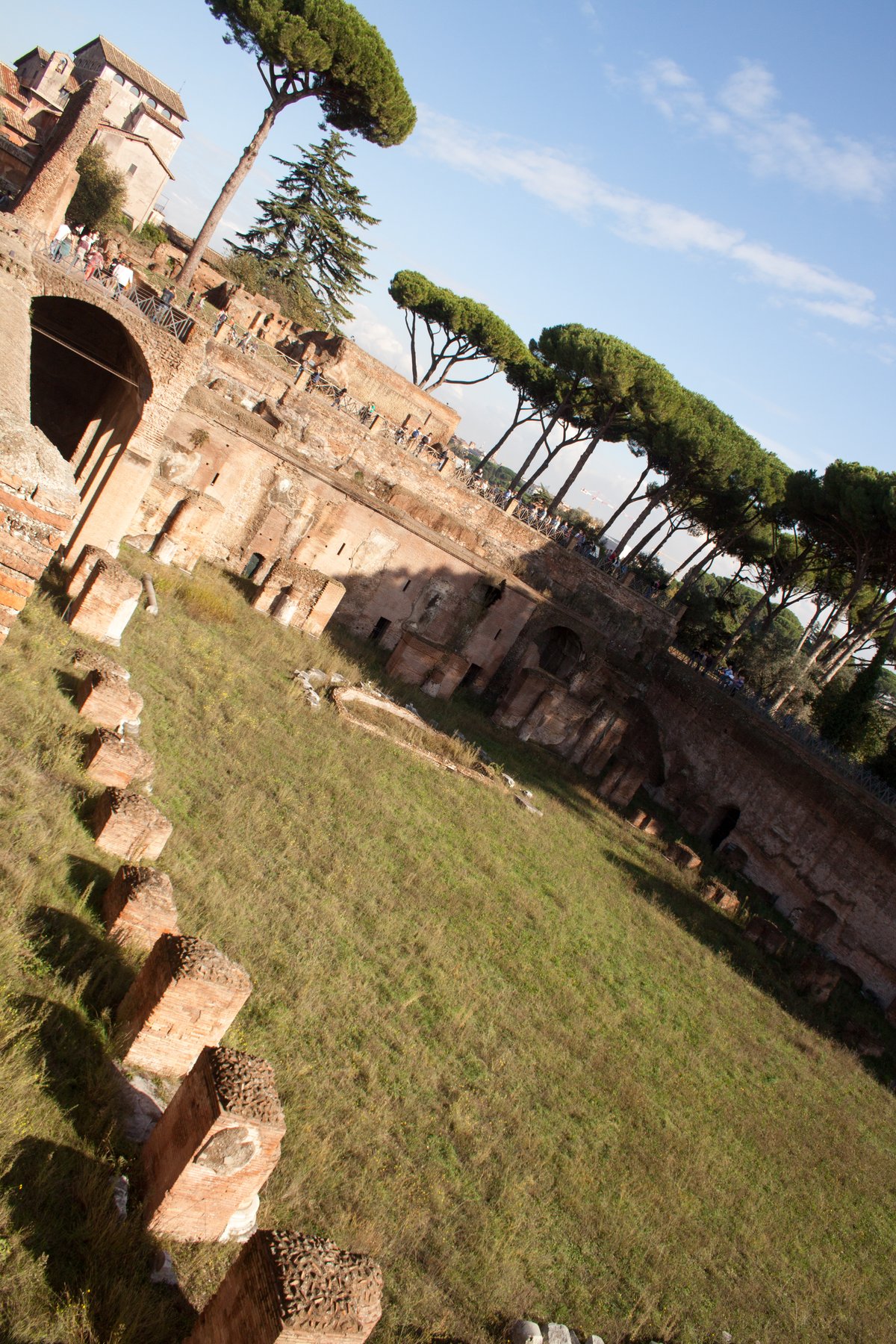
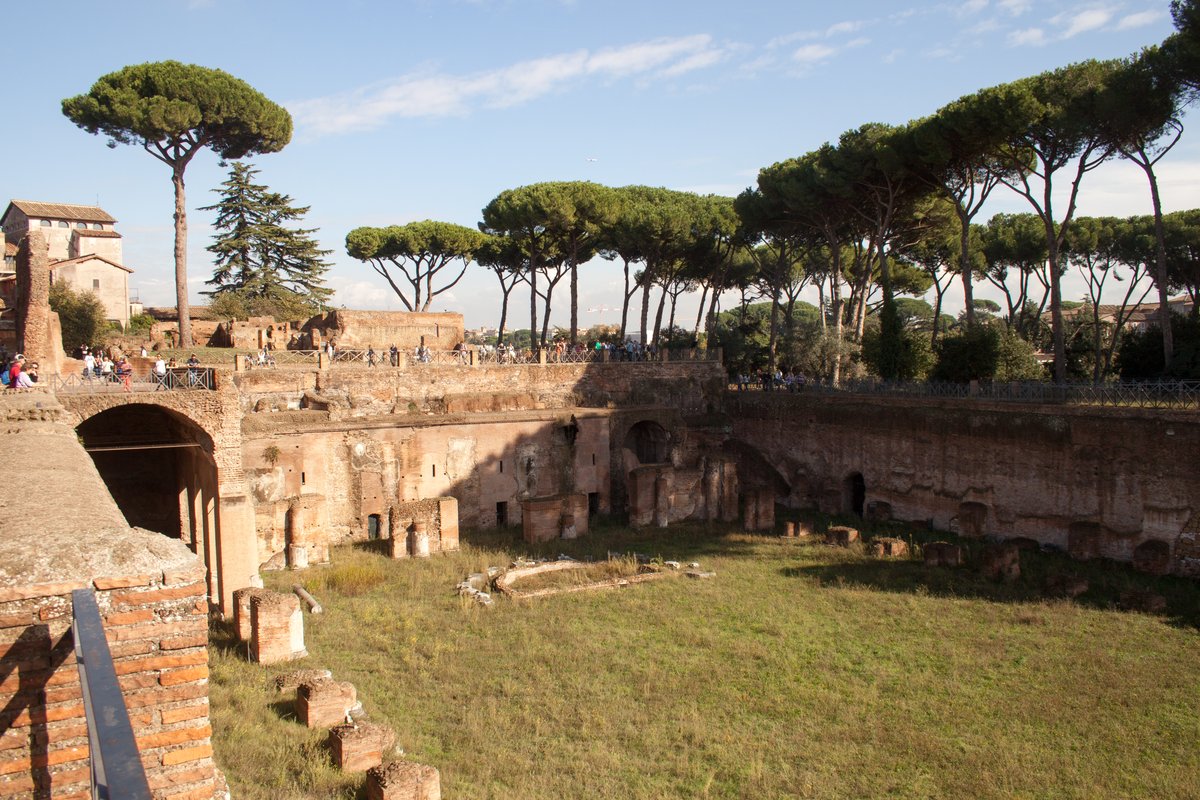
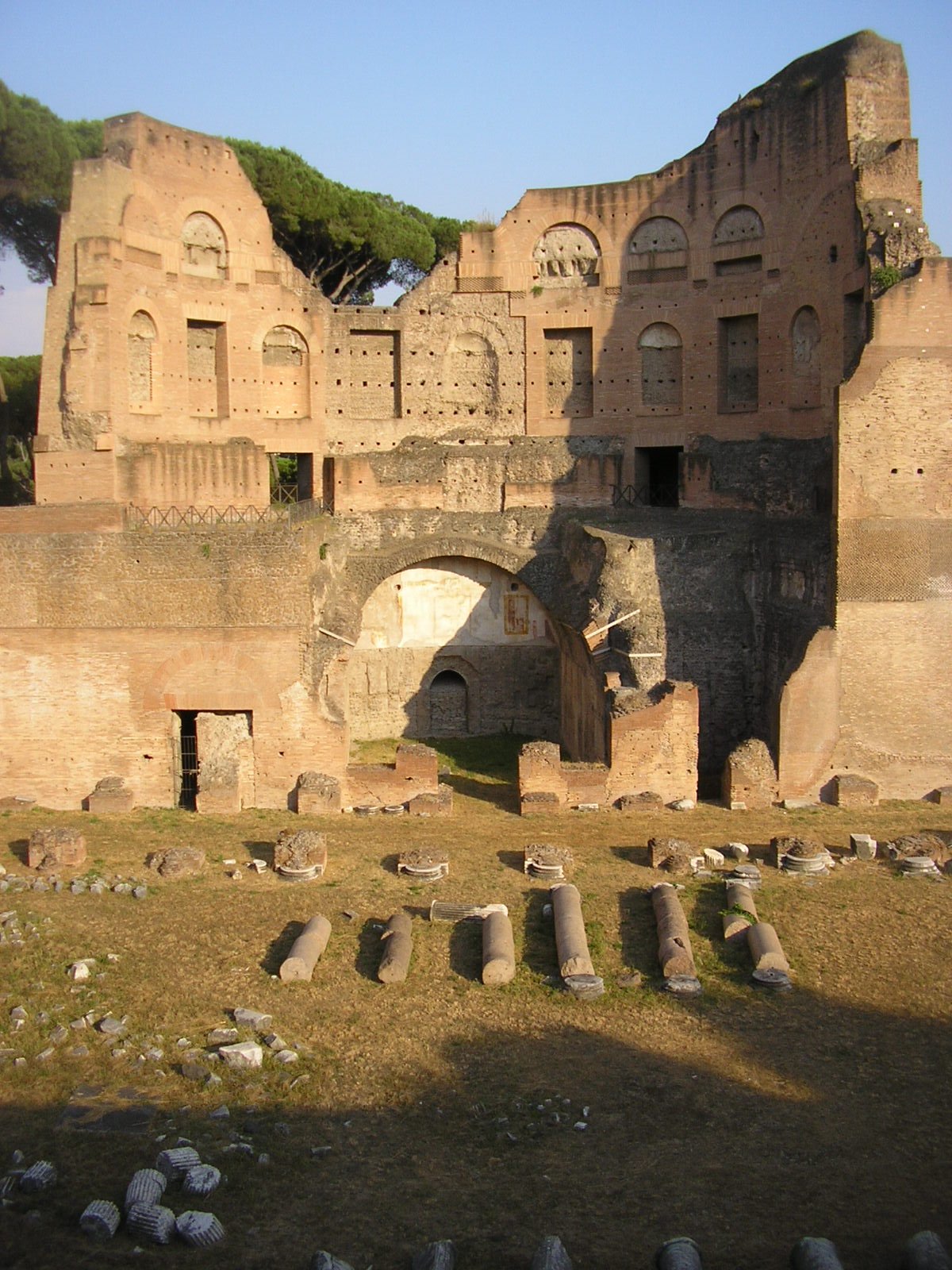
The Palatine Stadium, positioned on the eastern side of Palatine Hill between the Domus Augustana and the Baths of the Severan palace, was the last major addition to Domitian’s palace, completed around 92 CE (Madain Project). Measuring approximately 161 x 48 meters, the stadium sits about 10 meters below the adjacent palace structures. The design, blending Greek and Roman influences, features a curved southern exedra reminiscent of a racecourse, surrounded by elegant porticoes with marble-clad columns (rome-guide.info). Its advanced drainage system and marble decoration attest to the Romans’ technical and artistic sophistication (History Tools).

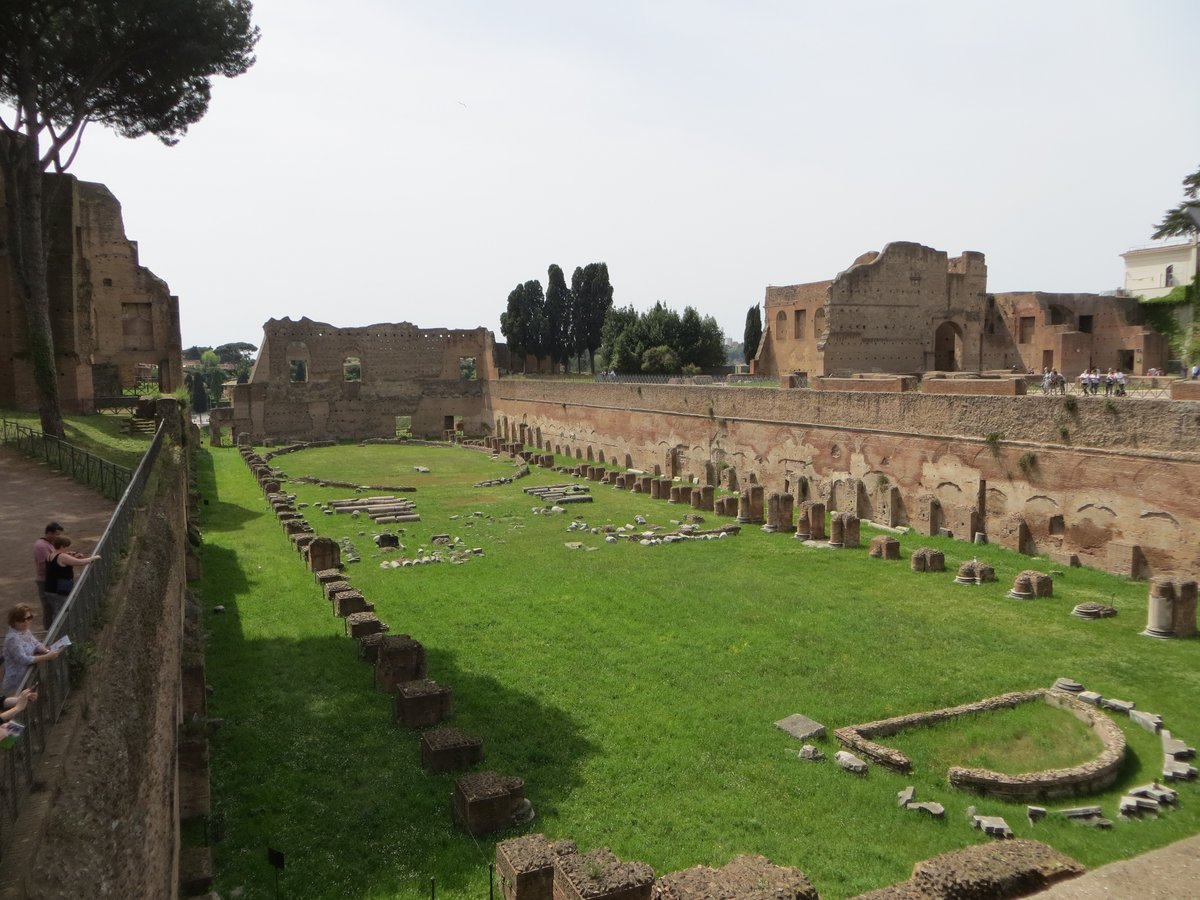
Function and Use in Imperial Rome
Unlike grand public arenas such as the Colosseum or Circus Maximus, the Palatine Stadium was a private venue, accessible only to the emperor and his inner circle (History Hit, Open Mind Tours). Its main purposes included:
- Ceremonial Gardens (Hippodromus): Used for imperial processions, exercise, and elite gatherings.
- Display of Power: The stadium symbolized imperial authority and the emperor’s divine status through exclusive ceremonies and games.
- Leisure: The porticoes and gardens provided shaded, tranquil spaces for private enjoyment and cultural refinement (Italy Travel 101).
Architectural Features and Innovations
- Porticoes: Three-sided colonnades offered grandeur and shade; the lowest tier featured brick pillars and Tuscan marble semi-columns.
- Exedra: The southern curved end likely hosted statues or imperial seats, enhancing the ceremonial atmosphere.
- Drainage System: Underground channels and pipes efficiently managed water, a hallmark of Roman engineering (History Tools).
- Substructures: Vaulted spaces below the arena and porticoes served as storage, service areas, and possibly stables.
- Gardens and Fountains: Lush landscaping, pools, and decorative nymphaea integrated nature with architecture.
Historical Evolution and Modifications
The stadium underwent several restorations, notably after the fire of 192 CE and during the reigns of Hadrian and Septimius Severus (Turismo Roma). Over time, its use adapted to shifting imperial tastes, possibly including religious ceremonies or serving as the site of Saint Sebastian’s martyrdom (Madain Project). Later modifications, such as the oval enclosure at the southern end, may date to post-Imperial periods.
Cultural and Symbolic Significance
Palatine Hill is mythically linked to the founding of Rome—where Romulus and Remus were raised by the she-wolf (History Tools, Rome.us). The stadium, set within the imperial palaces, embodies the Roman ideal of otium (cultivated leisure) and underscores the emperor’s separation from the populace. Its architecture and gardens exemplify the elite’s embrace of Greek-inspired athleticism, art, and philosophy (Open Mind Tours, Italy Travel 101).
Archaeological Discovery and Modern Perspectives
Rediscovered in the 18th century and excavated systematically from the 20th century onward, the stadium’s remains—foundations, marble fragments, and porticoes—offer tangible insights into imperial life (History Tools). Stabilization and preservation allow modern visitors to explore the site safely (gpsmycity.com), while the Palatine Museum displays artifacts unearthed from the stadium and palace complex (Italy Travel 101).
Visiting Hours, Tickets & Directions
Visiting Hours
- Opening: Generally from 8:30 AM
- Closing: Varies by season (typically 4:30 PM–7:15 PM); last entry is one hour before closing.
- Updates: Always confirm with the official Parco Archeologico del Colosseo website before visiting.
Tickets
- Standard Ticket: €16 (adults); €2 (EU citizens 18–25); free for under-18s.
- Full Experience Ticket: €24 (includes special areas).
- S.U.P.E.R. Ticket: €18 (additional sites within the park).
- Roma Pass: Accepted but requires advance reservation (reservation fee applies).
- Purchase: Highly recommended to book online in advance (Italy Travel 101).
Directions
- Main entrance: Via di San Gregorio, 30.
- By Metro: Line B, Colosseo station (short walk to entrance).
- Bus/Tram: Multiple options available; parking is limited—public transport is advised (The Tourist Checklist).
Visitor Experience: Tours, Events & Photography
- Guided Tours: Available in multiple languages; offer in-depth insights and may include access to restricted areas (The Roman Guy). Book in advance for the best selection.
- Audio Guides and Apps: The official MyColosseum app provides interactive tours; download in advance for convenience (Travel Herstory).
- Special Events: Occasionally, the park hosts evening tours or cultural events—check the official site for updates.
- Photography: Permitted throughout; early morning and late afternoon offer optimal lighting. Drones are prohibited.
Accessibility, Facilities & Tips
- Terrain: Expect uneven stone paths, stairs, and some steep sections. Comfortable footwear is essential.
- Accessibility: Ramps and assistance available in certain areas; some sections remain challenging for wheelchairs (Mama Loves Rome).
- Facilities: Restrooms near entrances; drinking fountains throughout; no cafés inside the park—bring water and snacks.
- Children: The site is family-friendly but not stroller-accessible in all areas.
- What to Bring: Sun protection, refillable water bottle, layers for changing weather, and a camera for panoramic views.
Frequently Asked Questions (FAQs)
Q: What are the Palatine Stadium visiting hours?
A: Typically open from 8:30 AM to 7:15 PM (last entry one hour before closing, seasonal changes apply).
Q: How do I purchase tickets?
A: Online via the official park website, at the entrance, or through authorized resellers.
Q: Is the stadium accessible for visitors with disabilities?
A: Partial accessibility; some ramps and alternative routes, but many areas have uneven surfaces.
Q: Are guided tours available?
A: Yes, in multiple languages. Both group and private tours are offered.
Q: Can I take photographs?
A: Yes, but no drones or professional tripods without express permission.
Q: What’s the best time to visit?
A: Early morning or late afternoon for fewer crowds and favorable lighting.
Summary and Visitor Recommendations
The Palatine Stadium is a unique emblem of Rome’s imperial legacy, where architecture, culture, and history intersect. Its private nature and integration with the palace complex provide rare insight into the world of Roman emperors and their pursuit of refined leisure and power (Madain Project, Rome.us). Modern preservation efforts allow visitors to walk through ancient porticoes, admire panoramic city views, and experience the layered history of this storied site.
For the best experience:
- Book tickets in advance and check seasonal hours.
- Wear sturdy shoes and bring sun protection.
- Allow 2–3 hours for a relaxed visit, especially if combining with the Roman Forum and Colosseum.
- Download audio guides or join a tour for enriched historical context.
- Respect site etiquette and enjoy this peaceful escape in the heart of ancient Rome.
Keep up to date with visiting information and upcoming events through the Parco Archeologico del Colosseo website and consider using the Audiala app for audio tours and tips.
Virtual Tour of Palatine Hill (including the Stadium)
Tickets & tours.
These are guided options from our partners — same price as booking direct.
Prices are indicative — final pricing and availability are confirmed at checkout. Audiala may earn a commission from bookings made through these links.
Listen to the full story in the app
The whole Palatine Stadium,
told well.
Audio guides for 1,100+ cities across 96 countries. History, stories, and local insight — offline ready.
Verified, and shown.
Researched and written by the Audiala editorial team from historical records, architectural archives, and local expertise.
Researched from Wikidata, Wikipedia & official sources · fact-checked · How we make our guides →