Plan and listen to Palatine Hill with Audiala.
Audio guide in your pocket, itinerary in your browser. Built for the way you actually visit.
Introduction
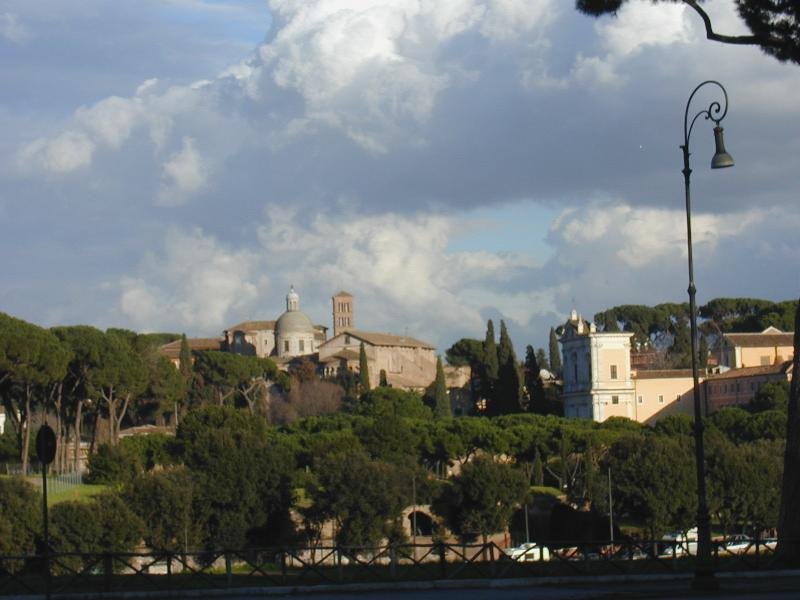
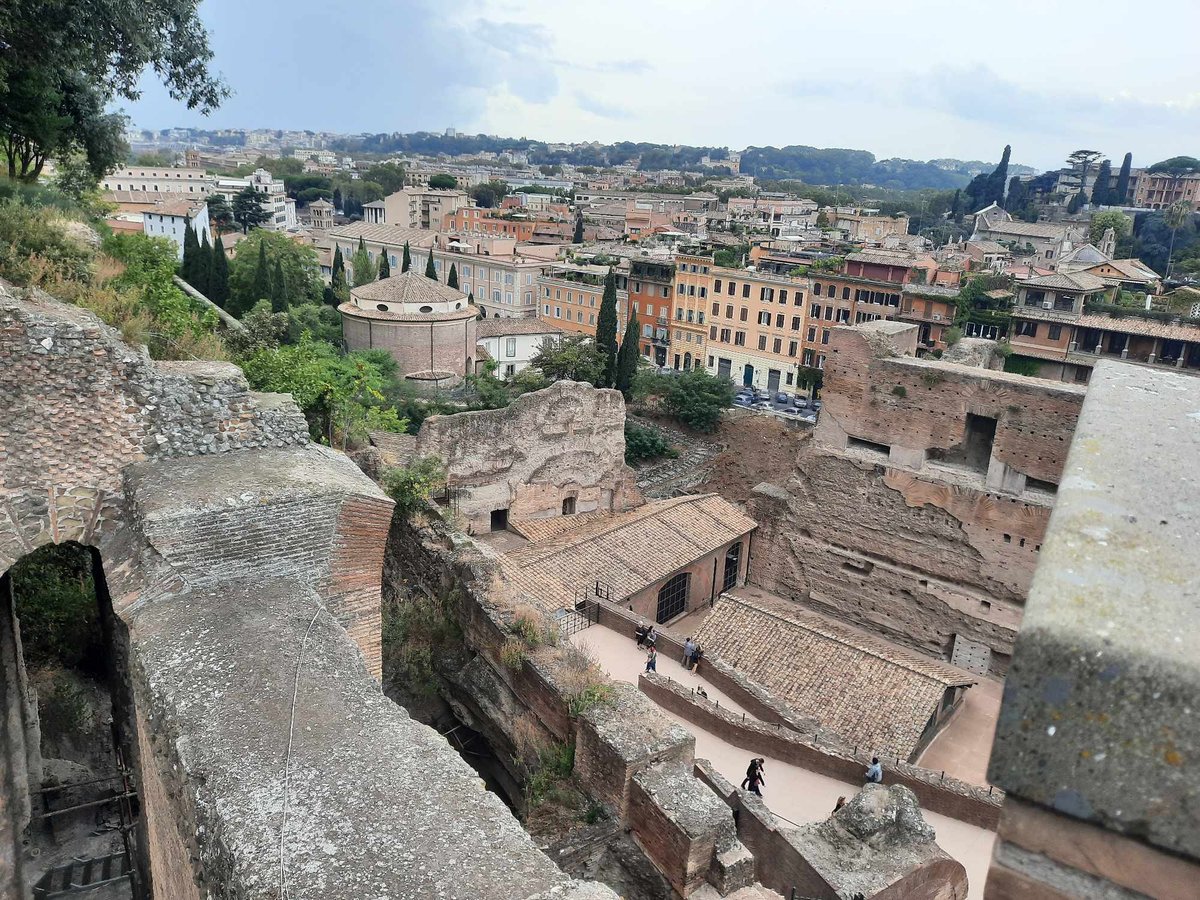
Palatine Hill is one of Rome’s most treasured archaeological sites and the legendary birthplace of the Eternal City. Rising above the Roman Forum and the Circus Maximus, this ancient hill offers a remarkable journey through Rome’s mythic origins, imperial grandeur, and centuries of layered history. Whether you are a history enthusiast, culture lover, or casual traveler, Palatine Hill delivers an unforgettable experience with its ruins, museums, panoramic views, and proximity to other iconic Roman sites.
This guide provides comprehensive information on Palatine Hill’s visiting hours, ticket options, travel tips, top attractions, accessibility, and essential historical context—ensuring you make the most of your visit.
For official updates and further details, consult resources such as Parco Archeologico del Colosseo, Britannica, Wikipedia, and Italy Travel 101.

History & Mythology
Origins and Mythological Foundations
Palatine Hill stands at the heart of Rome’s legendary history. According to Roman mythology, it is where Romulus and Remus, the twin founders of Rome, were nursed by a she-wolf in the Lupercal cave before Romulus established the city in 753 BCE (Wikipedia; Britannica). The myth’s enduring influence is visible in Roman art and culture, and archaeological evidence confirms settlements here dating back to the 10th century BCE (World Archaeology).
Rise of the Imperial Palaces
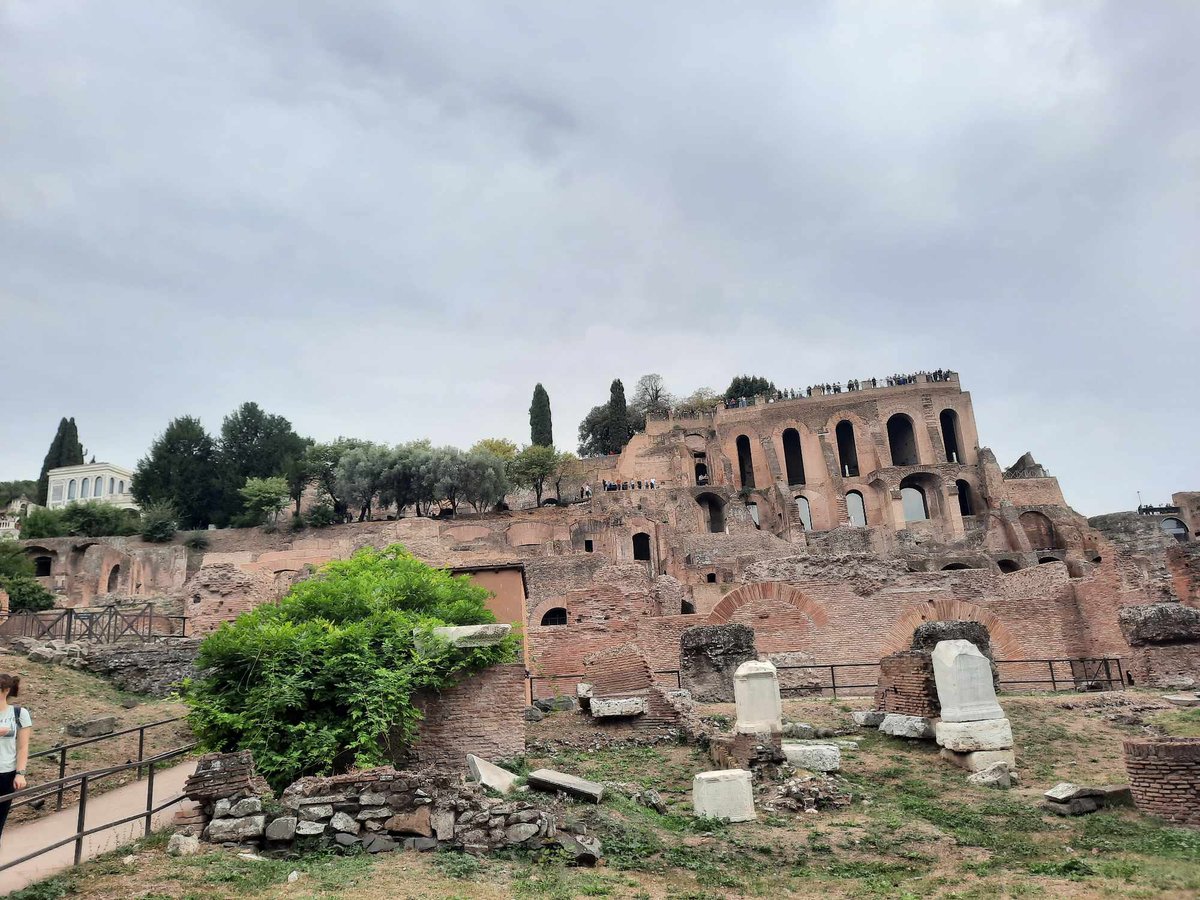
From its early days as a small settlement, the Palatine evolved into the seat of Rome’s most powerful elite. During the Republic, prominent citizens like Cicero and Pompey built homes here, drawn by the hill’s commanding views and central location (History Tools). In the imperial era, Augustus established his residence on the Palatine, transforming it into the heart of Roman political power. Successive emperors expanded the site with grand palaces, temples, and gardens, making “Palatine” synonymous with “palace” (History Hit).
Decline and Rediscovery
Following the empire’s fall, the Palatine’s structures were repurposed or abandoned. In the Middle Ages, the area became a fortress, and later, Renaissance families built their villas atop the ancient ruins. Systematic archaeological excavations began in the 18th century, revealing the rich history that visitors experience today (Britannica; History Tools).
Key Sites and Attractions
Imperial Residences
- Domus Augustana & Domus Flavia: These interconnected palaces, constructed by Domitian, served as the emperor’s residence and ceremonial center. Explore vast halls, mosaic floors, and panoramic terraces (Italy Travel 101).
- House of Augustus: The modest yet elegant home of Rome’s first emperor, known for its vivid frescoes (Visit Colosseum Rome).
- House of Livia: Renowned for its exquisite garden-themed wall paintings, this residence sheds light on imperial domestic life (mamalovesrome.com).
Mythological and Archaeological Landmarks
- Hut of Romulus: Alleged site of Rome’s founder’s dwelling, anchoring the city’s mythical beginnings (thetouristchecklist.com).
- Lupercal Cave: Traditionally identified as the spot where the she-wolf cared for Romulus and Remus (rome.info).
Temples and Gardens
- Temple of Apollo Palatinus: Built by Augustus, this temple underscored his divine favor and the hill’s religious significance (worldhistoryedu.com).
- Temple of Cybele (Magna Mater): Testament to Rome’s religious diversity, dating from the 3rd century BCE (mamalovesrome.com).
- Farnese Gardens: 16th-century Renaissance gardens offering lush greenery and spectacular city views (Roma Experience).
Other Notable Features
- Cryptoporticus: A semi-subterranean corridor connecting palaces, celebrated for atmospheric lighting and frescoes (thegeographicalcure.com).
- Stadium of Domitian: An elongated garden and exercise area, reflecting the luxury of imperial Rome.
Visiting Information
Hours & Tickets
- Opening Hours: Palatine Hill is open daily, generally from 8:30 AM to one hour before sunset. Seasonal variations apply—always check the official website for the latest times.
- Tickets: Entry is included in the combined ticket for the Roman Forum and Colosseum. Adult tickets start at €16-€18, with discounts for EU citizens (18–25) and free entry for children under 18. Advance online booking is strongly advised to avoid queues and secure your time slot (Visit Colosseum Rome).
- Special Tickets: The S.U.P.E.R. ticket offers access to additional restricted areas and museum sections.
Accessibility
Palatine Hill’s terrain is uneven, with gravel paths, stairs, and steep areas. Some routes are wheelchair accessible, but many ruins and viewpoints require walking on rough ground. For specific accessibility details and assistance, consult Parco Archeologico del Colosseo before your visit.
Travel Tips
- Best Times to Visit: Early morning or late afternoon avoids crowds and midday heat.
- What to Bring: Comfortable footwear, water, sun protection, and a camera are essential.
- Facilities: Restrooms are available near main entrances; refillable water fountains are on-site. There are no cafés within the park.
- Dress Code: Light, breathable clothing is recommended for summer visits. Scarves or shawls are handy if visiting religious sites nearby.
Nearby Attractions
A visit to Palatine Hill naturally pairs with the Roman Forum and Colosseum—all included in a single ticket. The Capitoline Hill, Circus Maximus, and Baths of Caracalla are also within walking distance, rounding out a full day of ancient Roman exploration (rome.info).
Palatine Museum
Located on the hill, the Palatine Museum (Museo Palatino) showcases artifacts spanning Rome’s earliest settlements to the imperial age—sculptures, mosaics, inscriptions, and everyday items. It offers invaluable context for the ruins around you (worldhistoryedu.com).
Frequently Asked Questions (FAQs)
Q: What are Palatine Hill’s visiting hours?
A: Typically 8:30 AM to one hour before sunset; seasonal changes apply. Verify current times on the official site.
Q: How do I buy Palatine Hill tickets?
A: Purchase online in advance for a specific time slot. Tickets include access to the Roman Forum and Colosseum.
Q: Is Palatine Hill accessible for wheelchairs?
A: Some paths are accessible, but terrain is often uneven. Detailed accessibility info is available on the official website.
Q: Are guided tours available?
A: Yes. Guided tours and audio guides are highly recommended for deeper insight.
Q: Can I visit with children?
A: Yes, though the uneven terrain is best suited for children aged six and above.
Listen to the full story in the app
The whole Palatine Hill,
told well.
Audio guides for 1,100+ cities across 96 countries. History, stories, and local insight — offline ready.
Verified, and shown.
Researched and written by the Audiala editorial team from historical records, architectural archives, and local expertise.
Researched from Wikidata, Wikipedia & official sources · fact-checked · How we make our guides →