Plan and listen to Oratory Of Saint Phillip Neri with Audiala.
Audio guide in your pocket, itinerary in your browser. Built for the way you actually visit.
Introduction
The Oratory of Saint Philip Neri, located in the heart of Rome, is a living testament to centuries of spiritual renewal, architectural innovation, and cultural legacy. Founded in the 16th century by the charismatic Florentine priest Saint Philip Neri, the Oratory is not just a historical monument but a vibrant center of community, music, and faith. From its Baroque architecture, designed by Francesco Borromini, to its ongoing role in religious and cultural life, the Oratory welcomes visitors seeking art, history, and inspiration. This comprehensive guide provides detailed information about the Oratory’s history, architecture, visiting hours, ticketing, accessibility, and travel tips for an enriching experience in one of Rome’s most significant historical sites.

Historical Background and Foundation
The Oratory of Saint Philip Neri finds its roots in the lively and tumultuous spiritual landscape of 16th-century Rome. Philip Neri, born in Florence in 1515, arrived in Rome amid a period of religious uncertainty. He gathered a circle of followers through informal meetings focused on prayer, music, and conversation, eventually establishing a distinctive community of secular priests. Recognized officially by Pope Gregory XIII in 1575, the Oratory became known for its unique approach: priests living in community, bound by charity and mutual obedience rather than formal vows (Wikipedia; Oratorian Wisdom).
Spiritual Mission and Early Development
Saint Philip Neri’s vision centered on three pillars: prayer, preaching, and the sacraments. His philosophy, marked by humility, joy, and accessibility, fostered a welcoming atmosphere for all, regardless of social status. The Oratory quickly became a focal point for spiritual renewal, blending sacred music, informal catechesis, and acts of charity. This commitment to joyful holiness and community service earned Philip the title “the saint of joy” and anchored the Oratorian legacy as a reforming force in Roman Catholicism (Oratorian Wisdom).
Architectural Highlights: Palazzo dei Filippini and the Oratory
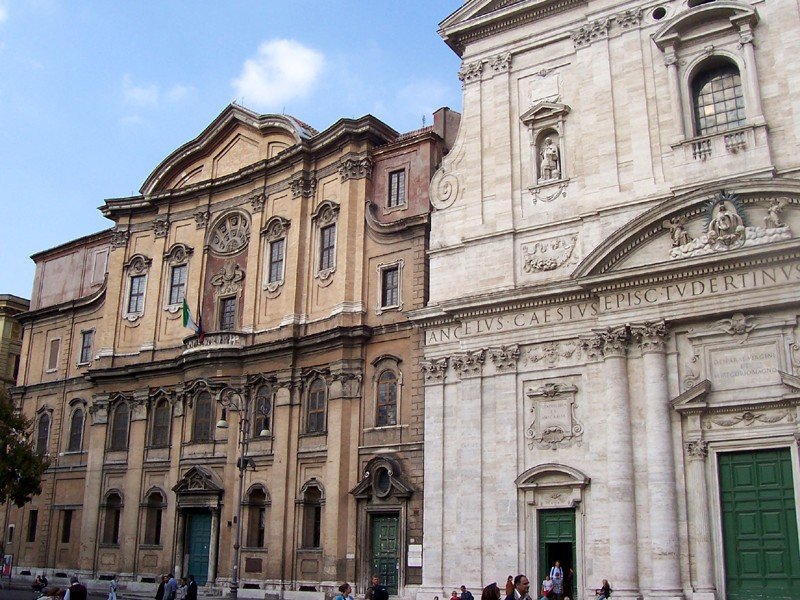
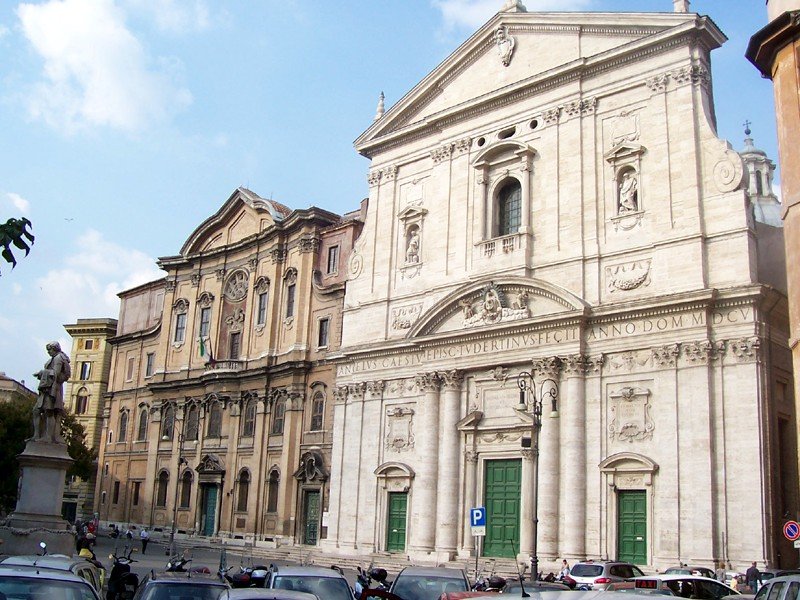
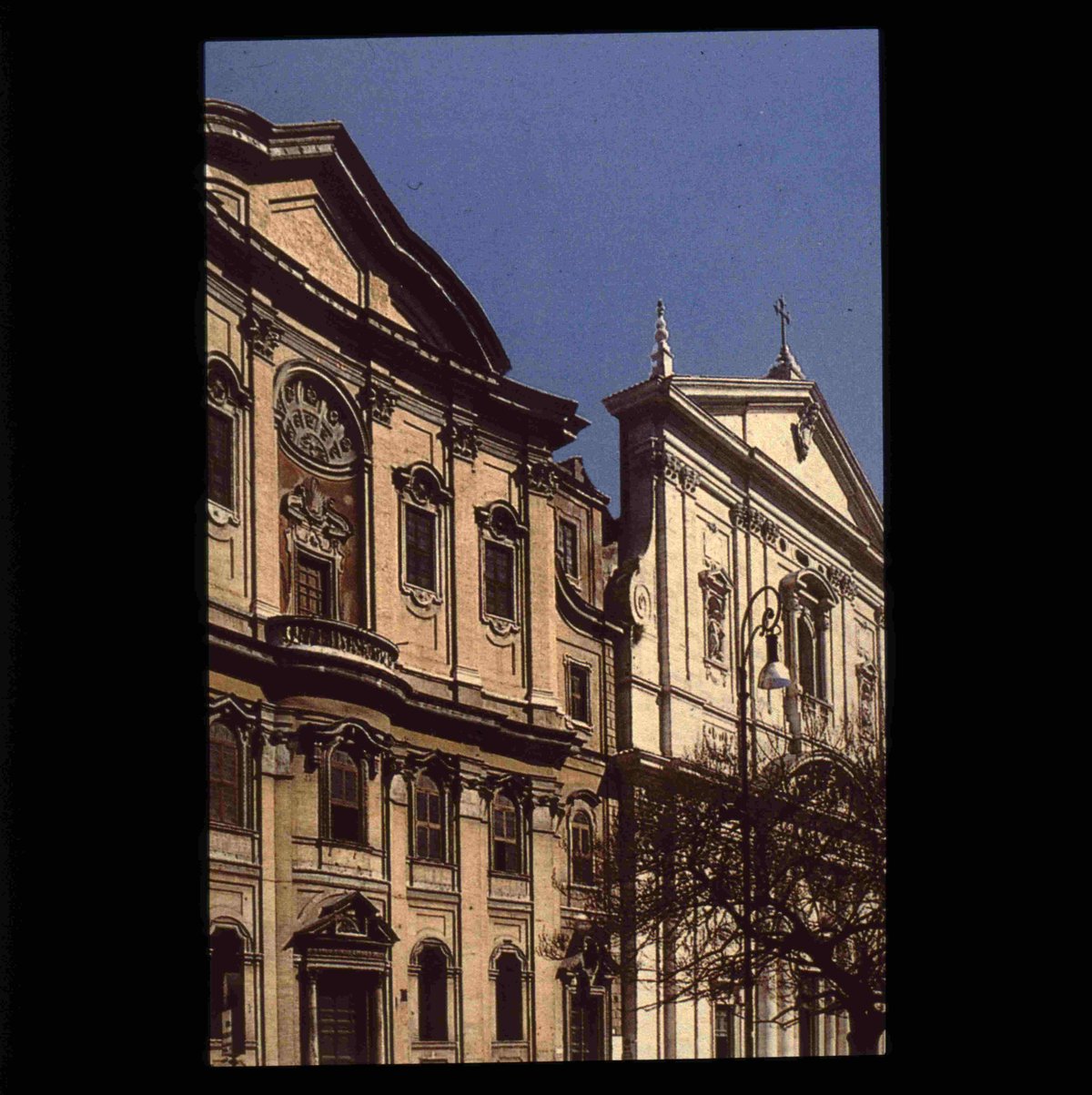
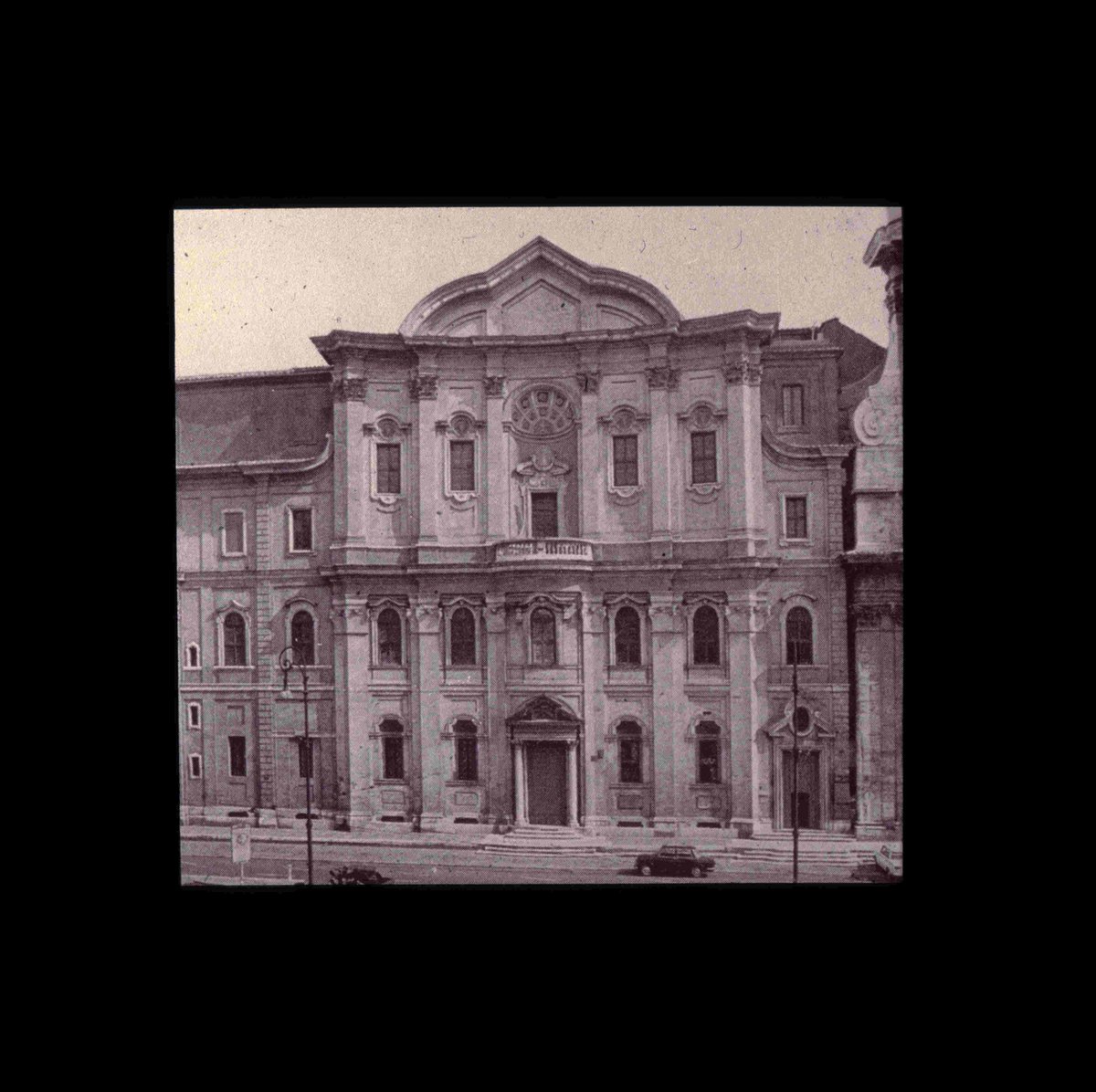
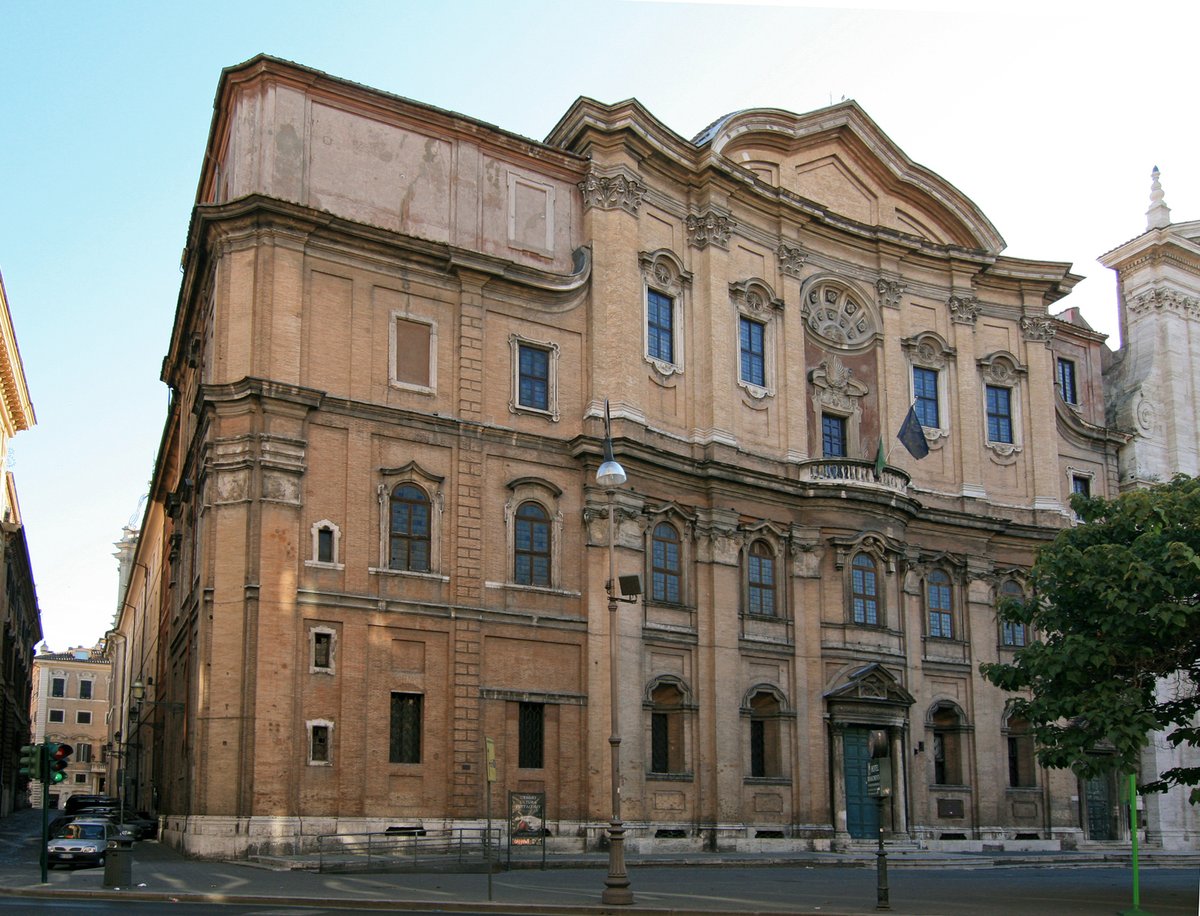
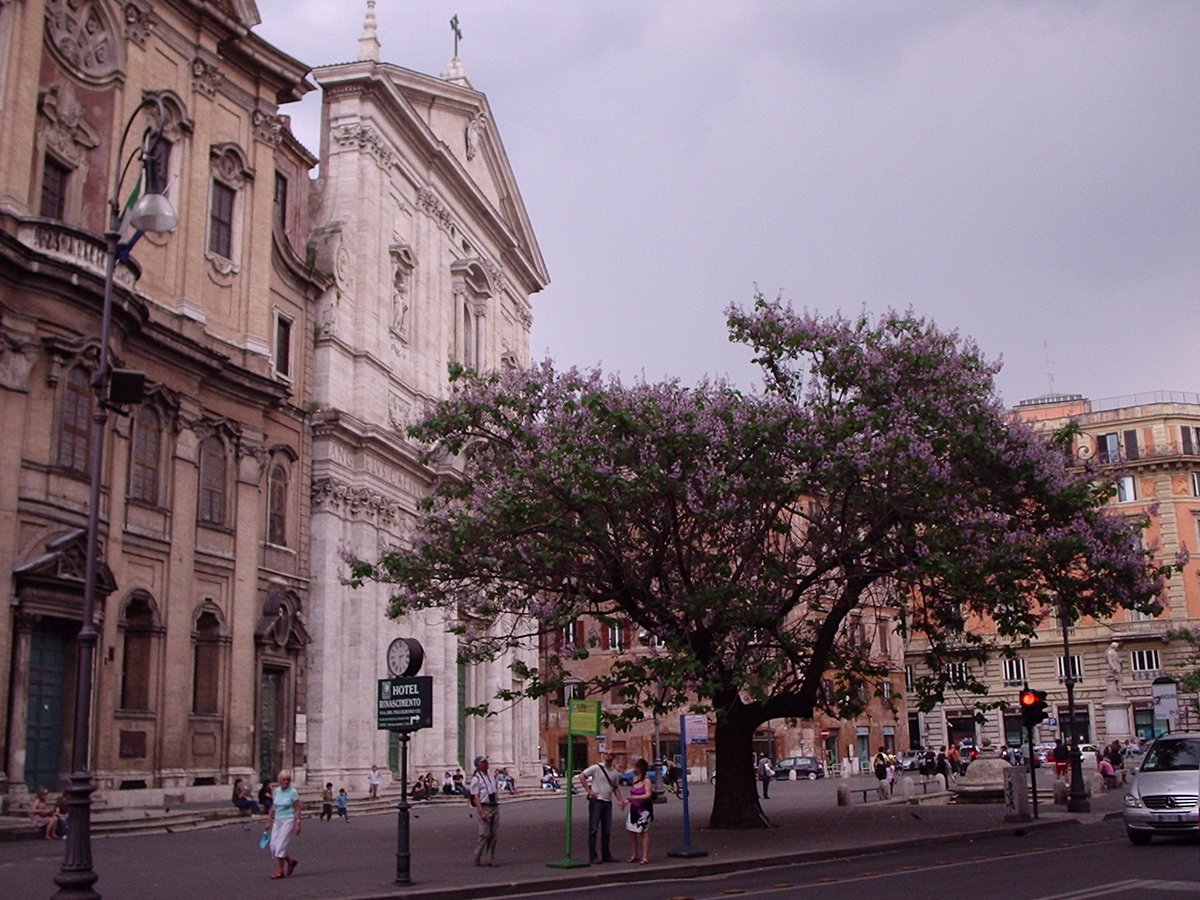
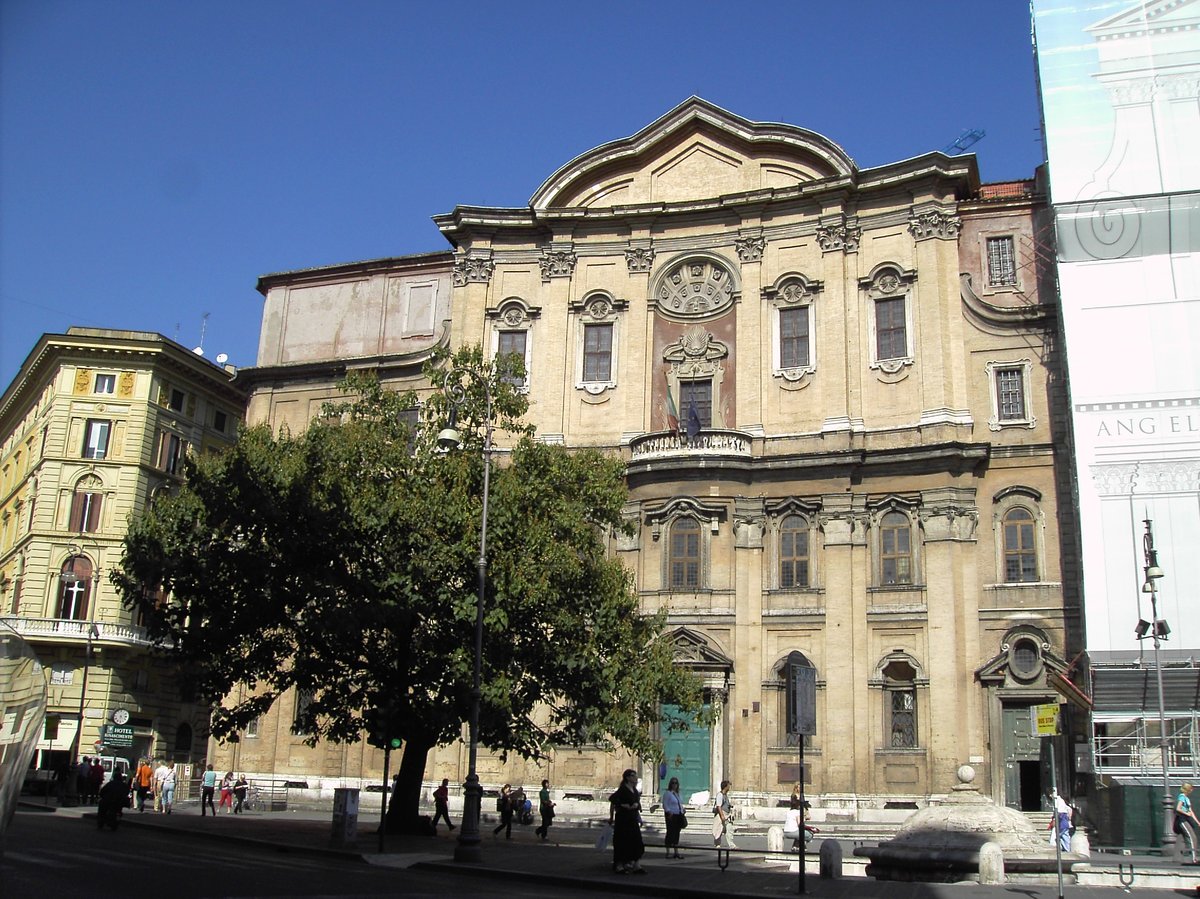
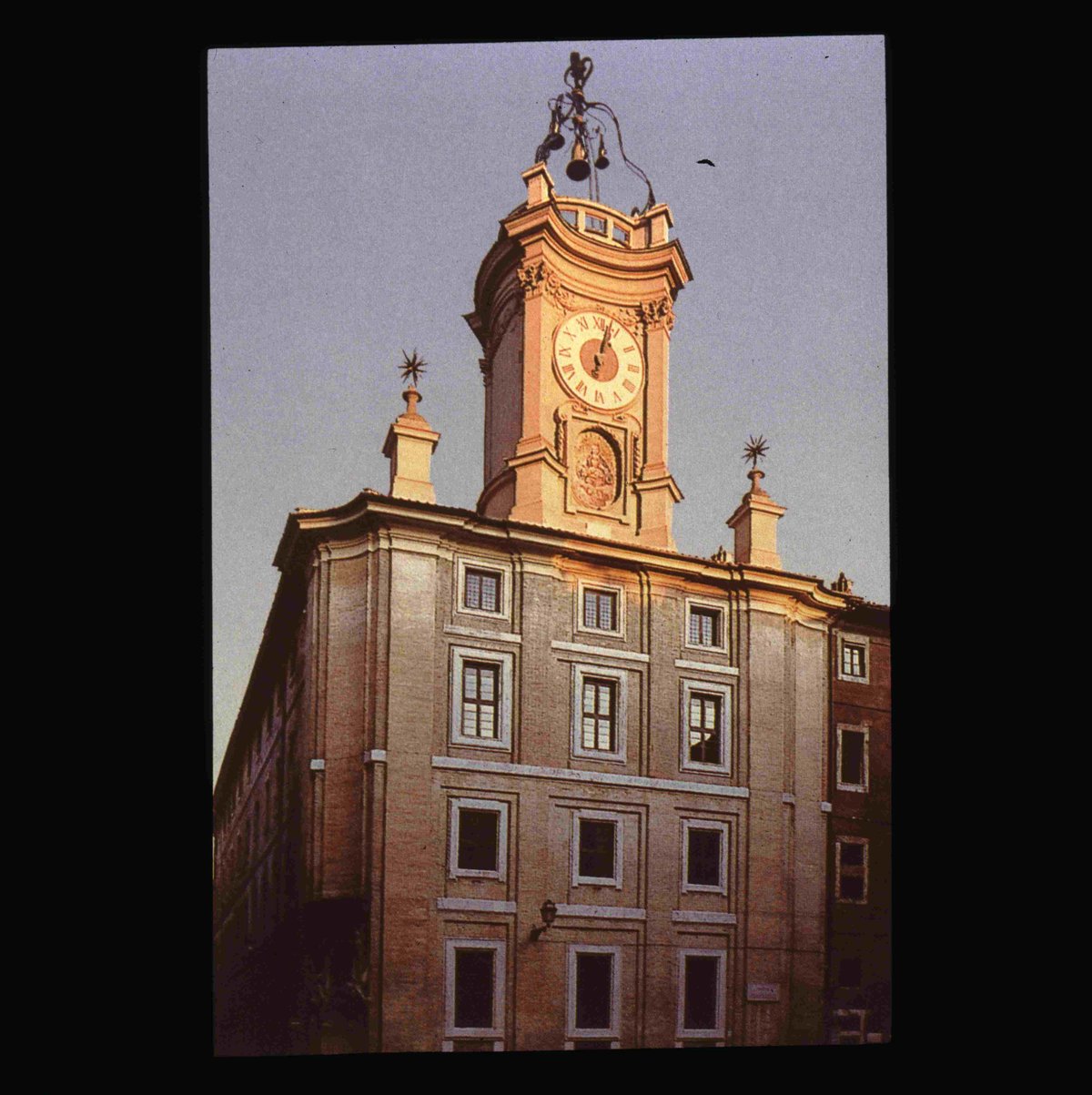
The physical heart of the Oratory is the Palazzo dei Filippini complex, a Baroque masterpiece designed by Francesco Borromini from 1637 to 1650. Borromini’s design harmonizes spiritual symbolism and architectural innovation, with a façade resembling open arms—a gesture of welcome—achieved through the interplay of concave and convex curves. The building’s scale and materials intentionally complement, rather than overshadow, the adjacent Chiesa Nuova (Santa Maria in Vallicella), reflecting Oratorian values of humility (Turismo Roma; Wikipedia).
Inside, Borromini’s mastery is evident in the dynamic spatial arrangement, with half-columns and pilasters creating a rhythm that enhances both grandeur and intimacy. The main hall’s acoustics are optimized for music—a central element in Oratorian worship—while the upper floor houses the Biblioteca Vallicelliana, an important collection of theological and historical works.
Artistic and Cultural Treasures
The Oratory is home to remarkable art and sculpture. Notable are the full-scale plaster models of Alessandro Algardi’s reliefs, “The Encounter of Attila and Pope Leo”—the marble version of which resides in St. Peter’s Basilica—and “The Miracle of Saint Agnes.” These works, along with masterpieces by artists such as Pietro da Cortona and Federico Barocci, underscore the Oratory’s role as a hub of Baroque art and sacred music (Wikipedia; Oratorian Wisdom).
The Sala Borromini, a large hall within the Oratory, continues to serve as a venue for civic and cultural events, maintaining a tradition of community engagement that dates back to Saint Philip’s time.
Visiting Hours, Tickets, and Accessibility
Visiting Hours:
The Oratory is generally open Tuesday through Sunday from 9:00 AM to 6:00 PM. It is closed on Mondays and during certain public holidays. Always check the official website or call ahead for the latest information, especially during special events or religious holidays.
Tickets and Admission:
Admission is free for most visitors. Donations are welcome to support maintenance and cultural programming. Tickets may be required for guided tours or special concerts and can usually be purchased online or at the entrance.
Accessibility:
The Oratory is partially accessible to wheelchair users, with ramps and elevators available for the main areas. However, some historical sections, such as the Biblioteca Vallicelliana, may have limited access. It is advisable to contact the site in advance for specific needs (The Catholic Travel Guide).
Directions and Nearby Attractions
Location:
Via del Governo Vecchio, 134, 00186 Roma RM, Italy—just steps from Piazza Navona and the Pantheon.
Getting There:
- Bus: The Line 64 bus from Nazionale/Quattro Fontane to C.So Vittorio Emanuele/Navona is the most direct public transport route, departing every 10 minutes (Rome2Rio).
- Metro: Closest stations are Barberini and Spagna, with a short bus or taxi ride.
- Taxi: About 5 minutes from central Rome.
- Walking: Easily accessible from central landmarks.
Nearby Attractions:
After your visit, explore the Church of Santa Maria in Vallicella, Piazza Navona, Campo de' Fiori, and the Pantheon—all within easy walking distance.
Special Events and Cultural Programs
Throughout the year, the Oratory hosts sacred music concerts, exhibitions, and religious celebrations, especially on the Feast of Saint Philip Neri (May 26). The Sala Borromini often serves as a concert venue, continuing the Oratorian tradition of integrating music and spirituality. Check the Oratory’s website or social channels for updated event calendars (Oratorian Wisdom).
Practical Visitor Tips and Etiquette
- Dress Code: Modest attire is required—shoulders and knees covered.
- Photography: Allowed in most areas, but flash and tripods are prohibited. Respect restrictions in sacred spaces.
- Quiet Reflection: Maintain a respectful silence, especially during services.
- Guided Tours: Highly recommended for a deeper understanding; book in advance for access to restricted areas.
- Accessibility: Contact staff ahead if you have mobility needs.
Frequently Asked Questions (FAQ)
Q: What are the Oratory’s visiting hours?
A: Tuesday–Sunday, 9:00 AM–6:00 PM (closed Mondays). Always confirm before you go.
Q: Is there an admission fee?
A: General admission is free; special tours or concerts may require tickets.
Q: Is the site wheelchair accessible?
A: Yes, in most main areas, with some limitations in the historic library.
Q: Are guided tours available?
A: Yes, and they can be arranged in advance for a fee.
Q: Can I take photos inside?
A: Photography is usually permitted, but not during services or in restricted chapels.
Listen to the full story in the app
The whole Oratory Of Saint Phillip Neri,
told well.
Audio guides for 1,100+ cities across 96 countries. History, stories, and local insight — offline ready.
Verified, and shown.
Researched and written by the Audiala editorial team from historical records, architectural archives, and local expertise.
Philip Neri: History and Spiritual Legacy, 2024, Oratorian Wisdom
Philip Neri, 2024, The Catholic Travel Guide
Philip Neri and His Oratory, 2024, Oratorian Wisdom
Researched from Wikidata, Wikipedia & official sources · fact-checked · How we make our guides →