Plan and listen to Museum Of The Liberation Of Rome with Audiala.
Audio guide in your pocket, itinerary in your browser. Built for the way you actually visit.
Introduction
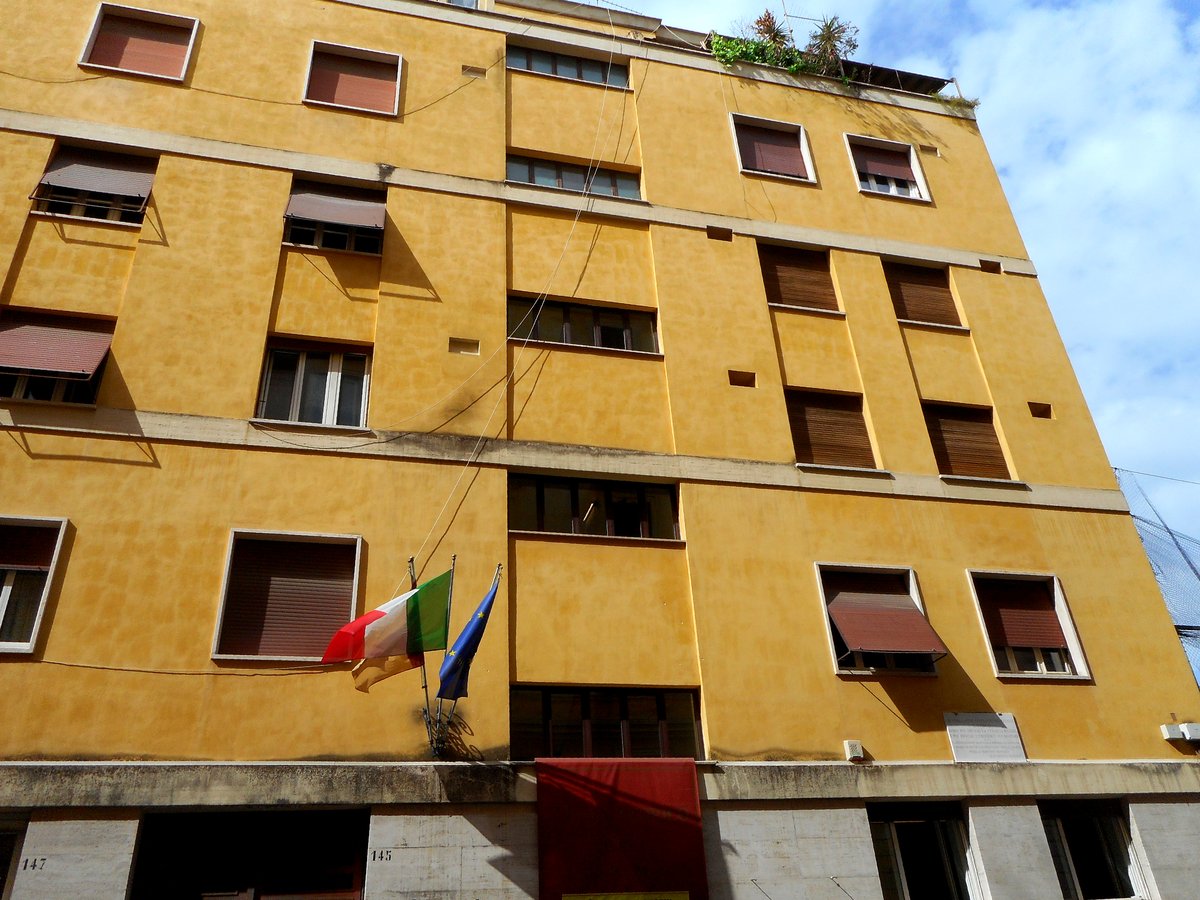
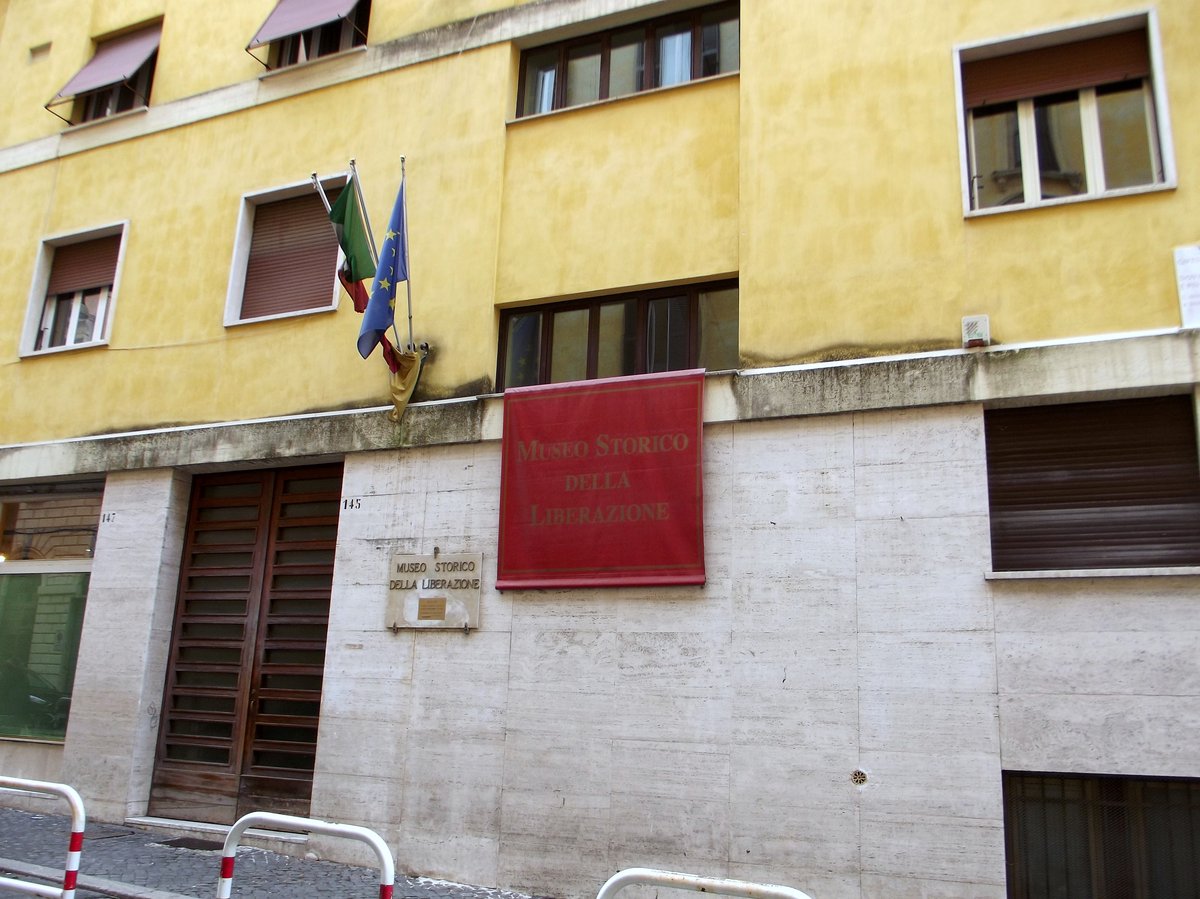
The Museum of the Liberation of Rome (Museo Storico della Liberazione di Roma) stands as a powerful testament to the city's resilience during World War II. Located at Via Tasso 145, the former headquarters of the Nazi Sicherheitspolizei (Security Police), the museum offers a poignant journey into the heart of the Italian Resistance. This guide provides comprehensive information on the museum's history, visiting hours, accessibility, and nearby attractions to ensure a meaningful and informative visit.

Historical Context
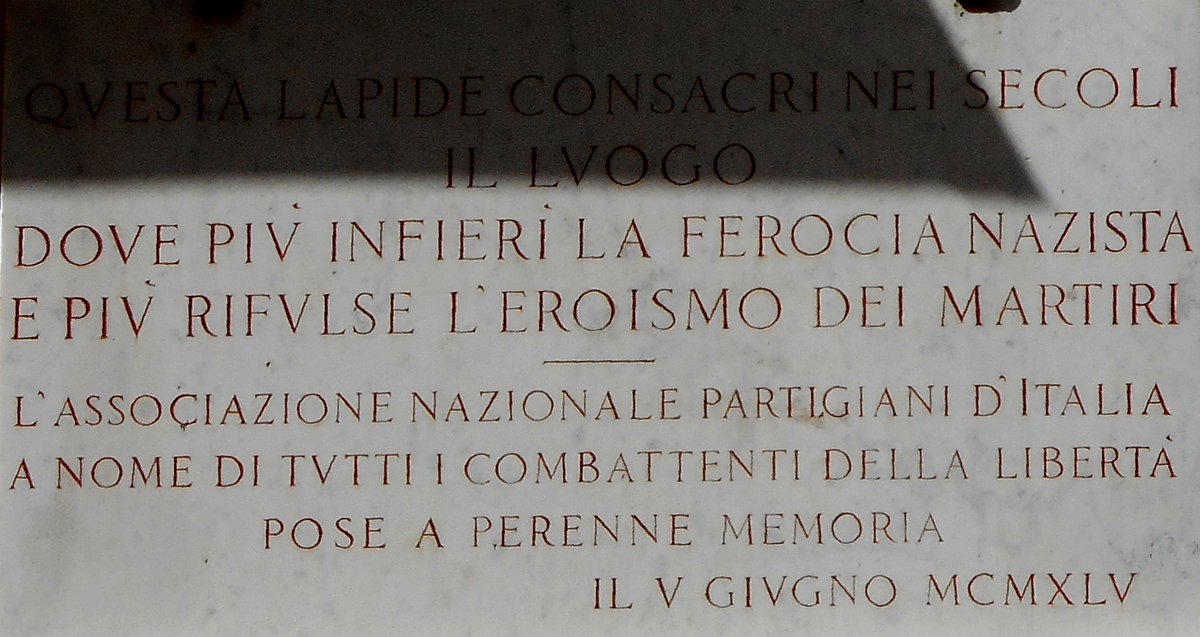
From September 1943 to June 1944, Rome endured a brutal Nazi occupation. Via Tasso 145 became a symbol of oppression, housing the Sicherheitsdienst (SD) and Sicherheitspolizei (SIPO), the German Security Police and Intelligence Service, under the command of Lieutenant Colonel Herbert Kappler. (Liberation Route) The building's apartments were transformed into prison cells, where over 2,000 men and women—anti-fascists, partisans, Jews, and those suspected of aiding the Resistance—were detained, interrogated, and tortured. (Europe Remembers) Many of those imprisoned at Via Tasso were later executed in the Fosse Ardeatine massacre on March 24, 1944, a chilling reprisal for a partisan attack on Via Rasella. (Europe Remembers)
Visiting Information
Opening Hours
The museum is open Tuesday through Sunday from 9:30 AM to 6:30 PM. It is closed on Mondays and major public holidays. Confirm opening hours on the official website before your visit. (Official Museum Website)
Tickets
- General Admission: €6
- Reduced Admission (EU citizens aged 18-25): €3
- Free: Children under 18, Rome residents, and on the first Sunday of each month.
Tickets can be purchased at the museum entrance or online. (Official Museum Website)
Accessibility
The museum is wheelchair accessible, with ramps and elevators. Accessible restrooms are available. Contact the museum in advance for any special assistance.
Museum Layout and Exhibitions
The museum's layout preserves the original structure of the building.
- Ground Floor: This floor primarily features former offices of the SS and Gestapo, now converted into exhibition spaces. Displays include documents, photographs, and artifacts related to the Nazi occupation and the Italian Resistance. Free audio guides are available and recommended, especially for non-Italian speakers. (Destination WWII) (WhichMuseum)
- First Floor: This floor houses the preserved prison cells. The original doors, barred windows, and even graffiti etched by prisoners offer a visceral connection to the past. (Wanted in Rome)
Guided Tours and Special Events
Guided tours are available in Italian and English. The museum also hosts commemorative events, exhibitions, and educational programs, particularly around Liberation Day (April 25). Check the museum's website for schedules and details.
Travel Tips
- Location: Via Tasso 145, Rome.
- Public Transport: Easily accessible by Metro (Line A and B to Termini station) and various bus lines. (Trek Zone)
- Nearby Attractions: The Basilica di San Giovanni in Laterano, Colosseum, Roman Forum, and Capitoline Museums are within easy reach. (Turismo Roma)
- Photography: Non-flash photography is permitted inside the museum.
Listen to the full story in the app
The whole Museum Of The Liberation Of Rome,
told well.
Audio guides for 1,100+ cities across 96 countries. History, stories, and local insight — offline ready.
Verified, and shown.
Researched and written by the Audiala editorial team from historical records, architectural archives, and local expertise.
Researched from Wikidata, Wikipedia & official sources · fact-checked · How we make our guides →