Introduction
At the heart of Rome’s historic Campus Martius lies the Mausoleum of Augustus, an enduring monument to the city’s first emperor and a symbol of the Roman Empire’s grandeur. Built in 28 BCE by Augustus as a dynastic tomb, this colossal circular structure has witnessed over two millennia of history—from imperial funerals to medieval fortifications, Renaissance gardens, and modern restoration. Today, the mausoleum stands as both a remarkable archaeological site and a vibrant cultural destination for travelers and history enthusiasts alike (Madain Project).
This guide brings together essential visitor information—covering history, architecture, tickets, accessibility, travel tips, and nearby attractions—so you can confidently plan a memorable visit to this iconic Roman landmark. For the latest updates and ticket bookings, consult official sources such as the Mausoleum of Augustus website and trusted ticketing platforms.
Photo Gallery
Explore Mausoleum of Augustus in Pictures
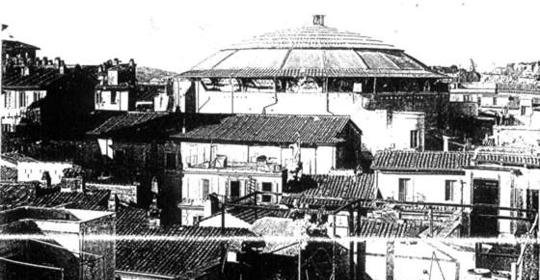
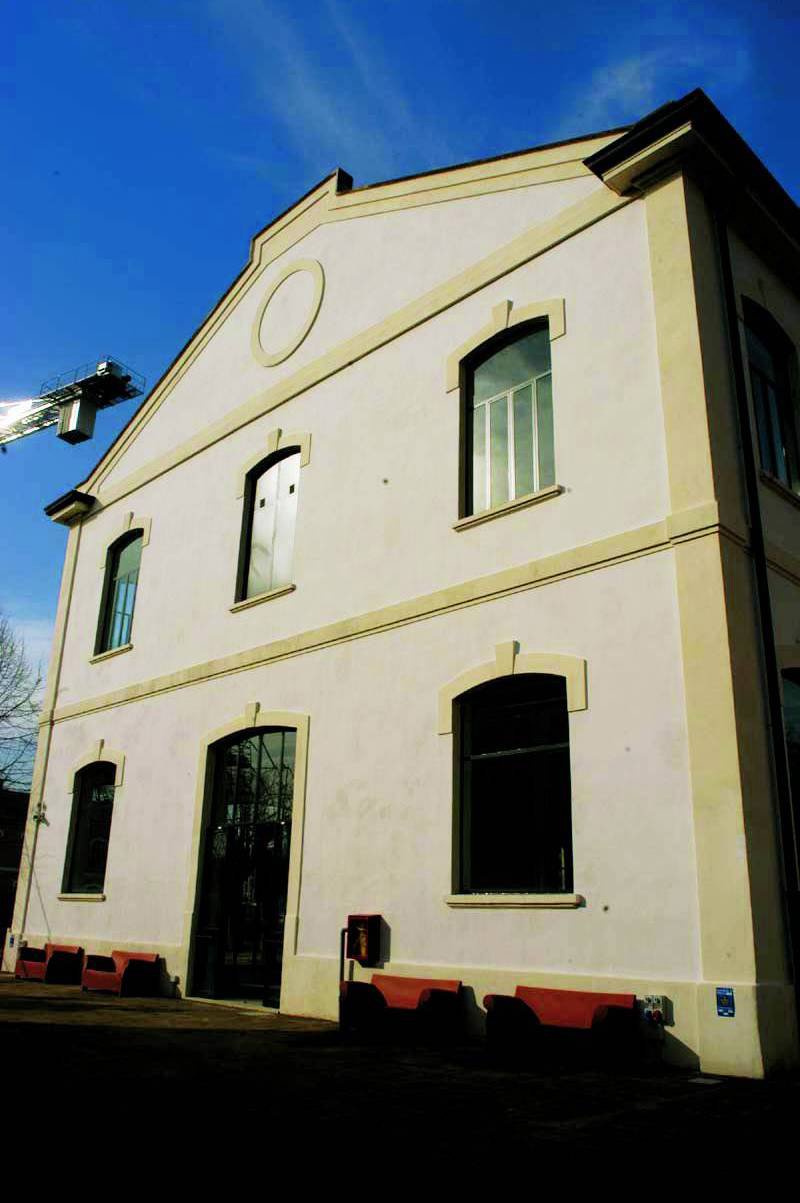
Historical image of the Augusteo-Correa amphitheater situated on the Mausoleum of Augustus in Rome during the 1910s, showcasing early 20th century architecture and urban scenery.
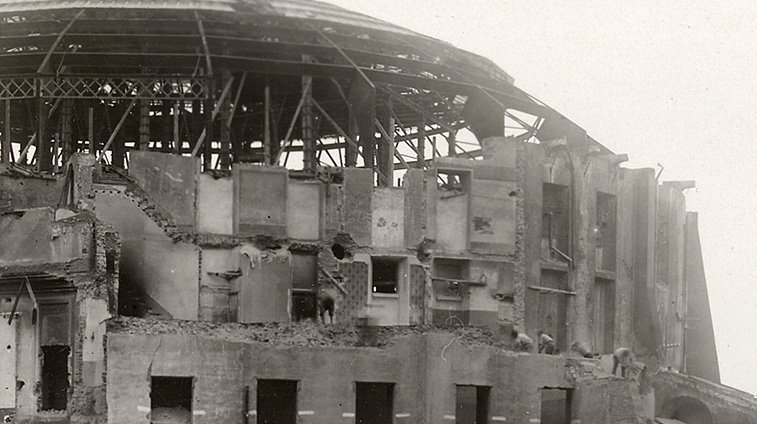
Historical photograph showing the Augusteo-Correa auditorium during its destruction in the year 1936.
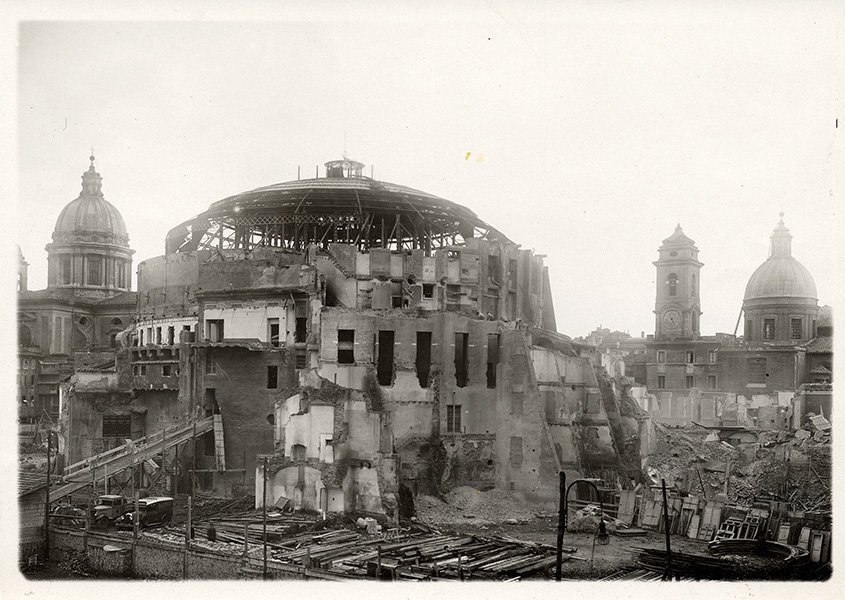
Historic black and white photograph showing the destruction of L'auditorium Augusteo-Correa near the Mausoleum of Augustus in 1936

Historic image showing the destruction of L'auditorium Augusteo-Correa near the Mausoleum of Augustus in 1936
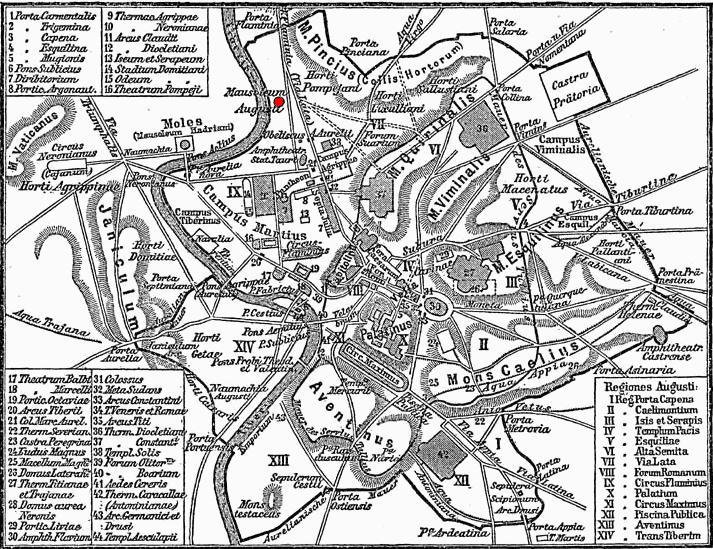
Historic map of ancient Rome showing the location of the Augustus Mausoleum marked in red. Personal work on an old map featured in the Commons.
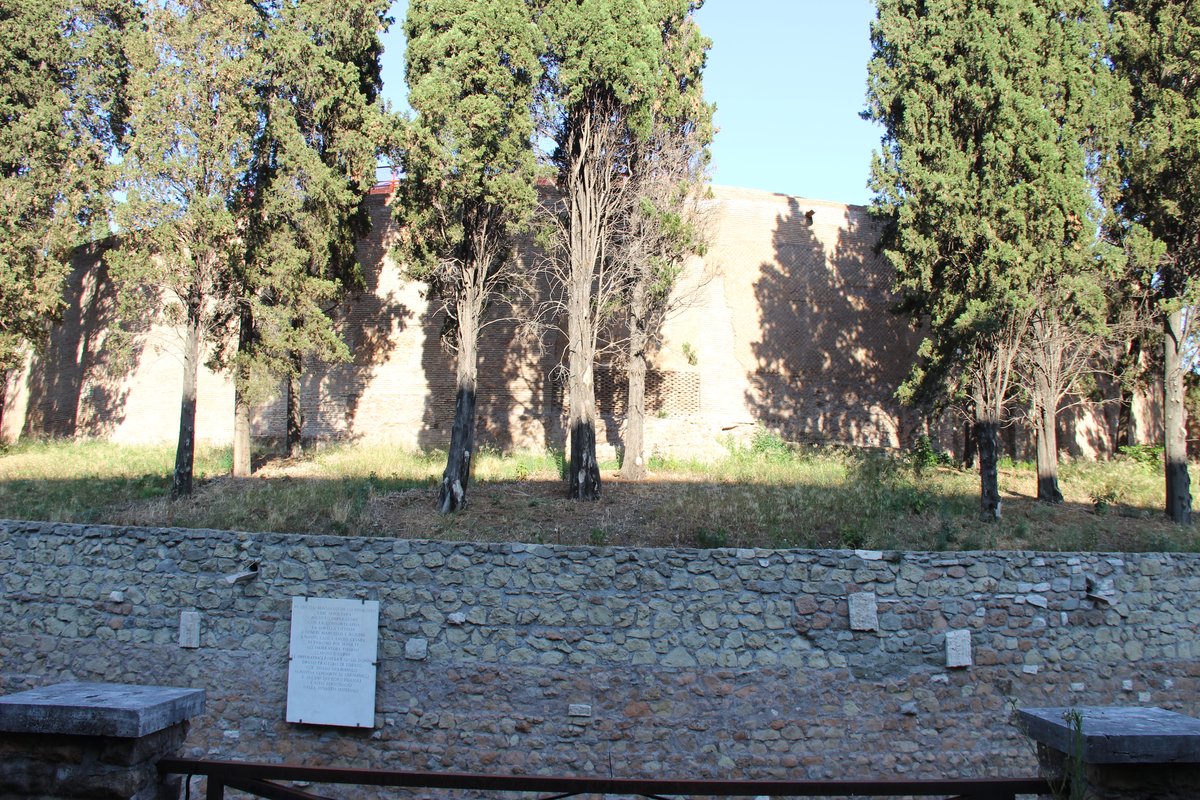
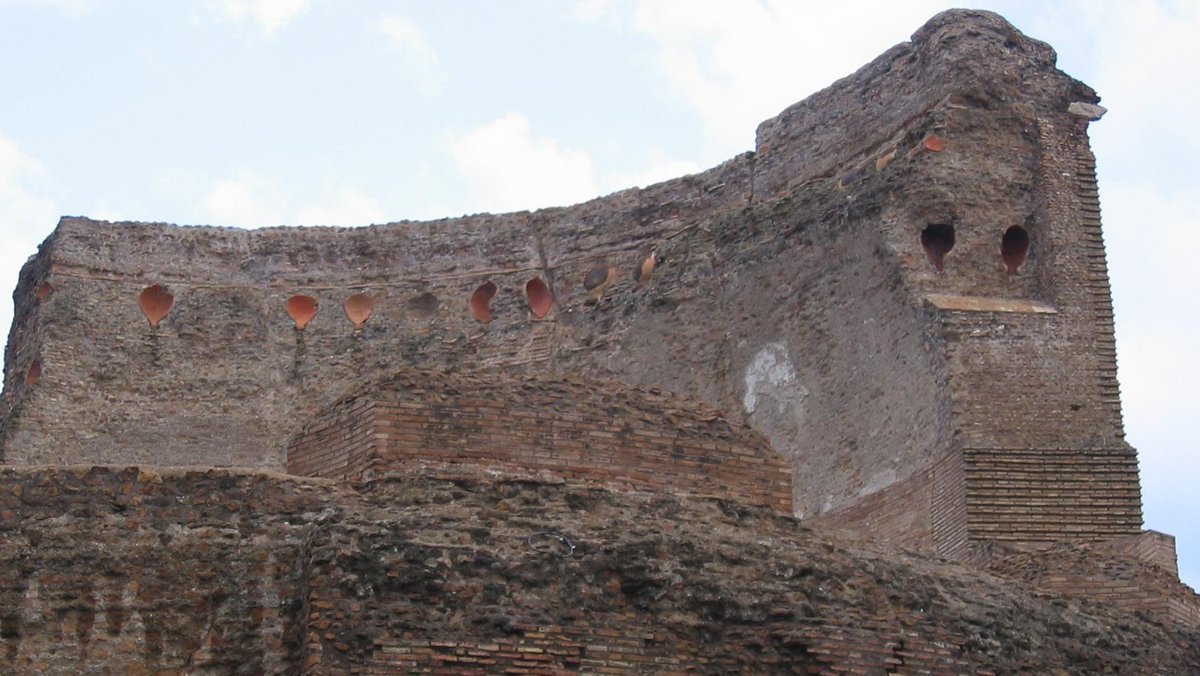
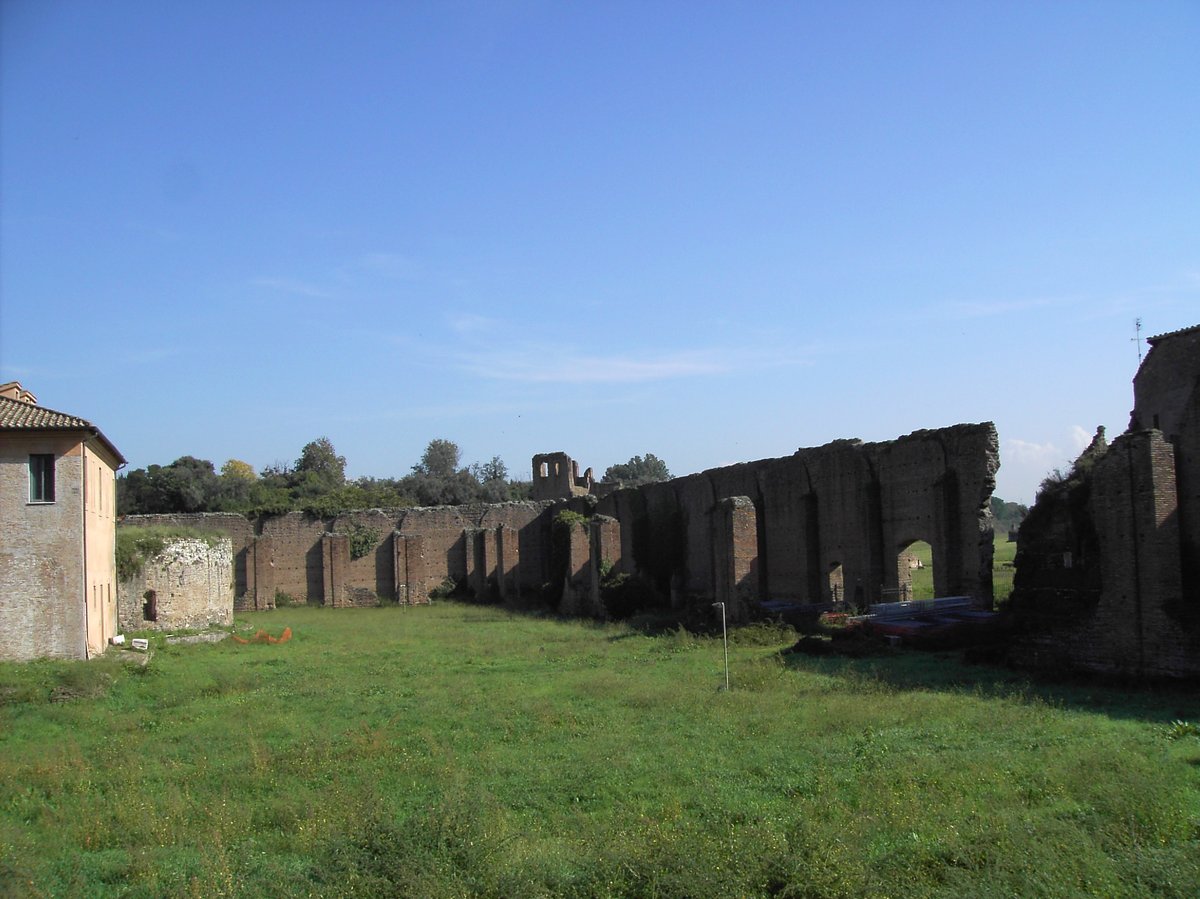
Historic Mausoleum of Augustus located in the Ancient Rome Historic Center, Rome, Italy. Iconic ancient Roman monument and popular tourist attraction.
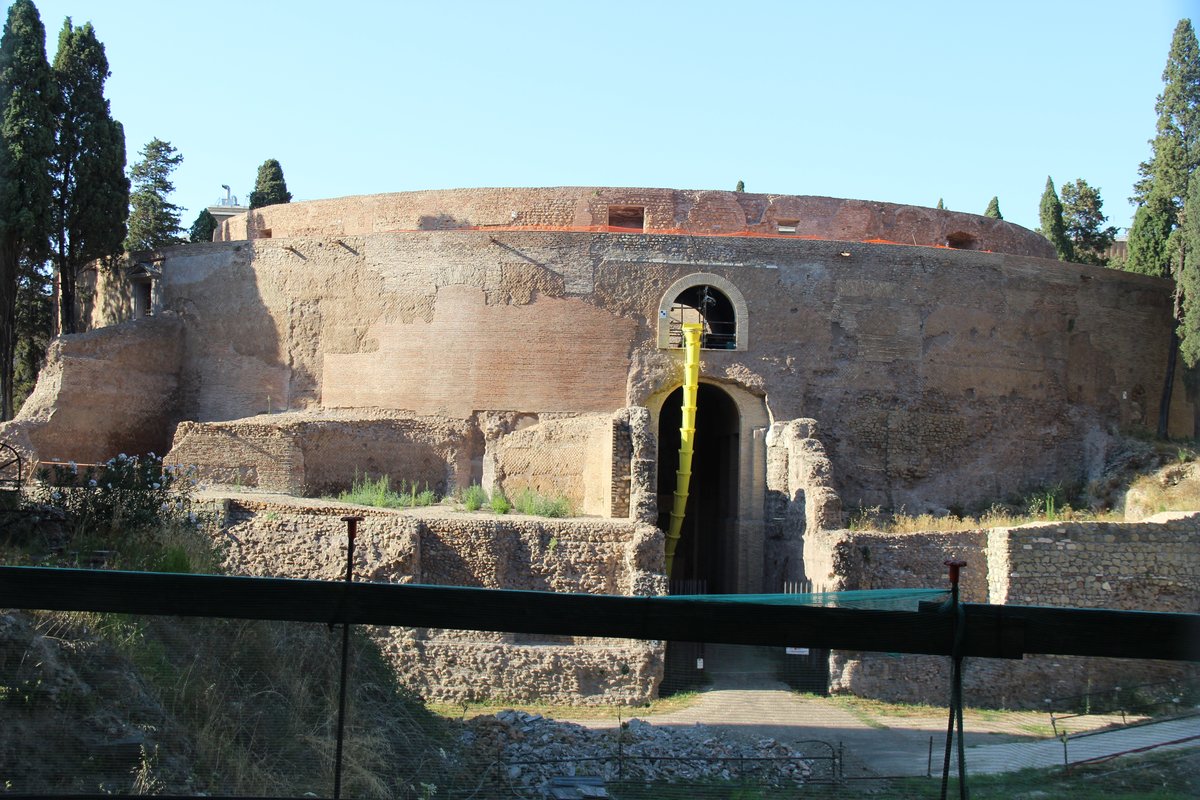
Historic Mausoleum of Augustus located in the Ancient Rome Historic Center, Rome, Italy, showcasing ancient Roman architecture and heritage
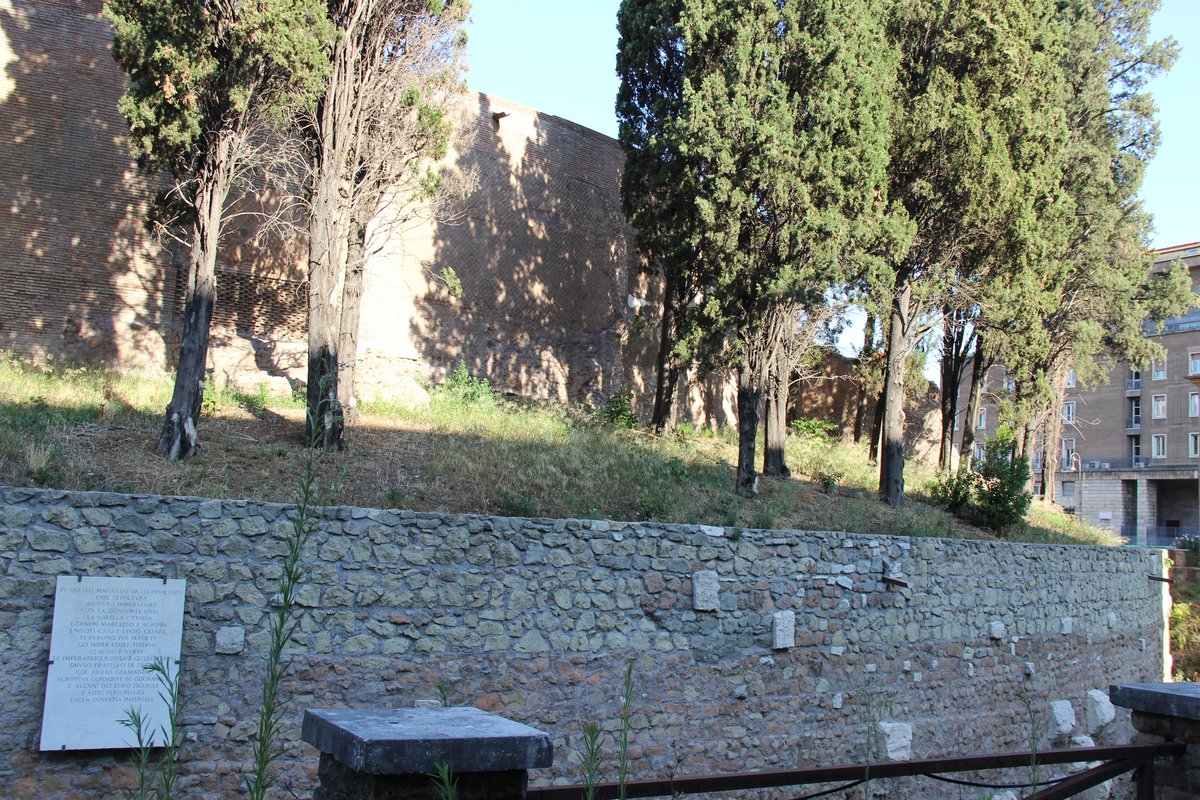
Mausoleum of Augustus located in the Ancient Rome Historic Center, Rome, Italy. A significant Roman architectural monument and historical site.
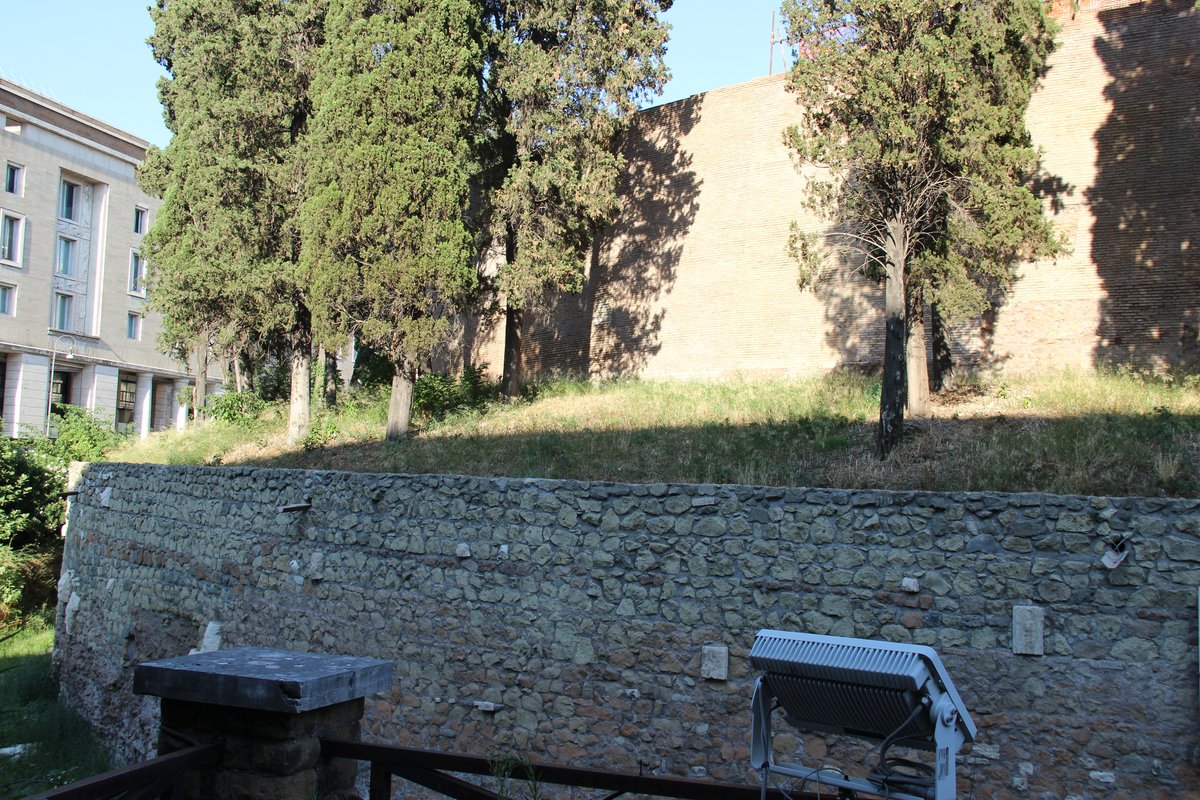
Mausoleum of Augustus, a prominent ancient Roman monument located in the Historic Center of Rome, Italy. This ancient structure is a significant historical landmark from Ancient Rome.
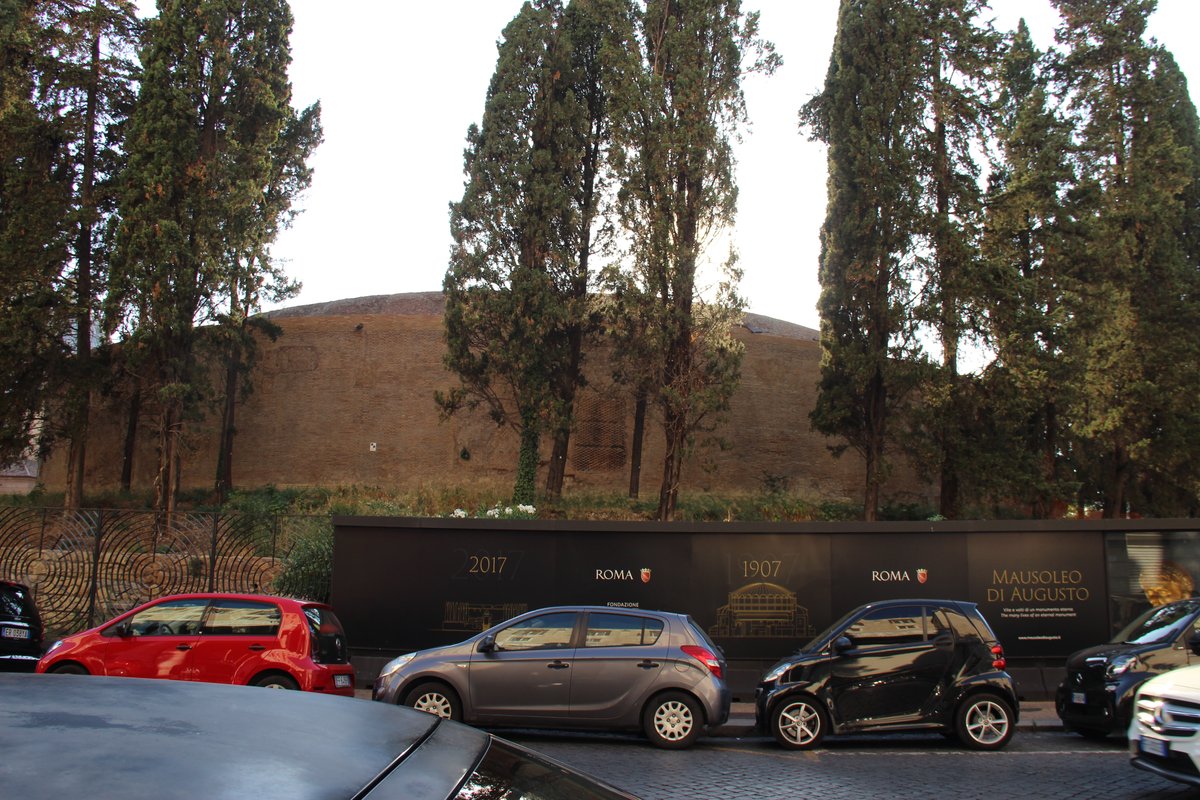
The Mausoleum of Augustus located in the Ancient Rome Historic Center, Rome, Italy, showcasing Roman imperial architecture and history.
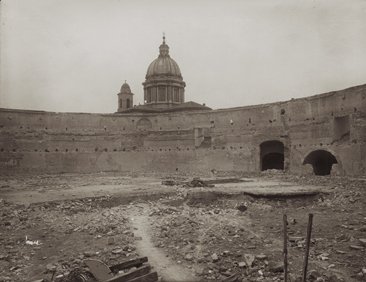
Photograph of the Mausoleum of Augustus taken after the 1938 clearance works, showing the interior of the central precinct
Visiting Information
Location and How to Get There
The Mausoleum of Augustus is centrally located at Piazza Augusto Imperatore in the Campus Martius district. It’s within easy walking distance of major sites such as the Ara Pacis Museum, Piazza del Popolo, the Spanish Steps, and the Tiber River embankment.
- Metro: Flaminio (Line A) and Spagna stations are both nearby.
- Bus: Multiple lines stop at Via di Ripetta and Lungotevere in Augusta.
- By Foot: Reachable from the Pantheon, Trevi Fountain, and the Roman Forum within 30 minutes.
Opening Hours
- Days Open: Tuesday through Sunday
- Hours: 9:00 AM to 7:00 PM (last entry at 6:00 PM or 6:30 PM, depending on season)
- Closed: Mondays and select public holidays
Always verify current hours on the official website before your visit, as special events or restoration work may affect access.
Tickets and Pricing
- Standard Admission: Typically starts from €10–€25
- Discounted Rates: For EU citizens under 25, students, and seniors
- Free Entry: For children under 18, Rome residents, and on cultural heritage days
- Guided Tours & Audio Guides: Available for an extra fee; booking in advance is strongly recommended
- Where to Buy: Online through Tickets Rome, official site, or authorized platforms (Tiqets, GetYourGuide, Headout)
Accessibility
- Mobility Access: Ramps and elevators available for main areas; some ancient corridors may remain inaccessible due to uneven terrain
- Facilities: Wheelchairs on request; staff assistance for visitors with special needs; contact ahead for detailed accessibility information
Visitor Amenities
- Restrooms and seating in the piazza
- Informational panels in Italian and English
- Café and restaurants nearby, though not inside the mausoleum
- Gift shops and souvenir stands along Via di Ripetta
Historical Background and Significance
Construction and Dynastic Role
Commissioned by Augustus in 28 BCE after his return from Alexandria, the mausoleum was designed as a monumental family tomb and a statement of imperial legitimacy. Measuring 87 meters in diameter and originally topped with a bronze statue of Augustus, it was the largest circular tomb in the Roman world—a model for later imperial mausolea (Madain Project).
The mausoleum became the burial site for Augustus, his family members, and successors, including Tiberius, Claudius, and Nerva, reinforcing dynastic continuity and imperial propaganda.
Imperial Burials and Rituals
Emperors and their kin were interred here, with the Res Gestae Divi Augusti—Augustus’s own account of his achievements—displayed at the entrance. Annual ceremonies and processions emphasized the divine status of the imperial line.
Later Uses and Transformations
After its funerary function waned, the mausoleum found new life as a fortress (Colonna family, 12th century), a Renaissance garden (Soderini family), and a public entertainment venue hosting bullfights and concerts. The 20th century saw radical urban renewal, with the mausoleum emerging as a centerpiece of Piazza Augusto Imperatore. Extensive restoration projects in the 21st century have revitalized the site for public access (Wanted in Rome).
Architectural Features and Decorative Elements
Monumental Plan and Materials
- Circular Structure: 87 meters wide, originally 45 meters high
- Core: Roman concrete, encased with travertine and marble
- Concentric Rings: Corridors and chambers radiate from a central burial chamber
Decorative Highlights
- Entrance: Marked by two pillars that once held bronze tablets inscribed with Augustus’s Res Gestae
- Friezes and Reliefs: Scenes of military victories, mythological figures, and imperial achievements (much now lost, but fragments remain)
- Bronze Inscriptions: Res Gestae displayed at the entrance to broadcast Augustus’s legacy
- Roof and Landscaping: Ancient sources describe a conical earthen mound topped with cypresses and a bronze statue of Augustus, symbolizing eternity and imperial power
- Perimeter Walls: Encircled by niches that may have displayed statues of ancestors and deities
Restoration and Visitor Experience
Recent restoration phases have stabilized the structure, added lighting and interpretive panels, and introduced digital tools such as augmented reality experiences to help visitors visualize the mausoleum’s original appearance (Madain Project, Wanted in Rome).
Travel Tips and Nearby Attractions
- Best Times: Early mornings or late afternoons for fewer crowds and optimal lighting
- Guided Tours: Highly recommended for historical context; check for multilingual options
- Nearby Sites: Ara Pacis Museum (Altar of Peace), Piazza del Popolo, Spanish Steps, Tiber River embankment, Castel Sant’Angelo
- Dining: Numerous cafés and restaurants in the surrounding piazza and along Via di Ripetta
Frequently Asked Questions (FAQ)
Q: How can I buy tickets?
A: Purchase online via Tickets Rome, the official website, or at the entrance (subject to availability).
Q: Is the site accessible for visitors with disabilities?
A: Most ground-level areas are accessible; contact the site for specific accommodations.
Q: Are guided tours available?
A: Yes, including audio guides and special tours that may include the Ara Pacis Museum.
Q: What are the visiting hours?
A: Tuesday–Sunday, 9:00 AM to 7:00 PM. Closed Mondays and major holidays.
Q: Can I take photographs?
A: Photography for personal use is allowed; professional equipment may be restricted.
Visuals and Media Suggestions
- Add high-resolution images of the mausoleum’s exterior and interiors, with descriptive alt tags (e.g., "Mausoleum of Augustus exterior view in Rome")
- Include a virtual tour or 360-degree video for enhanced digital engagement
- Provide a map of surrounding attractions and recommended walking routes
Listen to the full story in the app
Your Personal Curator, in Your Pocket.
Audio guides for 1,100+ cities across 96 countries. History, stories, and local insight — offline ready.
Audiala App
Available on iOS & Android
Join 50k+ Curators
Sources
- verified
- verified
- verified
- verified
- verified
Last reviewed: