Plan and listen to Macuteo Obelisk with Audiala.
Audio guide in your pocket, itinerary in your browser. Built for the way you actually visit.
Introduction
Located in the heart of Rome, the Fountain of the Pantheon is a captivating historical landmark that draws visitors from around the world. This article delves into the fountain's rich history, architectural evolution, and cultural significance, while also providing practical visiting tips and information about nearby attractions. Whether you're planning a trip to Rome or simply interested in its historical sites, read on to discover all you need to know about the Fountain of the Pantheon.

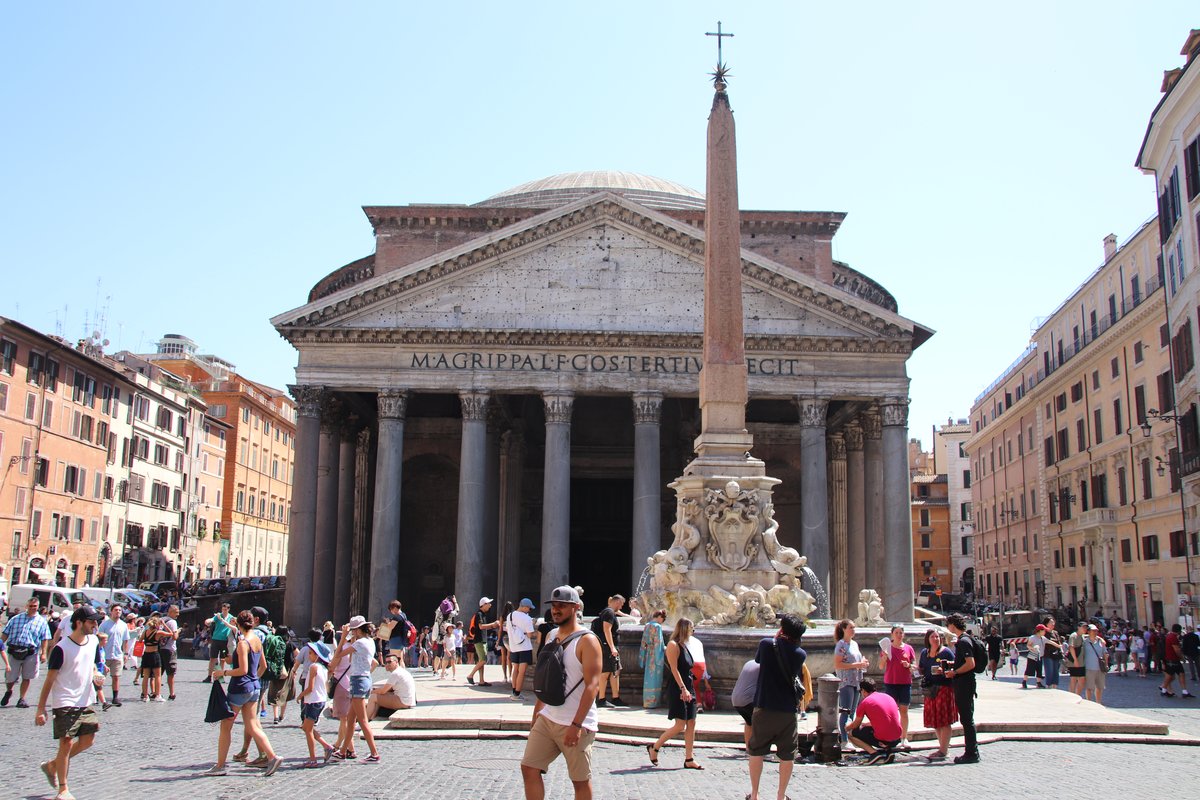
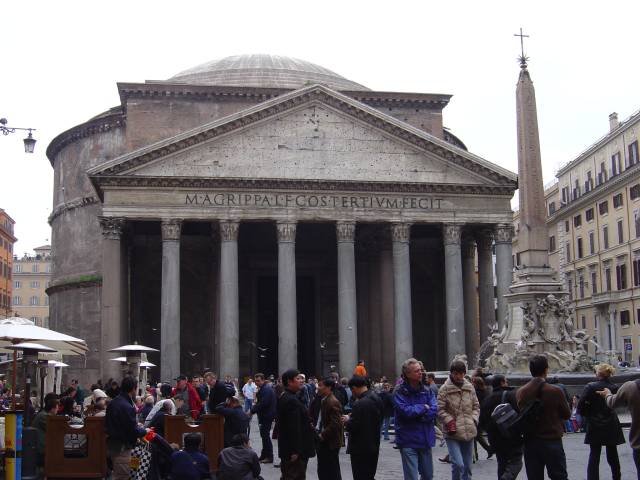
Origins and Construction
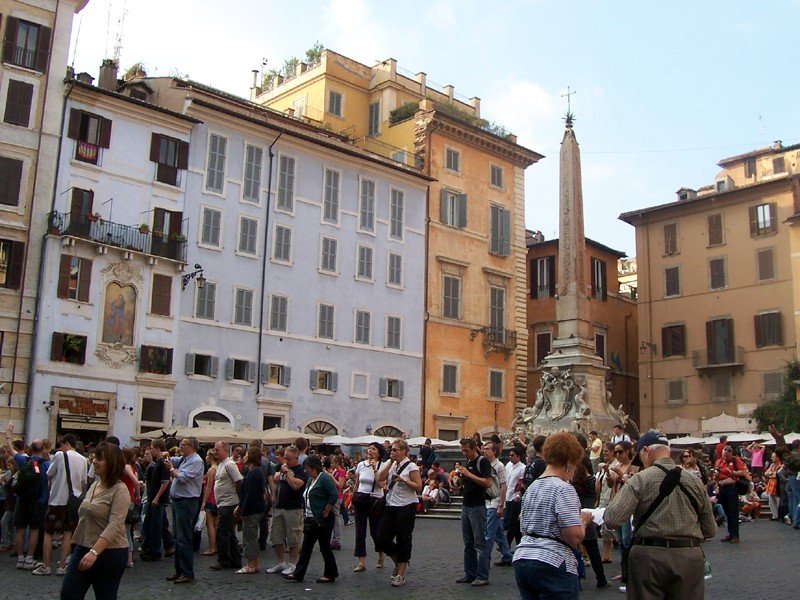
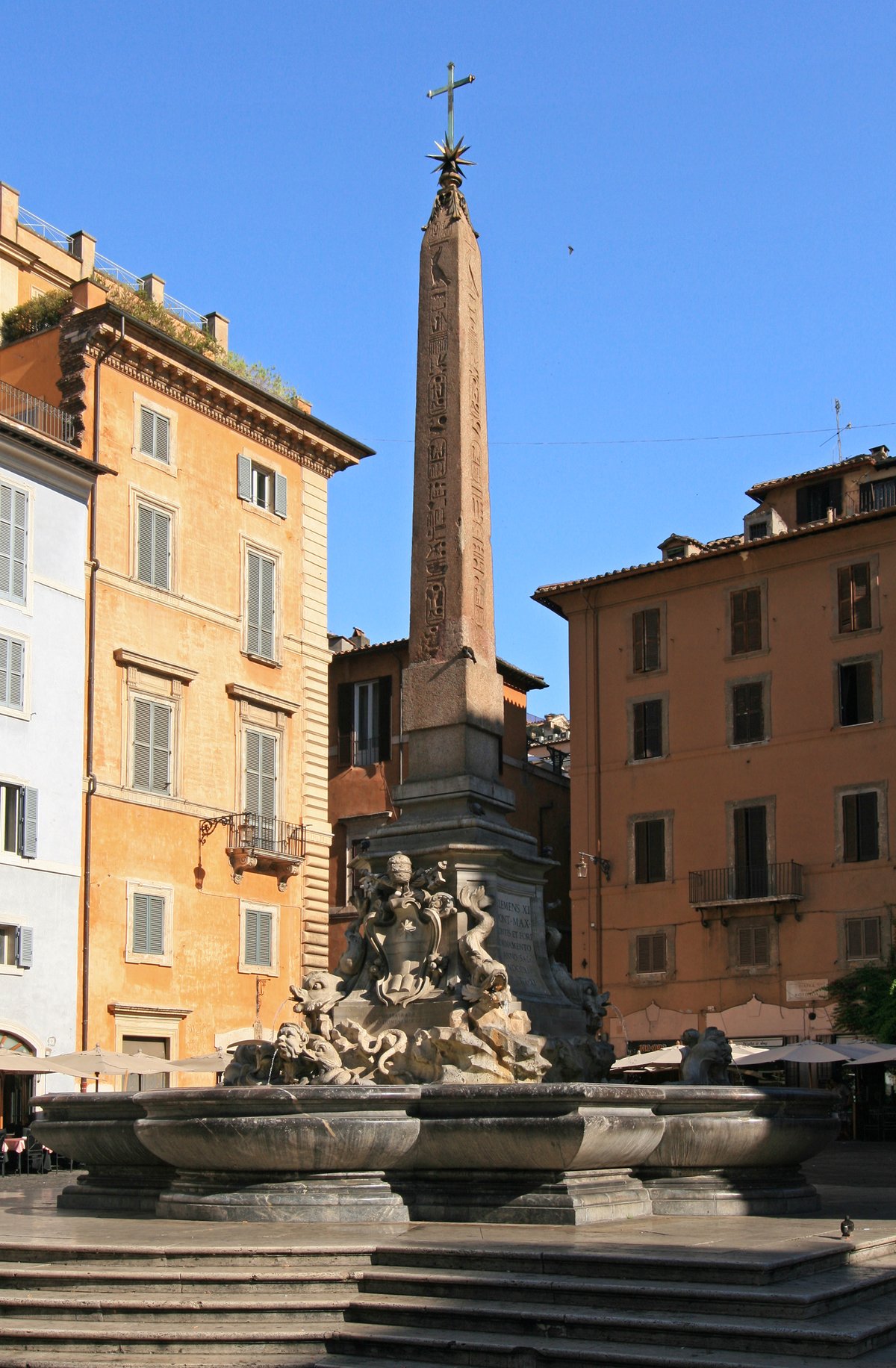
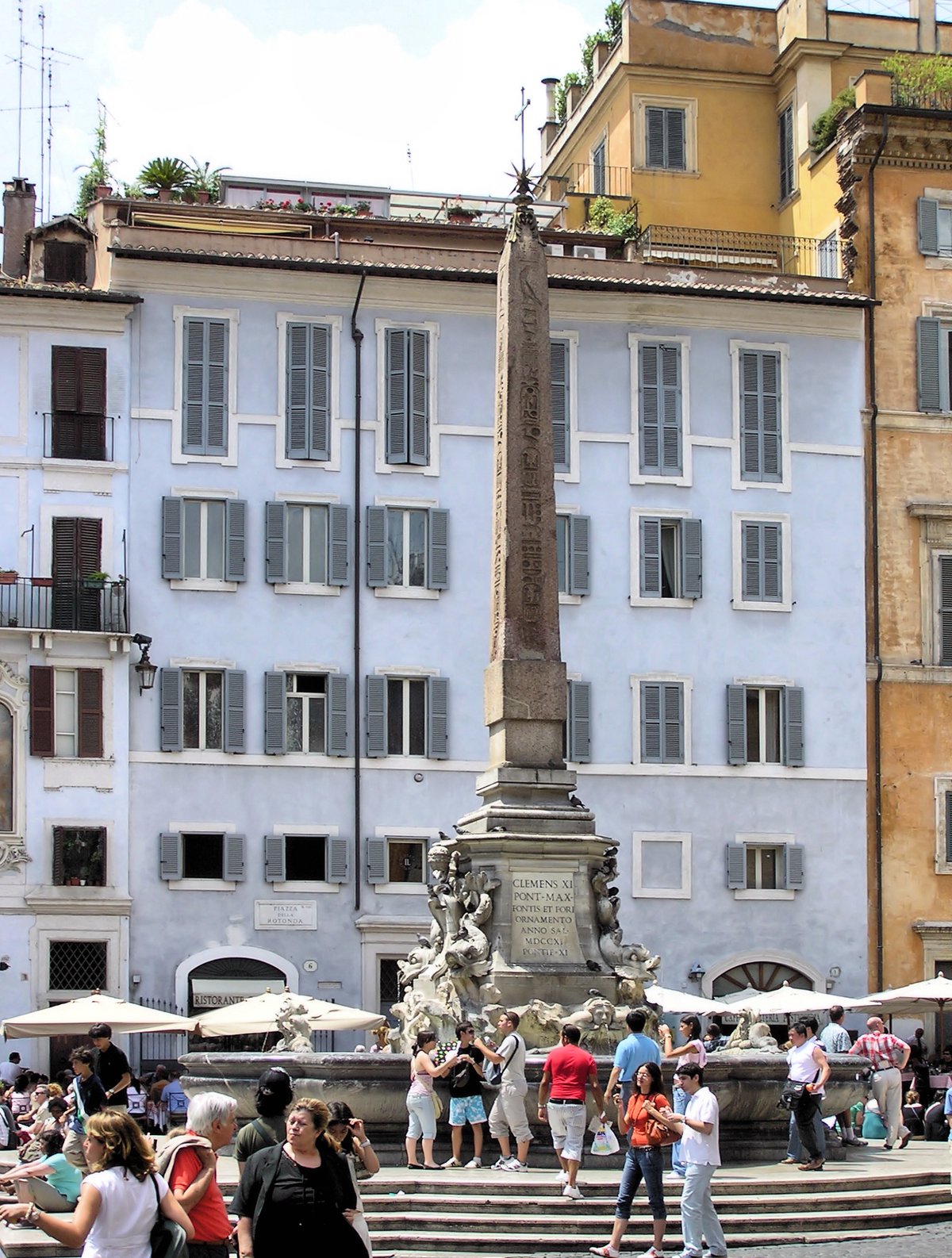
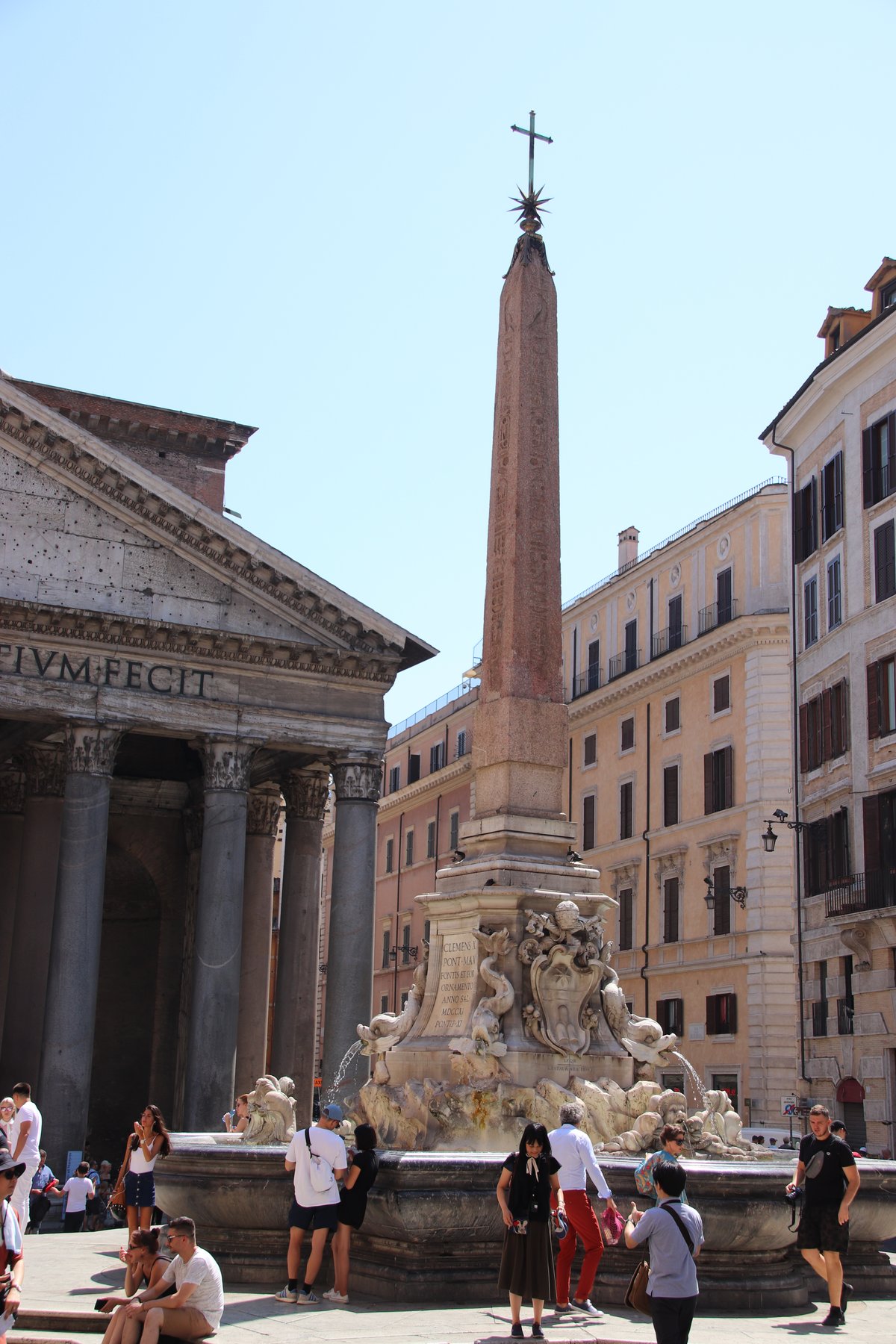
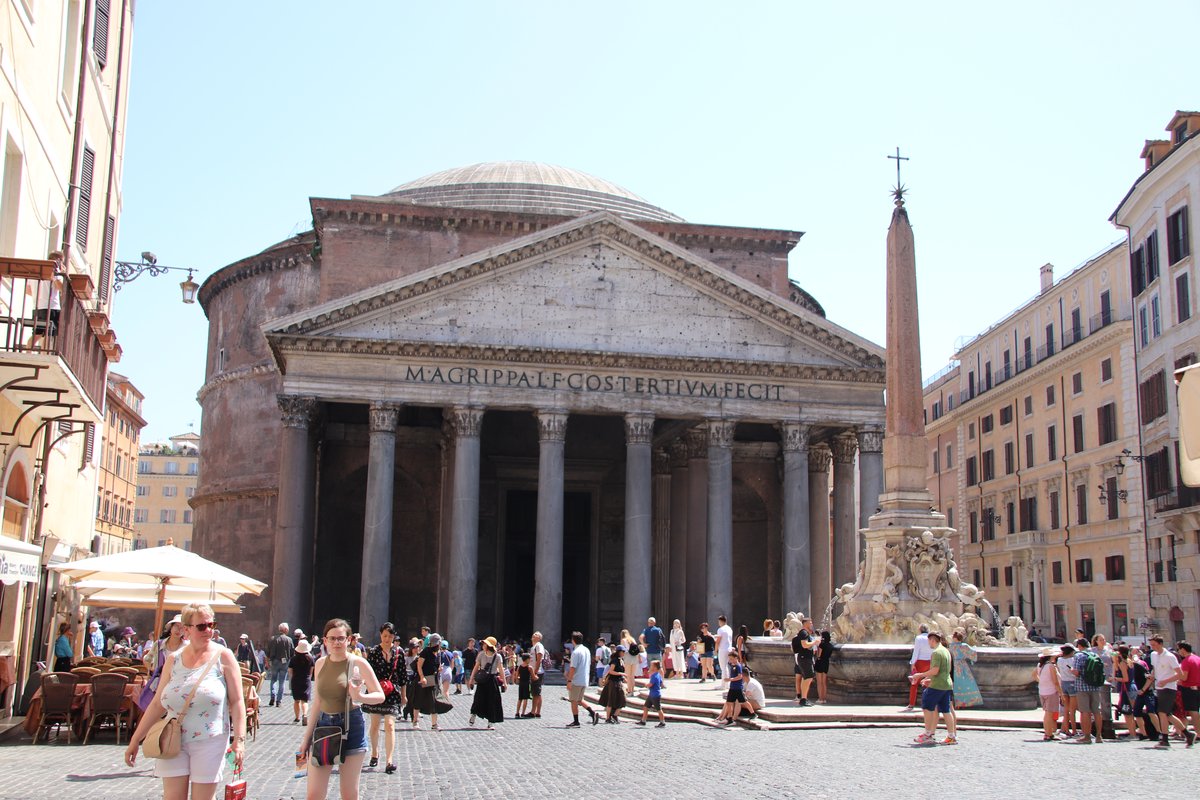
The Fountain of the Pantheon, also known as the Fontana del Pantheon, is a significant historical landmark located in the Piazza della Rotonda in Rome, Italy. The fountain was commissioned by Pope Gregory XIII in 1575 and designed by the renowned architect Giacomo Della Porta. The original construction was completed in 1575, and the fountain was initially adorned with a simple basin and a central obelisk (Rome Art Lover).
Architectural Evolution
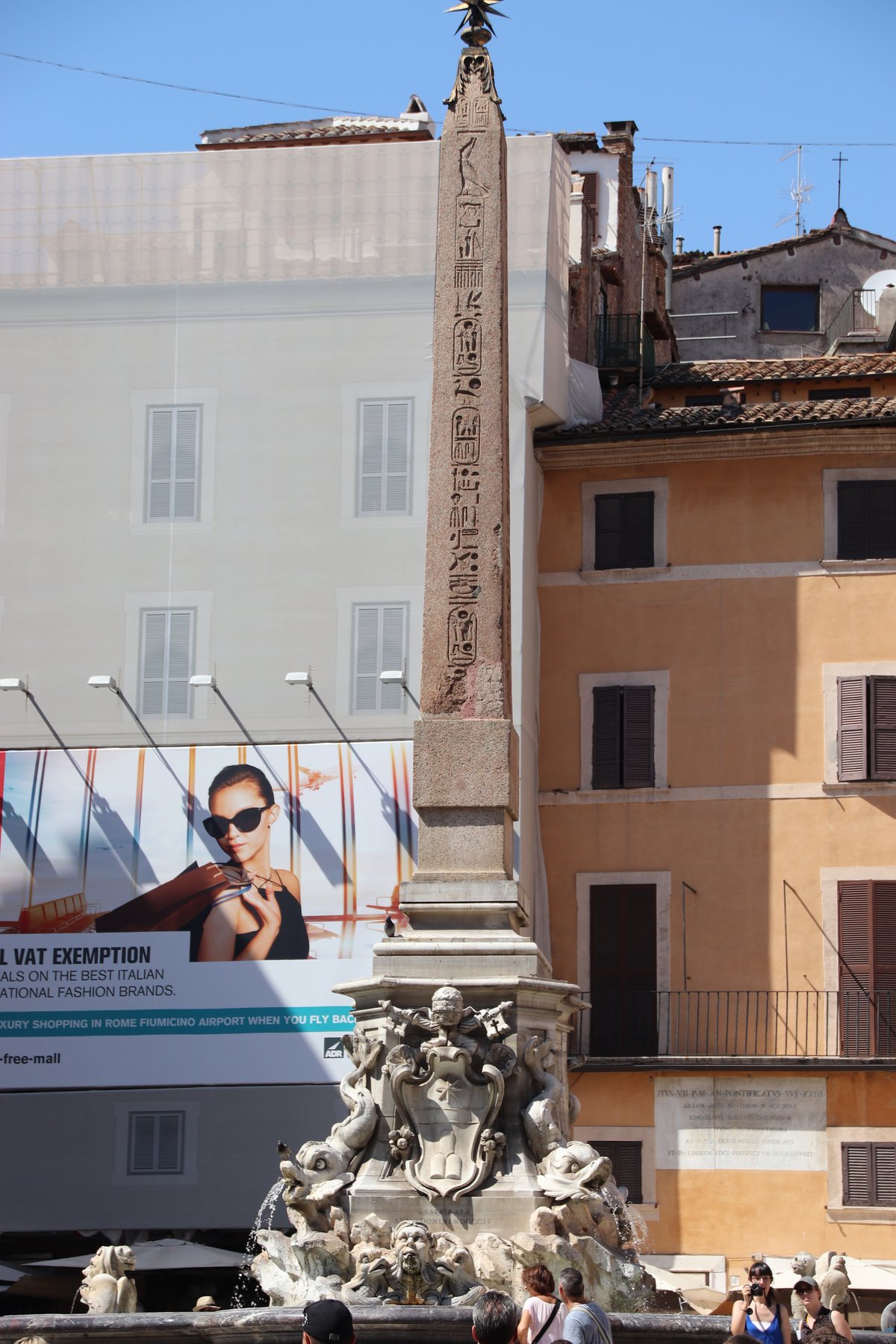
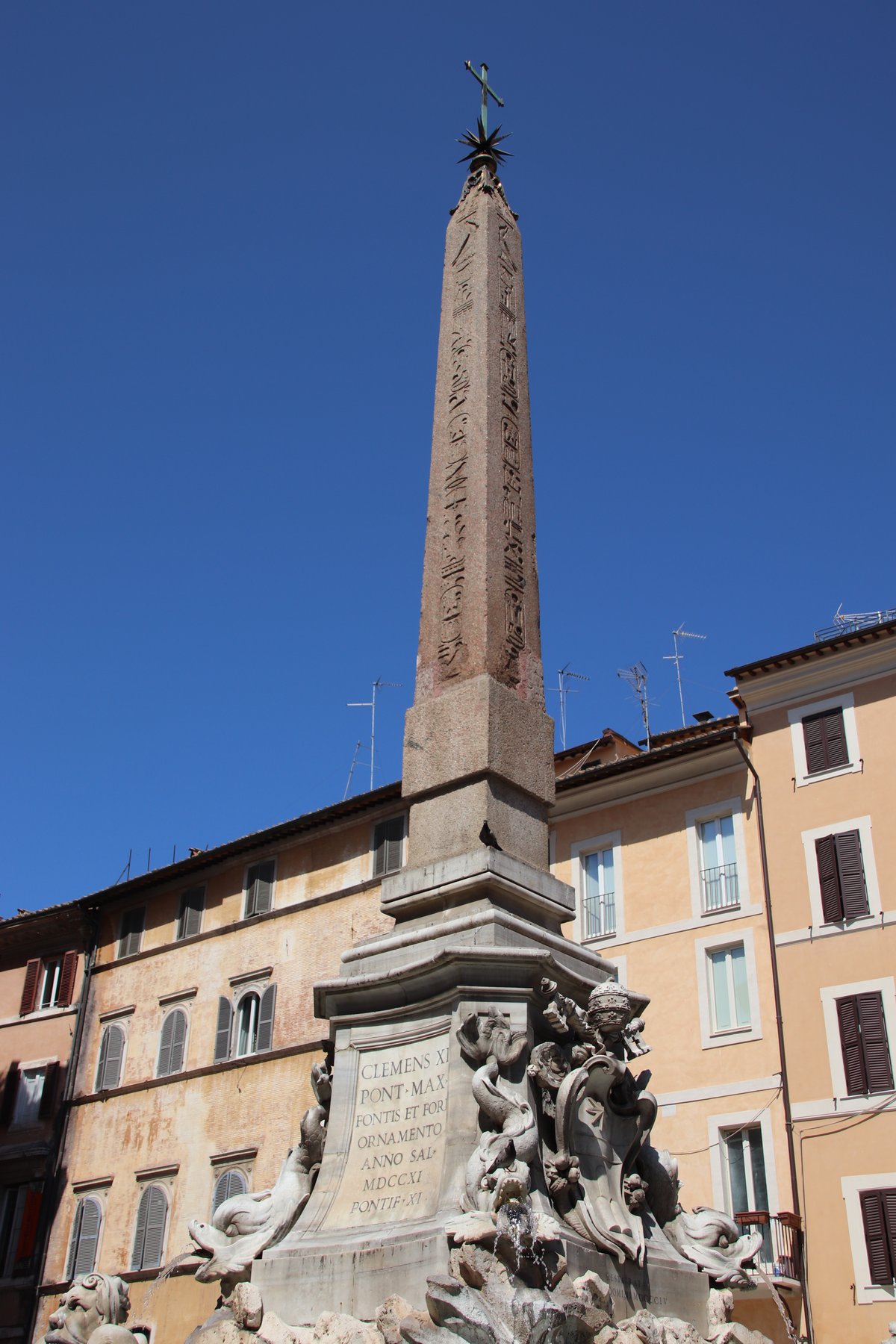
In 1711, Pope Clement XI commissioned the renowned sculptor Filippo Barigioni to redesign the fountain. Barigioni's design included the addition of a larger basin and the placement of the Macuteo Obelisk at the center of the fountain. The Macuteo Obelisk, originally from the Temple of Ra in Heliopolis, Egypt, was brought to Rome during the reign of Emperor Domitian and later repurposed for the fountain (Rome Reborn).
Symbolism and Artistic Elements
The Fountain of the Pantheon is rich in symbolism and artistic elements. The central obelisk, a symbol of ancient Egyptian sun worship, is juxtaposed with Christian iconography, reflecting the blending of pagan and Christian traditions in Rome. The fountain's base features four dolphins, which are emblematic of the sea and maritime power, and the papal coat of arms of Pope Clement XI, signifying the papal authority and patronage (Rome Art Lover).
Restoration and Preservation
Over the centuries, the Fountain of the Pantheon has undergone several restorations to preserve its historical and artistic integrity. Notable restorations include the 1886 intervention by the Italian government, which aimed to repair damage caused by pollution and weathering. More recently, in 2018, the fountain underwent a comprehensive restoration funded by the Italian luxury brand Bulgari, which included cleaning, structural repairs, and the installation of a new lighting system to enhance its nighttime visibility (The Local Italy).
Visiting Tips and Practical Information
- Visiting Hours: The Fountain of the Pantheon is accessible 24/7, but the best time to visit is early in the morning or late in the evening to avoid crowds.
- Tickets: There is no entrance fee to view the fountain as it is a public monument.
- Accessibility: The Piazza della Rotonda is wheelchair accessible, making it easy for all visitors to enjoy the fountain.
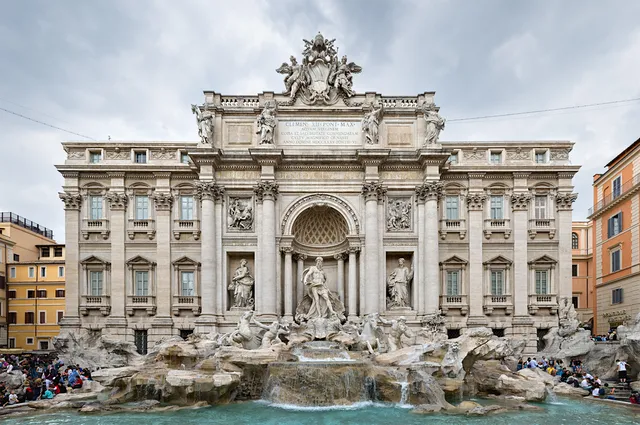
- Nearby Attractions: While visiting the Fountain of the Pantheon, don't miss the chance to explore the Pantheon itself, as well as other nearby attractions like Piazza Navona, the Trevi Fountain, and the Spanish Steps.
- Travel Tips: Consider using public transportation to reach the Piazza della Rotonda. The nearest metro station is Barberini, from which you can take a short walk to the fountain.
Historical Significance
The Fountain of the Pantheon holds significant historical value as it reflects the architectural and artistic trends of the Renaissance and Baroque periods. Its location in front of the Pantheon, one of Rome's most iconic ancient structures, further enhances its historical importance. The fountain serves as a testament to the city's continuous evolution and the enduring legacy of its artistic and architectural heritage (Rome Reborn).
Cultural Impact
The Fountain of the Pantheon has been a focal point of Roman public life for centuries. It has served as a gathering place for locals and tourists alike, offering a picturesque setting for social interactions and cultural events. The fountain's presence in numerous works of art, literature, and film underscores its cultural significance and enduring appeal (Rome Art Lover).
Modern-Day Relevance
Today, the Fountain of the Pantheon remains a popular tourist attraction and a symbol of Rome's rich historical and cultural heritage. Its strategic location in the bustling Piazza della Rotonda makes it a central point for visitors exploring the city's ancient landmarks. The fountain's ongoing preservation efforts ensure that it continues to be a cherished part of Rome's urban landscape for future generations (The Local Italy).
FAQ
- What are the visiting hours for the Fountain of the Pantheon? The fountain is accessible 24/7.
- Is there an entrance fee to view the Fountain of the Pantheon? No, it is a public monument and free to visit.
- How do I get to the Fountain of the Pantheon? The nearest metro station is Barberini. From there, you can take a short walk to the Piazza della Rotonda.
- What are some nearby attractions? Nearby attractions include the Pantheon, Piazza Navona, the Trevi Fountain, and the Spanish Steps.
- Is the Fountain of the Pantheon wheelchair accessible? Yes, the Piazza della Rotonda is wheelchair accessible.
Summary of Your Visit to the Fountain of the Pantheon
The Fountain of the Pantheon is more than just a historical landmark; it is a testament to Rome's ability to weave together its ancient past with modern-day vibrancy. From its Renaissance origins under Pope Gregory XIII to its Baroque redesign by Filippo Barigioni, the fountain encapsulates the grandeur and complexity of Rome's artistic heritage (Rome Reborn). The blend of Egyptian and Christian symbols reflects the cultural melting pot that Rome has always been, making it a focal point for both locals and tourists alike. As you stand before the fountain, you are not just witnessing a piece of art but a living narrative of Rome's history and cultural evolution. The ongoing preservation efforts, such as the 2018 restoration funded by Bulgari, ensure that this iconic monument will continue to inspire and captivate future generations (The Local Italy). Whether you are an art lover, a history enthusiast, or a casual traveler, the Fountain of the Pantheon offers a unique glimpse into the enduring legacy of Rome's architectural and cultural splendor.
Tickets & tours.
These are guided options from our partners — same price as booking direct.
Prices are indicative — final pricing and availability are confirmed at checkout. Audiala may earn a commission from bookings made through these links.
Listen to the full story in the app
The whole Macuteo Obelisk,
told well.
Audio guides for 1,100+ cities across 96 countries. History, stories, and local insight — offline ready.
Verified, and shown.
Researched and written by the Audiala editorial team from historical records, architectural archives, and local expertise.
Researched from Wikidata, Wikipedia & official sources · fact-checked · How we make our guides →