Plan and listen to Lacus Juturnae with Audiala.
Audio guide in your pocket, itinerary in your browser. Built for the way you actually visit.
Introduction
Lacus Juturnae, nestled within the Roman Forum, is a singular relic of ancient Rome, embodying the city’s enduring reverence for water, mythology, and civic ritual. Named after the goddess Juturna—protector of healing springs—this sacred pool offers a rare window into the intersection of Roman religion, urban development, and the city’s legendary narratives. Its marble-lined basin, shrine remains, and mythic associations with the Dioscuri (Castor and Pollux) provide a compelling stop for any visitor. This guide delivers everything you need to plan your visit, from historical context and ticketing information to accessibility tips and nearby attractions.
For official information, see the Rome Tourism Official Site and book tickets via the Roman Forum and Colosseum official ticketing portal.

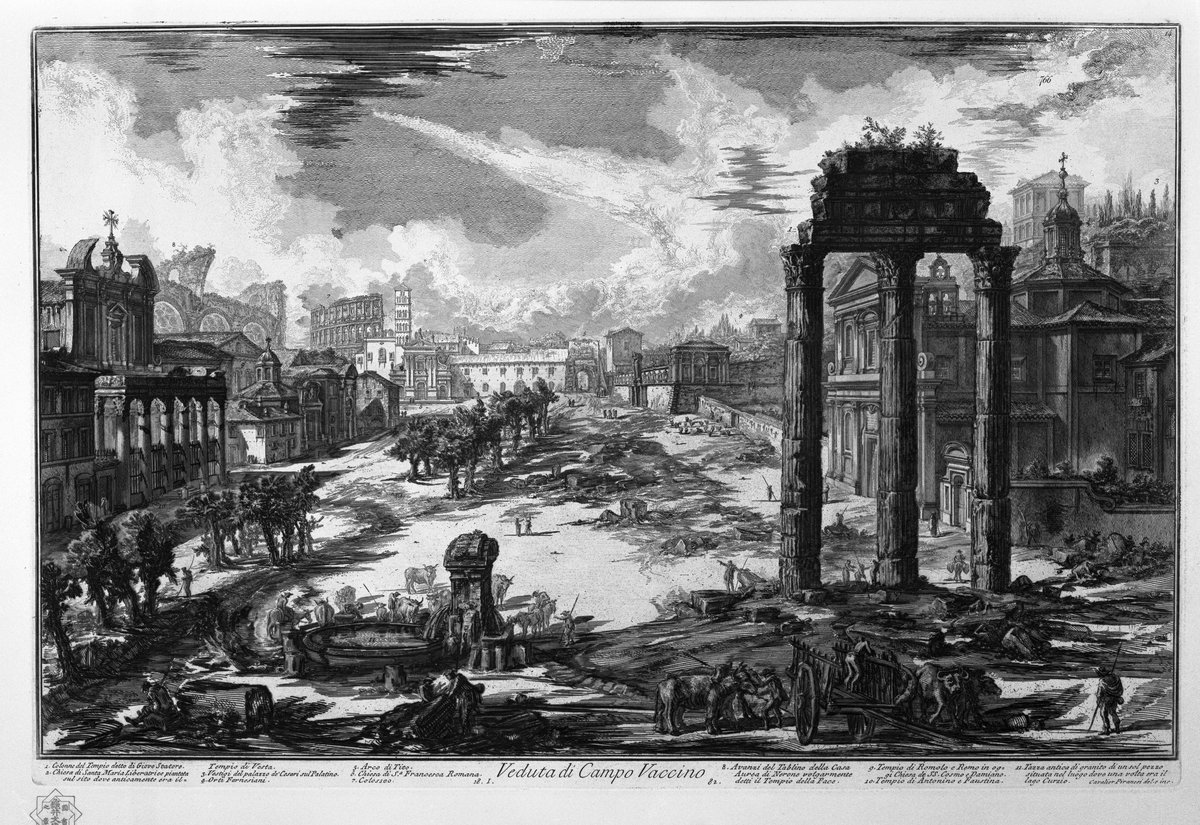
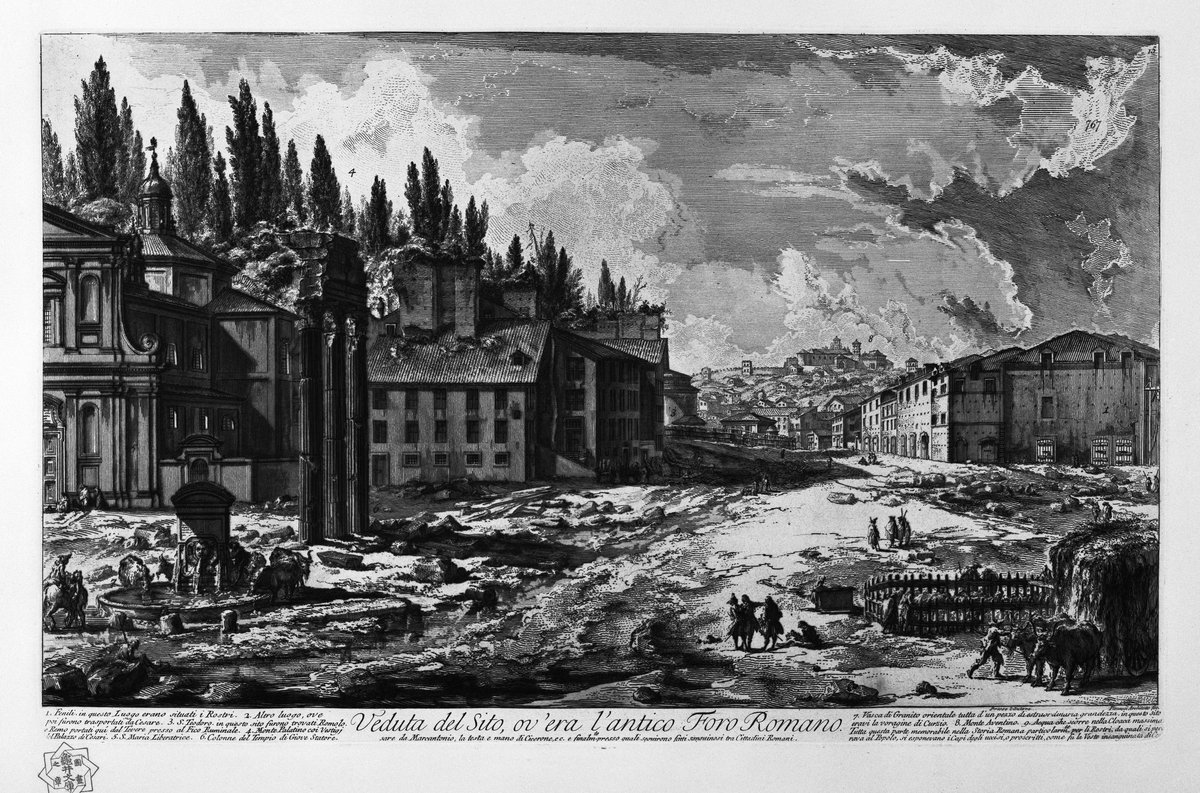
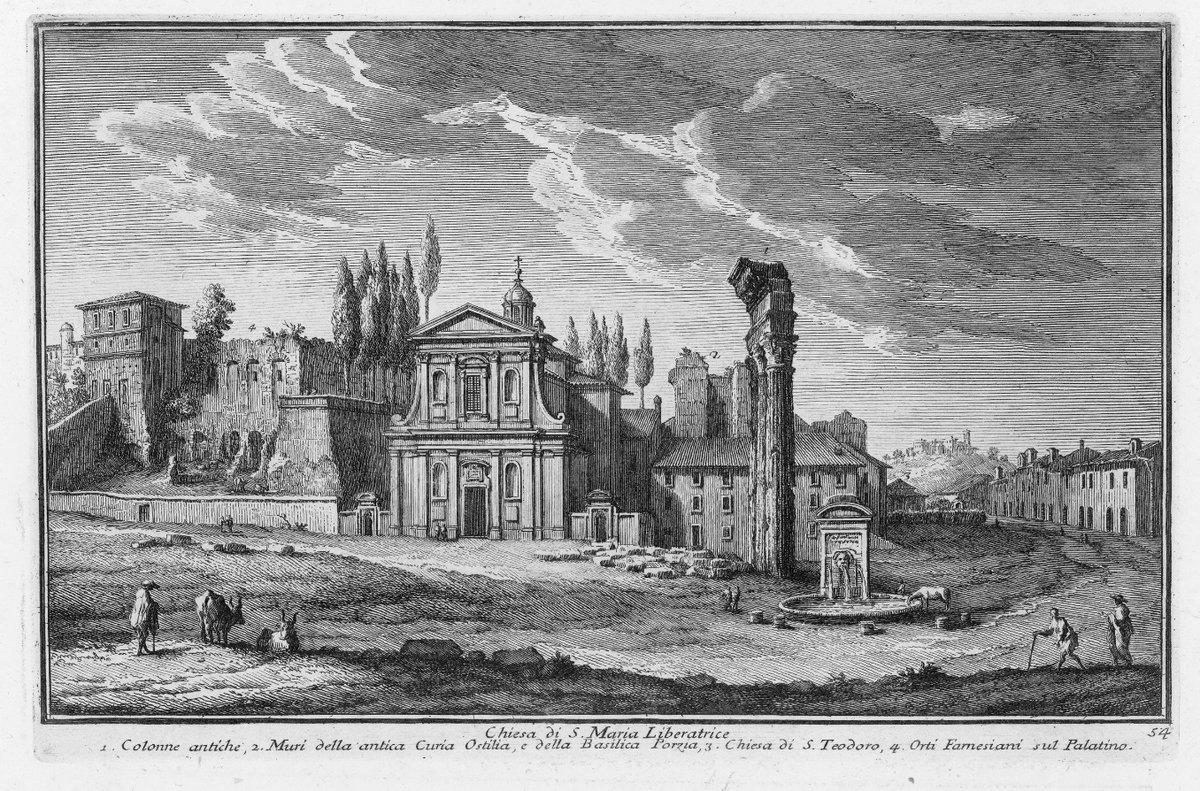
Origins and Mythology
Lacus Juturnae, or the Pool of Juturna, owes its name to the goddess Juturna, a divine nymph associated with healing waters and purity. Roman tradition holds that Juturna was the sister of Turnus and mother of Fons, the god of springs. Revered since at least the 6th century BCE, the spring’s mythology is intertwined with the legendary appearance of Castor and Pollux. After the Battle of Lake Regillus (495 BCE), the twins were said to have watered their horses here, heralding Rome’s victory—a moment commemorated through the nearby Temple of Castor and Pollux (Springer Article, Rome.info).
Religious and Civic Role
More than a utilitarian water source, Lacus Juturnae was essential in Roman religious and civic life. It was central to purification rituals conducted by the Vestal Virgins and other priestly colleges. The annual Fontinalia festival (October 13th) saw springs across Rome adorned and honored, with offerings laid at the Lacus Juturnae for health and abundance. The site’s sanctity also related to traditions of healing and thanksgiving, with victorious generals performing rituals at the spring before public celebrations (Springer Article).
Archaeology and Site Features
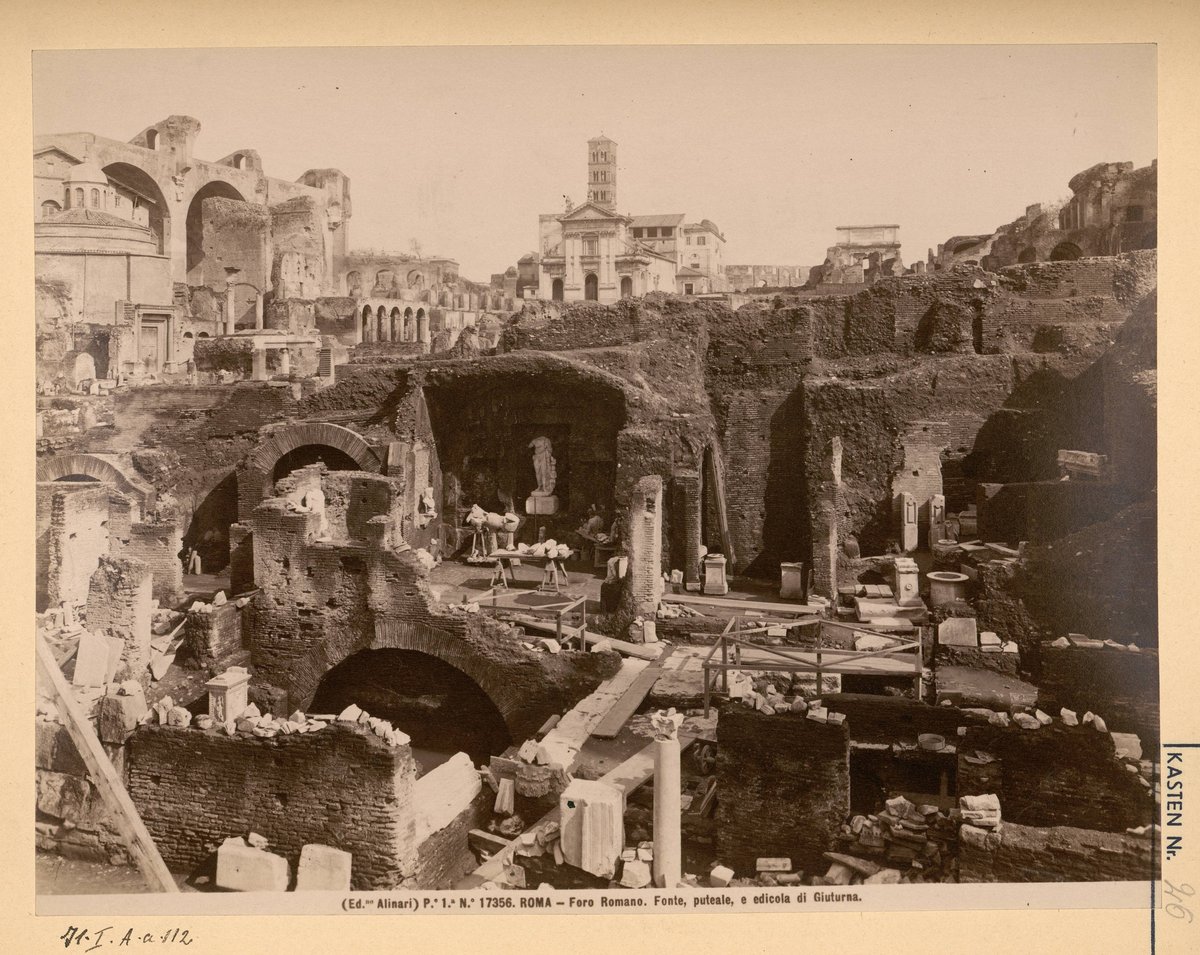
Originally a natural spring, Lacus Juturnae was monumentalized with a rectangular marble basin (approx. 5.5 x 4 meters) and a low parapet. Excavations have revealed a shrine (aedicula), fragments of statuary depicting Juturna and the Dioscuri, and evidence of Roman hydraulic innovation—lead pipes and drainage connecting to the Cloaca Maxima (Rome Reborn). Inscriptions and dedicatory altars from the Republican and Imperial periods attest to the site's ongoing religious use. Many artifacts are housed in the Palatine Museum (Museo Palatino).
Interpretive signage in Italian and English is present onsite, providing context for visitors.
Visiting Information
Location & Accessibility
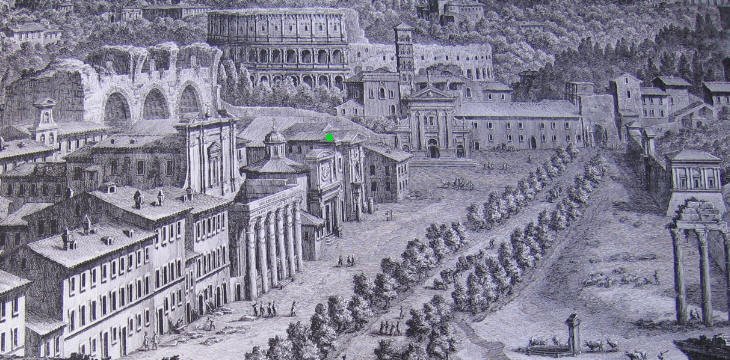
Lacus Juturnae is located in the eastern sector of the Roman Forum, adjacent to the Temple of Castor and Pollux and near Via Sacra. The main entrance is on Via dei Fori Imperiali, a short walk from the Colosseo metro station (Line B). While the Forum is wheelchair accessible, note that ancient paving and uneven terrain may pose challenges—ramps are available at several points, but assistance may be needed for some visitors (Rome Tourism Practical Information).
Hours & Tickets
- Opening Hours: Daily from 9:00 AM until one hour before sunset (hours may vary seasonally and during special events; always check Parco Colosseo for updates).
- Admission: Access is included in the standard Roman Forum, Colosseum, and Palatine Hill ticket:
- Adults: ~€16
- Reduced (EU citizens 18–25): ~€2
- Free for children under 18 and EU citizens under 18
- Free entry on the first Sunday of each month
- Purchase: Online booking is highly recommended, especially in peak months like June (CoopCulture Ticketing).
Best Time to Visit
- Seasonal Tips: June offers long daylight hours and lush vegetation; spring and autumn are also pleasant.
- Timing: Early morning or late afternoon is best for avoiding crowds and enjoying optimal lighting for photography (Voyage Tips, Roma Pass June Tips).
- Weather: Expect warm temperatures in June (27–30°C/80–86°F). Bring water, sunscreen, and a hat.
Nearby Attractions
Lacus Juturnae is centrally located among the Roman Forum’s highlights:
- Temple of Castor and Pollux: Iconic columns linked to the Lacus Juturnae myth.
- Basilica Julia and Basilica Aemilia: Grand civic structures.
- Arch of Septimius Severus, Curia Julia (Senate House): Political heart of ancient Rome.
- Palatine Hill: Offers panoramic views and is included in the same ticket.
Visitor Tips & Experiences
- Guided Tours: Highly recommended for context; many standard tours and audio guides include Lacus Juturnae (Tripadvisor).
- Accessibility: Wear sturdy shoes for uneven terrain; wheelchair users may need assistance.
- Practicalities: Restrooms at main entrances; bring water and snacks (no food inside the ruins).
- Etiquette: Do not touch, climb, or throw objects into the basin. Maintain quiet respect at this sacred site.
- Photography: Permitted throughout the Forum; best light in early/late day. Tripods may be restricted during busy hours.
Cultural Legacy
Lacus Juturnae’s influence extended beyond pagan Rome. Its traditions of healing and purification were later echoed in Christian practices, reinforcing the enduring power of sacred water in the city’s consciousness. The spring’s ongoing archaeological study continues to yield insights into ancient water management and urban spirituality (Springer Article).
FAQs
Q: What are the Lacus Juturnae visiting hours?
A: Open daily from 9:00 AM to one hour before sunset, with seasonal variations.
Q: How much are tickets?
A: ~€16 for adults, discounts for EU residents aged 18–25, free for children under 18. Entry is included with Roman Forum and Palatine Hill.
Q: Is the site accessible?
A: The area is partially accessible, but uneven terrain may require assistance.
Q: Are guided tours available?
A: Yes, both group and audio tours include Lacus Juturnae.
Q: Can I take photos?
A: Yes, but please be respectful and avoid touching the ruins.
Listen to the full story in the app
The whole Lacus Juturnae,
told well.
Audio guides for 1,100+ cities across 96 countries. History, stories, and local insight — offline ready.
Verified, and shown.
Researched and written by the Audiala editorial team from historical records, architectural archives, and local expertise.
Researched from Wikidata, Wikipedia & official sources · fact-checked · How we make our guides →