Plan and listen to Insula Romana with Audiala.
Audio guide in your pocket, itinerary in your browser. Built for the way you actually visit.
Introduction
The Insula Romana is one of Rome’s most significant archaeological sites, offering a rare and authentic look into the daily lives of the city’s ordinary citizens during the height of the Roman Empire. Unlike the renowned monuments and luxurious villas, the insulae were the multi-story apartment buildings that formed the backbone of ancient Rome’s urban landscape. Preserved examples at Piazza d’Aracoeli, Capitoline Hill, and Ostia Antica give visitors direct access to the urban fabric that once housed the majority of Rome’s population (Evendo; Rome Tourism; Lonely Planet; Ancient Rome Live).
This guide provides a detailed overview of the Insula Romana—covering its history, architecture, social significance, visiting hours, ticketing options, accessibility, and practical tips for an enriching visit. Whether you are a history enthusiast, architecture lover, or a curious traveler, the Insula Romana offers a unique perspective on Roman life beyond the city’s grand monuments.

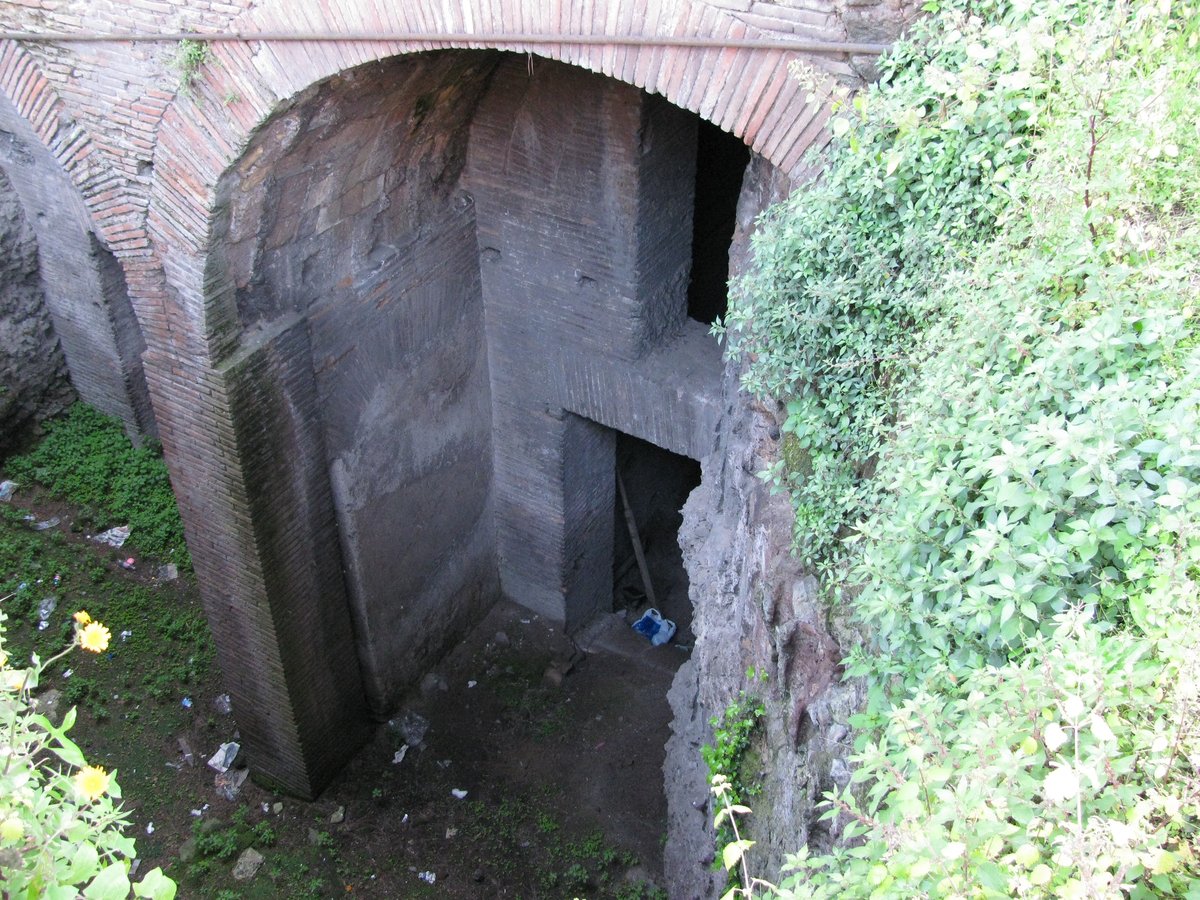
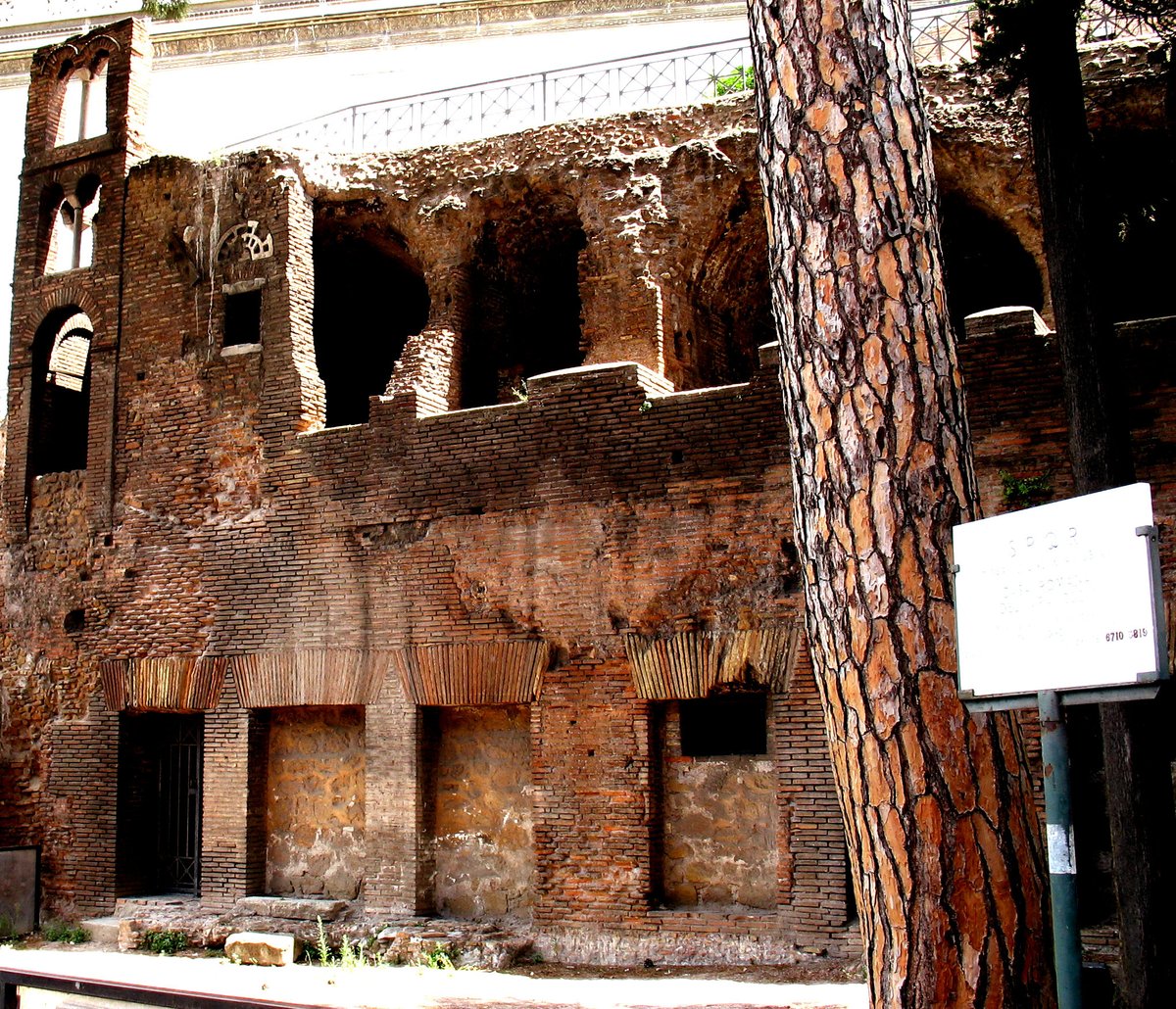
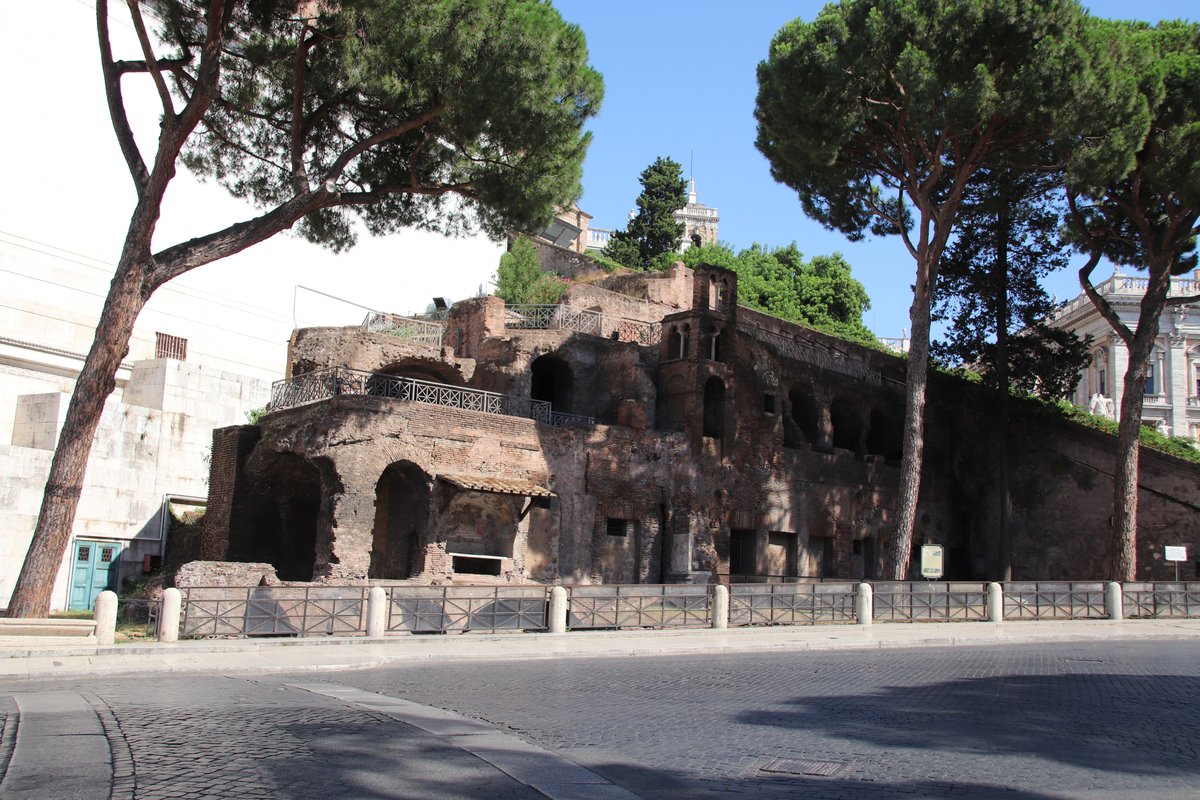
Historical Context and Architectural Evolution
Origins and Development
Insulae (Latin for “islands”) were multi-story apartment blocks that emerged around the 2nd century BCE as Rome’s population soared past one million. Constructed to maximize space in a dense urban environment, insulae became the default housing solution for the city’s working and middle classes (rome-tourism.org; Britannica).
Structural Features and Materials
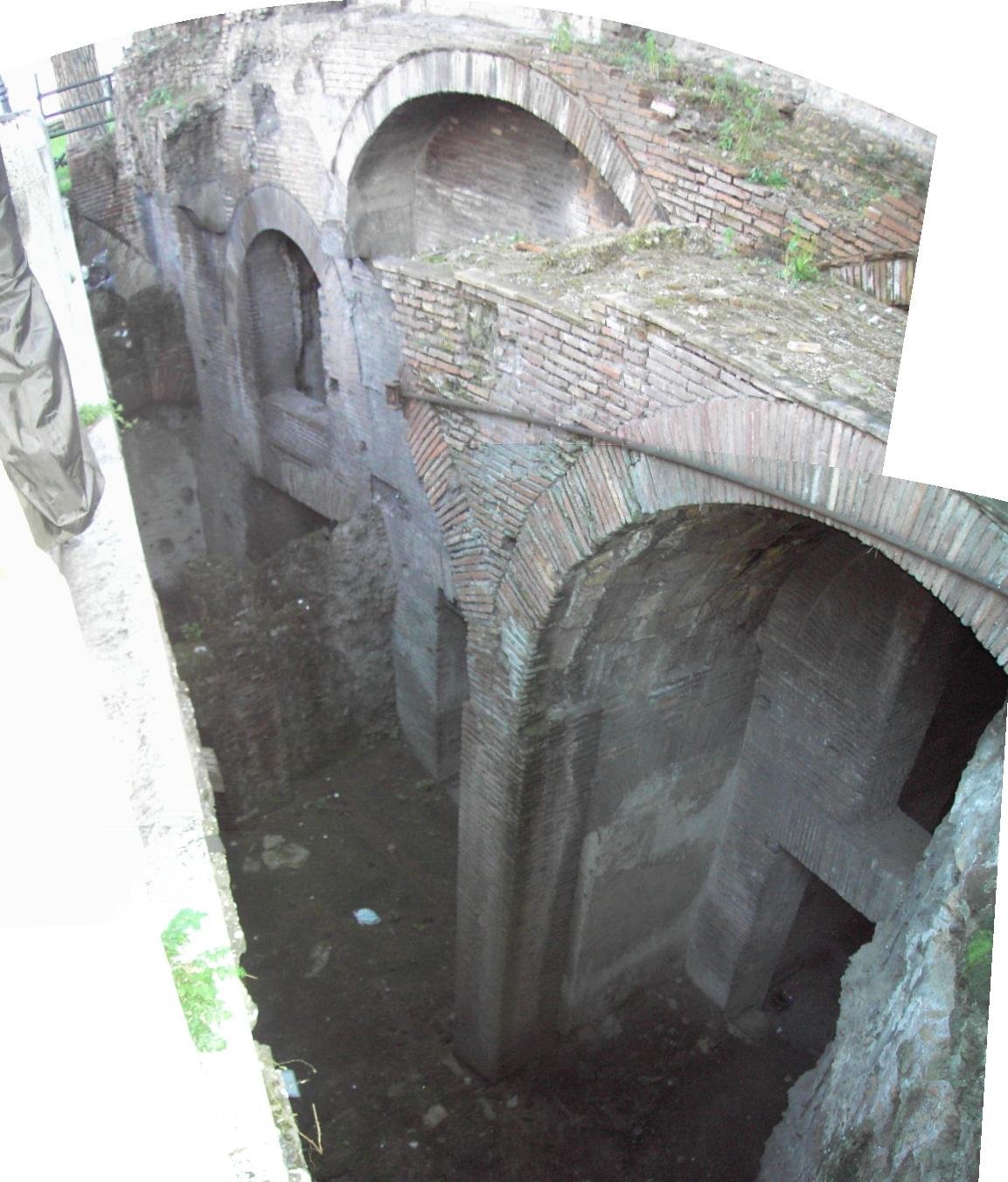
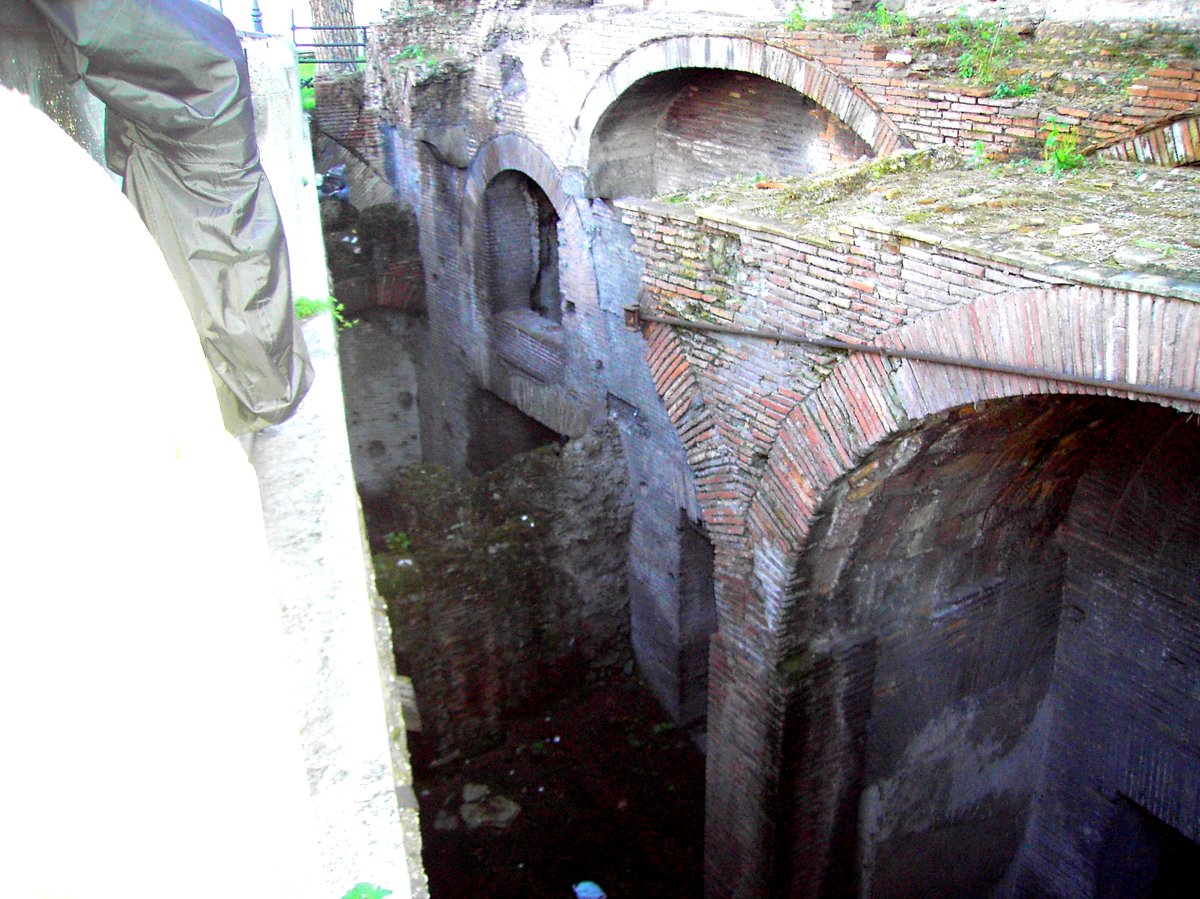
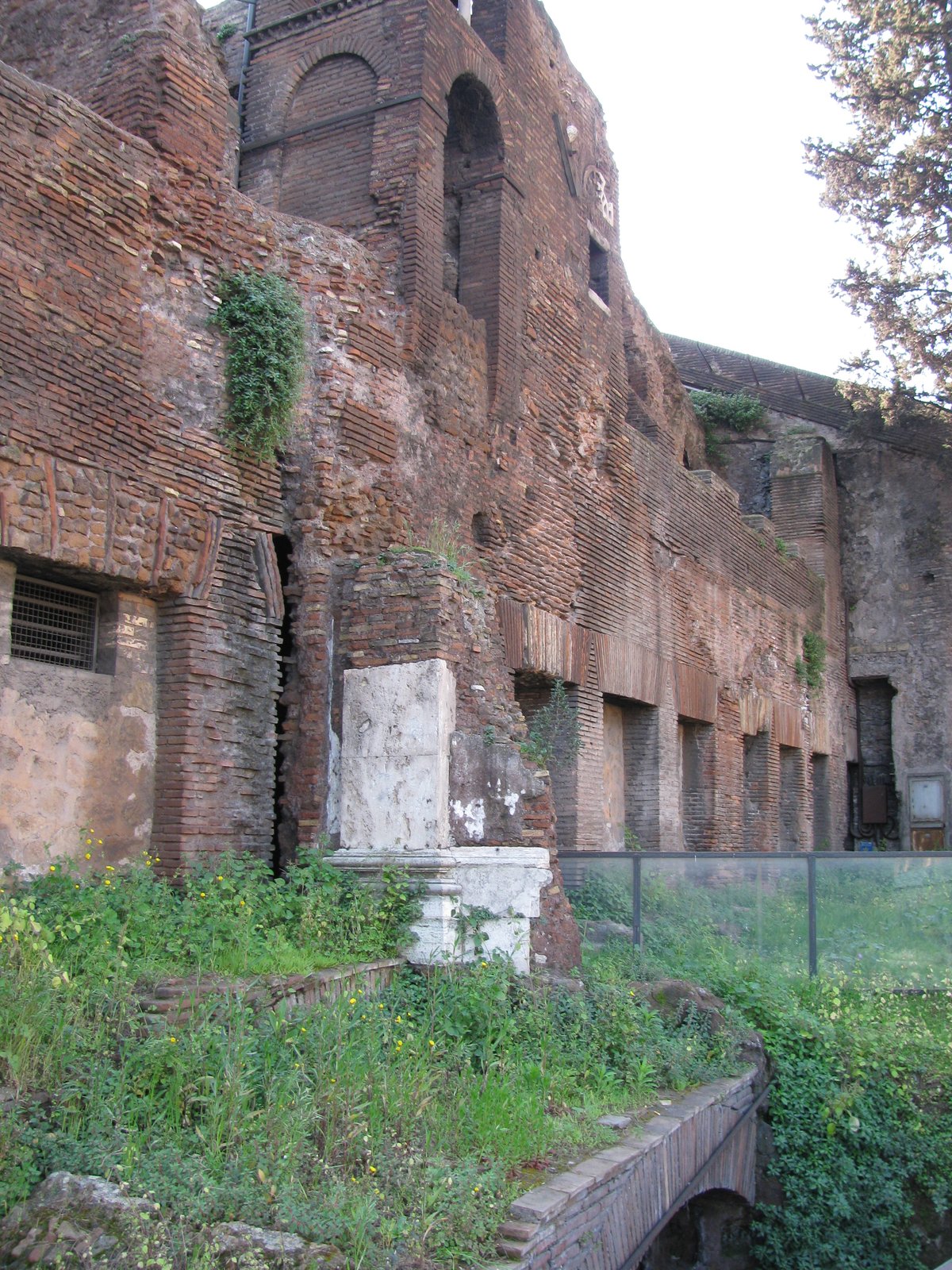
Early insulae were two to three stories high, but later examples reached five or more stories. The ground floor typically contained shops (tabernae) and workshops, while upper floors housed residential apartments. The lower stories were built with sturdy brick-faced concrete (opus caementicium), while the upper levels often used lighter, more flammable materials like wood and mud brick—contributing to frequent fire hazards (ByArcadia; Ancient Rome Live).
Social Structure and Daily Life
Insulae reflected the social stratification of Roman society. Wealthier tenants occupied more spacious and better-equipped lower-floor apartments with amenities such as private latrines and running water. The upper floors were less desirable—hotter in summer, colder in winter, and more susceptible to structural failures—typically housing the lower classes. Overcrowding was common, and residents relied on public fountains and communal latrines for water and sanitation (Smarthistory; fullsuitcase.com).
Roman writers like Juvenal and Martial often commented on the precariousness and vibrancy of insula life, highlighting both the dangers and the strong sense of community that characterized these neighborhoods.
Urban Planning and Legal Regulations
As insulae grew taller and denser, the risk of fire and collapse increased. Emperors Augustus and Nero enacted regulations to limit building heights (first 70 Roman feet, then 60 feet) and encourage the use of fire-resistant materials. While these rules were not always enforced, they reflect the challenges of managing a rapidly growing metropolis (Roman Empire Times).
Economic and Cultural Importance
Insulae played a central role in Rome’s urban economy. The street-facing shops and workshops (tabernae) created lively commercial districts, while the dense housing supported a vibrant and diverse population. The close proximity of living and working spaces fostered a unique urban culture, distinct from the elite domus residences. Writers such as Seneca and Martial captured this everyday life in their works (History Cooperative).
Archaeological Remains and Modern Interpretation
Remarkable examples of Roman insulae survive at the Insula dell’Ara Coeli (Piazza d’Aracoeli), the Capitoline Insula, and Ostia Antica. These sites display multi-level architecture, remnants of mosaics and frescoes, shopfronts, and apartment layouts. Archaeological research continues to reveal insights into construction techniques, urban planning, and social organization (Ancient Rome Live).
Visiting the Insula Romana: Essential Information
Location and Access
- Address: Piazza d'Aracoeli, 1, at the foot of Capitoline Hill, central Rome
- Nearby Landmarks: Roman Forum, Capitoline Museums, Piazza Venezia
Easily accessible by foot or public transportation, with multiple bus and tram lines stopping at Piazza Venezia (Evendo).
Visiting Hours and Ticketing
- Typical Hours: 9:00 AM to 7:00 PM, with last entry generally one hour before closing. Hours may vary by season and site, so always check official sources before your visit (Rome Tourism).
- Admission: No separate ticket is usually required for the Insula Romana at Piazza d’Aracoeli; entry may be free or included in broader archaeological tours. For sites like Ostia Antica or the Capitoline Insula, standard admission is around €10–12, with reductions for students, seniors, and free entry for children under 18 (Lonely Planet).
Advance booking is recommended for guided tours and special exhibitions. Some locations require appointments for interior access—confirm details before your visit.
Accessibility and Visitor Facilities
- Accessibility: Some areas are wheelchair accessible, though uneven terrain and stairs may limit access in parts of the site. Contact the location in advance for specific provisions.
- Visitor Amenities: Restrooms, cafés, and shops are available nearby, especially around Piazza Venezia and the Capitoline Museums.
Tips for a Memorable Visit
- Time Your Visit: Early mornings or late afternoons are ideal for avoiding crowds and heat, especially in summer (Mama Loves Rome).
- Dress Comfortably: Wear supportive footwear for uneven surfaces and bring sun protection and water during warmer months (Voyage Tips).
- Photography: Permitted outdoors; confirm interior policies with your guide.
- Respect Preservation Efforts: Do not touch or climb on ruins; follow signage and staff instructions.
Nearby Attractions
- Capitoline Museums: Renowned collection of classical art and artifacts.
- Roman Forum and Palatine Hill: Ancient Rome’s political and religious center.
- Piazza Venezia and the Vittoriano: Iconic square and monument celebrating modern Italy.
Combining these sites with your visit to the Insula Romana deepens your understanding of Rome’s urban development (Evendo).
Frequently Asked Questions (FAQ)
What are the Insula Romana’s visiting hours?
Typically 9:00 AM–7:00 PM; always confirm current hours on official websites.
Is there a ticket fee?
Usually free at Piazza d’Aracoeli; other sites charge €10–12 for adults with reductions available.
Are guided tours required?
Guided tours are recommended for deeper insight; some sites require tours for interior access.
Is the site wheelchair accessible?
Partial accessibility; some areas have steps and uneven ground.
Can I take photographs?
Photography is generally allowed in outdoor areas; ask about interior rules.
Responsible Tourism and Preservation
By following site guidelines, booking guided tours, and respecting archaeological remains, visitors help ensure the Insula Romana’s preservation for future generations. Please refrain from littering, touching fragile structures, or straying beyond marked paths.
Listen to the full story in the app
The whole Insula Romana,
told well.
Audio guides for 1,100+ cities across 96 countries. History, stories, and local insight — offline ready.
Verified, and shown.
Researched and written by the Audiala editorial team from historical records, architectural archives, and local expertise.
Researched from Wikidata, Wikipedia & official sources · fact-checked · How we make our guides →