Plan and listen to Gardens Of Sallust with Audiala.
Audio guide in your pocket, itinerary in your browser. Built for the way you actually visit.
Introduction
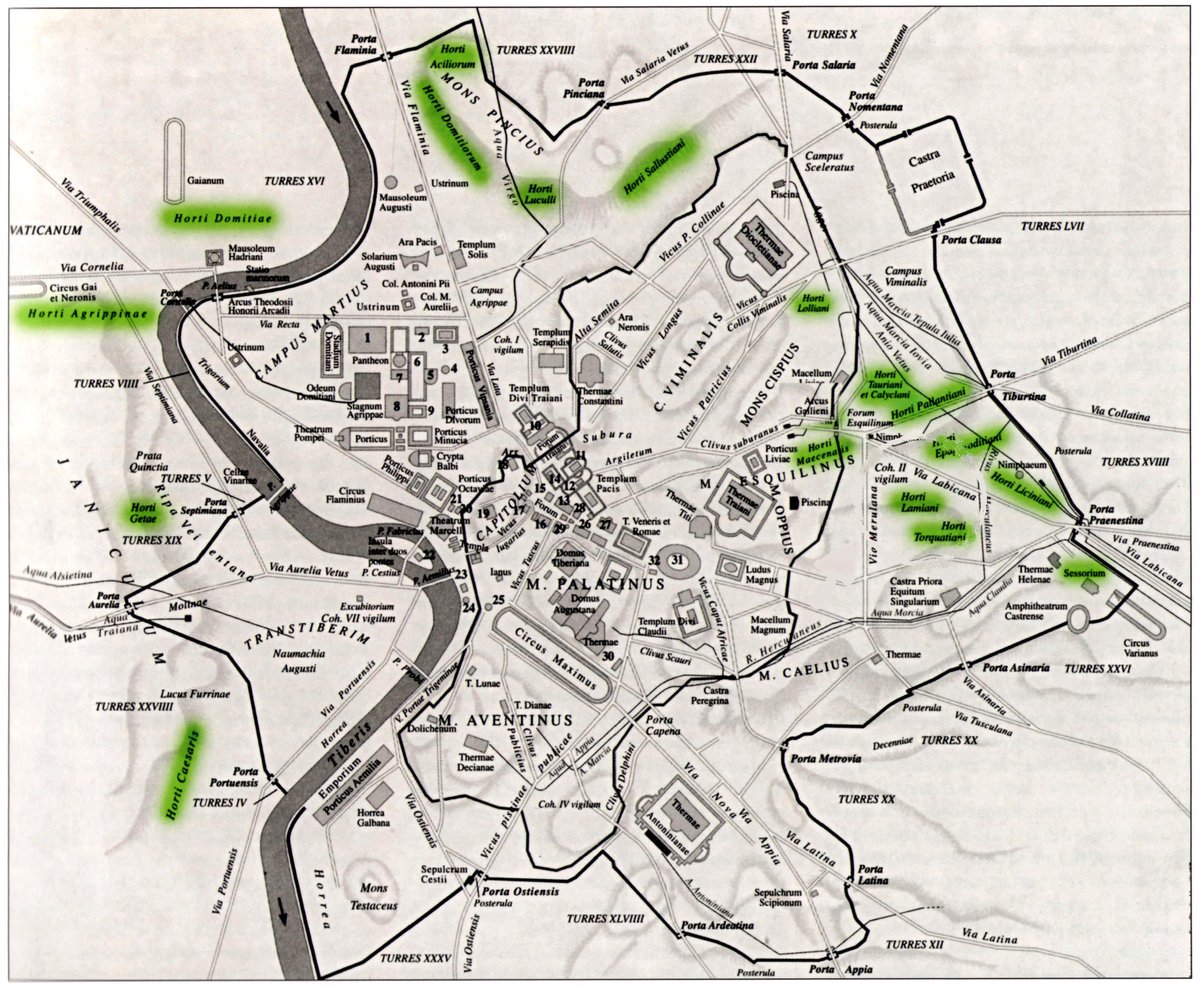
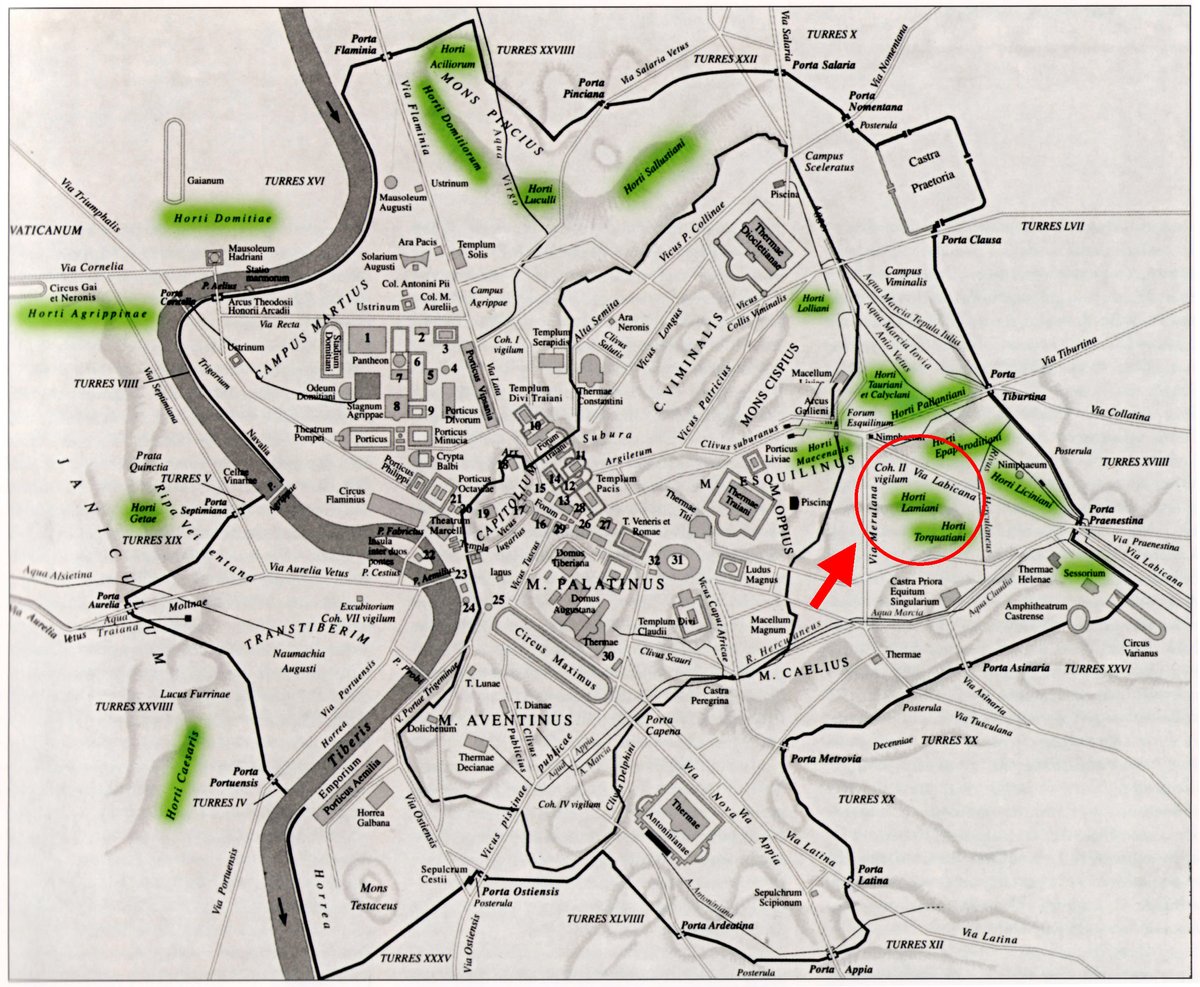
The Gardens of Sallust (Horti Sallustiani) are among Rome’s most evocative remnants of imperial grandeur. Established in the late 1st century BCE by the historian Gaius Sallustius Crispus, these gardens—once stretching over 20 hectares between the Quirinal and Pincian hills—were famed for their luxury, political influence, and cultural splendor. Though the original gardens have largely vanished beneath modern Rome, their legacy endures in archaeological remains, monumental art, and the city’s urban memory. This guide offers a detailed exploration of the Gardens of Sallust: their origins, architectural and artistic treasures, historical significance, and essential visitor information, including up-to-date access, ticketing, and travel tips. Whether you’re a history enthusiast or a curious traveler, discover how to unlock this hidden gem of the Eternal City (villaludovisi.org; turismoroma.it; imperiumromanum.pl).

Origins and Historical Development
The Gardens of Sallust originated as a lavish private retreat for Gaius Sallustius Crispus, who acquired the land after his lucrative governorship in Africa. Sallust transformed these grounds into a model of aristocratic leisure, with terraced landscapes, pavilions, and water features. After Sallust’s death in 35 BCE, the gardens passed into the imperial domain, serving as a favored residence and ceremonial site for emperors such as Tiberius, Nero, and Marcus Aurelius. By the early Empire, their expanse and opulence rivaled any in Rome, setting a standard for elite garden culture (villaludovisi.org).
Architectural and Artistic Features
Landscape and Structures
The Horti Sallustiani boasted sophisticated landscaping: terraced promenades, shaded pathways, artificial lakes, and monumental fountains (nymphaea). Archaeological records and ancient accounts describe a complex of luxury buildings, including a grand villa, baths, libraries, and a circus for athletic spectacles. The gardens’ most significant surviving feature is a monumental underground pavilion beneath Piazza Sallustio, featuring a circular domed hall and side chambers reminiscent of the Serapeum at Hadrian’s Villa (turismoroma.it; umbriaecultura.it).
The Sallustian Obelisk
A centerpiece of the garden’s circus was the Sallustian Obelisk, a 14-meter red granite monument imported from Egypt. While its exact date of arrival is debated, it symbolized imperial prestige and echoed Rome’s fascination with Egyptian art. The obelisk was rediscovered in the Ludovisi estate in the Renaissance and was re-erected atop the Spanish Steps in the late 18th century, where it remains a Roman landmark (villaludovisi.org).
Sculptural Treasures
The gardens housed a stunning array of Greek and Roman sculptures. Notable discoveries include the “Dying Daughter of Niobe,” an expressive marble figure now at the Museo Nazionale Romano, and celebrated artifacts like the Borghese Vase (Louvre), Ludovisi Throne (Palazzo Altemps), and Dying Galatian (Capitoline Museums). These masterpieces showcase the gardens’ role as a repository of elite art and taste (imperiumromanum.pl).
Imperial and Social Significance
As an imperial property, the Horti Sallustiani were both a sanctuary for private leisure and a stage for political power. Emperors used them for banquets, diplomatic receptions, and as a symbol of imperial magnificence. The gardens also served as a refuge during crises, such as the sack of Rome by the Visigoths in 410 CE, when citizens sought safety within their fortified walls (villaludovisi.org).
Decline, Rediscovery, and Modern Legacy
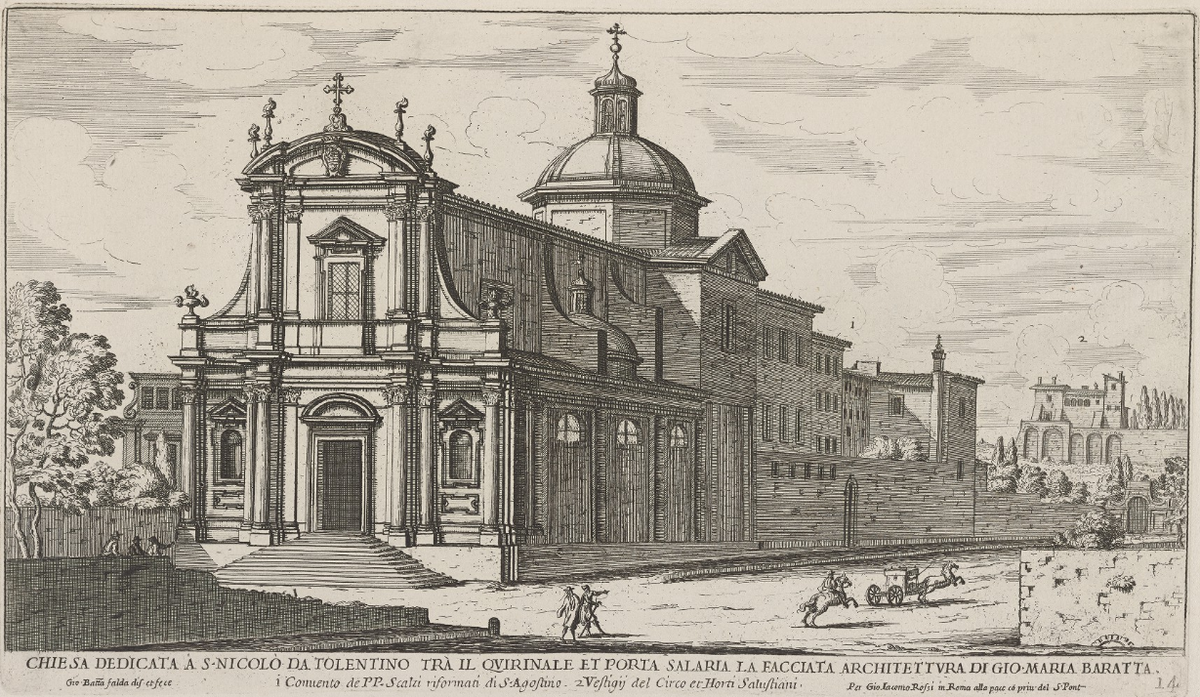
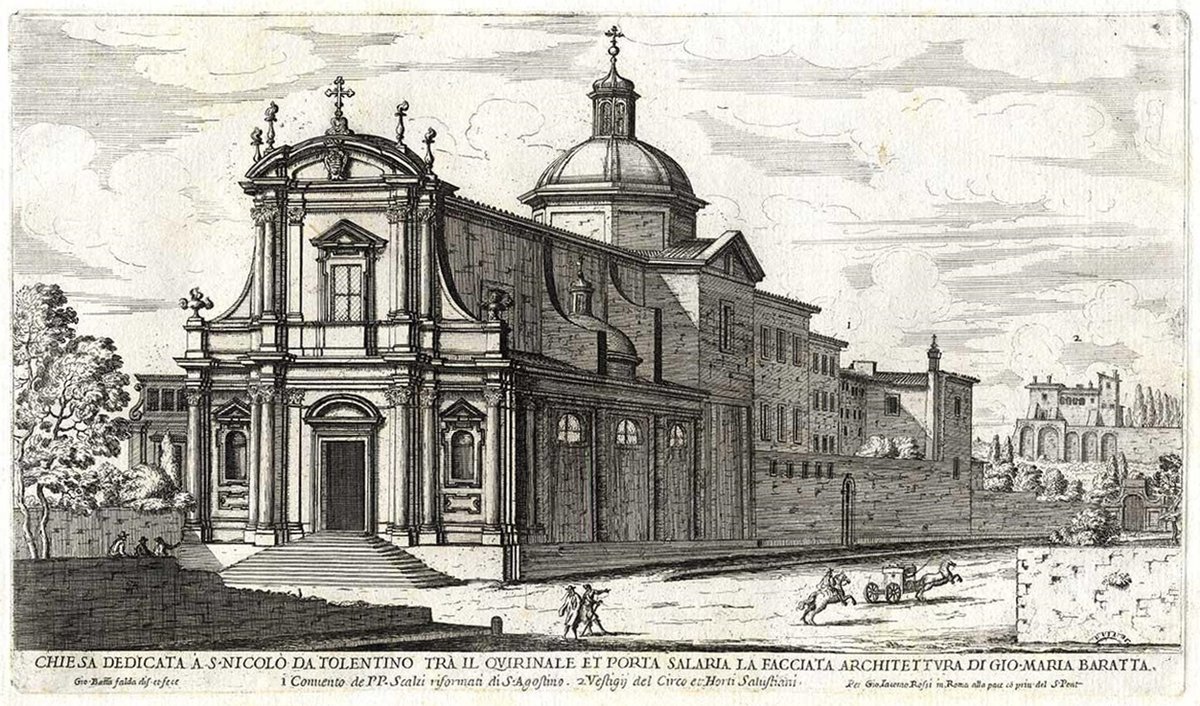
Following the Western Empire’s fall, the gardens fell into neglect, with ruins misidentified as “baths” during the Middle Ages. In the 17th century, Cardinal Ludovico Ludovisi established the Villa Ludovisi atop the former gardens, preserving many ancient remains. Systematic excavations in the 19th and 20th centuries revealed significant artifacts and structures, now displayed in leading museums. Today, the modern Sallustiano district overlays much of the original site, but names like Via Sallustiana and Piazza Sallustio preserve its memory (villaludovisi.org; turismoroma.it).
Visiting the Gardens of Sallust: Practical Information
Location and Access
The principal archaeological remains are beneath Piazza Sallustio, in Rome’s Sallustiano district, bordered by Via Salaria, Via Veneto, Via XX Settembre, and the Aurelian Walls. The area is easily reached by public transport, a short walk from Termini Station and Via Nazionale (turismoroma.it; umbriaecultura.it).
Visiting Hours and Tickets
- Access: The underground archaeological site is not open for daily public visits. Entry is possible only during special events, open days, or by advance reservation for guided tours (turismoroma.it).
- Hours: No fixed schedule; check the official Turismo Roma site for current openings.
- Tickets: Expect €10–€20 for guided tours or special access. Book in advance through official channels or accredited tour operators.
- Obelisk: The Sallustian Obelisk at the Spanish Steps is freely accessible at all times.
Accessibility and Visitor Facilities
- Mobility: The underground site involves descending stairs and is not wheelchair accessible (umbriaecultura.it).
- Facilities: No restrooms or cafés on-site; nearby Piazza Sallustio offers ample dining and shopping options.
- Guided Tours: Highly recommended for interpretation, often available in English and other languages—check availability when booking.
- What to Bring: Wear sturdy shoes for uneven surfaces, bring a light jacket (it’s cool underground), and carry water.
Enhancing Your Visit: Nearby Attractions and Cultural Context
Combine your visit with other highlights of Rome:
- Via Veneto: Home to classic cafés and 20th-century Roman culture.
- Villa Borghese: Rome’s largest park, ideal for relaxing.
- National Roman Museum (Palazzo Massimo): Hosts many artifacts from the Horti Sallustiani.
- Capitoline Museums & Palazzo Altemps: Display famous sculptures originally from the gardens.
- Museo Boncompagni Ludovisi: Features the Ludovisi Collection.
Exploring these sites deepens your appreciation of the gardens’ historical and artistic context.
Frequently Asked Questions (FAQ)
Q: What are the Gardens of Sallust visiting hours?
A: No fixed hours; the site is open only during special events or by advance reservation for guided tours. Always check the official website.
Q: How do I purchase tickets?
A: Tickets are available through the official site or authorized tour operators; advance booking is essential.
Q: Are guided tours available in English?
A: Yes, but confirm language options when booking.
Q: Is the site wheelchair accessible?
A: No; underground access involves stairs.
Q: Can I take photographs?
A: Generally allowed, but flash photography may be restricted.
Q: Are there on-site amenities?
A: No; use facilities in the surrounding neighborhood.
Summary Table: Key Visitor Information
| Aspect | Details |
|---|---|
| Location | Piazza Sallustio, Rome (14m below street level) |
| Access | By reservation/guided tour only |
| Visiting Hours | Irregular; check official site |
| Ticket Price | €10–€20 (as of 2025) |
| Facilities | None on site; amenities available nearby |
| Accessibility | Not wheelchair accessible |
| Nearby Attractions | Via Veneto, Villa Borghese, National Roman Museum |
| Artifacts Location | Capitoline Museums, Palazzo Altemps, Spanish Steps |
Visitor Recommendations and Final Thoughts
The Gardens of Sallust provide a unique, off-the-beaten-path experience for those interested in Rome’s imperial past. To make the most of your visit:
- Book in advance and confirm tour language options.
- Combine your visit with nearby museums and parks for a richer experience.
- Respect the archaeological site and follow all posted rules.
- Support preservation by booking official tours—your fees help protect Rome’s heritage.
While only fragments of the original gardens remain, their legacy is woven throughout Rome—in museum masterpieces, evocative ruins, and the city’s very street names. By visiting the Horti Sallustiani, you step into the sophisticated world of ancient Roman leisure and power.
For updates, exclusive content, and expert-guided tours, follow our social media channels and download the Audiala app to enhance your exploration of Rome’s historical sites.
Listen to the full story in the app
The whole Gardens Of Sallust,
told well.
Audio guides for 1,100+ cities across 96 countries. History, stories, and local insight — offline ready.

Verified, and shown.
Researched and written by the Audiala editorial team from historical records, architectural archives, and local expertise.
Researched from Wikidata, Wikipedia & official sources · fact-checked · How we make our guides →