Plan and listen to Galleria Nazionale D'Arte Antica with Audiala.
Audio guide in your pocket, itinerary in your browser. Built for the way you actually visit.
Introduction
The Galleria Nazionale d’Arte Antica stands as one of Rome’s premier destinations for those seeking to immerse themselves in the city’s rich artistic and historical heritage. Housed in two of Rome’s most architecturally significant palaces—Palazzo Barberini and Palazzo Corsini—the gallery offers a journey through centuries of Italian and European art, spanning from the early Renaissance to the height of the Baroque. With over 1,400 works, including masterpieces by Caravaggio, Raphael, Titian, and Bernini, visitors experience not only exceptional art but also the grandeur of Roman aristocratic life and the evolution of architectural styles. This guide provides comprehensive information on the gallery’s history, architecture, visiting hours, ticketing, accessibility, practical tips, special exhibitions, and nearby attractions, ensuring an enriching and seamless visit (Zainoo, Wikipedia, Palazzo Barberini Info, Rome Tourism).

Origins and Evolution
Established in the wake of Italy’s unification (1870), the Galleria Nazionale d’Arte Antica was created to centralize and protect the nation’s artistic patrimony. The collection initially grew through acquisitions from church holdings and private collections, embodying the new national consciousness and commitment to public access to art (Zainoo).
The Dual Palaces
Palazzo Barberini
Commissioned by Pope Urban VIII for the Barberini family, Palazzo Barberini exemplifies Baroque innovation. Built between 1625 and 1633, the palace was designed by Carlo Maderno and completed by Borromini and Bernini. Its most renowned feature is Pietro da Cortona’s ceiling fresco, “Allegory of Divine Providence and Barberini Power”, a masterpiece of Baroque illusionism (Wikipedia, Palazzo Barberini Info).
Palazzo Corsini
Originally a 15th-century structure, Palazzo Corsini was transformed in the 18th century by Ferdinando Fuga for Cardinal Neri Maria Corsini, blending late Baroque and early Neoclassical elements. The Corsini family’s art collection, central to the gallery’s founding, reflects Rome’s cosmopolitan taste and Enlightenment ideals (Wikipedia).
Growth of the Collection
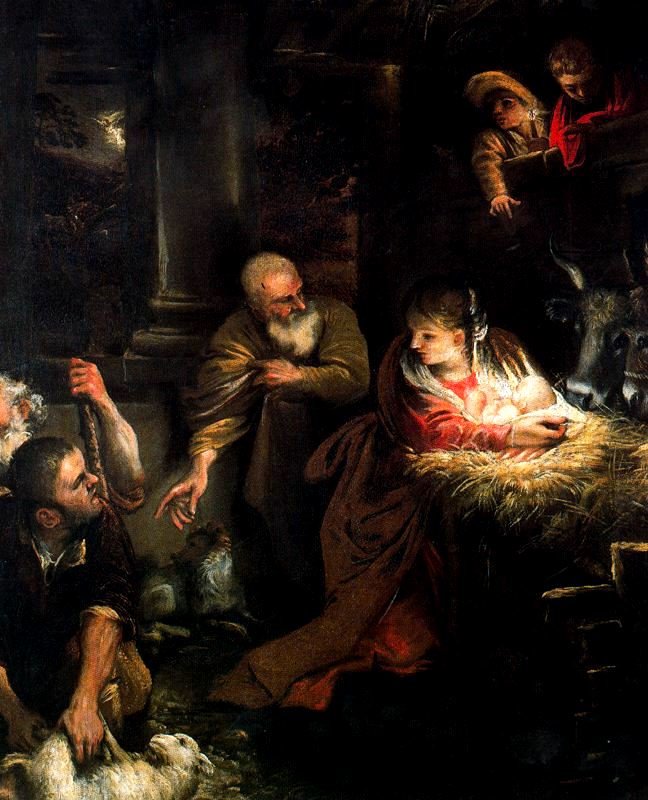
Key acquisitions—including the Torlonia, Monte di Pietà, Hertz, and Chigi collections—greatly enriched the GNAA’s holdings, which now feature works by Raphael, Caravaggio, Rubens, El Greco, and many others (Zainoo).
Visiting Information: Hours, Tickets, and Accessibility
Opening Hours
- Tuesday to Sunday: 10:00 AM – 7:00 PM
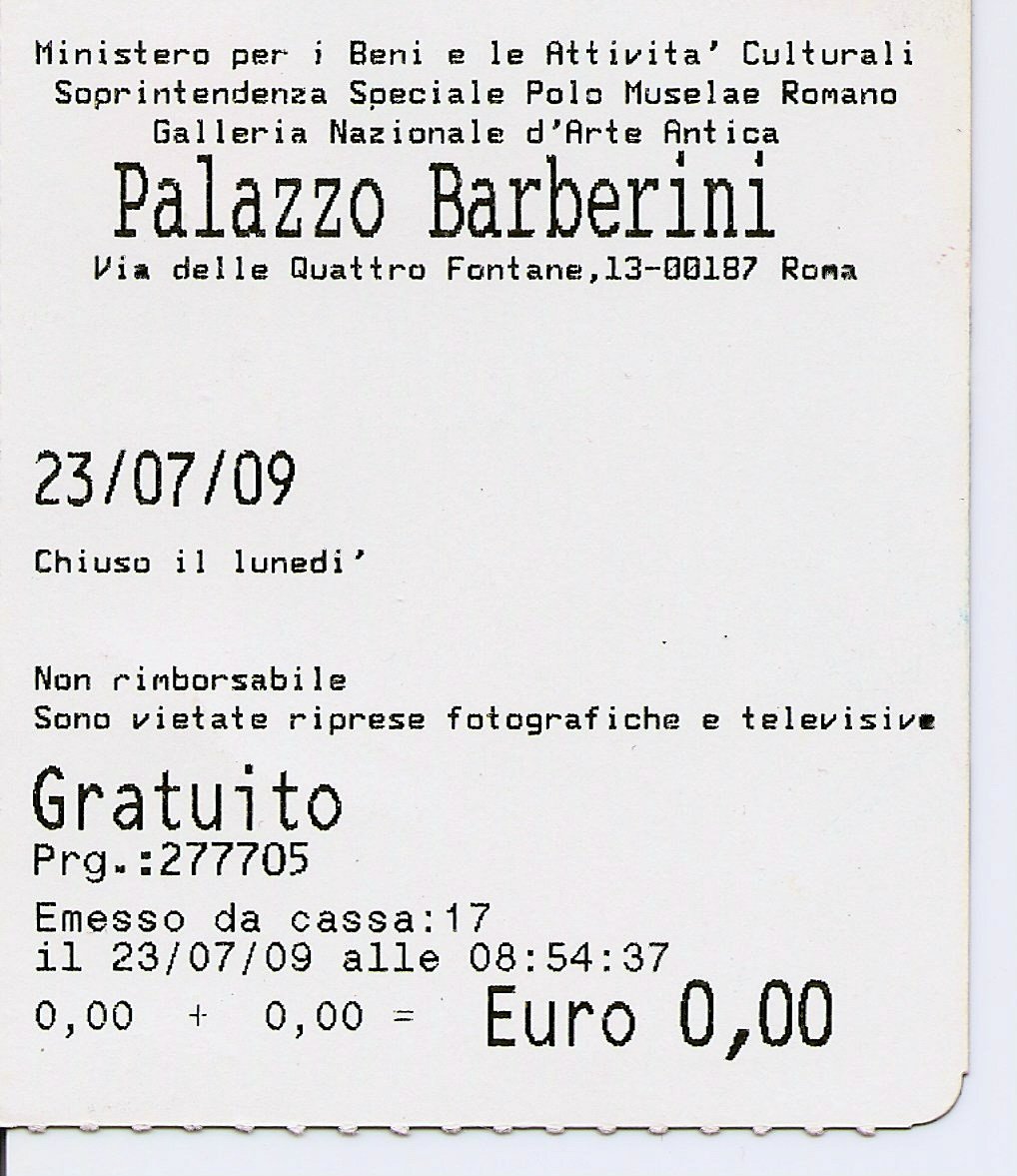
- Closed: Mondays, January 1, December 25, and select holidays
- Last admission is one hour before closing
- Always confirm on the official website for updates
Ticket Information
- Standard ticket: €12 (includes entry to both palaces)
- Reduced ticket: €2 (EU citizens aged 18–25)
- Free admission: Visitors under 18, EU teachers, and other qualifying categories (details)
- Roma Pass holders: Valid for entry and discounts (Roma Pass info)
- Booking: Advance online purchase is highly recommended (book tickets)
Accessibility
- Both palaces are wheelchair accessible with elevators, ramps, and accessible restrooms.
- Assistance is available for visitors with disabilities.
- Strollers and assistance animals are permitted (barberinicorsini.org).
Facilities
- Cloakroom: Free for bags and coats
- Restrooms: Available on site
- Bookshop & Café: Souvenirs, art books, and refreshments
Getting There
- Palazzo Barberini: Via delle Quattro Fontane, 13. Closest metro: Barberini (Line A).
- Palazzo Corsini: Via della Lungara, 10. Accessible by bus; check local routes.
Highlights of the Collection
Renaissance and Early Masters
- Filippo Lippi: “Annunciation”—early Renaissance elegance
- Beato Angelico: “Triptych”—vivid color, spiritual narrative
- Piero di Cosimo: “Saint Mary Magdalene”—psychological depth
High Renaissance and Mannerism
- Raphael: “La Fornarina”—iconic portrait
- Lorenzo Lotto: “The Mystic Marriage of Saint Catherine”—Venetian color, psychological nuance
Baroque Treasures
- Caravaggio: “Judith Beheading Holofernes,” “Narcissus,” “Saint Francis in Meditation,” “Saint John the Baptist”—revolutionary use of light and realism (Caravaggio Exhibition Details)
- Pietro da Cortona: “Allegory of Divine Providence”—monumental ceiling fresco
- Andrea Sacchi: “Allegory of Divine Wisdom”—Roman classicism
Other Notable Works
- Hans Holbein the Younger: “Portrait of Henry VIII”—Northern European masterwork
- Artemisia Gentileschi: “Self-Portrait as a Lute Player”
- Bernini: “Saint Mary Magdalene,” grand staircase
- Borromini: Helicoidal staircase—Baroque architectural marvel
Special Exhibitions and Educational Programs
Major Upcoming Exhibition
Caravaggio. The Portrait Unveiled
- Dates: 23 November 2024 – 23 February 2025
- Location: Palazzo Barberini
- Features the rare “Portrait of Monsignor Maffeo Barberini” alongside iconic works, providing new insight into Caravaggio’s portraiture and the Barberini legacy (exhibition details).
Other Notable Exhibitions
- L’immagine sovrana. Urbano VIII e i Barberini: Exploring the Barberini papacy’s art and documents (exhibition info).
- Dai Primitivi a Filippo Lippi: The evolution from medieval to Renaissance painting.
Educational Offerings
- Guided tours in Italian and English (advance booking recommended)
- Audioguides in multiple languages
- Workshops and family-friendly activities
Practical Tips for Visitors
- Best Times: Early mornings, late afternoons, and weekdays are less crowded.
- Photography: Non-flash photography permitted; no tripods or selfie sticks. Restrictions may apply for temporary exhibitions.
- Dress Code: Respectful attire is encouraged.
- Security: Bags must be checked; no food or drink in galleries.
- Families: Free for children under 18; strollers and baby-changing facilities provided.
- Visit Duration: Plan 2–3 hours for Palazzo Barberini, more if visiting both sites.
Nearby Attractions
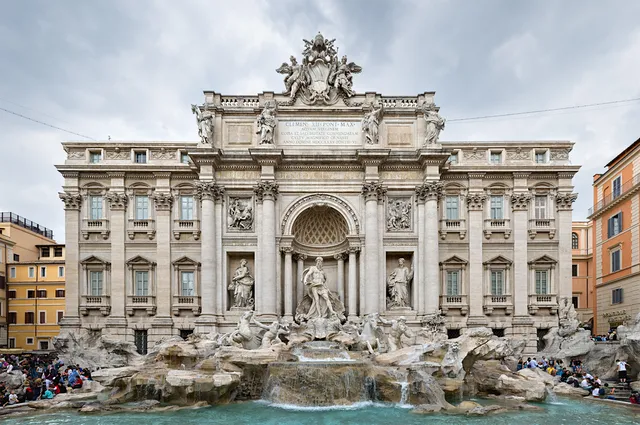
- Trevi Fountain
- Spanish Steps
- Piazza Barberini
- Galleria Borghese (short transit ride)
- Numerous other Rome historical sites within walking distance
Frequently Asked Questions (FAQ)
Q: What are the visiting hours?
A: Tuesday–Sunday, 10:00 AM–7:00 PM. Closed Mondays.
Q: How do I buy tickets?
A: Online via the official website or at the entrance.
Q: Is the gallery accessible?
A: Yes, both palaces are fully accessible.
Q: Are guided tours available?
A: Yes, in Italian and English with advance booking.
Q: Is photography allowed?
A: Non-flash photography is generally permitted.
Q: Is the gallery family-friendly?
A: Yes, with free entry for children and family facilities.
Summary
The Galleria Nazionale d’Arte Antica combines architectural grandeur, artistic mastery, and Rome’s storied cultural history in two breathtaking palaces. As you explore galleries filled with Renaissance icons, Baroque masterpieces, and innovative architectural details, you’ll discover why this museum is a cornerstone of Italy’s cultural identity. Plan ahead—check hours, book tickets, and prepare to be inspired by centuries of creativity and vision. For the latest updates, special event news, and digital content, visit the official gallery website and follow their social channels.
Listen to the full story in the app
The whole Galleria Nazionale D'Arte Antica,
told well.
Audio guides for 1,100+ cities across 96 countries. History, stories, and local insight — offline ready.
Verified, and shown.
Researched and written by the Audiala editorial team from historical records, architectural archives, and local expertise.
Researched from Wikidata, Wikipedia & official sources · fact-checked · How we make our guides →