Plan and listen to French Academy In Rome with Audiala.
Audio guide in your pocket, itinerary in your browser. Built for the way you actually visit.
Introduction
Perched atop Rome’s picturesque Pincian Hill, Villa Medici is a beacon of Renaissance elegance, Franco-Italian artistic exchange, and cultural innovation. As the home of the French Academy in Rome since 1803, this grand villa offers visitors a journey through centuries of art, history, and architectural splendor. From its ancient roots to its vibrant present-day role, Villa Medici promises a memorable and enriching experience for travelers, art lovers, and history enthusiasts alike. This guide brings together practical information and historical insights to help you plan your visit—covering opening hours, ticketing, accessibility, highlights, and travel tips.
For the most current information, consult the Villa Medici Official Website.






Ancient Origins
The site of Villa Medici has a lineage dating back to antiquity. Originally, this hilltop area was home to Etruscan temples and later absorbed by the Romans, famed as "the hill of gardens." The Roman general Lucullus established a renowned estate here in the 1st century BCE, with horticultural innovations and spectacular water features—some remnants of which still exist today. Over time, the site became a retreat for Roman aristocracy and emperors, including Messalina and Honorius, further cementing its prominence in Rome’s urban landscape (Villa Medici Official Story; Wikipedia).
Renaissance Transformation
In 1576, Cardinal Ferdinando de’ Medici acquired the property, commissioning architect Bartolomeo Ammanati to transform it into a symbol of Medici prestige. The villa’s facades were adorned with ancient Roman bas-reliefs and sculptures unearthed during construction, creating an open-air museum atmosphere. The expansive Renaissance gardens—planted with pines, cypresses, and oaks—became a model for Italian landscape design and a haven for study and leisure (Villa Medici Official Place).
The French Academy in Rome
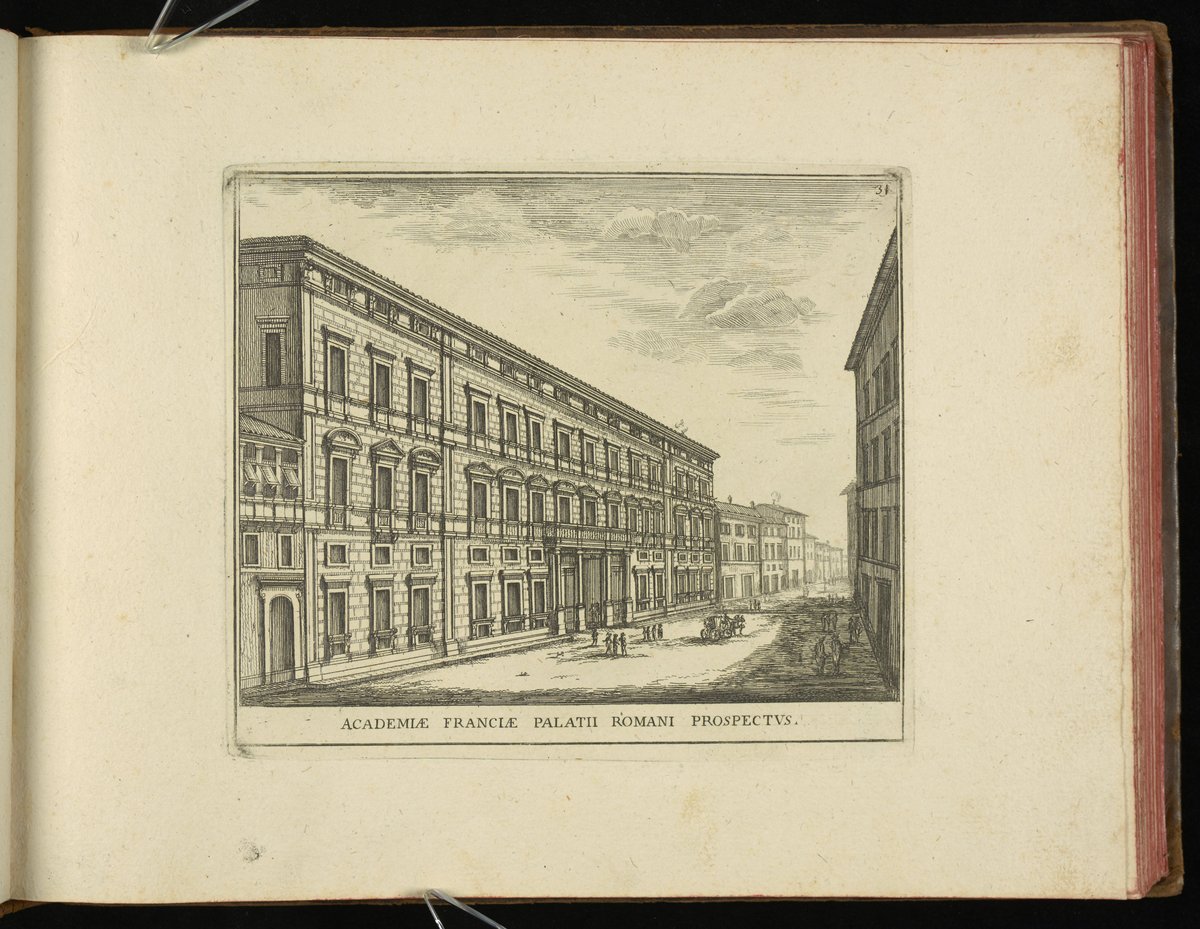
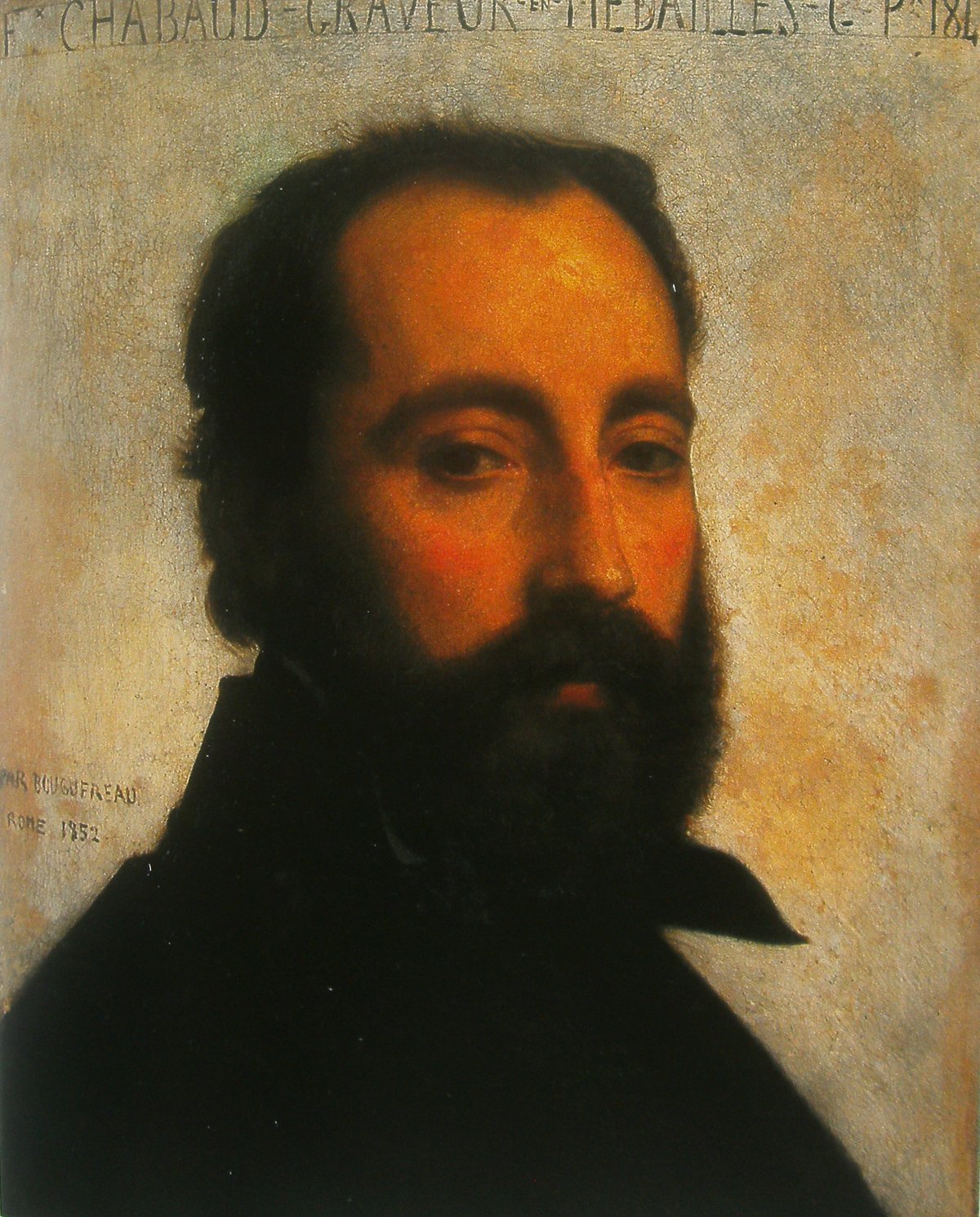
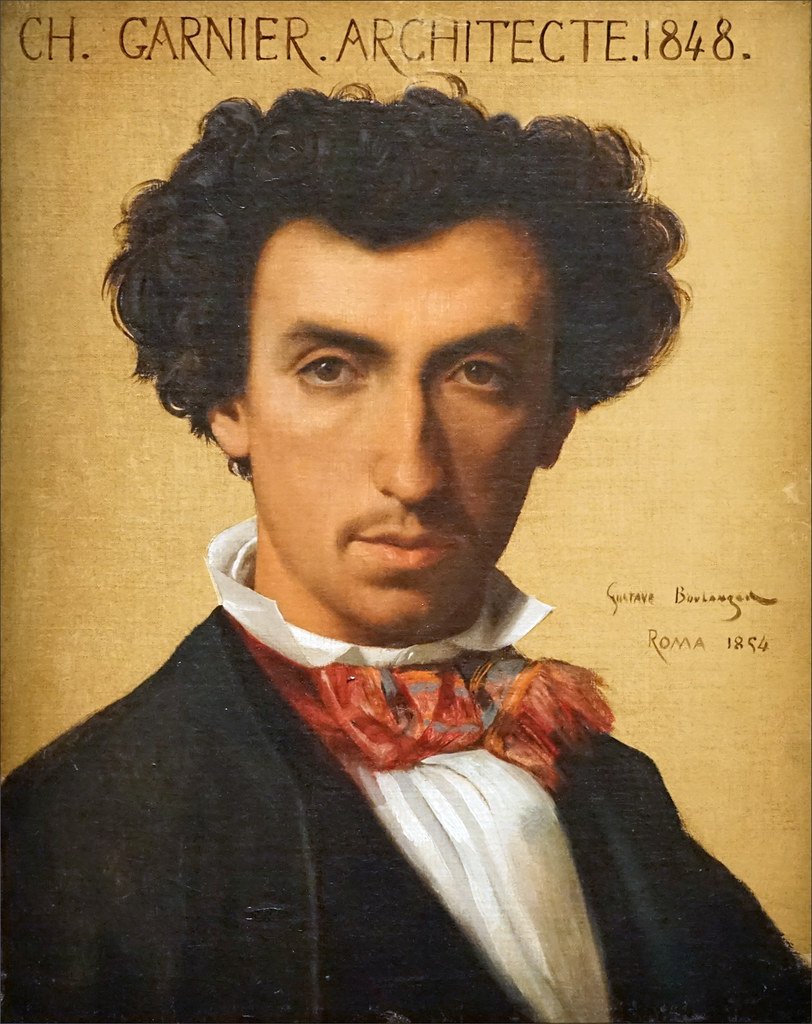
After centuries of Medici influence, the villa passed to the House of Lorraine and briefly to the Kingdom of Etruria during the Napoleonic era. In 1803, Napoleon designated Villa Medici as the new seat of the French Academy in Rome (Comité Colbert). Founded in 1666 by Louis XIV, the Academy was created to foster artistic excellence by enabling French artists to study in Rome, the epicenter of classical art (Académie des Beaux-Arts). Over the centuries, it has hosted thousands of “pensionnaires,” including celebrated painters, sculptors, composers, and architects. The villa’s directors—including Ingres and Balthus—have left enduring marks on its artistic and architectural legacy.
Visiting Villa Medici
Location & Access
Address: Viale della Trinità dei Monti, 1, 00187 Roma RM, Italy
Set atop the Pincian Hill, Villa Medici is adjacent to the Trinità dei Monti church and the lush Villa Borghese gardens, offering panoramic views over Rome’s historic center (Villa Medici Official).
Getting There:
- Metro: Spagna (Line A) station is a short walk away—ascend the Spanish Steps and follow signs to Villa Medici.
- Bus: Multiple city buses stop at Piazza di Spagna or Via del Tritone.
- On Foot: The villa is within walking distance from central attractions like Piazza del Popolo.
Visiting Hours & Tickets
- Hours: Tuesday to Sunday, 10:00 AM – 7:00 PM (last entry at 6:30 PM). Closed Mondays and select holidays (Villa Medici Practical Information).
- Tickets: Entry is by guided tour only. Adult tickets cost approximately €14–€16. Discounts are available for students, seniors, and children; children under 6 often enter free.
- Booking: Advance online reservations are highly recommended, especially during peak seasons or for special events (Villa Medici Tickets).
Guided Tours & Highlights
Tour Details:
- Duration: 75–90 minutes.
- Languages: English, French, Italian, with other languages available at select times (Villa Medici Guided Tours).
- Content: Tours include the main Renaissance rooms, the studiolo ("Bird Room"), portrait gallery, the gypsotheque (plaster cast collection), and the celebrated gardens.
Architectural & Artistic Highlights:
- The Facade and Entrance Hall: Showcases Renaissance design and classical ornamentation.
- Historic Rooms: Lavishly decorated with frescoes, period furnishings, and rare art objects (Italy Rome Tour).
- Gypsotheque: Features plaster casts of ancient and Renaissance masterpieces.
- Portrait Gallery: Over 460 portraits of former Academy fellows (Turismo Roma).
- Gardens: Geometric parterres, ancient sculptures, the Belvedere terrace, and Cleopatra’s Loggia offer breathtaking views (Culture Treasures; Audiala).
Facilities & Accessibility
- Wheelchair access: Most key areas are accessible; contact the villa in advance for specific needs (Audiala Accessibility).
- Restrooms and cloakroom: Available for coats and small bags.
- Bookshop and café: On-site bookshop for art publications and souvenirs; a café with garden views for light refreshments.
- Photography: Permitted in the gardens and some interior spaces; restrictions may apply during exhibitions (Audiala Travel Tips).
Special Events & Exhibitions
Villa Medici hosts a dynamic calendar of exhibitions, concerts, festivals, and open days throughout the year, often showcasing works by resident artists and international guests (Villa Medici Programme). Highlights in 2025 include:
- Festival des Cabanes (June–September): Architectural installations blending art and nature (e-flux).
- Villa Medici Film Festival (September): A celebration of contemporary cinema.
- Chromotherapia Exhibition: Curated by Maurizio Cattelan, focusing on photographic art (Itinerari nell’Arte).
Educational workshops and family-friendly tours are regularly offered, making the villa accessible and engaging for visitors of all ages.
Travel Tips
- Book early: Tours can sell out, especially at peak times.
- Wear comfortable shoes: The gardens are extensive with some uneven paths.
- Late afternoon visits: Offer quieter, atmospheric experiences (The Travel Folk).
- Check event calendars: Special events may impact hours or ticketing.
Nearby Attractions
- Villa Borghese Gardens: Adjacent parkland, perfect for a relaxing stroll.
- Piazza di Spagna & Spanish Steps: Downhill from the villa, with shopping and dining options.
- Pincio Terrace: Iconic panoramic viewpoint.
- Borghese Gallery, Trevi Fountain, Piazza del Popolo: All within easy walking distance (Audiala Nearby Attractions).
Frequently Asked Questions (FAQ)
Q: Are guided tours required?
A: Yes, entry to Villa Medici is only possible via guided tours in multiple languages. Book in advance.
Q: Is the villa wheelchair accessible?
A: Most areas are accessible; contact staff for specific arrangements.
Q: Can I take photographs?
A: Allowed in gardens and some interiors; restrictions may apply during exhibitions.
Q: Are there family-friendly activities?
A: Yes, workshops and tours for children are available during holidays.
Q: Where can I buy tickets?
A: Online via the official website or at the entrance (subject to availability).
Listen to the full story in the app
The whole French Academy In Rome,
told well.
Audio guides for 1,100+ cities across 96 countries. History, stories, and local insight — offline ready.
Verified, and shown.
Researched and written by the Audiala editorial team from historical records, architectural archives, and local expertise.
Researched from Wikidata, Wikipedia & official sources · fact-checked · How we make our guides →