Plan and listen to Forum Of Caesar with Audiala.
Audio guide in your pocket, itinerary in your browser. Built for the way you actually visit.
Introduction
Set in the heart of Rome, the Forum of Caesar (Forum Iulium) is a striking monument to the ambitions of Julius Caesar and the transformative era of the late Roman Republic. Conceived as the first of the Imperial Fora, it was built between 54 and 46 BCE to alleviate overcrowding in the original Roman Forum and to establish a new model of urban space emblematic of imperial power and innovation (History Hit; History.com). Strategically located between the Capitoline and Palatine hills, the Forum of Caesar integrated religious, political, and commercial functions, most notably through the Temple of Venus Genetrix—Caesar’s claim to divine ancestry and triumph in battle.
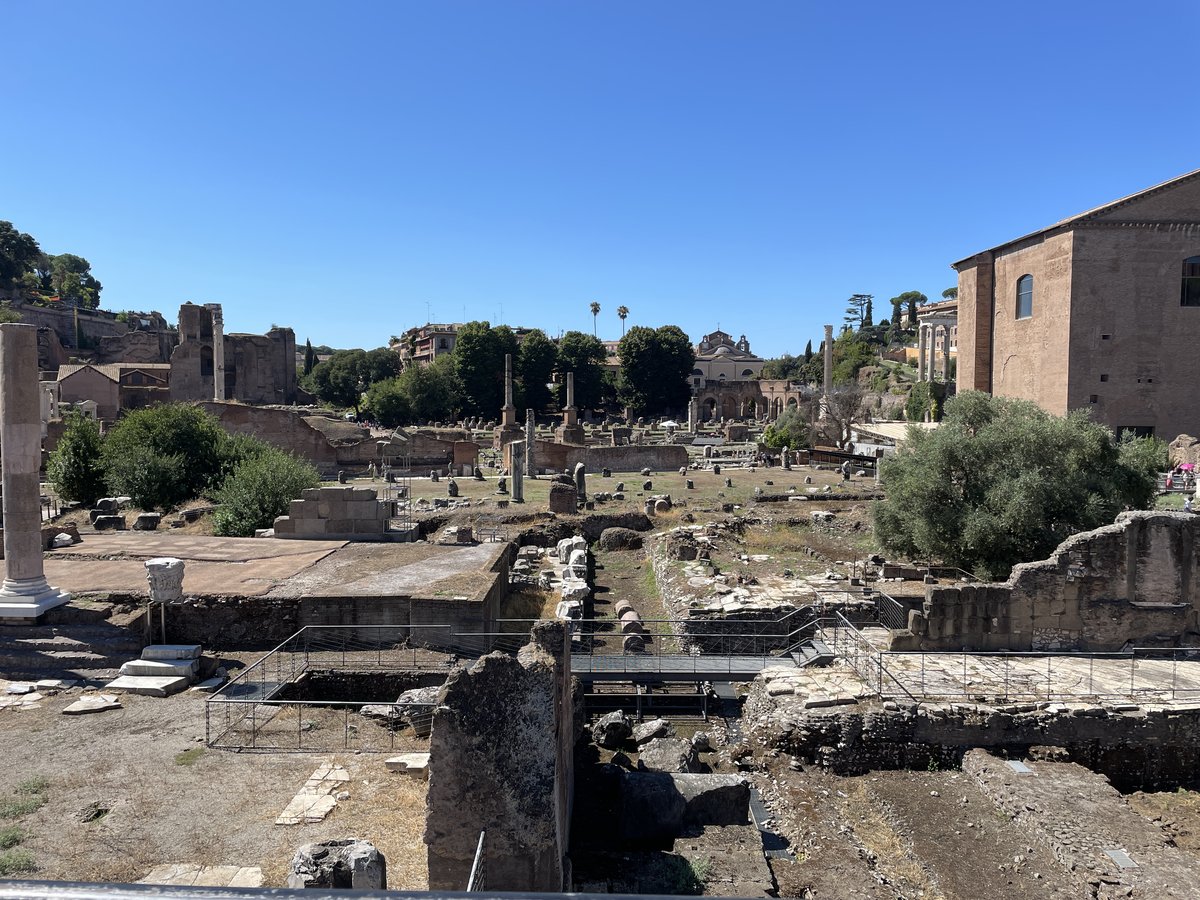
Visitors today encounter evocative ruins, partially excavated and restored, which illuminate Rome’s political evolution, urban design, and rich cultural life. Modern amenities, combined tickets, guided tours, and accessibility features make the site an essential destination for anyone interested in ancient history or architecture (My Rome Pass; Rome Tourist). For current visiting hours, ticketing, and events, resources such as official websites and the Audiala app are invaluable (Viaggio nei Fori; Rome Info).
- Origins and Construction of the Forum of Caesar
- Architectural Features and Layout
- Political and Cultural Significance
- Later Modifications and Historical Events
- Decline, Rediscovery, and Excavation
- Visitor Information
- Special Events and Resources
- Frequently Asked Questions (FAQ)
- The Forum of Caesar in the Context of the Imperial Fora
- Legacy and Modern Significance
- Practical Insights for Visitors
- Multimedia Night Shows
- Guided Tours and Self-Guided Visits
- Visitor Facilities
- Photography Guidelines
- Safety and Health Tips
- Visiting with Children
- Nearby Amenities and Accommodation
- FAQ: Common Questions about Visiting the Forum of Caesar
- Conclusion

Origins and Construction of the Forum of Caesar
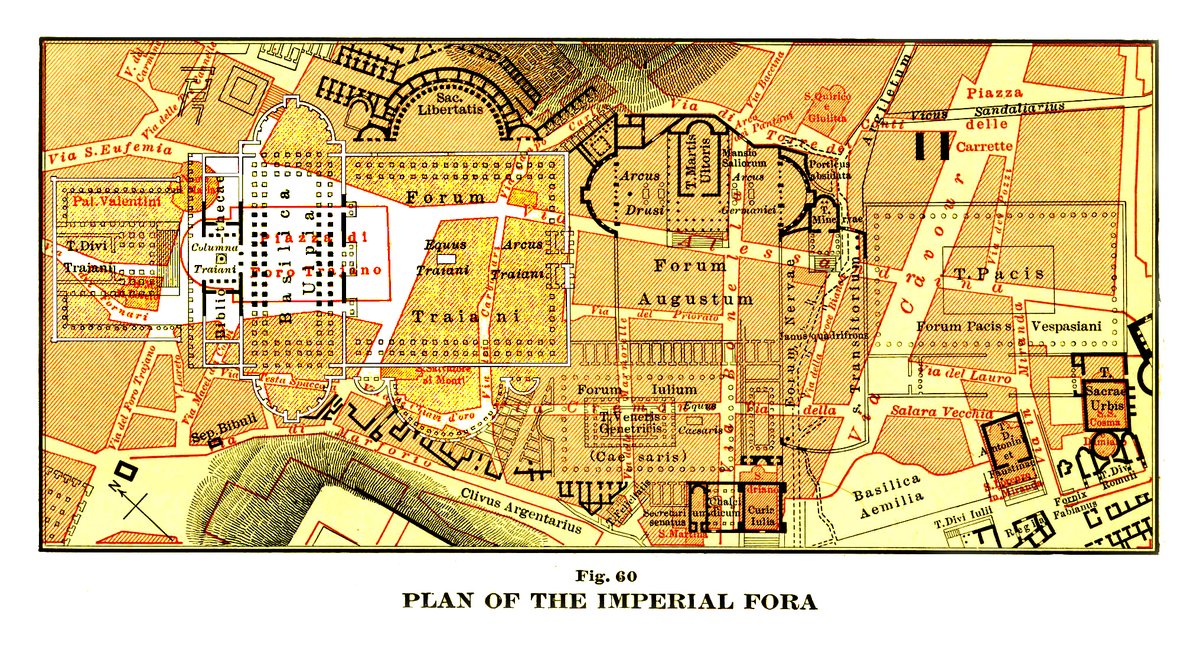
Julius Caesar commissioned the Forum Iulium as a response to the crowding of the original Roman Forum, aiming to create a grand public space for political, judicial, and commercial activities (History.com). Construction started in 54 BCE and was completed by 46 BCE, requiring the demolition of an entire neighborhood and a massive investment equivalent to hundreds of millions of euros today (Viaggio nei Fori). The rectangular plaza was framed by colonnades and featured the Temple of Venus Genetrix as its focal point (Madain Project).
Architectural Features and Layout
The forum’s entrance was marked by a triumphal arch, leading to a rectangular piazza surrounded by colonnaded porticoes (My Rome Pass). The Temple of Venus Genetrix, central to the design, symbolized Caesar’s divine lineage and victory at Pharsalus. The site also included tabernae (shops/offices), a currency exchange, and public facilities. Adjacent to the forum, the Curia Julia (new Senate house) embodied the fusion of religious and political authority (Viaggio nei Fori).
Political and Cultural Significance
Political Significance
The Forum of Caesar was both a practical extension of the city’s civic center and a bold political statement. By relocating the Senate house (Curia Julia) and establishing the Temple of Venus Genetrix, Caesar solidified his dominance, linking his rule to divine ancestry and the foundations of Rome (Viaggio nei Fori; History Hit). Public gatherings, Senate meetings, and celebratory games took place here, setting a precedent for future imperial forums (My Rome Pass).
Cultural Significance
The forum was a center for religious worship, especially at the Temple of Venus Genetrix. Major festivals, sacrifices, and processions reinforced the connection between the ruling elite and the divine (AncientPedia). Social gatherings, commercial transactions, and civic announcements also occurred here, highlighting the site’s role in the daily life of Romans (Museos.com; The Geographical Cure).
Artistic innovation is evident in the use of marble and the scale of colonnades and statuary, influencing public architecture throughout the Roman world (World History Encyclopedia).
Later Modifications and Historical Events
After Caesar’s assassination, Augustus expanded the forum, adding colonnades and integrating it further into the Imperial Fora (My Rome Pass). The forum suffered damage in the fire of 80 CE but was restored by Trajan, including the reconstruction of the Temple of Venus Genetrix (History Hit). Over time, as Rome’s center shifted, the forum’s prominence declined.
Decline, Rediscovery, and Excavation
With Rome’s decline, the forum was built over and forgotten. Excavations in the 20th century, particularly during the construction of the Via dei Fori Imperiali, uncovered its foundations, temple remains, and colonnades (Viaggio nei Fori). Restoration in the 1920s–30s made the site accessible to the public (My Rome Pass), and ongoing excavations continue to reveal new insights (The Past).
Visitor Information
Visiting Hours
- Standard Hours: 8:30 AM to 7:00 PM (last entry 1 hour before closing)
- Seasonal Adjustments: Check official websites or the Parco Colosseo before visiting.
- Closed: January 1st, May 1st, December 25th
Tickets
- Included in Combined Ticket: Colosseum, Roman Forum, Palatine Hill, and Imperial Fora
- Standard Ticket: €16–18 (as of June 2025)
- Reduced/Free Entry: EU citizens (18–25), under 18s, people with disabilities, and first Sundays
- Purchase: Online booking is recommended (rome.us; Rome Tourist)
Accessibility
- Partial wheelchair access: Ramps and a lift near Trajan’s Column, but some uneven surfaces persist (Wanted in Rome).
Guided Tours
- Available in multiple languages: Licensed guides, audio guides, and apps offer historical context (Rome Info).
- Self-guided options: Signage and downloadable maps enhance independent exploration.
Nearby Attractions
- Roman Forum, Palatine Hill, Colosseum, Capitoline Museums, Piazza Venezia
- Access: Walkable from Colosseo Metro (Line B) and major bus lines (rome.us).
Photography
- Personal photography allowed; tripods require permission; drones prohibited.
Frequently Asked Questions (FAQ)
Q: What are the opening hours?
A: Generally, 8:30/9:00 AM–7:00 PM; check for seasonal changes.
Q: How much do tickets cost?
A: Standard adult combined tickets range from €16–18; discounts and free entry available.
Q: Is the site accessible?
A: Partially; ramps and lifts are present, but some uneven ground remains.
Q: Can I buy tickets online?
A: Yes, online booking is recommended.
Q: Are guided tours available?
A: Yes, guided and audio tours are widely available.
Q: What else is nearby?
A: Roman Forum, Palatine Hill, Colosseum, Capitoline Museums, and Piazza Venezia.
The Forum of Caesar in the Context of the Imperial Fora
The Forum of Caesar pioneered the concept of the Imperial Forum—planned, monumental complexes that displayed the achievements of Rome’s rulers (History.com; Freetoursbyfoot). Its architectural and functional innovations influenced subsequent forums, including those of Augustus, Nerva, and Trajan.
Legacy and Modern Significance
As both a symbol of Caesar’s ambition and a model for imperial urbanism, the Forum of Caesar is a focal point for research, education, and tourism (Madain Project; Viaggio nei Fori). Its ruins offer insights into ancient life and continue to inspire planners and historians worldwide.
Practical Insights for Visitors
Key Monuments
- Temple of Venus Genetrix: Centerpiece and symbol of Caesar’s lineage and authority (Museos.com)
- Curia Julia: Senate house, crucial for political history
- Via Sacra: Ceremonial road connecting major Roman sites (The Geographical Cure)
Visitor Tips
- Book tickets online to avoid lines (Rome Tourist).
- Visit early or late to avoid crowds and heat (Roma Pass).
- Guided tours provide valuable context, especially for first-time visitors (The Geographical Cure).
- Accessibility: Check latest information for mobility access.
Cultural Events
- Night shows and multimedia events: Enhance the ruins with projections and historical narration (Viaggio nei Fori).
Preservation
- Respect barriers and guidance to protect the site (Museos.com).
Multimedia Night Shows
Experience the immersive “Viaggio nel Foro di Cesare” night show, which uses videomapping and sound to recreate the forum’s original grandeur (Colosseum Rome Tickets). Shows run May–September; tickets are €15 for adults, discounted for students and groups.
Guided Tours and Self-Guided Visits
Numerous guided tours of Ancient Rome include the Forum of Caesar (Stories by Soumya). Self-guided visitors can use on-site panels and the Parco Archeologico app for a comprehensive experience (Rome Info).
Visitor Facilities
- Restrooms: At main entrances
- Water fountains: Available; bring a refillable bottle
- Seating/shade: Limited; wear sun protection and comfortable shoes
Photography Guidelines
Personal photography is allowed; tripods require permission. Drones are strictly prohibited.
Safety and Health Tips
- Wear sturdy shoes and bring sun protection.
- Carry water, especially in summer.
- In emergencies, dial 112.
Visiting with Children
The forum is family-friendly but best suited to older children. Strollers may have difficulty on uneven surfaces.
Nearby Amenities and Accommodation
- Dining: Cafes and trattorias nearby, especially along Via dei Fori Imperiali and in Monti
- Accommodation: Ranges from luxury hotels with forum views to budget apartments (rome.us)
Summary and Travel Recommendations
The Forum of Caesar remains a monumental testament to Rome’s grandeur and Caesar’s vision. From its architectural innovations and religious symbolism to its role in political and civic life, the forum is essential for understanding Rome’s imperial history. Modern excavations and events bring the site’s stories to life, while combined tickets and mobile resources make visiting easy and rewarding (History Hit; AncientPedia; My Rome Pass; Rome Tourist; Viaggio nei Fori; Rome Info).
Tickets & tours.
These are guided options from our partners — same price as booking direct.
Prices are indicative — final pricing and availability are confirmed at checkout. Audiala may earn a commission from bookings made through these links.
Listen to the full story in the app
The whole Forum Of Caesar,
told well.
Audio guides for 1,100+ cities across 96 countries. History, stories, and local insight — offline ready.
Verified, and shown.
Researched and written by the Audiala editorial team from historical records, architectural archives, and local expertise.
Researched from Wikidata, Wikipedia & official sources · fact-checked · How we make our guides →