Plan and listen to Forum Nervae with Audiala.
Audio guide in your pocket, itinerary in your browser. Built for the way you actually visit.
Introduction
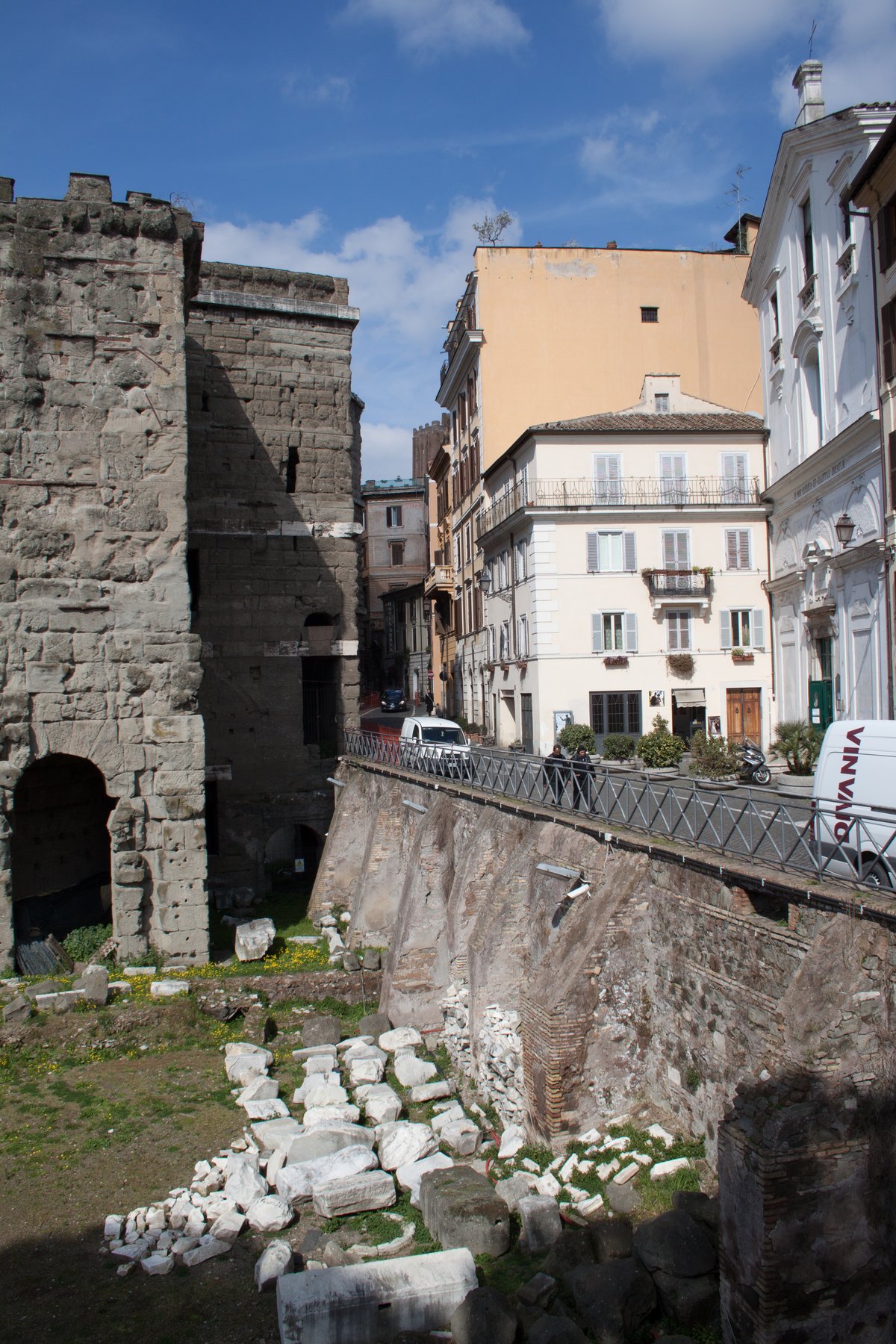
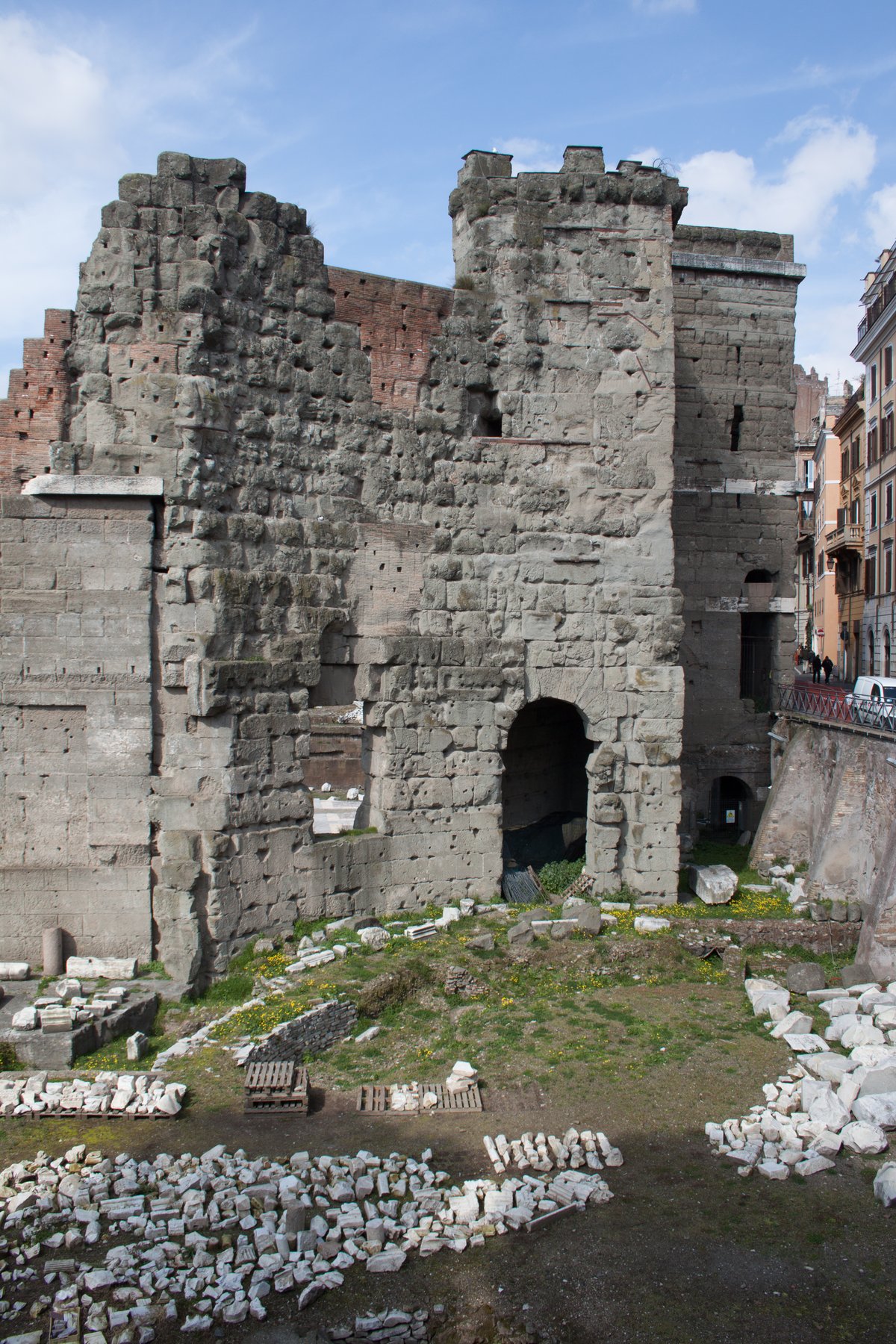
The Forum Nervae—also known as the Forum Transitorium or Forum of Nerva—is a significant yet often overlooked gem among Rome’s imperial forums. Built at the end of the 1st century CE, it demonstrates the ingenuity of Roman urban planning, architectural adaptation, and the deep intertwining of political and religious life during the Flavian and early Nerva-Antonine periods. Conceived under Emperor Domitian and completed by his successor Nerva in 97 CE, the forum’s narrow, elongated layout was a masterful response to the spatial constraints between the Forums of Caesar, Augustus, and the Temple of Peace. Its most prominent features include the Temple of Minerva and the iconic “Colonnacce” columns, which still stand as a testament to Rome’s enduring legacy.
This comprehensive guide will provide you with essential details for planning your visit: opening hours, ticketing, accessibility, travel tips, nearby attractions, and the best ways to experience this unique historical site. Whether you are a history aficionado or a traveler eager to uncover Rome’s layers, the Forum Nervae offers a window into the city’s imperial grandeur (Musei in Comune Roma, Ancient Rome Live, Summer in Italy).


Origins and Construction
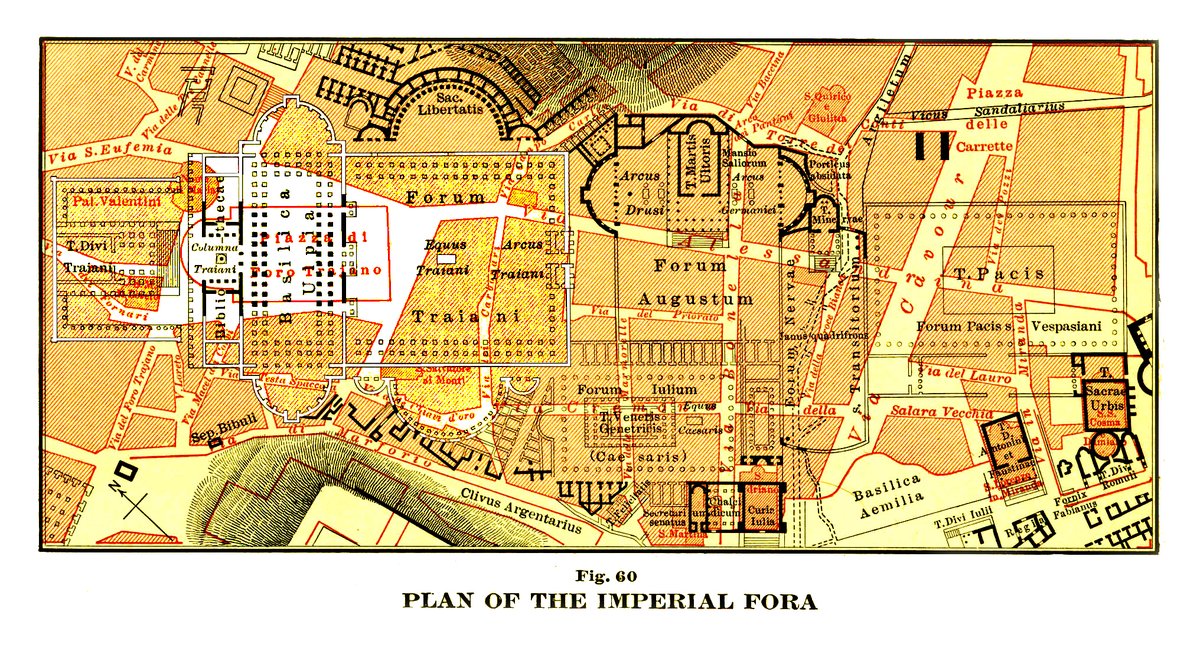
The Forum Nervae was initiated under Emperor Domitian to complete Rome’s sequence of imperial forums and optimize the limited land between the Forums of Caesar, Augustus, and the Temple of Peace. Its construction began in the late first century CE and was finished by Nerva in 97 CE. The forum was strategically placed along the ancient Argiletum, a street vital for connecting the Roman Forum to the Subura district, resulting in its elongated and corridor-like design (Musei in Comune Roma, Ancient Rome Live).
Architectural Features
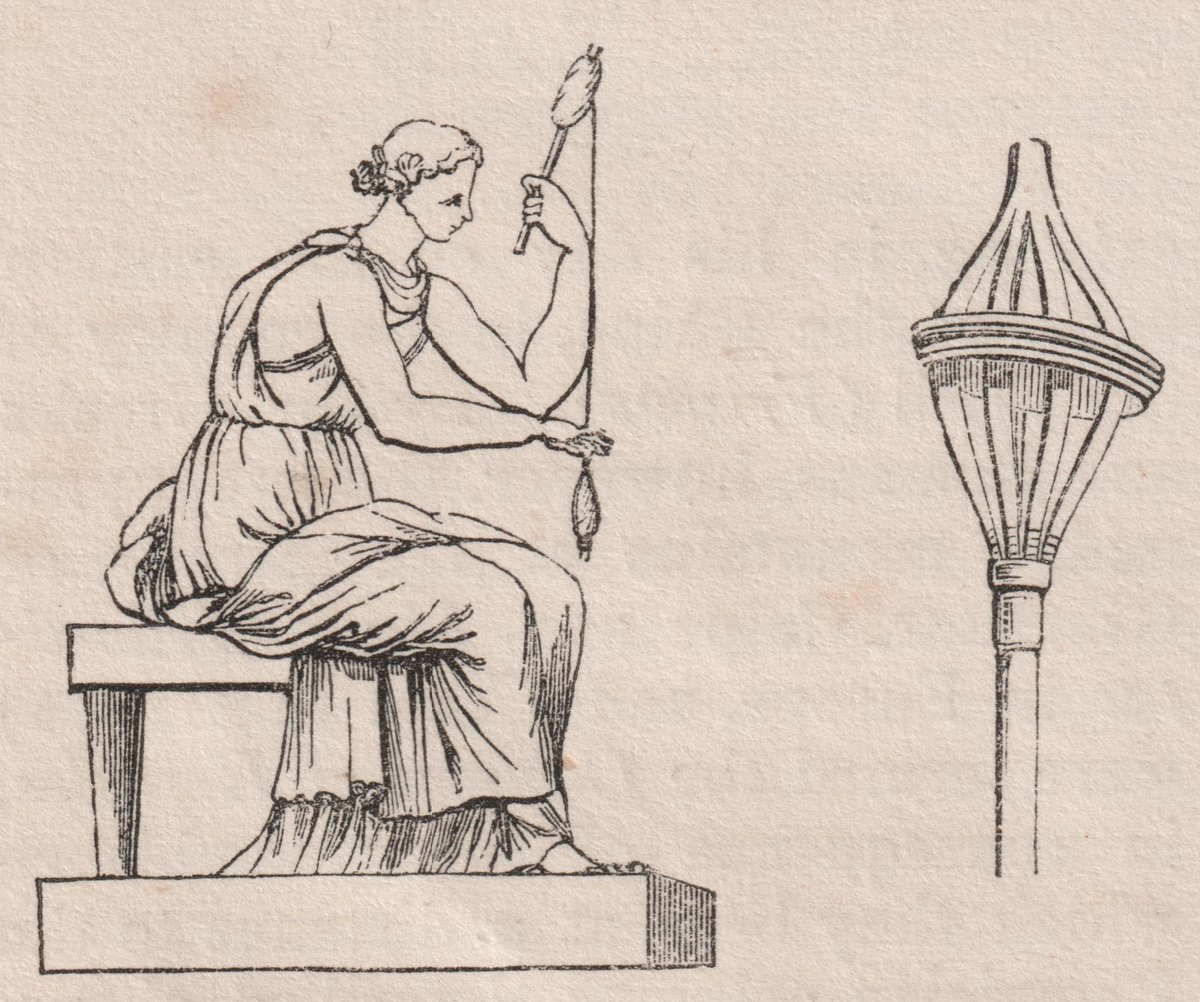
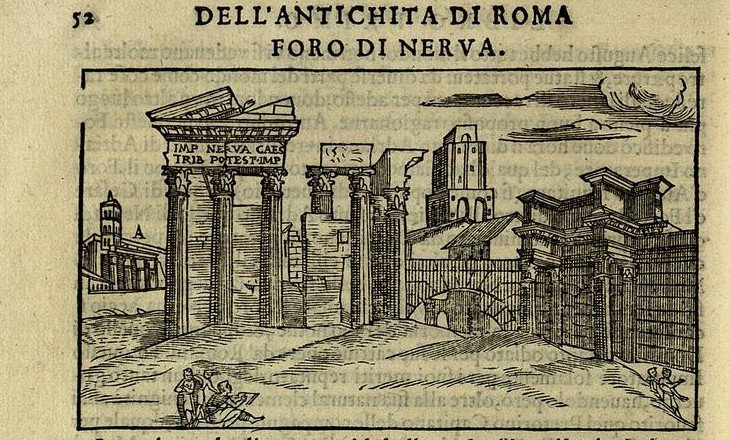
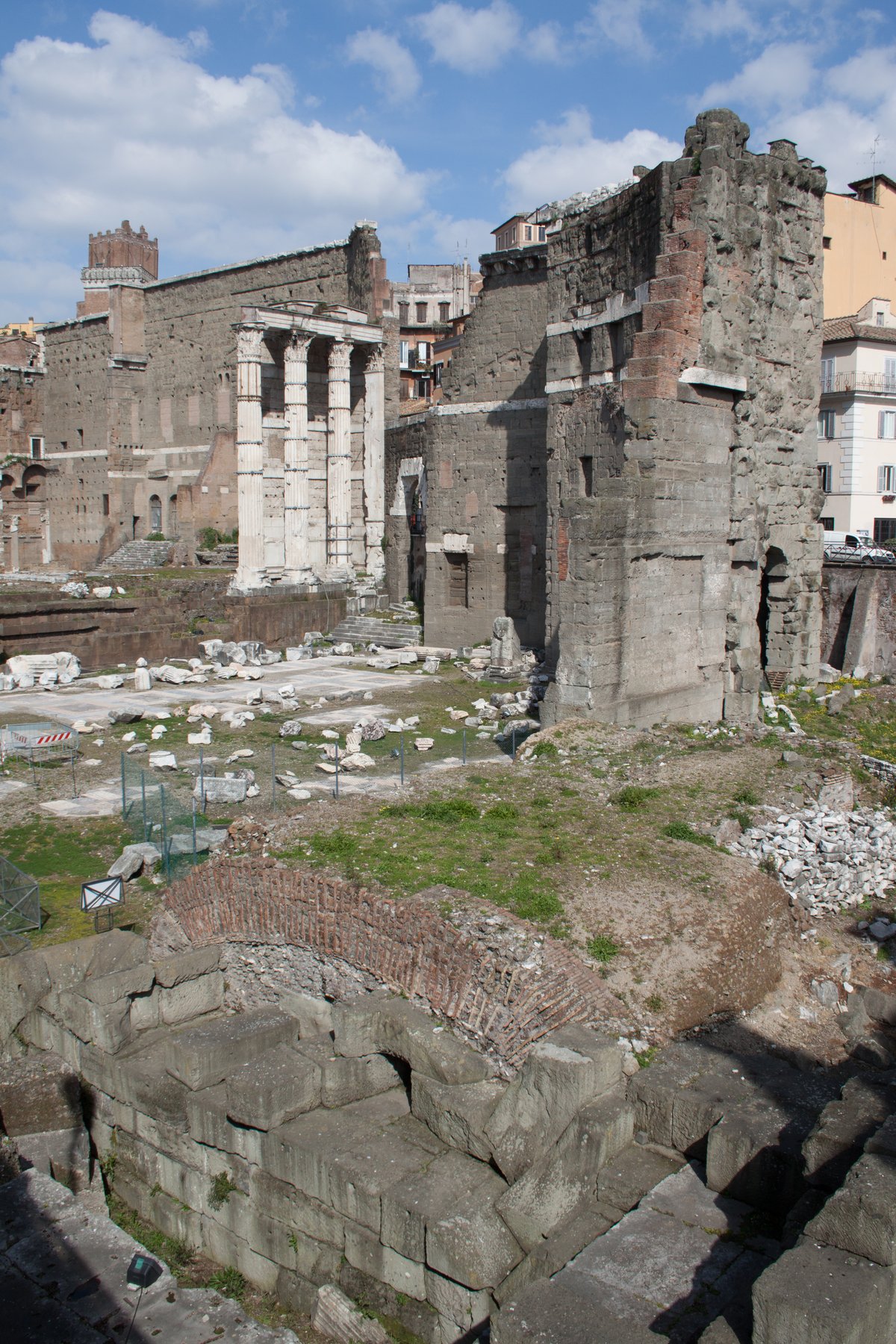
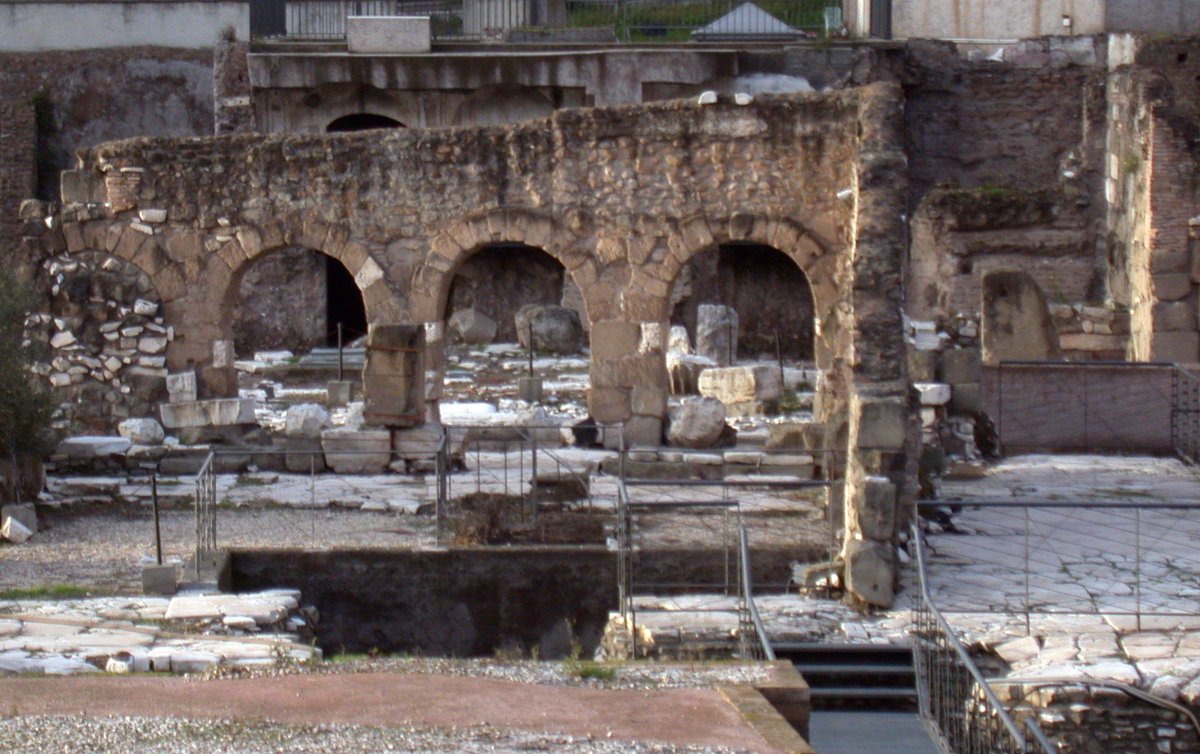
Measuring about 120–125 meters long and 45 meters wide, the Forum Nervae was narrower than its neighboring forums. The western end featured the Temple of Minerva, distinguished by a six-columned Corinthian portico, Phrygian marble, and elaborate friezes symbolizing wisdom and imperial protection. The forum’s most recognizable remnants are the “Colonnacce”—two standing columns topped with an entablature and reliefs depicting Minerva and mythological scenes. The forum’s walls were lined with engaged columns and decorative motifs, maximizing the sense of grandeur within a confined space (Ancient Rome Live, My Rome Pass).
Political and Religious Significance
Dedicated to Minerva, the patron goddess of Domitian, the Forum Nervae was both a political and religious statement. Its completion by Nerva, following Domitian’s assassination and subsequent damnatio memoriae, signaled continuity and stability. The forum served as a ceremonial thoroughfare—hence “Forum Transitorium”—and a hub for commerce, worship, and public gatherings (Musei in Comune Roma, Wikipedia).
Later History and Archaeological Rediscovery
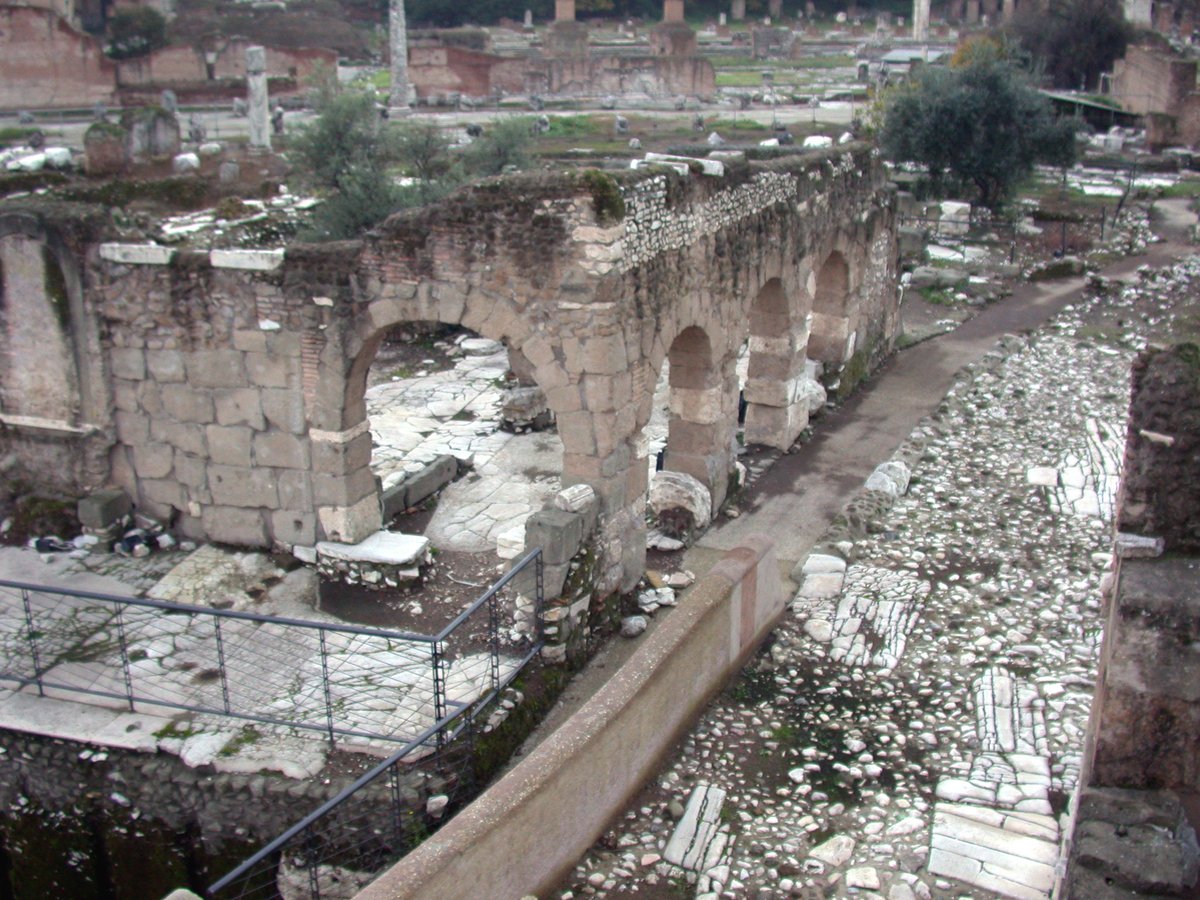
Through the Middle Ages, the forum’s buildings were repurposed for housing and city infrastructure. In 1606, Pope Paul V ordered the demolition of the Temple of Minerva, using its materials for new monuments. Systematic archaeological excavations in the 20th century revealed much of the forum, though some areas were affected by the construction of Via dei Fori Imperiali. Today, the “Colonnacce” and sections of the forum wall remain visible, offering insight into its original form (Platner, 1929, Ancient Rome Live).
Visitor Information
Opening Hours
- General Hours: Daily from 9:00 AM to 7:00 PM (last admission at 6:00 PM–6:30 PM).
- Seasonal Variations: Hours may change during special events or holidays; always check official sources before your visit (tour.rome.it).
Tickets and Admission
- Ticketing: Entry to the Forum Nervae is included in the combined ticket for the Roman Forum, Palatine Hill, and Imperial Fora.
- Prices: Standard adult tickets are approximately €16 (as of June 2025), with reduced rates for EU citizens aged 18–25 and free entry for children under 18. Roma Pass and other city tourist cards also cover entry (romeactually.com, visititaly.eu).
- Purchase: Tickets can be bought online via the Parco Colosseo website or at ticket offices near the Colosseum and Roman Forum.
Accessibility
- The archaeological park features uneven ancient pavements. Some areas are accessible via ramps and designated pathways, but mobility-impaired visitors should check details in advance or contact the site for the latest accessibility information.
Guided Tours and Special Events
- Guided Tours: Available in multiple languages and highly recommended for in-depth understanding.
- Night Tours: Summer months often feature special multimedia installations and nighttime tours, including immersive projections and audio narratives (romeactually.com).
- Audio Guides and Apps: Digital resources, such as the Audiala and Parco Colosseo apps, offer interactive maps and detailed commentary.
How to Get There
- Location: Central Rome, between the Forum of Augustus and the Forum of Peace.
- Main Entrance: Largo della Salara Vecchia.
- Public Transit: Metro stations (Colosseo, Cavour) and several bus lines are nearby. The area is also easily walkable from other major attractions.
Nearby Attractions
- Combine your visit with the Colosseum, Roman Forum, Palatine Hill, Forum of Augustus, and Capitoline Museums—all within short walking distance and often included in combined tickets.
Practical Visitor Tips
- Best Time to Visit: Early morning or late afternoon to avoid crowds and heat, especially in June and during the 2025 Jubilee (untolditaly.com).
- What to Bring: Comfortable walking shoes, refillable water bottle (public fountains are available), sunscreen, and a hat.
- Health & Safety: Be mindful of pickpockets in crowded areas and follow posted guidelines to help preserve the site.
- Cultural Etiquette: Greet staff and guides politely, respect barriers, and avoid touching ancient structures.
Events and Special Considerations for 2025
- Jubilee 2025: Expect increased crowds and possible changes in hours or access due to special events (visititaly.eu). Book tickets and accommodation well in advance, and check the official Jubilee calendar for updates.
Frequently Asked Questions (FAQ)
Q: What are the Forum Nervae visiting hours?
A: Generally, daily from 9:00 AM to 7:00 PM; last entry 6:00–6:30 PM. Always check official sources for seasonal changes.
Q: How much do tickets cost?
A: Standard adult tickets are approximately €16, with reduced rates for EU citizens aged 18–25 and free entry for children under 18. Tickets cover multiple Imperial Fora sites.
Q: Is Forum Nervae accessible for people with disabilities?
A: Some areas are accessible via ramps; however, much of the terrain is uneven. Confirm details in advance.
Q: Are guided tours available?
A: Yes, guided and audio tours are available and highly recommended. Nighttime multimedia tours are also offered in summer.
Q: Where can I buy tickets?
A: Online at Parco Colosseo or at ticket offices near major Roman landmarks.
Q: Is photography allowed?
A: Yes, for personal use. Tripods and drones may require permission.
Tickets & tours.
These are guided options from our partners — same price as booking direct.
Prices are indicative — final pricing and availability are confirmed at checkout. Audiala may earn a commission from bookings made through these links.
Listen to the full story in the app
The whole Forum Nervae,
told well.
Audio guides for 1,100+ cities across 96 countries. History, stories, and local insight — offline ready.
Verified, and shown.
Researched and written by the Audiala editorial team from historical records, architectural archives, and local expertise.
B. (1929). Forum Nervae. In A Topographical Dictionary of Ancient Rome
Researched from Wikidata, Wikipedia & official sources · fact-checked · How we make our guides →