Plan and listen to Fontanone Di Ponte Sisto with Audiala.
Audio guide in your pocket, itinerary in your browser. Built for the way you actually visit.
Introduction
The Fontanone di Ponte Sisto, located in the lively Piazza Trilussa at the southern end of the Ponte Sisto bridge, is an outstanding example of Rome’s Baroque civic architecture and hydraulic ingenuity. Commissioned in the early 17th century by Pope Paul V Borghese and designed by Giovanni Vasanzio with hydraulic engineering by Giovanni Fontana, the fountain not only addressed pressing urban water needs but also celebrated papal patronage and Rome’s ongoing urban transformation. Today, the Fontanone di Ponte Sisto is a beloved local landmark and a must-see for visitors to Rome, offering a unique blend of historical, architectural, and cultural significance. This detailed guide provides everything you need to know for your visit, including historical context, architectural highlights, practical information, and tips for making the most of your experience.

Historical Background
Origins and Papal Initiatives
In the early 1600s, Rome’s left bank neighborhoods—Trastevere, the Vatican, and Borgo—suffered from chronic water shortages, as existing aqueducts mainly served the city’s right bank. Recognizing this, Pope Paul V (pontificate: 1605–1621) initiated the restoration of the ancient Acquedotto Traiano, sourcing water from Lake Bracciano to bring fresh water to these underserved areas (Roma Capitale, Vatican Museums). The project was vital for improving public health and supporting the city’s growing population.
The Ospizio dei Cento Preti
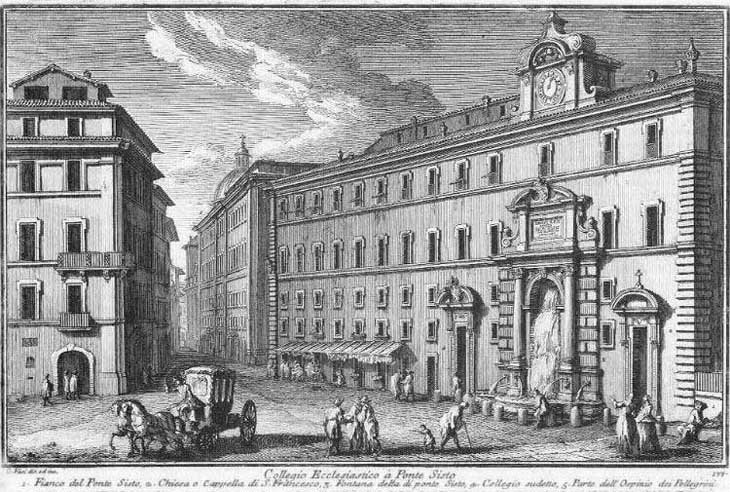
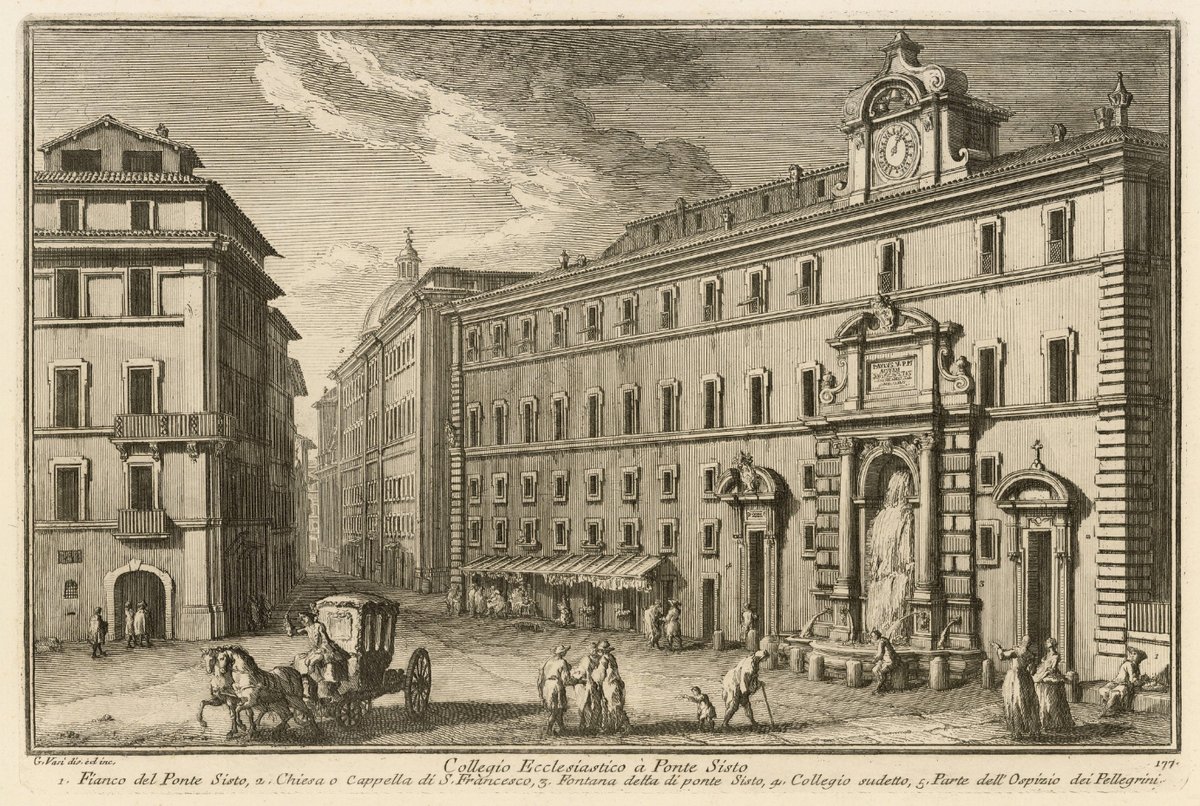
A few decades before the fountain’s construction, Pope Sixtus V had established the Ospizio dei Cento Preti, a hospice and hospital for the poor, near the end of Ponte Sisto. The restored aqueduct was ingeniously routed across the Tiber, with the bridge serving as support for this new water infrastructure. The fountain at the hospice’s entrance was intended to both commemorate and serve this charitable institution.
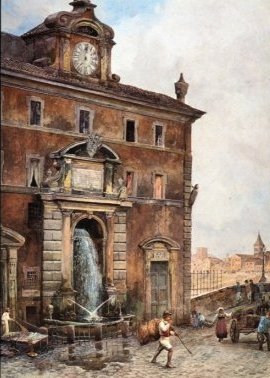
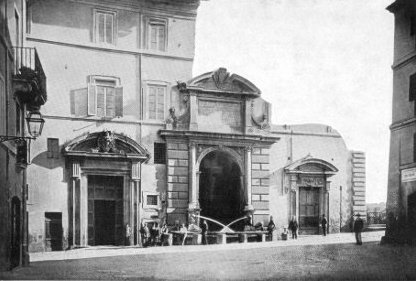
Construction and Original Location
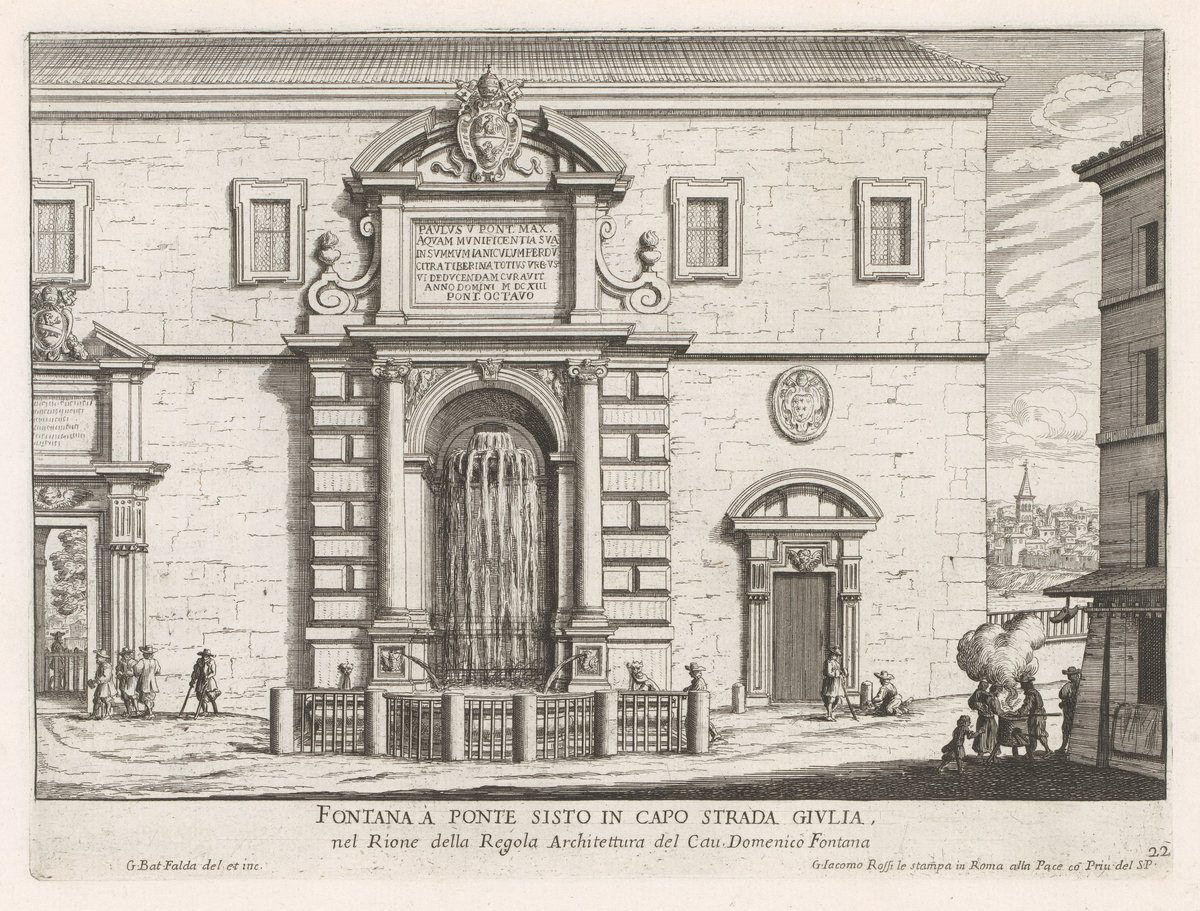
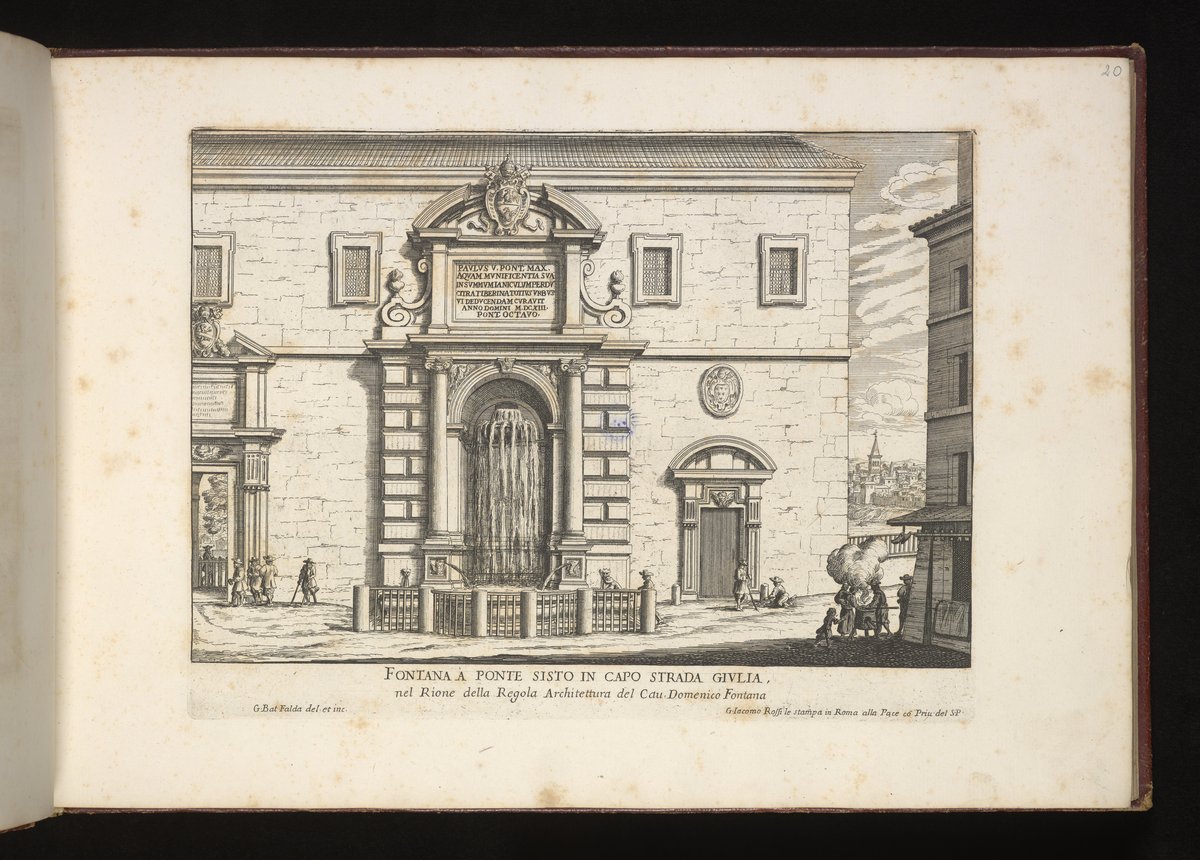
Completed in 1613, the fountain was designed by Giovanni Vasanzio (Giovanni Van Santen), a Dutch-born architect, with engineering by Giovanni Fontana. Its elaborate Baroque design incorporated:
- A grand travertine niche flanked by marble columns
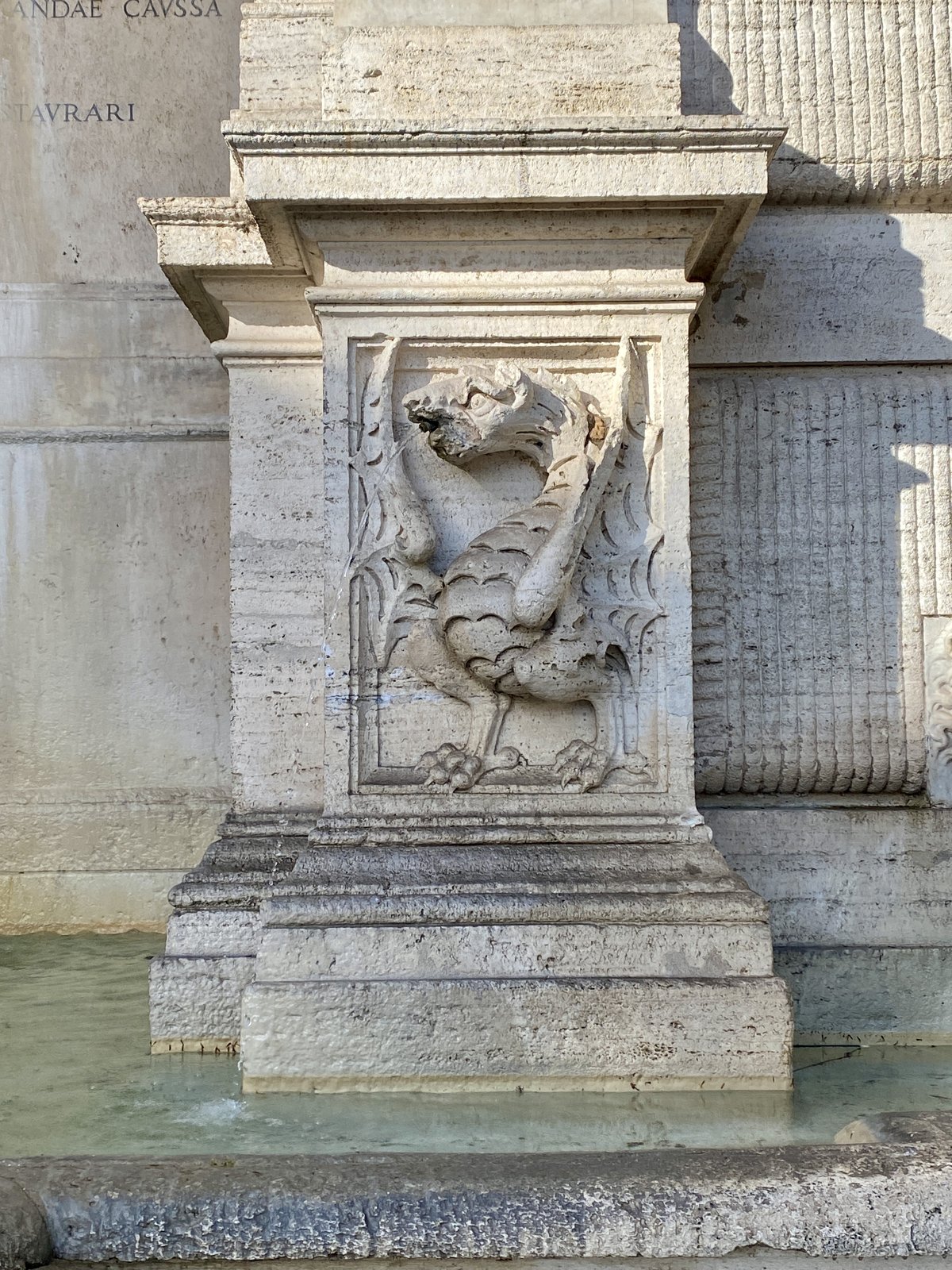
- Heraldic dragons and lions, symbols of the Borghese family
- The papal coat of arms and a commemorative Latin inscription
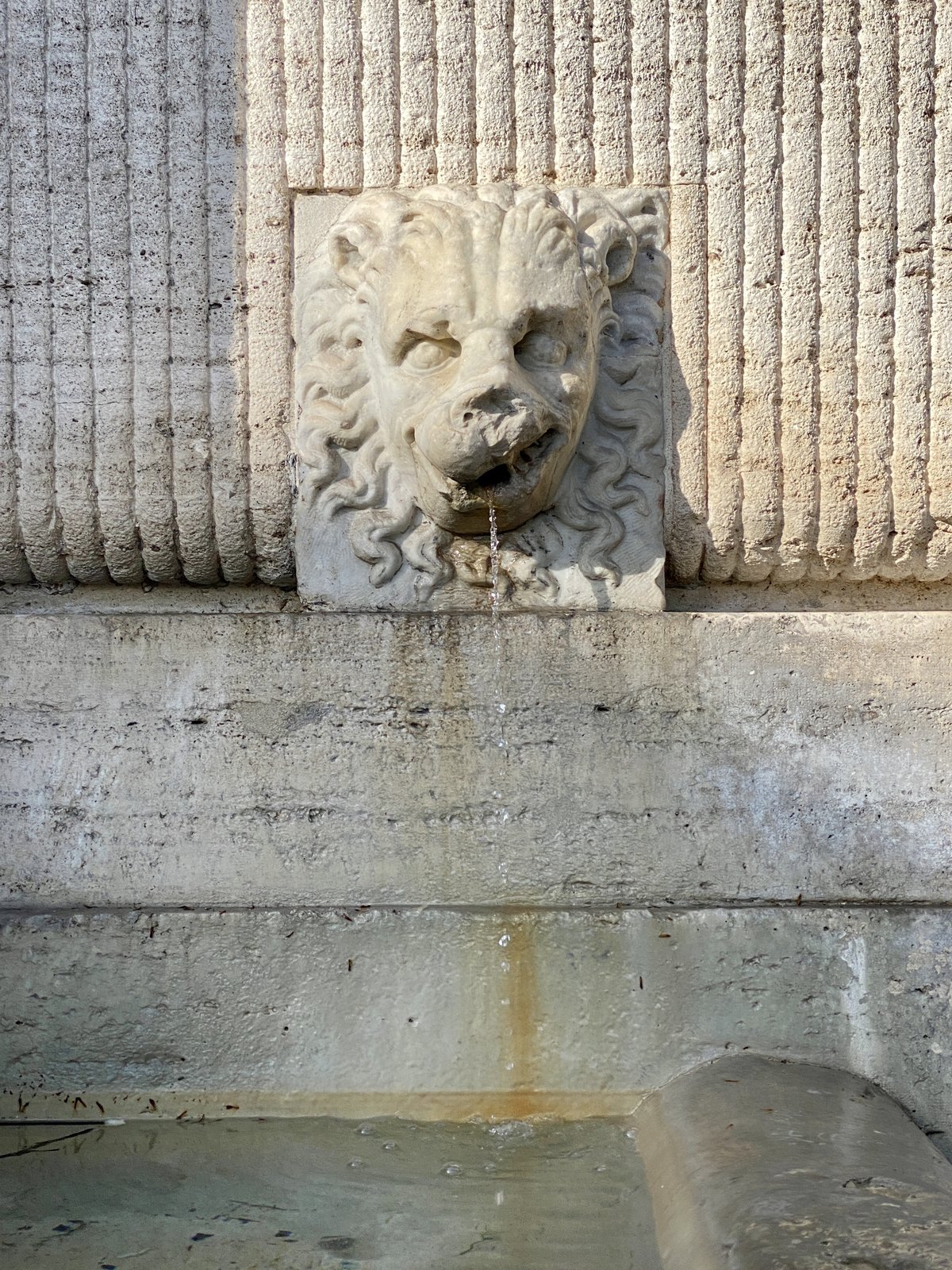
- Water pouring from an ornate mask into cascading basins (Roma Segreta, Roma.com)
Relocation and Restoration
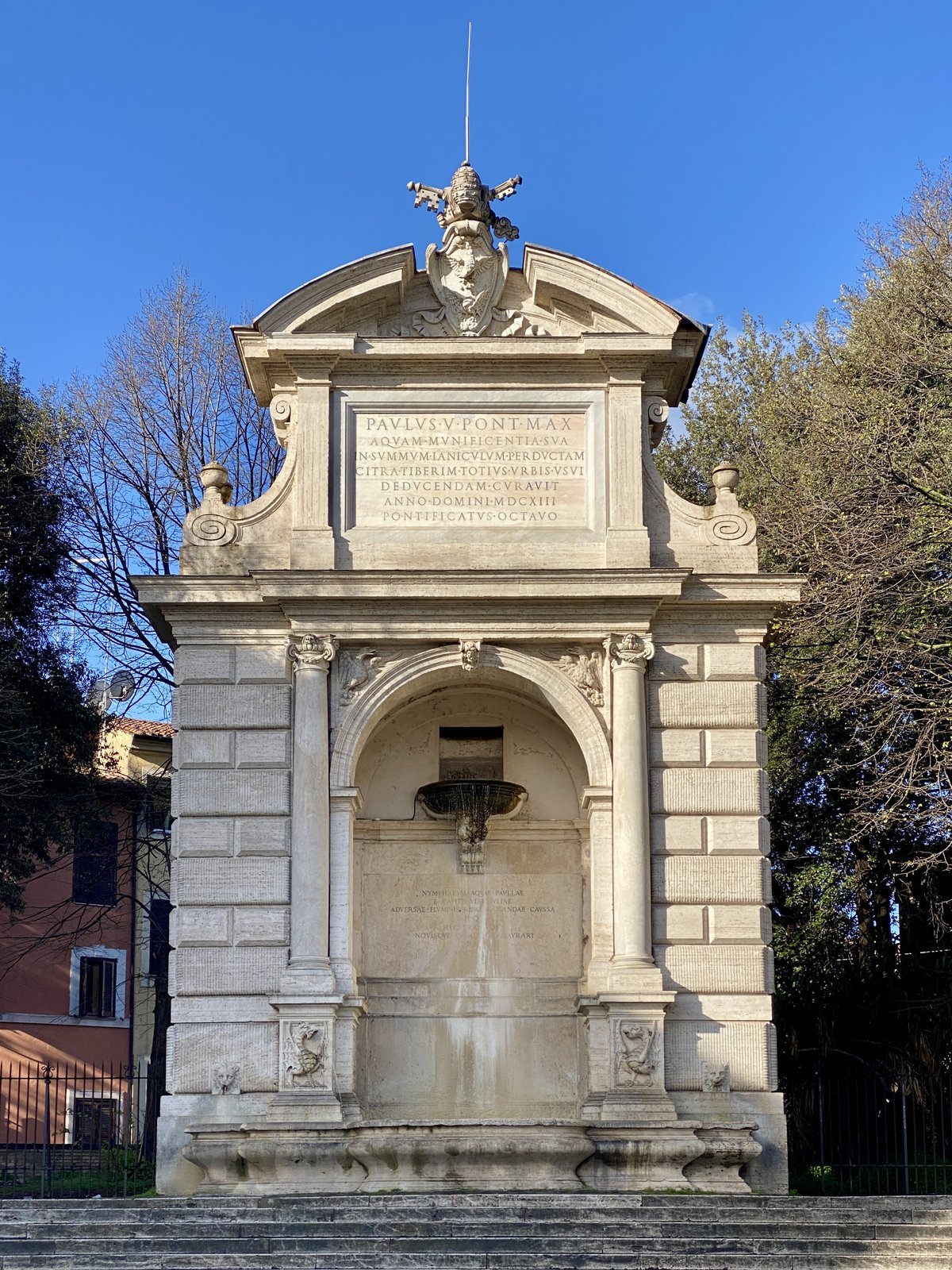
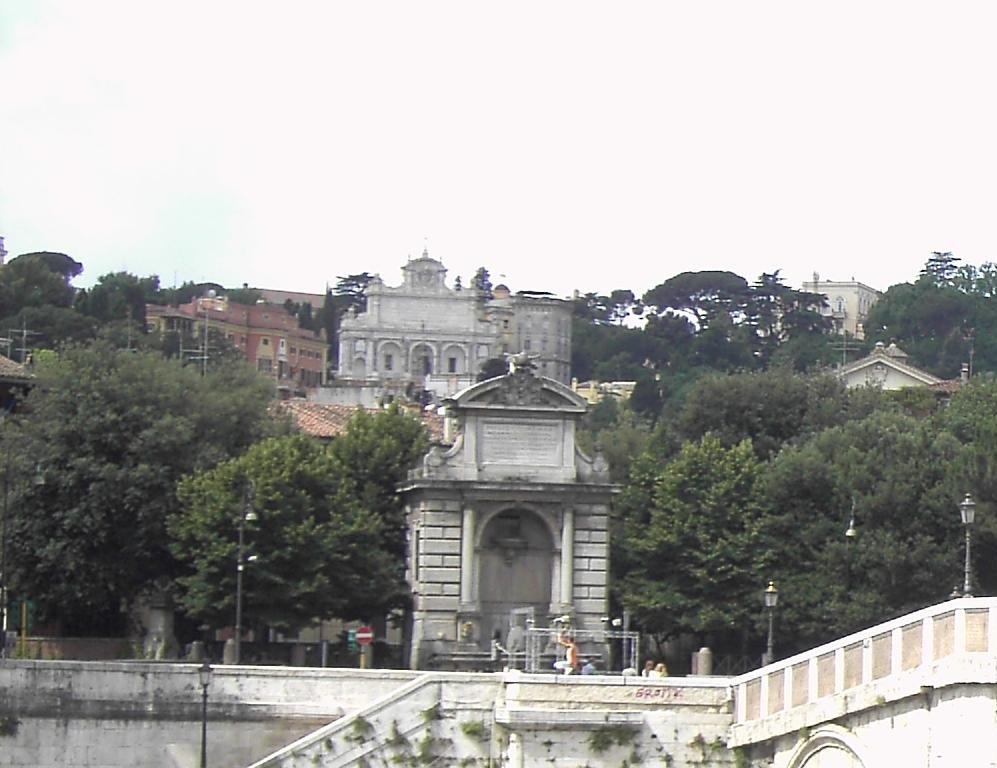
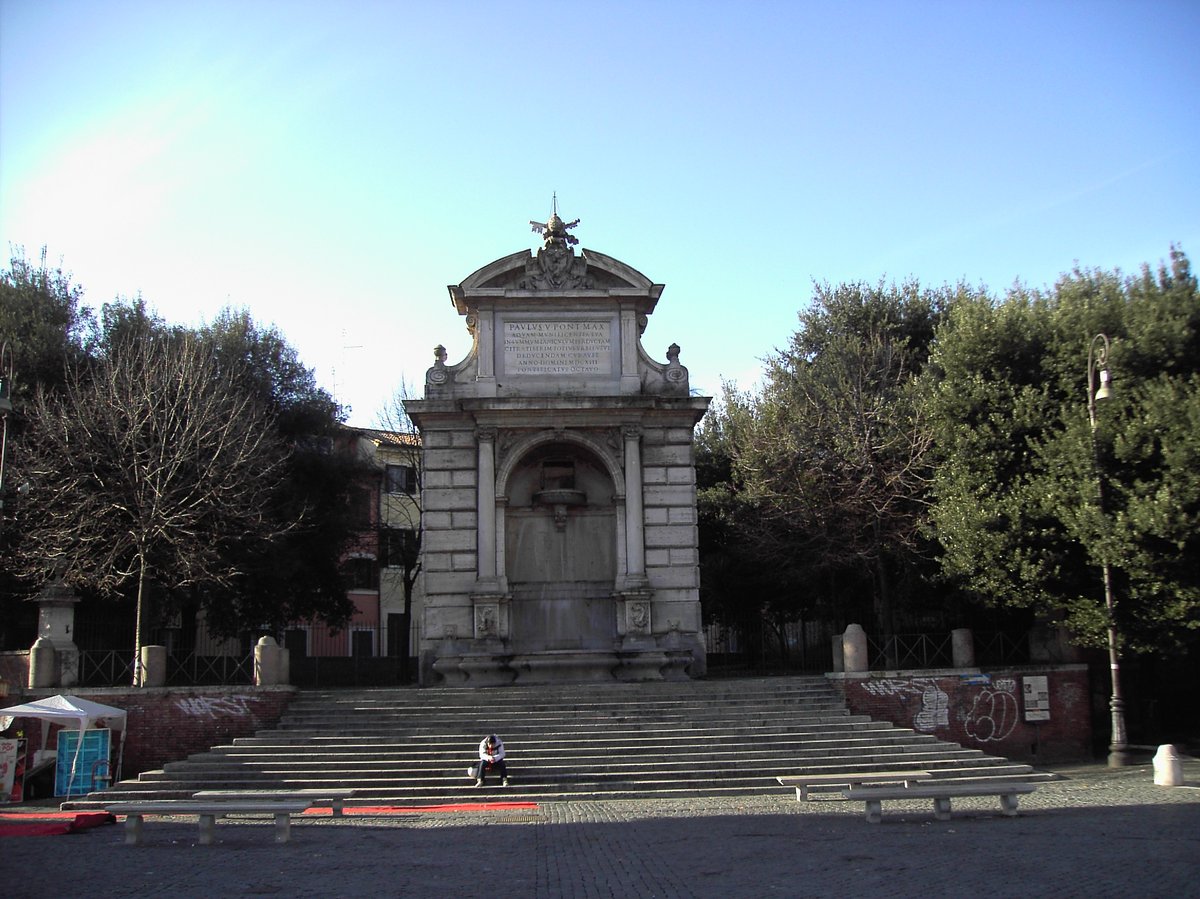
In the late 19th century, the construction of the Tiber's embankments (muraglioni) to protect Rome from flooding led to the demolition of the Ospizio and the dismantling of the fountain. Many original stones were lost, causing public dismay (Wikipedia). In 1898, architect Angelo Vescovali led the reconstruction of the fountain at its current location in Piazza Trilussa, reusing about half the original materials. The fountain now faces the bridge atop a broad staircase, serving as a visual gateway to Trastevere.
Architectural Features and Artistic Details
The Fontanone di Ponte Sisto is a hallmark of early Baroque monumental fountain design. Its symmetrical layout features a central niche framed by robust pilasters and acanthus capitals. Above the niche sits the papal coat of arms, flanked by decorative reliefs of aquatic motifs—shells, dolphins, and waves—that reflect Rome’s relationship with water (Fontane di Roma). The fountain’s materials—primarily travertine from Tivoli—add luminosity and durability.
Elaborate sculptural details include:
- A central mask spouting water
- Heraldic dragons and lions as water jets
- Latin inscriptions commemorating the aqueduct restoration and the fountain’s historical significance (Comune di Roma)
Waterworks and Hydraulic Engineering
Originally supplied by the Acqua Paola aqueduct, the fountain’s hydraulic system used pressure-regulating valves and concealed piping to provide a robust, continuous flow (Acea Gruppo). The sound of cascading water was both practical—supplying fresh water to the neighborhood—and aesthetically pleasing, enhancing the sensory experience for visitors. Today, the water flow is significantly reduced, with the upper basin often dry and smaller jets from the decorative spouts.
Integration with Urban Context
Strategically placed at the head of Ponte Sisto, the fountain marks the transition from Rome’s historic center to the artisan-rich Trastevere district (Roma Capitale). Its stepped base connects the sloping Piazza Trilussa with the Tiber embankment, creating a dramatic visual axis with the bridge and the city beyond.
Social and Cultural Importance
Historically, the Fontanone was a vital stop for pilgrims and locals, providing water and refreshment. Over time, it became a social hub and a stage for civic events, religious processions, and cultural gatherings. Today, its steps are a popular meeting place for locals and tourists who enjoy street performances, music, and the vibrant nightlife of Trastevere (Italy Perfect).
The fountain’s enduring presence in art, literature, and film—often symbolizing transitions and connections—reflects its deep cultural resonance. Its role in significant historical moments, such as the Roman Republic of 1849, further underscores its civic importance.
Visiting Information
Hours, Tickets, and Accessibility
- Visiting Hours: Open 24/7 as an outdoor public monument.
- Entry Fee: Free; no tickets required.
- Accessibility: The square is accessible for visitors with mobility challenges, though the fountain itself sits atop a staircase. Ramps nearby and level paving in the square aid accessibility.
Guided Tours and Best Times to Visit
- Guided Tours: Many walking tours of Trastevere include the Fontanone. Audio guides and apps like Audiala offer in-depth historical context.
- Best Times to Visit: Early morning for tranquility and optimal photography; evenings for lively atmosphere and street performances, particularly in June during festival season (Visit Italy).
How to Get There
- On Foot: Easily reachable from central Rome (Campo de’ Fiori, Piazza Navona, Jewish Ghetto).
- Public Transport: Tram line 8 and several buses stop near Piazza Trilussa (Rome.us).
- By Taxi: Taxi stands are nearby.
- By Metro: Closest metro is Spagna (Line A), then a short bus ride or walk.
Nearby Attractions
- Ponte Sisto Bridge: Historic pedestrian bridge with panoramic Tiber views (This Way to Italy).
- Basilica di Santa Maria in Trastevere: Landmark church with stunning mosaics (Basilica di Santa Maria in Trastevere).
- Campo de’ Fiori: Lively market square.
- Trastevere District: Known for its winding streets, artisan shops, and authentic Roman cuisine.
Tips for Visitors
- Photography: Early morning and sunset offer the best light and fewer crowds.
- Footwear: Wear comfortable shoes for cobbled streets.
- Safety: Watch for pickpockets in crowds.
- Etiquette: Do not climb on the fountain or enter the basins.
- Local Experience: Enjoy gelato or aperitivo at nearby cafes and immerse yourself in the evening ambiance (Rome Actually).
Frequently Asked Questions (FAQ)
Q: What are the visiting hours for Fontanone di Ponte Sisto?
A: Accessible 24/7 as an outdoor monument.
Q: Is there an entrance fee?
A: No, it is free to visit.
Q: Are guided tours available?
A: Yes, many Trastevere walking tours include the fountain; audio guides and apps are also available.
Q: Is it accessible for people with disabilities?
A: The square is accessible, but the staircase may present challenges; nearby ramps improve access.
Q: How do I get there by public transport?
A: Tram 8 and several buses stop near Piazza Trilussa, and the area is walkable from central Rome.
Events and Seasonal Highlights
June is an especially festive month, with open-air concerts, street performances, and cultural events animating Piazza Trilussa and the banks of the Tiber (Visit Italy). The fountain serves as a lively backdrop for these gatherings.
Tickets & tours.
These are guided options from our partners — same price as booking direct.
Prices are indicative — final pricing and availability are confirmed at checkout. Audiala may earn a commission from bookings made through these links.
Listen to the full story in the app
The whole Fontanone Di Ponte Sisto,
told well.
Audio guides for 1,100+ cities across 96 countries. History, stories, and local insight — offline ready.
Verified, and shown.
Researched and written by the Audiala editorial team from historical records, architectural archives, and local expertise.
Researched from Wikidata, Wikipedia & official sources · fact-checked · How we make our guides →