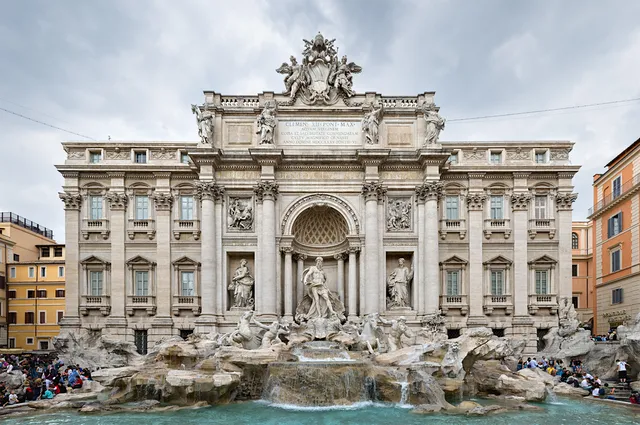
Plan and listen to Fontana Di Piazza D'Aracoeli with Audiala.
Audio guide in your pocket, itinerary in your browser. Built for the way you actually visit.
Introduction
Nestled at the foot of Rome’s Capitoline Hill, the Fontana di Piazza d’Aracoeli stands as a striking testament to the city’s Renaissance artistry and urban evolution. Designed by Giacomo della Porta and commissioned in 1589 by Pope Sixtus V, this fountain is more than an architectural ornament—it represents a pivotal era in Rome’s transformation, blending practical water supply with enduring aesthetic beauty. Its sculptural features, symbolic heraldry, and centuries of restoration underscore its importance in the historical and cultural landscape of the Eternal City.
Visitors will find the fountain freely accessible at all hours, offering an evocative pause amid the city’s vibrant streets and iconic landmarks. This comprehensive guide details the fountain’s history, artistic highlights, visiting information, nearby attractions, and practical travel tips to ensure a rewarding experience.
For up-to-date details and official visitor information, consult resources like the Turismo Roma website and the Sovrintendenza Capitolina.
Historical Background
Renaissance Origins and Purpose
The Fontana di Piazza d’Aracoeli emerged during a period of urban revitalization in late 16th-century Rome. Commissioned by Pope Sixtus V, the fountain was part of a broader initiative to expand the city’s public water supply via the Acqua Felice aqueduct, ensuring fresh water for underserved neighborhoods (Wikipedia, Italy4.me).
Construction and Symbolism
Giacomo della Porta’s design was realized with the collaboration of sculptors Andrea Brasca, Pietro Gucci, and Pace Naldini. The fountain originally featured a two-tiered marble basin, grotesque mascarons, and a central sphere symbolizing unity. Its artistic program combined classical motifs, such as putti (cherubic children) pouring water from amphorae, with heraldic shields of the Popolo Romano and later the Chigi family, underscoring papal patronage (Rome City Guide, Turismo Roma).
Later Modifications
In the 18th century, architect Giambattista Contini modified the base, adding a large pool and balustrade. Further enhancements in the 19th century adapted the fountain to a changing urban context, as the piazza’s surroundings transformed alongside Rome’s modernization (Sovrintendenza Capitolina).
Artistic Features and Architecture
Layout and Structure
The fountain’s oval marble basin, favored by della Porta for its harmonious lines, is adorned with four mascarons—grotesque faces that serve as water spouts. A sculpted plinth at the center supports a baluster and upper basin, with heraldic shields representing the Popolo Romano and Chigi family. Four putti atop the upper basin pour water from amphorae, referencing both Renaissance playfulness and classical Roman iconography (Sovrintendenza Capitolina).
Materials and Craftsmanship
Constructed primarily from marble and travertine, the fountain showcases the precision and artistry of its creators. The integration of sculptural and architectural elements reflects the collaborative spirit of the Roman Renaissance, with attention to durability and aesthetics.
Hydraulic Engineering
Fed by the Acqua Felice aqueduct, the fountain’s hydraulic design allowed water to cascade from the upper basin through mascaron mouths into the lower basin, creating a lively play of movement and sound—a hallmark of della Porta’s fountains (Sovrintendenza Capitolina).
Visiting Information
Location and How to Get There
Fontana di Piazza d’Aracoeli is located in the Campitelli district at the foot of Capitoline Hill, adjacent to Piazza Venezia and within easy walking distance of the Roman Forum and Colosseum.
- Metro: Colosseo (Line B), approx. 10 minutes on foot.
- Bus/Tram: Numerous lines stop at Piazza Venezia, steps from the fountain.
- Taxi/Rideshare: Piazza d’Aracoeli is a well-known central landmark.
Visiting Hours and Admission
- Open: 24 hours a day, 7 days a week
- Admission: Free; no tickets or reservations required
Best Times to Visit
Early mornings or late afternoons offer optimal photography light and fewer crowds. Evenings reveal the fountain softly illuminated, with a romantic atmosphere. June is a busy month in Rome, so plan accordingly (romeactually.com).
Accessibility
The piazza is mostly flat and accessible, though cobblestone surfaces may present minor challenges for wheelchair users or those with limited mobility. The fountain itself is surrounded by a low barrier for unobstructed viewing.
Nearby Attractions
- Capitoline Museums: Renowned for ancient art and history (Capitoline Museums Official Site)
- Santa Maria in Aracoeli: Historic basilica atop the Capitoline steps (Basilica di Santa Maria in Aracoeli Info)
- Piazza Venezia: Hub of activity and site of the Vittoriano monument
- Roman Forum and Palatine Hill: Archaeological treasures within walking distance
Practical Tips
- What to Bring: Comfortable shoes, camera, water bottle (use nearby “nasoni” for drinking water)
- Etiquette: Do not climb or wade in the fountain. Fines may apply for inappropriate behavior.
- Safety: The area is generally safe, but always watch your belongings in crowded spots.
- Restrooms: Available at nearby museums and major landmarks
- Cafés/Restaurants: Numerous options nearby for refreshments
Events and Seasonal Considerations
While not a primary event venue, the fountain may be included in citywide celebrations, religious processions, or local festivals. Summer brings higher foot traffic, so visiting early or late is recommended for a peaceful experience. In June, prepare for warm temperatures—bring sunscreen and water (romeactually.com).
Photography and Social Media
Fontana di Piazza d’Aracoeli is a favorite subject for photographers, especially during the golden hour. Capture the fountain’s sculptural details with the Capitoline Hill or Vittoriano as a backdrop, and tag #RomeFountains or #PiazzadAracoeli to share your experience online.

Conservation and Sustainability
Ongoing maintenance and recent restorations—most notably in 2025 as part of the PNRR - Caput Mundi program—ensure the fountain’s preservation for future generations. Visitors are encouraged to respect the monument and report any damage to local authorities (roma.com).
Frequently Asked Questions (FAQ)
Q: Is there an entrance fee?
A: No, the fountain is freely accessible at all times.
Q: Is the fountain wheelchair accessible?
A: The piazza is mostly flat and accessible, but cobblestones may cause minor difficulties.
Q: Can I take photos at the fountain?
A: Yes, photography is encouraged.
Q: Are guided tours available?
A: Many guided walking tours of Rome’s historic center include the fountain.
Q: What are the best times to visit?
A: Early morning or late afternoon for optimal lighting and smaller crowds.
Q: How do I get there by public transportation?
A: Metro Line B (Colosseo) is about a 10-minute walk; multiple bus and tram lines serve Piazza Venezia.
Plan Your Visit
For more information on visiting hours, guided tours, and nearby attractions, visit the official Turismo Roma website or download the Audiala app for personalized travel guides and updates. Explore related articles, such as Trevi Fountain Visiting Hours & Tips, Piazza Navona Attractions, and Roman Forum Walking Tours.
Summary and Recommendations
Fontana di Piazza d’Aracoeli is a distinguished symbol of Rome’s Renaissance innovation and enduring civic pride. Its blend of artistic elegance, historical layers, and urban vitality makes it a must-see for anyone exploring the Eternal City. Freely accessible and centrally located, the fountain is an ideal starting point for discovering Rome’s multifaceted heritage. Enhance your visit with guided tours, linger for photographs during quieter hours, and use the Audiala app for expert tips and real-time updates.
Embrace the opportunity to experience this living monument—an intersection of past and present, art and urban function—at the heart of Rome.
Tickets & tours.
These are guided options from our partners — same price as booking direct.
Prices are indicative — final pricing and availability are confirmed at checkout. Audiala may earn a commission from bookings made through these links.
Listen to the full story in the app
The whole Fontana Di Piazza D'Aracoeli,
told well.
Audio guides for 1,100+ cities across 96 countries. History, stories, and local insight — offline ready.

Verified, and shown.
Researched and written by the Audiala editorial team from historical records, architectural archives, and local expertise.
Researched from Wikidata, Wikipedia & official sources · fact-checked · How we make our guides →