Plan and listen to Fontana Delle Tartarughe with Audiala.
Audio guide in your pocket, itinerary in your browser. Built for the way you actually visit.
Introduction
Rome, the Eternal City, is a treasure trove of history, culture, and art. Among its myriad attractions, the phrase 'Le Tartarughe' might catch the attention of curious travelers. Directly translating to 'The Turtles' in Italian, 'Le Tartarughe' can refer to various elements within Rome, from exquisitely crafted fountains and artistic sculptures to charming restaurants and businesses. This guide aims to demystify 'Le Tartarughe,' providing an in-depth look at its potential references, including the renowned Fontana delle Tartarughe (Fountain of the Turtles), and offering practical visitor tips. Whether you are a history enthusiast, an art lover, or simply someone planning a trip to Rome, understanding the significance and context of 'Le Tartarughe' can enrich your travel experience (Turismo Roma).

Identification and Contextual Background
While 'Le Tartarughe' directly translates to 'The Turtles' in Italian, it doesn’t correspond to a singular, well-defined landmark or attraction in Rome. This phrase might be encountered in various contexts throughout the city, leading to potential confusion for tourists.
History and Significance
'Le Tartarughe' as a General Reference
-
Fountains: Rome is renowned for its numerous, exquisitely crafted fountains. Some of these fountains might feature turtles as decorative elements. However, without a specific fountain name, it’s impossible to pinpoint a particular location.
-
Restaurants/Businesses: 'Le Tartarughe' could be part of a restaurant, shop, or business name. Rome has a vibrant culinary scene and numerous businesses, making it likely for a place to incorporate 'The Turtles' in its name.
-
Artwork/Sculptures: Rome boasts a rich artistic heritage. 'Le Tartarughe' might refer to a specific artwork or sculpture depicting turtles, but without further context, it’s challenging to identify.
Fontana delle Tartarughe (Fountain of the Turtles)
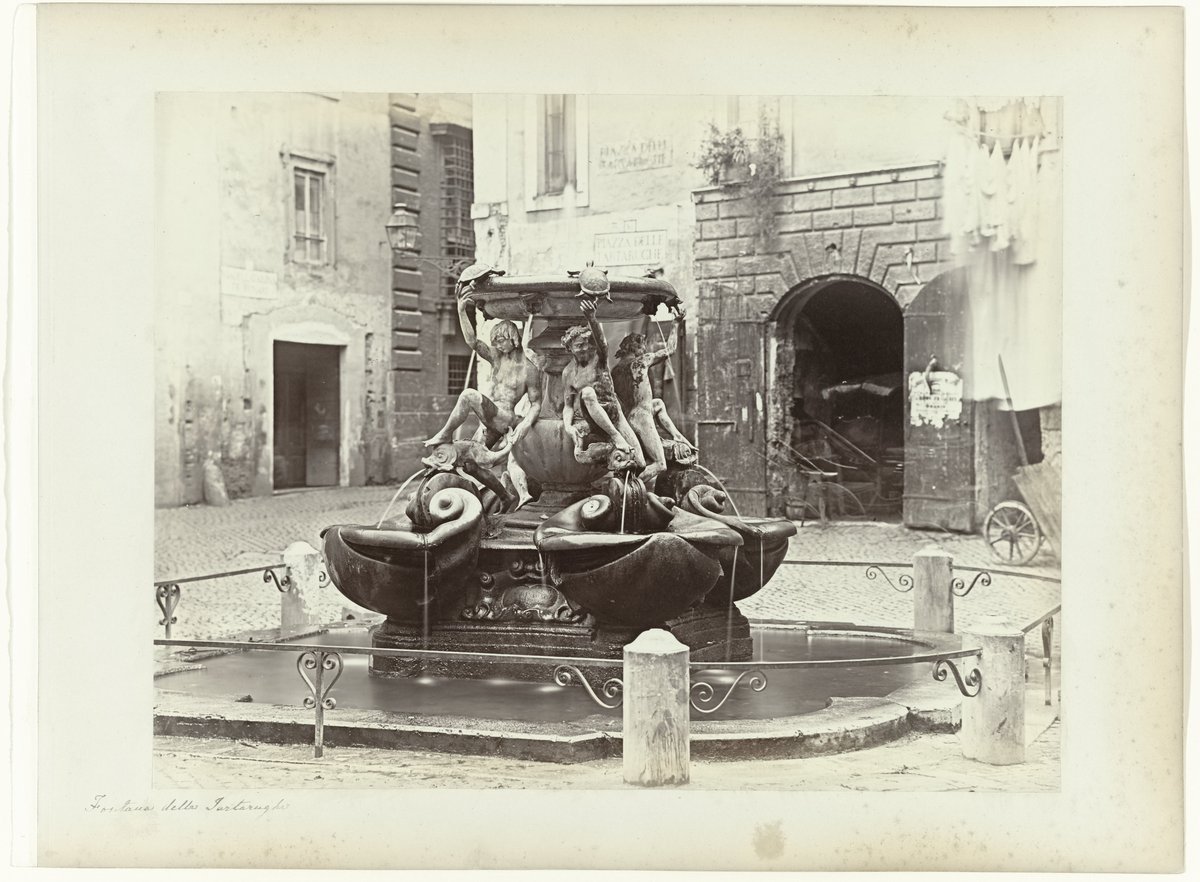
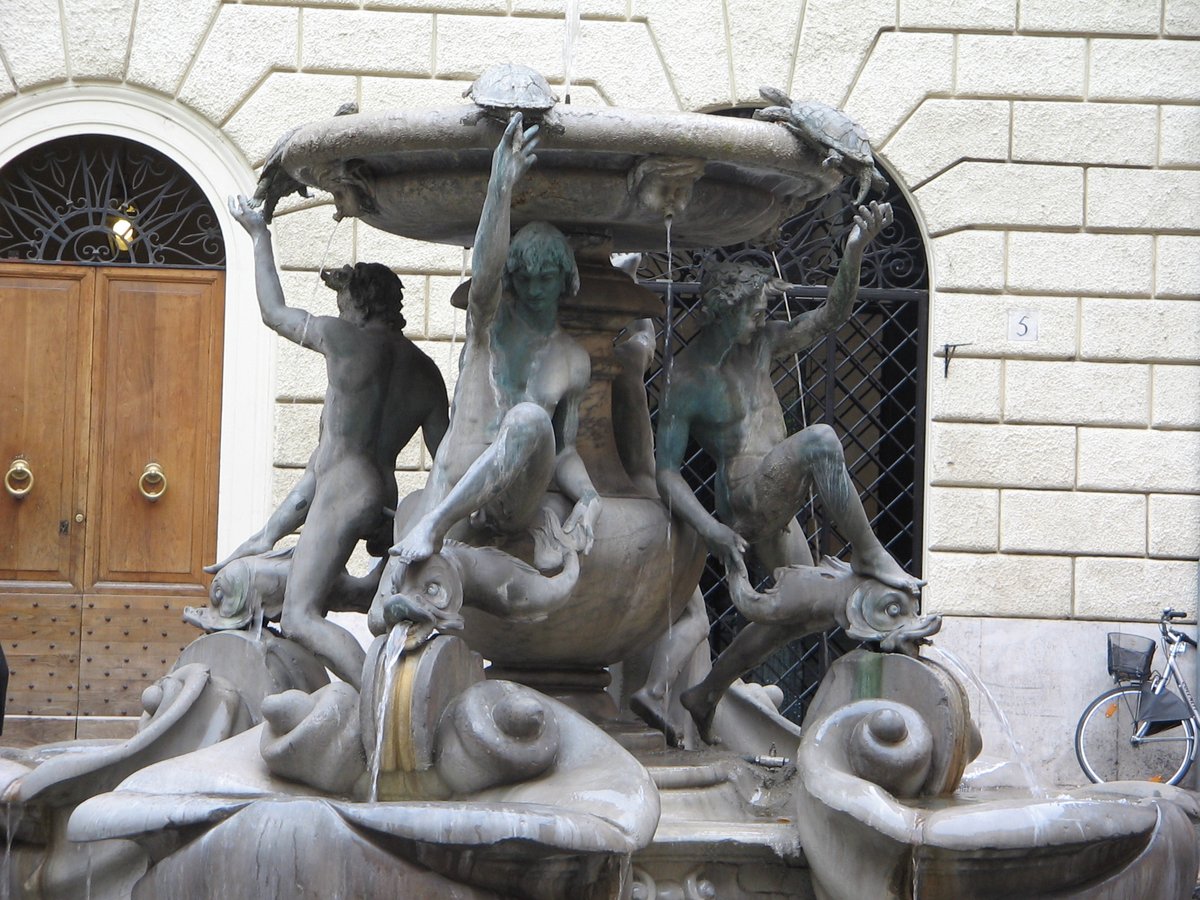
The Fontana delle Tartarughe, or the Turtle Fountain, is much more than a charming Roman fountain; it's a testament to the city's rich history, artistic prowess, and intriguing narratives. Its architectural elegance and cultural significance continue to captivate visitors, offering a glimpse into Renaissance Rome.
Designed by the architect Giacomo della Porta and sculpted by Taddeo Landini, the fountain is a celebrated example of Late Renaissance architecture. Commissioned in the late 16th century during a period of significant urban renewal in Rome, the fountain was part of a larger project to improve the city's water supply and public spaces.
The fountain's design beautifully blends Mannerist and early Baroque elements. Its symmetrical composition, featuring four bronze youths gracefully encouraging the turtles into the upper basin, exudes a sense of harmony and balance. The figures, each with their own unique pose and expression, showcase the artistic skill and attention to detail prevalent during the Renaissance.
The fountain's most endearing feature, the four bronze turtles that give it its name, were not part of the original design. Added sometime between 1658 and 1659, possibly by Bernini, these playful additions inject a touch of whimsy and dynamism to the composition.
The turtles, seemingly poised to dive into the basin below, create a sense of movement and life, contrasting with the static elegance of the youths. Their addition transformed the fountain into a beloved landmark, solidifying its place in Roman folklore and capturing the hearts of locals and tourists alike.
Like many Renaissance artworks, the Fontana delle Tartarughe is rich in symbolism. The youths, often interpreted as representations of ephebes – young men undergoing military training in ancient Greece – symbolize ambition, effort, and the pursuit of virtue.
The turtles, with their association with water and longevity, could represent prosperity and good fortune. Their placement, seemingly encouraged by the youths to reach the basin above, might allude to the idea of striving for higher goals and achieving success through perseverance.
Visitor Information
Navigating the Ambiguity
To effectively assist tourists seeking 'Le Tartarughe' in Rome, it’s crucial to gather more information. Tourists should be encouraged to provide specifics, such as:
- Location: Where in Rome did they encounter this phrase? Providing a neighborhood, street name, or proximity to a known landmark would be immensely helpful.
- Context: Was it mentioned in relation to a fountain, restaurant, shop, artwork, or something else entirely?
- Visual Aids: If possible, tourists could show a picture of the place or object where they came across 'Le Tartarughe.'
Travel Tips
Importance of Clarification
The lack of specificity surrounding 'Le Tartarughe' highlights the importance of clear communication and detailed information in travel planning. Tourists should be encouraged to double-check names, locations, and gather as much context as possible to avoid confusion and ensure a smooth and enjoyable travel experience.
Nearby Attractions
Visitors interested in 'Le Tartarughe' might also enjoy other nearby attractions, such as:
- Piazza Navona: Known for its beautiful fountains and vibrant atmosphere.
- Pantheon: A marvel of ancient Roman engineering and architecture.
FAQ
What are the visiting hours for 'Le Tartarughe' sites? Visiting hours can vary depending on the specific location. For example, the Fontana delle Tartarughe in Piazza Mattei is accessible at all times, but nearby businesses or artworks may have specific operating hours.
Are there any tickets required to see 'Le Tartarughe'? Generally, there are no tickets required to view public fountains or artworks in Rome. However, entry fees may apply for certain museums or private exhibitions featuring turtle motifs.
Is there a guided tour available for 'Le Tartarughe' sites? While there might not be a specific tour dedicated solely to 'Le Tartarughe,' many comprehensive Rome tours include visits to famous fountains and artworks, which may include turtle motifs.
Tickets & tours.
These are guided options from our partners — same price as booking direct.
Prices are indicative — final pricing and availability are confirmed at checkout. Audiala may earn a commission from bookings made through these links.
Listen to the full story in the app
The whole Fontana Delle Tartarughe,
told well.
Audio guides for 1,100+ cities across 96 countries. History, stories, and local insight — offline ready.
Verified, and shown.
Researched and written by the Audiala editorial team from historical records, architectural archives, and local expertise.
Turtle Fountain
Researched from Wikidata, Wikipedia & official sources · fact-checked · How we make our guides →