Plan and listen to Flaminio Obelisk with Audiala.
Audio guide in your pocket, itinerary in your browser. Built for the way you actually visit.
Introduction
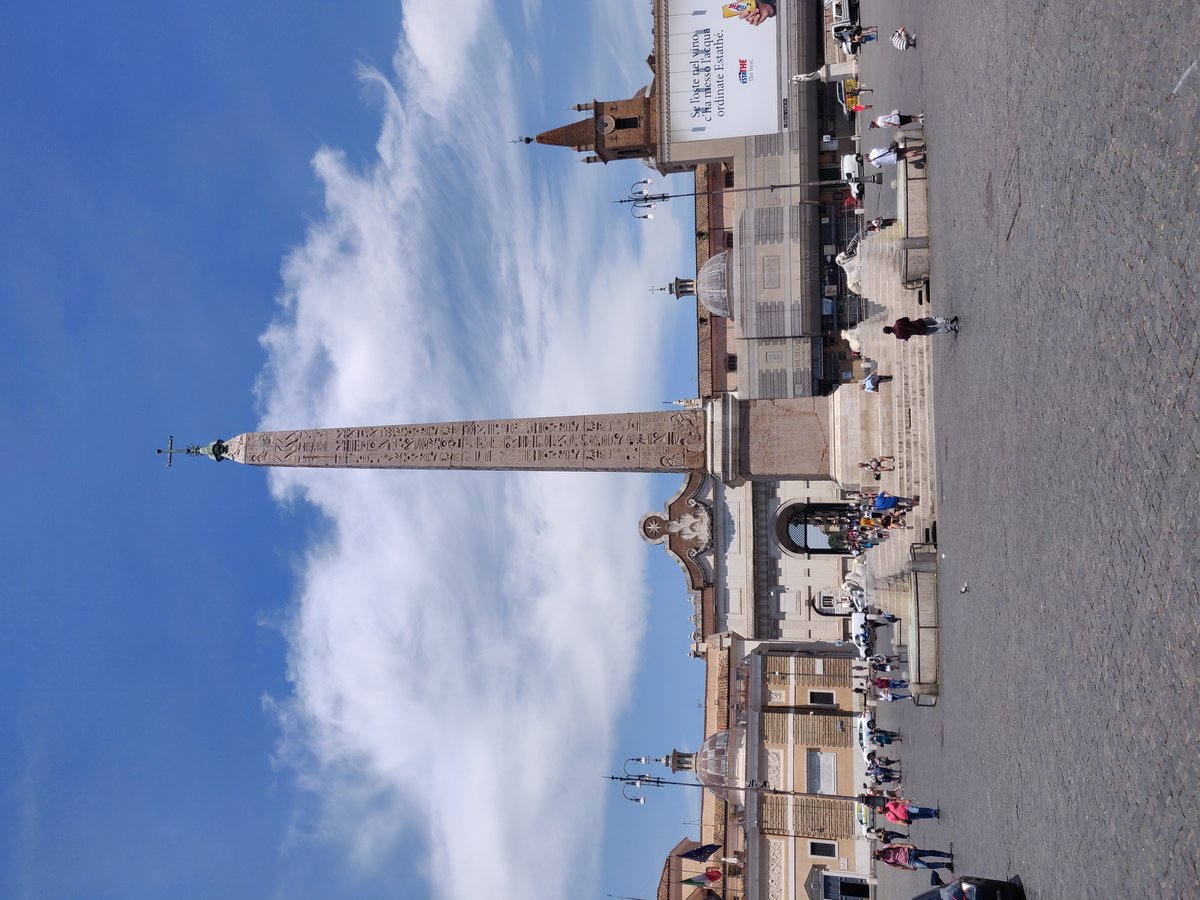
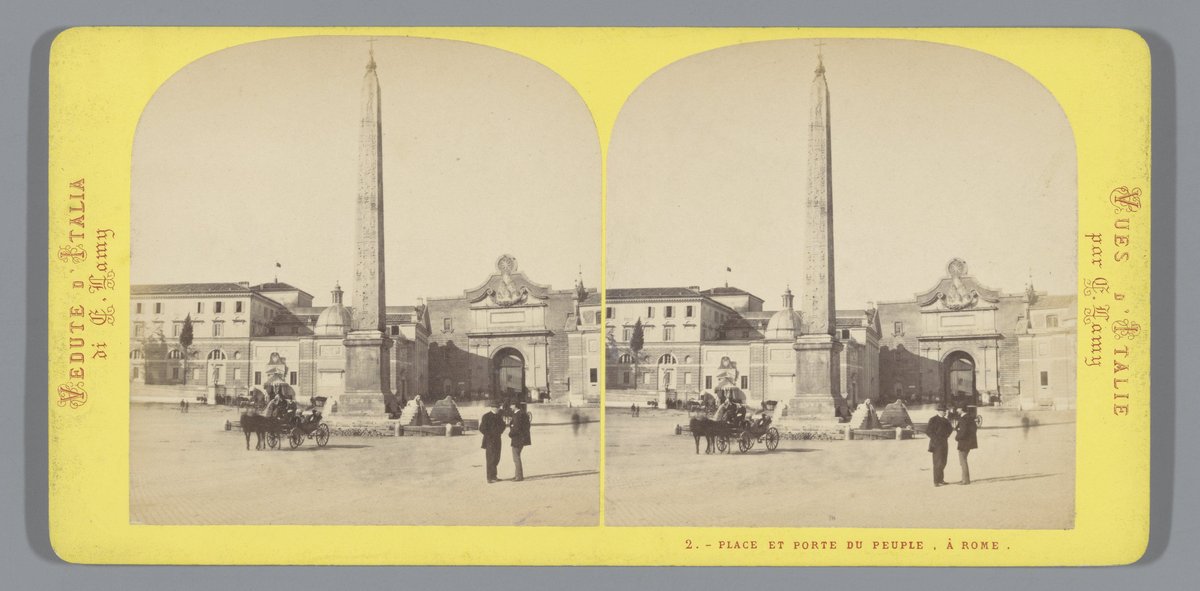
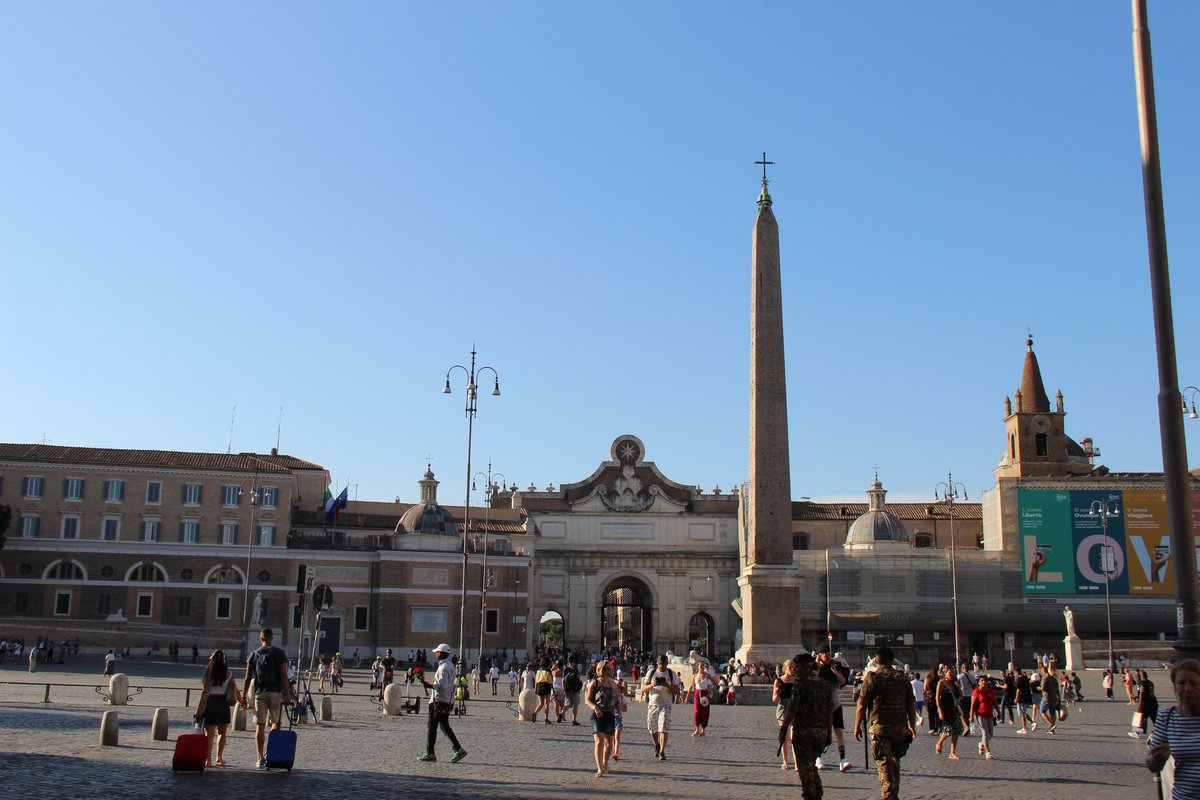
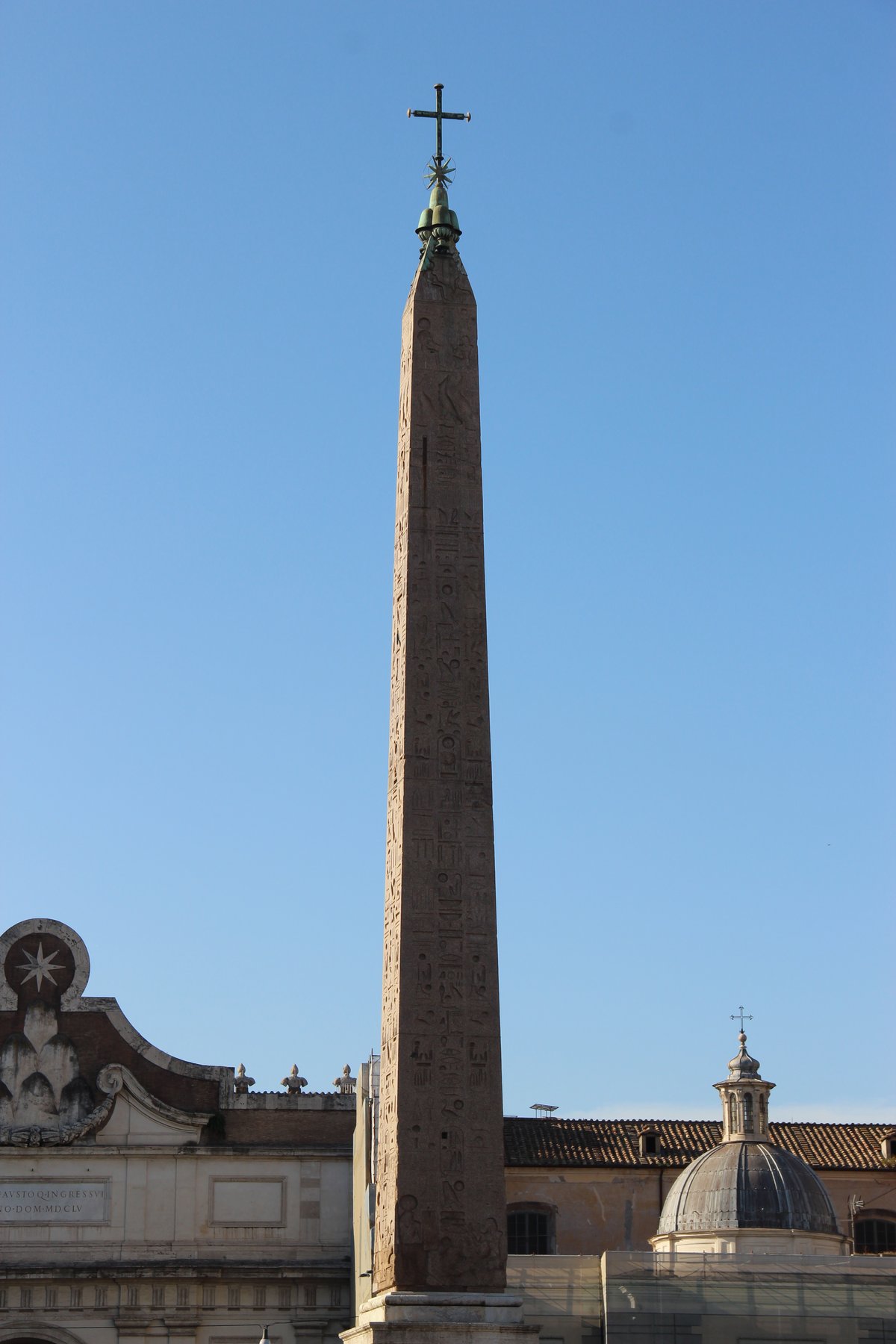
Dominating the center of Rome's magnificent Piazza del Popolo, the Flaminio Obelisk is a striking testament to the enduring allure of ancient monuments. This 24-meter red granite pillar, originally erected by Pharaoh Seti I and completed by Ramses II in Egypt’s city of Heliopolis, was dedicated to the sun god Ra. Its hieroglyphic inscriptions and monumental form exemplify the artistry and religious devotion of ancient Egypt (obelisks.org).
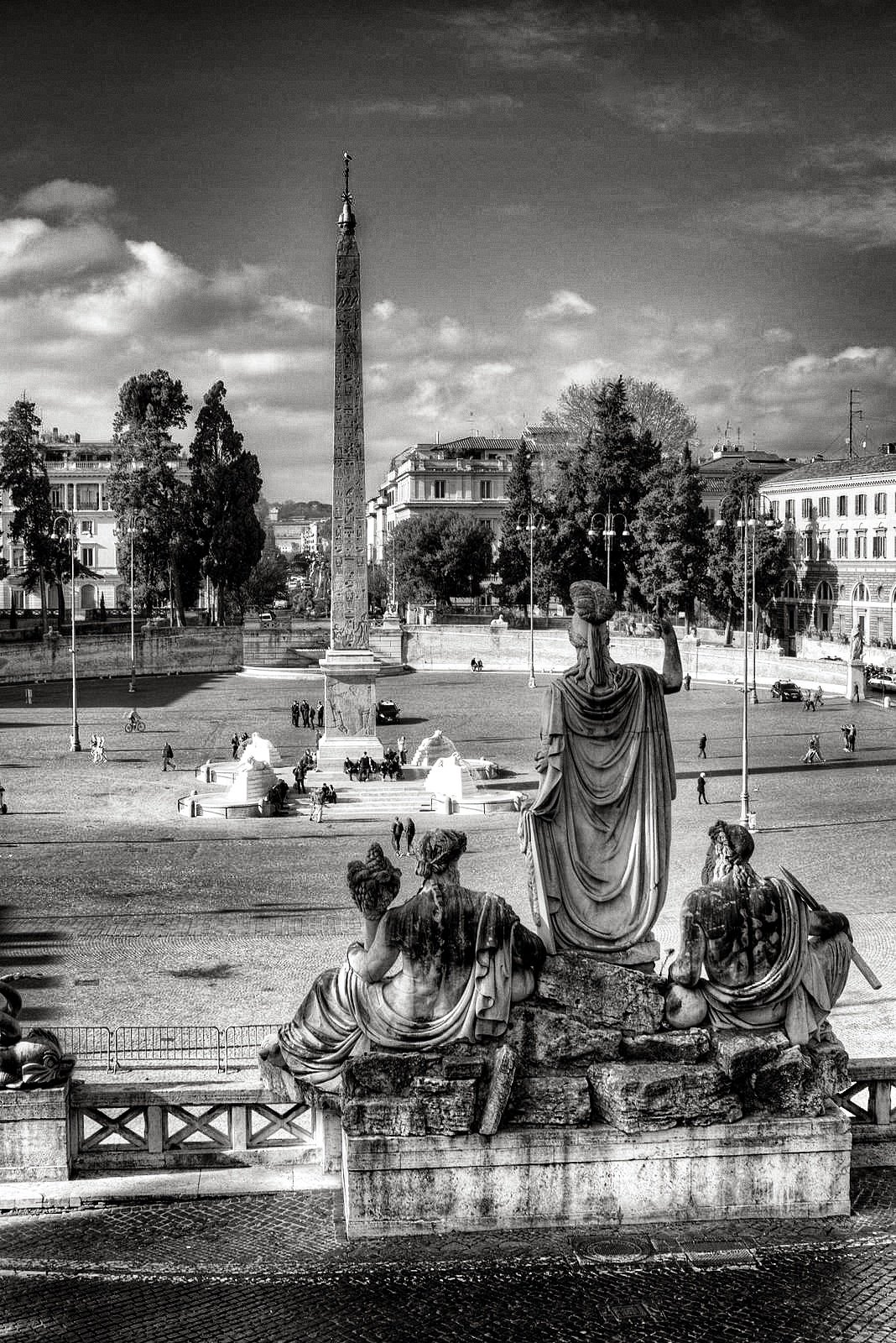
The obelisk’s dramatic journey—from Egypt to Rome under Emperor Augustus in 10 BCE, to its role as a symbol of imperial power at the Circus Maximus, to centuries of burial and eventual resurrection during the Renaissance—mirrors the layered history of the Eternal City. Now standing at the heart of Piazza del Popolo, the Flaminio Obelisk is a focal point amid neoclassical and Baroque splendor, open to visitors day and night and surrounded by some of Rome’s most celebrated landmarks (Wikipedia; Audiala). This guide offers a detailed overview of its historical significance, practical visiting information, accessibility, travel tips, and the best nearby attractions.

Historical Background
Ancient Egyptian Origins
Commissioned by Pharaoh Seti I (reigned 1294–1279 BCE) and completed by Ramses II (1279–1213 BCE), the Flaminio Obelisk was originally erected in Heliopolis, Egypt’s storied city of the sun. Carved from Aswan granite, the obelisk stands 24 meters tall and weighs approximately 235 tons. Its sides are inscribed with hieroglyphs extolling the pharaohs’ piety and power, making it an enduring symbol of Egypt’s religious and architectural prowess (obelisks.org).
Roman Acquisition and Symbolism
In 10 BCE, as part of Rome’s assertion of dominance over Egypt, Emperor Augustus transported the obelisk to Rome. It was installed on the spina of the Circus Maximus, the city’s largest chariot-racing arena, where it stood as a visual statement of imperial might and as an emblem of Augustus’ association with Apollo and the new Roman order (RomeWise; obelisks.org).
Rediscovery and Renaissance Relocation
After the fall of Rome, the obelisk collapsed and was buried for centuries. It was rediscovered in 1587, broken in three pieces, during the papacy of Sixtus V. Master architect Domenico Fontana oversaw its restoration and re-erection in Piazza del Popolo in 1589, as part of a grand urban redesign intended to impress pilgrims and visitors entering Rome (Wikipedia; Audiala).
Modern Significance and Preservation
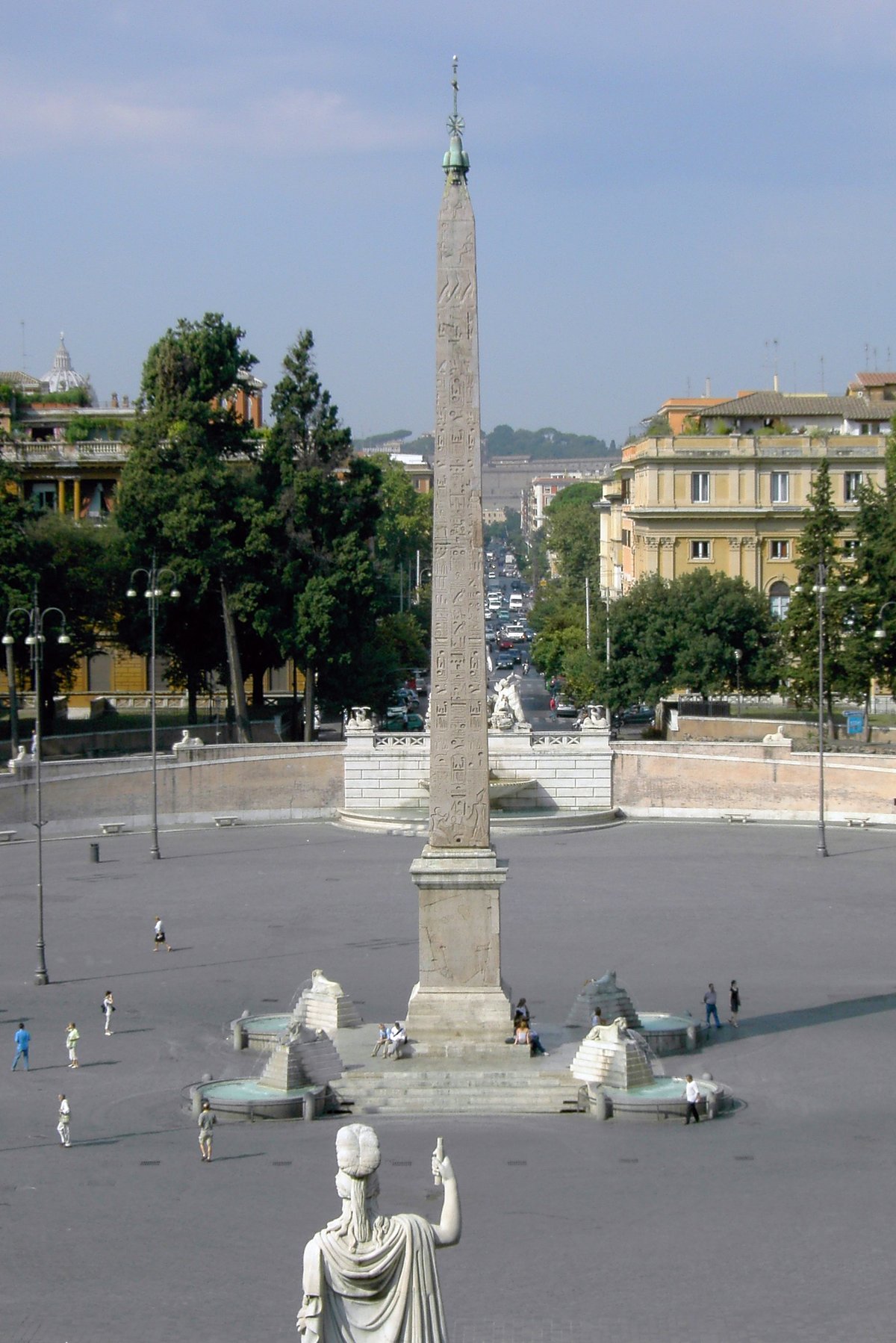
Further enhancements came in the 19th century when architect Giuseppe Valadier redesigned the square, adding four marble lions and basins at the base of the obelisk and integrating the monument into a grand neoclassical ensemble. The obelisk has undergone several restorations to preserve its carvings and structural integrity, and today it remains a powerful symbol of the city’s cosmopolitan past (Wikipedia; Ancient Origins).
Visiting the Flaminio Obelisk
Visiting Hours
- Open 24/7: The obelisk stands in an open public space and can be visited at any time of day or night. There are no restrictions or official hours (Audiala; Rome.info).
Tickets and Guided Tours
- Free Entry: No ticket or reservation is required to visit the Flaminio Obelisk or Piazza del Popolo.
- Guided Tours: Many Rome walking tours include the obelisk and surrounding landmarks, providing valuable historical context (Audiala).
How to Get There
- Metro: Flaminio Station (Line A) is adjacent to the piazza.
- Bus/Tram: Multiple lines stop nearby.
- Walking: The square is within easy walking distance of the Spanish Steps and Villa Borghese (Audiala; Italy Travel Secrets).
Accessibility
- Wheelchair-Friendly: The piazza is flat and accessible, though some surrounding streets are cobblestoned. Ramps and smooth pavements make the obelisk area easy to reach (Audiala).
Travel Tips
- Best Times to Visit: Early morning or late afternoon for optimal lighting and fewer crowds.
- Safety: The area is generally safe but remain vigilant for pickpockets during busy times (The Travel Folk).
- Photography: The best views are from the north of the piazza near Porta del Popolo or from Pincian Hill.
- Refreshments: Numerous cafes and gelaterias surround the square.
Nearby Attractions and Photographic Spots
- Twin Churches: Santa Maria dei Miracoli and Santa Maria in Montesanto frame the south of the piazza, offering stunning Baroque architecture (The Roman Guy).
- Santa Maria del Popolo: This church, at the northeast corner, contains masterpieces by Caravaggio, Raphael, and Bernini (My Adventures Across the World).
- Pincian Hill (Terrazza del Pincio): Accessed via a staircase from the piazza, it offers panoramic views of Rome, especially beautiful at sunset (Italy Travel Secrets).
- Villa Borghese Gardens: Expansive public park with walking paths, museums, and the Borghese Gallery.
- Via del Corso: A lively shopping and historic street radiating south from the piazza.
Frequently Asked Questions (FAQ)
Q: What are the visiting hours for the Flaminio Obelisk?
A: The obelisk and Piazza del Popolo are accessible 24 hours a day, year-round.
Q: Is there an entry fee or ticket required?
A: No, visiting the obelisk and square is completely free.
Q: Are guided tours available?
A: Yes, numerous guided tours of Rome include the obelisk and nearby attractions.
Q: Is the site accessible for wheelchairs?
A: Yes, the piazza is wheelchair-friendly, though some nearby streets are cobbled.
Q: How do I get there by public transport?
A: The Flaminio Metro Station (Line A) is adjacent; several buses and trams also serve the area.
Q: When is the best time to visit?
A: Early mornings and late afternoons provide the best light and fewer tourists.
Final Tips and Summary
The Flaminio Obelisk is far more than a monument; it's a living symbol of Rome’s capacity to weave together Egyptian, Roman, Renaissance, and modern histories. Its placement at the heart of the vibrant Piazza del Popolo, surrounded by world-class churches, gardens, and panoramic viewpoints, makes it a must-visit for anyone passionate about history, architecture, or art. Free and open at all hours, it offers a remarkable window into the shared human legacy of cultural exchange and artistic achievement. For a deeper dive into its story, consider joining a guided tour or exploring with the Audiala app for enriched audio commentary and navigation.
Plan your visit to the Flaminio Obelisk and let the stories carved in its ancient granite inspire your own journey through Rome.
Listen to the full story in the app
The whole Flaminio Obelisk,
told well.
Audio guides for 1,100+ cities across 96 countries. History, stories, and local insight — offline ready.
Verified, and shown.
Researched and written by the Audiala editorial team from historical records, architectural archives, and local expertise.
Researched from Wikidata, Wikipedia & official sources · fact-checked · How we make our guides →